Tubenose Goby

Tubenose Goby is an invasive species established in Michigan waters since 1990, first discovered in the St. Clair River.
Despite 30+ years in the Great Lakes, tubenose gobies remain relatively rare compared to round gobies and are not spreading rapidly, though they've undergone some expansion in Lake Erie's western and eastern basins.
Scientific Name: Proterorhinus semilunaris
- These small benthic fish reach up to 11 cm (4.3 inches) in length and are characterized by their mottled brown coloration with small scales, conjoined pelvic fins, two dorsal fins, and distinctive tube-shaped protuberances extending from their anterior nostrils.
- Unlike the more aggressive round goby, tubenose gobies lack the black spot on the dorsal fin and have lines rather than spots on their first dorsal fin.
Fishing in Michigan
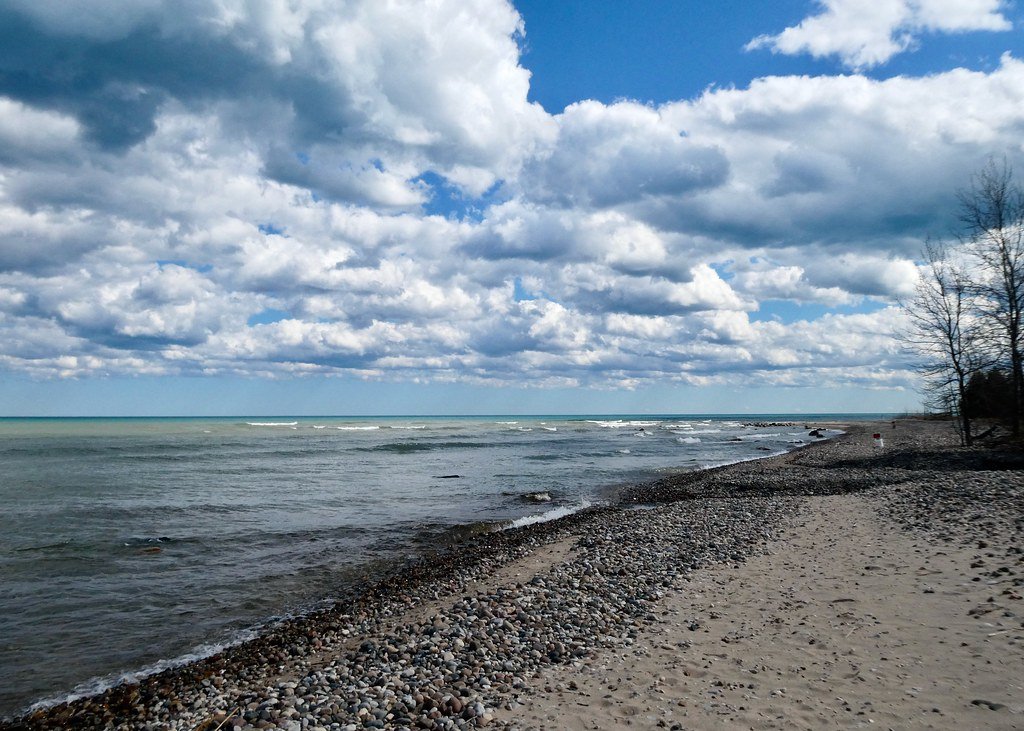
Lake Huron
Flat River
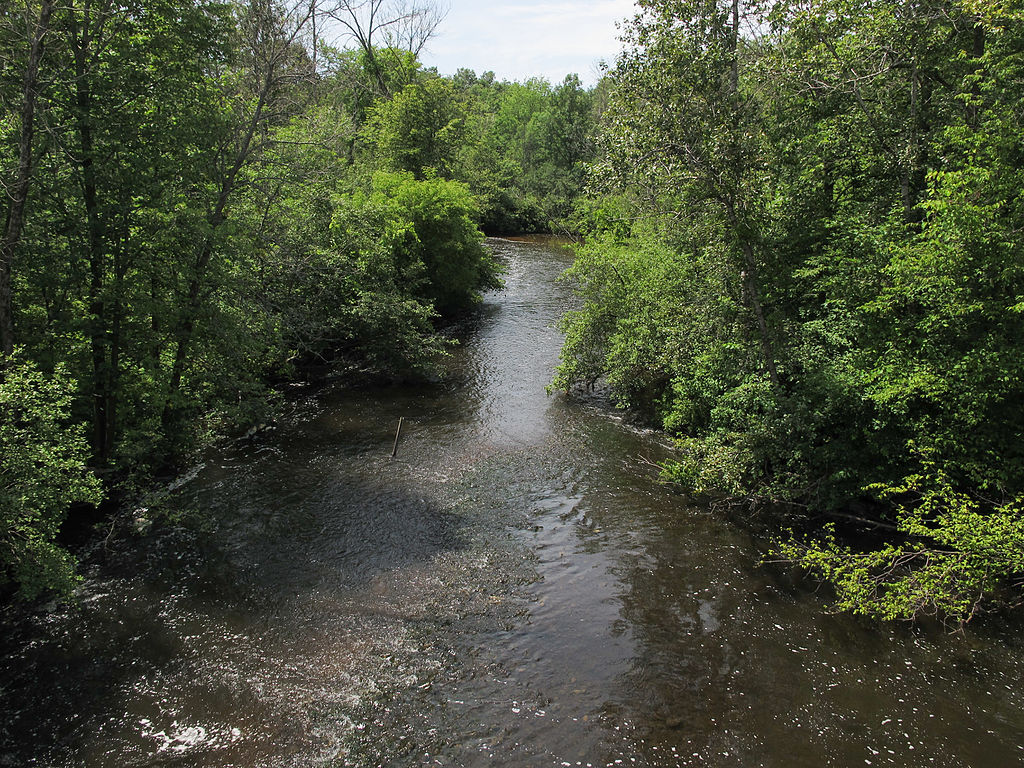
Muskegon River
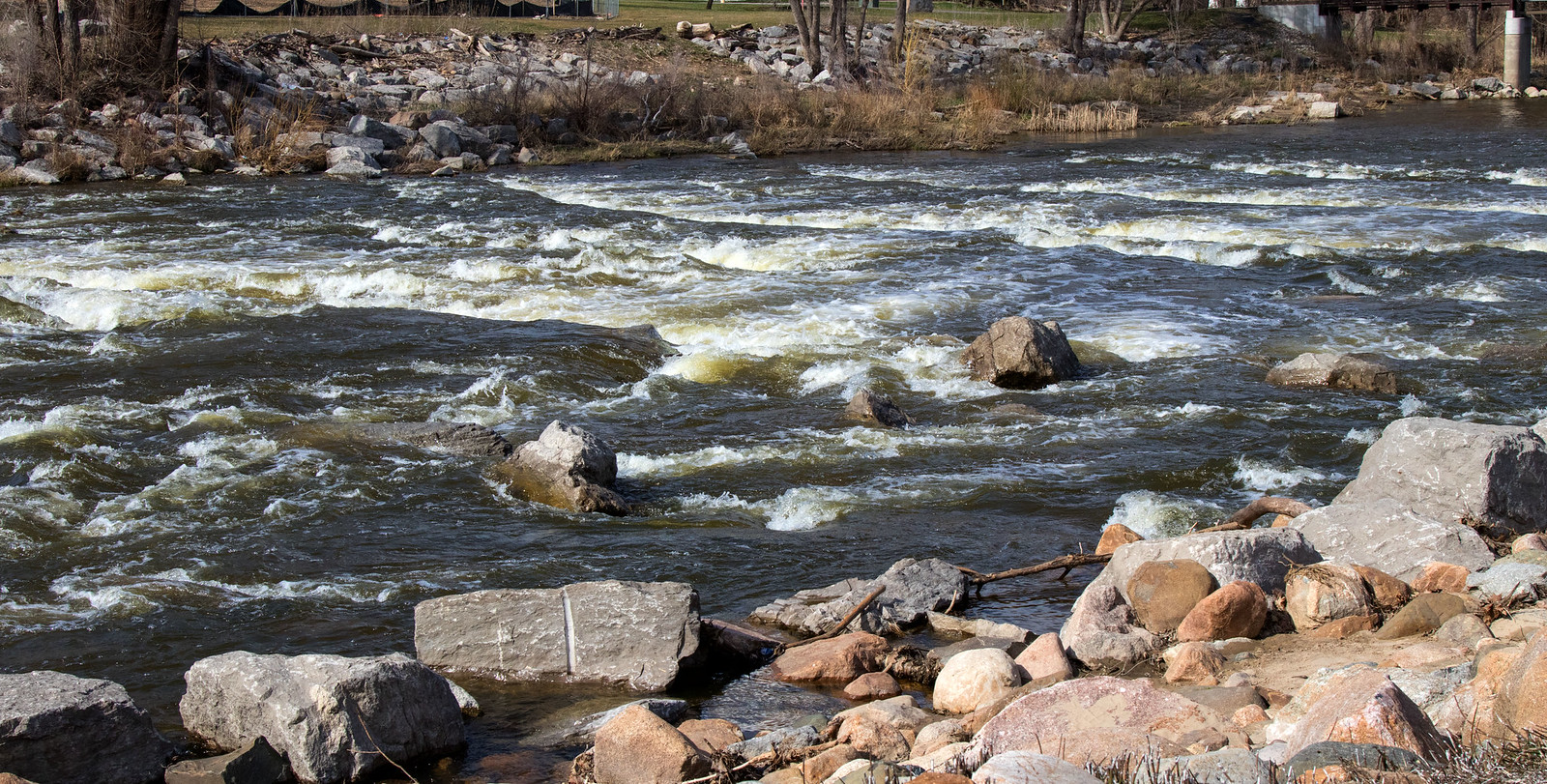
Shiawassee River
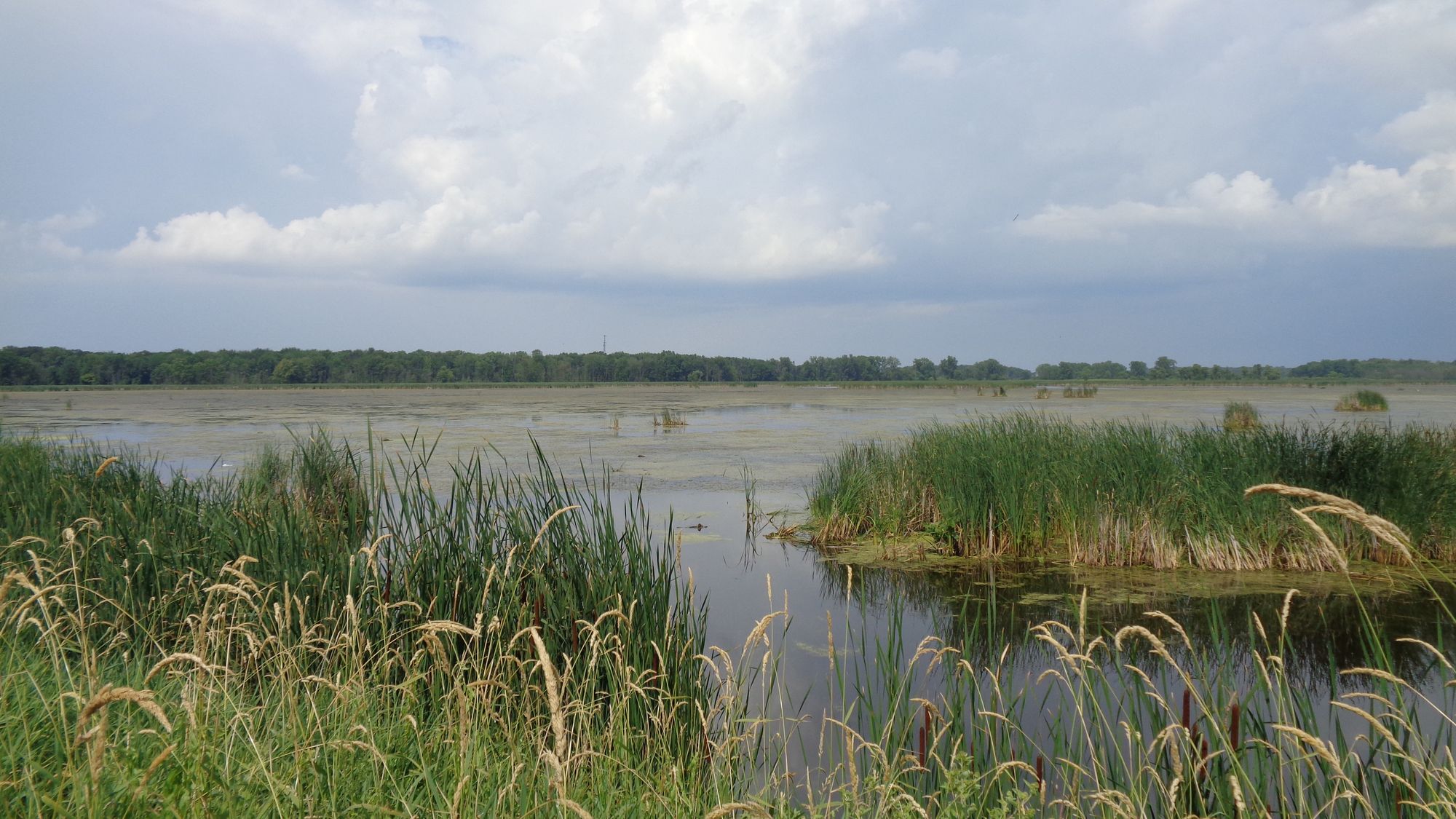
Maple River
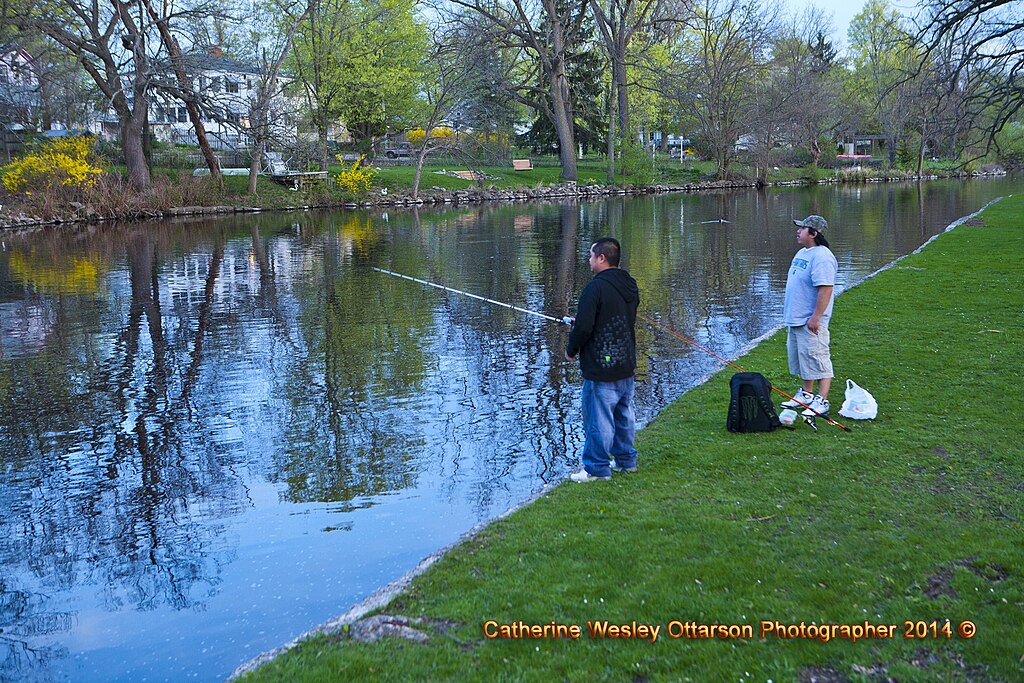
Grand River
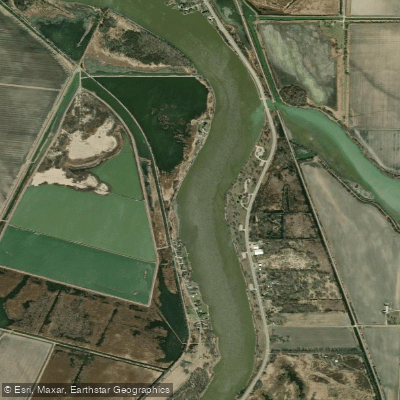
Saginaw River
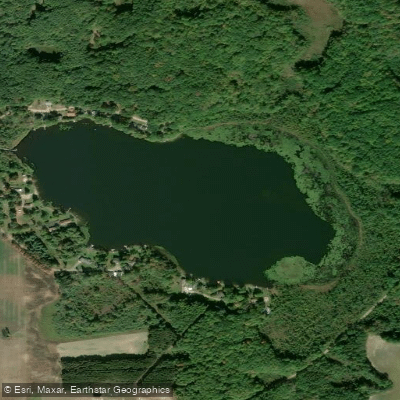
Halls Lake
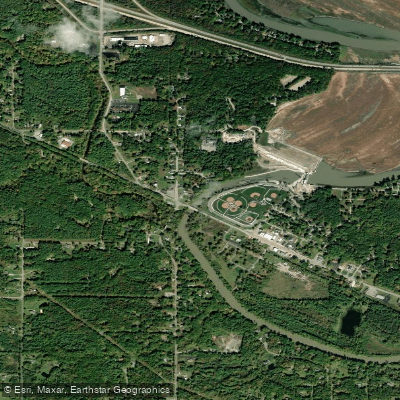
Tittabawassee River
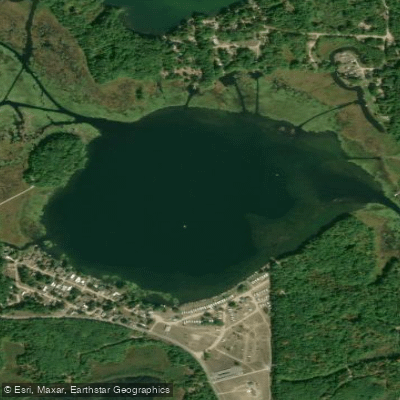
Tubbs Lake
What to know
Habitat Distribution
- In Michigan, they're abundant in Lake St.
- Clair and the St.
- Clair River, with established populations in Lakes Superior, Erie, and Huron.
- They also inhabit the Detroit River system, Cheboygan River mouth, and various tributaries.
Key Locations
- Lake St.
- Clair, St.
- Clair River, Detroit River system, nearshore areas of Lakes Superior, Erie, and Huron, Cheboygan River mouth, Clinton River, Huron River, Ottawa-Stony River, and Raisin rivers.
Specific Spots
- Prefer slightly brackish to freshwater habitats in shallow (less than 5 meters deep), slow-moving nearshore environments with abundant aquatic macrophytes, though they also occupy sandy areas.
- Particularly areas with abundant aquatic vegetation or sandy bottoms.
Tubenose Goby FAQ
Answers from onWater's species guide.
What are the best lures and bait for Tubenose Goby in Michigan?
Small flies or lures that imitate amphipods, chironomids, or other bottom-dwelling invertebrates would be most effective.
When is the best time to fish for Tubenose Goby in Michigan?
Fish during their active feeding periods outside of spawning season (avoid April-August when they're focused on reproduction).
How do you catch Tubenose Goby in Michigan?
Bottom-bouncing presentations would be most productive. Techniques effective for native sculpins and darters may also work since they inhabit the same areas.
What do Tubenose Goby eat?
Their diet consists primarily of benthic invertebrates such as amphipods, chironomids, crustaceans, copepods, dipterans, ephemeropterans, ostracods, trichopterans, gammarids, isopods, and occasionally larval fish.
Where do Tubenose Goby live in Michigan?
In Michigan, they're abundant in Lake St. Clair and the St. Clair River, with established populations in Lakes Superior, Erie, and Huron. They also inhabit the Detroit River system, Cheboygan River mouth, and various tributaries.
Fish smarter with real-time insights
Whether you're en route and conditions shift or you're looking for the best spot based on current flows, we enable you to make informed decisions on the fly.







See it in the app
Most maps show you water.
onWater shows you Tubenose Goby.



- 01 · Species map filter
Map every Tubenose Goby water
Pick Tubenose Goby and the map zeroes in on the waters they call home. No more guessing which lake holds them.
- 02 · Waterbody species
Tap any water. See what lives there.
Species, behavior and seasonal patterns for every lake, river and pond, before you leave the driveway.
- 03 · Angler Intelligence
Ask how to catch Tubenose Goby
Tactics, gear and timing from onWater's AI fishing guide, tuned to the species and the water you're on.
Stop guessing where Tubenose Goby are.
Open the map, filter by Tubenose Goby, and head to water that holds them. Download onWater and plan your next trip in minutes.
- Species map filter
- Angler Intelligence
- Fishing journal
Explore other species
Trout, bass, salmon, panfish and everything in between. Each guide unpacks the behavior, seasons, and tactics that put fish in the net.

Find which waters have the species you want to catch

Largemouth Bass
Micropterus salmoides

Smallmouth Bass
Micropterus dolomieu

Rainbow Trout

Brown Trout
Salmo trutta

Brook Trout

Northern Pike
Esox lucius

Muskellunge
Esox masquinongy

Walleye
Sander vitreus

Black Crappie
Pomoxis nigromaculatus

Alewife
Alosa pseudoharengus

American Eel
Anguilla rostrata
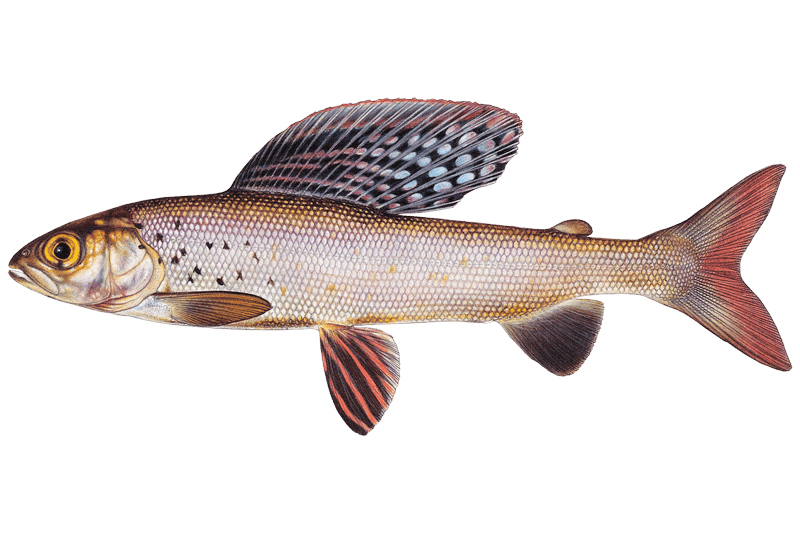
Arctic Grayling
Thymallus arcticus

Atlantic Salmon
Salmo salar

Black Bullhead
Ameiurus melas

Blacknose Dace
Rhinichthys atratulus

Bloater
Coregonus hoyi

Bowfin
Amia calva

Brown Bullhead
Ameiurus nebulosus

Burbot
Lota lota

Chain Pickerel
Esox niger

Channel Catfish
Ictalurus punctatus

Chinook Salmon

Cisco
Coregonus artedi

Coho Salmon

Common Carp
Cyprinus carpio

Creek Chub
Semotilus atromaculatus

Flathead Catfish
Pylodictis olivaris

Freshwater Drum
Aplodinotus grunniens

Gizzard Shad
Dorosoma cepedianum

Golden Redhorse
Moxostoma erythrurum

Green Sunfish
Lepomis cyanellus

Lake Sturgeon
Acipenser fulvescens

Lake Trout
Salvelinus namaycush
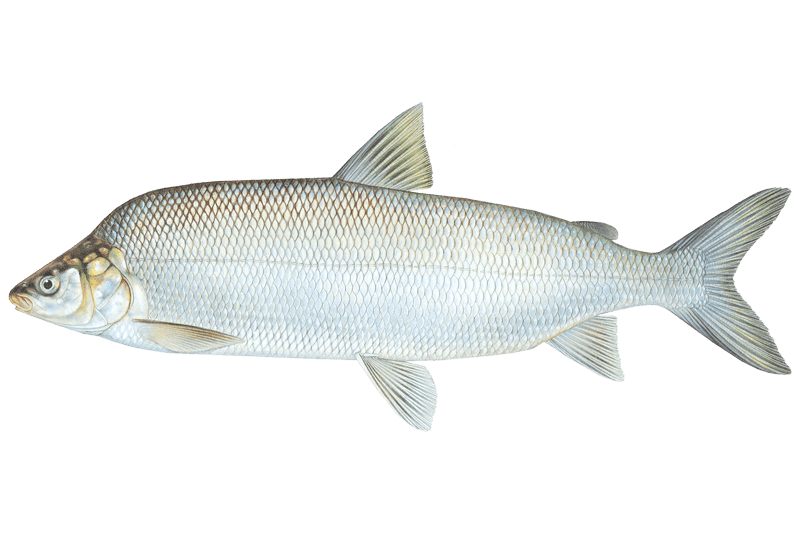
Lake Whitefish
Coregonus clupeaformis

Longear Sunfish
Lepomis megalotis (traditional), Lepomis peltastes (Northern)

Longnose Gar
Lepisosteus osseus

Longnose Sucker
Catostomus catostomus

Northern Hogsucker
Hypentelium nigricans

Pink Salmon
Oncorhynchus gorbuscha

Pumpkinseed
Lepomis gibbosus
Michigan licenses and regulations

Michigan Boating Regulations
When using any type of watercraft to access a body of water, it is important to follow all federal, state, and local rules and regulations. These rules and regulations include boat permitting and licensing, invasive species inspections and stamps, life jacket and PFD rules, motor size and horsepower restrictions, noise limitations, restrictions on personal watercraft, and many more. Visit the web link below for the most current rules and regulations for this body of water.

Michigan Fishing License
You must purchase a fishing license if you are 17 years of age or older to fish. If you are under 17, you may fish without a license, but you are required to observe all fishing rules and regulations. Any adult actively assisting a minor who does not have a license must have a fishing license. Please note, a license is required when targeting fish, amphibians, crustaceans and reptiles. Michigan's annual fishing license is valid from March 1 of a given year through March 31 of the following year.

Michigan Fishing Regulations
This river has a variety of species and regulations, including potential floating and/or watercraft restrictions. Because this river is specially managed for species, seasons, angling methods, and watercraft, it is strongly encouraged you check all federal, state, and local regulations before fishing. Visit any of the links below, inquire locally, or contact a local fly shop to learn current regulations and restrictions.

Michigan Stream Access Laws
The public has a right to use a waterway for pleasure, travel, or commercial navigation. The right extends to wading on the streambed or traveling on ice. While constant movement is not required, neither can a vessel be permanently moored or use the waterway as a parking spot. The riparian owner (the owner of the land along the water) owns the streambed, but that right is subordinate to the right of navigation. On non-navigable waters the riparian owner has the right to fish and can exclude the public from fishing on such waters. But on navigable waters, the rights of the private owners are inferior to the public trust right to fish the waters.
Explore nearby waters
Explore Michigan waters
Top fishing waters
Popular Cities
Loading popular cities...
Smarter Fishing Starts in the App.
onWater Fish gives you everything you need to plan smarter, fish better, and own every trip from first cast to last.