Brook Stickleback

Brook Stickleback are small native fish in Iowa waters that are not typically targeted by anglers due to their tiny size, but are occasionally caught incidentally while fishing for other species.
They serve as important forage for numerous Iowa game fish including smallmouth bass and northern pike.
Scientific Name: Culaea inconstans
- Reaching only 2-3 inches long.
- They have deep, compressed, scaleless bodies with olive-green backs and sides marked by white or yellow spots and dark wavy lines.
- Distinguished by 2-7 (usually 5) unconnected dorsal spines, they have small mouths with swollen lips and projecting lower jaws.
Fishing in Iowa
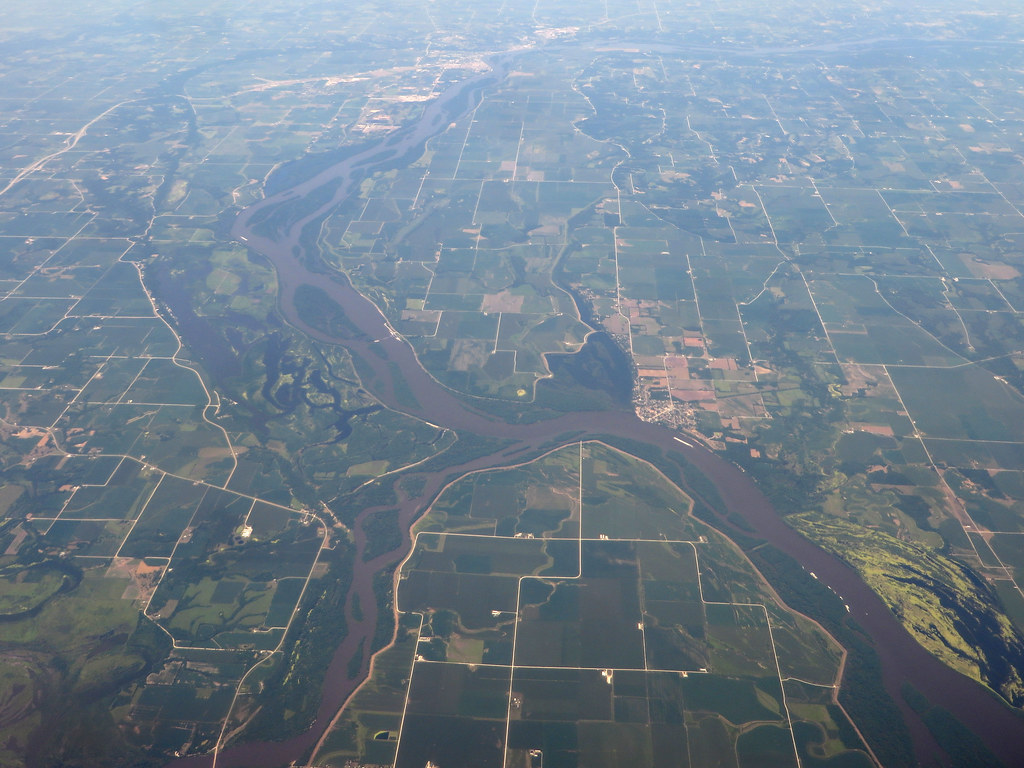
Iowa River
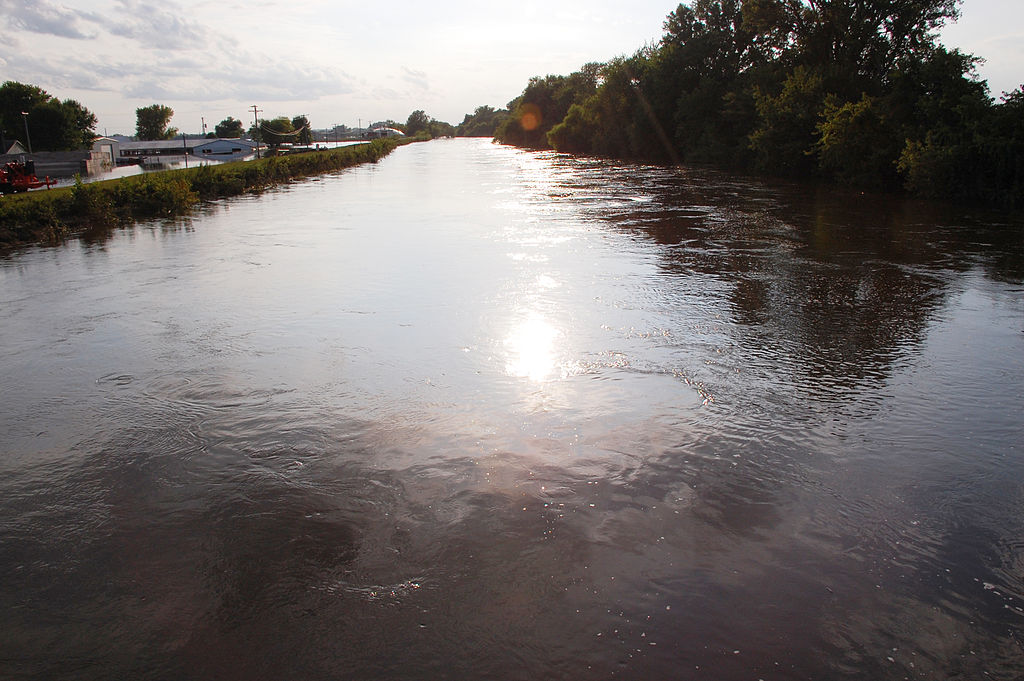
South Skunk River
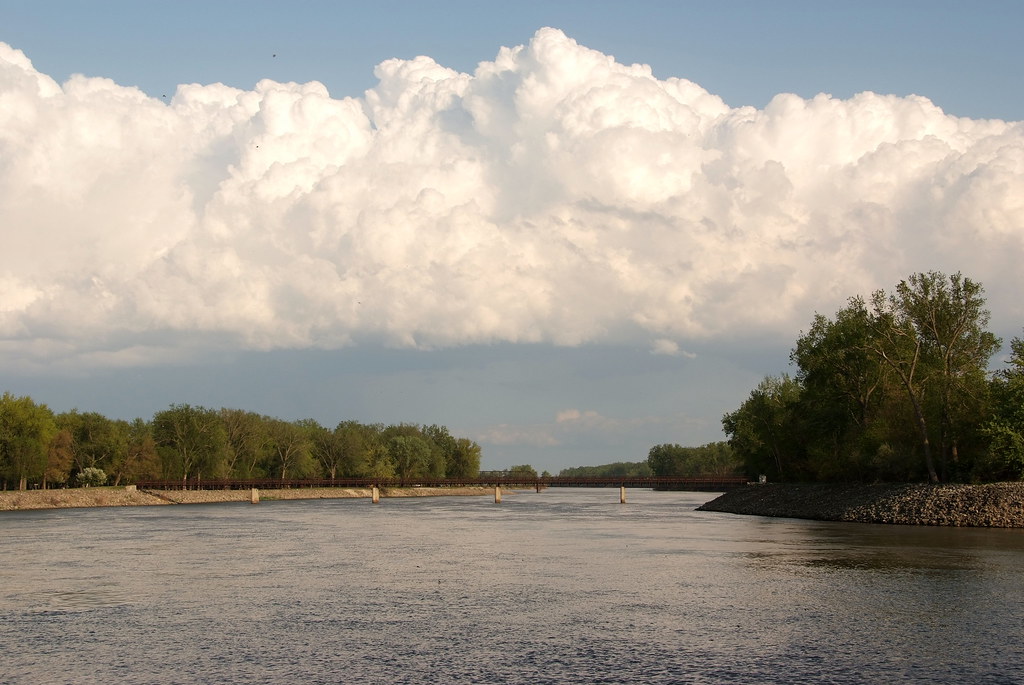
Lake Red Rock
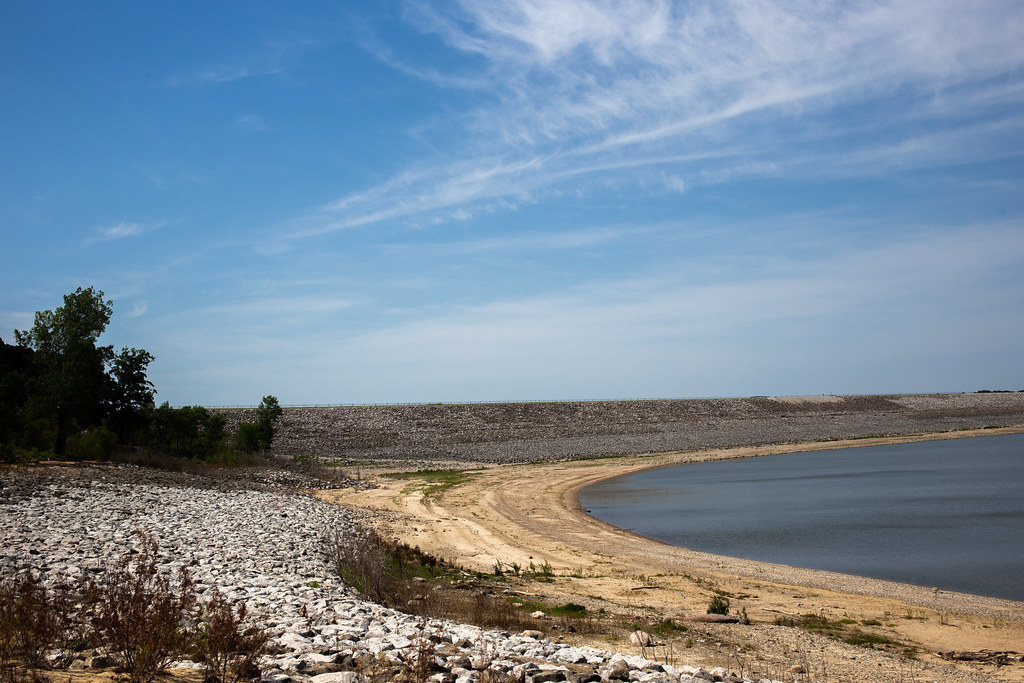
Saylorville Lake
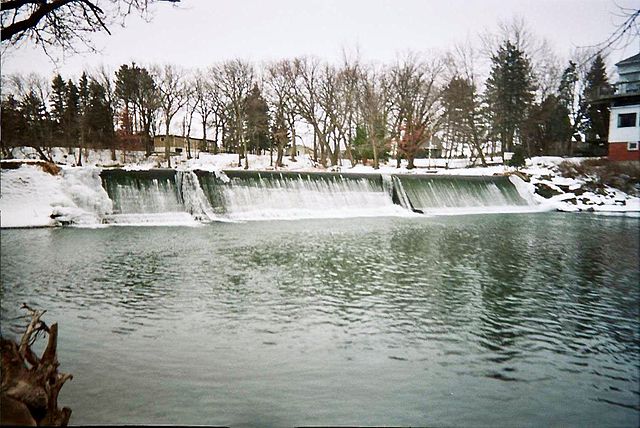
Cedar River
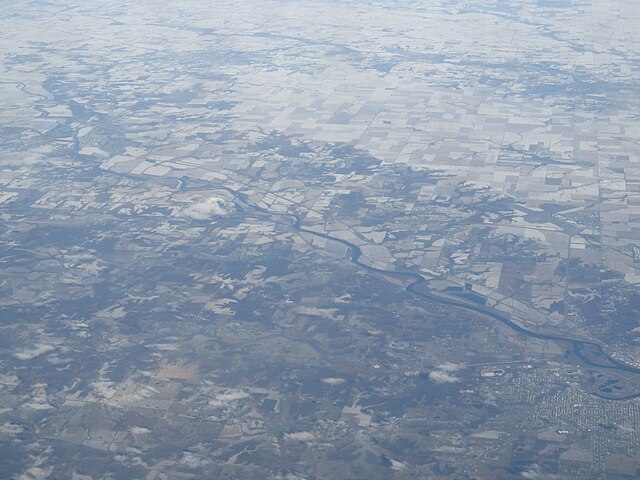
Des Moines River
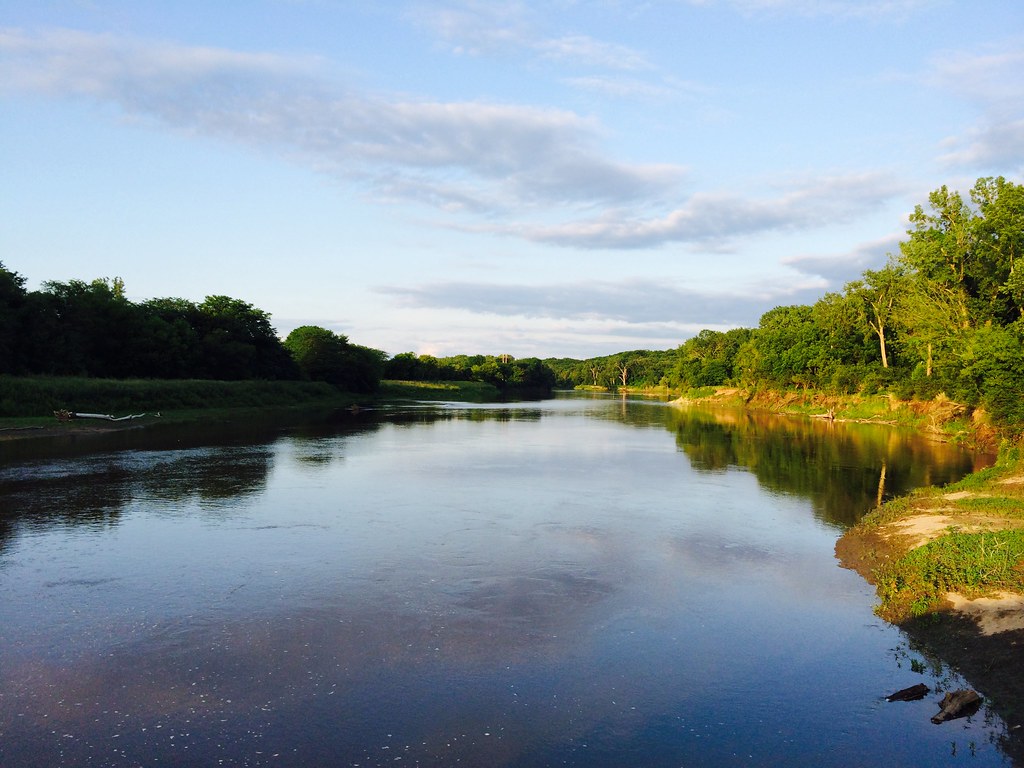
Raccoon River
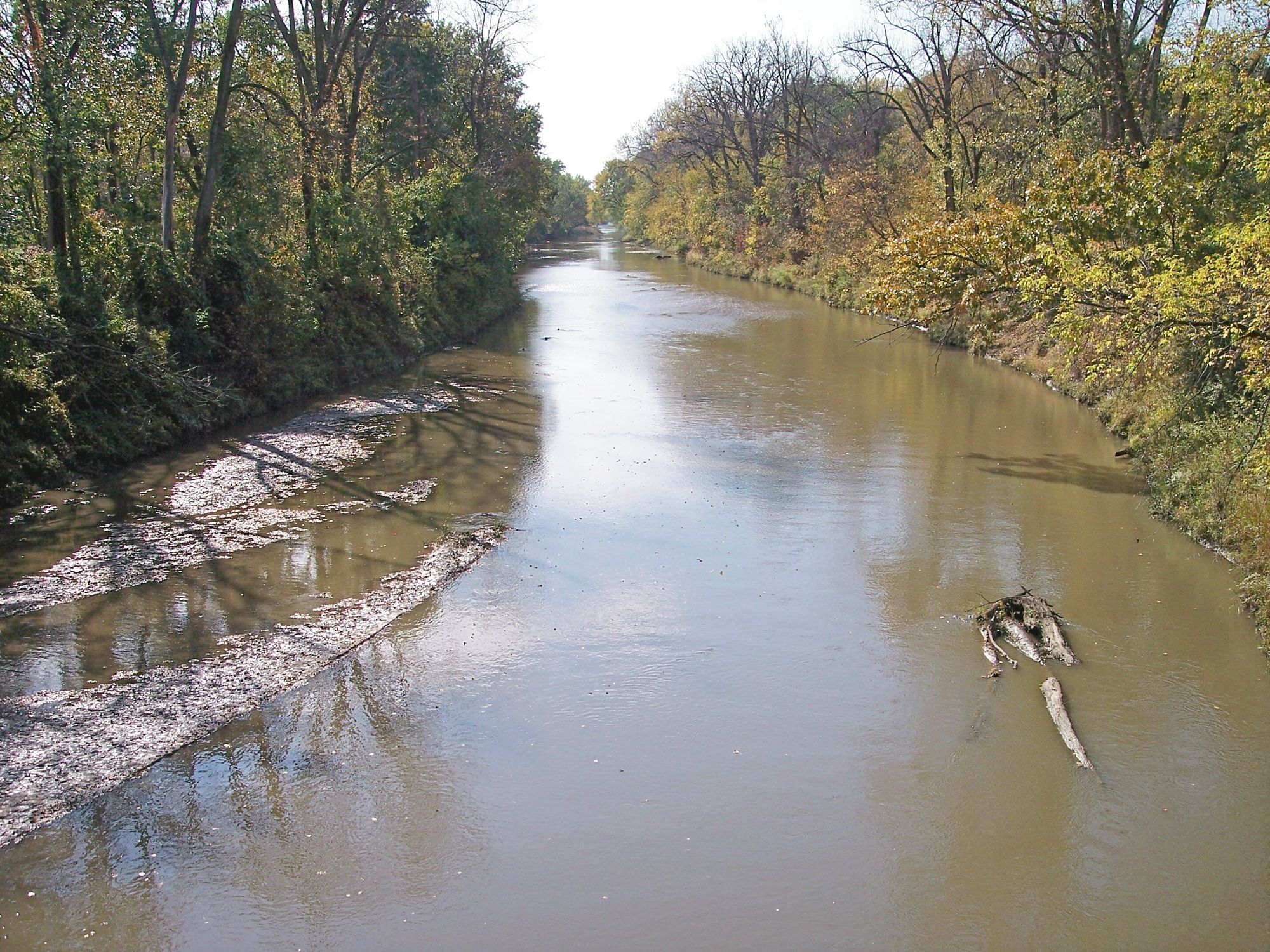
Middle River
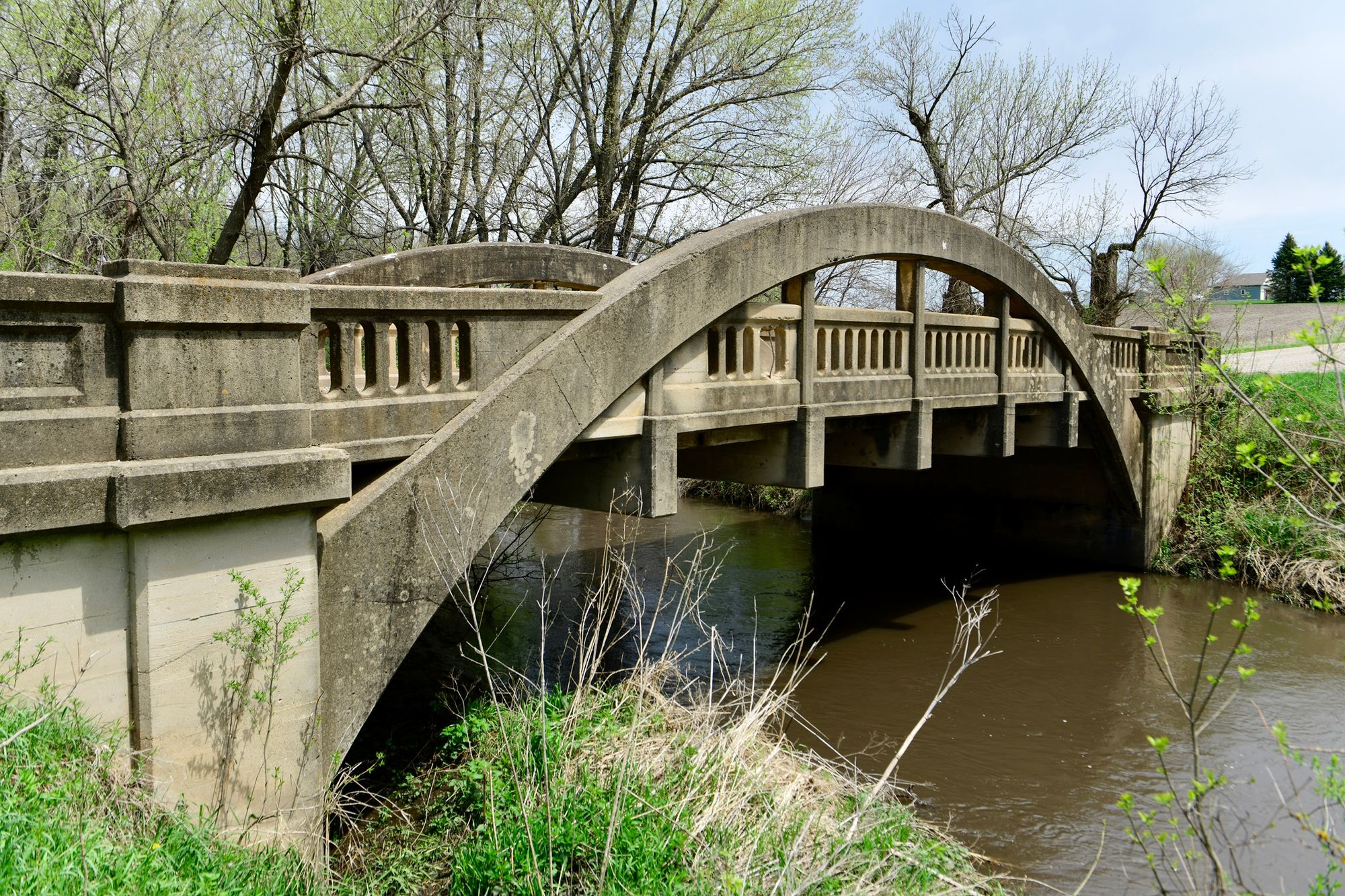
Big Creek
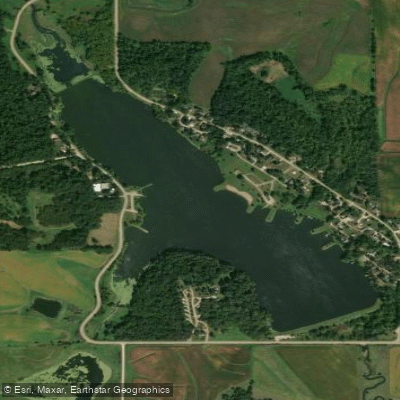
Union Grove Lake
What to know
Habitat Distribution
- Distributed throughout streams and natural lakes in central and northeast Iowa, with scattered populations in the Little Sioux River and Rock River drainages in northwest Iowa, appearing only in the northern half of the state.
- They prefer streams with moderate currents, sand and gravel bottoms, and clean to slightly turbid water, also inhabiting sheltered bays, swampy margins and bogs of lakes in cool, shallow water with heavy vegetation.
Key Locations
- Paint Creek, Waterloo Creek, French Creek, Pine Creek, Clear Creek (both New Albin and Lansing locations), Little Turkey River, Upper Swiss Valley Creek, and numerous other trout streams in Allamakee, Clayton, Delaware, and Dubuque counties.
Specific Spots
- Areas around vegetation stems, organic debris, and filamentous algae where they naturally forage.
Brook Stickleback FAQ
Answers from onWater's species guide.
When is the best time to fish for Brook Stickleback in Iowa?
Best fishing occurs outside their spawning period (avoid mid-April through late June when they're nesting at water temperatures of 59-66 degrees).
How do you catch Brook Stickleback in Iowa?
Not typically targeted by anglers due to their tiny 2-3 inch size, but are occasionally caught incidentally while fishing for other species. When targeting waters where they're present, focus on cool, shallow areas with heavy vegetation. Dawn and sunset are optimal feeding times when they're most active.
What do Brook Stickleback eat?
Diet consists primarily of small aquatic invertebrates, larvae, crustaceans, fish e.g.gs (including their own species), and algae, feeding mainly at dawn and sunset.
Where do Brook Stickleback live in Iowa?
Distributed throughout streams and natural lakes in central and northeast Iowa, with scattered populations in the Little Sioux River and Rock River drainages in northwest Iowa, appearing only in the northern half of the state.
Fish smarter with real-time insights
Whether you're en route and conditions shift or you're looking for the best spot based on current flows, we enable you to make informed decisions on the fly.







See it in the app
Most maps show you water.
onWater shows you Brook Stickleback.



- 01 · Species map filter
Map every Brook Stickleback water
Pick Brook Stickleback and the map zeroes in on the waters they call home. No more guessing which lake holds them.
- 02 · Waterbody species
Tap any water. See what lives there.
Species, behavior and seasonal patterns for every lake, river and pond, before you leave the driveway.
- 03 · Angler Intelligence
Ask how to catch Brook Stickleback
Tactics, gear and timing from onWater's AI fishing guide, tuned to the species and the water you're on.
Stop guessing where Brook Stickleback are.
Open the map, filter by Brook Stickleback, and head to water that holds them. Download onWater and plan your next trip in minutes.
- Species map filter
- Angler Intelligence
- Fishing journal
Explore other species
Trout, bass, salmon, panfish and everything in between. Each guide unpacks the behavior, seasons, and tactics that put fish in the net.

Find which waters have the species you want to catch

Largemouth Bass

Smallmouth Bass

Rainbow Trout

Brown Trout
Salmo trutta

Brook Trout
Salvelinus fontinalis

Northern Pike

Muskellunge

Walleye

Black Crappie
Pomoxis nigromaculatus

American Eel
Anguilla rostrata

Bighead Carp

Bigmouth Buffalo

Black Buffalo
Ictiobus niger

Black Bullhead
Ameiurus melas

Blue Catfish
Ictalurus furcatus

Blue Sucker
Cycleptus elongatus

Bowfin
Amia calva

Brown Bullhead
Ameiurus nebulosus

Burbot

Channel Catfish

Common Carp

Creek Chub
Semotilus atromaculatus

Flathead Catfish

Flathead Chub
Platygobio gracilis

Freshwater Drum
Aplodinotus grunniens

Gizzard Shad
Dorosoma cepedianum

Golden Redhorse
Moxostoma erythrurum

Grass Carp

Green Sunfish
Lepomis cyanellus

Lake Sturgeon
Acipenser fulvescens

Longnose Gar

Northern Hogsucker
Hypentelium nigricans
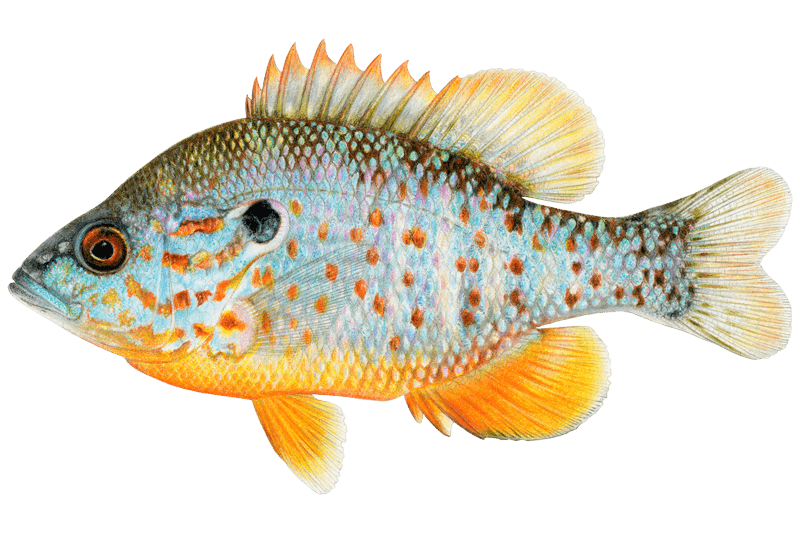
Orangespotted Sunfish
Lepomis humilis

Pumpkinseed
Lepomis gibbosus
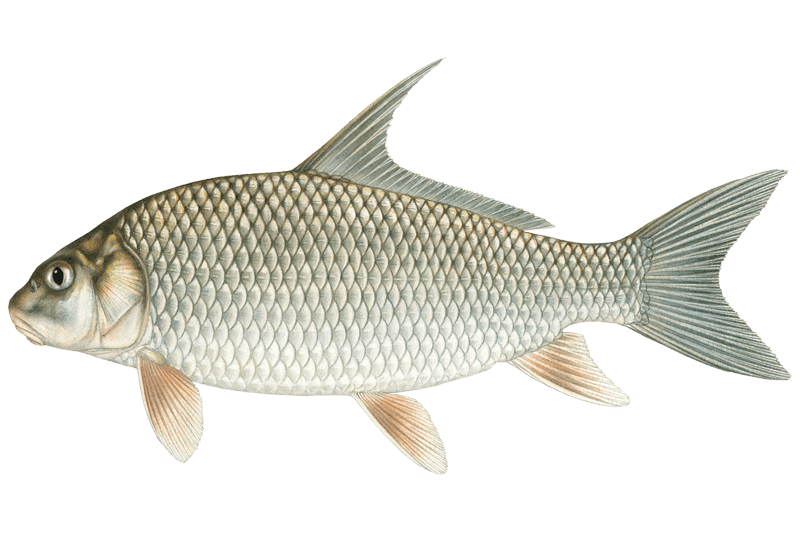
Quillback
Carpiodes cyprinus
Redear Sunfish
River Redhorse
Moxostoma carinatum

Rock Bass
Ambloplites rupestris

Sand Shiner
Miniellus stramineus
Sauger
Sander canadensis
Iowa licenses and regulations

Iowa Boating Regulations
When using any type of watercraft to access a body of water, it is important to follow all federal, state, and local rules and regulations. These rules and regulations include boat permitting and licensing, invasive species inspections and stamps, life jacket and PFD rules, motor size and horsepower restrictions, noise limitations, restrictions on personal watercraft, and many more. Visit the web link below for the most current rules and regulations for this body of water.
Iowa Fishing License
All anglers 16 years and older must have a fishing license to fish Iowa waters. Anglers under the age of 16 may fish Iowa waters without a fishing license and may fish for and keep their own limit of fish, except when fishing for trout they must share their limit with a licensed adult or buy their own trout fee to keep their own limit of trout.
Iowa Fishing Regulations
This river has a variety of species and regulations, including potential floating and/or watercraft restrictions. Because this river is specially managed for species, seasons, angling methods, and watercraft, it is strongly encouraged you check all federal, state, and local regulations before fishing. Visit any of the links below, inquire locally, or contact a local fly shop to learn current regulations and restrictions.

Iowa Stream Access Laws
If a waterway can support a vessel capable of carrying one or more people during a total of six months in one out of every ten years, it is considered navigable and is open to fishing, swimming and wading, regardless of streambed ownership.
Explore nearby waters
Explore Iowa waters
Top fishing waters
Popular Cities
Loading popular cities...
Smarter Fishing Starts in the App.
onWater Fish gives you everything you need to plan smarter, fish better, and own every trip from first cast to last.