Black Crappie

Black crappie are a highly sought-after panfish species throughout Iowa. They school heavily and follow predictable seasonal movement patterns based on water temperature, making them cyclical in their availability to anglers.
Scientific Name: Pomoxis nigromaculatus
- Characterized by their silvery-speckled, deep-bodied, slab-sided profile with large mouths that extend past the middle of the eye when closed.
- They typically display dark backs with irregularly spaced green or blackish spots on their sides (unlike white crappie which have distinct vertical bars) and strongly netted dorsal, tail, and anal fins that appear dark with whitish spots.
- Iowa's black crappie have 7-8 dorsal spines and can grow exceptionally large, with most catches ranging 8-12 inches, though specimens up to 4 pounds and 18+ inches are recorded.
- The state record stands at 3 pounds, 14 ounces from Three Mile Lake.
Fishing in Iowa
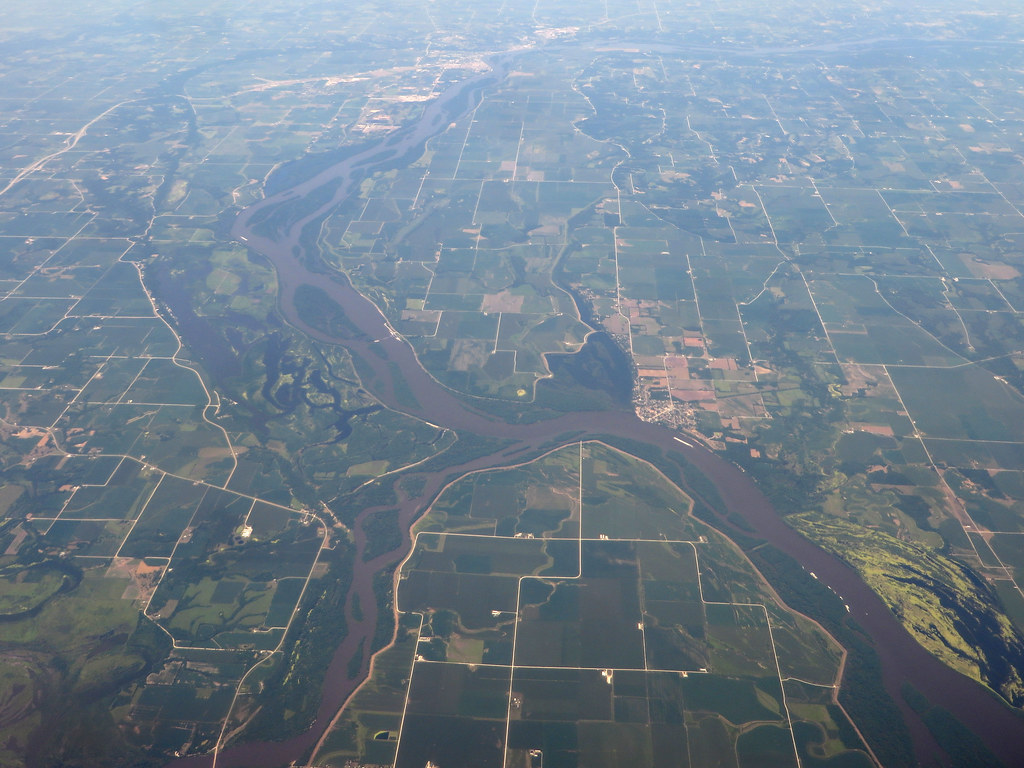
Iowa River
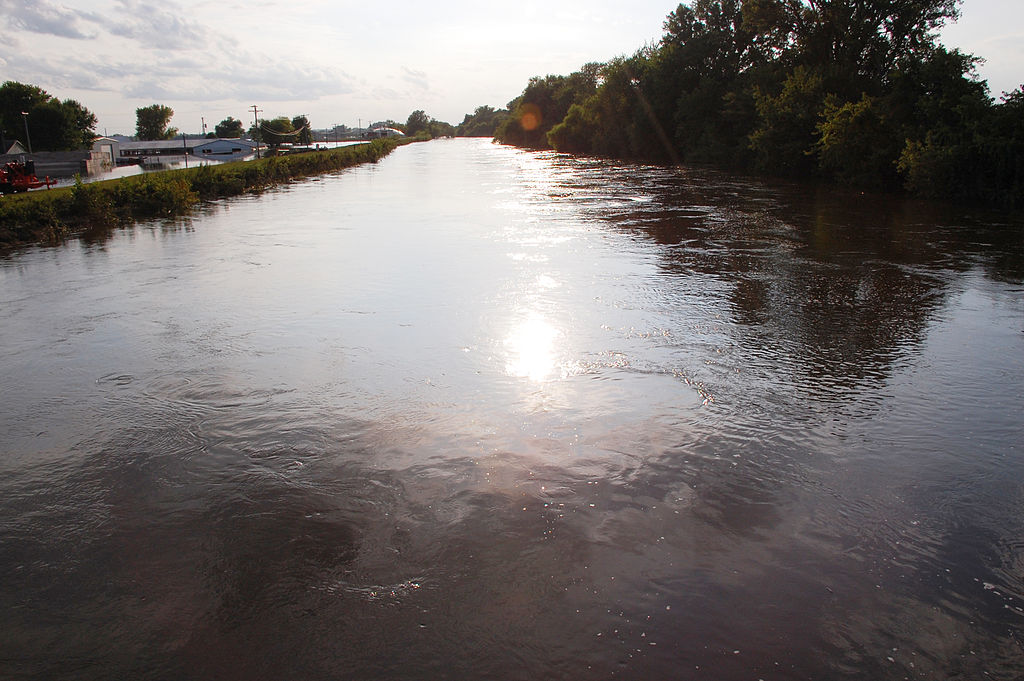
South Skunk River
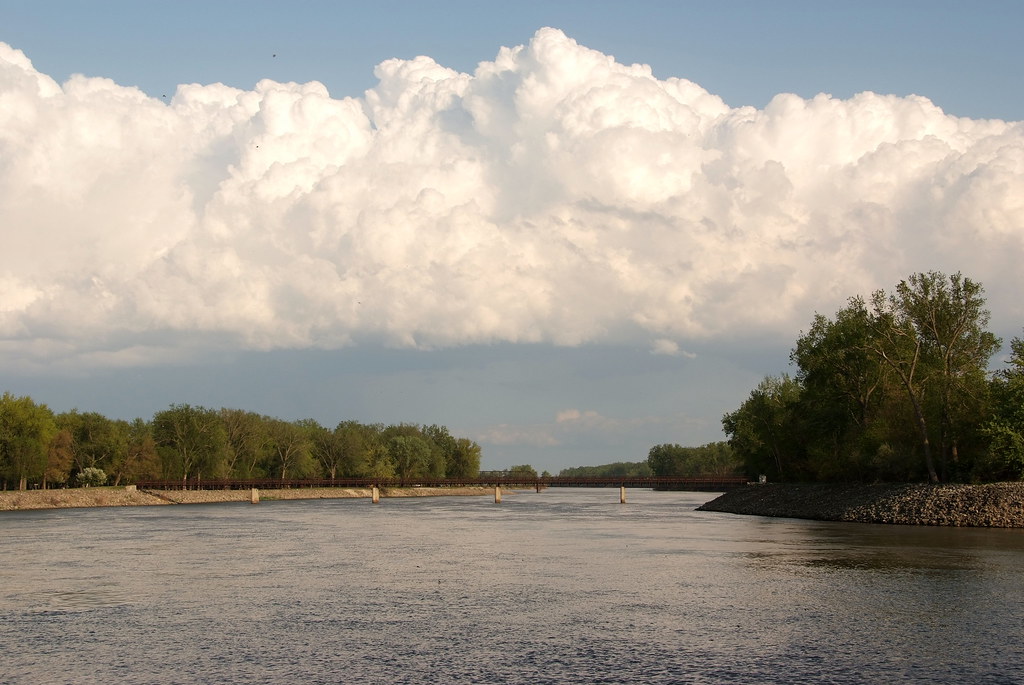
Lake Red Rock
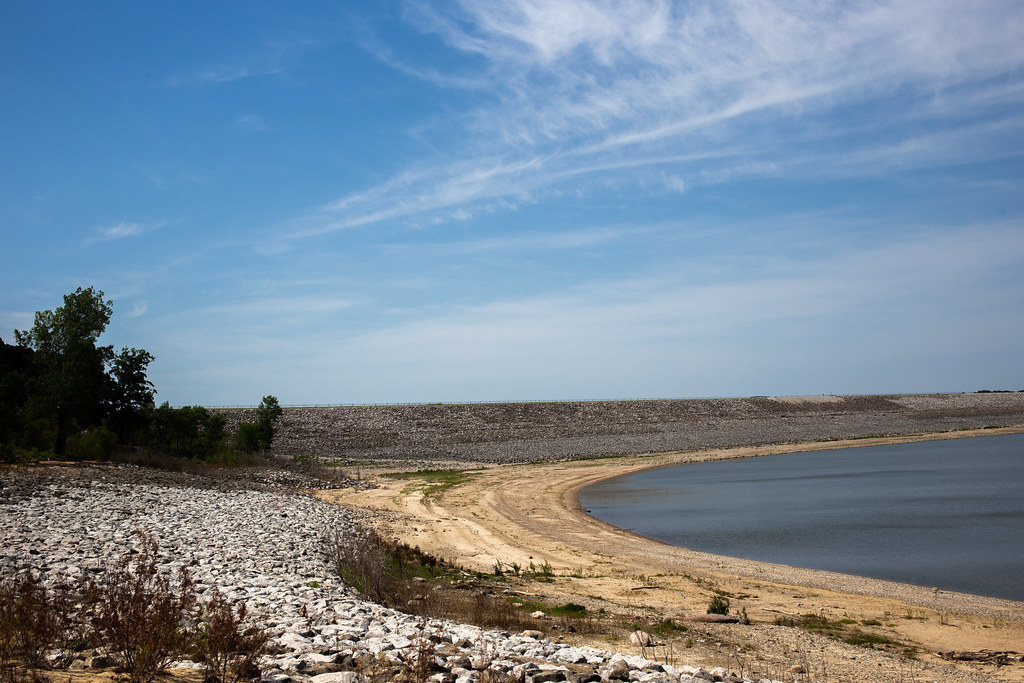
Saylorville Lake
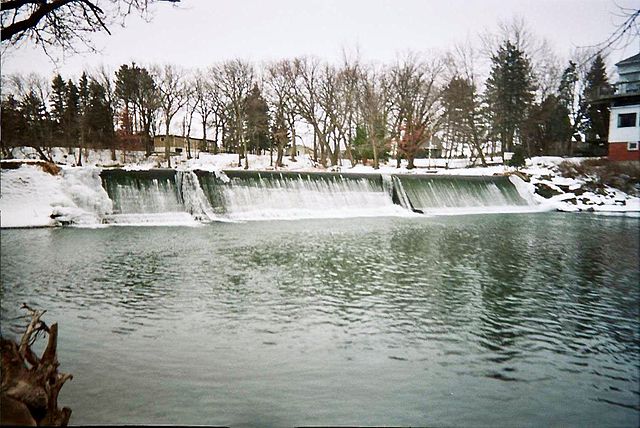
Cedar River
Des Moines River
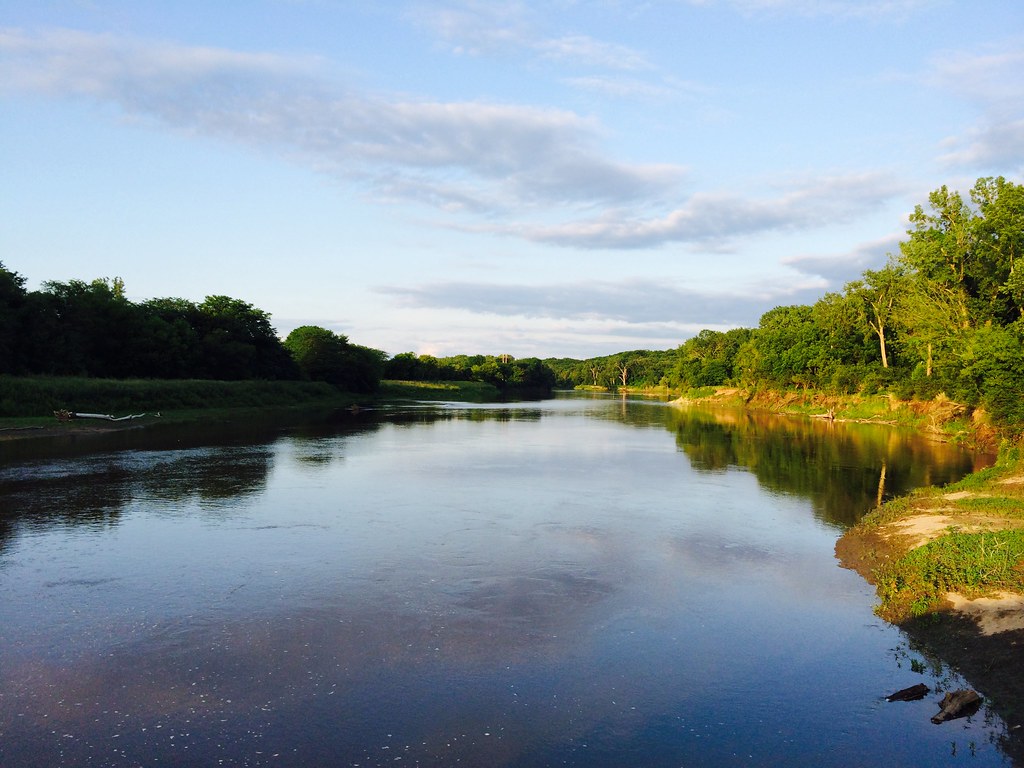
Raccoon River
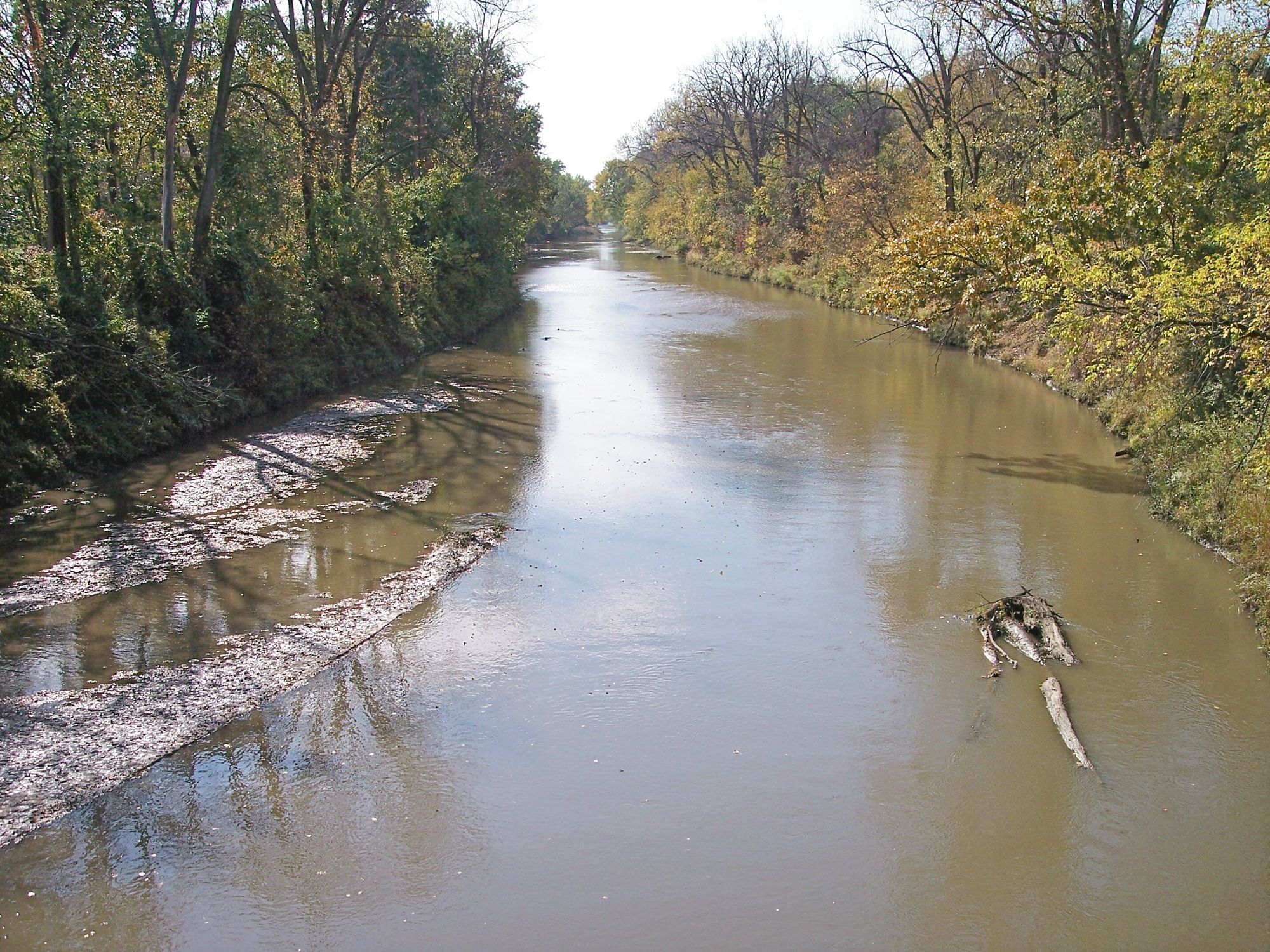
Middle River
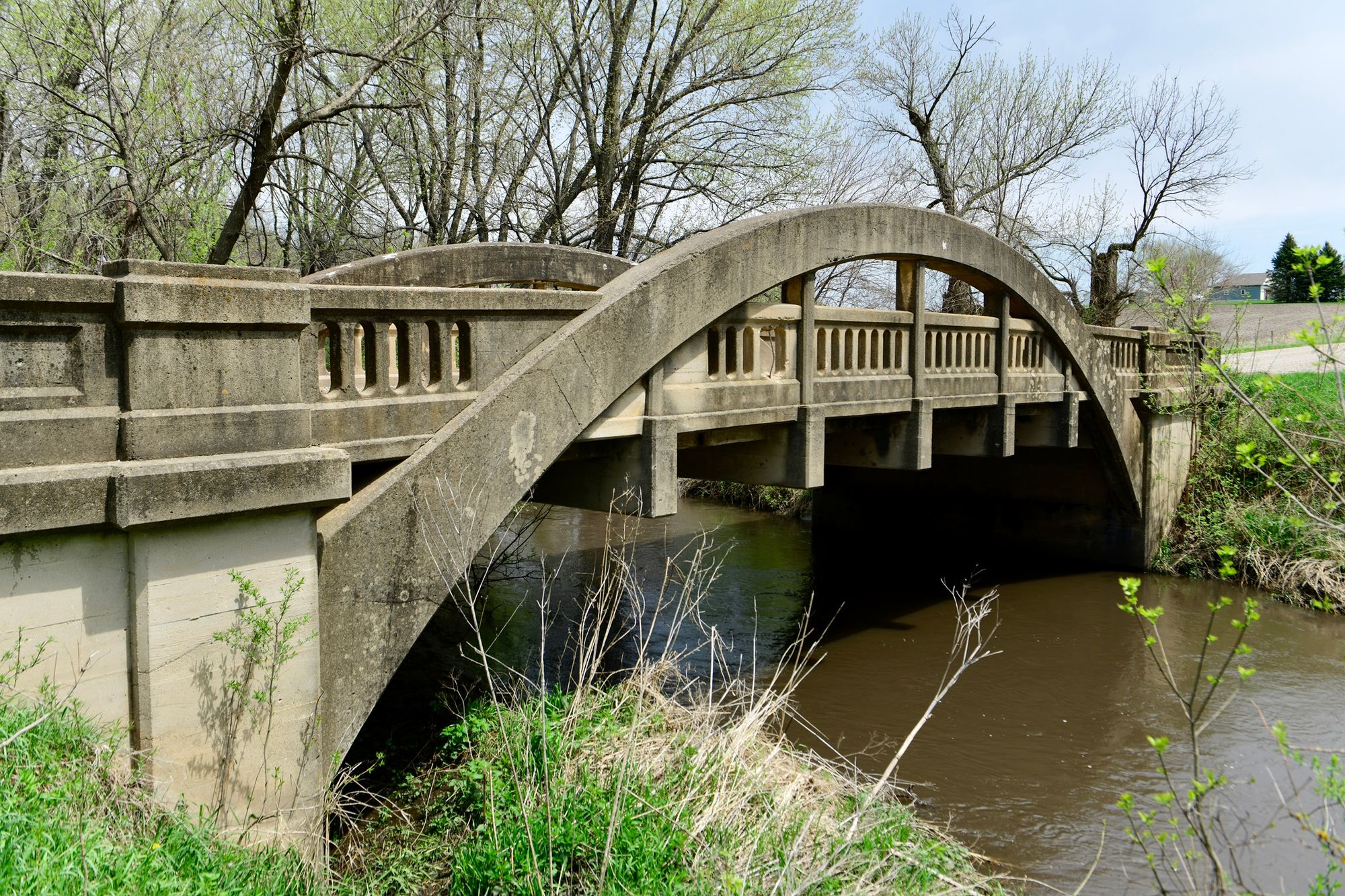
Big Creek
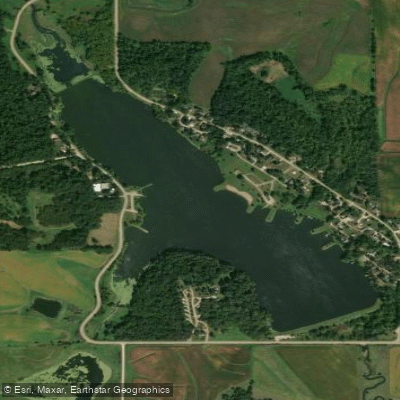
Union Grove Lake
What to know
Habitat Distribution
- They're common to abundant in Iowa's natural lakes and Mississippi River backwater sloughs, common in certain eastern Iowa rivers, but rare in western streams and the Missouri River basin.
Key Locations
- Prime Iowa locations include Spirit Lake, West Okoboji, Clear Lake, Red Rock Reservoir, Rathbun Reservoir, Coralville Reservoir, Big Creek Lake, and Mississippi River pools.
Specific Spots
- Target brushy areas, submerged timber, aquatic vegetation, stake beds, docks, and drop-offs.
- Require clear water with abundant cover such as submerged timber or aquatic vegetation over sandy or mucky bottoms.
- In spring, target shallow bays, coves, inlets, and marshes in 3-8 feet of water.
- Summer fishing requires targeting deeper water (8-25 feet) near thermoclines.
Black Crappie FAQ
Answers from onWater's species guide.
What are the best lures and bait for Black Crappie in Iowa?
Small 1- to 1½-inch minnows are the best live bait, hooked through the back below the dorsal fin. Lead-head jigs from 1/80 to 1/16 ounce work exceptionally well, particularly feathered or plastic-bodied versions in white, yellow, and chartreuse for stained water, or blue and black for clear water.
What flies work for Black Crappie in Iowa?
Small streamers, wet flies, and dry flies near structure when conventional methods aren't producing.
When is the best time to fish for Black Crappie in Iowa?
Most productive during spring (pre-spawn and post-spawn periods) and fall. Avoid fishing during spawning season in May when water temperatures are 58-64°F.
How do you catch Black Crappie in Iowa?
Use bobbers to suspend jigs at least a foot off bottom, or employ vertical jigging techniques near cover. Fish slowly as crappie often move up from below to take lures.
What do Black Crappie eat?
Their diet progresses from zooplankton in their first year to insects, then incorporates small fish and minnows from their second year through adulthood.
Fish smarter with real-time insights
Whether you're en route and conditions shift or you're looking for the best spot based on current flows, we enable you to make informed decisions on the fly.




See it in the app
Most maps show you water.
onWater shows you Black Crappie.



- 01 · Species map filter
Map every Black Crappie water
Pick Black Crappie and the map zeroes in on the waters they call home. No more guessing which lake holds them.
- 02 · Waterbody species
Tap any water. See what lives there.
Species, behavior and seasonal patterns for every lake, river and pond, before you leave the driveway.
- 03 · Angler Intelligence
Ask how to catch Black Crappie
Tactics, gear and timing from onWater's AI fishing guide, tuned to the species and the water you're on.
Stop guessing where Black Crappie are.
Open the map, filter by Black Crappie, and head to water that holds them. Download onWater and plan your next trip in minutes.
- Species map filter
- Angler Intelligence
- Fishing journal
Explore other species
Trout, bass, salmon, panfish and everything in between. Each guide unpacks the behavior, seasons, and tactics that put fish in the net.
No species information available.
Iowa licenses and regulations
Explore nearby waters
Explore Iowa waters
Top fishing waters
Popular Cities
Loading popular cities...

Smarter Fishing Starts in the App.
onWater Fish gives you everything you need to plan smarter, fish better, and own every trip from first cast to last.