Walleye
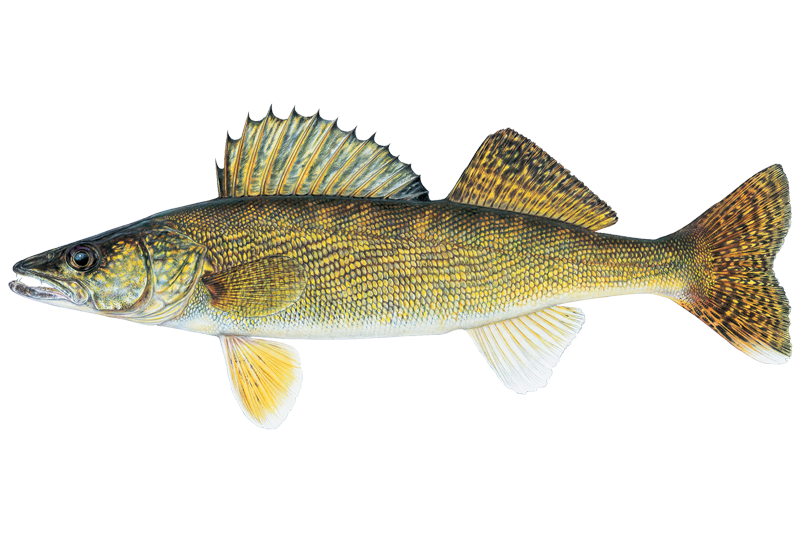
Walleye are the largest member of the perch family and Iowa's most prized game fish.
Most walleye fisheries in Iowa are maintained through aggressive stocking programs, with nearly 125 million walleye fry produced annually at the Spirit Lake and Rathbun Fish Hatcheries.
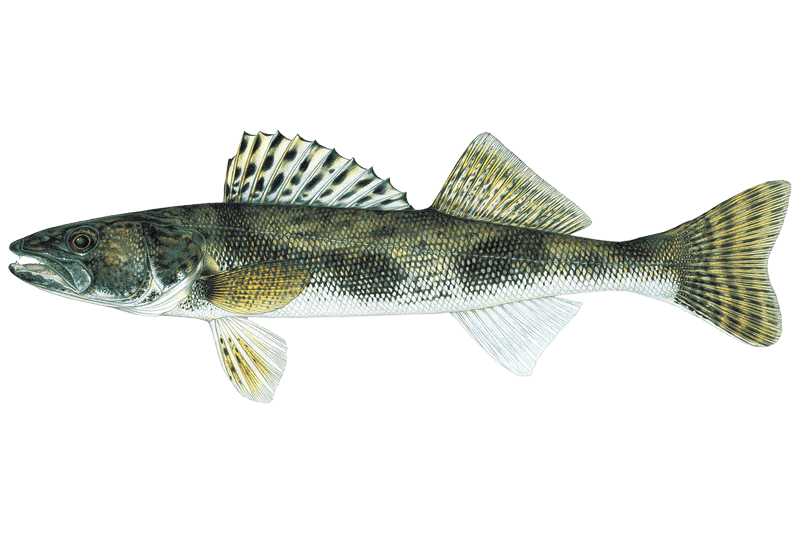
- Known for their large whitish glossy eyes, strong canine teeth, and brassy olive-buff coloration with a distinctive silver or milk-white tip on the lower caudal fin lobe.
Fishing in Iowa
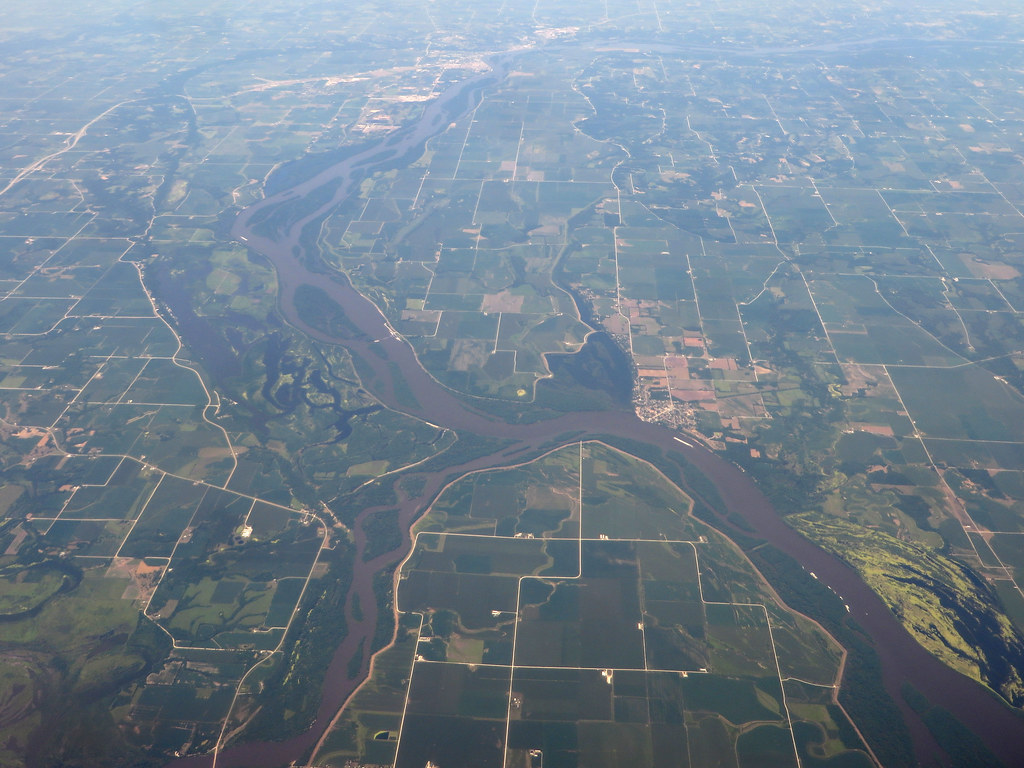
Iowa River
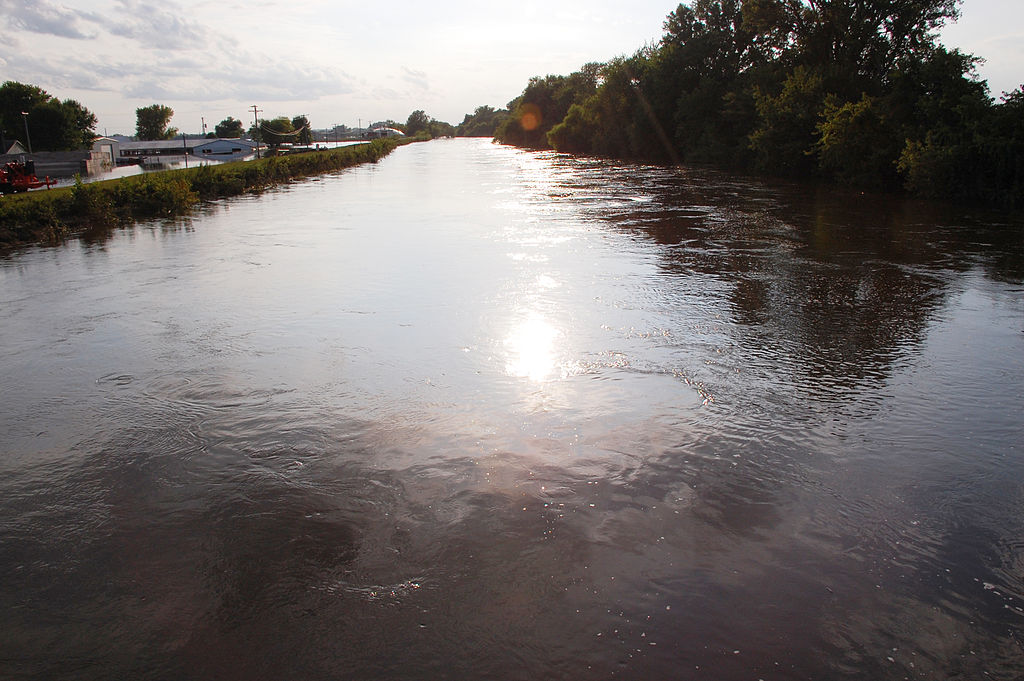
South Skunk River
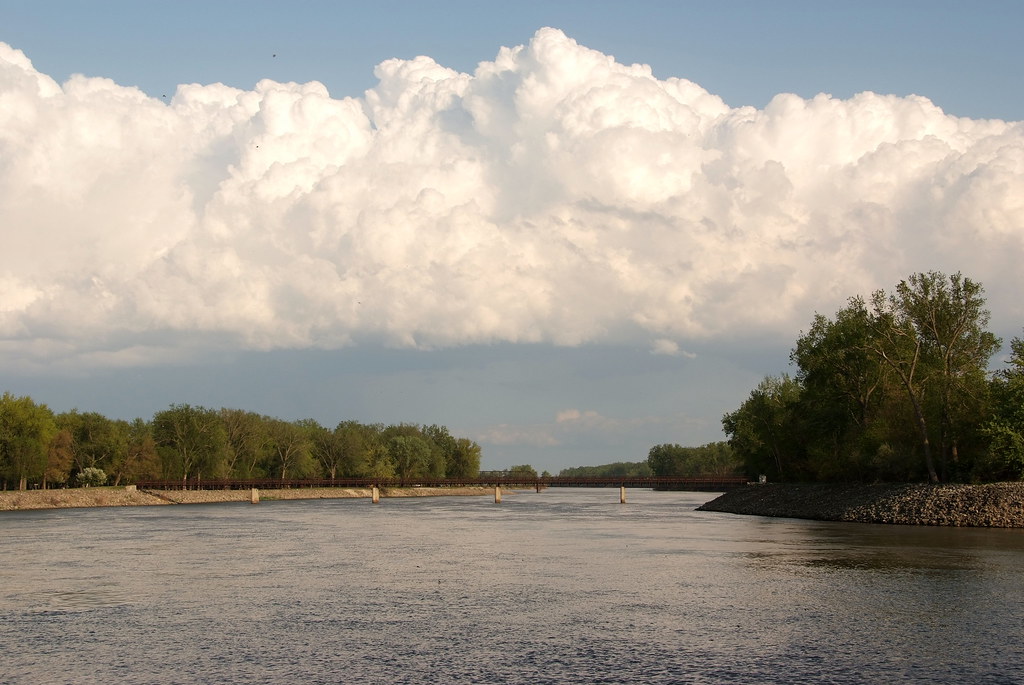
Lake Red Rock
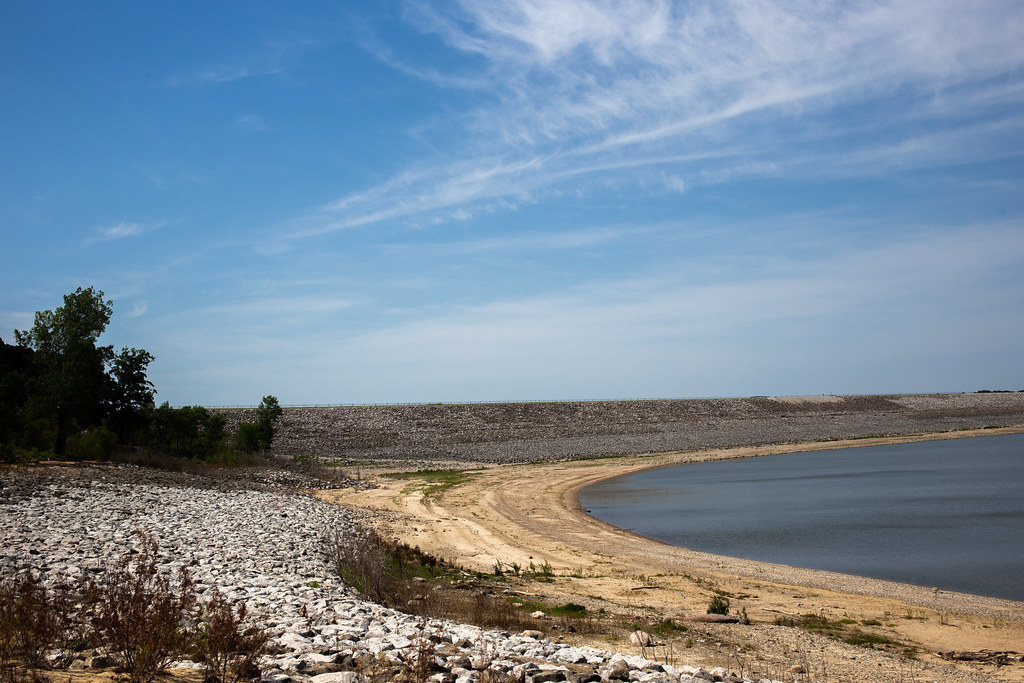
Saylorville Lake
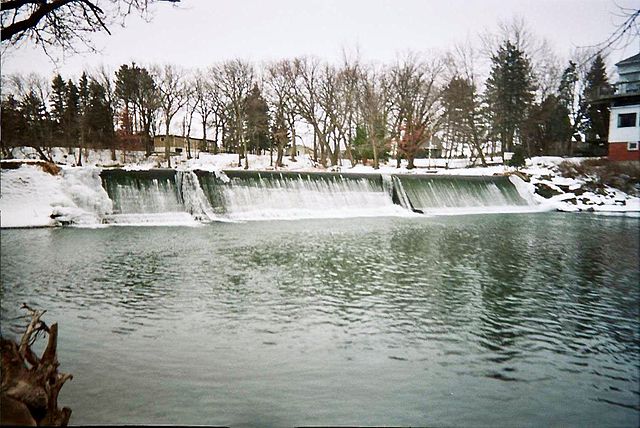
Cedar River
Des Moines River
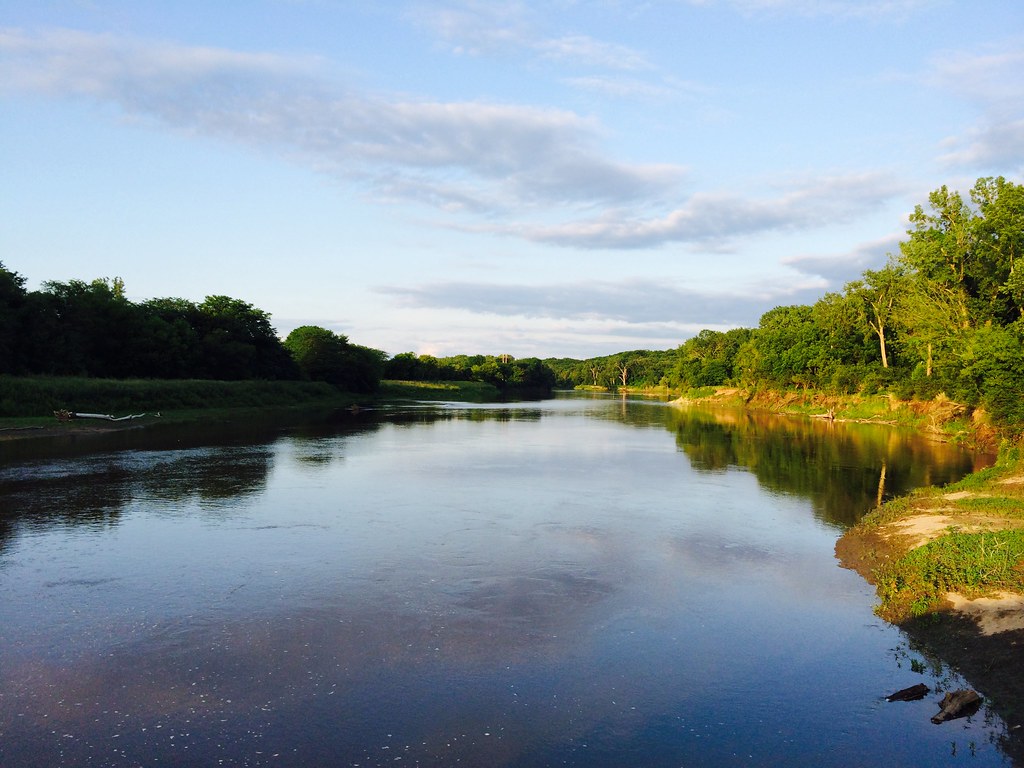
Raccoon River
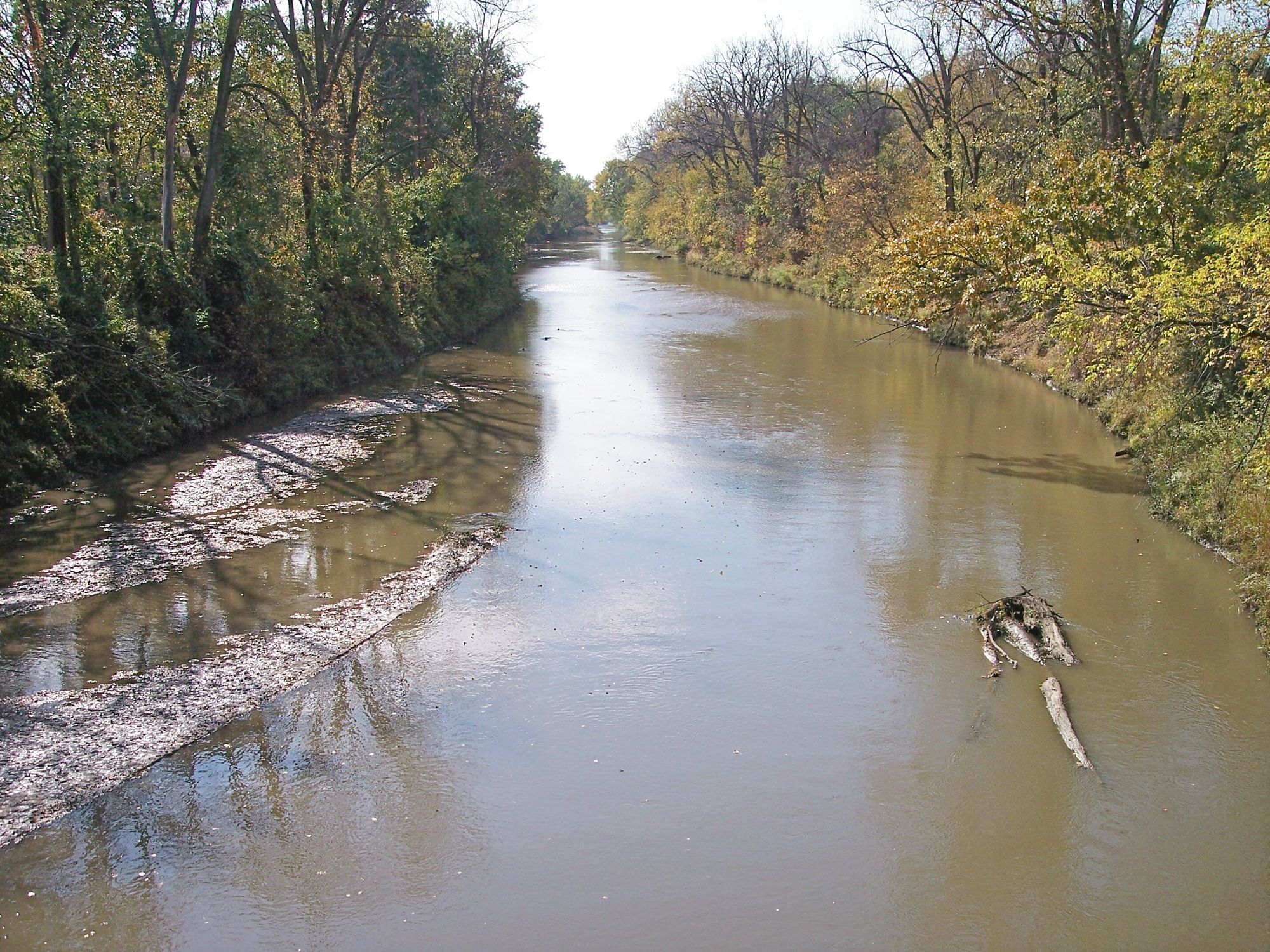
Middle River
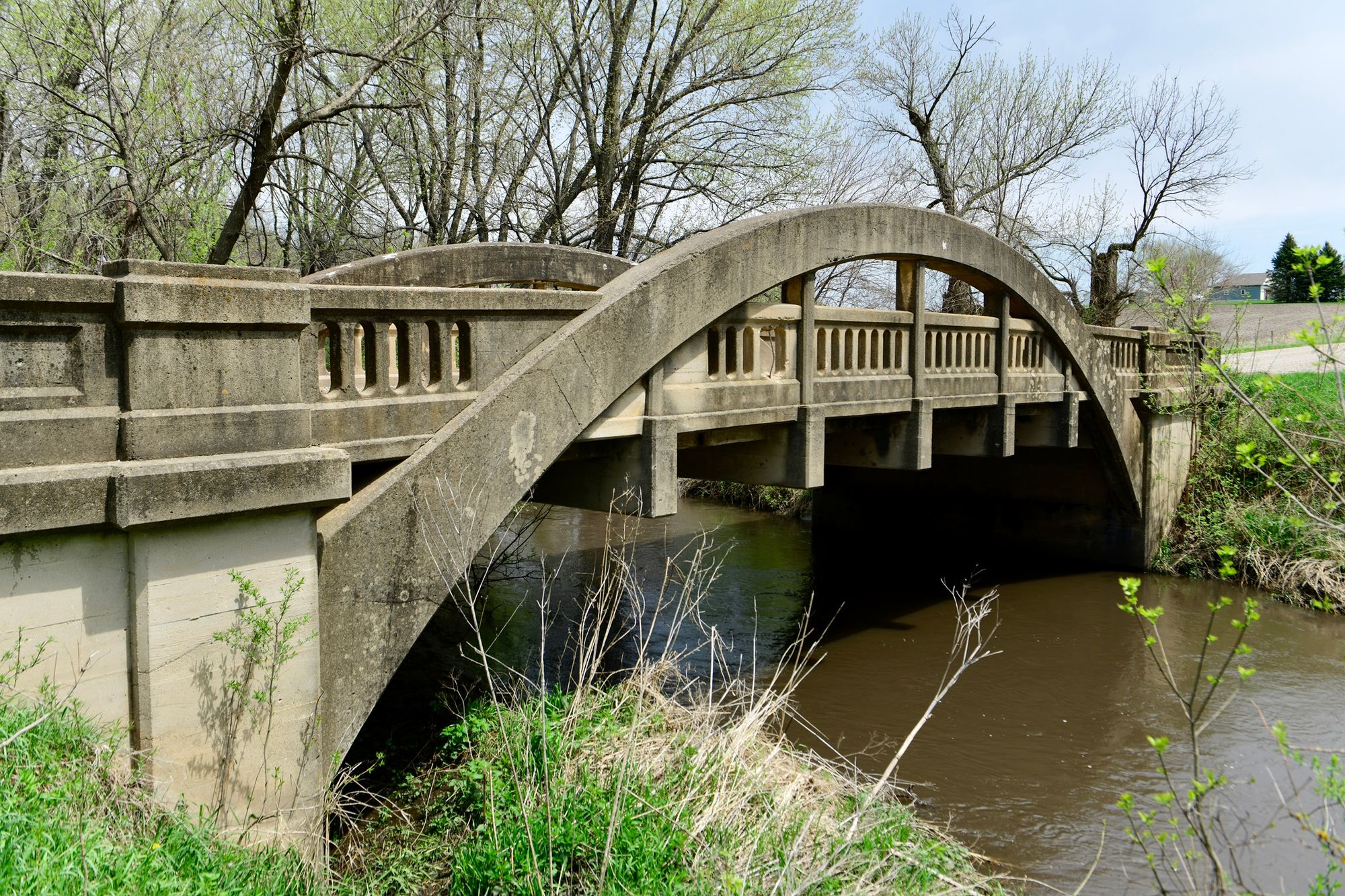
Big Creek
Union Grove Lake
What to know
Habitat Distribution
- In Iowa, walleye are distributed statewide and abundant throughout the Mississippi and Missouri rivers, with populations found in all major interior river drainages including the Big Sioux, Cedar, Des Moines, Iowa, Little Sioux, Maquoketa, and Wapsipinicon rivers, as well as Iowa's natural lakes.
- They prefer large, cool, sandy-bottomed lakes and reservoirs but also inhabit small lakes and large streams.
Key Locations
- Popular Iowa walleye waters include Spirit Lake, West Okoboji Lake, Clear Lake, Red Rock Reservoir, Rathbun Reservoir, Saylorville Reservoir, Coralville Reservoir, and the Des Moines River system.
Specific Spots
- Target outside river bends with the deepest water, log jams, fallen trees, current breaks made by rocks or bridge abutments, and areas of slack water near current.
- In lakes and reservoirs, focus on outside edges of weed beds, submerged islands, points with drop-offs, flooded creek channels, rip-rapped dam faces, and hard-bottomed flats.
- Target flowing side channels.
Walleye FAQ
Answers from onWater's species guide.
What are the best lures and bait for Walleye in Iowa?
Use 1/8 ounce jigs for normal conditions, scaling up to 1/4 ounce or larger in fast current, deep water, or high wind. Tip jigs with twister tails or live baits including nightcrawlers, leeches, or minnows.
When is the best time to fish for Walleye in Iowa?
The best walleye fishing in Iowa occurs during late fall until ice-up. Spring fishing (April) and fall fishing (October) can be excellent. Spawning occurs in early April when water temperatures reach 42-54 degrees - this period presents challenging fishing as walleye are not actively feeding.
How do you catch Walleye in Iowa?
Jig-fishing is the most effective method. Three-way rigs trolled with live bait excel when walleye are inactive, and slip bobber rigs are perfect for lazy fish - set the bobber so bait stays within a foot of the bottom. On the Mississippi River, fish the upstream side of wing dams with 3-way rigs.
What do Walleye eat?
Walleye are primarily piscivorous, feeding heavily on yellow perch in natural lakes and gizzard shad in flood control reservoirs and border rivers, along with crayfish, frogs, snails, and insect larvae.
Where do Walleye live in Iowa?
In Iowa, walleye are distributed statewide and abundant throughout the Mississippi and Missouri rivers, with populations found in all major interior river drainages including the Big Sioux, Cedar, Des Moines, Iowa, Little Sioux, Maquoketa, and Wapsipinicon rivers, as well as Iowa's natural lakes.
Fish smarter with real-time insights
Whether you're en route and conditions shift or you're looking for the best spot based on current flows, we enable you to make informed decisions on the fly.







See it in the app
Most maps show you water.
onWater shows you Walleye.



- 01 · Species map filter
Map every Walleye water
Pick Walleye and the map zeroes in on the waters they call home. No more guessing which lake holds them.
- 02 · Waterbody species
Tap any water. See what lives there.
Species, behavior and seasonal patterns for every lake, river and pond, before you leave the driveway.
- 03 · Angler Intelligence
Ask how to catch Walleye
Tactics, gear and timing from onWater's AI fishing guide, tuned to the species and the water you're on.
Stop guessing where Walleye are.
Open the map, filter by Walleye, and head to water that holds them. Download onWater and plan your next trip in minutes.
- Species map filter
- Angler Intelligence
- Fishing journal
Explore other species
Trout, bass, salmon, panfish and everything in between. Each guide unpacks the behavior, seasons, and tactics that put fish in the net.

Find which waters have the species you want to catch

Largemouth Bass

Smallmouth Bass

Rainbow Trout

Brown Trout
Salmo trutta

Brook Trout
Salvelinus fontinalis

Northern Pike

Muskellunge

Black Crappie
Pomoxis nigromaculatus

American Eel
Anguilla rostrata

Bighead Carp

Bigmouth Buffalo

Black Buffalo
Ictiobus niger

Black Bullhead
Ameiurus melas

Blue Catfish
Ictalurus furcatus

Blue Sucker
Cycleptus elongatus

Bowfin
Amia calva

Brown Bullhead
Ameiurus nebulosus

Burbot

Channel Catfish

Common Carp

Creek Chub
Semotilus atromaculatus

Flathead Catfish

Flathead Chub
Platygobio gracilis

Freshwater Drum
Aplodinotus grunniens

Gizzard Shad
Dorosoma cepedianum

Golden Redhorse
Moxostoma erythrurum

Grass Carp

Green Sunfish
Lepomis cyanellus

Lake Sturgeon
Acipenser fulvescens

Longnose Gar

Northern Hogsucker
Hypentelium nigricans
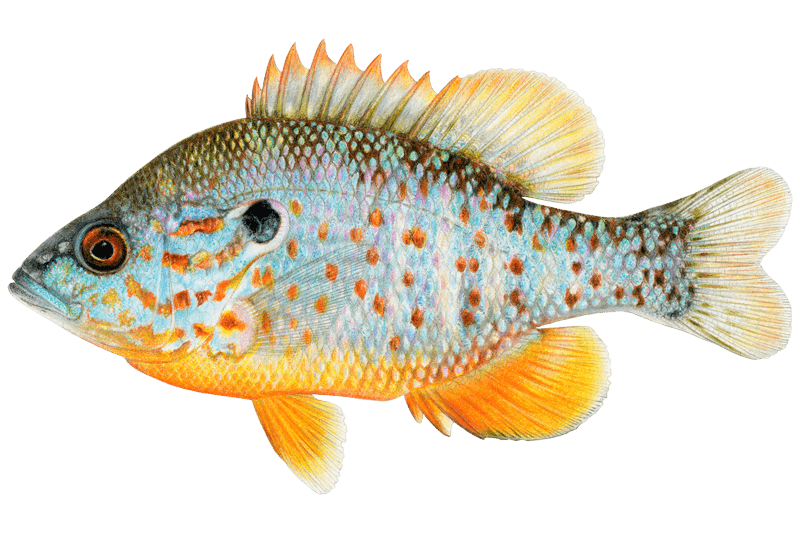
Orangespotted Sunfish
Lepomis humilis

Pumpkinseed
Lepomis gibbosus
Quillback
Carpiodes cyprinus
Redear Sunfish
River Redhorse
Moxostoma carinatum

Rock Bass
Ambloplites rupestris

Sand Shiner
Miniellus stramineus
Sauger
Sander canadensis
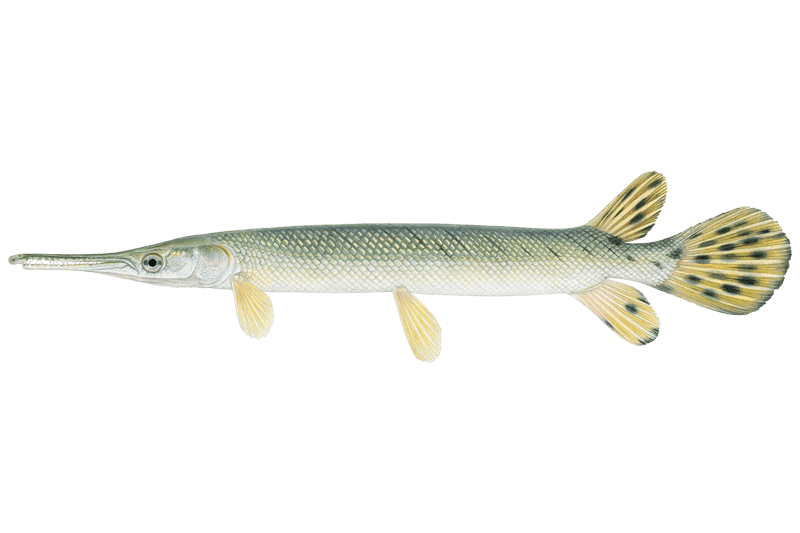
Shortnose Gar
Lepisosteus platostomus
Iowa licenses and regulations

Iowa Boating Regulations
When using any type of watercraft to access a body of water, it is important to follow all federal, state, and local rules and regulations. These rules and regulations include boat permitting and licensing, invasive species inspections and stamps, life jacket and PFD rules, motor size and horsepower restrictions, noise limitations, restrictions on personal watercraft, and many more. Visit the web link below for the most current rules and regulations for this body of water.
Iowa Fishing License
All anglers 16 years and older must have a fishing license to fish Iowa waters. Anglers under the age of 16 may fish Iowa waters without a fishing license and may fish for and keep their own limit of fish, except when fishing for trout they must share their limit with a licensed adult or buy their own trout fee to keep their own limit of trout.
Iowa Fishing Regulations
This river has a variety of species and regulations, including potential floating and/or watercraft restrictions. Because this river is specially managed for species, seasons, angling methods, and watercraft, it is strongly encouraged you check all federal, state, and local regulations before fishing. Visit any of the links below, inquire locally, or contact a local fly shop to learn current regulations and restrictions.

Iowa Stream Access Laws
If a waterway can support a vessel capable of carrying one or more people during a total of six months in one out of every ten years, it is considered navigable and is open to fishing, swimming and wading, regardless of streambed ownership.
Explore nearby waters
Explore Iowa waters
Top fishing waters
Popular Cities
Loading popular cities...
Smarter Fishing Starts in the App.
onWater Fish gives you everything you need to plan smarter, fish better, and own every trip from first cast to last.