Brook Trout
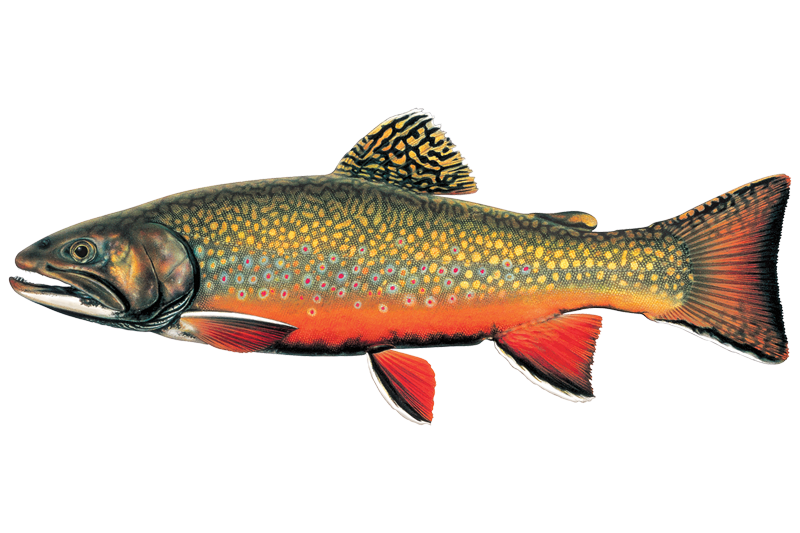
Brook Trout are native to Iowa and the only trout species truly indigenous to the state, though their distribution has been severely reduced over time. They're technically members of the char family rather than true trout.
Scientific Name: Salvelinus fontinalis
- These beautiful fish are easily identified by vivid white lines on the leading edges of their lower fins and distinctive light, worm-like vermiculations covering their olive-green backs.
- Their sides feature red and yellow spots, often surrounded by blue halos, with colors intensifying dramatically during spawning season when males develop deep red-yellow-crimson bellies.
- Brook Trout in Iowa are typically small, reaching 3-6 inches in their first year, 7-9 inches in their second, and 10-13 inches by their third year.
- Fish over one pound are considered trophy catches since life expectancy rarely exceeds three years.
Fishing in Iowa
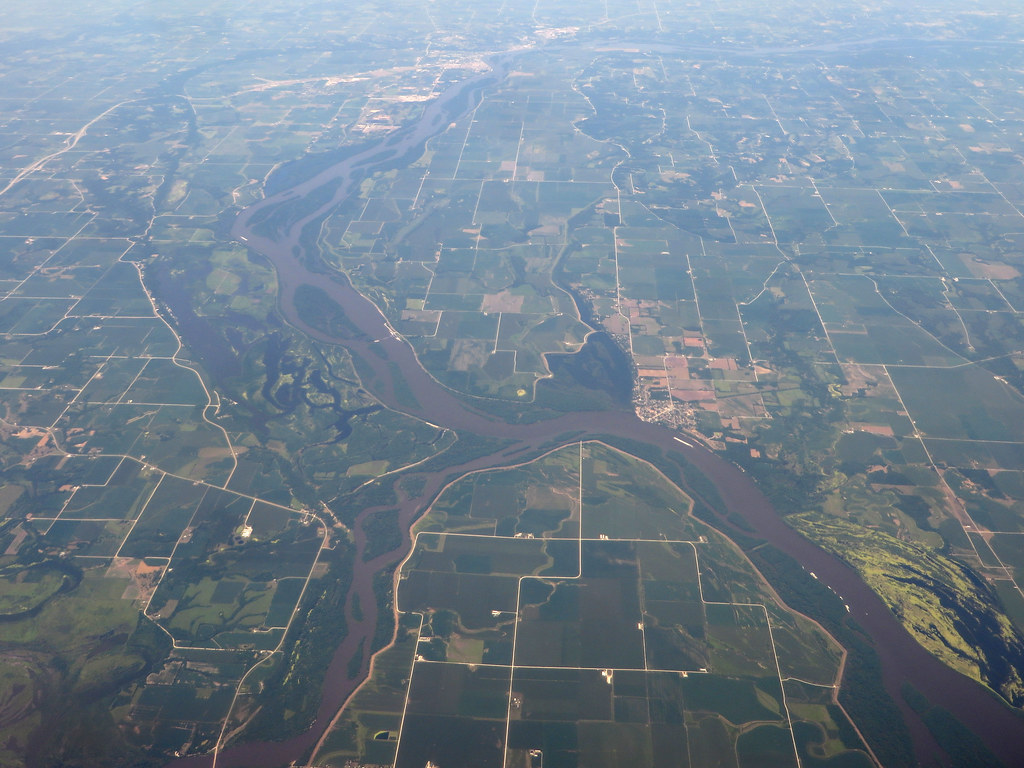
Iowa River
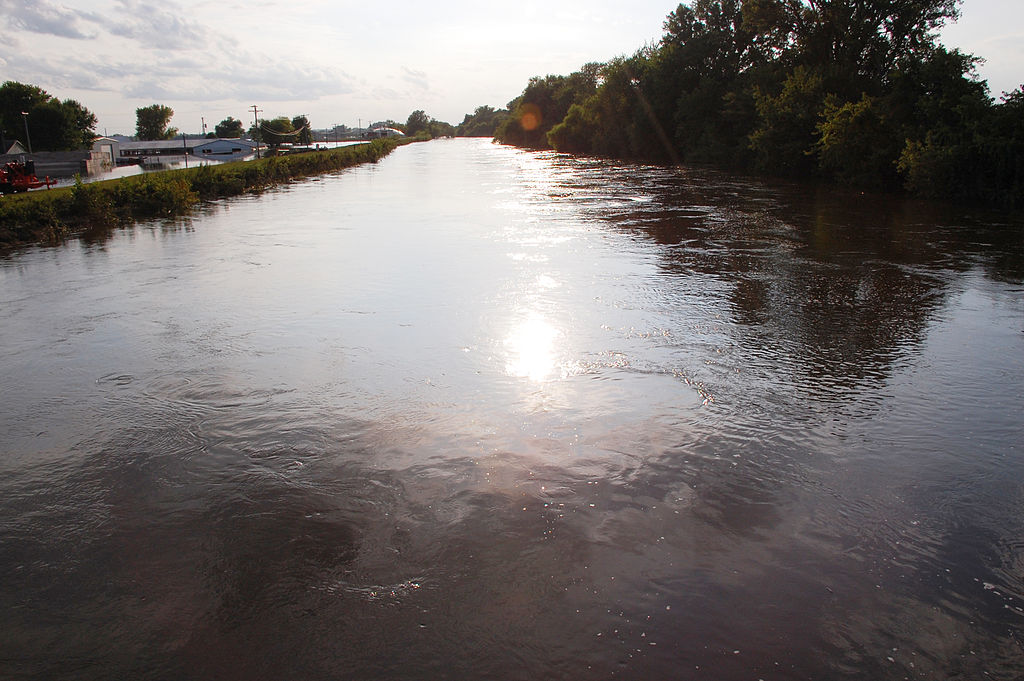
South Skunk River
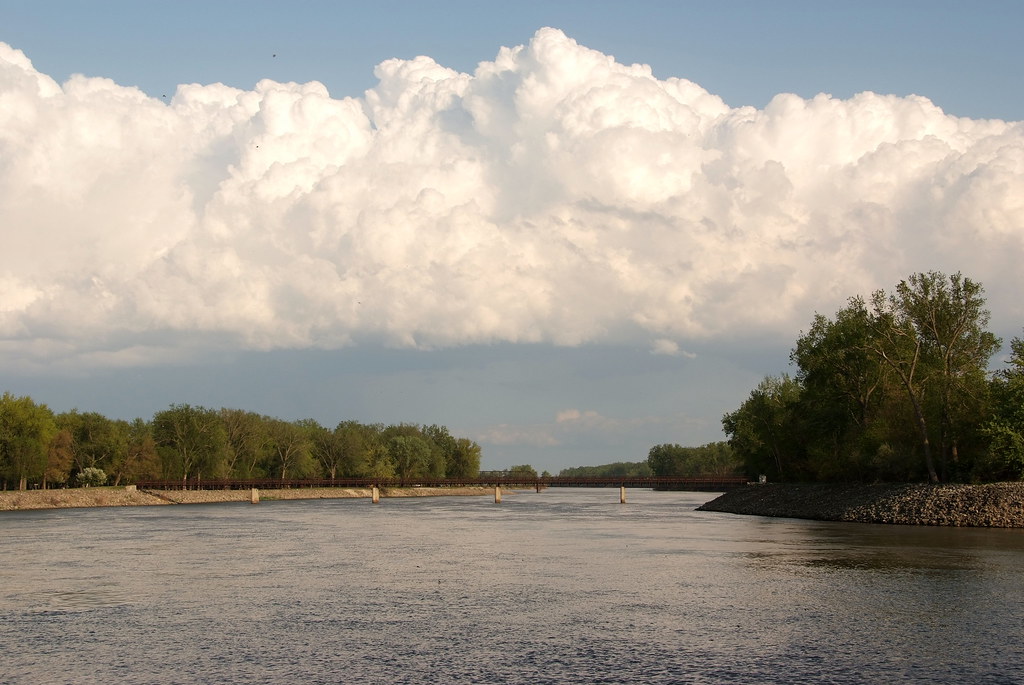
Lake Red Rock
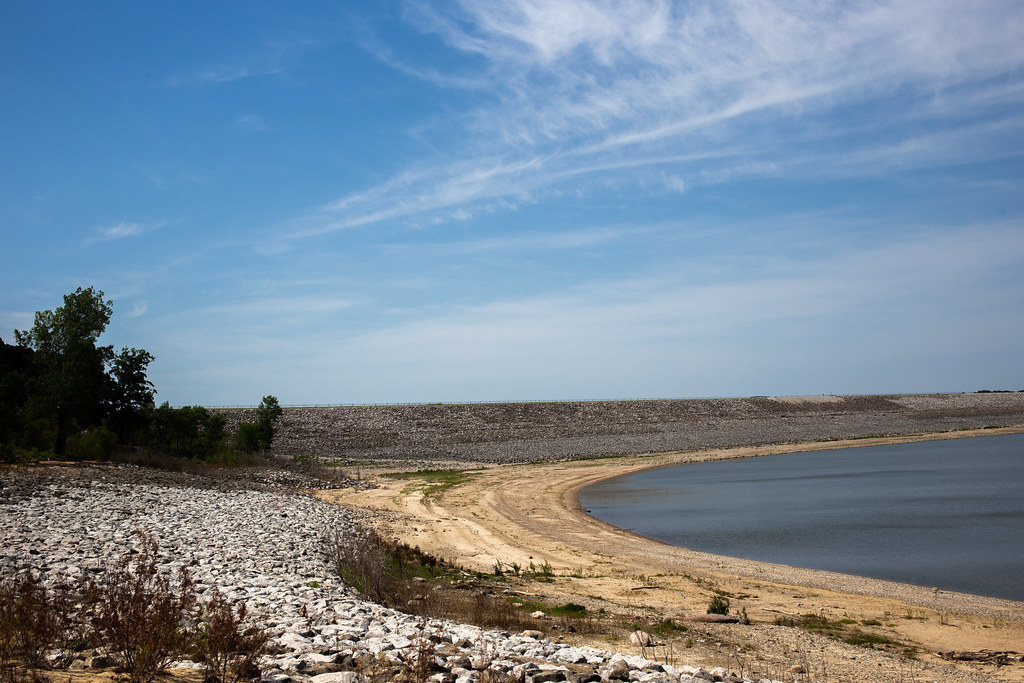
Saylorville Lake
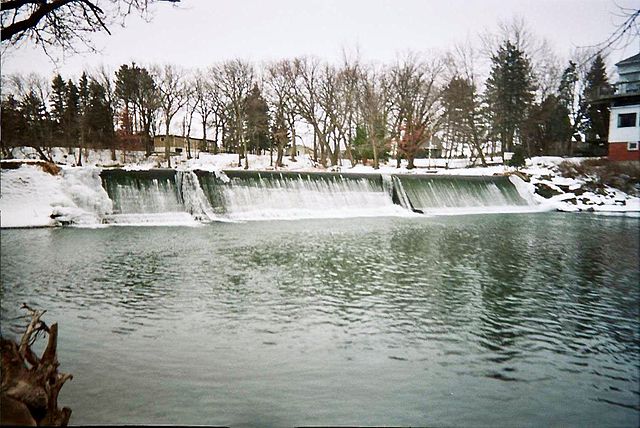
Cedar River
Des Moines River
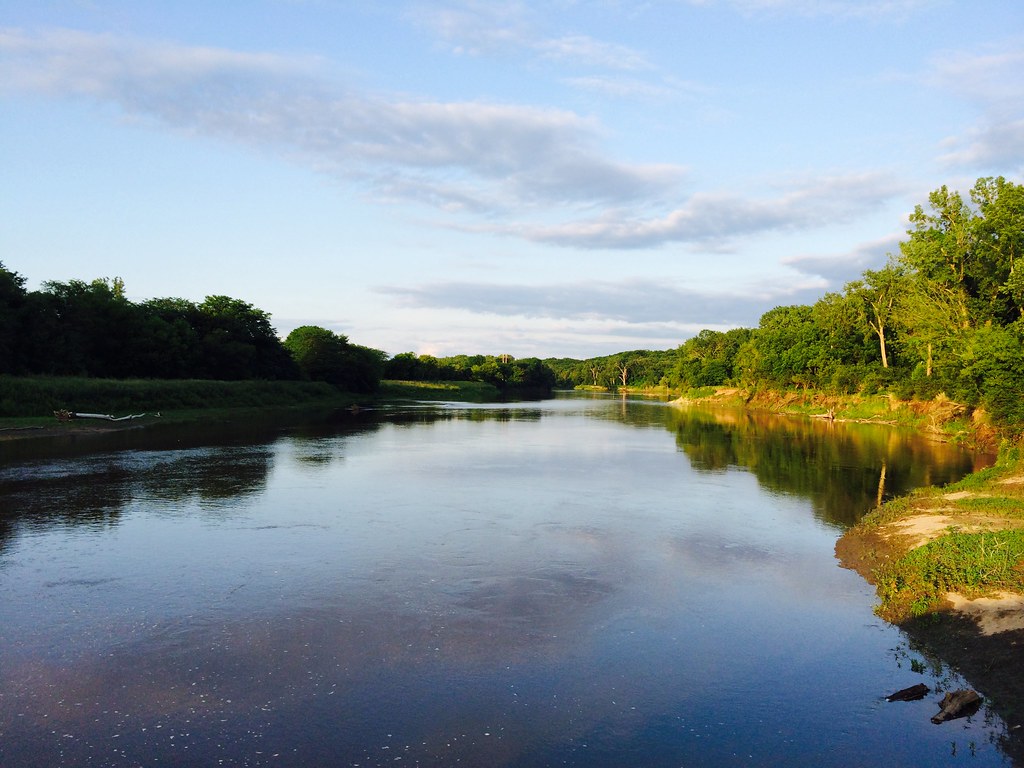
Raccoon River
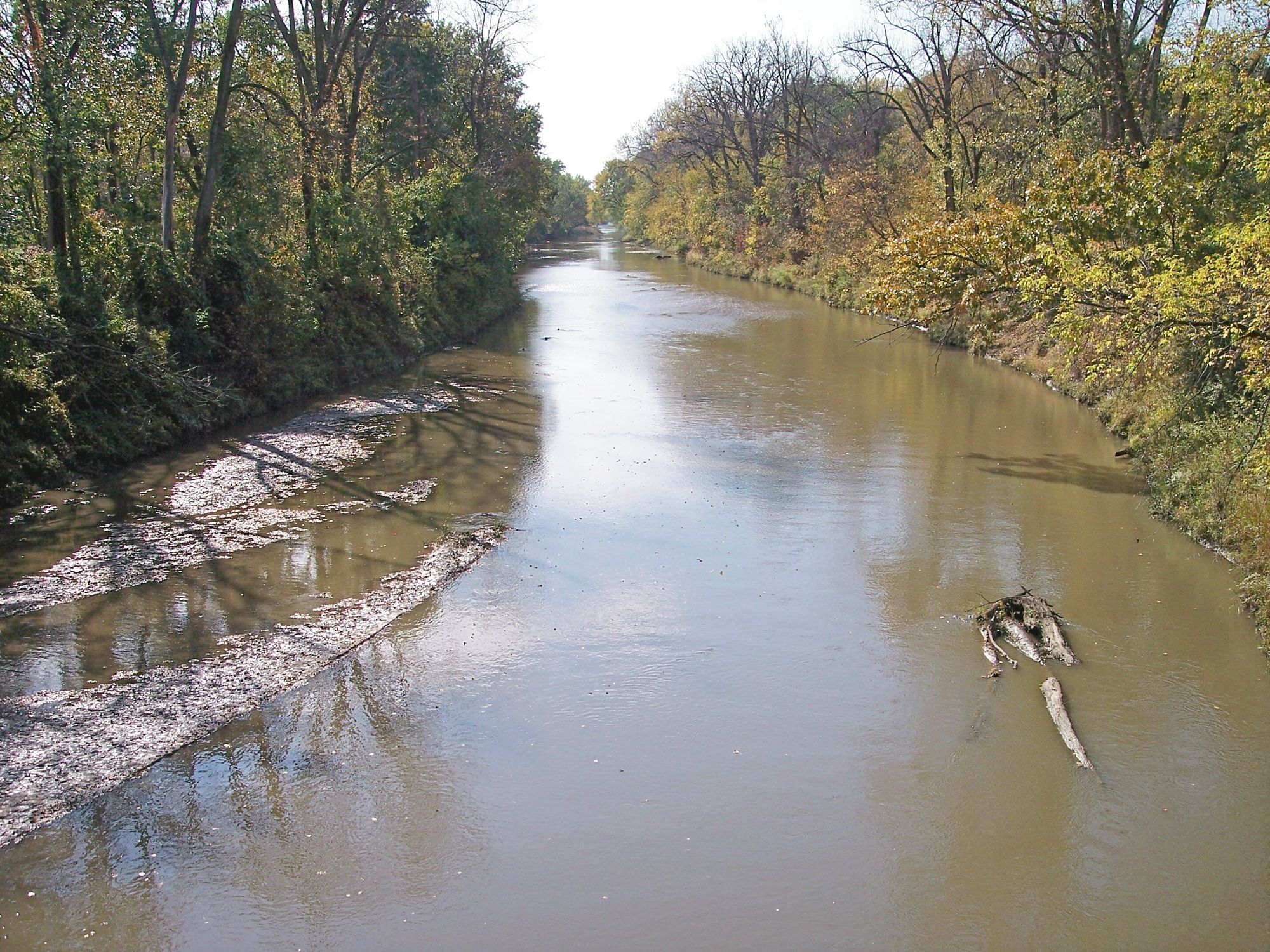
Middle River
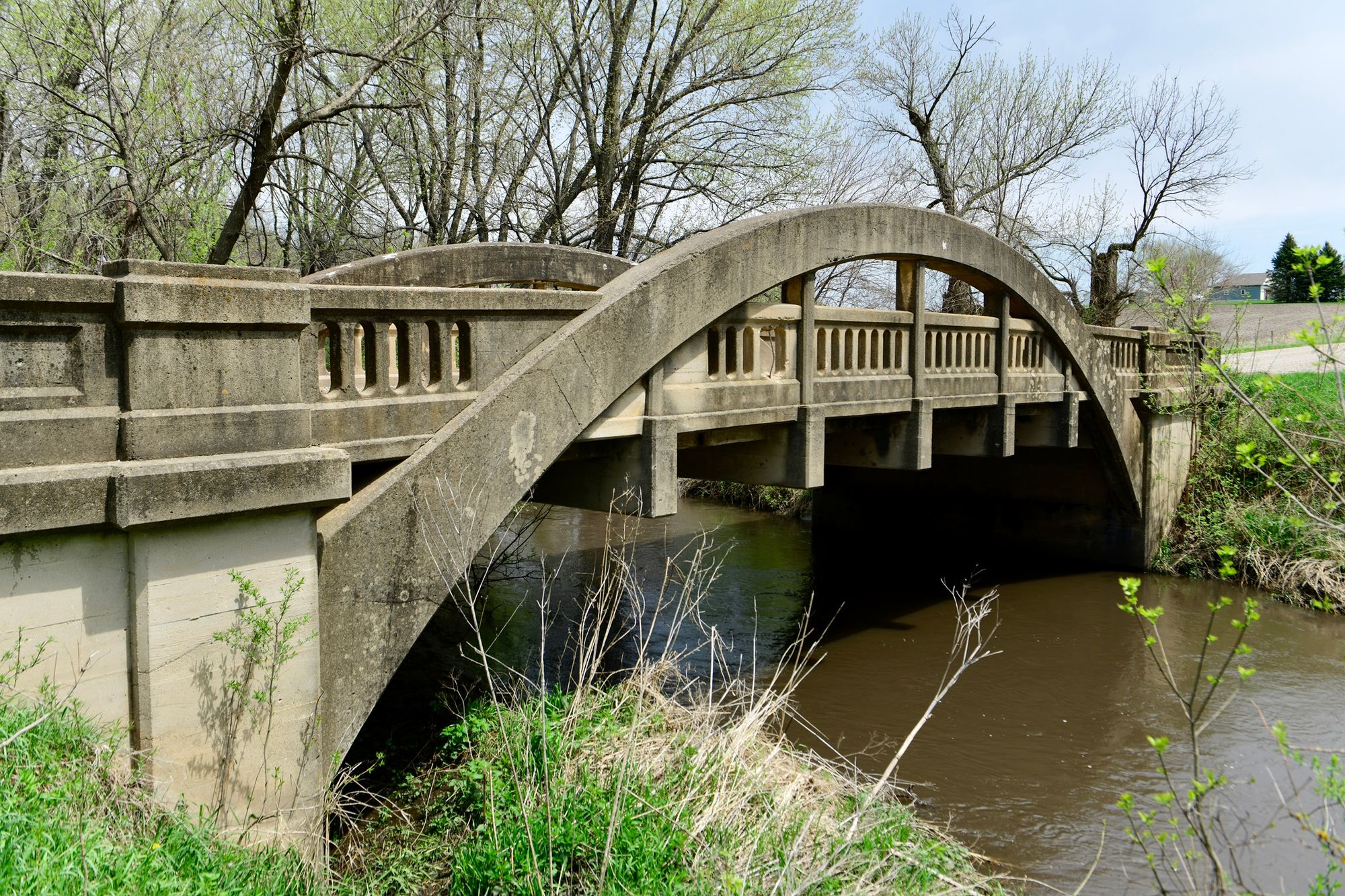
Big Creek
Union Grove Lake
What to know
Habitat Distribution
- They inhabit cool, clear headwater spring ponds, springs, and spring-fed streams with shallow riffles over gravel bottoms.
Key Locations
- North and South Bear Creeks (the most visited streams in Iowa), French Creek, South Pine Creek, Waterloo Creek, and various springs throughout northeast Iowa.
- Found primarily in northeastern counties including Winneshiek, Allamakee, Clayton, and Delaware, in famous streams like North and South Bear Creeks, French Creek, Pine Creek, and Waterloo Creek.
Specific Spots
- Target structure like undercut banks, fallen logs, deep pools, and areas with good cover.
- Brook trout often hold in the confined areas of pool-riffle sequences.
Brook Trout FAQ
Answers from onWater's species guide.
What are the best lures and bait for Brook Trout in Iowa?
Small spinners like Panther Martin, Mepps, Blue Fox Vibrax, and Rooster Tail in sizes #0-2. Small spoons like Little Cleo and Weaver Grabber work well, particularly in perch patterns. Natural baits including nightcrawlers, small minnows, and corn are effective, though some waters have artificial-only restrictions.
What flies work for Brook Trout in Iowa?
Dr.y flies like Adams, Elk Hair Caddis, Stimulators, and Royal PMX in sizes 10-16. For nymphs, try Pheasant Tail, Prince Nymph, Zebra Midge, and Pink Squirrel in sizes 14-16.
When is the best time to fish for Brook Trout in Iowa?
Best during late spring (April-June) and fall (September-November) when water temperatures are optimal.
How do you catch Brook Trout in Iowa?
For fly fishing, a popular technique is fishing a dry fly with an 8-16 inch dropper to a nymph. Target structure like undercut banks, fallen logs, deep pools, and areas with good cover. Brook trout often hold in the confined areas of pool-riffle sequences.
What do Brook Trout eat?
They feed opportunistically on aquatic and terrestrial insects, small crayfish, snails, and in streams with watercress, heavily on scuds (small amphipods).
Fish smarter with real-time insights
Whether you're en route and conditions shift or you're looking for the best spot based on current flows, we enable you to make informed decisions on the fly.







See it in the app
Most maps show you water.
onWater shows you Brook Trout.



- 01 · Species map filter
Map every Brook Trout water
Pick Brook Trout and the map zeroes in on the waters they call home. No more guessing which lake holds them.
- 02 · Waterbody species
Tap any water. See what lives there.
Species, behavior and seasonal patterns for every lake, river and pond, before you leave the driveway.
- 03 · Angler Intelligence
Ask how to catch Brook Trout
Tactics, gear and timing from onWater's AI fishing guide, tuned to the species and the water you're on.
Stop guessing where Brook Trout are.
Open the map, filter by Brook Trout, and head to water that holds them. Download onWater and plan your next trip in minutes.
- Species map filter
- Angler Intelligence
- Fishing journal
Explore other species
Trout, bass, salmon, panfish and everything in between. Each guide unpacks the behavior, seasons, and tactics that put fish in the net.

Find which waters have the species you want to catch

Largemouth Bass

Smallmouth Bass

Rainbow Trout

Brown Trout
Salmo trutta

Northern Pike

Muskellunge

Walleye

Black Crappie
Pomoxis nigromaculatus

American Eel
Anguilla rostrata

Bighead Carp

Bigmouth Buffalo

Black Buffalo
Ictiobus niger

Black Bullhead
Ameiurus melas

Blue Catfish
Ictalurus furcatus

Blue Sucker
Cycleptus elongatus

Bowfin
Amia calva

Brown Bullhead
Ameiurus nebulosus

Burbot

Channel Catfish

Common Carp

Creek Chub
Semotilus atromaculatus

Flathead Catfish

Flathead Chub
Platygobio gracilis

Freshwater Drum
Aplodinotus grunniens

Gizzard Shad
Dorosoma cepedianum

Golden Redhorse
Moxostoma erythrurum

Grass Carp

Green Sunfish
Lepomis cyanellus

Lake Sturgeon
Acipenser fulvescens

Longnose Gar

Northern Hogsucker
Hypentelium nigricans
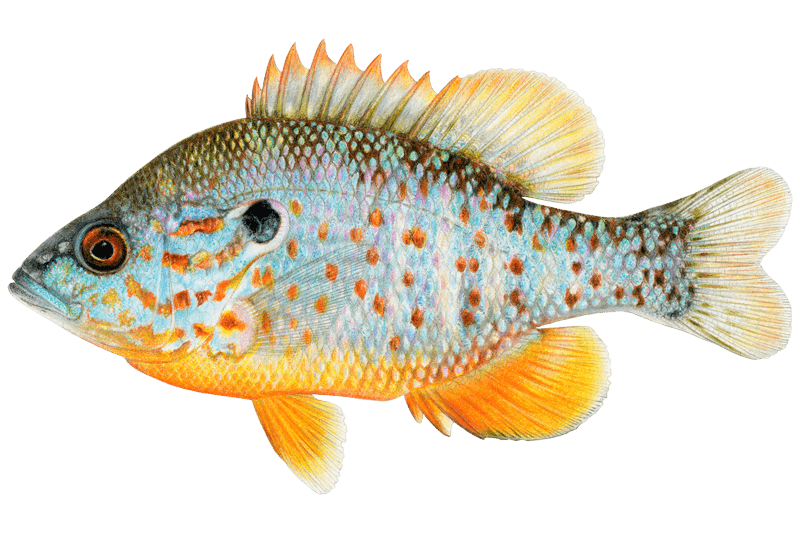
Orangespotted Sunfish
Lepomis humilis

Pumpkinseed
Lepomis gibbosus
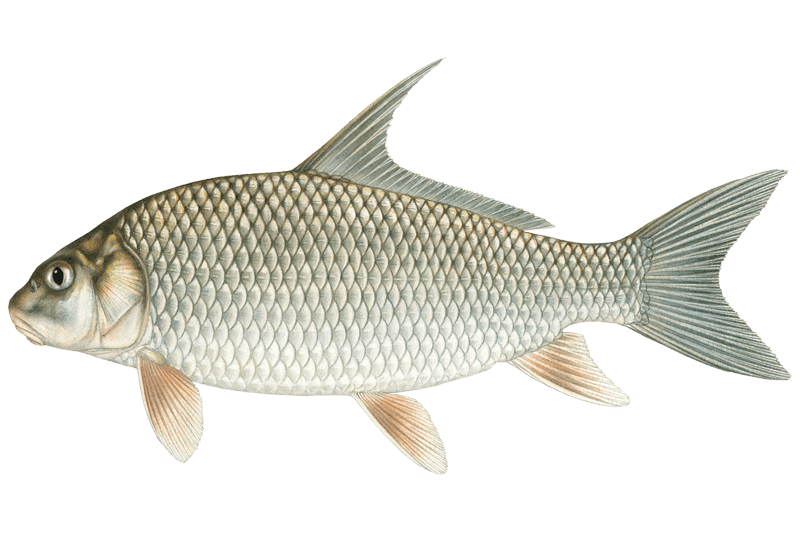
Quillback
Carpiodes cyprinus

Redear Sunfish
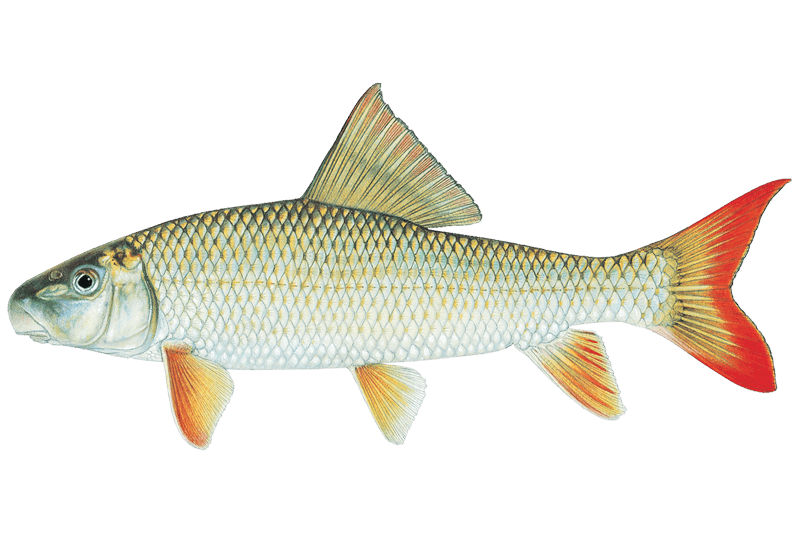
River Redhorse
Moxostoma carinatum

Rock Bass
Ambloplites rupestris

Sand Shiner
Miniellus stramineus
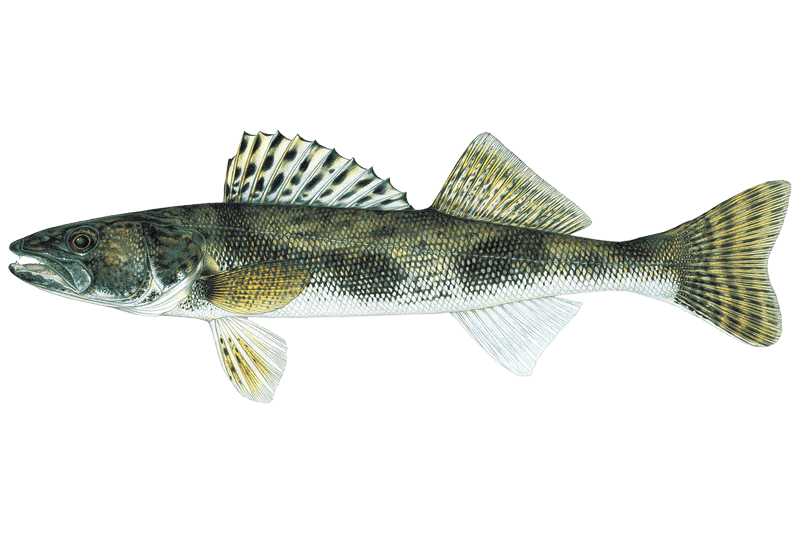
Sauger
Sander canadensis
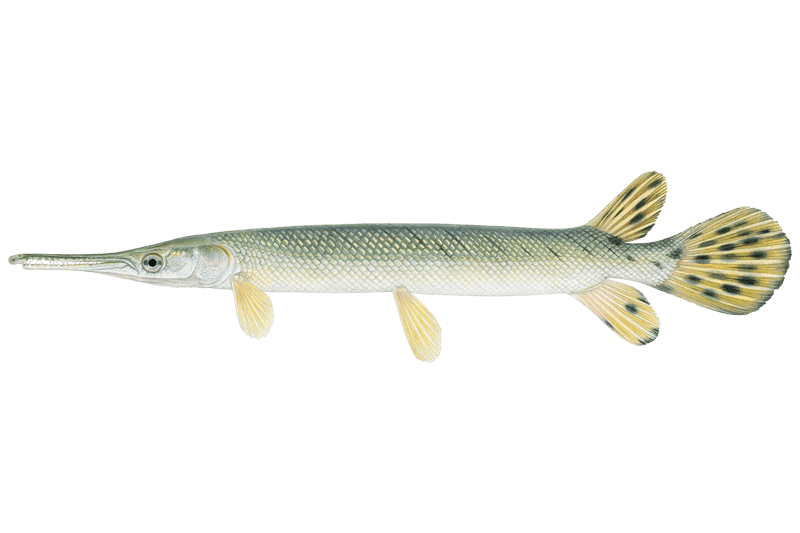
Shortnose Gar
Lepisosteus platostomus
Iowa licenses and regulations

Iowa Boating Regulations
When using any type of watercraft to access a body of water, it is important to follow all federal, state, and local rules and regulations. These rules and regulations include boat permitting and licensing, invasive species inspections and stamps, life jacket and PFD rules, motor size and horsepower restrictions, noise limitations, restrictions on personal watercraft, and many more. Visit the web link below for the most current rules and regulations for this body of water.

Iowa Fishing License
All anglers 16 years and older must have a fishing license to fish Iowa waters. Anglers under the age of 16 may fish Iowa waters without a fishing license and may fish for and keep their own limit of fish, except when fishing for trout they must share their limit with a licensed adult or buy their own trout fee to keep their own limit of trout.

Iowa Fishing Regulations
This river has a variety of species and regulations, including potential floating and/or watercraft restrictions. Because this river is specially managed for species, seasons, angling methods, and watercraft, it is strongly encouraged you check all federal, state, and local regulations before fishing. Visit any of the links below, inquire locally, or contact a local fly shop to learn current regulations and restrictions.

Iowa Stream Access Laws
If a waterway can support a vessel capable of carrying one or more people during a total of six months in one out of every ten years, it is considered navigable and is open to fishing, swimming and wading, regardless of streambed ownership.
Explore nearby waters
Explore Iowa waters
Top fishing waters
Popular Cities
Loading popular cities...

Smarter Fishing Starts in the App.
onWater Fish gives you everything you need to plan smarter, fish better, and own every trip from first cast to last.