Southern Kingcroaker Br

The Southern Kingcroaker is a slender member of the drum family (Sciaenidae) found in Georgia's coastal waters.
Scientific Name: Menticirrhus americanus
Also known as whiting, sea mullet, kingfish
- Brownish bronze fish with a white belly features two dorsal fins, a rounded tail, and an inferior mouth adapted for bottom feeding.
- Adults typically measure 9-12 inches and weigh 1-1.5 pounds, though specimens up to 20 inches have been recorded.
Fishing in Georgia
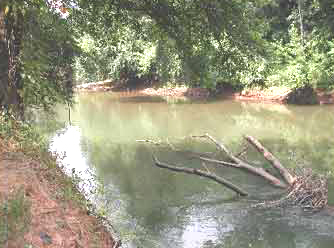
Ocmulgee River
Lake Sinclair
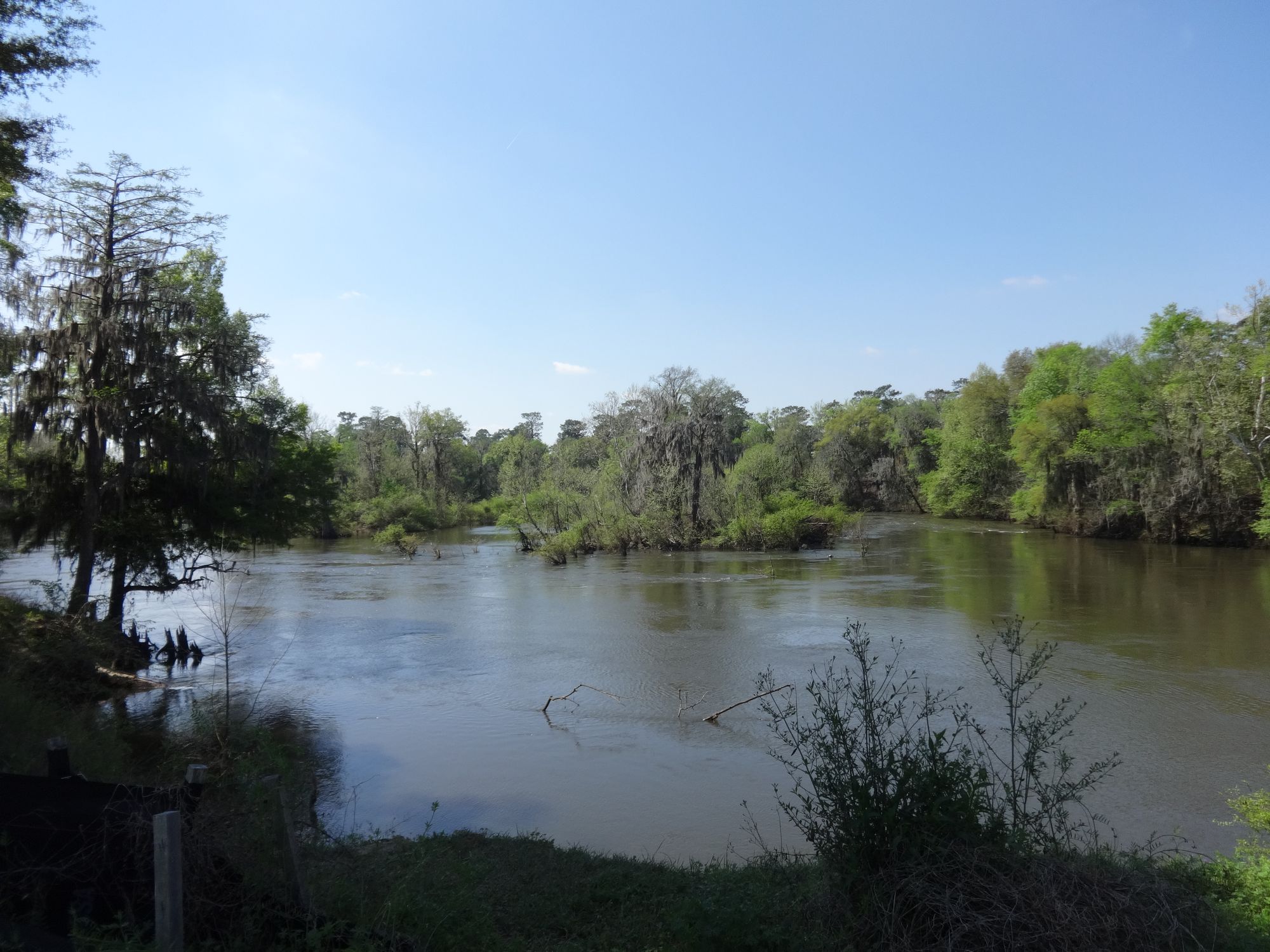
Flint River
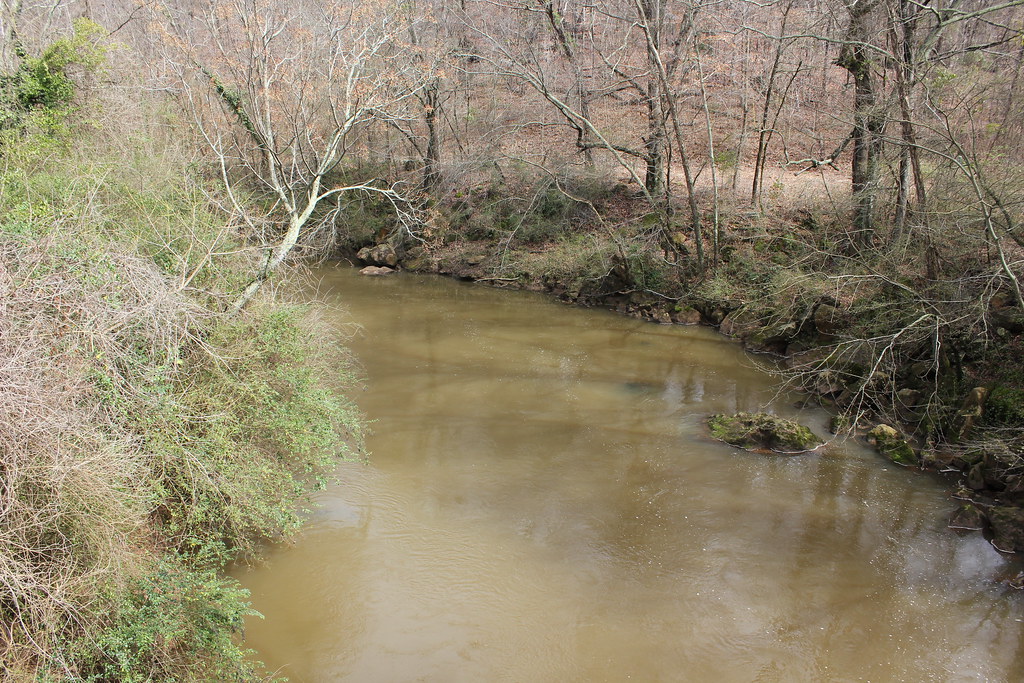
Oconee River
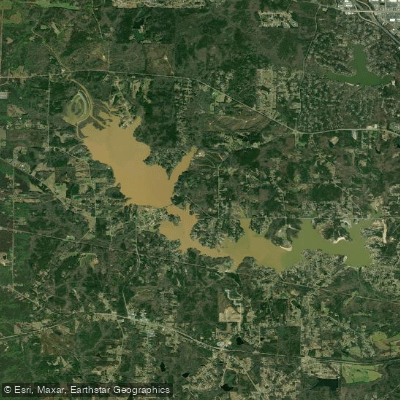
Lake Tobesofkee
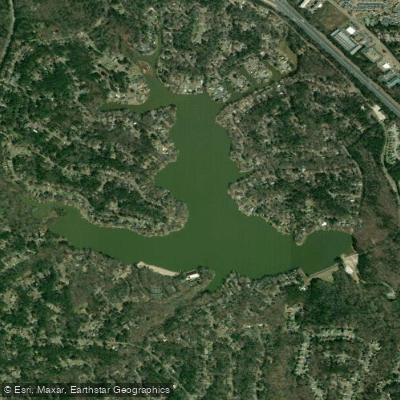
Lake Wildwood
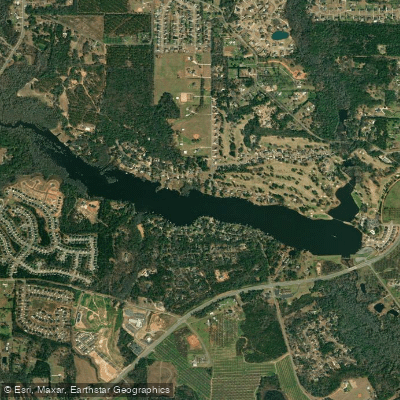
Houston Lake
Housers Millpond
Rocky Creek
High Falls Lake
What to know
Habitat Distribution
- Found in Georgia's coastal waters.
- Bottom foragers that prefer sandy and rocky substrates in the surf zone.
- In Georgia waters, they're found in the surf zone troughs and slightly deeper nearshore waters, moving closer to beaches and surface waters during summer months.
Key Locations
- Georgia's barrier island beaches, particularly around Jekyll Island, St.
- Simons Island, and Tybee Island.
Specific Spots
- Target areas around structure, sandy areas with shell content, and surf zone troughs where they naturally forage.
- Target areas with coquina clam beds, as these mollusks are a preferred food source.
Southern Kingcroaker Br FAQ
Answers from onWater's species guide.
What are the best lures and bait for Southern Kingcroaker Br in Georgia?
Strongly prefer natural baits over artificial lures - bloodworms, squid strips, clams, and shrimp are the most effective options, with live or freshly cut baits producing better results than stale offerings. They hate artificial lures, so stick to natural baits.
When is the best time to fish for Southern Kingcroaker Br in Georgia?
Spring and summer months when they move into shallower waters. Late spring through summer is a period when mature fish may be less available in typical fishing areas as they move offshore to reproduce.
How do you catch Southern Kingcroaker Br in Georgia?
Bottom fishing with natural baits. Use a typical bottom rig. Fish right on the bottom. Be prepared for their tendency to be cautious biters - allow them time to take the bait before setting the hook.
What do Southern Kingcroaker Br eat?
Their diet consists primarily of shrimp, crabs, mollusks, amphipods, and occasionally detritus.
Where do Southern Kingcroaker Br live in Georgia?
Found in Georgia's coastal waters. Bottom foragers that prefer sandy and rocky substrates in the surf zone. In Georgia waters, they're found in the surf zone troughs and slightly deeper nearshore waters, moving closer to beaches and surface waters during summer months.
Fish smarter with real-time insights
Whether you're en route and conditions shift or you're looking for the best spot based on current flows, we enable you to make informed decisions on the fly.







See it in the app
Most maps show you water.
onWater shows you Southern Kingcroaker Br.



- 01 · Species map filter
Map every Southern Kingcroaker Br water
Pick Southern Kingcroaker Br and the map zeroes in on the waters they call home. No more guessing which lake holds them.
- 02 · Waterbody species
Tap any water. See what lives there.
Species, behavior and seasonal patterns for every lake, river and pond, before you leave the driveway.
- 03 · Angler Intelligence
Ask how to catch Southern Kingcroaker Br
Tactics, gear and timing from onWater's AI fishing guide, tuned to the species and the water you're on.
Stop guessing where Southern Kingcroaker Br are.
Open the map, filter by Southern Kingcroaker Br, and head to water that holds them. Download onWater and plan your next trip in minutes.
- Species map filter
- Angler Intelligence
- Fishing journal
Explore other species
Trout, bass, salmon, panfish and everything in between. Each guide unpacks the behavior, seasons, and tactics that put fish in the net.

Find which waters have the species you want to catch

Largemouth Bass
Micropterus salmoides

Smallmouth Bass
Micropterus dolomieui

Rainbow Trout
Oncorhynchus mykiss

Brown Trout

Brook Trout
Salvelinus fontinalis

Muskellunge
Esox masquinongy

Walleye

Black Crappie
Pomoxis nigromaculatus
Alabama Shad
Alosa alabamae

Alewife
Alosa pseudoharengus
Alligator Gar

American Eel
Anguilla rostrata

American Shad
Alosa sapidissima

Atlantic Croaker
Micropogonias undulatus

Atlantic Sharpnose Shark
Rhizoprionodon terraenovae

Atlantic Sturgeon
Acipenser oxyrinchus

Black Bullhead
Ameiurus melas

Black Drum
Pogonias cromis

Black Sea Bass
Centropristis striata

Blacktip Shark
Carcharhinus limbatus

Blue Catfish
Ictalurus furcatus

Bluefish
Pomatomus saltatrix

Bowfin
Amia calva

Brown Bullhead
Ameiurus nebulosus

Chain Pickerel
Esox niger

Channel Catfish
Ictalurus punctatus

Common Carp
Cyprinus carpio

Creek Chub
Semotilus atromaculatus

Flathead Catfish
Pylodictis olivaris

Flier
Centrarchus macropterus

Freshwater Drum
Aplodinotus grunniens

Gizzard Shad
Dorosoma cepedianum

Grass Carp
Ctenopharyngodon idella

Green Sunfish
Lepomis cyanellus

Hickory Shad
Alosa mediocris

Lake Sturgeon
Acipenser fulvescens

Longear Sunfish
Lepomis megalotis

Longnose Gar

Nile Tilapia
Oreochromis niloticus

Northern Hogsucker
Hypentelium nigricans
Georgia licenses and regulations

Georgia Boating Regulations
When using any type of watercraft to access a body of water, it is important to follow all federal, state, and local rules and regulations. These rules and regulations include boat permitting and licensing, invasive species inspections and stamps, life jacket and PFD rules, motor size and horsepower restrictions, noise limitations, restrictions on personal watercraft, and many more. Visit the web link below for the most current rules and regulations for this body of water.

Georgia Delayed Harvest Streams
Anglers fishing delayed harvest streams must release all trout immediately and use and possess only artificial lures with one single hook per lure from Nov. 1–May 14 annually. The use of additional “dropper” lures on one line is permitted as long as each lure contains one single hook. These restrictions do not apply from May 15–Oct. 31 of each year.

Georgia Fishing License
Anglers age 16 and older must have a current Georgia fishing license in their possession while fishing in fresh or salt water in Georgia. Additionally, a free SIP is required to fish in saltwater. A temporary authorization number obtained by telephone or internet sale may be used for seven days until the paper copy is received or printed. Game Wardens may require photo identification when checking fishing licenses. Exception: A fishing license is not required to fish in private ponds (does not include ponds owned by governments—city, county, state, or federal) nor by a resident and their immediate family when fishing on their land.

Georgia Fishing Regulations
When using any type of watercraft to access a body of water, it is important to follow all federal, state, and local rules and regulations. These rules and regulations include boat permitting and licensing, invasive species inspections and stamps, life jacket and PFD rules, motor size and horsepower restrictions, noise limitations, restrictions on personal watercraft, and many more. Visit the web link below for the most current rules and regulations for this body of water.

Georgia Stream Access Laws
Navigable waters are those capable of regular barge traffic. The public may boat and fish to the low water mark only where the streambed is owned by the state. If the streambeds are private, you need permission to wade and fish.
Explore nearby waters
Explore Georgia waters
Top fishing waters
Popular Cities
Loading popular cities...
Smarter Fishing Starts in the App.
onWater Fish gives you everything you need to plan smarter, fish better, and own every trip from first cast to last.