Blacktip Shark

Blacktip sharks are a prominent coastal species in Georgia. Georgia's estuarine waters serve as critical nursery grounds. Georgia waters are one of the world's largest shark breeding grounds.
Scientific Name: Carcharhinus limbatus
- Reaching up to 6.5 feet in length with distinctive black-tipped fins on their dorsal, pectoral, and lower caudal fins.
Fishing in Georgia
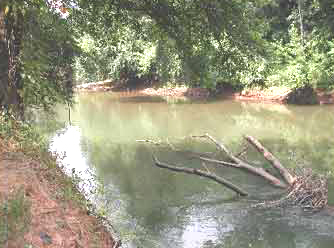
Ocmulgee River
Lake Sinclair
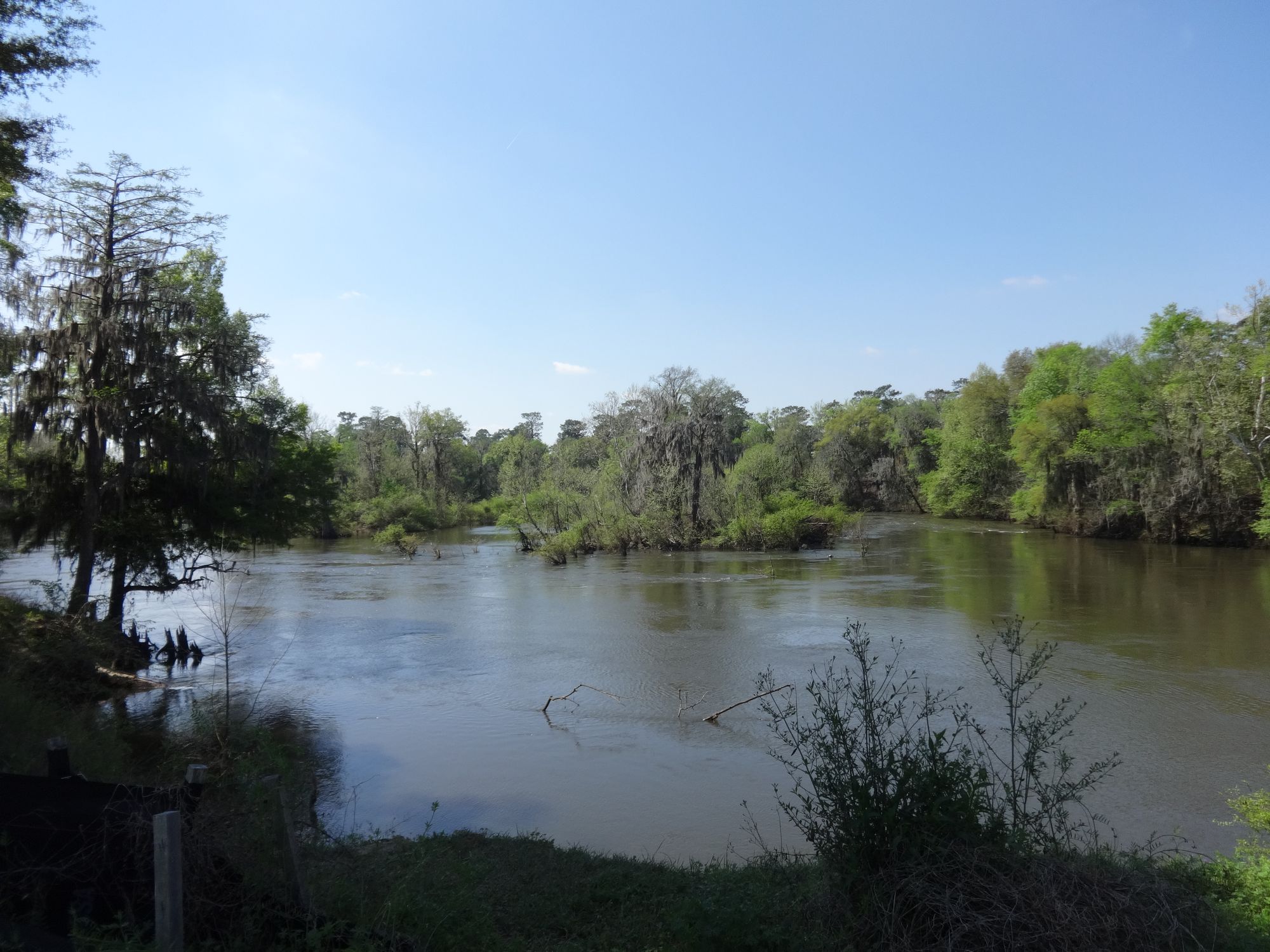
Flint River
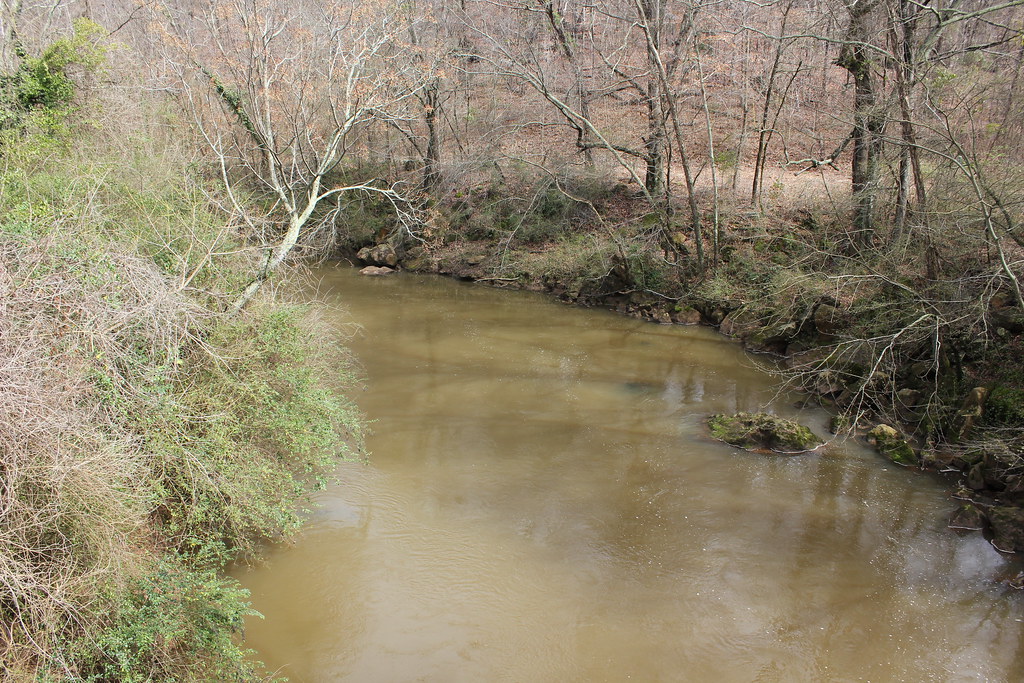
Oconee River
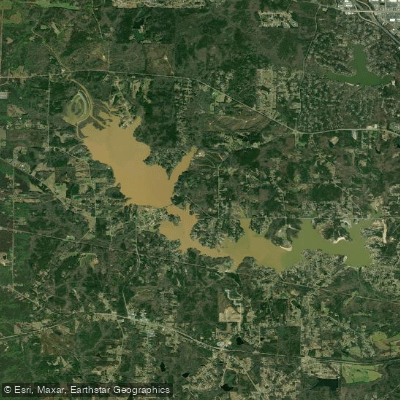
Lake Tobesofkee
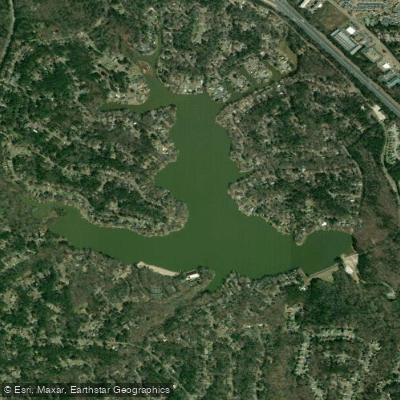
Lake Wildwood
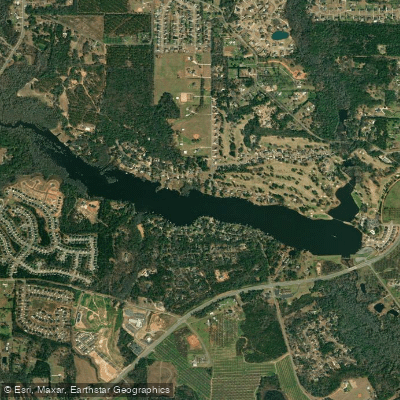
Houston Lake
Housers Millpond
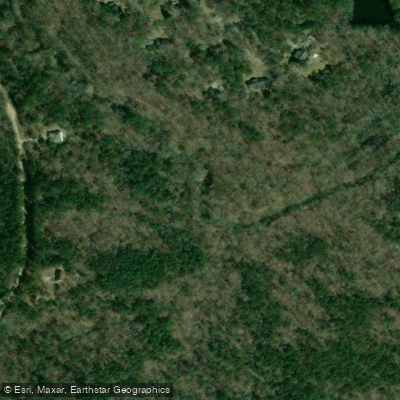
Rocky Creek
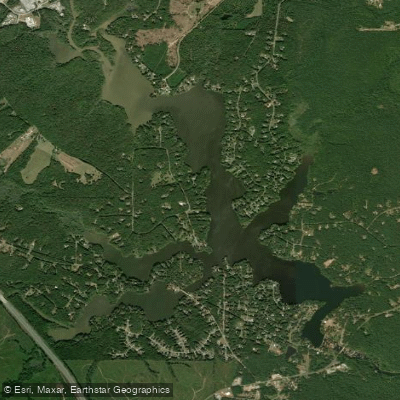
High Falls Lake
What to know
Habitat Distribution
- These sharks inhabit shallow coastal waters, estuaries, bays, and nearshore continental shelf waters, commonly found near river mouths and around barrier islands.
Key Locations
- Target areas include Jekyll Island, St.
- Simons Island, Brunswick, Savannah (Bull River), and the extensive estuarine systems around Doboy Sound, Sapelo Island, and Cumberland Island.
- Particularly around Sapelo Island National Estuarine Research Reserve, Jekyll Island, and St.
- Simons Island areas.
Specific Spots
- Fish shallow coastal waters, sounds, and nearshore areas in 13-65 feet of water, particularly around shrimp boats which create natural chum slicks that attract feeding sharks.
Blacktip Shark FAQ
Answers from onWater's species guide.
What are the best lures and bait for Blacktip Shark in Georgia?
Fresh cut baits are most effective, particularly mullet, bonito, menhaden, ladyfish, jack crevalle, and stingray chunks. Live baits like mullet and blue runners work exceptionally well during baitfish migrations.
When is the best time to fish for Blacktip Shark in Georgia?
Peak blacktip shark fishing in Georgia occurs from April through October, with June through September being optimal months when water temperatures exceed 25°C. Young-of-the-year and juvenile blacktips are most abundant in Georgia's estuaries during summer months, particularly July when catch rates peak.
How do you catch Blacktip Shark in Georgia?
Use balloon rigs from piers or deploy baits beyond the breakers when surf fishing. Near shrimp boats, use the discarded bycatch as natural chum. Longline techniques work well with 30-minute soak times using circle hooks and mullet bait.
What do Blacktip Shark eat?
Blacktip sharks are primarily piscivorous, feeding heavily on menhaden (Brevoortia species), anchovies, mullet, Spanish mackerel, Atlantic croaker, flounder, and other bony fishes, with teleosts forming the majority of their diet.
Where do Blacktip Shark live in Georgia?
These sharks inhabit shallow coastal waters, estuaries, bays, and nearshore continental shelf waters, commonly found near river mouths and around barrier islands.
Fish smarter with real-time insights
Whether you're en route and conditions shift or you're looking for the best spot based on current flows, we enable you to make informed decisions on the fly.




See it in the app
Most maps show you water.
onWater shows you Blacktip Shark.



- 01 · Species map filter
Map every Blacktip Shark water
Pick Blacktip Shark and the map zeroes in on the waters they call home. No more guessing which lake holds them.
- 02 · Waterbody species
Tap any water. See what lives there.
Species, behavior and seasonal patterns for every lake, river and pond, before you leave the driveway.
- 03 · Angler Intelligence
Ask how to catch Blacktip Shark
Tactics, gear and timing from onWater's AI fishing guide, tuned to the species and the water you're on.
Stop guessing where Blacktip Shark are.
Open the map, filter by Blacktip Shark, and head to water that holds them. Download onWater and plan your next trip in minutes.
- Species map filter
- Angler Intelligence
- Fishing journal
Explore other species
Trout, bass, salmon, panfish and everything in between. Each guide unpacks the behavior, seasons, and tactics that put fish in the net.
No species information available.
Georgia licenses and regulations
Explore nearby waters
Explore Georgia waters
Top fishing waters
Popular Cities
Loading popular cities...

Smarter Fishing Starts in the App.
onWater Fish gives you everything you need to plan smarter, fish better, and own every trip from first cast to last.