Brook Trout

Brook Trout in Georgia represent the southernmost native population of this char species in eastern North America. Often called "specks" by locals, they're actually chars, not true trout.
Georgia's Southern Appalachian Brook Trout (SABT) are genetically distinct and represent about 150 miles of the state's 4,000 miles of trout waters. These sensitive fish are excellent indicators of stream health.
Scientific Name: Salvelinus fontinalis
Also known as specks
- Distinguished by their dark olive-green bodies with distinctive vermiculated (worm-like) patterns on their backs and brilliant coloration featuring yellow spots and red spots surrounded by blue halos.
- The olive-green background grades to bright yellow and brilliant red on the belly, with distinctive white-edged orange or red fins margined with black.
- Males display especially vibrant colors during spawning season in fall.
- They grow slowly, especially in headwater environments, typically reaching 4-8 inches, though larger specimens can be found in productive waters.
Fishing in Georgia
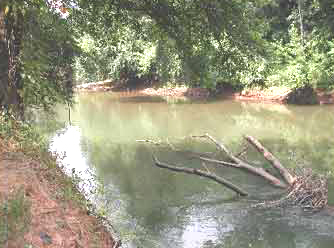
Ocmulgee River
Lake Sinclair
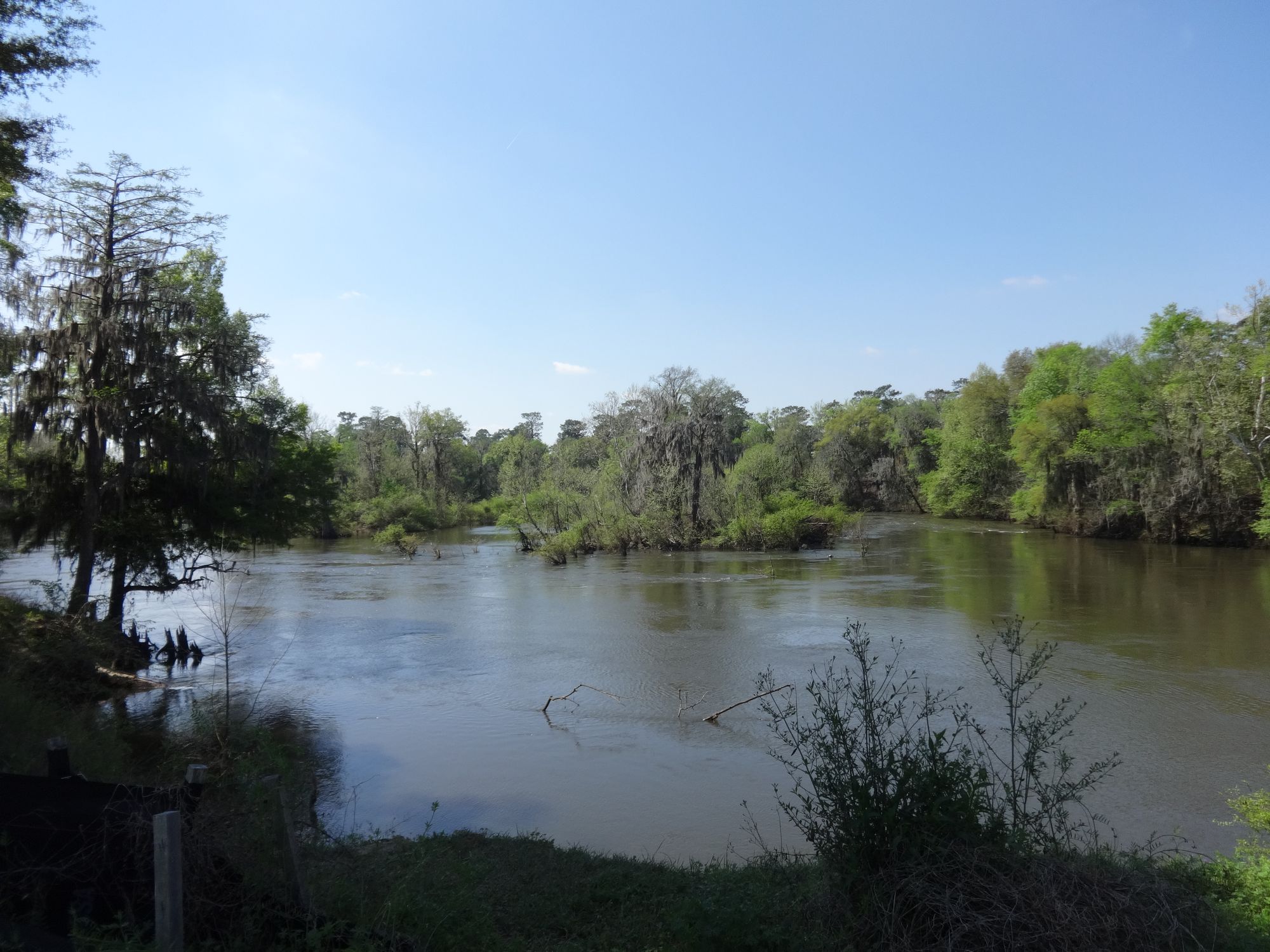
Flint River
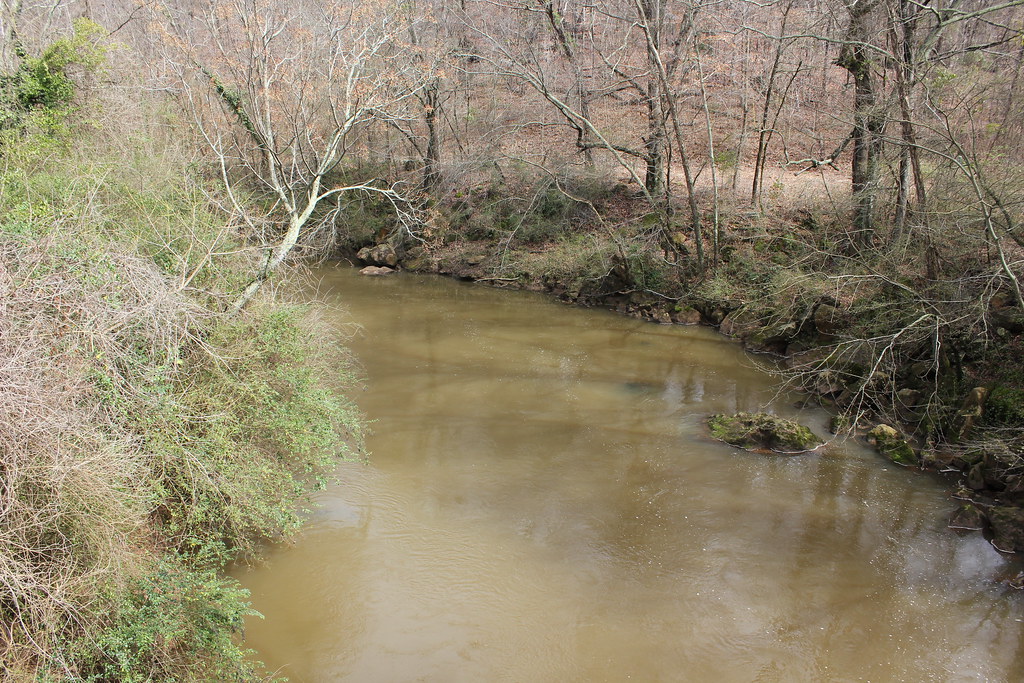
Oconee River
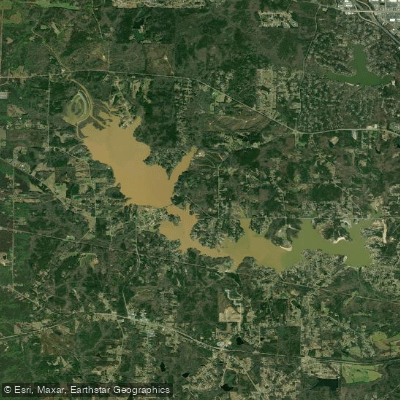
Lake Tobesofkee
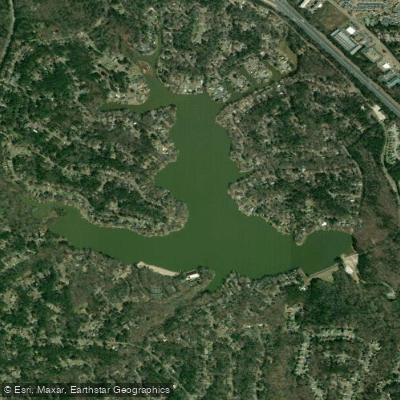
Lake Wildwood
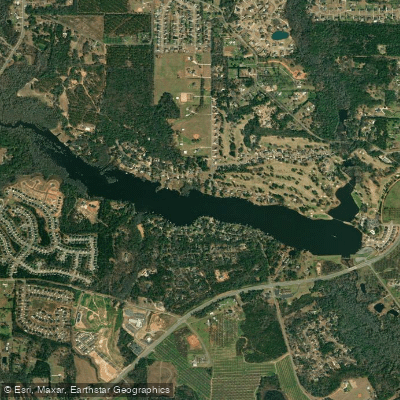
Houston Lake
Housers Millpond
Rocky Creek
High Falls Lake
What to know
Habitat Distribution
- Found primarily in the Chattooga River watershed and other north Georgia headwater streams.
- Most commonly found in smaller headwater streams due to temperature constraints and competition from non-native brown and rainbow trout.
Key Locations
- Tributaries of the Toccoa River, Chattooga River watershed, Noontootla Creek and its tributaries, smaller mountain streams in the Chattahoochee National Forest.
Specific Spots
- Target spring-fed streams, areas with consistent flow, gravel bottoms, and plenty of cover from overhanging vegetation or woody debris.
- Fish pools, eddies, undercut banks, and areas with bubbling water below rapids or small waterfalls.
Brook Trout FAQ
Answers from onWater's species guide.
What are the best lures and bait for Brook Trout in Georgia?
Small lures like 1/32 to 1/8 ounce spinners (Panther Martin, Mepps, Rooster Tail), small spoons, or live bait including red worms, crickets, and wax worms.
What flies work for Brook Trout in Georgia?
Small patterns including dry flies like elk hair caddis, stimulators, and terrestrial patterns (ants, beetles). Effective nymphs include beadhead hare's ears, pheasant tail nymphs, copper johns, and prince nymphs in sizes 14-18.
When is the best time to fish for Brook Trout in Georgia?
Spring through early fall (avoiding October-November spawning period). Spring and fall are particularly productive seasons.
How do you catch Brook Trout in Georgia?
For fly fishing, use a dry-dropper rig with a visible dry fly and small nymph dropper. Fish pools, eddies, undercut banks, and areas with bubbling water below rapids or small waterfalls.
What do Brook Trout eat?
Feed opportunistically on aquatic and terrestrial insects, including mayflies, caddisflies, stoneflies, ants, beetles, grasshoppers, and occasionally small fish, crayfish, and other vertebrates.
Fish smarter with real-time insights
Whether you're en route and conditions shift or you're looking for the best spot based on current flows, we enable you to make informed decisions on the fly.




See it in the app
Most maps show you water.
onWater shows you Brook Trout.



- 01 · Species map filter
Map every Brook Trout water
Pick Brook Trout and the map zeroes in on the waters they call home. No more guessing which lake holds them.
- 02 · Waterbody species
Tap any water. See what lives there.
Species, behavior and seasonal patterns for every lake, river and pond, before you leave the driveway.
- 03 · Angler Intelligence
Ask how to catch Brook Trout
Tactics, gear and timing from onWater's AI fishing guide, tuned to the species and the water you're on.
Stop guessing where Brook Trout are.
Open the map, filter by Brook Trout, and head to water that holds them. Download onWater and plan your next trip in minutes.
- Species map filter
- Angler Intelligence
- Fishing journal
Explore other species
Trout, bass, salmon, panfish and everything in between. Each guide unpacks the behavior, seasons, and tactics that put fish in the net.
No species information available.
Georgia licenses and regulations
Explore nearby waters
Explore Georgia waters
Top fishing waters
Popular Cities
Loading popular cities...

Smarter Fishing Starts in the App.
onWater Fish gives you everything you need to plan smarter, fish better, and own every trip from first cast to last.