Longnose Gar
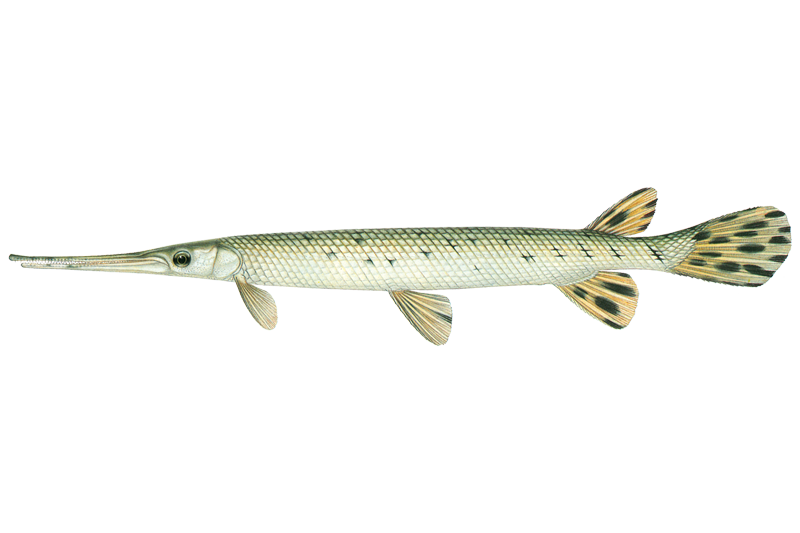
Longnose Gar in Georgia are prehistoric fish that are apex predators. They can breathe both air and water through a specialized swim bladder, allowing them to survive in low-oxygen environments.
- Olive-brown to green torpedo-shaped bodies, elongated jaws forming needle-like snouts nearly three times their head length, and diamond-shaped ganoid scales that provide armor-like protection.
Fishing in Georgia
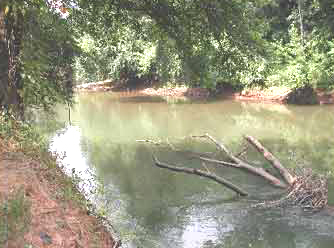
Ocmulgee River
Lake Sinclair
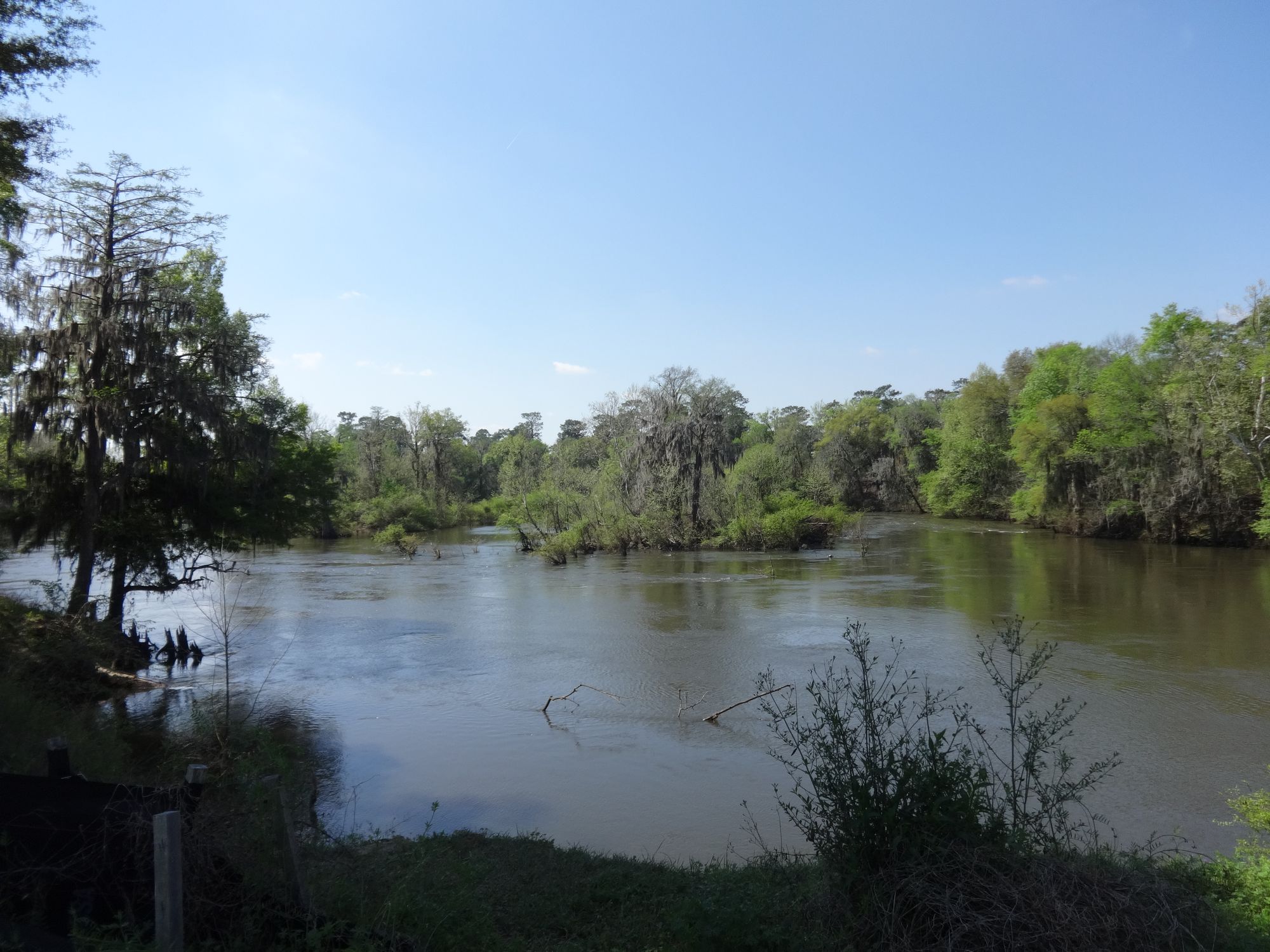
Flint River
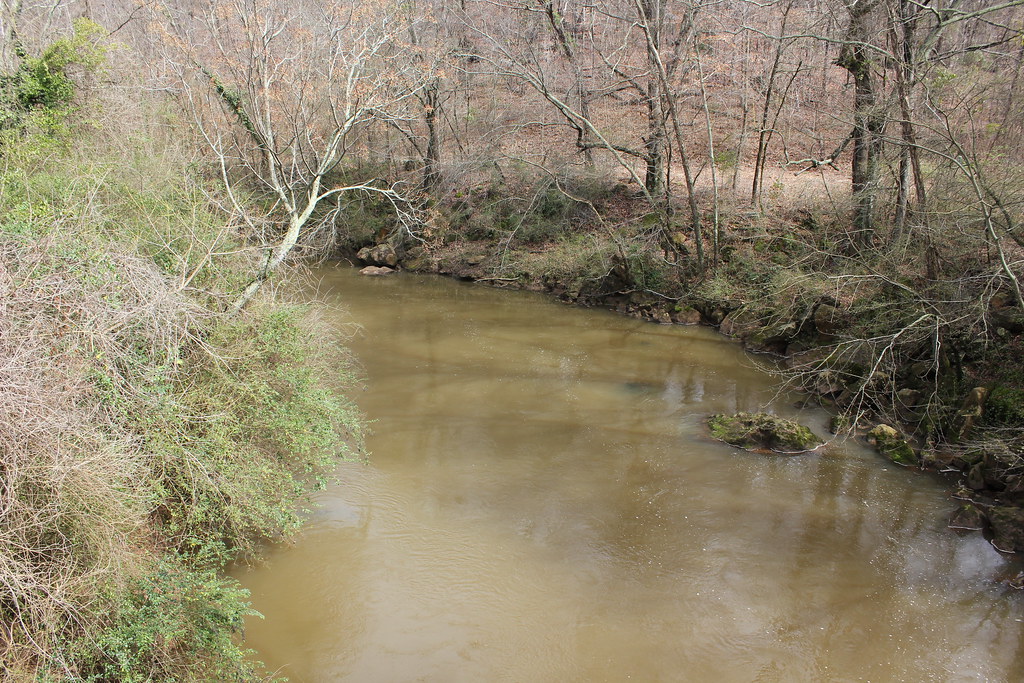
Oconee River
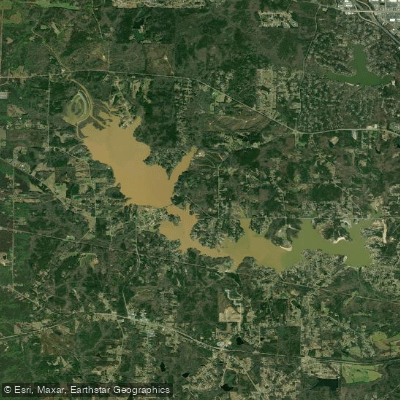
Lake Tobesofkee
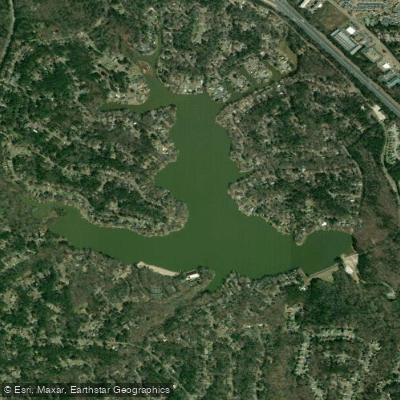
Lake Wildwood
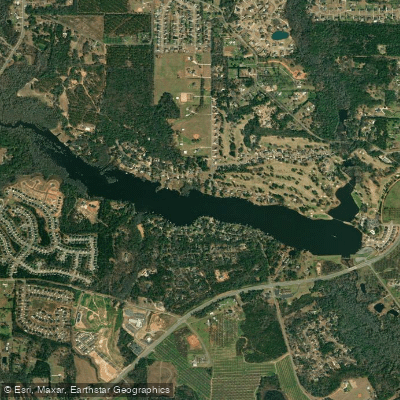
Houston Lake
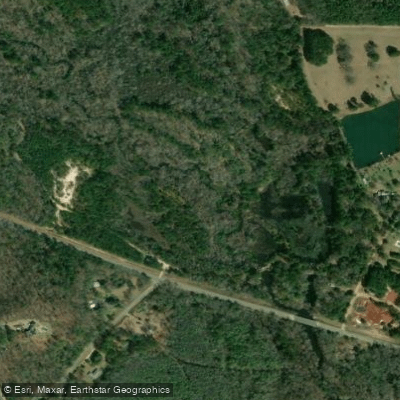
Housers Millpond
Rocky Creek
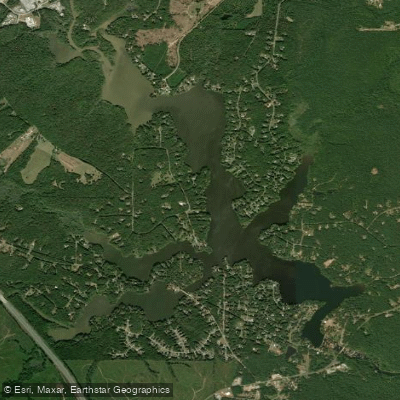
High Falls Lake
What to know
Habitat Distribution
- Found throughout Georgia's diverse waterways.
Key Locations
- Flint River, Altamaha River, Ocmulgee River, Suwannee River, Lake Seminole, Oconee River system, Coosa River near Rome.
Specific Spots
- Prefer sluggish pools, backwaters, weedy areas, and areas around structure like downed trees and vegetation.
- Focus on the Flint River for its clear waters and abundant gar population, the Altamaha River for longnose gar in slow-moving sections, Lake Seminole around vegetation and underwater structures, and the Ocmulgee and Suwannee Rivers in deeper pools and slack waters.
- Target areas with structure like brush piles, fallen trees, weedy cover, and shallow flats dropping into deeper water.
Longnose Gar FAQ
Answers from onWater's species guide.
What are the best lures and bait for Longnose Gar in Georgia?
Topwater plugs (baitfish-imitation plugs), live baits like shiners, small catfish, or cut bait under floats.
What flies work for Longnose Gar in Georgia?
Rope flies made from unbraided nylon that tangle in their teeth, treble hook trailer flies with streamers like bucktail patterns.
When is the best time to fish for Longnose Gar in Georgia?
Summer months, particularly July and August when water temperatures reach 70-90°F, offer peak longnose gar fishing in Georgia. Spawning occurs from late April to early July when water temperatures reach 68°F - a time to avoid targeting them.
How do you catch Longnose Gar in Georgia?
For fly fishing, cast the hookless fly near surfacing gar and let them chew for several seconds before setting. Topwater plugs work excellently when sight-fishing - cast baitfish-imitation plugs in front of visible gar and keep the lure motionless except for minor twitches until they strike.
What do Longnose Gar eat?
Primarily feed on small fish including shad, bullhead catfish, bluegill, shiners, and menhaden, with juveniles consuming small crustaceans and insect larvae.
Fish smarter with real-time insights
Whether you're en route and conditions shift or you're looking for the best spot based on current flows, we enable you to make informed decisions on the fly.




See it in the app
Most maps show you water.
onWater shows you Longnose Gar.



- 01 · Species map filter
Map every Longnose Gar water
Pick Longnose Gar and the map zeroes in on the waters they call home. No more guessing which lake holds them.
- 02 · Waterbody species
Tap any water. See what lives there.
Species, behavior and seasonal patterns for every lake, river and pond, before you leave the driveway.
- 03 · Angler Intelligence
Ask how to catch Longnose Gar
Tactics, gear and timing from onWater's AI fishing guide, tuned to the species and the water you're on.
Stop guessing where Longnose Gar are.
Open the map, filter by Longnose Gar, and head to water that holds them. Download onWater and plan your next trip in minutes.
- Species map filter
- Angler Intelligence
- Fishing journal
Explore other species
Trout, bass, salmon, panfish and everything in between. Each guide unpacks the behavior, seasons, and tactics that put fish in the net.
No species information available.
Georgia licenses and regulations
Explore nearby waters
Explore Georgia waters
Top fishing waters
Popular Cities
Loading popular cities...

Smarter Fishing Starts in the App.
onWater Fish gives you everything you need to plan smarter, fish better, and own every trip from first cast to last.