Pumpkinseed
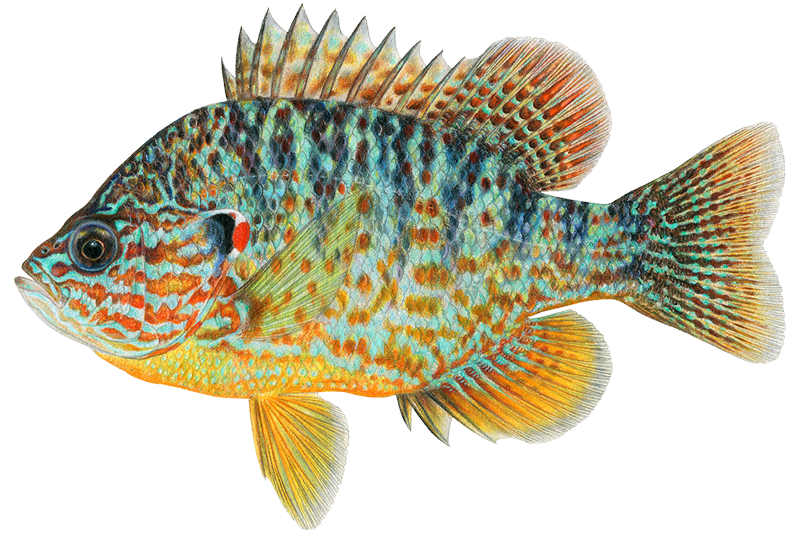
Pumpkinseed (Lepomis gibbosus) are introduced sunfish in Georgia, extending their native range which originally ended in northeastern Georgia down to South Carolina.
These colorful panfish are omnivorous and particularly effective at consuming mosquito larvae and zebra mussels.
Scientific Name: Lepomis gibbosus
- These colorful panfish are easily identified by their distinctive crimson spot on the black ear flap and wavy blue-green lines on their head and cheeks.
- They have a compressed, disk-shaped body resembling a pumpkin seed, typically 4-6 inches long but can reach up to 12 inches in Georgia waters.
- Their vibrant coloration includes orange-red bellies, olive to brown backs with orange, yellow, blue and emerald spots throughout their sides and fins.
Fishing in Georgia
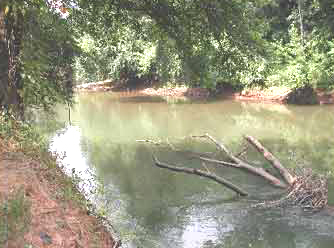
Ocmulgee River
Lake Sinclair
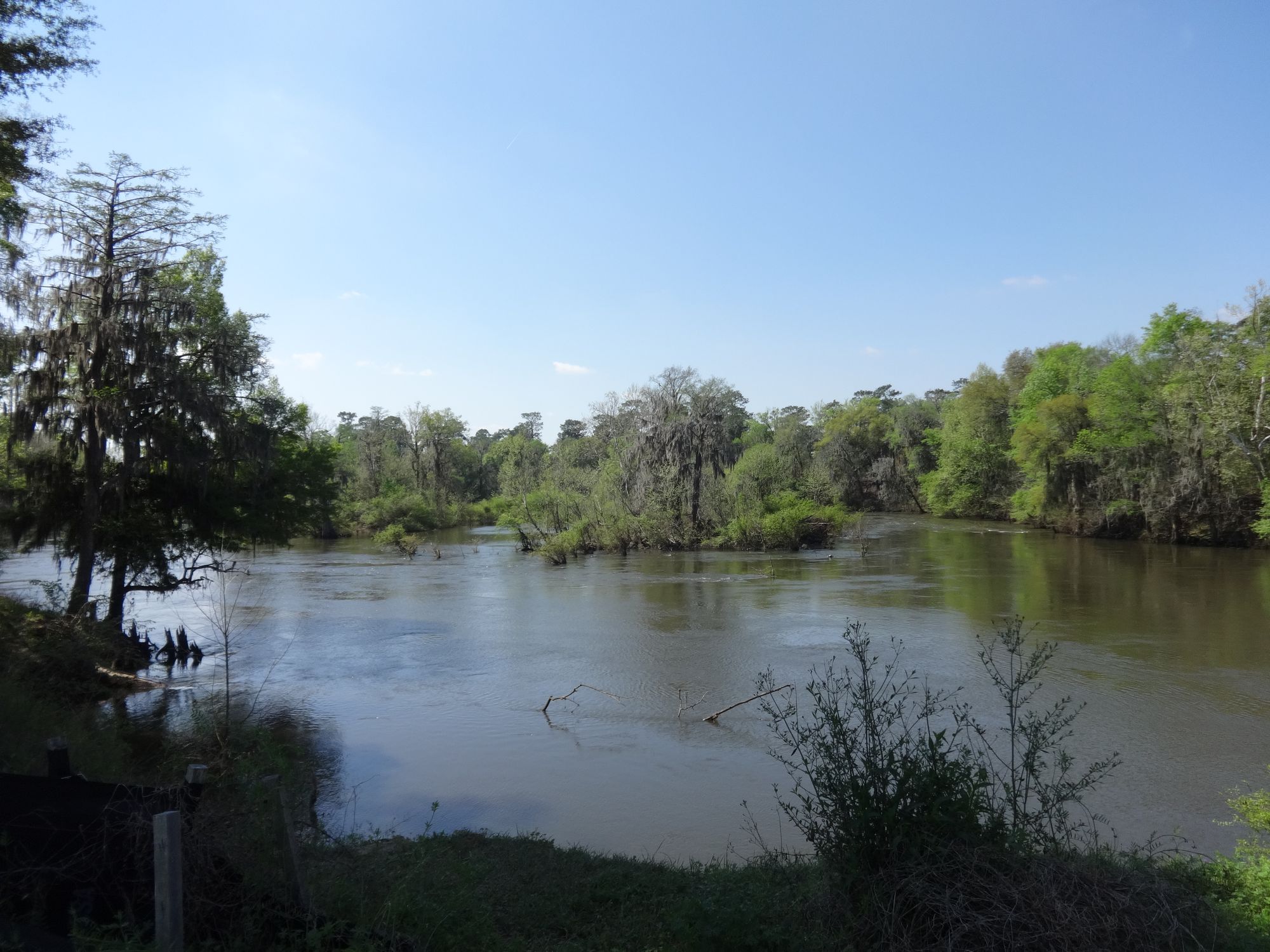
Flint River
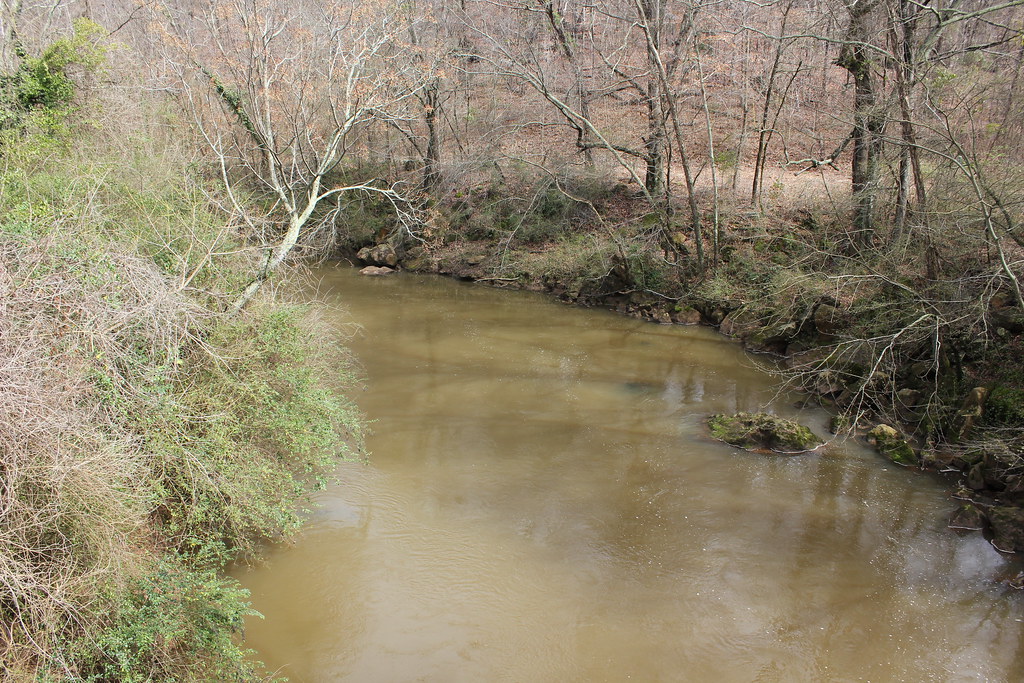
Oconee River
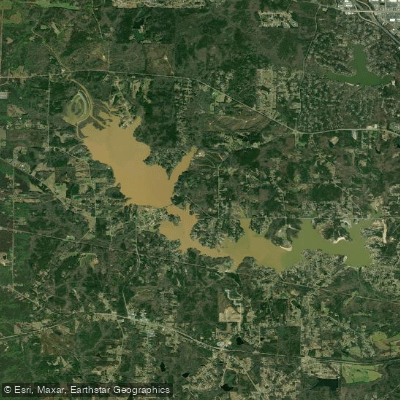
Lake Tobesofkee
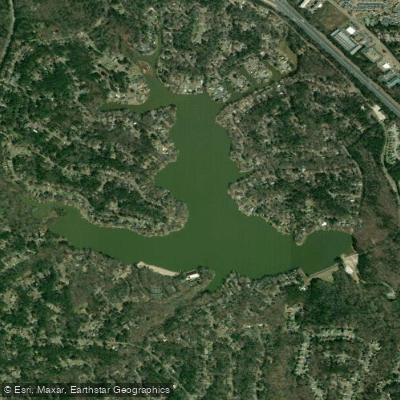
Lake Wildwood
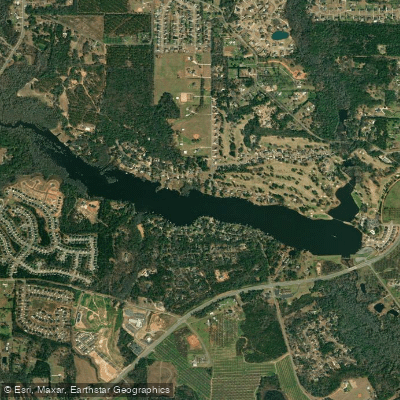
Houston Lake
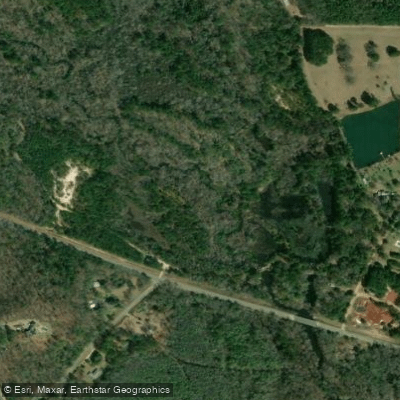
Housers Millpond
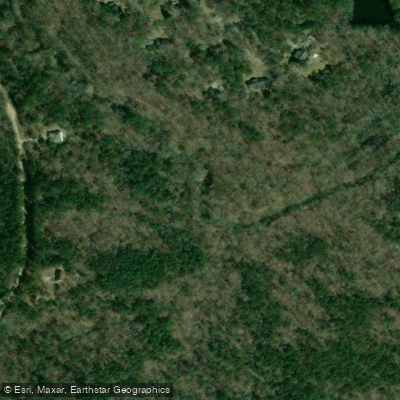
Rocky Creek
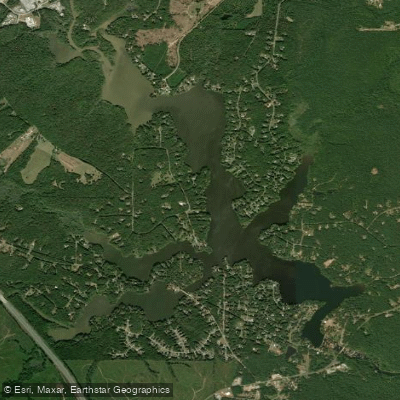
High Falls Lake
What to know
Habitat Distribution
- These fish prefer shallow, vegetated areas of lakes, ponds, reservoirs, streams, creeks and river coves with sandy, muddy or gravel bottoms.
Specific Spots
- Fish shallow, vegetated areas including weed beds, around lily pads, near submerged logs and brush piles, along shoreline shallows, and around docks and piers.
- Target areas with 1-2 feet of depth near cover during daylight hours.
- They're typically found near cover like aquatic vegetation, submerged logs, lily pads, and structures, rarely in open water.
Pumpkinseed FAQ
Answers from onWater's species guide.
What are the best lures and bait for Pumpkinseed in Georgia?
Worms are the most effective bait, with garden worms, small pieces of nightcrawlers, crickets, and mealworms all producing well. For artificial lures, use small jigs (1/4 ounce or smaller) tipped with live bait, and tiny spinners.
What flies work for Pumpkinseed in Georgia?
Popping bugs in red, white, black, or yellow colors, along with nymph patterns and spider flies. The Pumpkinseed James Wood Bucktail is an effective streamer pattern featuring variegated chenille in chartreuse/black, mixed green/yellow/blue bucktail wing, and bright red/purple chenille head.
When is the best time to fish for Pumpkinseed in Georgia?
Spring and summer months when they're most active. Avoid targeting them during May-July spawning period when males aggressively guard their nests.
How do you catch Pumpkinseed in Georgia?
Still fishing and baitcasting work well in hot months, while drift fishing can be effective in moving water. Keep presentations simple as pumpkinseed bite quickly and aggressively. Longer casts may be needed for larger specimens that tend to stay slightly offshore from the typical shallow-water haunts.
What do Pumpkinseed eat?
Pumpkinseed are omnivorous, feeding heavily on insects, insect larvae (especially dipteran larvae), small mollusks, snails, crustaceans, worms, small fish, and aquatic vegetation.
Fish smarter with real-time insights
Whether you're en route and conditions shift or you're looking for the best spot based on current flows, we enable you to make informed decisions on the fly.







See it in the app
Most maps show you water.
onWater shows you Pumpkinseed.



- 01 · Species map filter
Map every Pumpkinseed water
Pick Pumpkinseed and the map zeroes in on the waters they call home. No more guessing which lake holds them.
- 02 · Waterbody species
Tap any water. See what lives there.
Species, behavior and seasonal patterns for every lake, river and pond, before you leave the driveway.
- 03 · Angler Intelligence
Ask how to catch Pumpkinseed
Tactics, gear and timing from onWater's AI fishing guide, tuned to the species and the water you're on.
Stop guessing where Pumpkinseed are.
Open the map, filter by Pumpkinseed, and head to water that holds them. Download onWater and plan your next trip in minutes.
- Species map filter
- Angler Intelligence
- Fishing journal
Explore other species
Trout, bass, salmon, panfish and everything in between. Each guide unpacks the behavior, seasons, and tactics that put fish in the net.

Find which waters have the species you want to catch

Largemouth Bass
Micropterus salmoides

Smallmouth Bass
Micropterus dolomieui

Rainbow Trout
Oncorhynchus mykiss

Brown Trout

Brook Trout
Salvelinus fontinalis

Muskellunge
Esox masquinongy

Walleye

Black Crappie
Pomoxis nigromaculatus
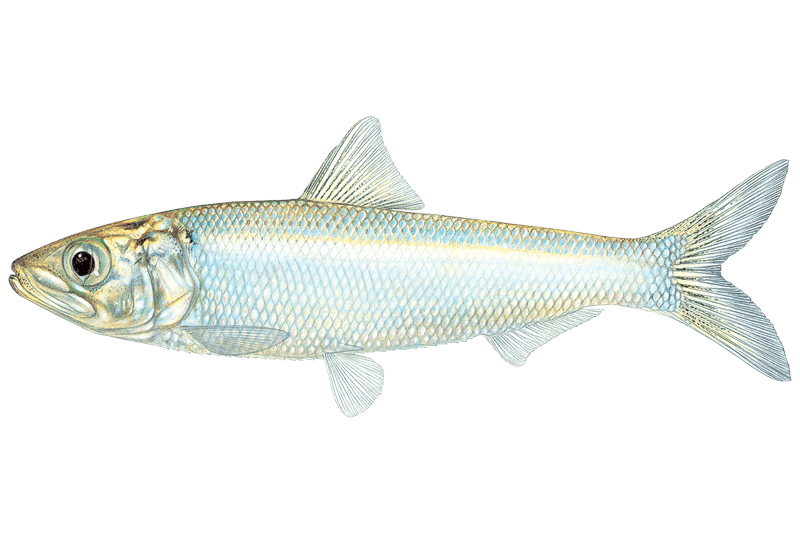
Alabama Shad
Alosa alabamae

Alewife
Alosa pseudoharengus
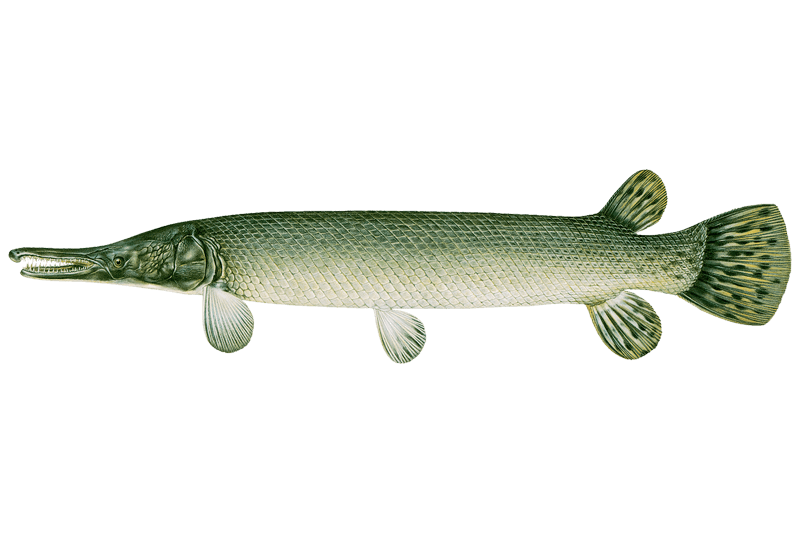
Alligator Gar

American Eel
Anguilla rostrata

American Shad
Alosa sapidissima

Atlantic Croaker
Micropogonias undulatus

Atlantic Sharpnose Shark
Rhizoprionodon terraenovae

Atlantic Sturgeon
Acipenser oxyrinchus

Black Bullhead
Ameiurus melas

Black Drum
Pogonias cromis

Black Sea Bass
Centropristis striata

Blacktip Shark
Carcharhinus limbatus

Blue Catfish
Ictalurus furcatus

Bluefish
Pomatomus saltatrix

Bowfin
Amia calva

Brown Bullhead
Ameiurus nebulosus

Chain Pickerel
Esox niger

Channel Catfish
Ictalurus punctatus

Common Carp
Cyprinus carpio

Creek Chub
Semotilus atromaculatus

Flathead Catfish
Pylodictis olivaris

Flier
Centrarchus macropterus

Freshwater Drum
Aplodinotus grunniens

Gizzard Shad
Dorosoma cepedianum

Grass Carp
Ctenopharyngodon idella

Green Sunfish
Lepomis cyanellus

Hickory Shad
Alosa mediocris

Lake Sturgeon
Acipenser fulvescens

Longear Sunfish
Lepomis megalotis

Longnose Gar

Nile Tilapia
Oreochromis niloticus

Northern Hogsucker
Hypentelium nigricans
Georgia licenses and regulations

Georgia Boating Regulations
When using any type of watercraft to access a body of water, it is important to follow all federal, state, and local rules and regulations. These rules and regulations include boat permitting and licensing, invasive species inspections and stamps, life jacket and PFD rules, motor size and horsepower restrictions, noise limitations, restrictions on personal watercraft, and many more. Visit the web link below for the most current rules and regulations for this body of water.

Georgia Delayed Harvest Streams
Anglers fishing delayed harvest streams must release all trout immediately and use and possess only artificial lures with one single hook per lure from Nov. 1–May 14 annually. The use of additional “dropper” lures on one line is permitted as long as each lure contains one single hook. These restrictions do not apply from May 15–Oct. 31 of each year.

Georgia Fishing License
Anglers age 16 and older must have a current Georgia fishing license in their possession while fishing in fresh or salt water in Georgia. Additionally, a free SIP is required to fish in saltwater. A temporary authorization number obtained by telephone or internet sale may be used for seven days until the paper copy is received or printed. Game Wardens may require photo identification when checking fishing licenses. Exception: A fishing license is not required to fish in private ponds (does not include ponds owned by governments—city, county, state, or federal) nor by a resident and their immediate family when fishing on their land.

Georgia Fishing Regulations
When using any type of watercraft to access a body of water, it is important to follow all federal, state, and local rules and regulations. These rules and regulations include boat permitting and licensing, invasive species inspections and stamps, life jacket and PFD rules, motor size and horsepower restrictions, noise limitations, restrictions on personal watercraft, and many more. Visit the web link below for the most current rules and regulations for this body of water.

Georgia Stream Access Laws
Navigable waters are those capable of regular barge traffic. The public may boat and fish to the low water mark only where the streambed is owned by the state. If the streambeds are private, you need permission to wade and fish.
Explore nearby waters
Explore Georgia waters
Top fishing waters
Popular Cities
Loading popular cities...
Smarter Fishing Starts in the App.
onWater Fish gives you everything you need to plan smarter, fish better, and own every trip from first cast to last.