Bluegill
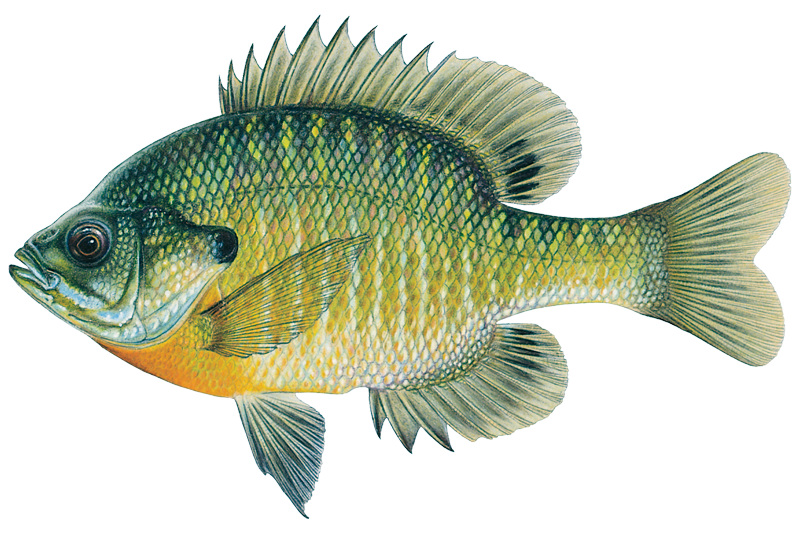
Bluegill in Delaware are an introduced non-native species that have established abundant populations statewide.
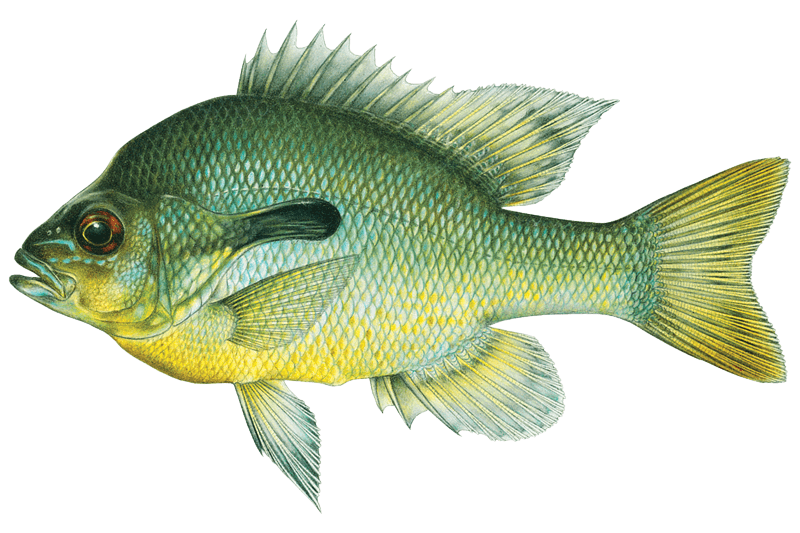
- These distinctive panfish are easily recognized by their darkened ear flap and dark blue coloration on the sides of their head, with dark green bodies featuring 5 to 9 vertical bars and yellowish breast and abdomen.
- Large breeding males develop purple-black coloration on their back and sides.
- Delaware bluegill commonly measure 6-7 inches, though citation-size fish can reach 10+ inches, with the state record being 2 pounds 10 ounces.
Fishing in Delaware
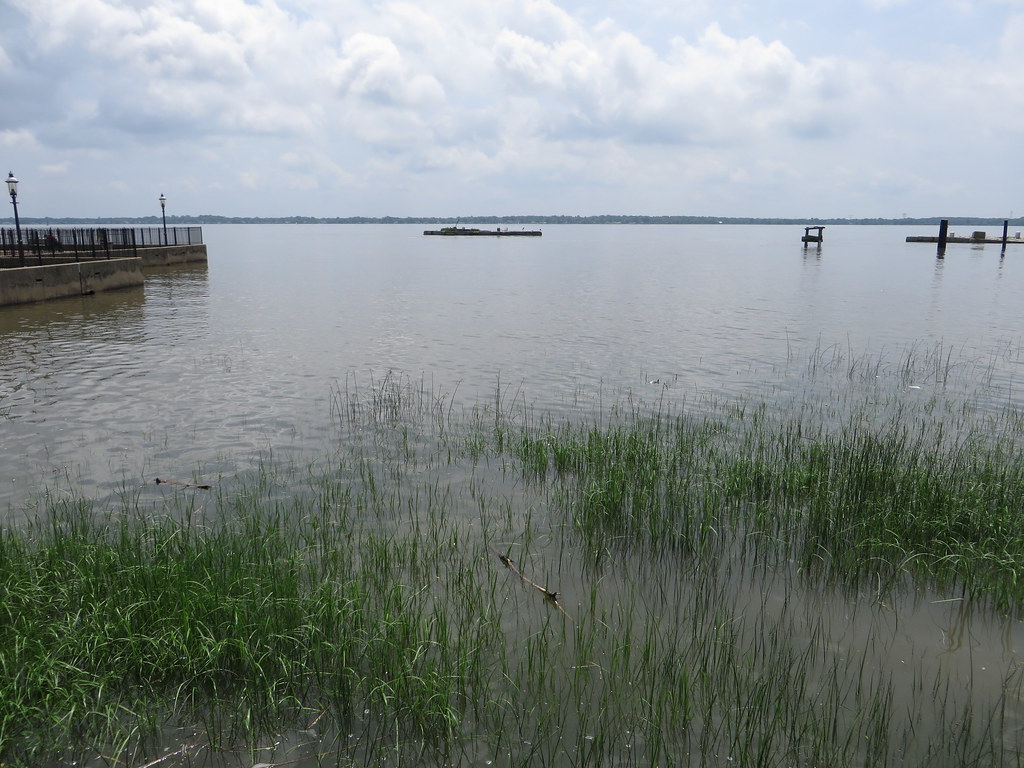
Delaware River
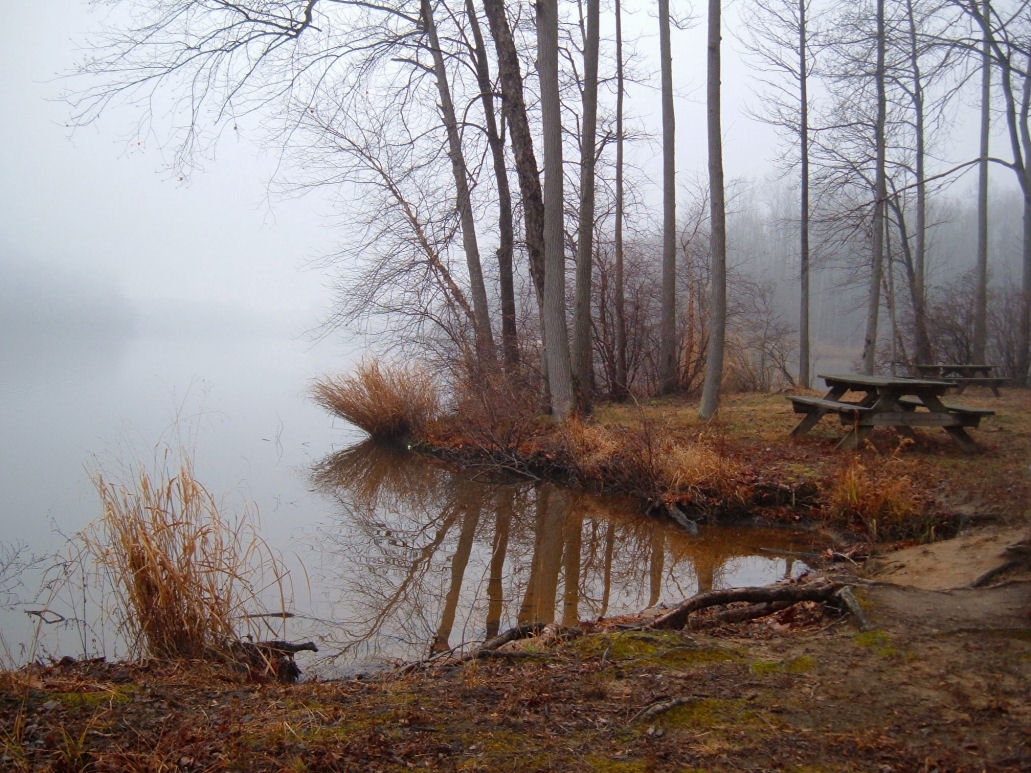
Lums Pond
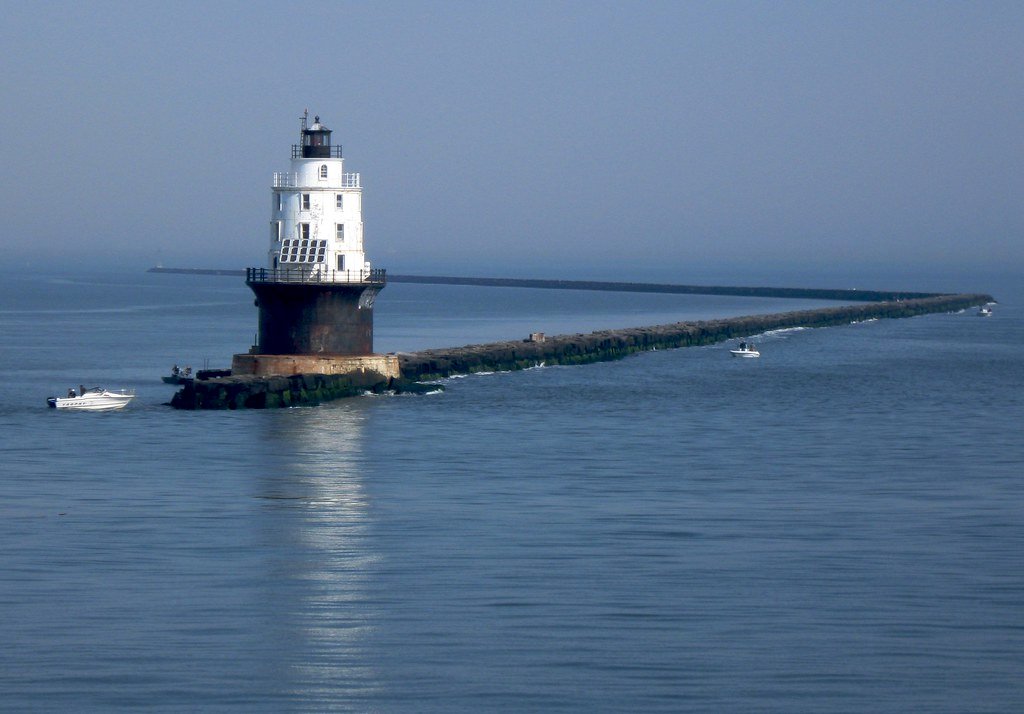
Delaware Bay
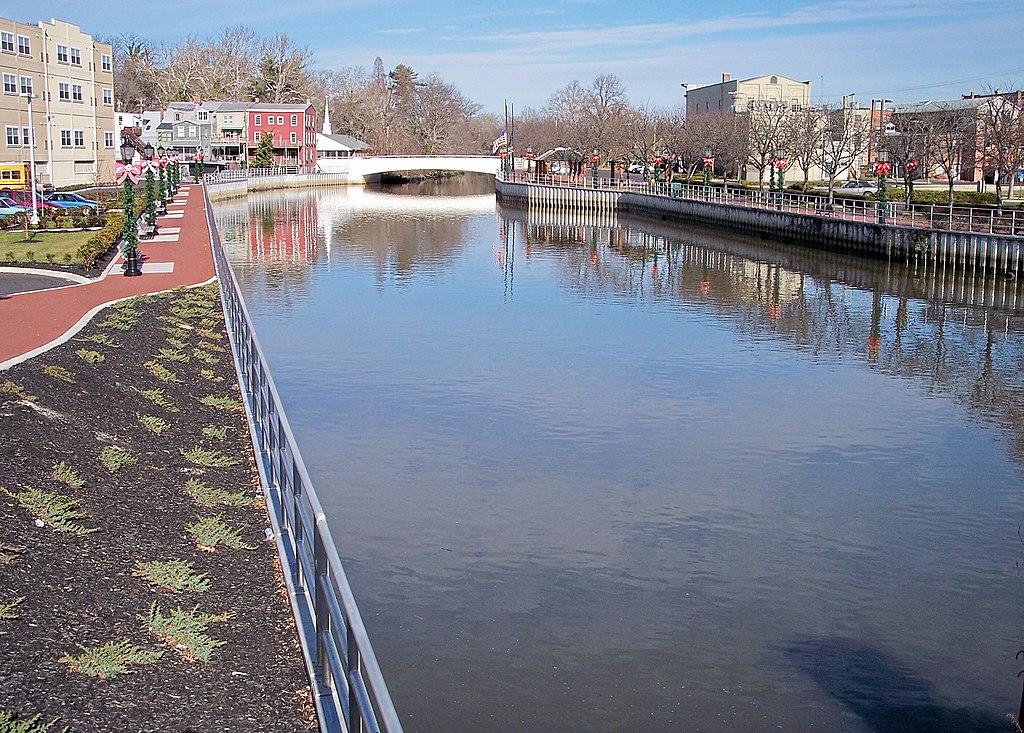
Cohansey River
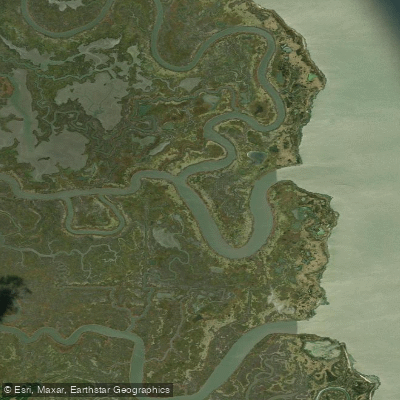
Leipsic River
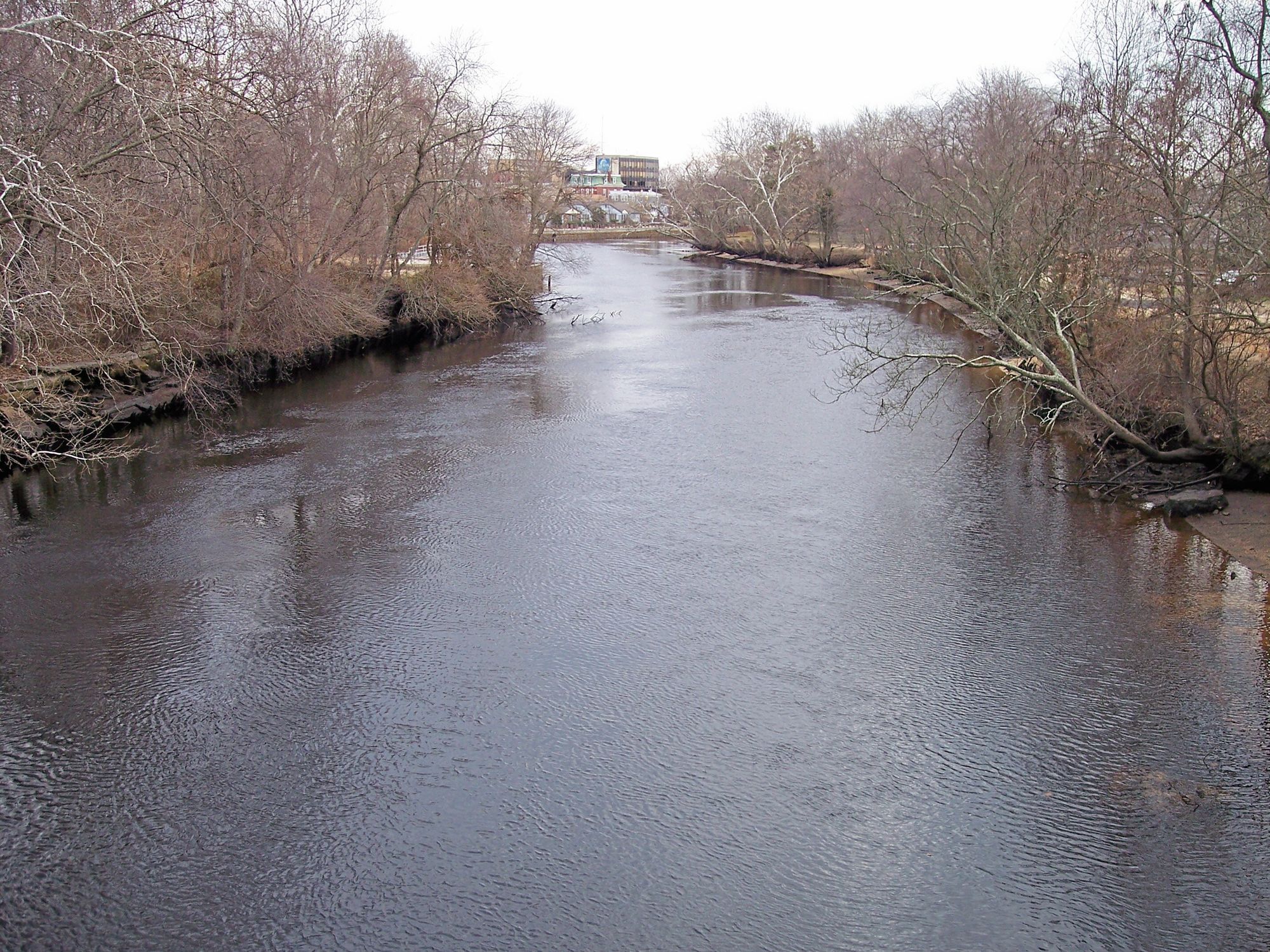
Maurice River
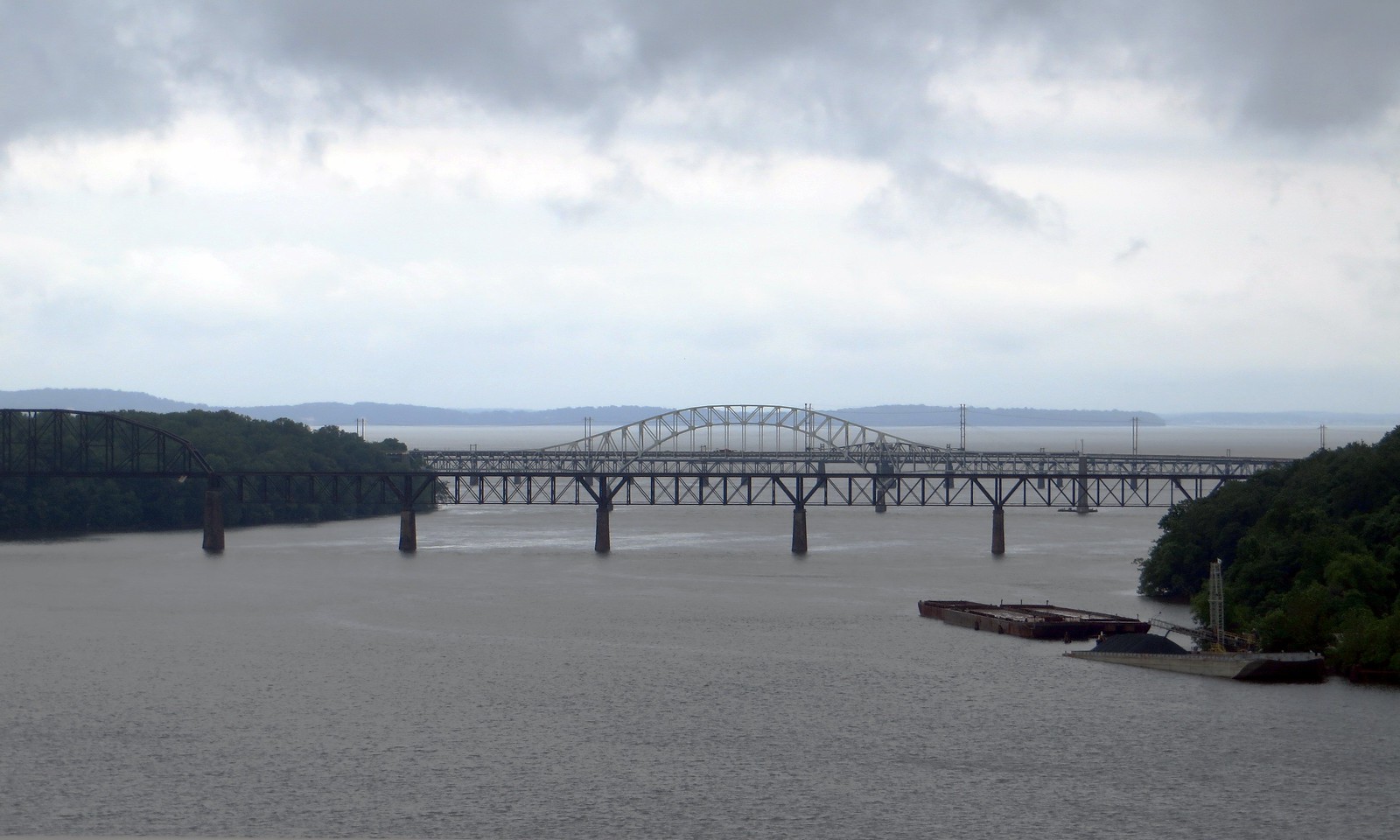
Susquehanna River
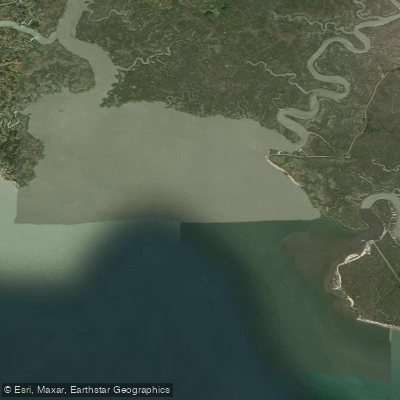
Nantuxent Cove
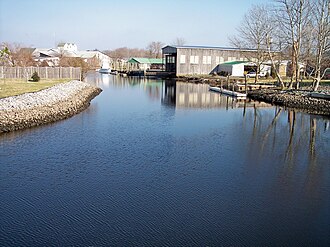
Mispillion River
What to know
Habitat Distribution
- They inhabit many ponds, slow-moving streams and rivers throughout Delaware, preferring weedy waters with abundant vegetation.
Key Locations
- In Delaware's freshwater systems, they can be found in state park waters including Bellevue Pond, Brandywine Creek, Killens Pond, Lums Pond, Trap Pond, and White Clay Creek's Smith Mill Pond.
- In state parks like Trap Pond, Lums Pond, and Killens Pond, focus on weed lines and structure.
Specific Spots
- Target shallow areas with vegetation, fallen trees, docks, and overhanging cover.
Bluegill FAQ
Answers from onWater's species guide.
What are the best lures and bait for Bluegill in Delaware?
For artificial lures, use small spinners, small jigs (1/32 to 1/16 ounce), and tiny crankbaits. Live bait excels, particularly crickets, meal worms, small worms, and small minnows.
What flies work for Bluegill in Delaware?
Fly fishing is highly effective with patterns including small floating poppers (size 8-10 hooks in chartreuse, blue, yellow), Woolly Buggers (size 8-10 in olive or black), foam spiders (black, gray, brown), and Royal Coachman patterns.
When is the best time to fish for Bluegill in Delaware?
Bluegill fishing in Delaware is productive year-round. Spring offers the best action as fish move shallow and feed aggressively before spawning, with consistent fishing continuing through summer when they're active in weedy areas.
How do you catch Bluegill in Delaware?
Live bait fished suspended under a bobber. Practice catch-and-release for larger specimens, especially males during spawning season to maintain healthy populations.
What do Bluegill eat?
Bluegill are opportunistic feeders with small terminal mouths, primarily consuming insects but also eating crayfish, leeches, snails, and small fishes.
Fish smarter with real-time insights
Whether you're en route and conditions shift or you're looking for the best spot based on current flows, we enable you to make informed decisions on the fly.







See it in the app
Most maps show you water.
onWater shows you Bluegill.



- 01 · Species map filter
Map every Bluegill water
Pick Bluegill and the map zeroes in on the waters they call home. No more guessing which lake holds them.
- 02 · Waterbody species
Tap any water. See what lives there.
Species, behavior and seasonal patterns for every lake, river and pond, before you leave the driveway.
- 03 · Angler Intelligence
Ask how to catch Bluegill
Tactics, gear and timing from onWater's AI fishing guide, tuned to the species and the water you're on.
Stop guessing where Bluegill are.
Open the map, filter by Bluegill, and head to water that holds them. Download onWater and plan your next trip in minutes.
- Species map filter
- Angler Intelligence
- Fishing journal
Explore other species
Trout, bass, salmon, panfish and everything in between. Each guide unpacks the behavior, seasons, and tactics that put fish in the net.

Find which waters have the species you want to catch

Largemouth Bass

Smallmouth Bass
Micropterus dolomieu

Rainbow Trout

Brown Trout

Brook Trout
Salvelinus fontinalis

Northern Pike
Esox lucius

Muskellunge

Walleye
Sander vitreus

Black Crappie
Pomoxis nigromaculatus

Alewife
Alosa pseudoharengus

American Eel

American Shad
Alosa sapidissima

Atlantic Croaker
Micropogonias undulates

Atlantic Sturgeon

Black Bullhead
Ameiurus melas

Black Drum
Pogonias cromis

Black Sea Bass

Blue Catfish
Ictalurus furcatus

Bluefish
Pomatomus saltatrix
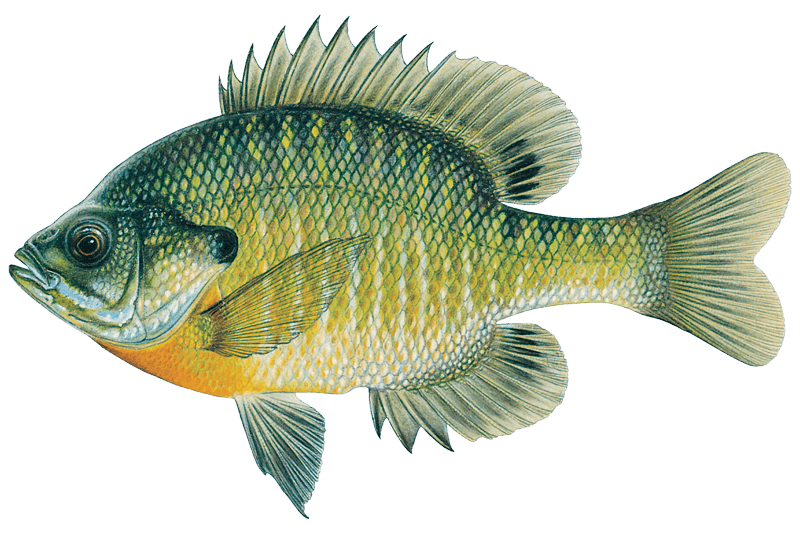
Bluegill Sunfish

Brown Bullhead
Ameiurus nebulosus

Chain Pickerel
Esox niger

Channel Catfish
Ictalurus punctatus

Common Carp

Creek Chub
Semotilus atromaculatus

Fallfish
Semotilus corporalis

Flathead Catfish

Gizzard Shad
Dorosoma cepedianum

Grass Carp
Ctenopharyngodon idella

Green Sunfish
Lepomis cyanellus

Hickory Shad
Alosa mediocris

Longnose Gar
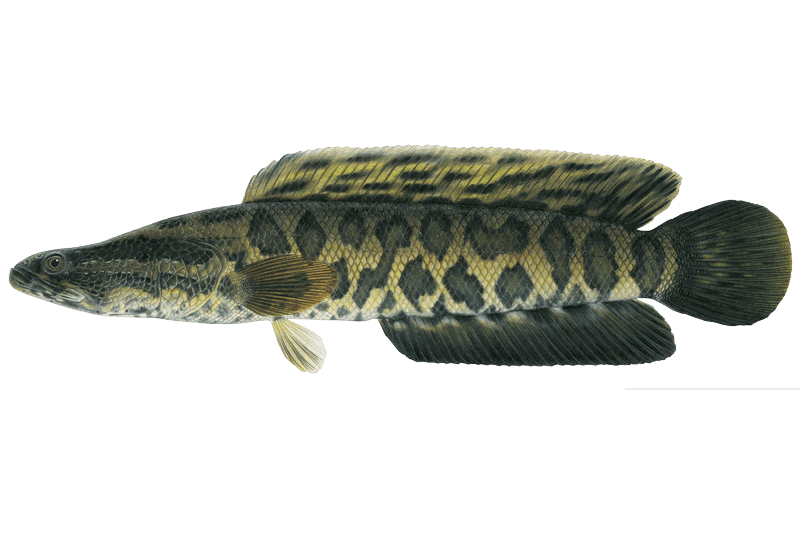
Northern Snakehead
Channa argus

Pumpkinseed
Redbreast Sunfish
Lepomis auritus

Redear Sunfish

Rock Bass
Striped Bass

Summer Flounder
Paralichthys dentatus
White Bass
Morone chrysops
Delaware licenses and regulations

Delaware Boating Regulations
When using any type of watercraft to access a body of water, it is important to follow all federal, state, and local rules and regulations. These rules and regulations include boat permitting and licensing, invasive species inspections and stamps, life jacket and PFD rules, motor size and horsepower restrictions, noise limitations, restrictions on personal watercraft, and many more. Visit the web link below for the most current rules and regulations for this body of water.

Delaware Fishing License
All Delaware anglers age 16 or older are required by regulation to have a Delaware-issued Fisherman Information Network (FIN) number on an annual basis before fishing in Delaware waters. There is no fee for a FIN number. A FIN number is automatically issued with the purchase of a Delaware fishing license. In some cases, such as when you are exempt from licensing requirements, you may need to apply separately for a FIN number though Digital DNREC.

Delaware Fishing Regulations
This river has a variety of species and regulations, including potential floating and/or watercraft restrictions. Because this river is specially managed for species, seasons, angling methods, and watercraft, it is strongly encouraged you check all federal, state, and local regulations before fishing. Visit any of the links below, inquire locally, or contact a local fly shop to learn current regulations and restrictions.

Delaware Stream Access Laws
Commerce and recreational floating constitute navigability. Streambed access and right to portage on private land is uncertain, but the public may boat and fish on all navigable waters, regardless of streambed ownership.
Explore nearby waters
Explore Delaware waters
Top fishing waters
Popular Cities
Loading popular cities...

Smarter Fishing Starts in the App.
onWater Fish gives you everything you need to plan smarter, fish better, and own every trip from first cast to last.