Channel Catfish
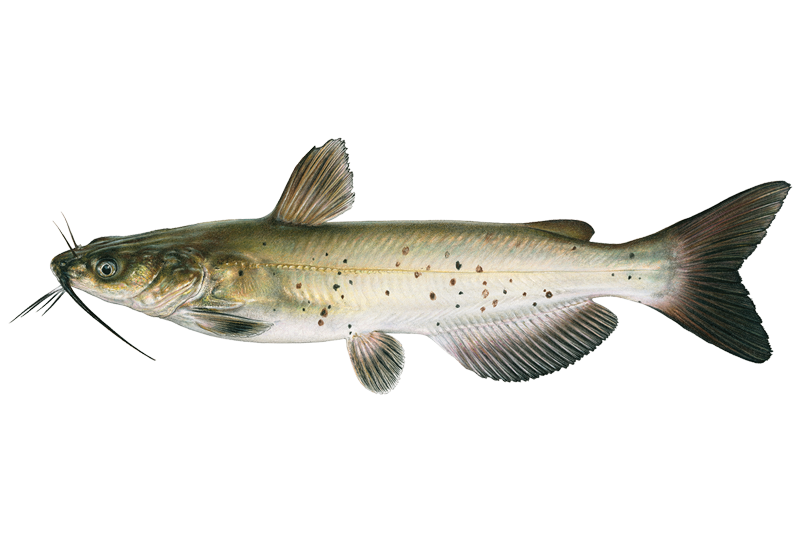
Channel Catfish are a non-native, introduced species to Delaware that have become abundant throughout the state's waters.
Scientific Name: Ictalurus punctatus
- Slender, elongate catfish have deeply forked tails and can be distinguished from blue catfish by their rounded anal fin.
- Young Channel Catfish often display small black spots that may fade as they mature.
- They feature four barbels (whiskers) around their mouth - two from each corner and two from the top of the head - which are covered in taste buds.
- Their entire body is covered in taste buds, giving them exceptional senses of smell and taste.
Fishing in Delaware
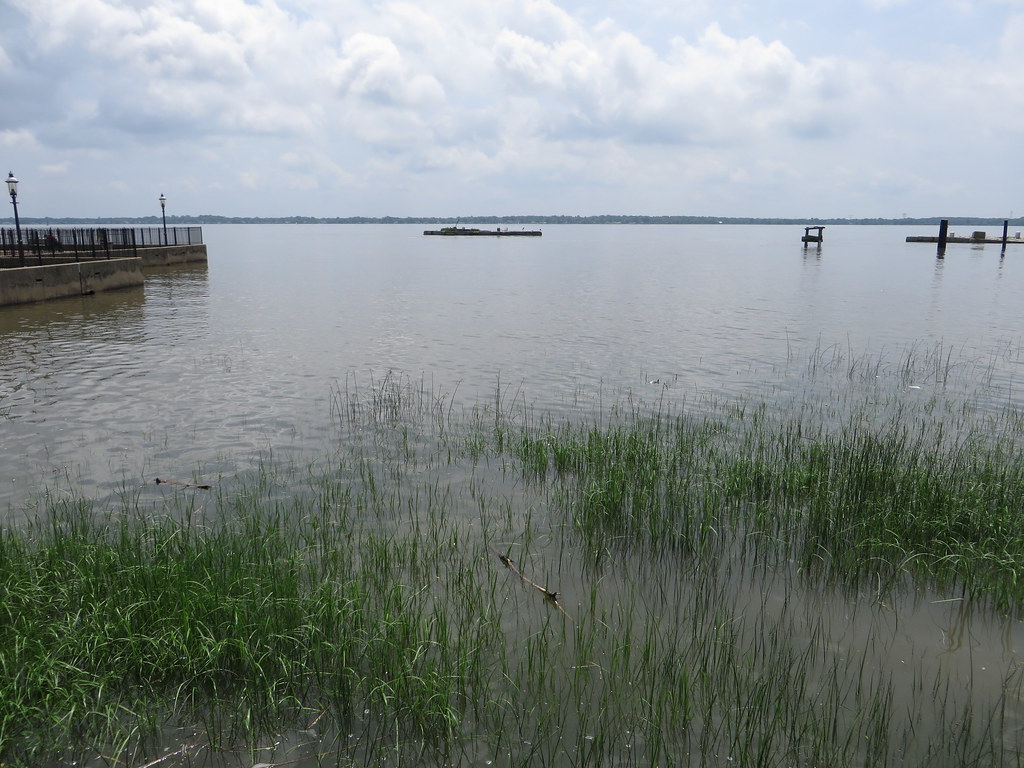
Delaware River
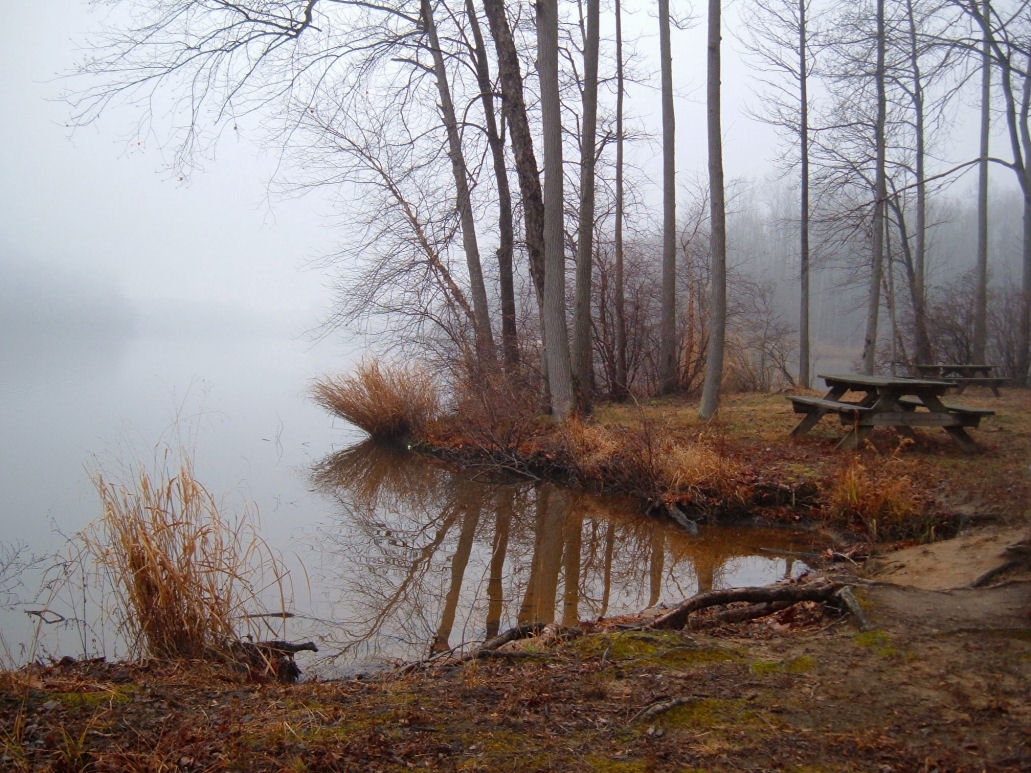
Lums Pond
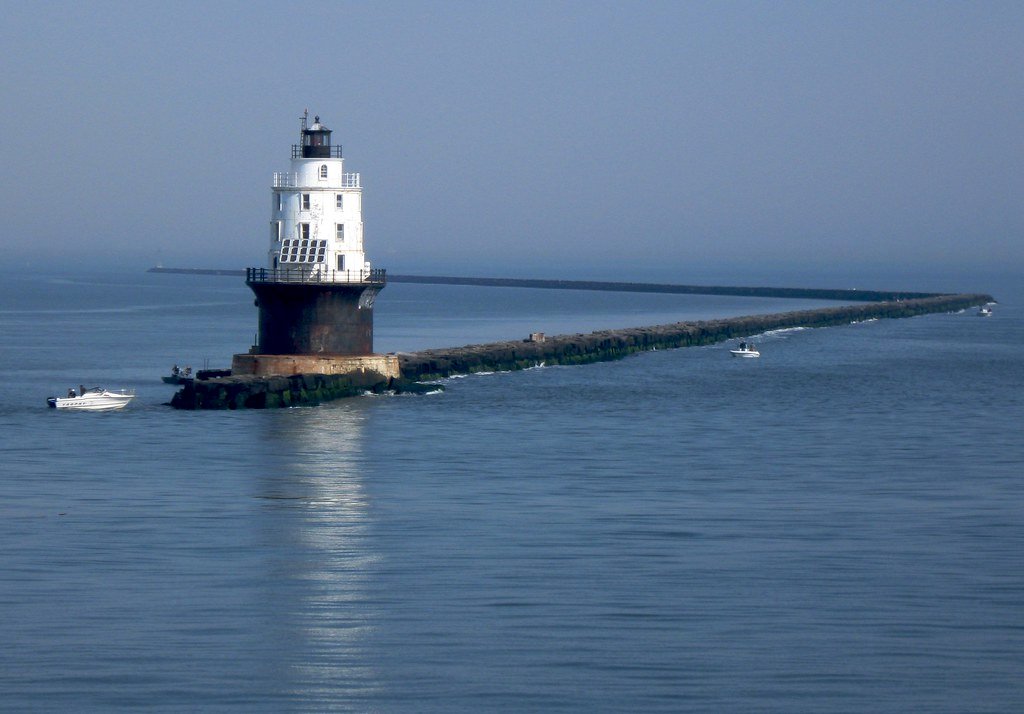
Delaware Bay
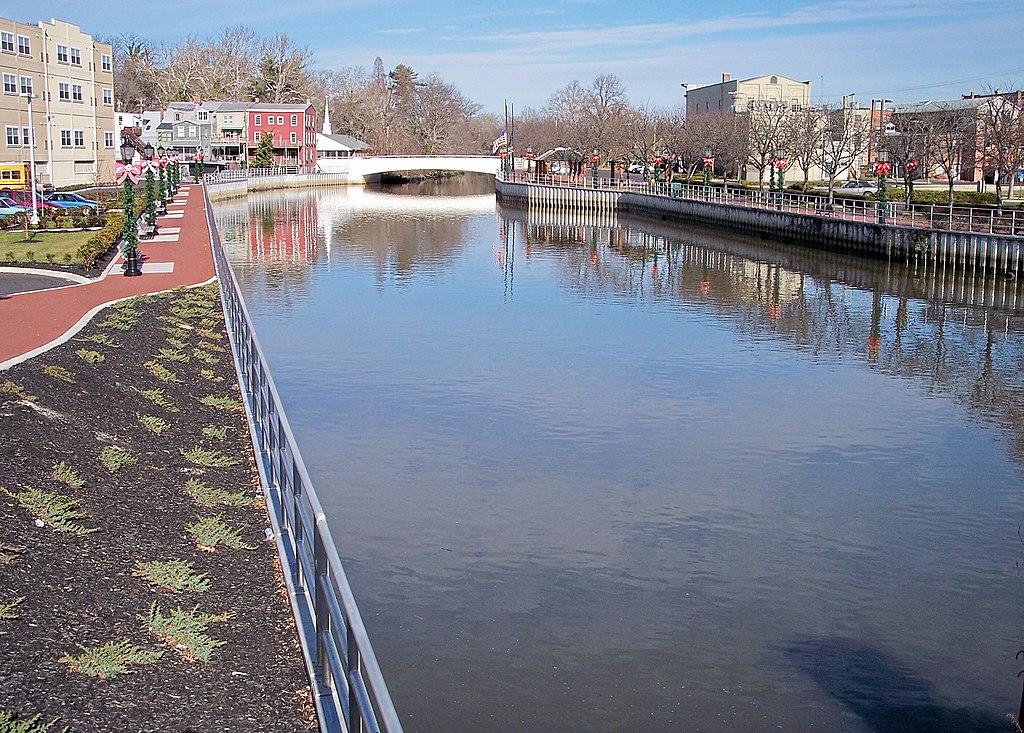
Cohansey River
Leipsic River
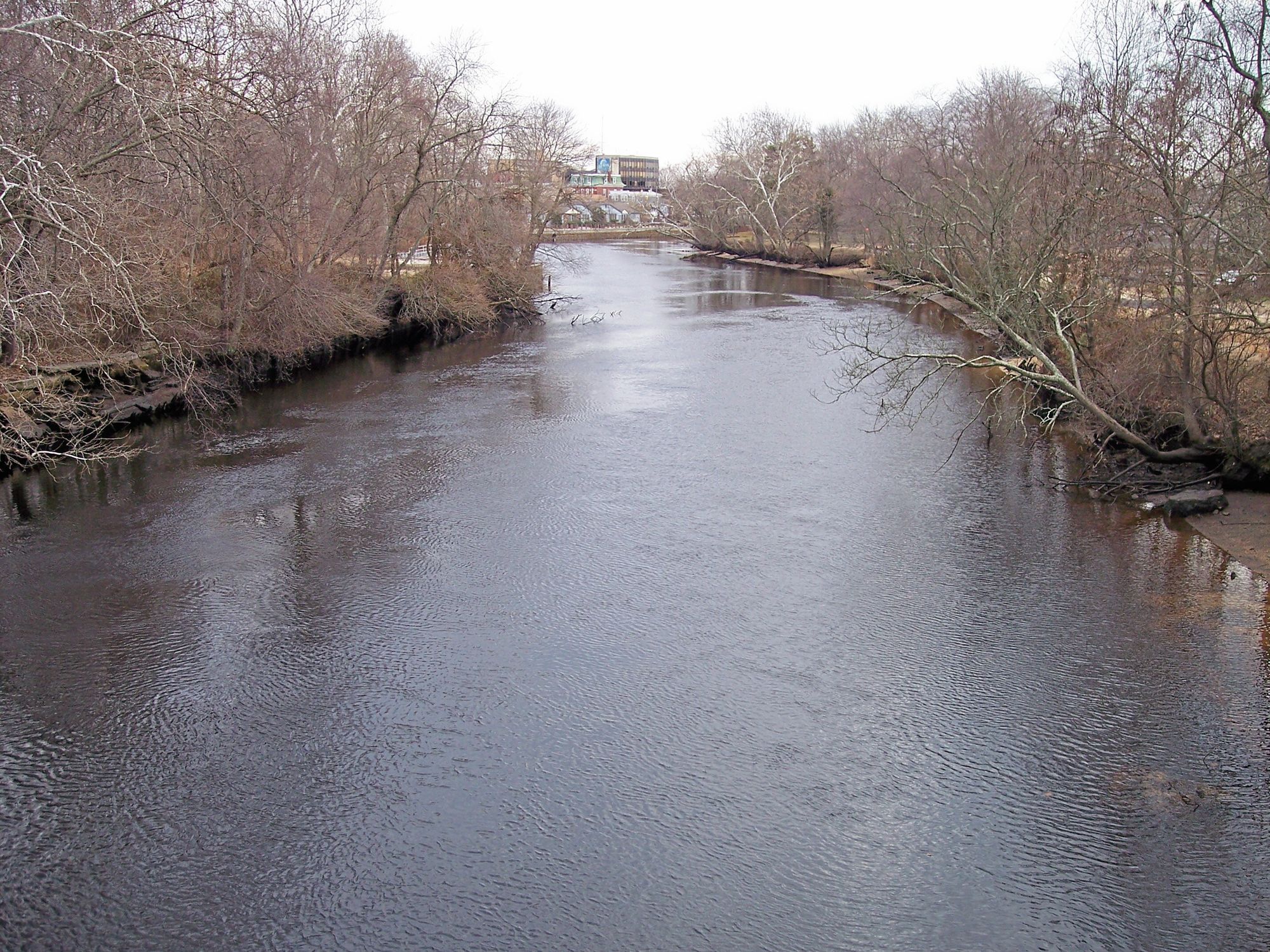
Maurice River
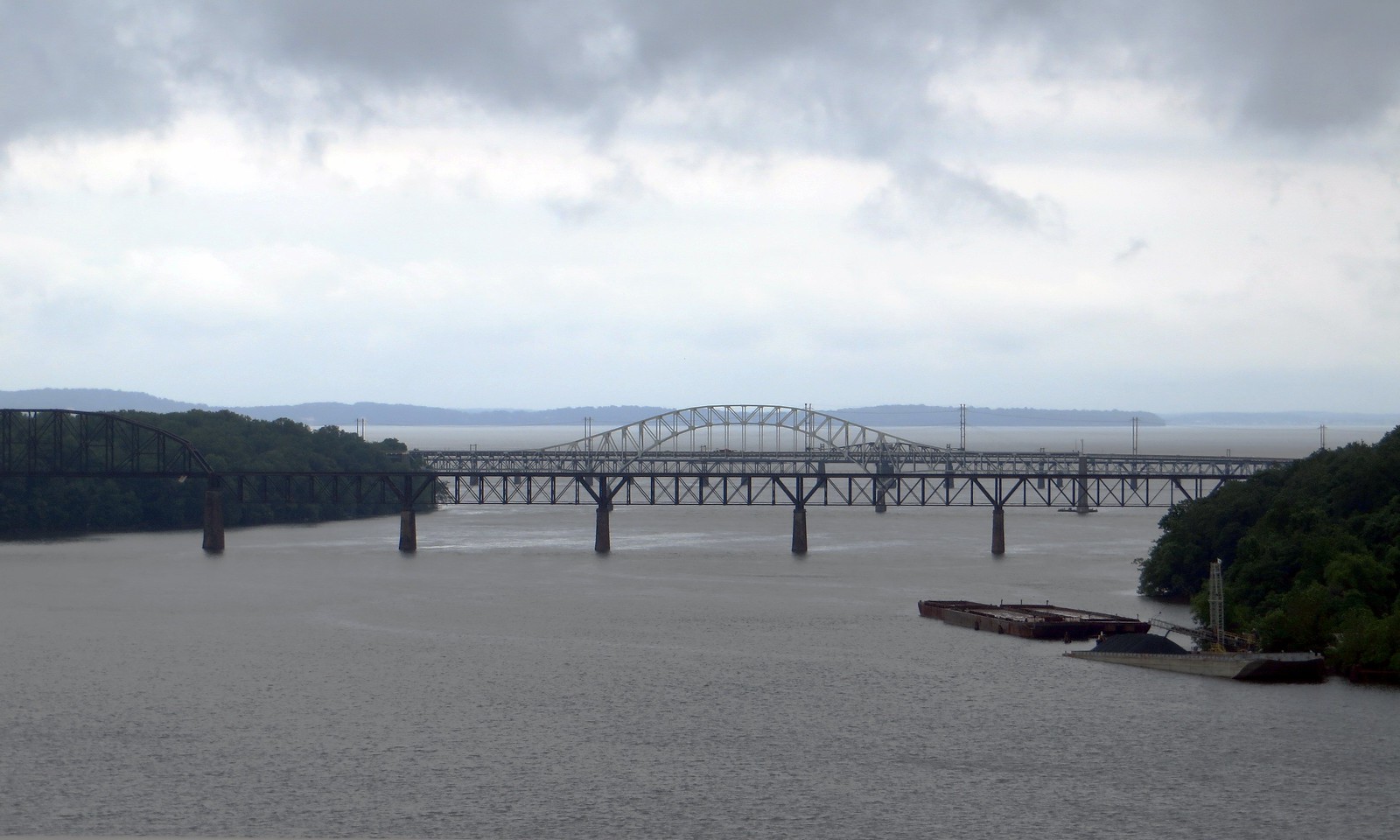
Susquehanna River
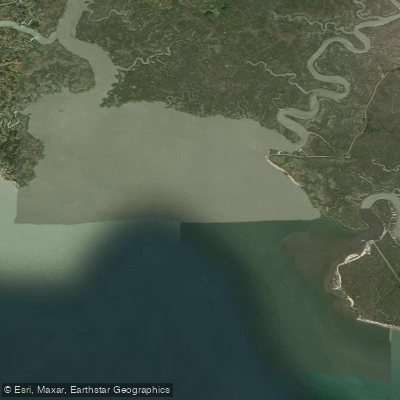
Nantuxent Cove
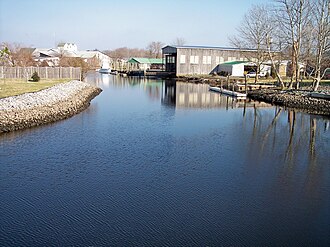
Mispillion River
What to know
Habitat Distribution
- Found statewide in Delaware's deeper ponds and rivers.
Key Locations
- Delaware River, Nanticoke River systems, Lums Pond, and Noxontown Pond.
- Delaware River between Riegelsville and Lambertville.
Specific Spots
- Target deeper sections of rivers and ponds.
- Focus on areas with current breaks, deep holes, and structure like submerged logs or rock piles.
- Look for fish in 10-15 foot depths near structure during daylight, and expect them to move shallower to feed after dark.
Channel Catfish FAQ
Answers from onWater's species guide.
What are the best lures and bait for Channel Catfish in Delaware?
Top baits include chicken livers, nightcrawlers, cut pieces of fish, and various commercial catfish baits or stink baits.
When is the best time to fish for Channel Catfish in Delaware?
Best fishing occurs during spring (March-May) and fall (September-November) when fish are actively feeding. Spring offers excellent action as fish recover from winter lethargy, while fall provides feeding opportunities as they prepare for winter.
How do you catch Channel Catfish in Delaware?
Concentrate on bottom fishing with natural baits. Channel Catfish rarely hit lures.
What do Channel Catfish eat?
These opportunistic omnivores feed on fish, aquatic insects, crustaceans, and vegetation as they scavenge the bottom.
Fish smarter with real-time insights
Whether you're en route and conditions shift or you're looking for the best spot based on current flows, we enable you to make informed decisions on the fly.







See it in the app
Most maps show you water.
onWater shows you Channel Catfish.



- 01 · Species map filter
Map every Channel Catfish water
Pick Channel Catfish and the map zeroes in on the waters they call home. No more guessing which lake holds them.
- 02 · Waterbody species
Tap any water. See what lives there.
Species, behavior and seasonal patterns for every lake, river and pond, before you leave the driveway.
- 03 · Angler Intelligence
Ask how to catch Channel Catfish
Tactics, gear and timing from onWater's AI fishing guide, tuned to the species and the water you're on.
Stop guessing where Channel Catfish are.
Open the map, filter by Channel Catfish, and head to water that holds them. Download onWater and plan your next trip in minutes.
- Species map filter
- Angler Intelligence
- Fishing journal
Explore other species
Trout, bass, salmon, panfish and everything in between. Each guide unpacks the behavior, seasons, and tactics that put fish in the net.

Find which waters have the species you want to catch

Largemouth Bass

Smallmouth Bass
Micropterus dolomieu

Rainbow Trout

Brown Trout

Brook Trout
Salvelinus fontinalis

Northern Pike
Esox lucius

Muskellunge

Walleye
Sander vitreus

Black Crappie
Pomoxis nigromaculatus

Alewife
Alosa pseudoharengus

American Eel

American Shad
Alosa sapidissima

Atlantic Croaker
Micropogonias undulates

Atlantic Sturgeon

Black Bullhead
Ameiurus melas

Black Drum
Pogonias cromis

Black Sea Bass

Blue Catfish
Ictalurus furcatus

Bluefish
Pomatomus saltatrix
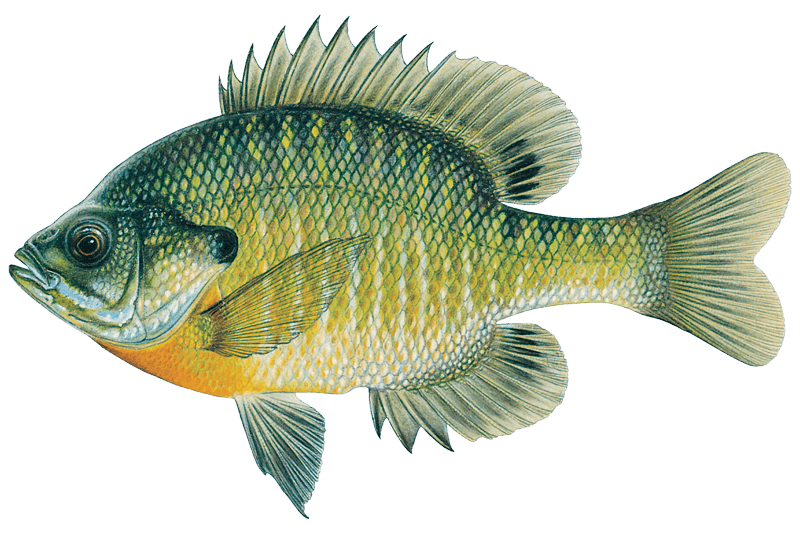
Bluegill Sunfish

Brown Bullhead
Ameiurus nebulosus

Chain Pickerel
Esox niger

Common Carp

Creek Chub
Semotilus atromaculatus
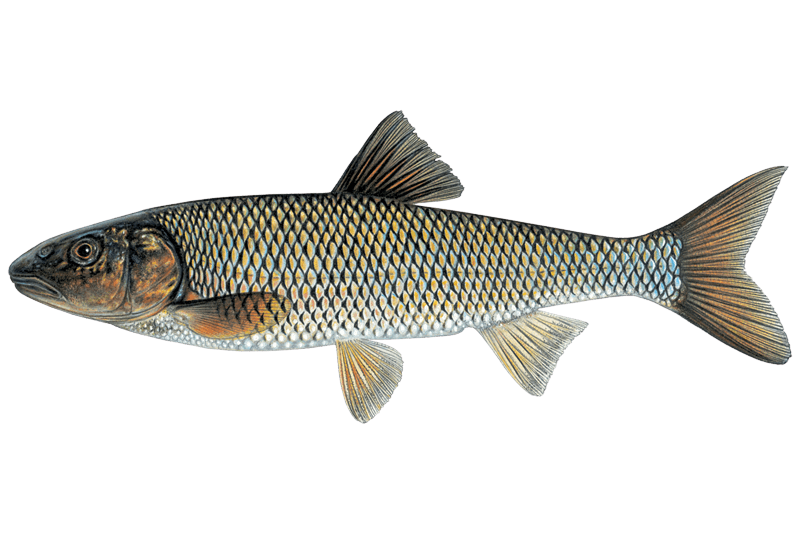
Fallfish
Semotilus corporalis

Flathead Catfish

Gizzard Shad
Dorosoma cepedianum

Grass Carp
Ctenopharyngodon idella

Green Sunfish
Lepomis cyanellus

Hickory Shad
Alosa mediocris

Longnose Gar
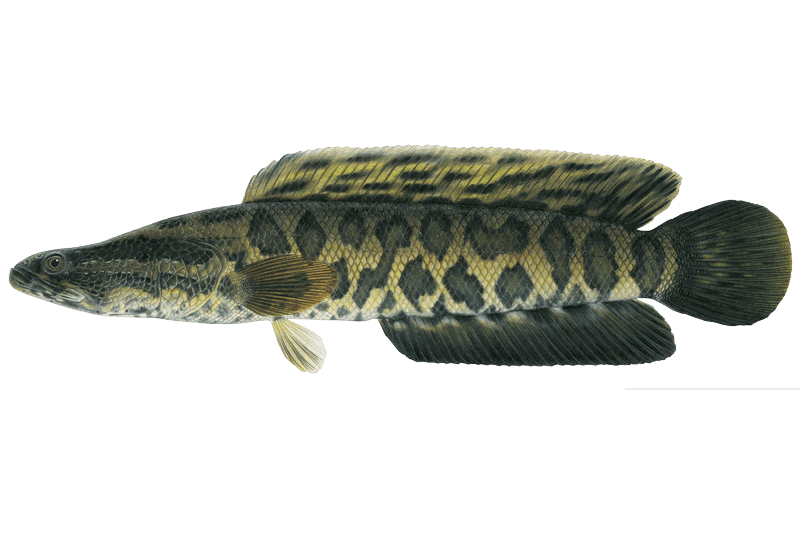
Northern Snakehead
Channa argus

Pumpkinseed
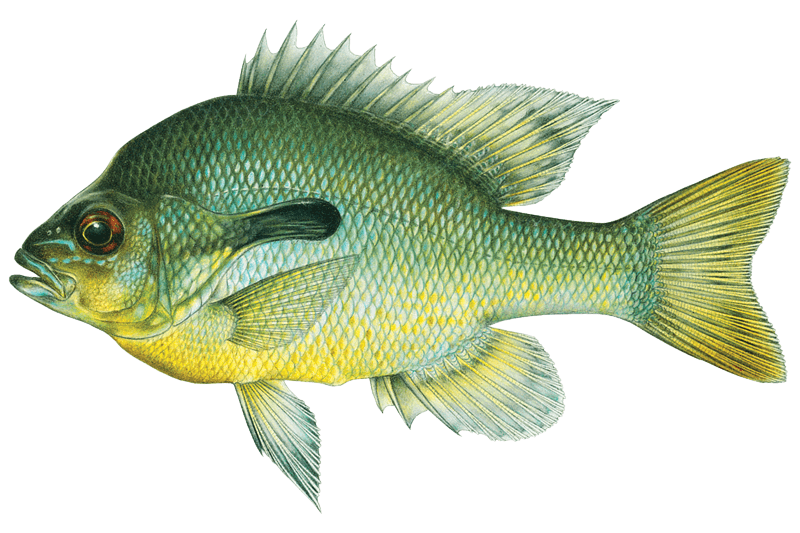
Redbreast Sunfish
Lepomis auritus
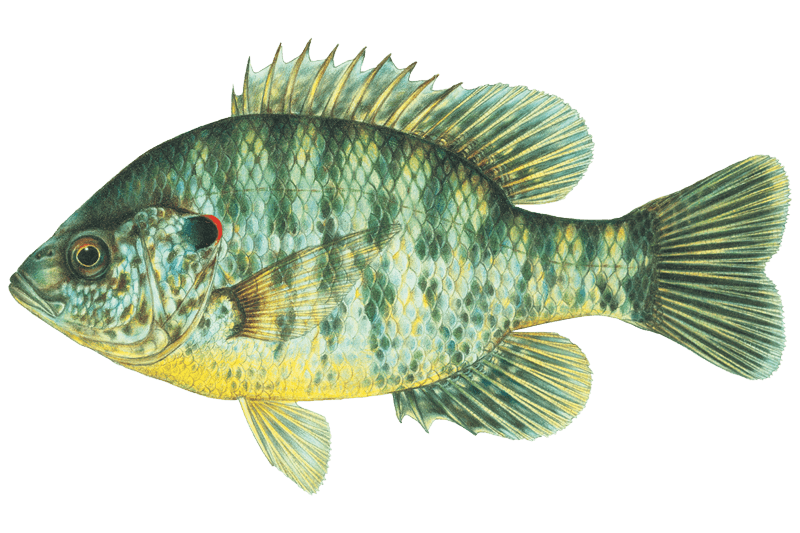
Redear Sunfish

Rock Bass
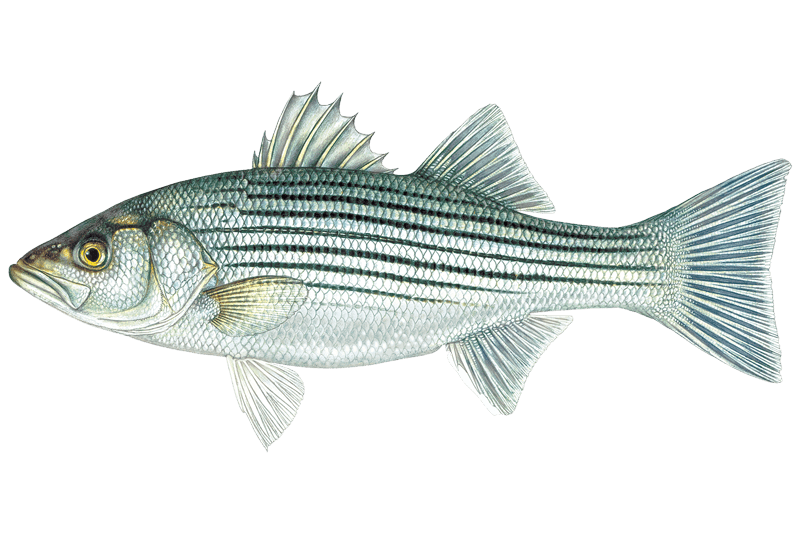
Striped Bass

Summer Flounder
Paralichthys dentatus
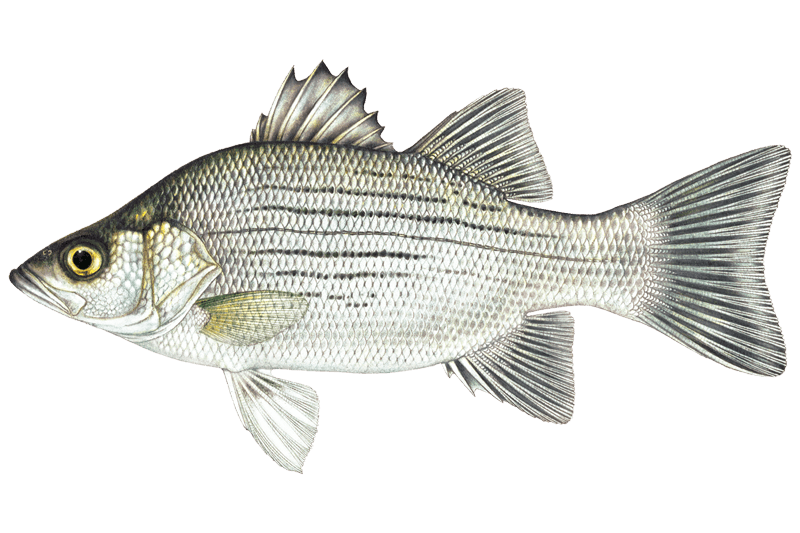
White Bass
Morone chrysops
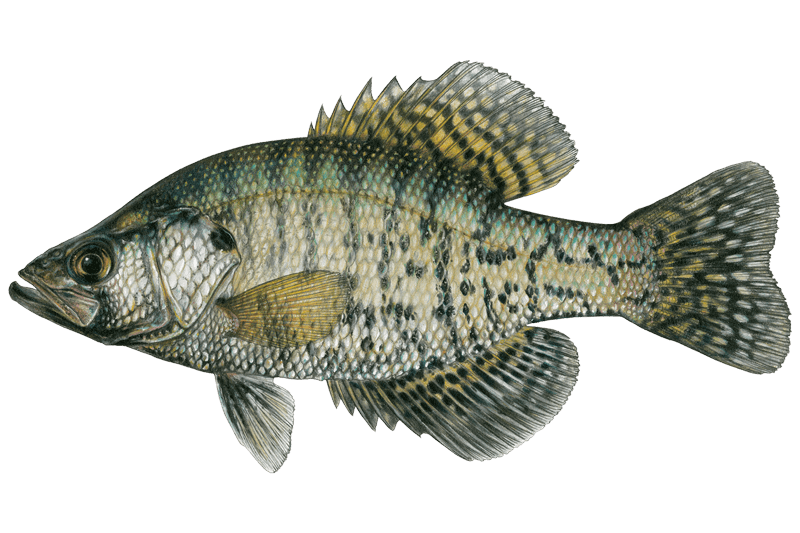
White Crappie
Pomoxis annularis
Delaware licenses and regulations

Delaware Boating Regulations
When using any type of watercraft to access a body of water, it is important to follow all federal, state, and local rules and regulations. These rules and regulations include boat permitting and licensing, invasive species inspections and stamps, life jacket and PFD rules, motor size and horsepower restrictions, noise limitations, restrictions on personal watercraft, and many more. Visit the web link below for the most current rules and regulations for this body of water.

Delaware Fishing License
All Delaware anglers age 16 or older are required by regulation to have a Delaware-issued Fisherman Information Network (FIN) number on an annual basis before fishing in Delaware waters. There is no fee for a FIN number. A FIN number is automatically issued with the purchase of a Delaware fishing license. In some cases, such as when you are exempt from licensing requirements, you may need to apply separately for a FIN number though Digital DNREC.

Delaware Fishing Regulations
This river has a variety of species and regulations, including potential floating and/or watercraft restrictions. Because this river is specially managed for species, seasons, angling methods, and watercraft, it is strongly encouraged you check all federal, state, and local regulations before fishing. Visit any of the links below, inquire locally, or contact a local fly shop to learn current regulations and restrictions.

Delaware Stream Access Laws
Commerce and recreational floating constitute navigability. Streambed access and right to portage on private land is uncertain, but the public may boat and fish on all navigable waters, regardless of streambed ownership.
Explore nearby waters
Explore Delaware waters
Top fishing waters
Popular Cities
Loading popular cities...
Smarter Fishing Starts in the App.
onWater Fish gives you everything you need to plan smarter, fish better, and own every trip from first cast to last.