Grass Carp
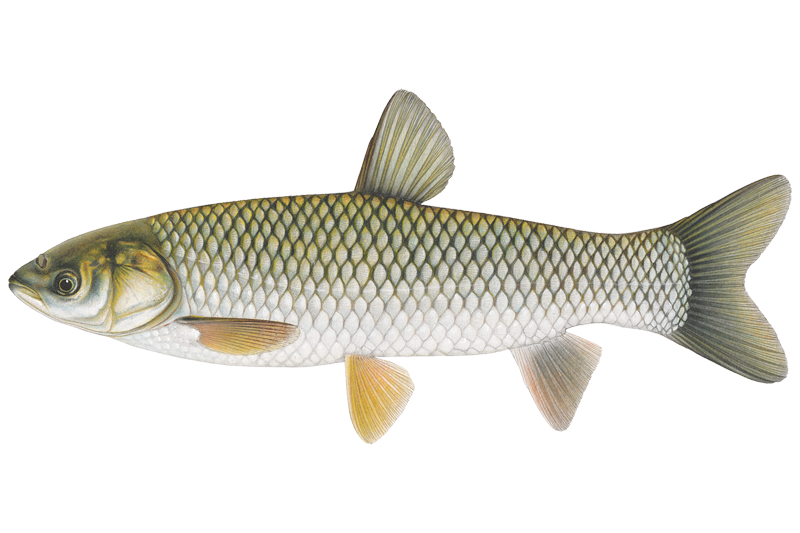
Grass Carp are large non-native members of the minnow family found in Delaware waters. These olive-green to silvery-white fish lack barbels and can grow rapidly, reaching up to 80 pounds in optimal conditions with maturity at 3-4 years.
Scientific Name: Ctenopharyngodon idella
Also known as White Amur
Olive-green to silvery-white fish lack barbels and can grow rapidly, reaching up to 80 pounds in optimal conditions with maturity at 3-4 years
Fishing in Delaware
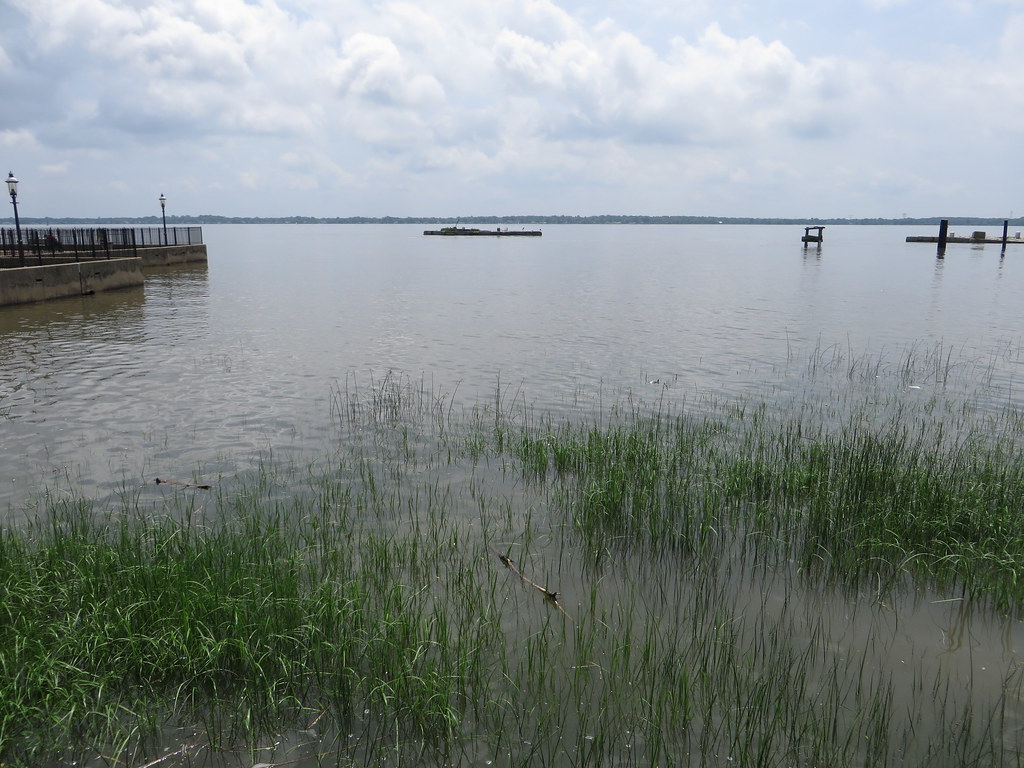
Delaware River
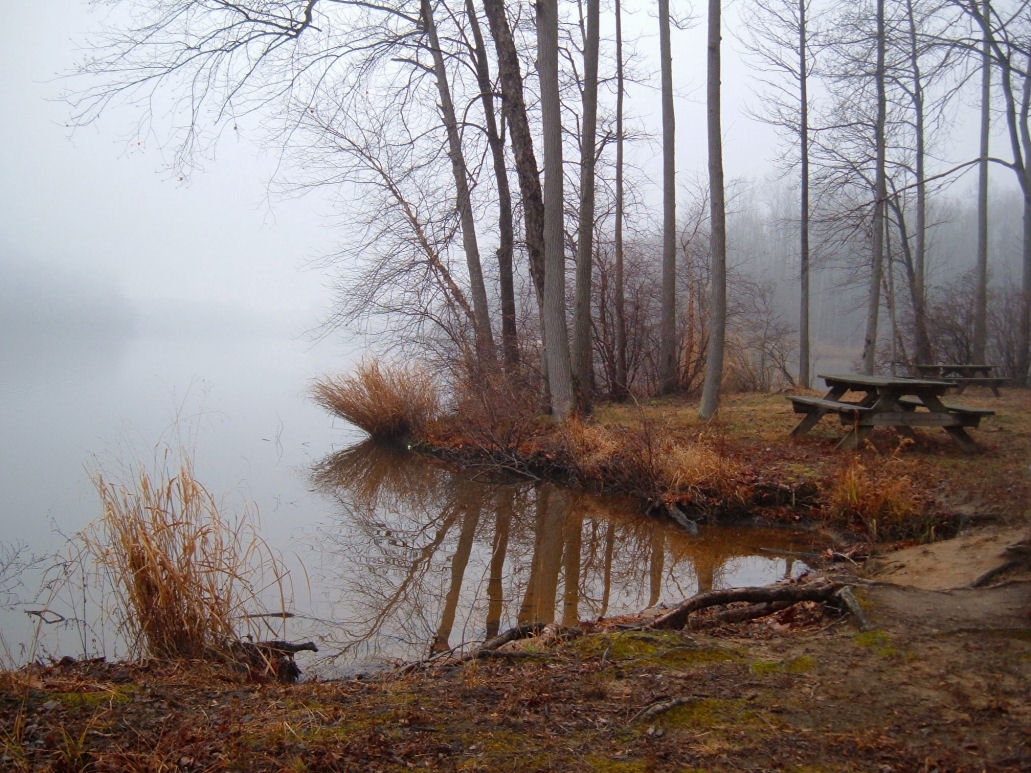
Lums Pond
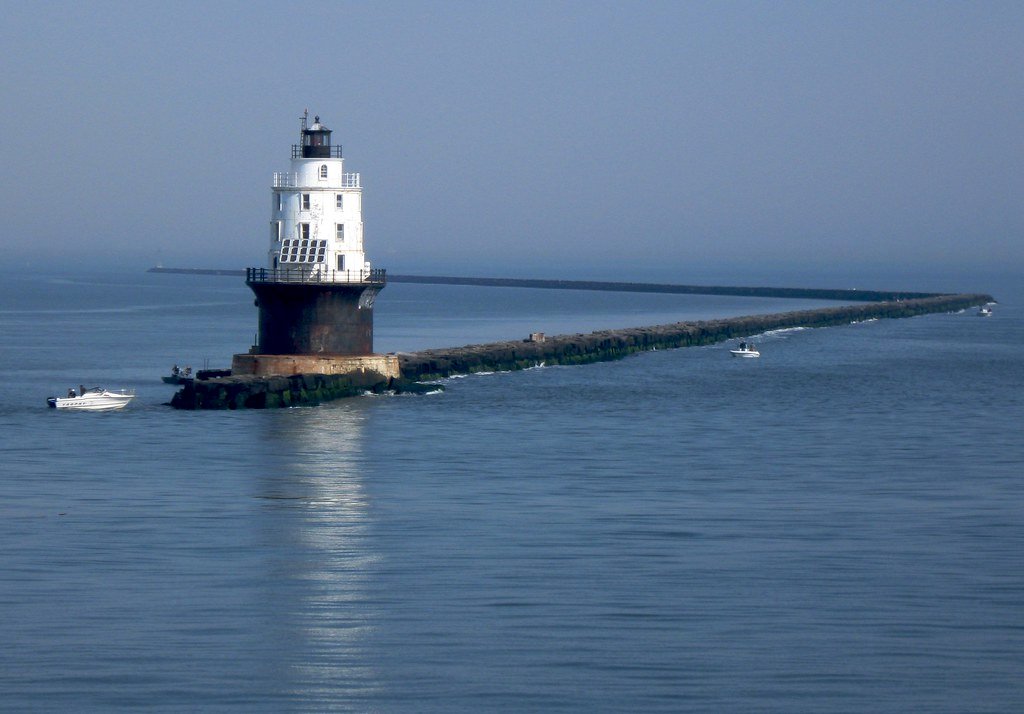
Delaware Bay
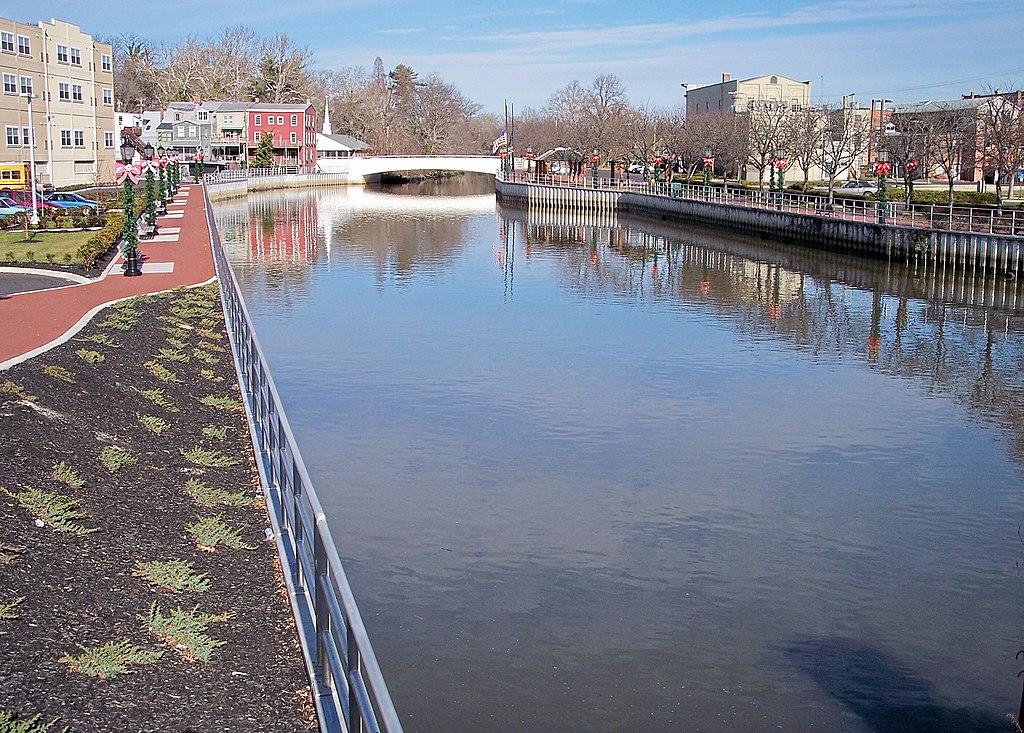
Cohansey River
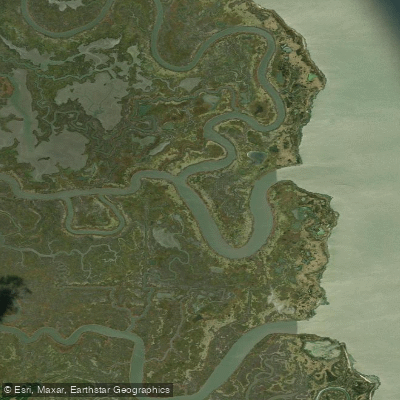
Leipsic River
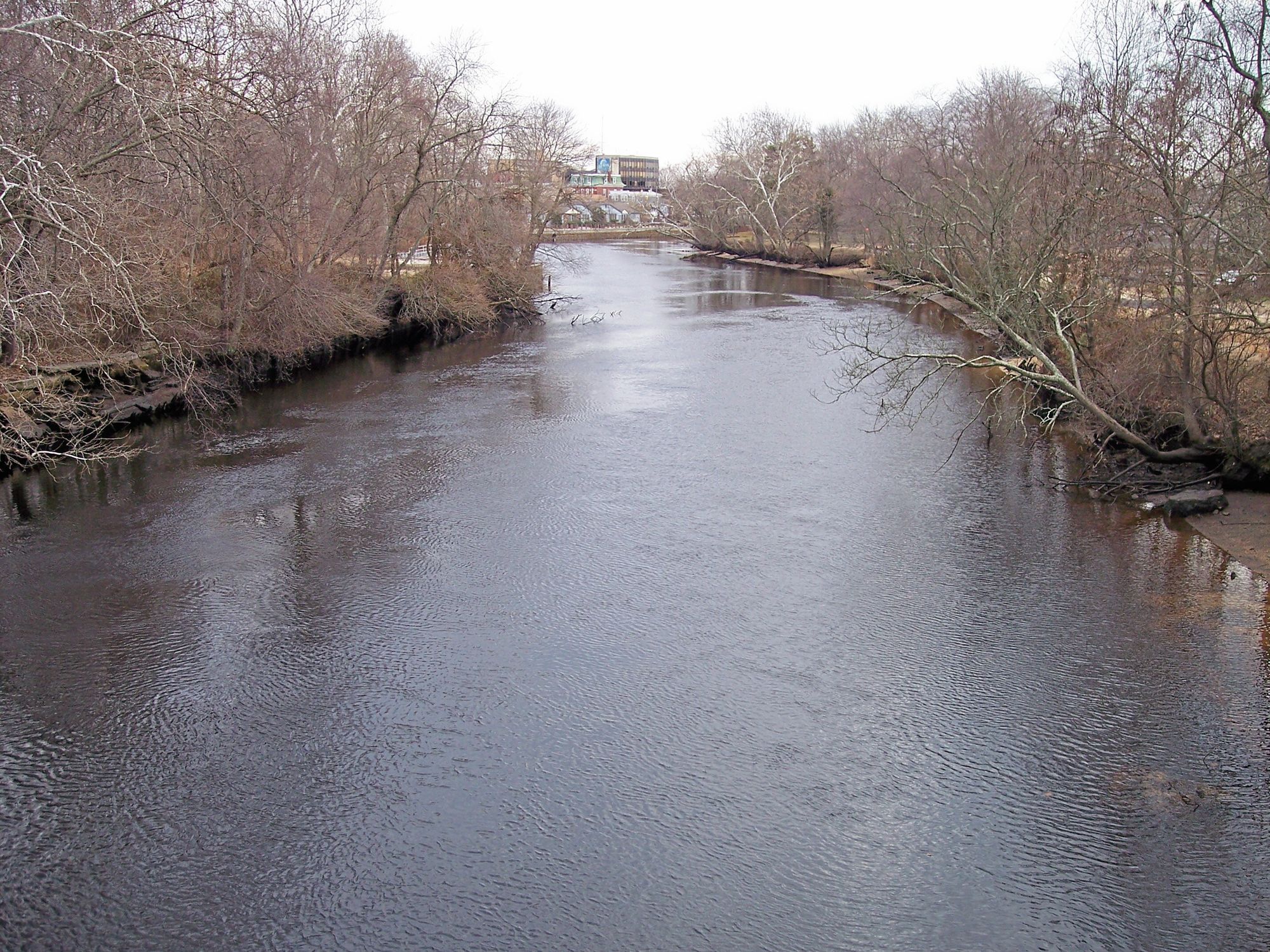
Maurice River
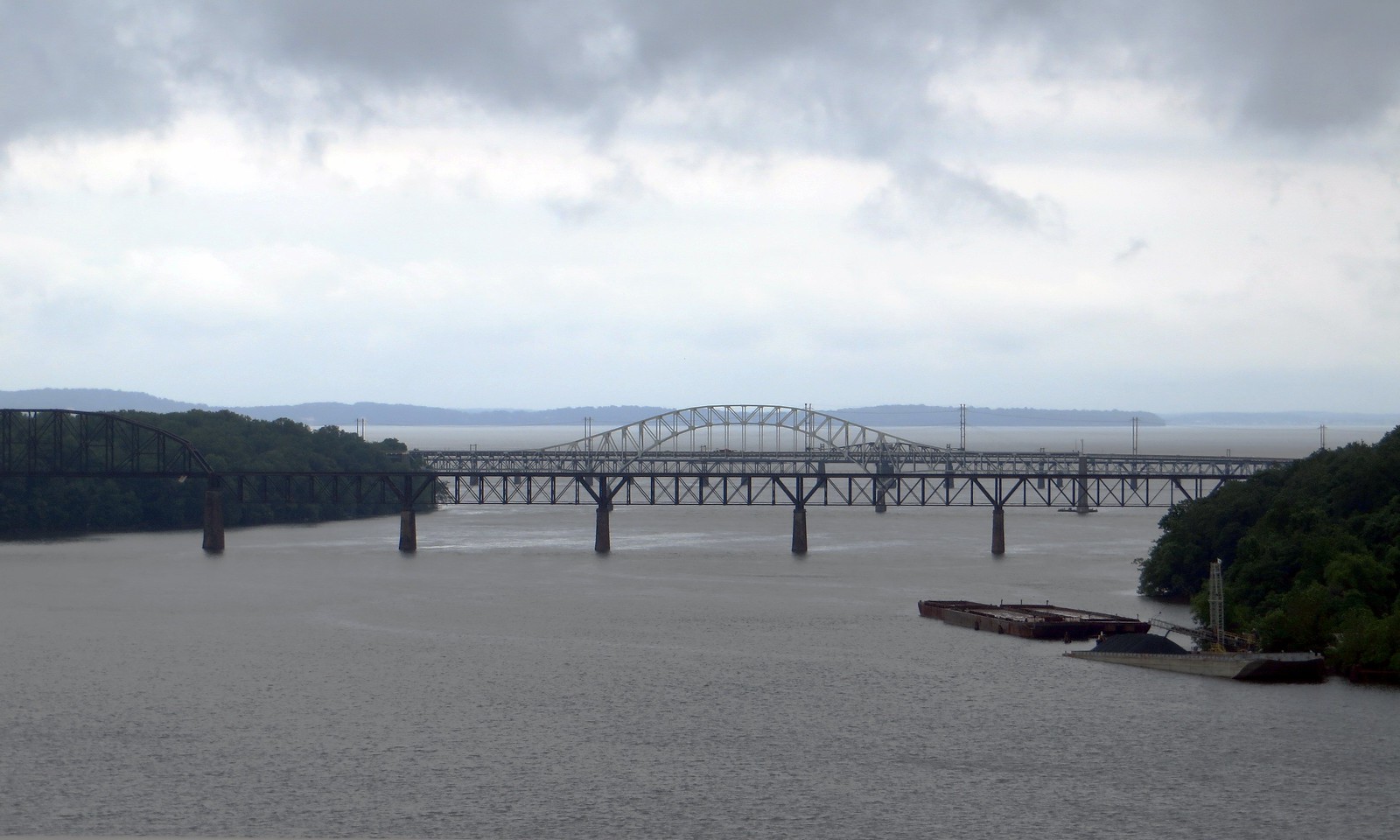
Susquehanna River
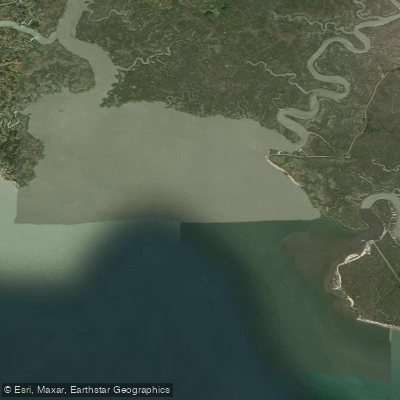
Nantuxent Cove
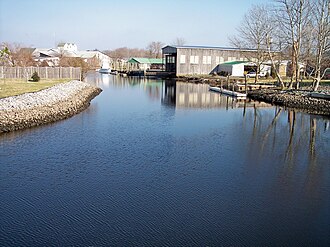
Mispillion River
What to know
Habitat Distribution
These fish are known for long migrations and can access multiple states through Delaware and Potomac river systemsKey Locations
Ingrams Pond in MillsboroSpecific Spots
Target areas with abundant vegetation, as Grass Carp rarely venture from heavily vegetated zonesGrass Carp FAQ
Answers from onWater's species guide.
What are the best lures and bait for Grass Carp in Delaware?
Plant-based baits like sweet corn, cherry tomatoes, bread balls mixed with corn, cut grass, or lima beans, ensuring the hook is completely covered
What flies work for Grass Carp in Delaware?
Size 12-16 beadhead woolly buggers in olive and black, beadhead hare's ear nymphs in sizes 14-18, smokejumper midges in size 18-22, CDC caddis patterns, and cottonseed imitations. Tie flies in multiple weights - heavy for fast sinking, medium for slow descent, and near-neutral buoyancy for suspension.
How do you catch Grass Carp in Delaware?
Approach is critical: move like a great blue heron, eliminate all noise above and below water, avoid casting shadows, and stay 50+ feet from feeding fish. Look for tailing carp (highest success rate), cruising fish showing flashing or porpoising behavior, and any fish actively feeding on surface items.
What do Grass Carp eat?
These fish are highly selective herbivores with inefficient digestive tracts, requiring massive quantities of aquatic vegetation. Until 4-6 inches long, they feed on filamentous algae, then switch to succulent submerged plants like Hydrilla, shearing off weed tips rather than uprooting vegetation.
Where do Grass Carp live in Delaware?
These fish are known for long migrations and can access multiple states through Delaware and Potomac river systems
Fish smarter with real-time insights
Whether you're en route and conditions shift or you're looking for the best spot based on current flows, we enable you to make informed decisions on the fly.







See it in the app
Most maps show you water.
onWater shows you Grass Carp.



- 01 · Species map filter
Map every Grass Carp water
Pick Grass Carp and the map zeroes in on the waters they call home. No more guessing which lake holds them.
- 02 · Waterbody species
Tap any water. See what lives there.
Species, behavior and seasonal patterns for every lake, river and pond, before you leave the driveway.
- 03 · Angler Intelligence
Ask how to catch Grass Carp
Tactics, gear and timing from onWater's AI fishing guide, tuned to the species and the water you're on.
Stop guessing where Grass Carp are.
Open the map, filter by Grass Carp, and head to water that holds them. Download onWater and plan your next trip in minutes.
- Species map filter
- Angler Intelligence
- Fishing journal
Explore other species
Trout, bass, salmon, panfish and everything in between. Each guide unpacks the behavior, seasons, and tactics that put fish in the net.

Find which waters have the species you want to catch

Largemouth Bass

Smallmouth Bass
Micropterus dolomieu

Rainbow Trout

Brown Trout

Brook Trout
Salvelinus fontinalis

Northern Pike
Esox lucius

Muskellunge

Walleye
Sander vitreus

Black Crappie
Pomoxis nigromaculatus

Alewife
Alosa pseudoharengus

American Eel

American Shad
Alosa sapidissima

Atlantic Croaker
Micropogonias undulates

Atlantic Sturgeon

Black Bullhead
Ameiurus melas

Black Drum
Pogonias cromis

Black Sea Bass

Blue Catfish
Ictalurus furcatus

Bluefish
Pomatomus saltatrix
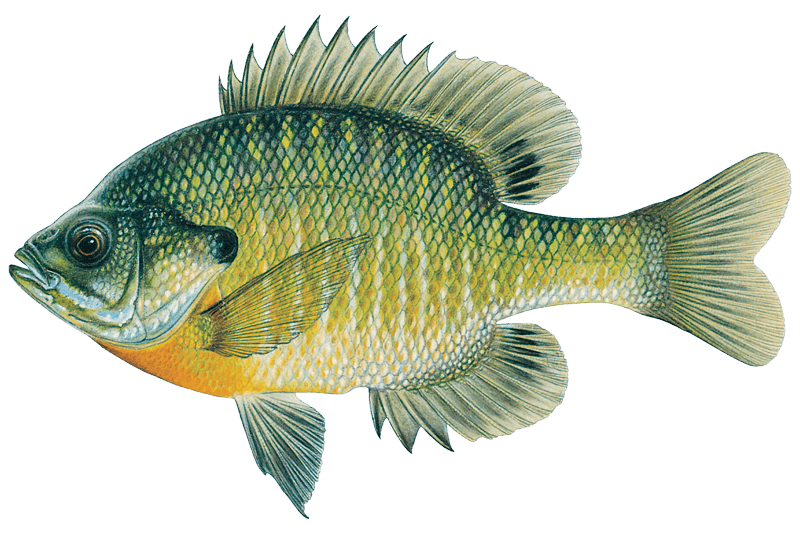
Bluegill Sunfish

Brown Bullhead
Ameiurus nebulosus

Chain Pickerel
Esox niger

Channel Catfish
Ictalurus punctatus

Common Carp

Creek Chub
Semotilus atromaculatus

Fallfish
Semotilus corporalis

Flathead Catfish

Gizzard Shad
Dorosoma cepedianum

Green Sunfish
Lepomis cyanellus

Hickory Shad
Alosa mediocris

Longnose Gar
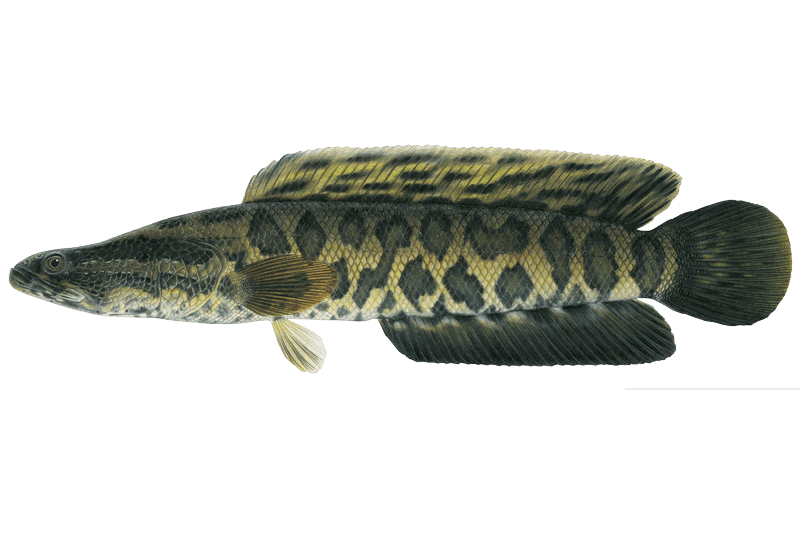
Northern Snakehead
Channa argus

Pumpkinseed
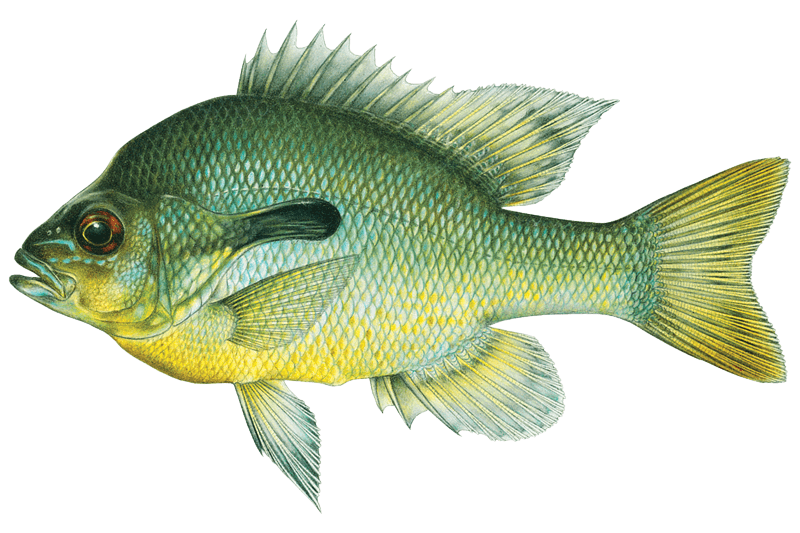
Redbreast Sunfish
Lepomis auritus

Redear Sunfish

Rock Bass
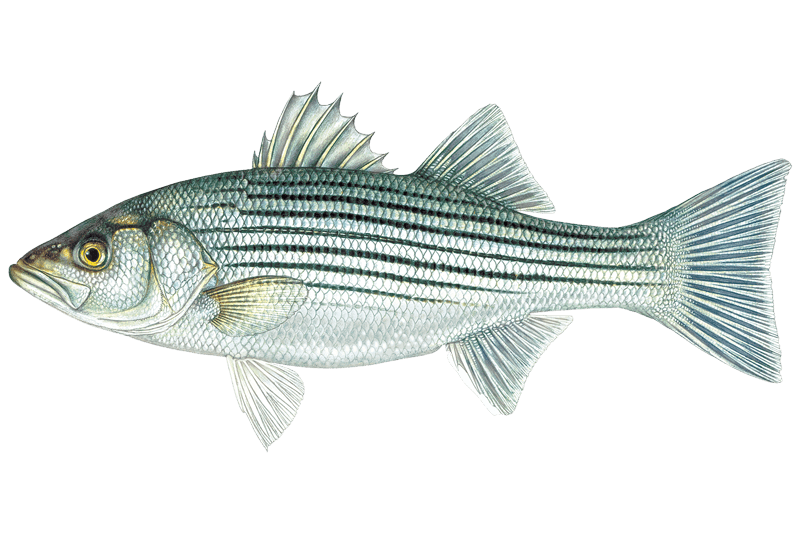
Striped Bass

Summer Flounder
Paralichthys dentatus
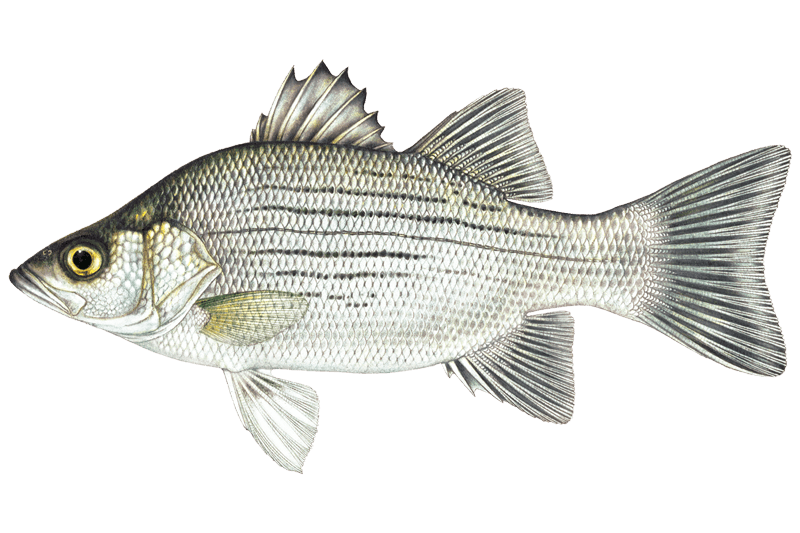
White Bass
Morone chrysops
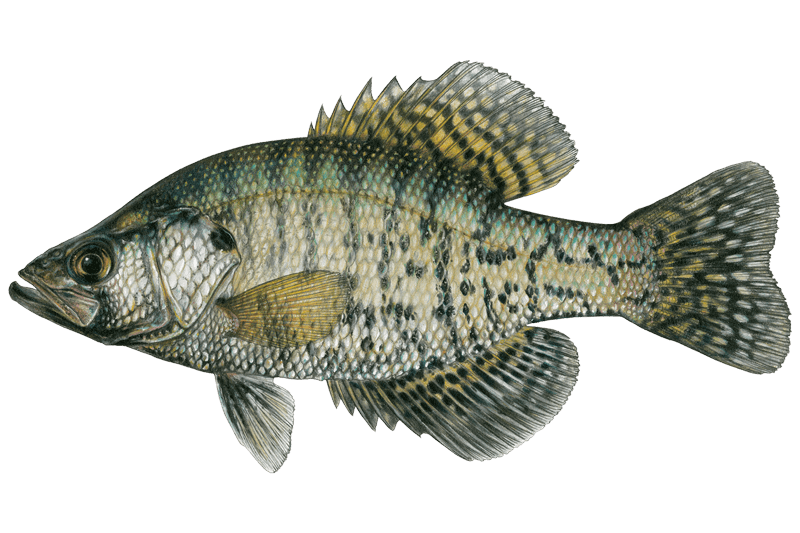
White Crappie
Pomoxis annularis
Delaware licenses and regulations

Delaware Boating Regulations
When using any type of watercraft to access a body of water, it is important to follow all federal, state, and local rules and regulations. These rules and regulations include boat permitting and licensing, invasive species inspections and stamps, life jacket and PFD rules, motor size and horsepower restrictions, noise limitations, restrictions on personal watercraft, and many more. Visit the web link below for the most current rules and regulations for this body of water.

Delaware Fishing License
All Delaware anglers age 16 or older are required by regulation to have a Delaware-issued Fisherman Information Network (FIN) number on an annual basis before fishing in Delaware waters. There is no fee for a FIN number. A FIN number is automatically issued with the purchase of a Delaware fishing license. In some cases, such as when you are exempt from licensing requirements, you may need to apply separately for a FIN number though Digital DNREC.

Delaware Fishing Regulations
This river has a variety of species and regulations, including potential floating and/or watercraft restrictions. Because this river is specially managed for species, seasons, angling methods, and watercraft, it is strongly encouraged you check all federal, state, and local regulations before fishing. Visit any of the links below, inquire locally, or contact a local fly shop to learn current regulations and restrictions.

Delaware Stream Access Laws
Commerce and recreational floating constitute navigability. Streambed access and right to portage on private land is uncertain, but the public may boat and fish on all navigable waters, regardless of streambed ownership.
Explore nearby waters
Explore Delaware waters
Top fishing waters
Popular Cities
Loading popular cities...
Smarter Fishing Starts in the App.
onWater Fish gives you everything you need to plan smarter, fish better, and own every trip from first cast to last.