Largemouth Bass

Largemouth Bass in Delaware are an introduced, non-native species that have established abundant populations statewide.
- These olive green fish are marked by a series of dark, sometimes black blotches forming a jagged dark stripe along each side, with their defining characteristic being the largest mouth relative to body size of any freshwater fish.
- Delaware anglers commonly catch bass in the 12-16 inch range (1-3 pounds), though the state record stands at 11 pounds 1.6 ounces, caught by Andrew Klein in 2016.
Fishing in Delaware
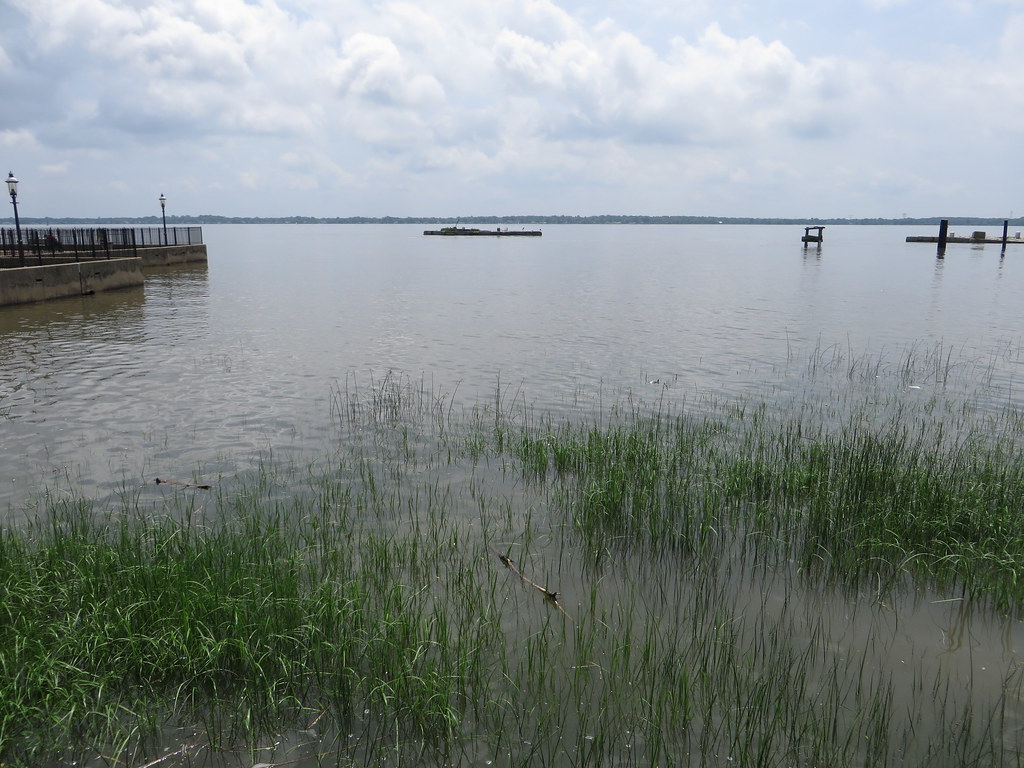
Delaware River
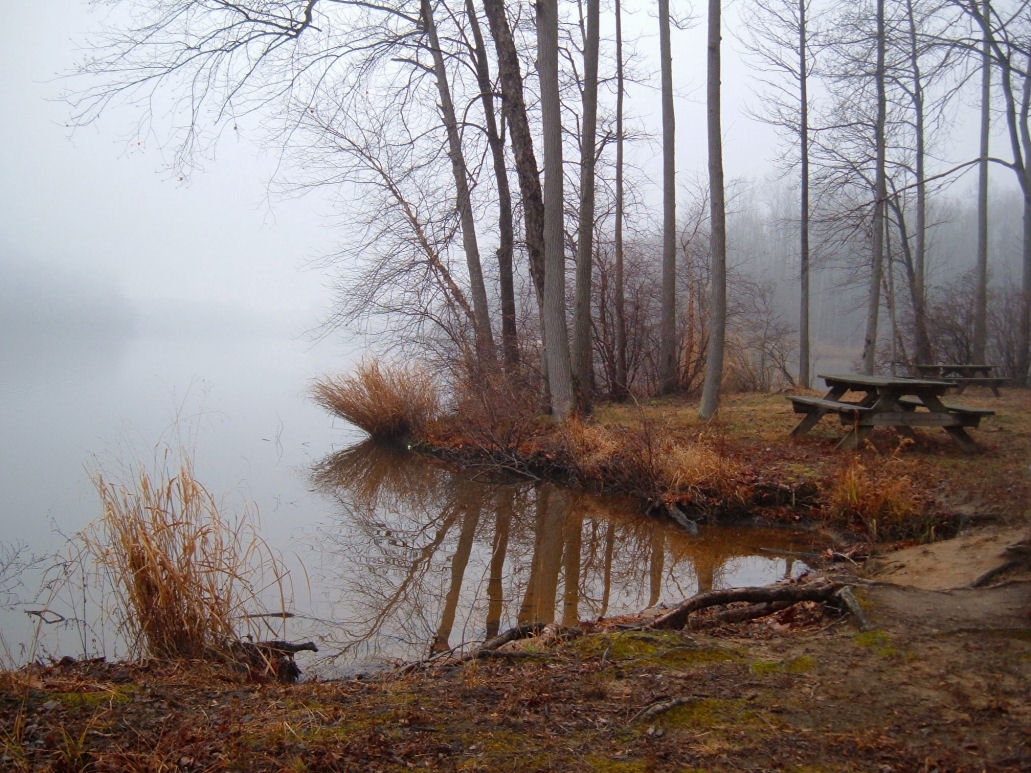
Lums Pond
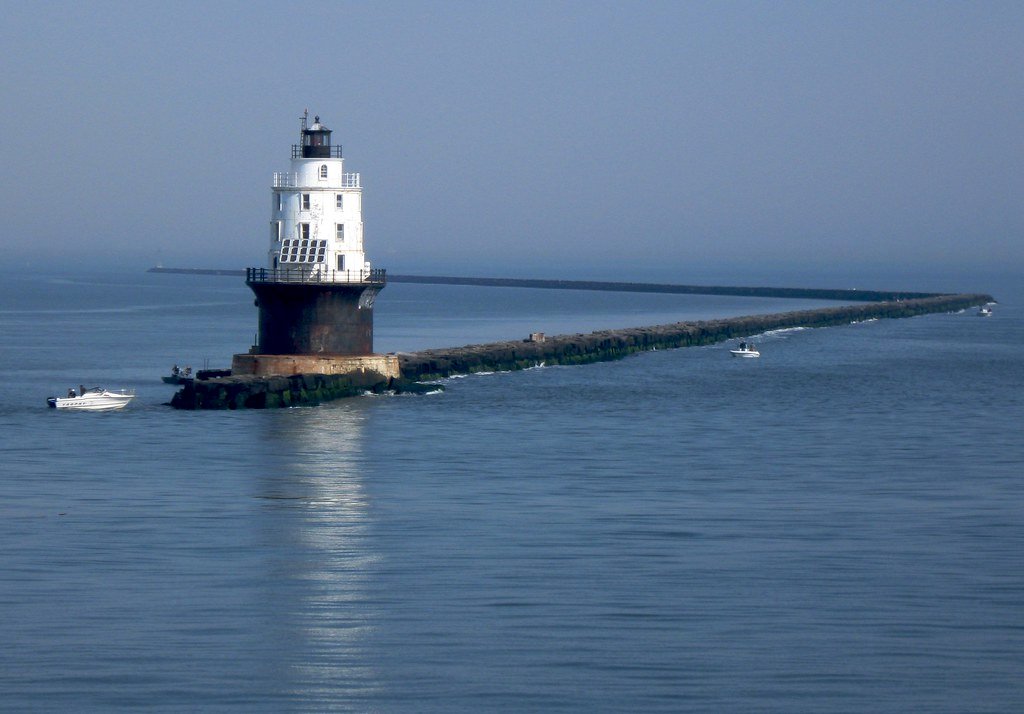
Delaware Bay
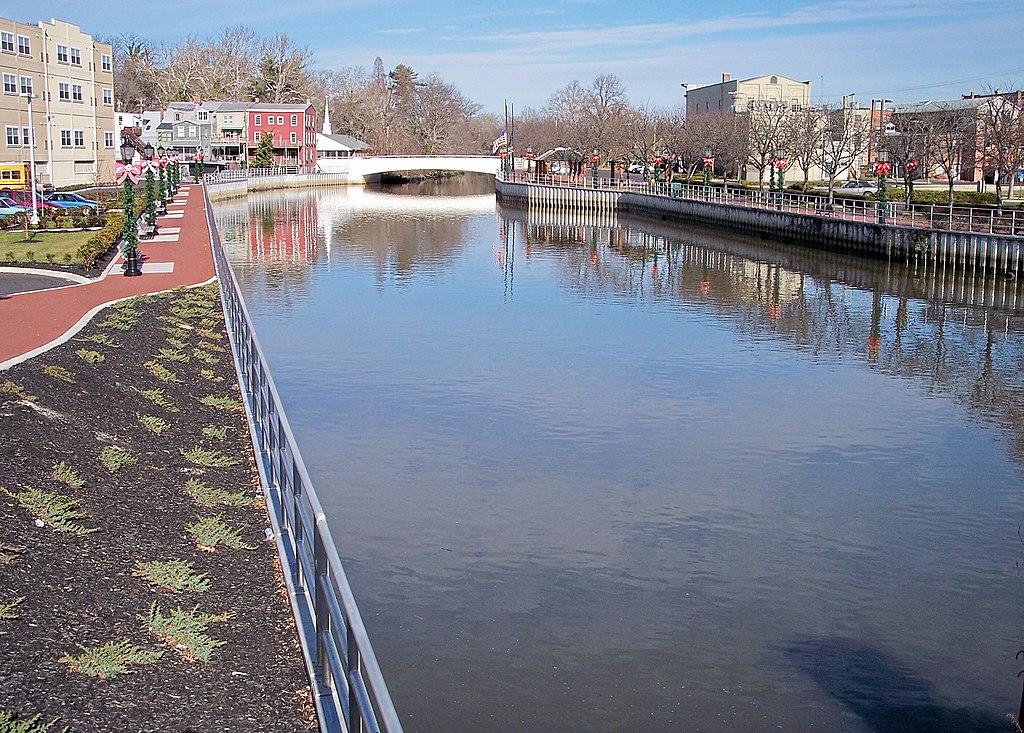
Cohansey River
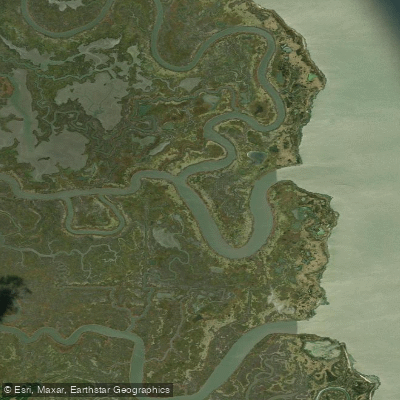
Leipsic River
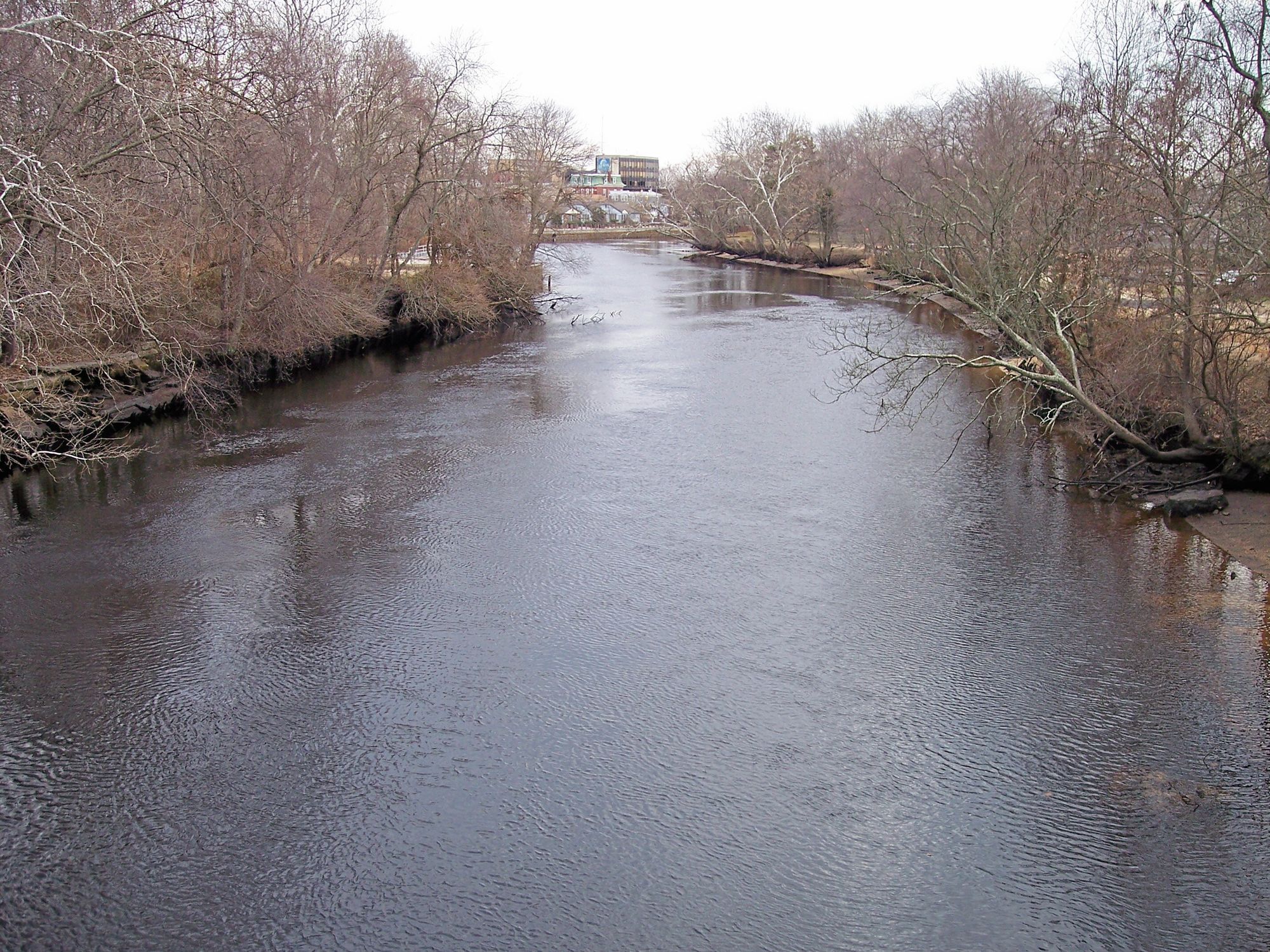
Maurice River
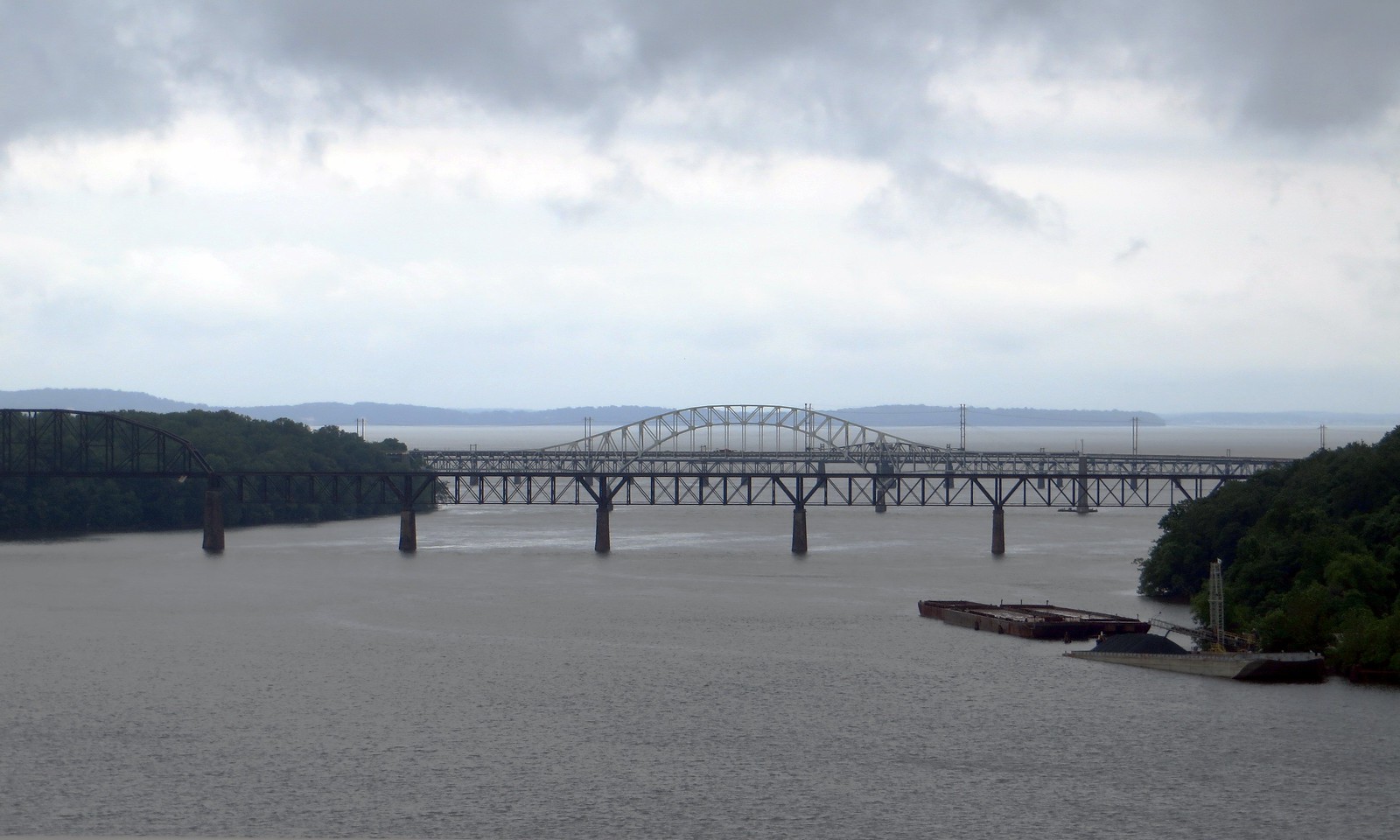
Susquehanna River
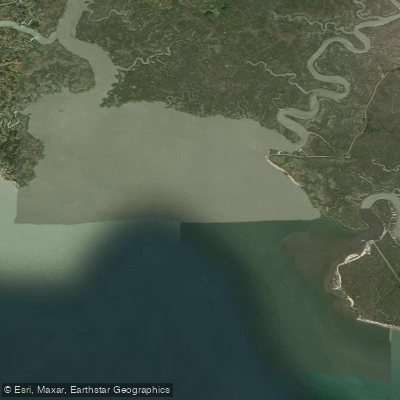
Nantuxent Cove
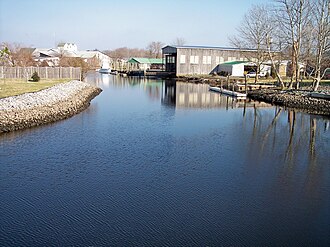
Mispillion River
What to know
Habitat Distribution
- They inhabit ponds, streams, rivers, and other freshwater areas throughout the state.
Key Locations
- Target specific Delaware waters including over 30 public freshwater ponds managed by DNREC - notably Lums Pond (cited as offering some of the state's best freshwater bass fishing), Trap Pond (recognized by Bassmaster Magazine as one of the top 100 bass fishing lakes nationally), Killens Pond, Wagamons Pond (famous for multiple giant bass), and state park waters like Bellevue Pond for catch-and-release fishing.
- The Division of Fish and Wildlife actively manages bass populations in key tidal river systems including the Nanticoke River, Broadkill River, Mispillion River, and St.
- Jones River, with the Nanticoke receiving the most intensive monitoring.
Specific Spots
- Lurking among woody debris, docks, overhangs, and aquatic weeds.
- Focus on areas with woody cover, vegetation edges, and structure.
Largemouth Bass FAQ
Answers from onWater's species guide.
What are the best lures and bait for Largemouth Bass in Delaware?
Popular lures include spinnerbaits, plastic worms, jigs, and topwater lures that imitate fish, frogs, crayfish, and worms. Live bait options include large minnows or Golden Shiners fished under bobbers.
What flies work for Largemouth Bass in Delaware?
Top fly patterns include hair, foam, and hard-body poppers for surface action (especially effective during spring and fall peak seasons), Clouser Minnows in chartreuse/white or pink/white, baitfish patterns like Deceivers, Woolly Buggers with rubber legs in yellow/brown for crayfish imitation, and diving bugs that...
When is the best time to fish for Largemouth Bass in Delaware?
Open year-round. The best fishing occurs during early spring when water temperatures reach 60-75°F and bass begin feeding heavily before spawning, and again in late fall when they pack on weight for winter.
How do you catch Largemouth Bass in Delaware?
Work poppers with a 'bloop' sound using rod tip twitches rather than line strips, pausing 2-3 seconds between pops. In tidal rivers, target deeper holding areas adjacent to spawning flats, using acoustic tracking data that shows bass movement patterns between seasonal locations.
What do Largemouth Bass eat?
Delaware's Largemouth Bass are voracious predators that feed on fishes, crayfish, frogs, small birds, small mammals, amphibians, and reptiles - literally consuming anything that fits in their mouth.
Fish smarter with real-time insights
Whether you're en route and conditions shift or you're looking for the best spot based on current flows, we enable you to make informed decisions on the fly.




See it in the app
Most maps show you water.
onWater shows you Largemouth Bass.



- 01 · Species map filter
Map every Largemouth Bass water
Pick Largemouth Bass and the map zeroes in on the waters they call home. No more guessing which lake holds them.
- 02 · Waterbody species
Tap any water. See what lives there.
Species, behavior and seasonal patterns for every lake, river and pond, before you leave the driveway.
- 03 · Angler Intelligence
Ask how to catch Largemouth Bass
Tactics, gear and timing from onWater's AI fishing guide, tuned to the species and the water you're on.
Stop guessing where Largemouth Bass are.
Open the map, filter by Largemouth Bass, and head to water that holds them. Download onWater and plan your next trip in minutes.
- Species map filter
- Angler Intelligence
- Fishing journal
Explore other species
Trout, bass, salmon, panfish and everything in between. Each guide unpacks the behavior, seasons, and tactics that put fish in the net.
No species information available.
Delaware licenses and regulations
Explore nearby waters
Explore Delaware waters
Top fishing waters
Popular Cities
Loading popular cities...

Smarter Fishing Starts in the App.
onWater Fish gives you everything you need to plan smarter, fish better, and own every trip from first cast to last.