Waccamaw River
- Saltwater
- Tidal river
- Saltwater
- Tidal river
- Sq. miles
- 8.1
- Boat Ramps
- 7
- Access Points
- 1
- Species
- 9
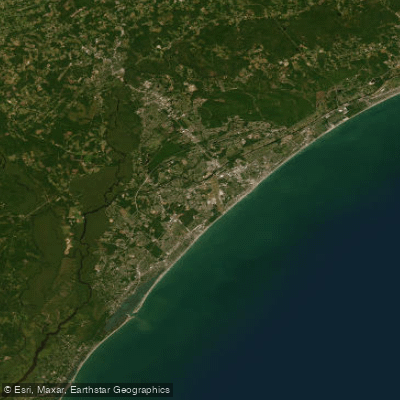
The Waccamaw River is a unique tidal river system originating in southeastern North Carolina and flowing into South Carolina, known for its extensive network of cypress-lined waterways, swamps, and off-channel cuts. This blackwater river offers a distinct bass fishing experience that blends river and pond-like environments, heavily influenced by tidal movement. While it flows through a region more famed for coastal saltwater angling, the Waccamaw holds a reputation among knowledgeable locals as a productive and sometimes challenging freshwater fishery, particularly for largemouth bass.
Species & education
Learn what type of fish are at Waccamaw River and what's needed to catch them.

Find which waters have the species you want to catch
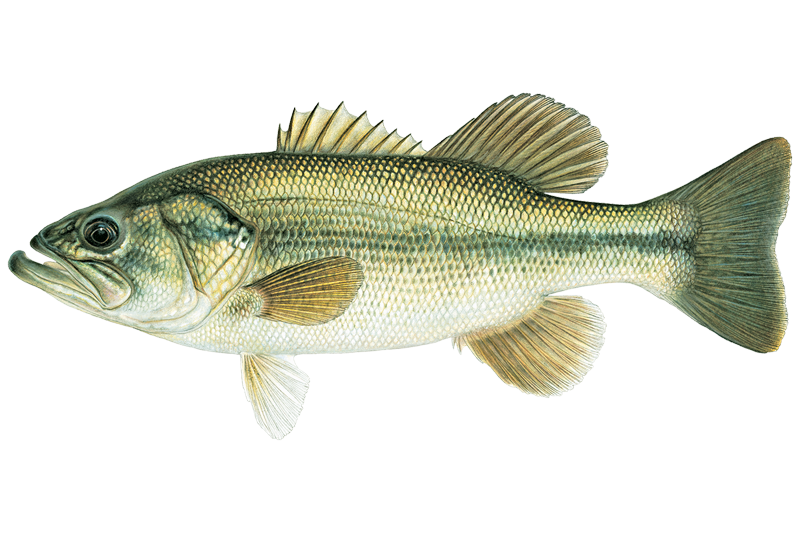
Largemouth Bass
Micropterus salmoides

Atlantic Croaker
Micropogonias undulatus

Atlantic Sharpnose Shark
Rhizoprionodon terraenovae

Blacktip Shark
Carcharhinus limbatus

Gray Triggerfish
Balistes capriscus

Mangrove Snapper
Lutjanus griseus

Pinfish
Lagodon rhomboides

Southern Flounder
Paralichthys lethostigma

Spot
Leiostomus xanthurus
Fishing spots, boat ramps & amenities
Learn how to get on Waccamaw River. Uncover great fishing access points, boat ramps, and all the facilities you need for an unforgettable day on the water. Some locations shown may border or include private property. Always check property boundaries and applicable regulations before visiting. onWater's Public & Private Land layer can help you plan your access with confidence.
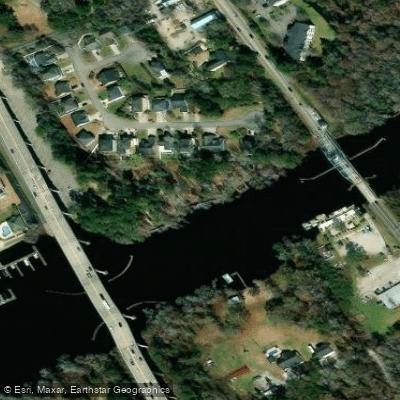
Know where you can legally fish on Waccamaw River
See public and private land boundaries along the water, turn on private parcels with owner details to know where permission is required, and find land-trust parcels that offer permitted fishing access.
North Carolina licenses and regulations

North Carolina Boating Regulations
When using any type of watercraft to access a body of water, it is important to follow all federal, state, and local rules and regulations. These rules and regulations include boat permitting and licensing, invasive species inspections and stamps, life jacket and PFD rules, motor size and horsepower restrictions, noise limitations, restrictions on personal watercraft, and many more. Visit the web link below for the most current rules and regulations for this body of water.

North Carolina Coastal & Inland Waters
North Carolina divides its waters into three designations: coastal waters, inland waters, and joint waters. A Coastal Recreational Fishing License covers coastal and joint waters, while a Wildlife Resources Commission inland fishing license covers inland and joint waters. Either license satisfies the requirement in joint waters, and the Division of Marine Fisheries provides an interactive map to help you identify which designation applies to where you plan to fish.

North Carolina Federal Waters & Offshore Rules
Federal waters begin where state waters end and extend to the 200-mile limit, where NOAA Fisheries and the South Atlantic Fishery Management Council set the rules. No additional federal permit is required for general recreational fishing in federal waters, but vessels targeting or retaining Atlantic highly migratory species such as tuna, billfish, sharks, or swordfish must carry a federal Atlantic HMS vessel permit issued by NOAA Fisheries. Anglers remain responsible for following both state and federal regulations on every trip.

North Carolina Saltwater Fishing License
Anyone age 16 or older must have a Coastal Recreational Fishing License to recreationally take finfish in North Carolina coastal waters. The Division of Marine Fisheries administers the license, which is available on a 10-day, annual, or lifetime basis. Passengers on for-hire trips and anglers fishing joint waters with a Wildlife Resources Commission inland fishing license are also covered.

North Carolina Saltwater Size & Bag Limits
Size and bag limits apply per species in North Carolina coastal and joint waters and can change throughout the year. The Division of Marine Fisheries maintains the current table, which covers species including red drum, flounder, spotted seatrout, king mackerel, and cobia. Check the official limits page before every trip since rules are updated by proclamation.

North Carolina Shellfish Closures & Advisories
The Division of Marine Fisheries classifies coastal waters for shellfish harvesting and issues temporary closures when rainfall, stormwater runoff, or other contamination makes harvesting unsafe. Closures apply to oysters, clams, and other molluscan shellfish and can change quickly, so you should check current status before harvesting. The Division maintains a Shellfish Sanitation Temporary Closure Public Viewer showing both permanent and temporary closed areas along the coast.
Take Waccamaw River with you
The onWater Fish app keeps this water's access points, species and conditions in your pocket, with the tools you use once you're there.
Use the map without signal
Download the map around Waccamaw River to use it offline when coverage drops.
Log your catches here
Keep a private fishing journal for Waccamaw River to find where and when fish are biting for you.
Get the onWater Fish app
Free on iOS and Android
Tides, wind & water conditions (10 day forecast)
On open water, wind and tide matter as much as the weather. See the best times to fish Waccamaw River and check the marine forecast before you launch.
Loading tide predictions…
Waccamaw River fishing guides
Book a trip with a local fishing guide through Guidesly.

Tj Deveaux
Salty Tide Charters
5.0 (1 review)
Top Nearshore and Offshore Fishing Trips in SC
Book on Guidesly, opens in new tab
Danny Juel
Fish Screamer Charters
Best Adventure in South Carolina with an Expert!
Book on Guidesly, opens in new tab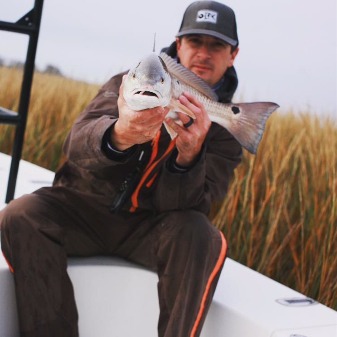
Wyatt Clark
State Line Guide Service
Flats to Inshore Fishing with Captain Wyatt!
Book on Guidesly, opens in new tab
Fishing near Waccamaw River
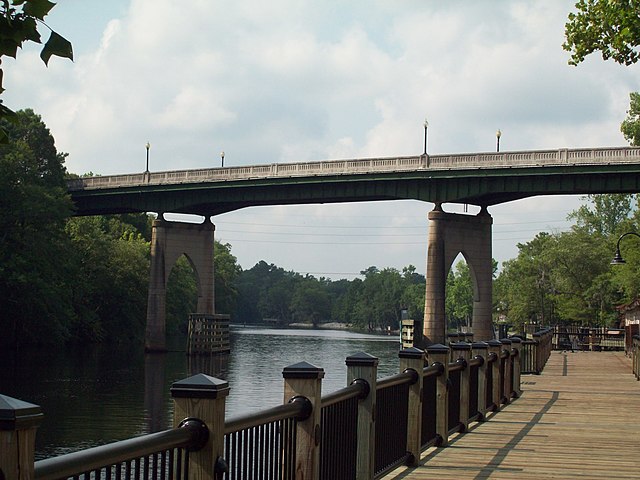
Waccamaw River
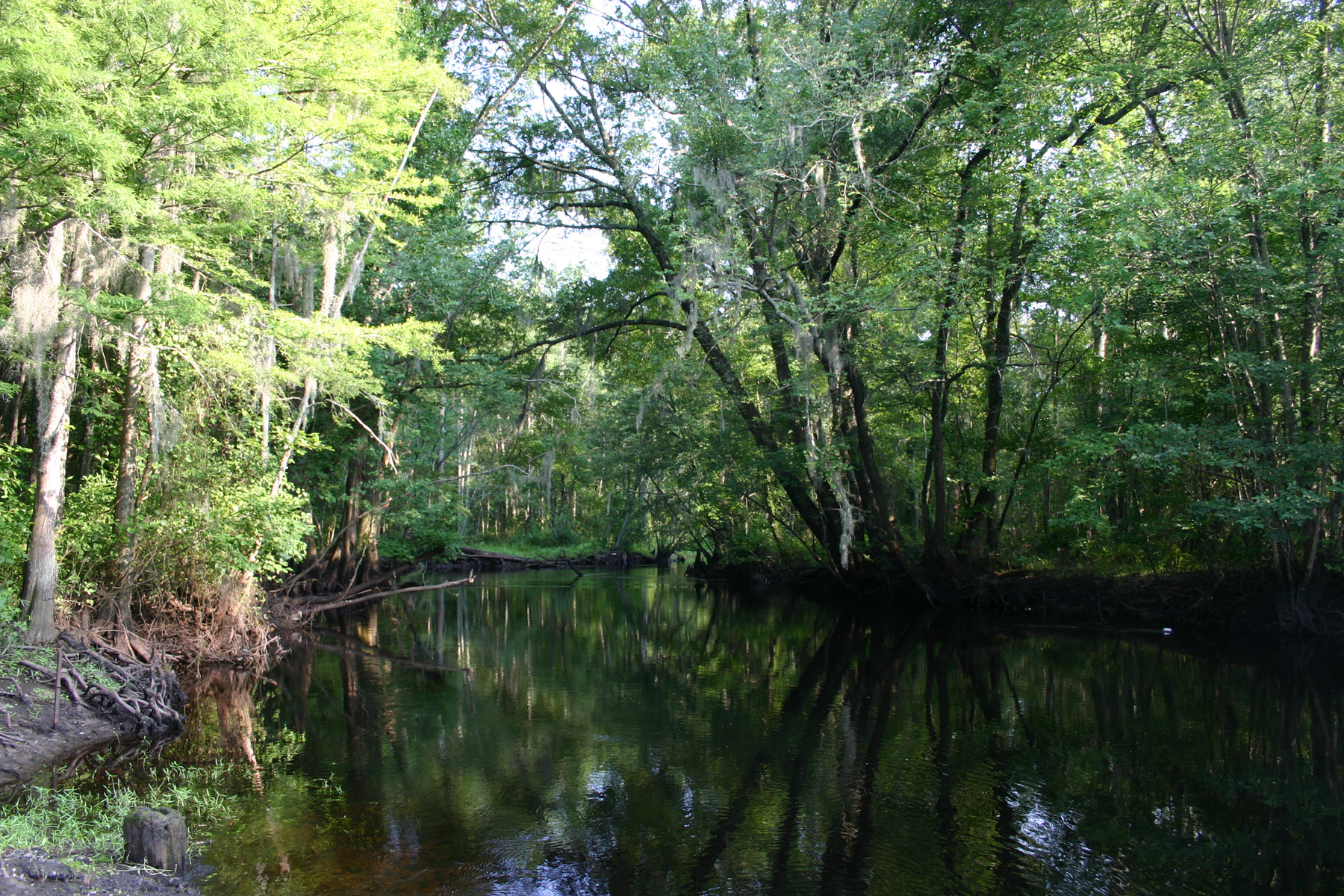
Little Pee Dee River
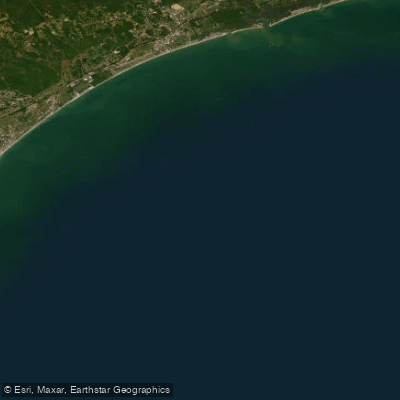
Long Bay
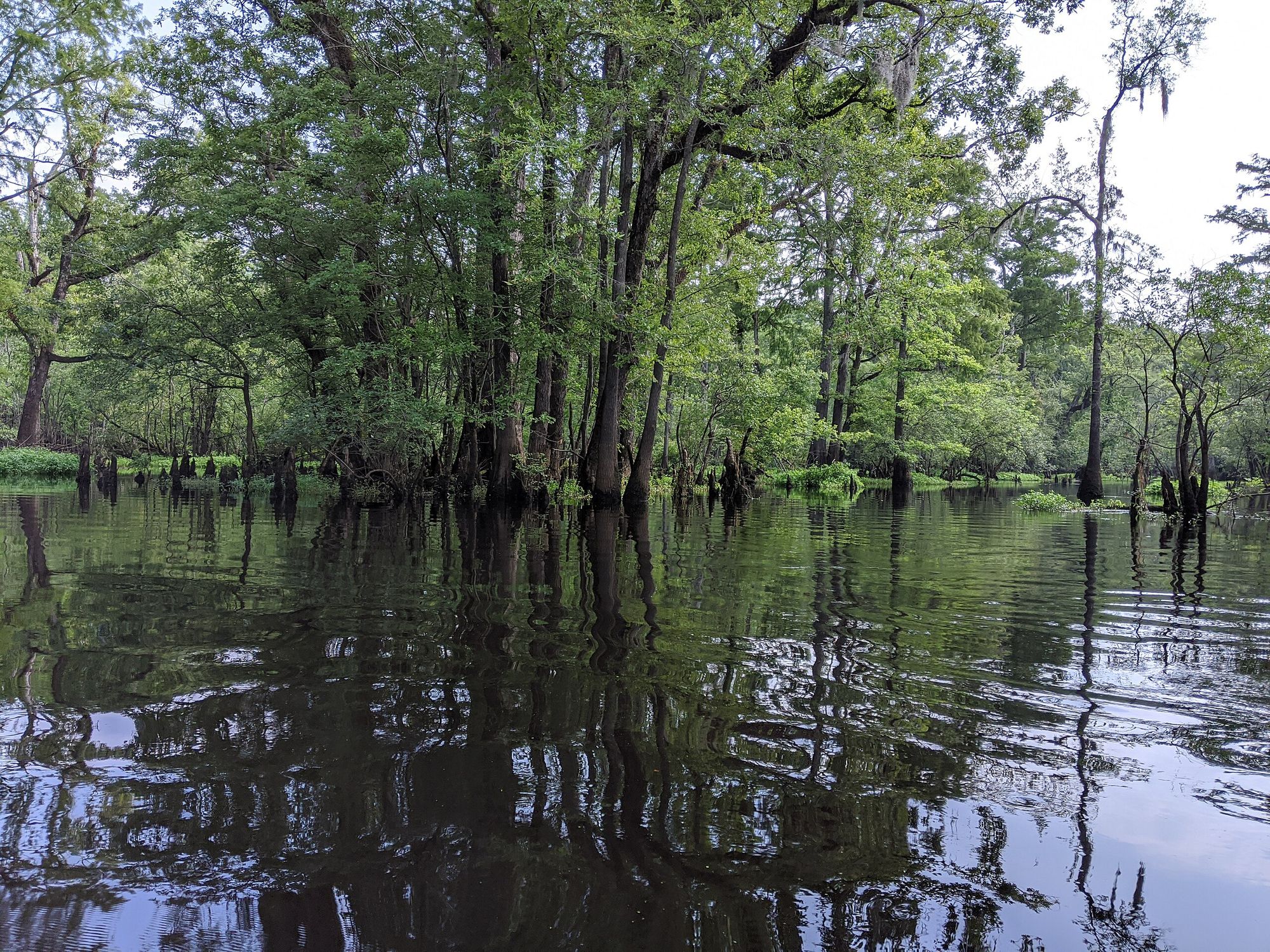
Black River
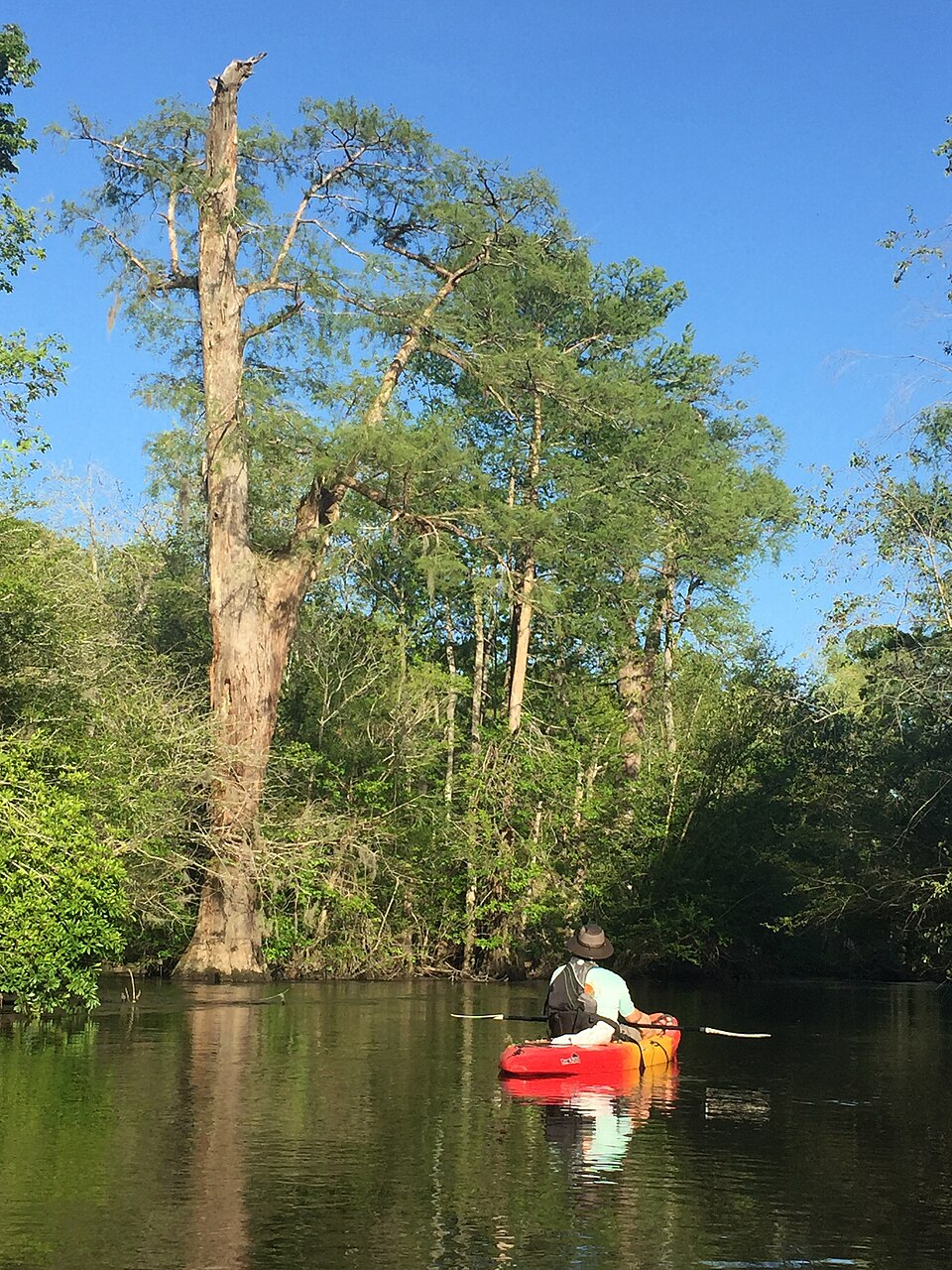
Lynches River
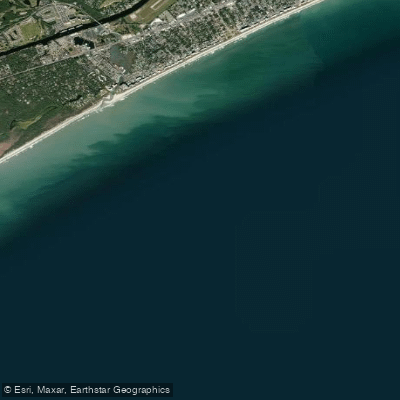
White Point Swash
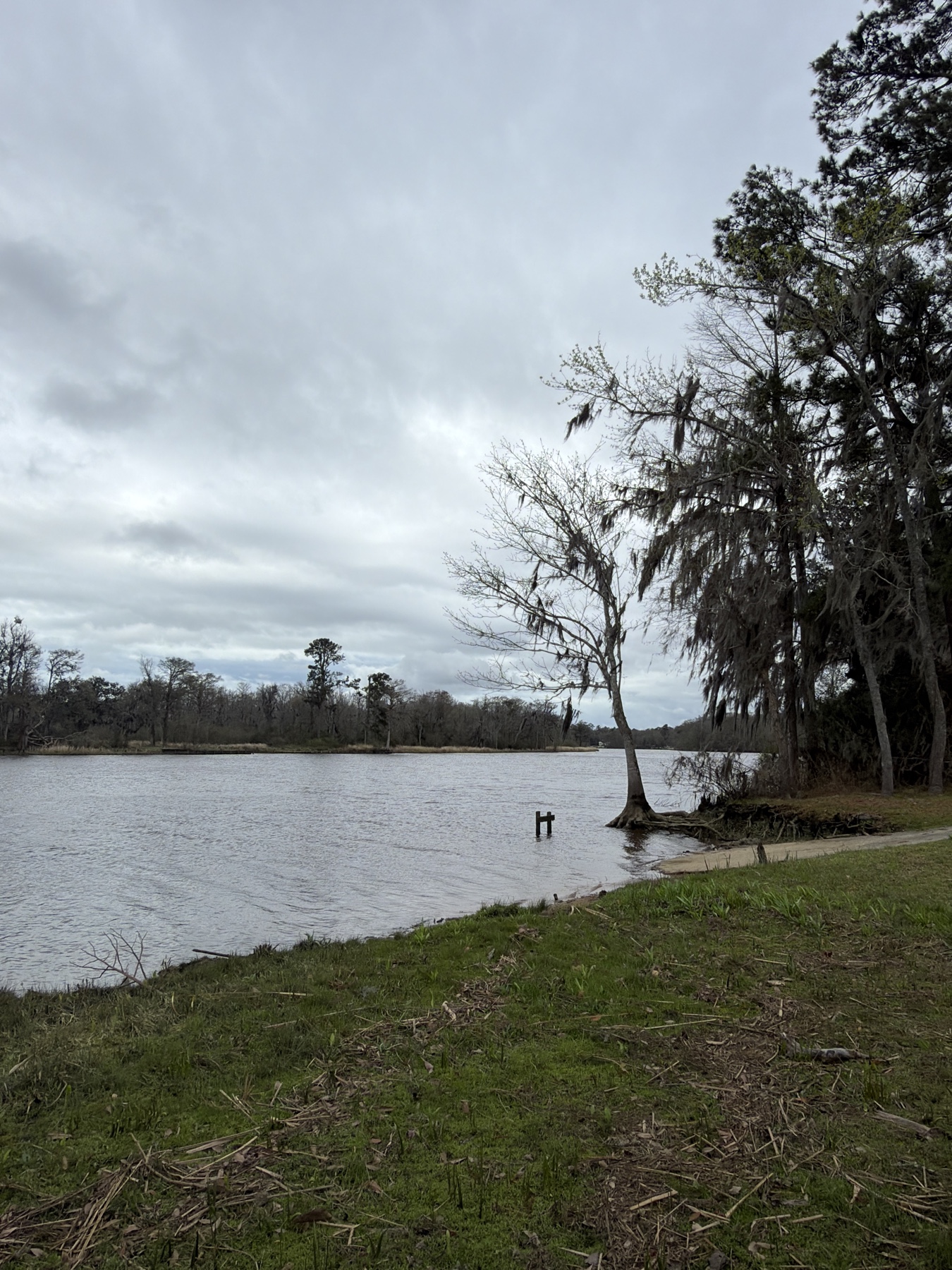
Great Pee Dee River
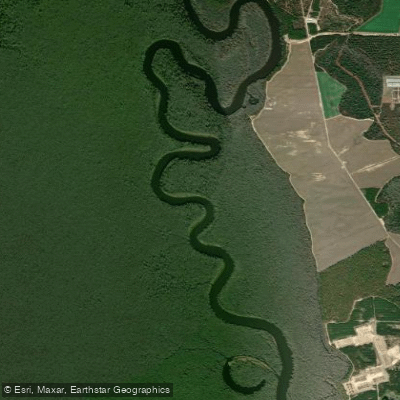
Bull Creek
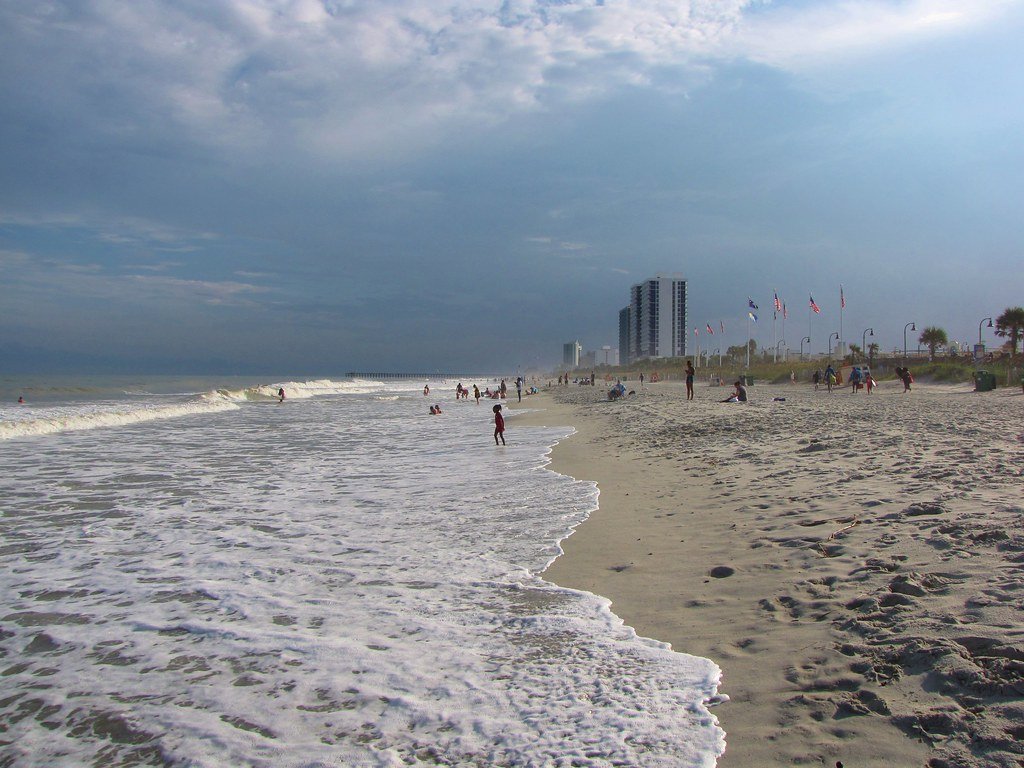
Myrtle Beach
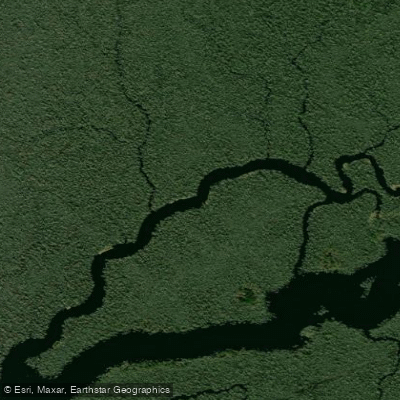
Old River
Explore North Carolina waters
Explore near Waccamaw River
Fish species
Fishing spots
Nearby waters
More in North Carolina
Smarter Fishing Starts in the App.
onWater Fish gives you everything you need to plan smarter, fish better, and own every trip from first cast to last.