Myrtle Grove Sound
- Saltwater
- Sound
- Saltwater
- Sound
- Sq. miles
- 1.1
- Boat Ramps
- 0
- Access Points
- 0
- Species
- 10
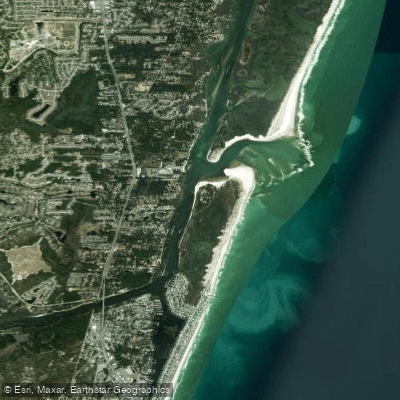
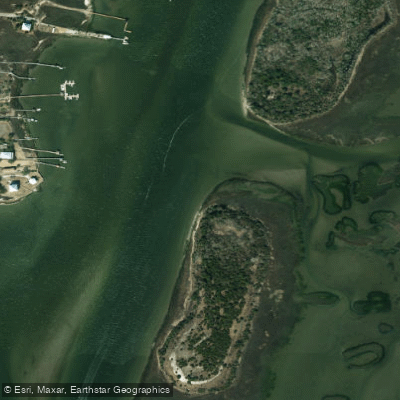
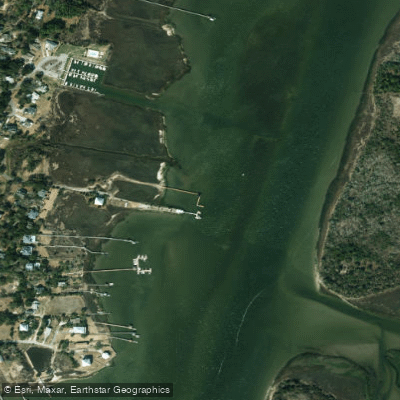
Myrtle Grove Sound is a shallow, expansive tidal sound nestled between the mainland and the barrier island that is home to Carolina Beach, North Carolina. As a key component of the region’s extensive estuarine system, it connects to the Cape Fear River via Snow’s Cut and to the Atlantic Ocean through Carolina Beach Inlet. This sound is characterized by its inshore flats, extensive marsh habitat, grass beds, and oyster bars, creating a nutrient-rich nursery and feeding ground for a variety of prized inshore gamefish. The waters are a mix of estuarine and saltwater, influenced by strong tidal movements that dictate fish activity and angling strategies. It is part of a highly productive fishery that includes the adjacent Intracoastal Waterway, Snow’s Cut, and the lower Cape Fear River, offering anglers diverse opportunities from a single access point.
Species & education
Learn what type of fish are at Myrtle Grove Sound and what's needed to catch them.

Find which waters have the species you want to catch

Black Drum
Pogonias cromis

Mangrove Snapper
Lutjanus griseus

Mutton Snapper
Lutjanus analis

Northern Puffer
Sphoeroides maculatus

Permit
Trachinotus falcatus

Pigfish
Orthopristis chrysoptera

Pinfish
Lagodon rhomboides

Redfish
Sciaenops ocellatus

Sheepshead
Archosargus probatocephalus

Spotted Seatrout
Cynoscion nebulosus
Fishing spots, boat ramps & amenities
Learn how to get on Myrtle Grove Sound. Uncover great fishing access points, boat ramps, and all the facilities you need for an unforgettable day on the water. Some locations shown may border or include private property. Always check property boundaries and applicable regulations before visiting. onWater's Public & Private Land layer can help you plan your access with confidence.
Wreck
Wreck
Wreck
Wreck
Wreck
Wreck
Wreck
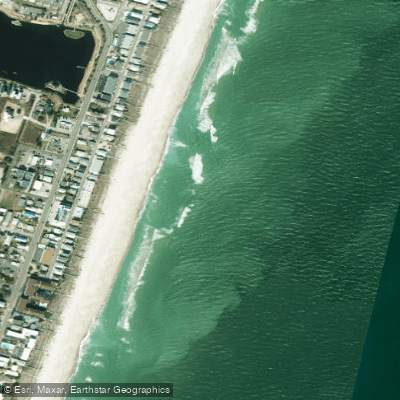
Wreck
Wreck
Wreck
Know where you can legally fish on Myrtle Grove Sound
See public and private land boundaries along the water, turn on private parcels with owner details to know where permission is required, and find land-trust parcels that offer permitted fishing access.
North Carolina licenses and regulations

North Carolina Boating Regulations
When using any type of watercraft to access a body of water, it is important to follow all federal, state, and local rules and regulations. These rules and regulations include boat permitting and licensing, invasive species inspections and stamps, life jacket and PFD rules, motor size and horsepower restrictions, noise limitations, restrictions on personal watercraft, and many more. Visit the web link below for the most current rules and regulations for this body of water.

North Carolina Coastal & Inland Waters
North Carolina divides its waters into three designations: coastal waters, inland waters, and joint waters. A Coastal Recreational Fishing License covers coastal and joint waters, while a Wildlife Resources Commission inland fishing license covers inland and joint waters. Either license satisfies the requirement in joint waters, and the Division of Marine Fisheries provides an interactive map to help you identify which designation applies to where you plan to fish.

North Carolina Federal Waters & Offshore Rules
Federal waters begin where state waters end and extend to the 200-mile limit, where NOAA Fisheries and the South Atlantic Fishery Management Council set the rules. No additional federal permit is required for general recreational fishing in federal waters, but vessels targeting or retaining Atlantic highly migratory species such as tuna, billfish, sharks, or swordfish must carry a federal Atlantic HMS vessel permit issued by NOAA Fisheries. Anglers remain responsible for following both state and federal regulations on every trip.

North Carolina Saltwater Fishing License
Anyone age 16 or older must have a Coastal Recreational Fishing License to recreationally take finfish in North Carolina coastal waters. The Division of Marine Fisheries administers the license, which is available on a 10-day, annual, or lifetime basis. Passengers on for-hire trips and anglers fishing joint waters with a Wildlife Resources Commission inland fishing license are also covered.

North Carolina Saltwater Size & Bag Limits
Size and bag limits apply per species in North Carolina coastal and joint waters and can change throughout the year. The Division of Marine Fisheries maintains the current table, which covers species including red drum, flounder, spotted seatrout, king mackerel, and cobia. Check the official limits page before every trip since rules are updated by proclamation.

North Carolina Shellfish Closures & Advisories
The Division of Marine Fisheries classifies coastal waters for shellfish harvesting and issues temporary closures when rainfall, stormwater runoff, or other contamination makes harvesting unsafe. Closures apply to oysters, clams, and other molluscan shellfish and can change quickly, so you should check current status before harvesting. The Division maintains a Shellfish Sanitation Temporary Closure Public Viewer showing both permanent and temporary closed areas along the coast.
Take Myrtle Grove Sound with you
The onWater Fish app keeps this water's access points, species and conditions in your pocket, with the tools you use once you're there.
Use the map without signal
Download the map around Myrtle Grove Sound to use it offline when coverage drops.
Log your catches here
Keep a private fishing journal for Myrtle Grove Sound to find where and when fish are biting for you.
Get the onWater Fish app
Free on iOS and Android
Tides, wind & water conditions (10 day forecast)
On open water, wind and tide matter as much as the weather. See the best times to fish Myrtle Grove Sound and check the marine forecast before you launch.
Loading tide predictions…
Fishing near Myrtle Grove Sound
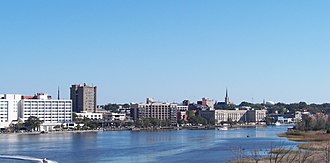
Cape Fear River
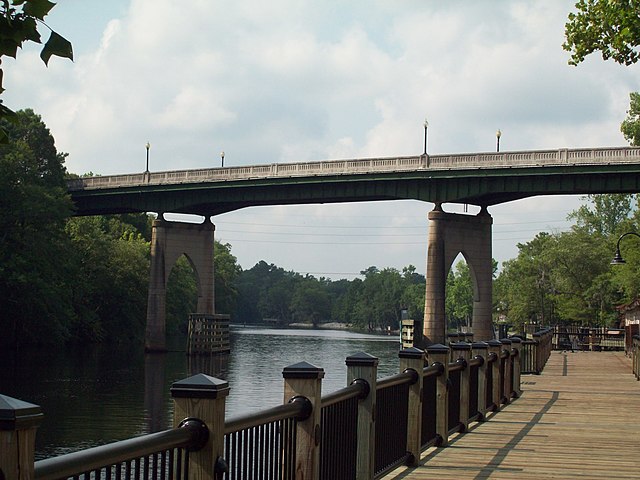
Waccamaw River
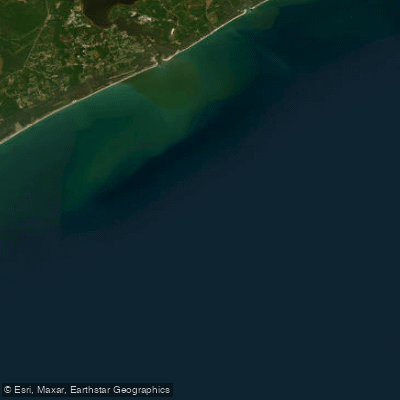
Onslow Bay
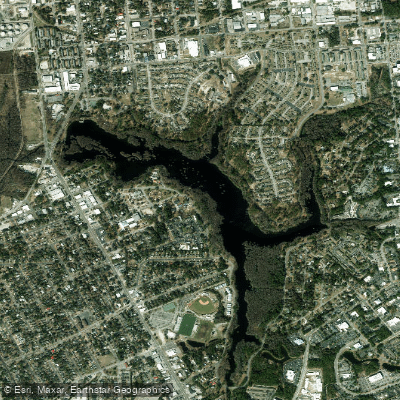
Greenfield Lake
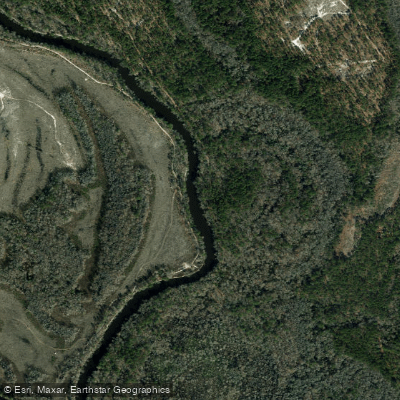
Northeast Cape Fear River
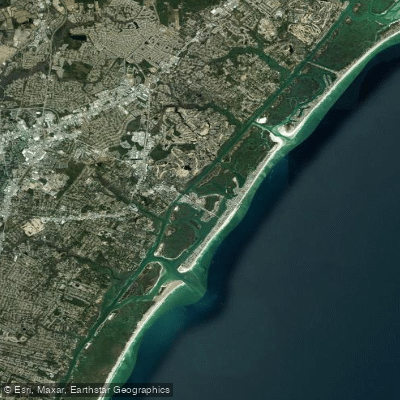
Middle Sound
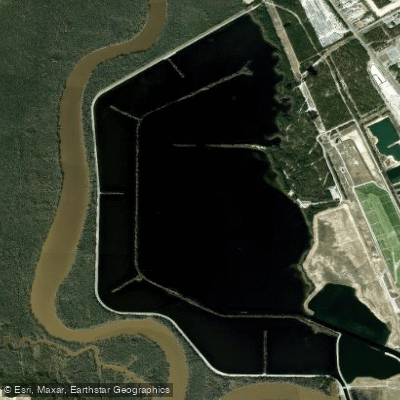
Lake Sutton
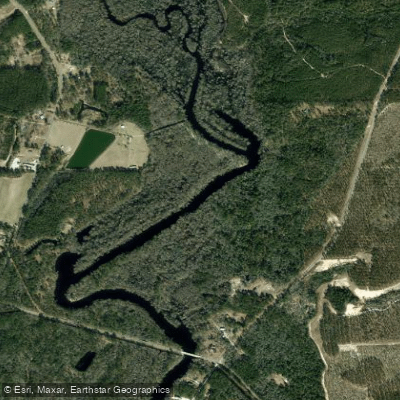
Black River
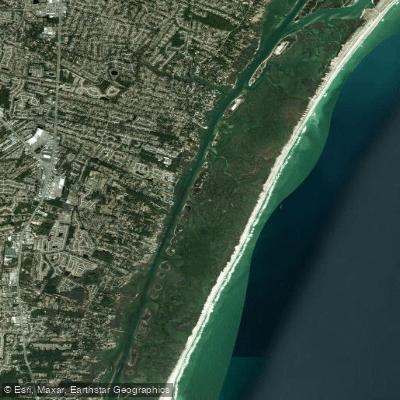
Masonboro Sound
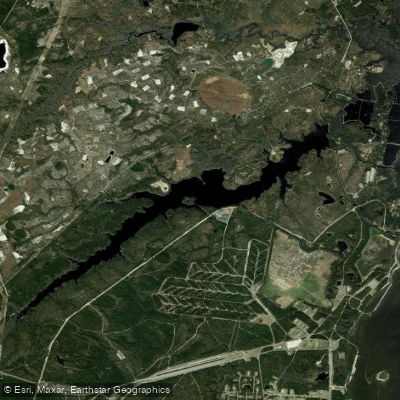
Orton Pond
Explore North Carolina waters
Explore near Myrtle Grove Sound
Fish species
Nearby waters
More in North Carolina
Smarter Fishing Starts in the App.
onWater Fish gives you everything you need to plan smarter, fish better, and own every trip from first cast to last.