Sheepshead

Sheepshead in North Carolina are greenish-gray fish with laterally compressed bodies marked by five or six vertical dark bars on the sides, earning them the nickname 'convict fish.'
Also known as convict fish
Distinguished by prominent teeth with incisors, molars and rounded grinders that enable them to crush shellfish and sea urchins, plus strong, sharp spines on the dorsal and anal fins.
These fish commonly reach 20-25 inches and 5-15 pounds in North Carolina waters, though they can grow to 30 inches.
Fishing in North Carolina
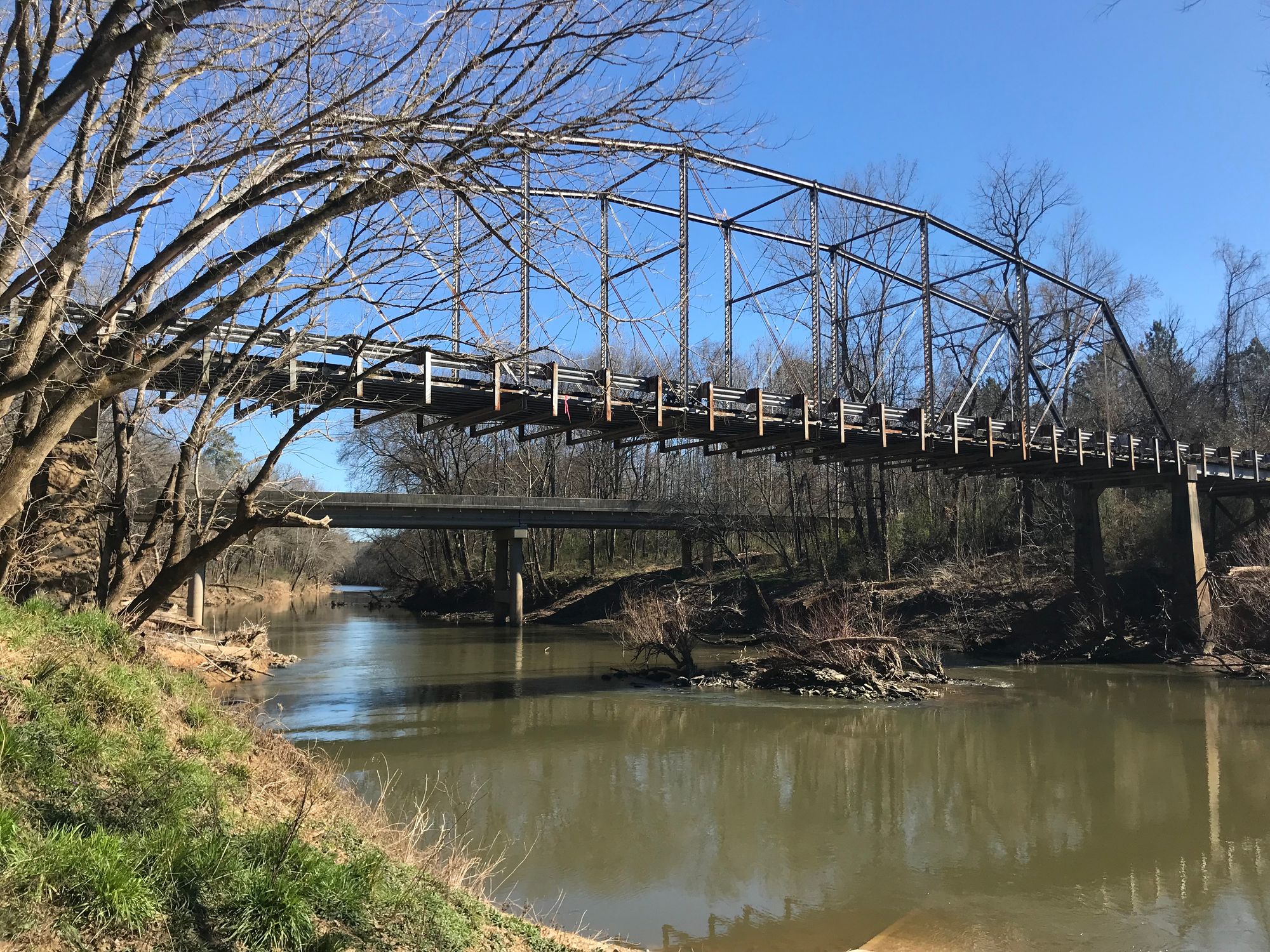
Deep River
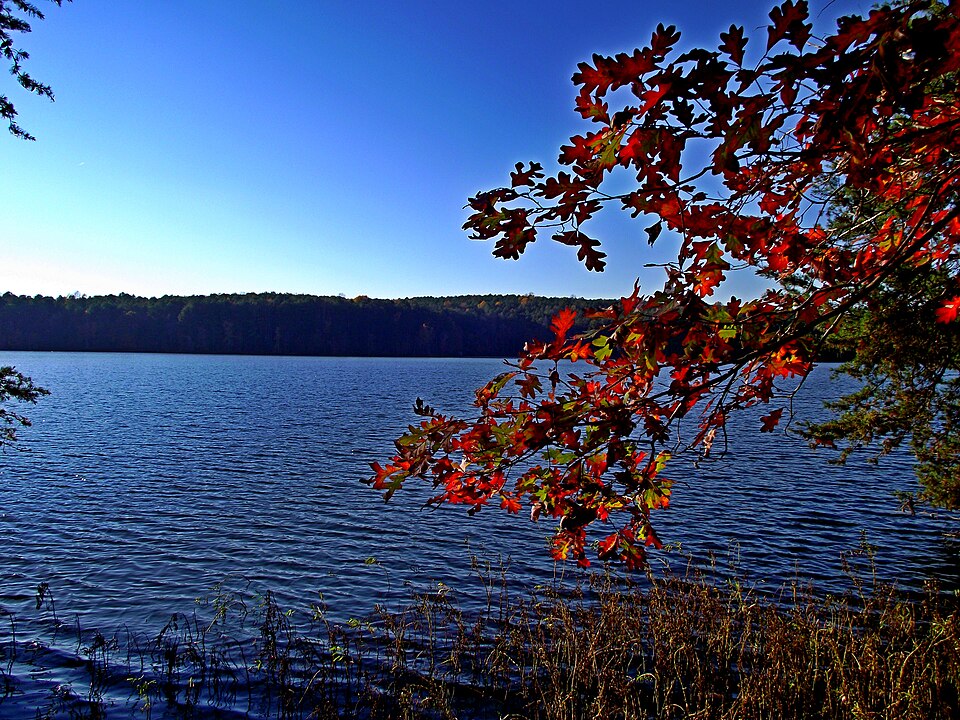
Badin Lake
Lake Tillery
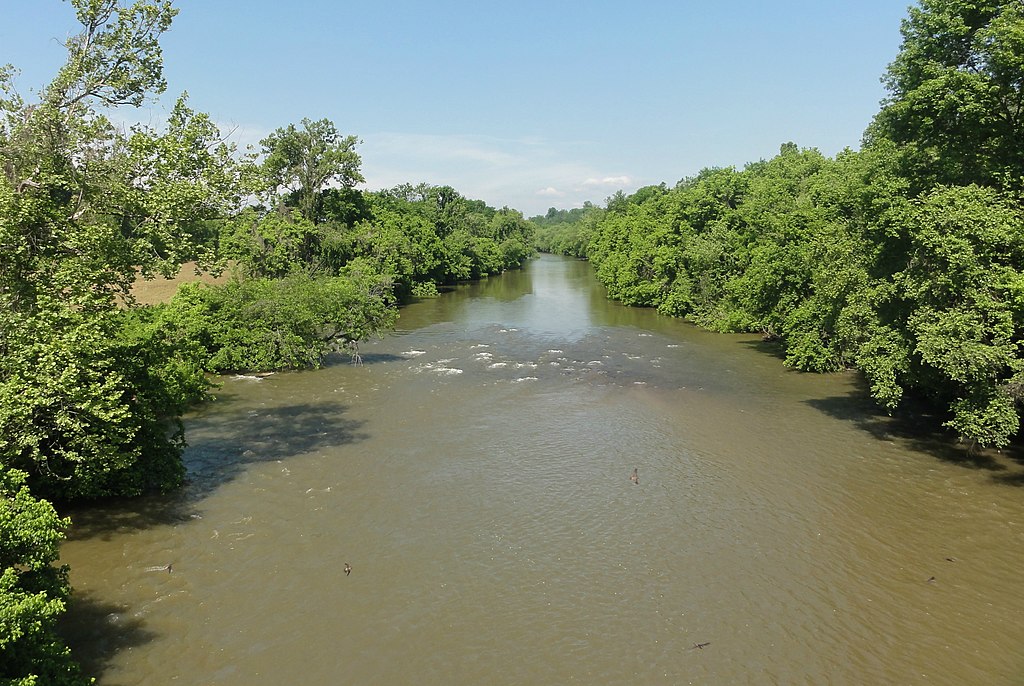
Yadkin River
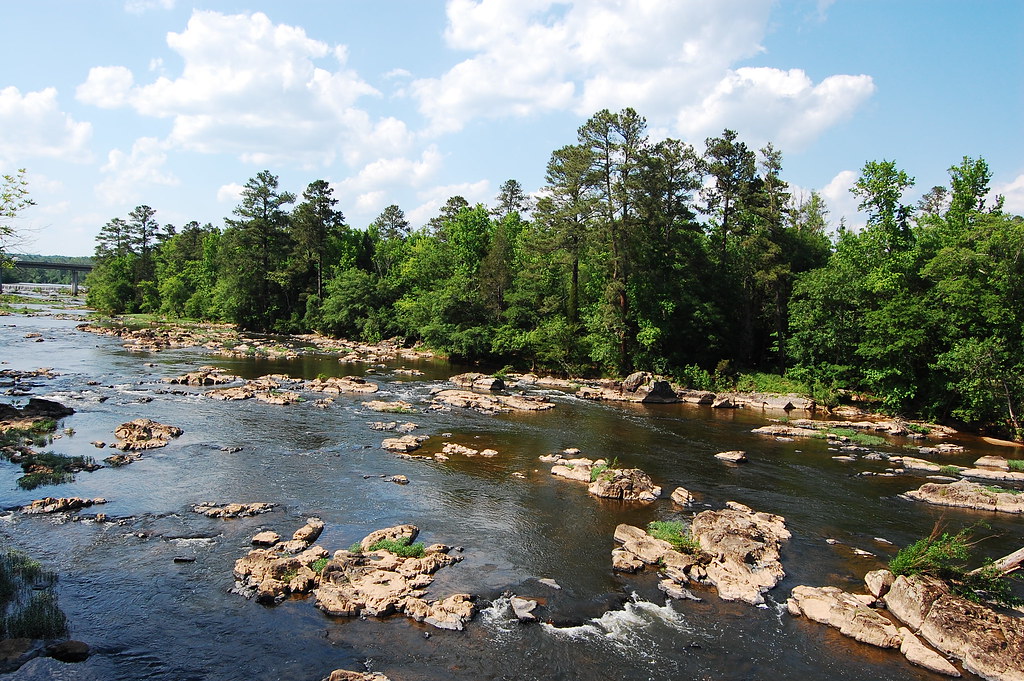
Haw River
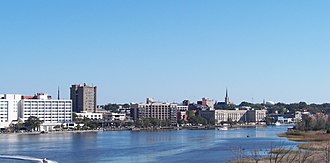
Cape Fear River
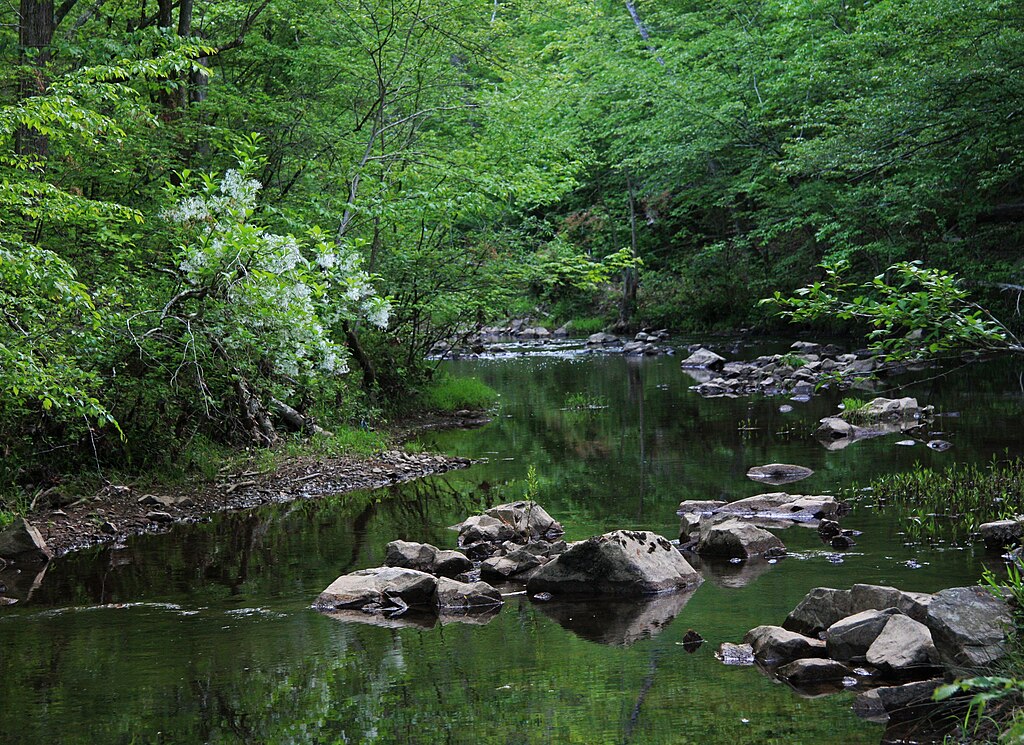
New Hope Creek
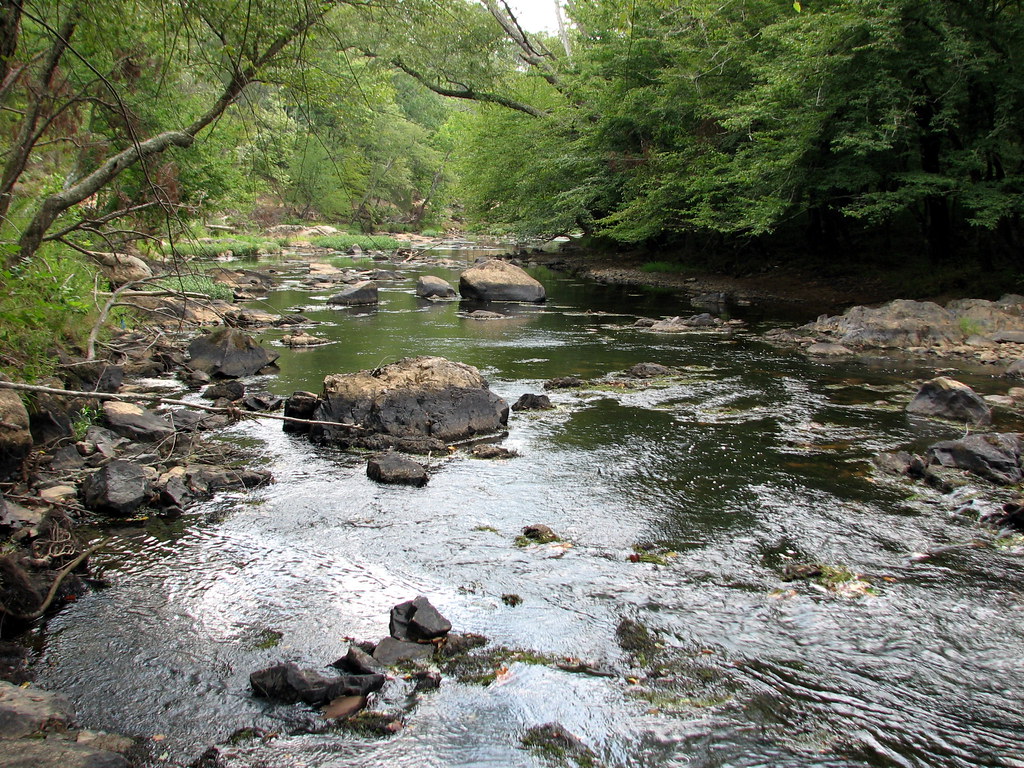
Eno River
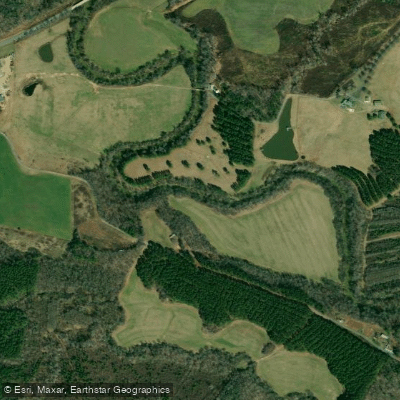
Uwharrie River
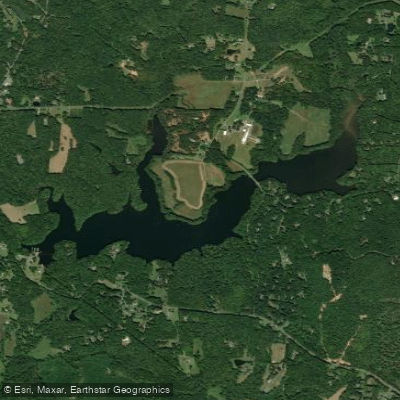
Back Creek Lake
What to know
Habitat Distribution
Found year-round in North Carolina's saltwater and brackish coastal waters around jetties, wharfs, pilings, shipwrecks and other structures covered with barnacles, mussels and oysters.Key Locations
Areas from Wilmington south to the Cape Fear River systemSpecific Spots
Juveniles are most abundant in grass flats and over muddy bottoms, while adults congregate around jetties, breakwaters, piers and wrecks. Focus on any hard structure with abundant marine growth.Sheepshead FAQ
Answers from onWater's species guide.
What are the best lures and bait for Sheepshead in North Carolina?
Bottom sweeper jigs, jaw breaker jigs, or Carolina rigs work well, but jigs provide better bite detection. The best bait is mud crabs found under oyster clumps at low tide (avoid protected stone crabs which have white leg bands), plus fiddler crabs, live shrimp, clams, barnacles, and sand fleas.
What flies work for Sheepshead in North Carolina?
Crab patterns like Merkin Crab or Raghead Crab, shrimp imitations like EP Shrimp, or Clouser Minnows
When is the best time to fish for Sheepshead in North Carolina?
During winter, these fish move offshore to deeper water, but as water warms in spring they stage on nearshore structures like rock jetties and artificial reefs before moving inshore for summer. February-April spawning season should be avoided for fishing to protect reproducing fish.
How do you catch Sheepshead in North Carolina?
Fish vertically around structures. Fish close to pilings and drop bait inches from structure, moving up in the water column if no bites. Present flies motionless on structure for best results. Chum by scraping barnacles off pilings.
What do Sheepshead eat?
Their diet consists primarily of mollusks and crustaceans like fiddler crabs, barnacles, oysters, clams, shrimp, and other invertebrates. They use their specialized teeth to scrape and crush hard-shelled prey from structures.
Fish smarter with real-time insights
Whether you're en route and conditions shift or you're looking for the best spot based on current flows, we enable you to make informed decisions on the fly.




See it in the app
Most maps show you water.
onWater shows you Sheepshead.



- 01 · Species map filter
Map every Sheepshead water
Pick Sheepshead and the map zeroes in on the waters they call home. No more guessing which lake holds them.
- 02 · Waterbody species
Tap any water. See what lives there.
Species, behavior and seasonal patterns for every lake, river and pond, before you leave the driveway.
- 03 · Angler Intelligence
Ask how to catch Sheepshead
Tactics, gear and timing from onWater's AI fishing guide, tuned to the species and the water you're on.
Stop guessing where Sheepshead are.
Open the map, filter by Sheepshead, and head to water that holds them. Download onWater and plan your next trip in minutes.
- Species map filter
- Angler Intelligence
- Fishing journal
Explore other species
Trout, bass, salmon, panfish and everything in between. Each guide unpacks the behavior, seasons, and tactics that put fish in the net.
No species information available.
North Carolina licenses and regulations
Explore nearby waters
Explore North Carolina waters
Top fishing waters
Popular Cities
Loading popular cities...

Smarter Fishing Starts in the App.
onWater Fish gives you everything you need to plan smarter, fish better, and own every trip from first cast to last.