Spotted Seatrout

Spotted seatrout are a prized inshore species in North Carolina
Scientific Name: Cynoscion nebulosus
Also known as speckled trout
- Long, slender body featuring a dark bluish-silvery-gray back and silvery sides marked by distinctive round, black spots extending into the second dorsal fin and caudal fin.
- They have two large, curved, canine-like teeth in their upper jaw.
- In North Carolina waters, they average 15-25 inches and 2-4 pounds, but can reach 40 inches and 12 pounds.
Fishing in North Carolina
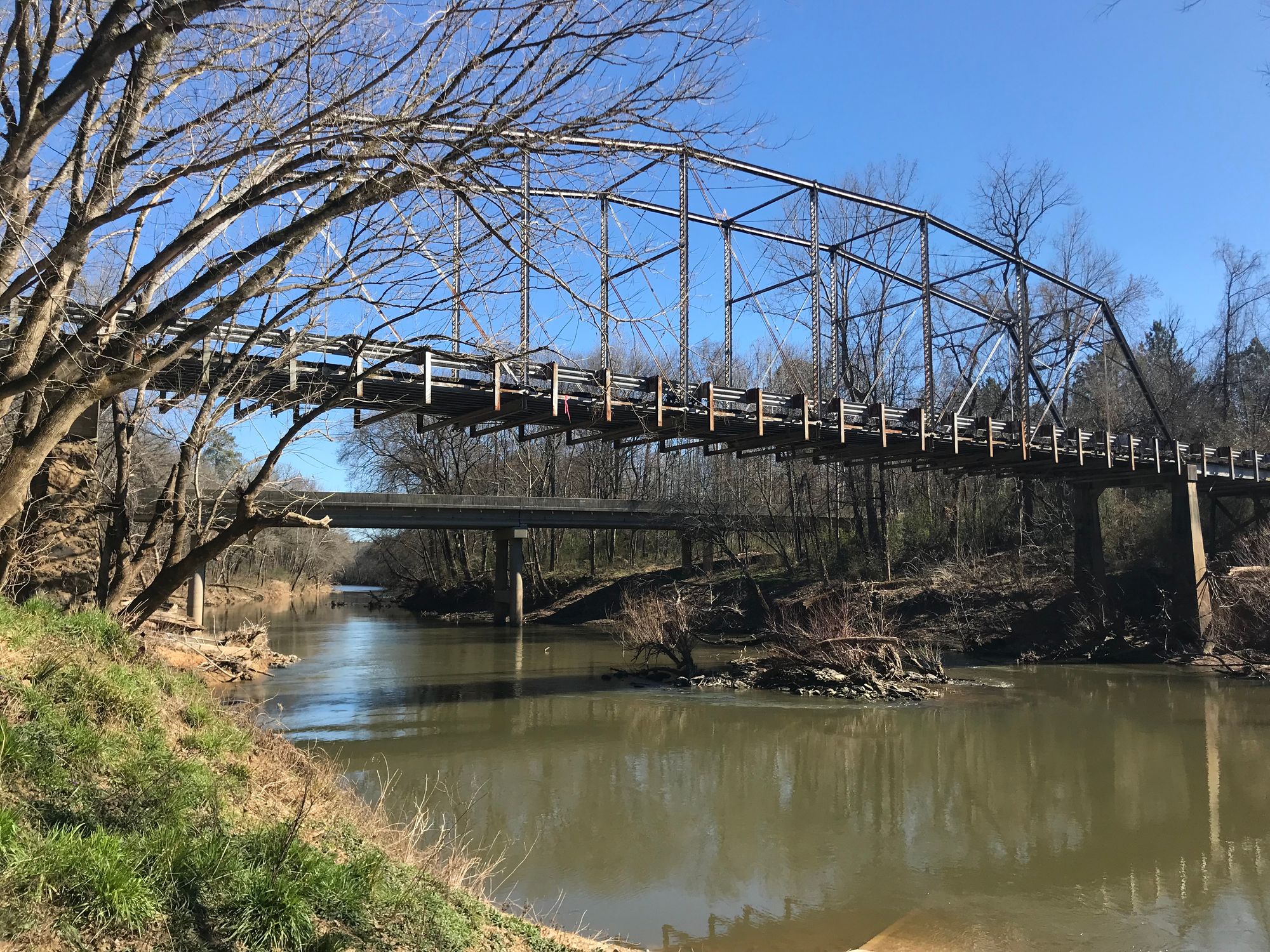
Deep River
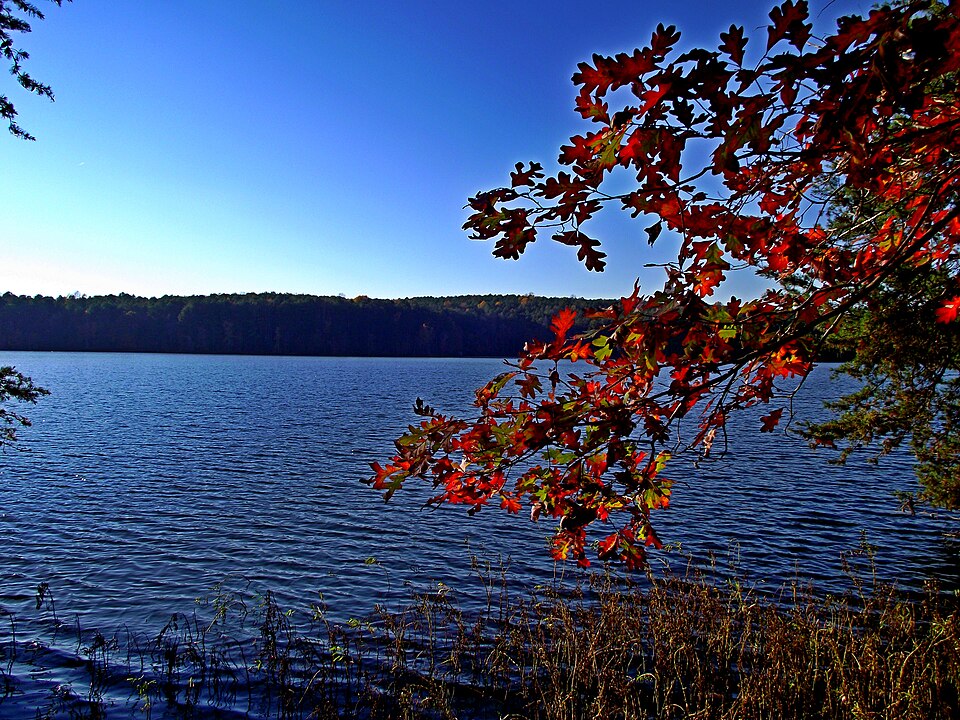
Badin Lake
Lake Tillery
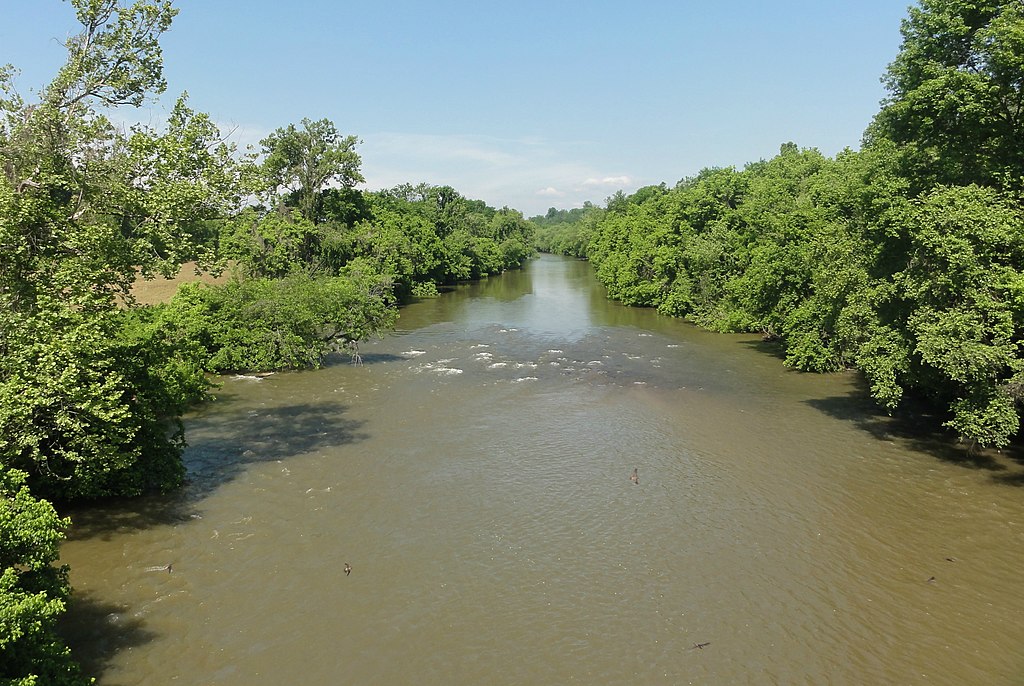
Yadkin River
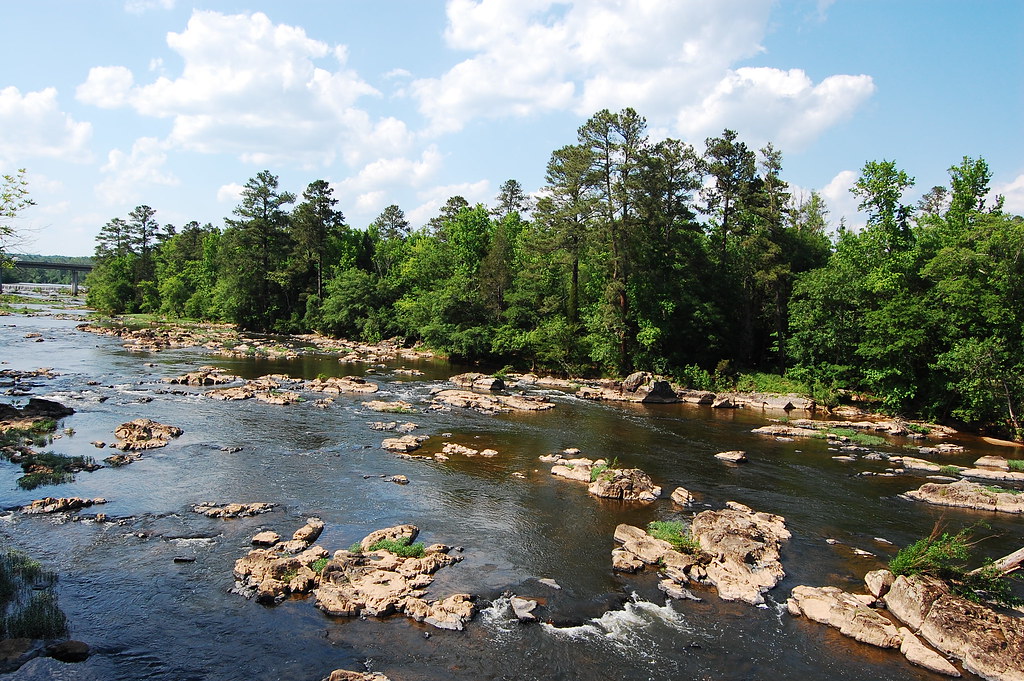
Haw River
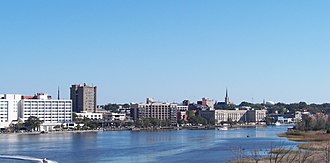
Cape Fear River
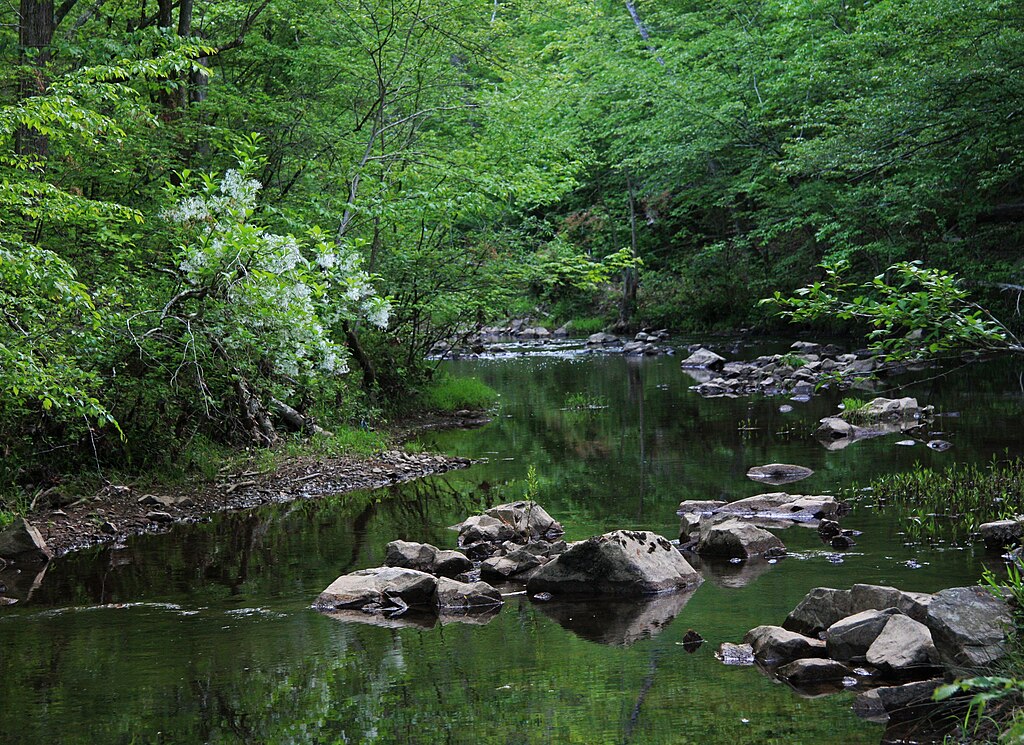
New Hope Creek
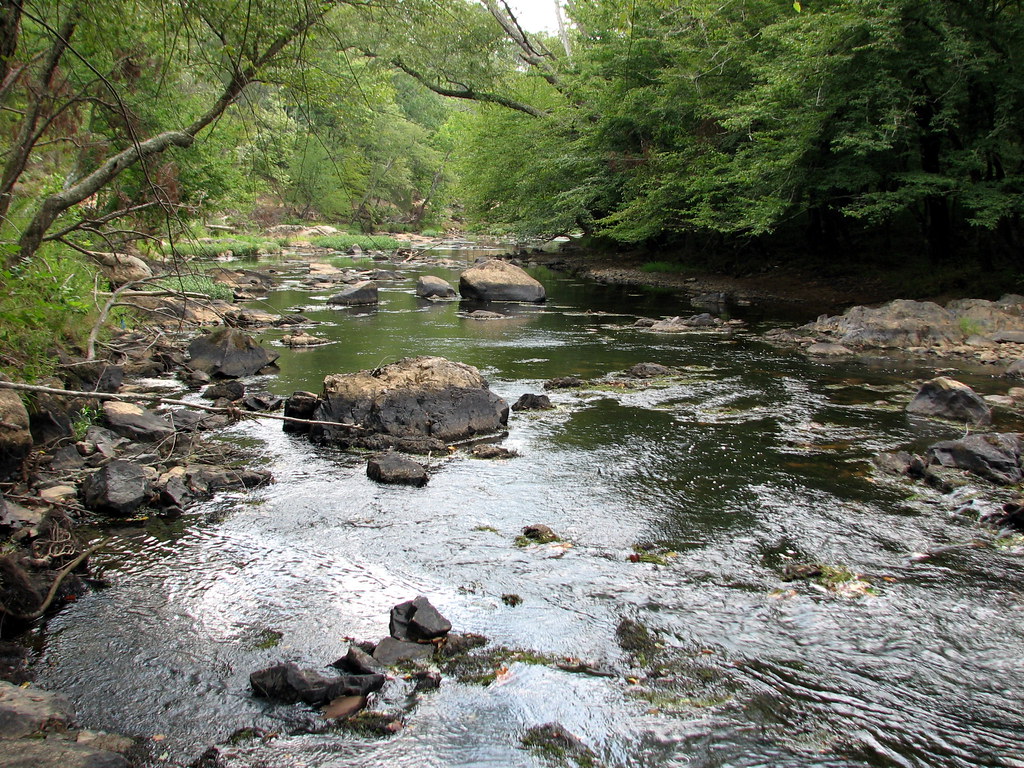
Eno River
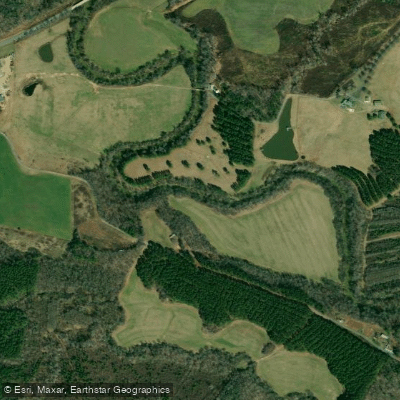
Uwharrie River
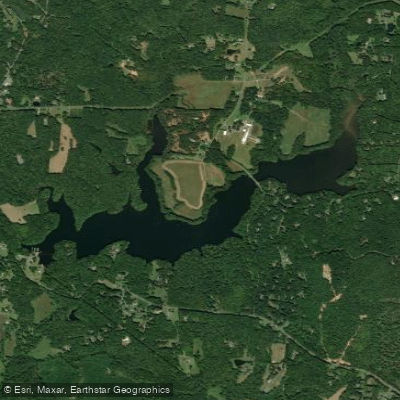
Back Creek Lake
What to know
Habitat Distribution
- Inhabit rivers, estuaries, and shallow coastal waters over sandy bottoms throughout North Carolina's 4,000+ miles of coastal shoreline and 2.5 million acres of marine waters.
- Spend their entire lives within the estuarine environment, rarely migrating more than 5-10 miles from their natal waters.
Key Locations
- Throughout coastal North Carolina waters, jetties, bridges, shoals, and creek mouths.
- The current state record is 12.5 pounds, caught from the Neuse River in 2022.
Specific Spots
- Target grass flats, oyster bars, marsh points, deep holes in tidal creeks, and areas where water funnels out of marsh grass on falling tides.
- Strongly associated with seagrass beds, salt marshes, tidal pools, oyster reefs, and creek mouths, preferring depths less than 10 feet.
Spotted Seatrout FAQ
Answers from onWater's species guide.
What are the best lures and bait for Spotted Seatrout in North Carolina?
3-inch Gulp shrimp on 1/4 ounce jig heads, 4-inch Bass Assassin Sea Shad, Rapala X-Rap jerkbaits, Johnson Sprite spoons (gold preferred), 5-inch Gulp Jerk Shad, DOA Deadly Combo with popping cork, Rapala Skitter Prop topwater plugs, and MirrOlure MirrOdine suspending plugs.
When is the best time to fish for Spotted Seatrout in North Carolina?
Peak seasons being October-November when fish school up by size class, and spring through summer during their extended activity period. Fall is considered prime time. In winter, fish deeper channels and holes where trout school up.
How do you catch Spotted Seatrout in North Carolina?
Use slow presentations in winter. Practice catch-and-release for fish over 20 inches to protect the breeding stock.
What do Spotted Seatrout eat?
Feed opportunistically on shrimp, crabs, mullet, and Atlantic menhaden. Small trout eat primarily crustaceans, while larger specimens target baitfish.
Where do Spotted Seatrout live in North Carolina?
Inhabit rivers, estuaries, and shallow coastal waters over sandy bottoms throughout North Carolina's 4,000+ miles of coastal shoreline and 2.5 million acres of marine waters. Spend their entire lives within the estuarine environment, rarely migrating more than 5-10 miles from their natal waters.
Fish smarter with real-time insights
Whether you're en route and conditions shift or you're looking for the best spot based on current flows, we enable you to make informed decisions on the fly.




See it in the app
Most maps show you water.
onWater shows you Spotted Seatrout.



- 01 · Species map filter
Map every Spotted Seatrout water
Pick Spotted Seatrout and the map zeroes in on the waters they call home. No more guessing which lake holds them.
- 02 · Waterbody species
Tap any water. See what lives there.
Species, behavior and seasonal patterns for every lake, river and pond, before you leave the driveway.
- 03 · Angler Intelligence
Ask how to catch Spotted Seatrout
Tactics, gear and timing from onWater's AI fishing guide, tuned to the species and the water you're on.
Stop guessing where Spotted Seatrout are.
Open the map, filter by Spotted Seatrout, and head to water that holds them. Download onWater and plan your next trip in minutes.
- Species map filter
- Angler Intelligence
- Fishing journal
Explore other species
Trout, bass, salmon, panfish and everything in between. Each guide unpacks the behavior, seasons, and tactics that put fish in the net.
No species information available.
North Carolina licenses and regulations
Explore nearby waters
Explore North Carolina waters
Top fishing waters
Popular Cities
Loading popular cities...

Smarter Fishing Starts in the App.
onWater Fish gives you everything you need to plan smarter, fish better, and own every trip from first cast to last.