Mill Brook

- Boat Ramps
- 1
- Access Points
- 2
- Species
- 5
Mill Brook flows through Rockingham County before joining the Squamscott River as a right bank tributary. This small tributary stream contributes to the larger Squamscott River system, which itself is a tidal river connecting the Exeter River to Great Bay. The brook winds through a mix of protected conservation lands and agricultural areas in the region, offering anglers a more intimate fishing experience compared to the larger rivers in the area. While Mill Brook maintains a relatively low profile among New Hampshire's fishing destinations, it provides opportunities for those seeking a peaceful setting away from more heavily pressured waters.
Species & education
Learn what type of fish are at Mill Brook and what's needed to catch them.

Find which waters have the species you want to catch
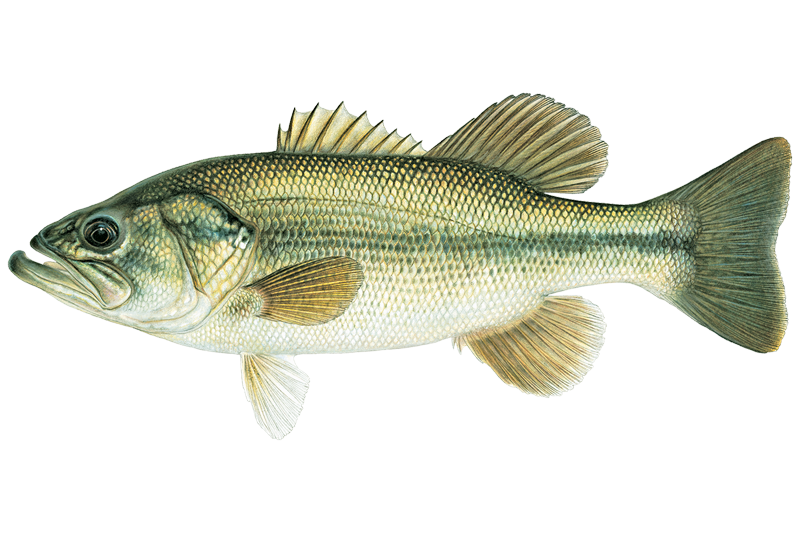
Largemouth Bass
Micropterus salmoides
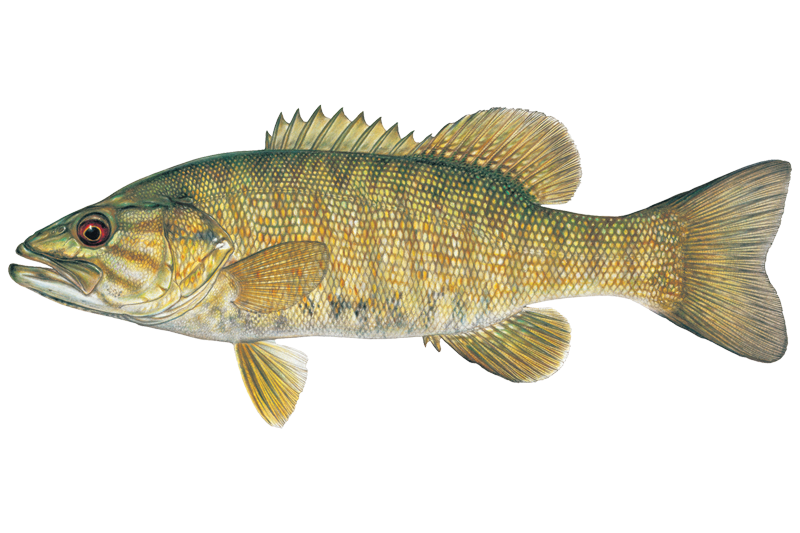
Smallmouth Bass
Micropterus dolomieu
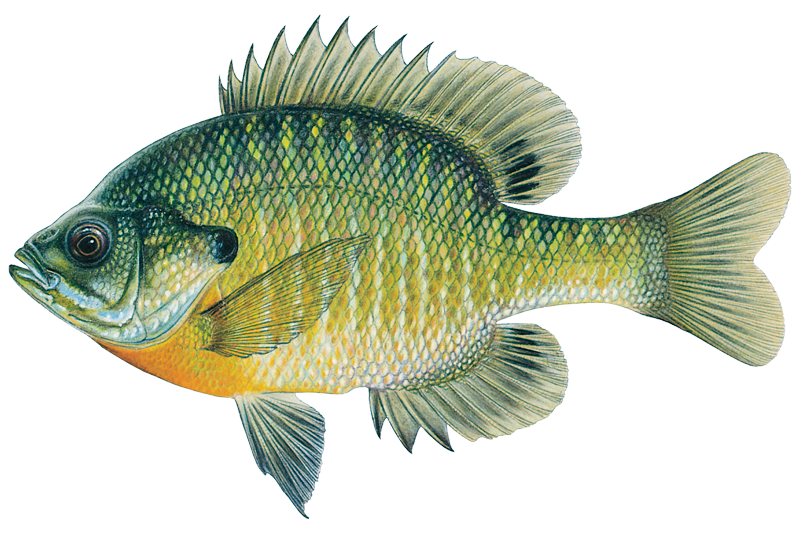
Bluegill Sunfish
Lepomis macrochirus
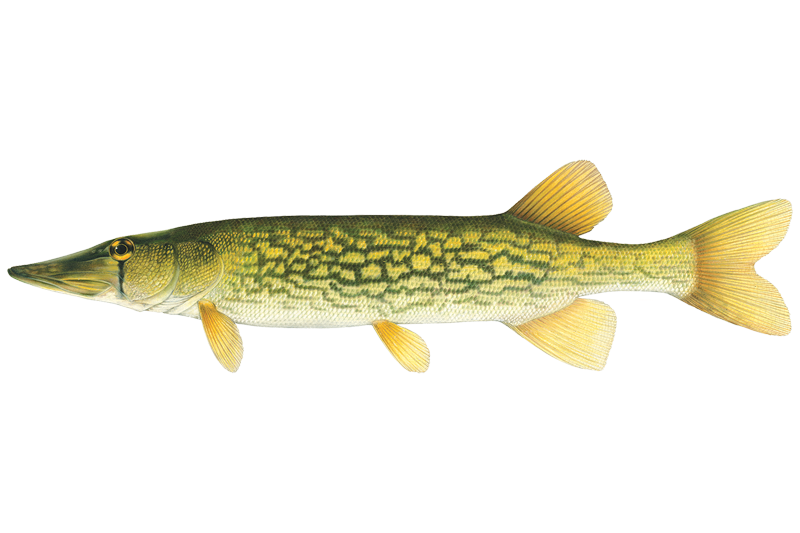
Chain Pickerel
Esox niger
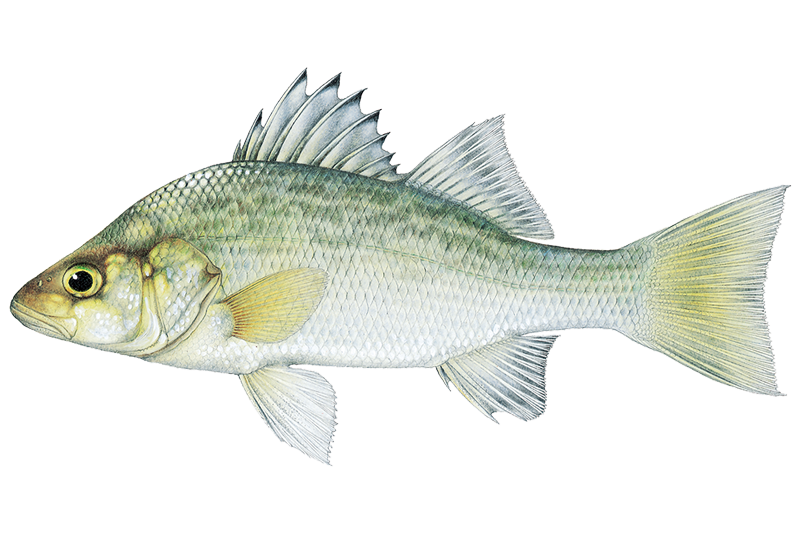
White Perch
Morone americana
Fishing spots, boat ramps & amenities
Learn how to get on Mill Brook. Uncover great fishing access points, boat ramps, and all the facilities you need for an unforgettable day on the water. Some locations shown may border or include private property. Always check property boundaries and applicable regulations before visiting. onWater's Public & Private Land layer can help you plan your access with confidence.
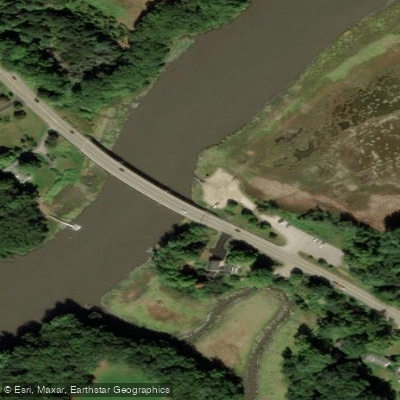
Know where you can legally fish on Mill Brook
See public and private land boundaries along the water, turn on private parcels with owner details to know where permission is required, and find land-trust parcels that offer permitted fishing access.
New Hampshire licenses and regulations

New Hampshire Boating Regulations
When using any type of watercraft to access a body of water, it is important to follow all federal, state, and local rules and regulations. These rules and regulations include boat permitting and licensing, invasive species inspections and stamps, life jacket and PFD rules, motor size and horsepower restrictions, noise limitations, restrictions on personal watercraft, and many more. Visit the web link below for the most current rules and regulations for this body of water.

New Hampshire Fishing License
Persons 16 years or older need a license to fish in freshwater or saltwater in New Hampshire.

New Hampshire Fishing Regulations
This river has a variety of species and regulations, including potential floating and/or watercraft restrictions. Because this river is specially managed for species, seasons, angling methods, and watercraft, it is strongly encouraged you check all federal, state, and local regulations before fishing. Visit any of the links below, inquire locally, or contact a local fly shop to learn current regulations and restrictions.

New Hampshire Stream Access Laws
Fishing is a New Hampshire tradition, one that we strive to pass on to present and future generations. With greater than 70% of New Hampshire’s land under private ownership, access for most shoreline and stream fishing occurs over private property. If we are to maintain the New Hampshire fishing tradition, it is important to remember that access to private land is a privilege provided to us through the generosity of landowners sharing their land. Practicing positive landowner relations is the key to maintaining access for present and future generations of anglers.
Take Mill Brook with you
The onWater Fish app keeps this water's access points, species and conditions in your pocket, with the tools you use once you're there.
Use the map without signal
Download the map around Mill Brook to use it offline when coverage drops.
Log your catches here
Keep a private fishing journal for Mill Brook to find where and when fish are biting for you.
Get the onWater Fish app
Free on iOS and Android
Water and weather conditions (10 day forecast)
See the best times to fish Mill Brook and check the forecast before you go.
No forecast data available.
Fishing near Mill Brook
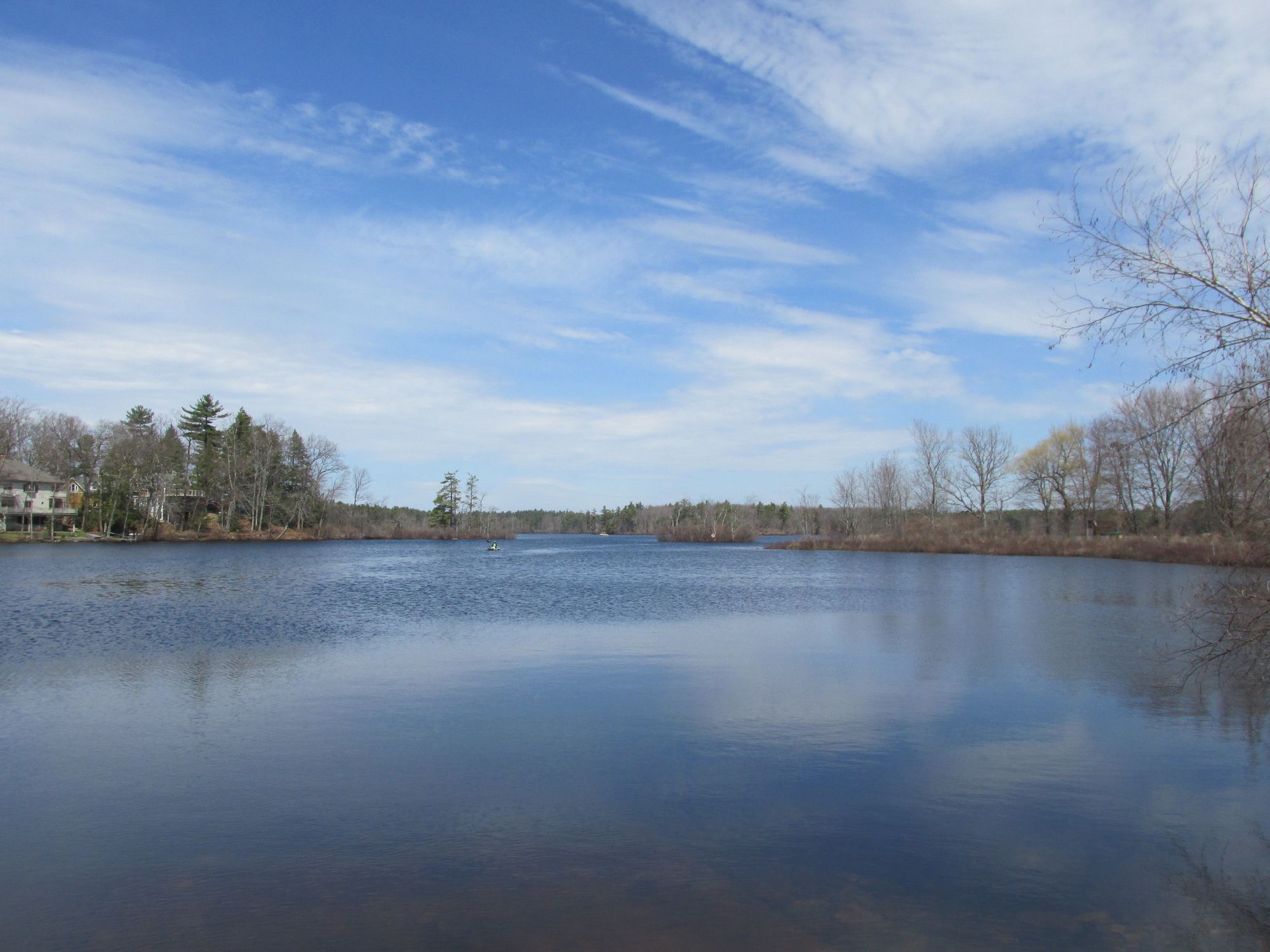
Great Pond
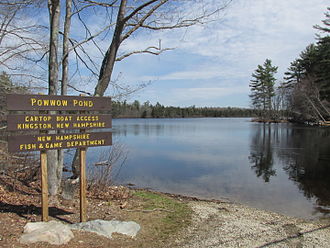
Powwow Pond
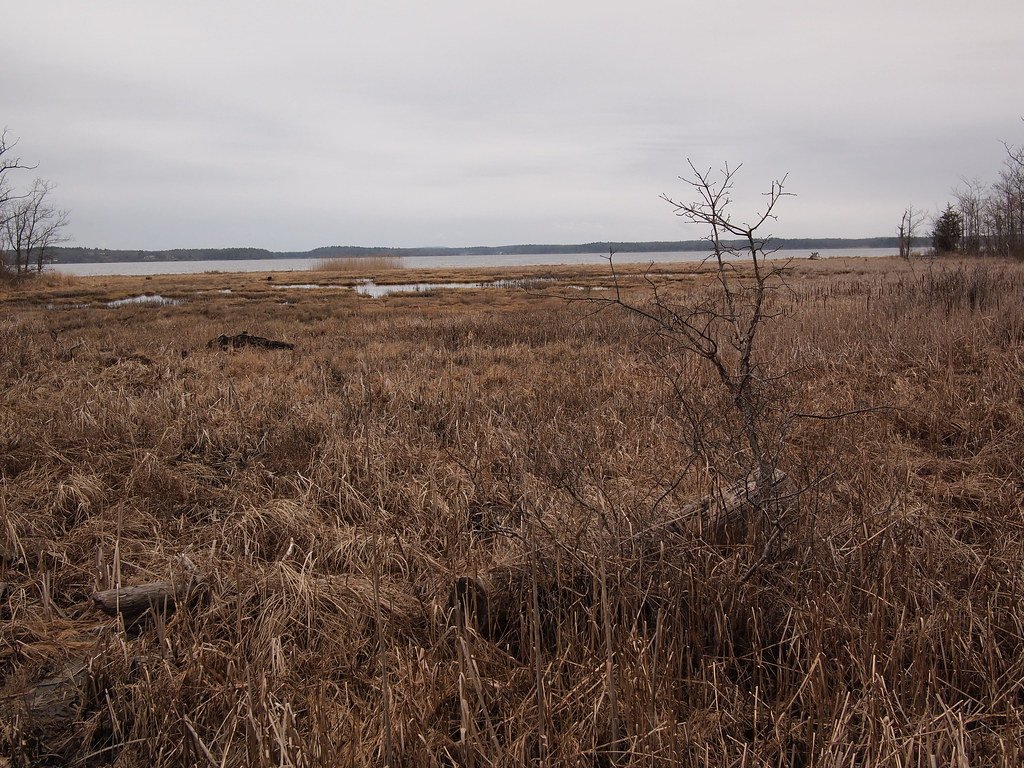
Great Bay
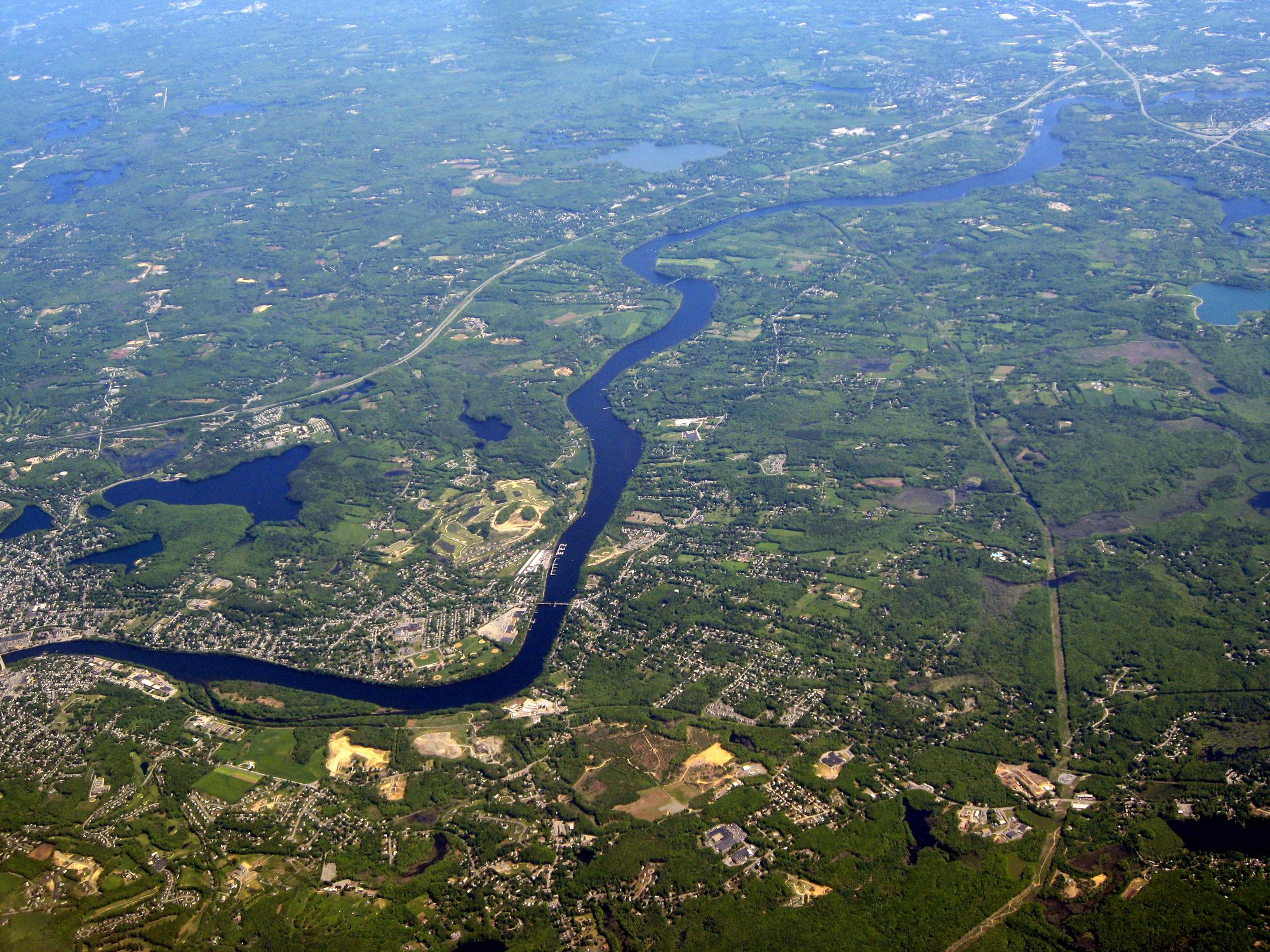
Merrimack River
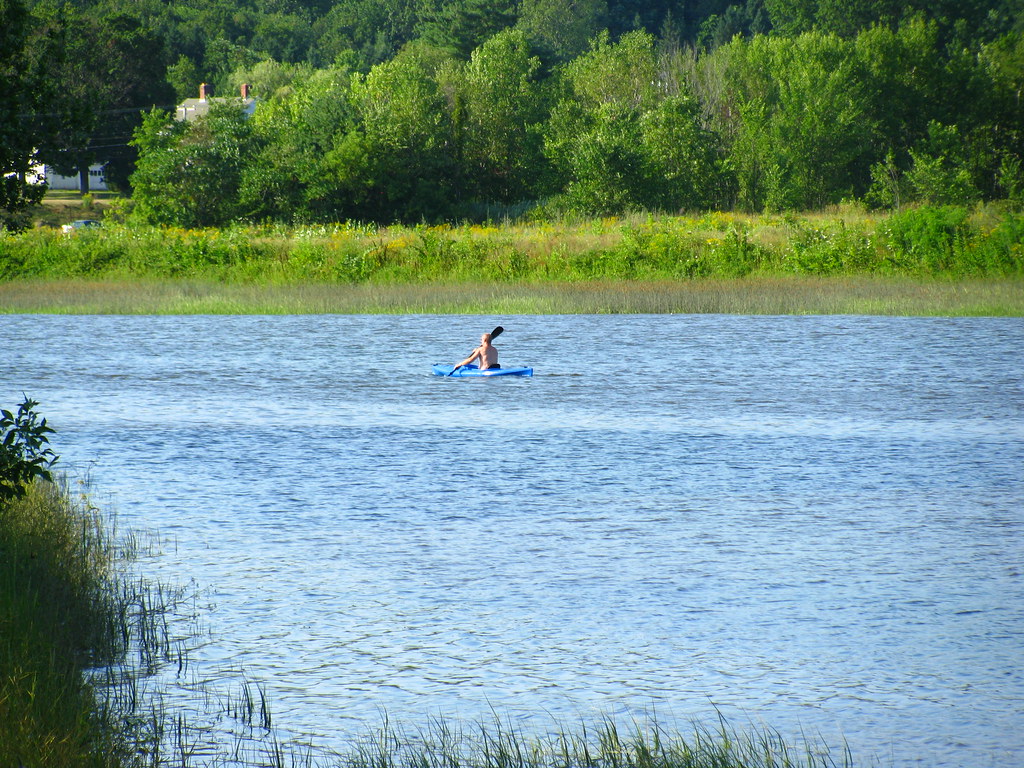
Squamscott River
Piscataqua River

Lamprey River

Exeter River

Portsmouth Harbor
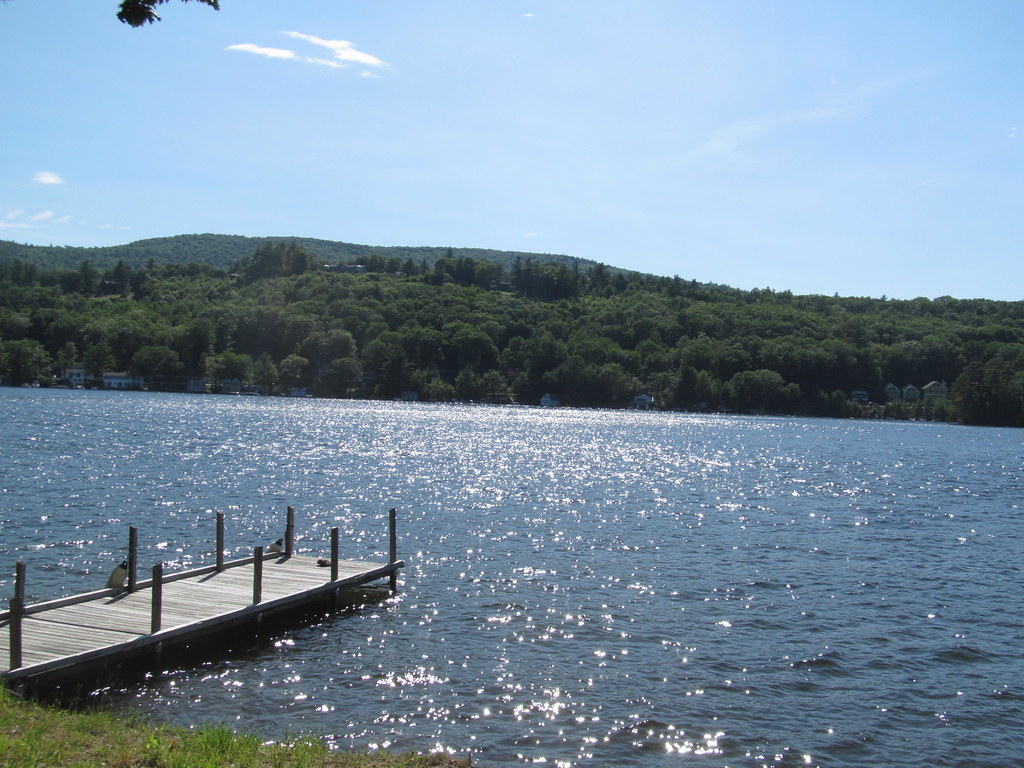
Lake Winnipesaukee
Explore New Hampshire waters
Explore near Mill Brook
Fishing spots
Nearby waters
More in New Hampshire

Smarter Fishing Starts in the App.
onWater Fish gives you everything you need to plan smarter, fish better, and own every trip from first cast to last.