Fishing in Florida
- Lakes
- 3,859
- Rivers
- 3,343
- Access
- 122
- Boat Ramps
- 3,447
- Shops
- 149
Florida isn't one fishing state, it's three or four stacked end to end, and the honest advice to a visiting friend is always the same: pick your game and plan around it.
The calendar is almost absurdly full — there is no real off-season — but geography and timing matter enormously, and a trip aimed at the wrong fishery in the wrong month will look nothing like the Florida in the magazines.
The defining inshore experience is poling a skiff across the Keys flats or the Everglades backcountry, sight-casting at fish you've already seen.
The Upper Keys around Islamorada hold some of the largest bonefish in Florida — 6 to 8 pounds is the average, with double-digit fish a real possibility — while the Lower Keys and the Marquesas are the world's permit capital, a fish most fly anglers consider the hardest job in saltwater.
Tarpon move onto the flats in March and peak May through July around Seven Mile Bridge and Islamorada.
Bud N' Mary's has been running boats out of Islamorada since 1944, and the guide community there fishes named flats — Nine Mile, the Pocket, Loggerhead — the way trout guides know specific runs.
Much of this water sits inside the Florida Keys National Marine Sanctuary, with Pole and Troll zones where combustion motors aren't allowed and a guide-enforced expectation that bonefish and tarpon stay in the water.
Boca Grande in late spring is its own scene.
The pass is the deepest natural inlet on the Gulf, and from April through August it stages what's widely considered the densest tarpon concentration in the country — 90- to 130-pound fish are routine, and the bite turns on around the full and new moon "Hill Tides" when the crabs hatch.
Special rules limit boats to three lines and ban bottom-weighted jigs in the Pass itself, which has cooled some old conflicts but not the boatside jockeying.
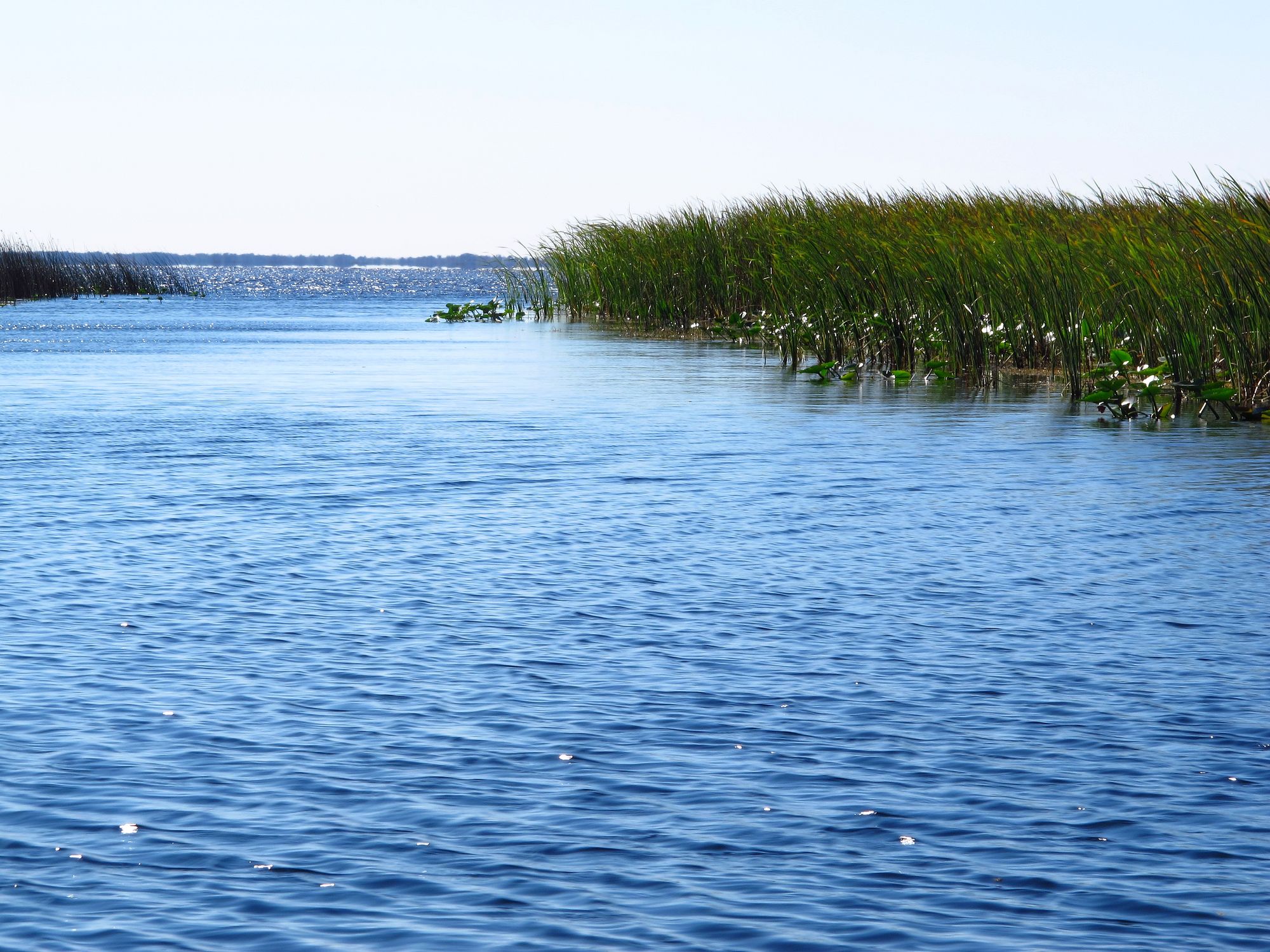
For freshwater, Lake Okeechobee in March and April — when Florida-strain bass move shallow to spawn — is as close to a sure thing for a double-digit fish as exists in this country.
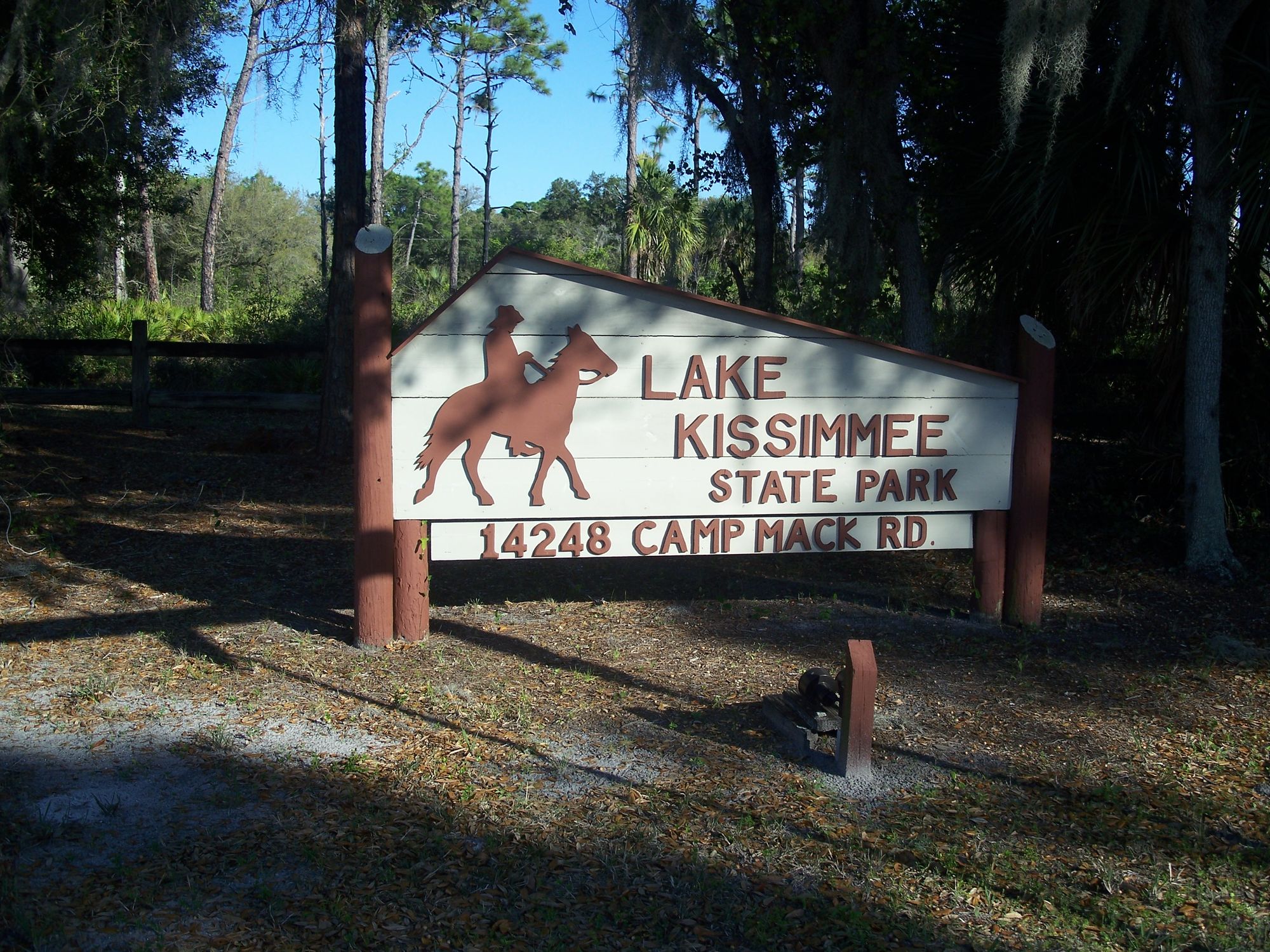
The Kissimmee Chain and Stick Marsh produce them too, and the FWC's TrophyCatch program has logged nearly 15,000 bass over eight pounds since 2012, which has done real work building a release ethic on water that used to be a stringer fishery.
The fall mullet run in September and October lights up snook, redfish, and tarpon on both coasts, and the snook opener after the summer spawning closure is a genuine cultural event for inshore anglers — though the regulations are a maze of regional zones and slot limits that have only gotten more cautious since the 2010 cold kill.
Winter pushes the action offshore, where the sailfish fleet out of Stuart and Palm Beach releases 10 to 20 fish a day in a good week from November through March. What ties it all together, unfortunately, is what's eroding it.
Bonefish & Tarpon Trust has documented the loss of roughly half the state's mangroves, more than two million acres of seagrass, and the freshwater flow problem that sends Lake Okeechobee discharges down the Caloosahatchee and St.
Lucie instead of through the Everglades, fueling algal blooms and seagrass die-offs in the same estuaries that grow the fish. If you fish Florida long enough, you end up caring about water policy whether you wanted to or not.
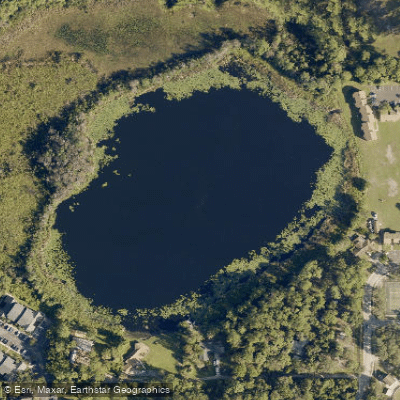
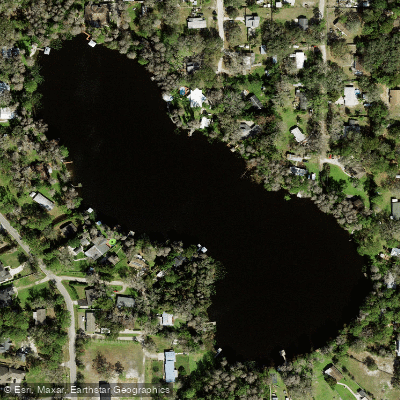
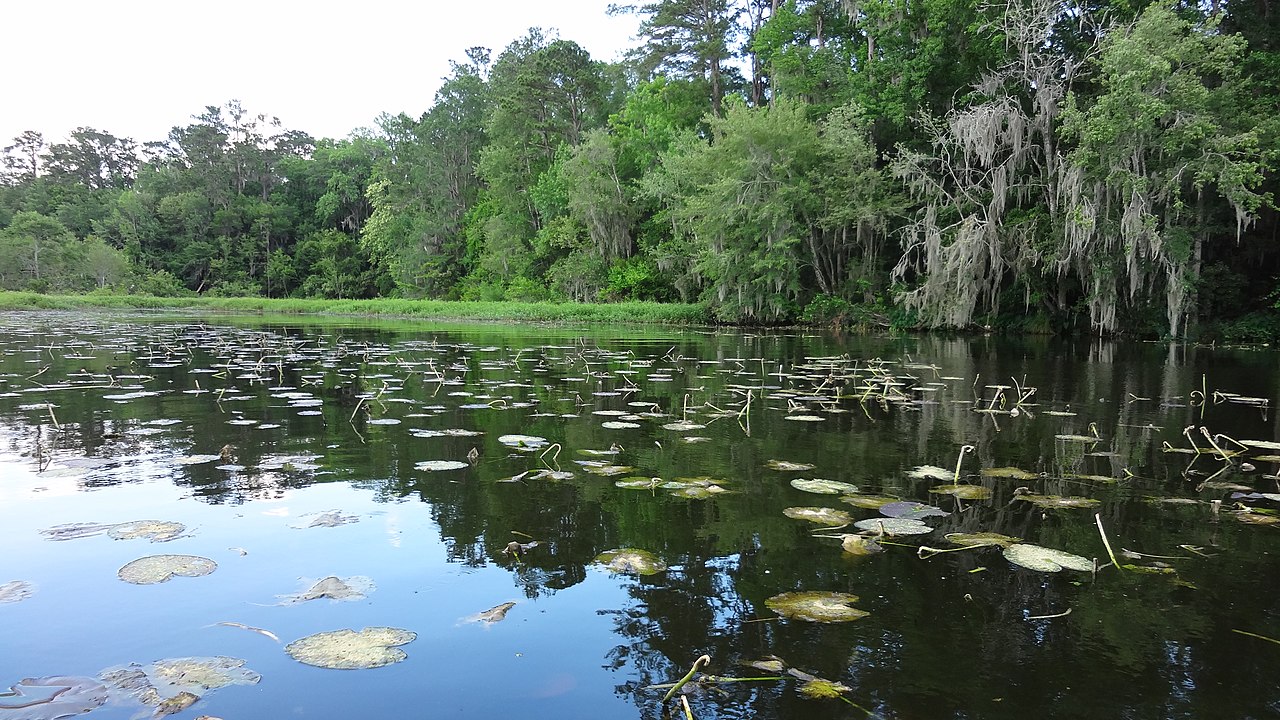
Species & education
Learn what type of fish are in Florida and what's needed to catch them.

Find which waters have the species you want to catch

Largemouth Bass
Micropterus salmoides floridanus

Rainbow Trout
Oncorhynchus mykiss

Black Crappie
Pomoxis nigromaculatus
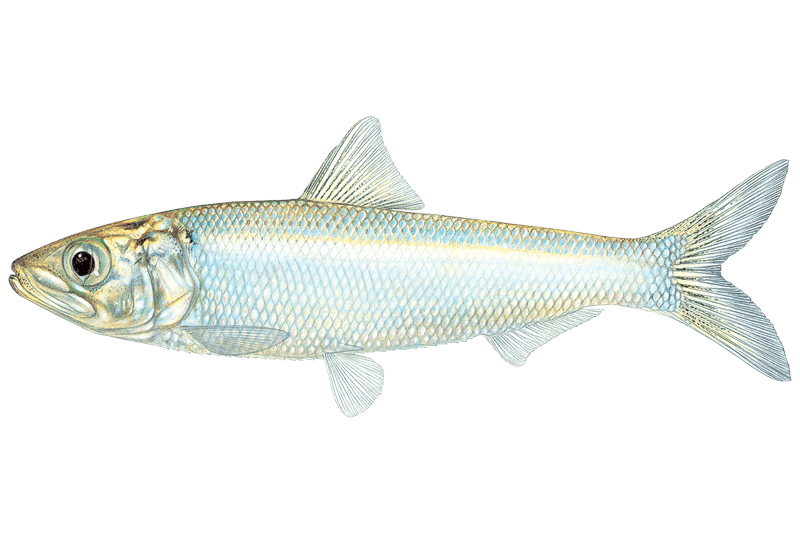
Alabama Shad
Alosa alabamae
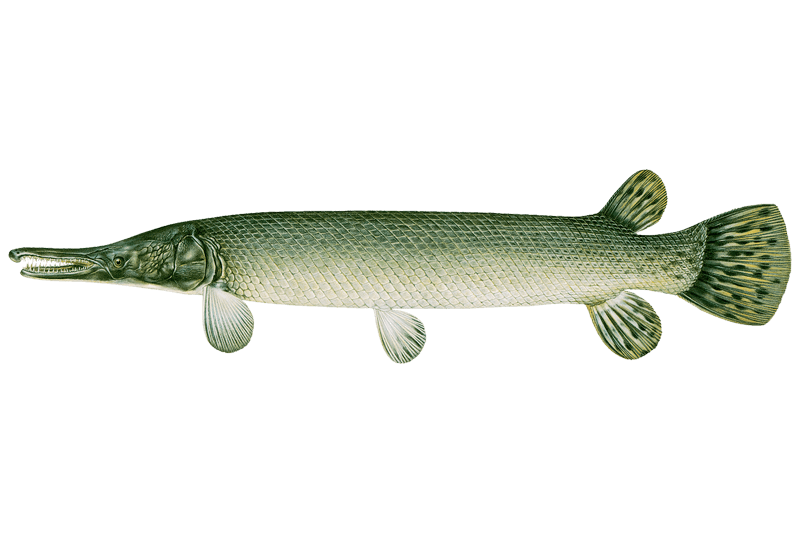
Alligator Gar
Atractosteus spatula

American Eel
Anguilla rostrata

American Shad
Alosa sapidissima

Atlantic Croaker
Micropogonias undulatus

Atlantic Spadefish
Chaetodipterus faber

Atlantic Sturgeon
Acipenser oxyrinchus oxyrinchus

Bighead Carp
Hypophthalmichthys nobilis

Black Buffalo
Ictiobus niger

Black Bullhead
Ameiurus melas

Black Drum
Pogonias cromis

Blacktip Shark
Carcharhinus limbatus

Blue Catfish
Ictalurus furcatus

Bluefish
Pomatomus saltatrix

Blue Runner
Caranx crysos

Blue Tilapia
Oreochromis aureus

Bowfin
Amia calva

Brown Bullhead
Ameiurus nebulosus

Bull Shark
Carcharhinus leucas

Chain Pickerel
Esox niger

Channel Catfish
Ictalurus punctatus

Common Carp
Cyprinus carpio

Common Snook
Centropomus undecimalis

Crevalle Jack
Caranx hippos

Flathead Catfish
Pylodictis olivaris

Flier
Centrarchus macropterus

Gafftopsail Catfish
Bagre marinus

Gizzard Shad
Dorosoma cepedianum

Grass Carp
Ctenopharyngodon idella

Great Barracuda
Sphyraena barracuda

Green Sunfish
Lepomis cyanellus

Hickory Shad
Alosa mediocris

Ladyfish
Elops saurus

Lane Snapper
Lutjanus synagris

Longear Sunfish
Lepomis megalotis

Longnose Gar
Lepisosteus osseus

Mangrove Snapper
Lutjanus griseus
Fishing guides in Florida
Book a trip with a local fishing guide through Guidesly.

Pete Moum
Sea Dwellers Dive Center
5.0 (107 reviews)
Key Largo Scuba Diving And Snorkeling Experts
Book on Guidesly, opens in new tab
Mike Goldberg
Key Dives
5.0 (85 reviews)
Your Premier Islamorada Dive Center
Book on Guidesly, opens in new tab
Ethan Hamrick
Wish Upon A Fish Charters
5.0 (62 reviews)
Inshore & Nearshore Fishing In Clearwater Florida
Book on Guidesly, opens in new tab
John Shanley
Jurassic Park Fishing Charters
5.0 (55 reviews)
Get crazy for fishing in FL with an expert!
Book on Guidesly, opens in new tab
Dean Shuler
Pura Vida Divers
5.0 (50 reviews)
Your Family Dive Center In Palm Beach Florida
Book on Guidesly, opens in new tab
Jake & Ron Lewis
Jake's Shoreline Peacock Bass Fishing
5.0 (46 reviews)
Shoreline Freshwater Fishing in Fort Lauderdale FL
Book on Guidesly, opens in new tab
Fish smarter with real-time insights
Whether you're en route and conditions shift or you're looking for the best spot based on current flows, we enable you to make informed decisions on the fly.







Florida licenses and regulations

Florida Boating Regulations
When using any type of watercraft to access a body of water, it is important to follow all federal, state, and local rules and regulations. These rules and regulations include boat permitting and licensing, invasive species inspections and stamps, life jacket and PFD rules, motor size and horsepower restrictions, noise limitations, restrictions on personal watercraft, and many more. Visit the web link below for the most current rules and regulations for this body of water.

Florida Fishing License
Youth under the age of 16 do not need a fishing license, although they must abide by all other fishing regulations such as gear type, bag and size limits. They may, however, be asked to provide proof of age.

Florida Fishing Regulations
This river has a variety of species and regulations, including potential floating and/or watercraft restrictions. Because this river is specially managed for species, seasons, angling methods, and watercraft, it is strongly encouraged you check all federal, state, and local regulations before fishing. Visit any of the links below, inquire locally, or contact a local fly shop to learn current regulations and restrictions.

Florida Stream Access Laws
Florida access law holds pretty close to the federal definition of navigability, but some state cases suggest that it’s a bit more lenient, and recognizes recreation as a determinant of what’s navigable. The public may use navigable waters up to the high water mark so long as they access through public lands. There are, however, some exceptions where submerged land was either granted into private control before statehood, or sold by the state into private hands.
Explore Florida waters
Smarter Fishing Starts in the App.
onWater Fish gives you everything you need to plan smarter, fish better, and own every trip from first cast to last.