Fishing in Everglades National Park
- National Park
- Open 24 hours
- Lakes
- 32
- Rivers
- 59
- Access
- 0
- Boat Ramps
- 13
- Shops
- 1
- Species
- 15
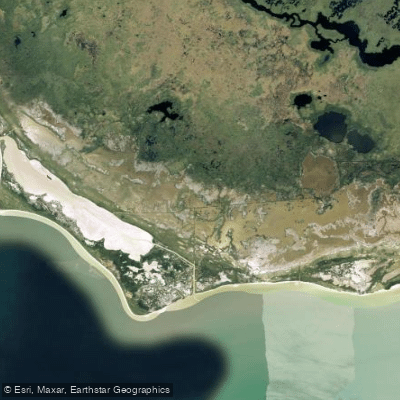
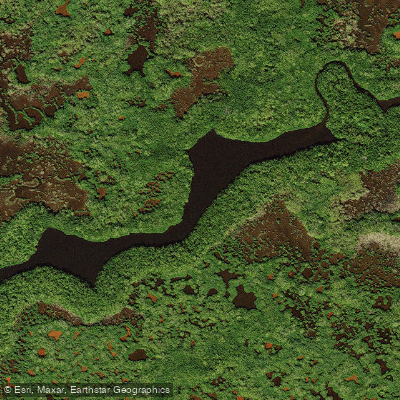
Everglades National Park covers roughly 1. 5 million acres at the southern tip of Florida, and about a third of it is saltwater. The rest is freshwater wetland — sawgrass prairie, sloughs, and mangrove-fringed backcountry.
That split means the fishing inside the park spans two entirely different worlds, and the rules, licenses, and target species change depending on which side of the salinity gradient you're on.
A Florida freshwater license covers the lakes, sloughs, and borrow pits along the Main Park Road. Pine Glades Lake, about 9 miles from the entrance, is the easiest freshwater access — a dirt road pull-off with room to park.
Sisal Pond at 15 miles and Ficus Pond at 17 miles are similar borrow pits. Further in, Nine Mile Pond at 27 miles and West Lake at 31 miles are brackish, sitting between the two worlds. The Flamingo Camping Area at 40 miles puts you at saltwater.
Note that several areas are closed entirely: the Ernest F. Coe Visitor Center lakes, the Royal Palm area, Chekika Lake, the first 3 miles of the Main Park Road including Taylor Slough, and the Shark Valley Tram Road are all off-limits to fishing.
Eco Pond, Mrazek Pond, and Coot Bay Pond are closed on the saltwater side, and the Flamingo Marina is closed to fishing during daylight hours.
The saltwater backcountry — mangrove creeks, open Florida Bay flats, and the river mouths running from East Cape to the Shark River — is where most anglers focus. Snook, redfish, and tarpon are the primary targets.
Fall and winter bring baitfish pushes that concentrate snook and redfish along the coast. Summer tarpon fishing runs strong through September, and early morning sight fishing on skinny flats is at its best in the warmer months.
The river mouths in that East Cape to Shark River stretch also hold grouper and speckled trout. Getting deep into the backcountry takes time — the mainland mangrove country is a 20-plus mile run from the Florida Bay side.
Florida Bay itself, with its open flats and channels, is reachable on a half-day, but the classic mangrove fishing requires a full day. A Florida saltwater license is required for saltwater species.
Beyond the state license, a park pass is required to enter, and as of August 2019, an Everglades Boater Education Certificate is required to operate a vessel within the park — it's a free course, but rangers and FWC officers will ask for proof.
Live or dead fish, amphibians, and non-preserved roe are prohibited as bait in freshwater. Taking lobster or queen conch anywhere in the park is prohibited.
Check current regulations with the park before you go — the closed areas and species rules here are specific enough that a quick review before launching is worth the few minutes it takes.
The park is big enough that even on busy weekends, the backcountry thins out fast. Bring a NOAA chart — the Ten Thousand Islands side especially will disorient anyone running it for the first time.
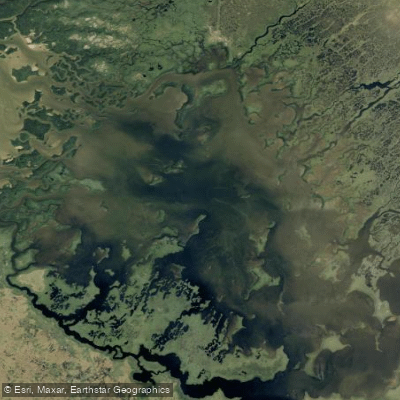
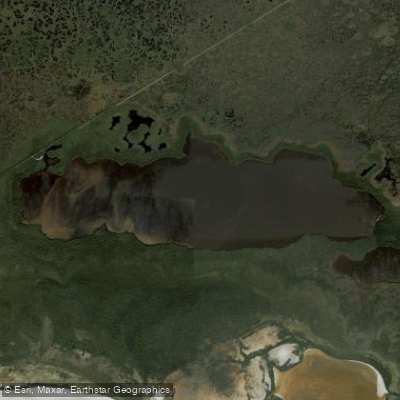
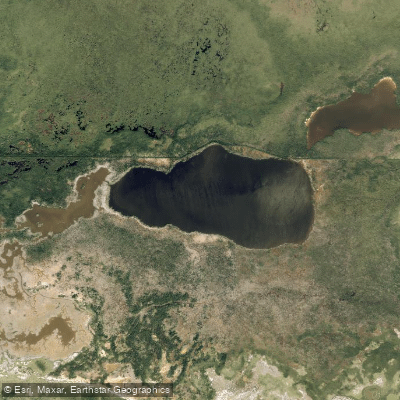
Species & education
Learn what type of fish are in Everglades National Park and what's needed to catch them.
Find which waters have the species you want to catch

African Pompano
Alectis ciliaris

Almaco Jack
Seriola rivoliana

Atlantic Bonito
Sarda sarda

Atlantic Sharpnose Shark
Rhizoprionodon terraenovae

Atlantic Spadefish
Chaetodipterus faber

Black Drum
Pogonias cromis

Blackfin Tuna
Thunnus atlanticus

Black Grouper
Mycteroperca bonaci

Black Sea Bass
Centropristis striata

Blacktip Shark
Carcharhinus limbatus

Bluefish
Pomatomus saltatrix

Blue Marlin
Makaira nigricans

Blue Runner
Caranx crysos

Bonefish
Albula vulpes

Bonnethead
Sphyrna tiburo
Water and weather conditions (10 day forecast)
See the best times to fish Everglades National Park and check the forecast before you go.
No forecast data available.
Park alerts & road status
Closures and conditions Everglades National Park has posted, from the National Park Service.
Checking the park's alerts…
Hours & fees
When Everglades National Park is open and what it costs to get in, from the National Park Service.
Hours
Open 24 hoursEverglades National Park is open 7 days a week, 24 hours a day. Park entrance is always open but staffed from 8:00 a.m. to 4:30 p.m.
Entrance fees
- Entrance - Private Vehicle$35
- Admits the passholder and passengers of a single vehicle or vessel. Good for 7 consecutive days at all park entrances.
- Entrance - Motorcycle$30
- Valid for 7 days. Admits up to 2 private, non-commercial motorcycles with up to 4 total passengers.
- Entrance - Per Person$20
- Good for 7 consecutive days at all park entrances. Admits one individual hiker, bicyclist, pedestrian, or human-powered paddlecraft, when not arriving in a vehicle or vessel. Individuals 15 years old and younger, are admitted free of charge.
- Entrance - Education/Academic GroupsFree
- All accredited educational and scientific institutions are eligible to receive free entrance to the park. Bringing your classroom to the park can present many unique learning opportunities and novel ways for your students to advance their studies. The Federal Lands Recreation Enhancement Act (FLREA), Public Law 108-447, provides the National Park Service statutory authority to allow “outings conducted for non-commercial educational purposes by schools or bona fide academic institutions.”
- Commercial Entrance - Motor Coach$300
- A commercial tour is defined as persons traveling on an itinerary that has been packaged, priced or sold for leisure recreational purposes by an organization that realizes financial gain through the provisions of the service. Entrance fees are charges based on the seating capacity of the vehicle. Commercial entry good for 7 days as long as its the same passenger group.
Parking & getting around
Where to leave the car in Everglades National Park. Lots fill early on busy days, so plan where you will park before you head for the water.
Shark Valley Parking Lot
Getting around
Directions to Ernest Coe Visitor Center 40001 State Road 9336, Homestead, FL 33034 Visitors coming from the Miami area and points north should take the Florida Turnpike (Route 821) south until it ends merging with U.S. 1 at Florida City. Turn right at the first traffic light onto Palm Drive (State Road 9336/SW 344th St.) and follow the signs to the park. Visitors driving north from the Florida Keys should turn left on Palm Drive in Florida City and follow the signs to the park.
Directions on nps.govFishing guides near Everglades National Park
Book a trip with a local fishing guide through Guidesly.


Pete Moum
Sea Dwellers Dive Center
5.0 (107 reviews)
Key Largo Scuba Diving And Snorkeling Experts
Book on Guidesly, opens in new tab
Mike Goldberg
Key Dives
5.0 (77 reviews)
Your Premier Islamorada Dive Center
Book on Guidesly, opens in new tab
Johnny Maddox
Johnny Maddox Charters Papa 31
5.0 (45 reviews)
Experience Marathon Fishing Charters, Book Today!
Book on Guidesly, opens in new tab
Jake & Ron Lewis
Jake's Shoreline Peacock Bass Fishing
5.0 (41 reviews)
Shoreline Freshwater Fishing in Fort Lauderdale FL
Book on Guidesly, opens in new tab
Sean Adler
Dreamaker Fishing Charters
5.0 (30 reviews)
Seize the Thrills, Naples Charter Fishing Beckons!
Book on Guidesly, opens in new tab
Alek Fig
Bear Cut Bandit Charters
4.9 (23 reviews)
Set Off On An Adventure with Bear Cut Bandit
Book on Guidesly, opens in new tab
Fish smarter with real-time insights
Whether you're en route and conditions shift or you're looking for the best spot based on current flows, we enable you to make informed decisions on the fly.




Fishing near Everglades National Park
Loading...
Gateway towns
Where to base yourself for fishing in Everglades National Park.
Closest town to the main Ernest F. Coe entrance, with hotels, outfitters, and supplies for the park's most-visited side.
Sits just outside the main park entrance with a solid spread of lodging and services for visitors heading to Ernest F. Coe.
Gateway to the Gulf Coast entrance, with airboat tours, fishing guides, and lodging for the Ten Thousand Islands area.
Everglades National Park fishing rules
The park's own rules, on top of Florida licenses and regulations. Limits, fees and closures change, so check the park's page before you go.
Florida Fishing License Required
You need a Florida freshwater license to fish freshwater areas or possess freshwater species, and a separate saltwater license for saltwater areas. If you fish at or north of Nine Mile Pond, a freshwater license applies. South of Nine Mile Pond, a saltwater license is required.
Bait Restrictions Apply
Live or dead fish, amphibians, and non-preserved fish eggs are prohibited as bait in freshwater areas. Digging for bait anywhere inside the park is not allowed. Check the park's fishing page for the current list of permitted saltwater baits.
Several Areas Closed to Fishing
Freshwater closures include the Ernest F. Coe Visitor Center lakes, Royal Palm area, Chekika Lake, the first 3 miles of Main Park Road, and Shark Valley Tram Road. Saltwater closures include Eco, Mrazek, and Coot Bay Ponds at all times, and Flamingo Marina during daylight hours.
Lobster and Queen Conch Off-Limits
Taking or possessing lobster and queen conch is prohibited throughout the park. This applies regardless of state season status.
Watch Out for Manatees
Posted areas mark zones frequented by manatees. If you spot one, slow to idle speed immediately. Do not approach or disturb them.
Explore Everglades National Park
Top fishing waters
Popular Cities
Loading popular cities...

Smarter Fishing Starts in the App.
onWater Fish gives you everything you need to plan smarter, fish better, and own every trip from first cast to last.