Fishing in Canaveral National Seashore
- National Seashore
- Lakes
- 0
- Rivers
- 3
- Access
- 0
- Boat Ramps
- 16
- Shops
- 0
- Species
- 15
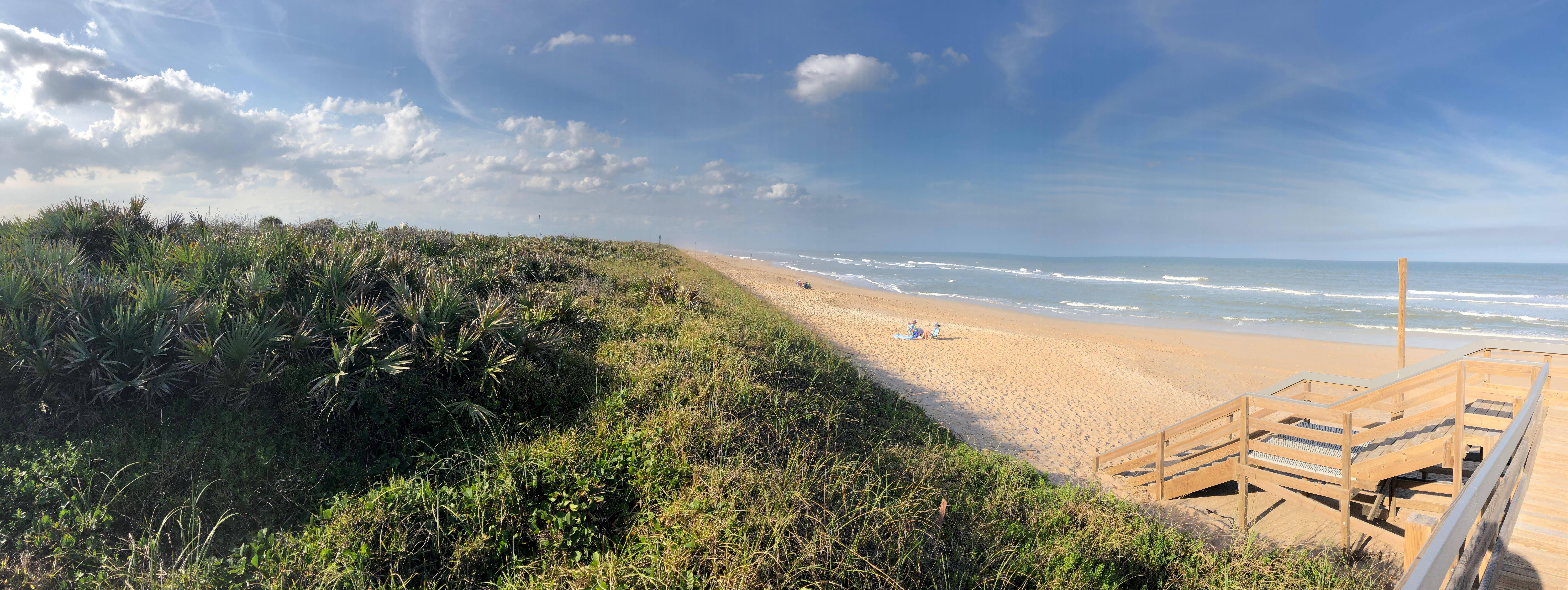
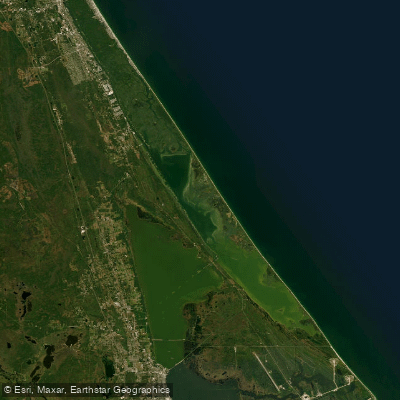
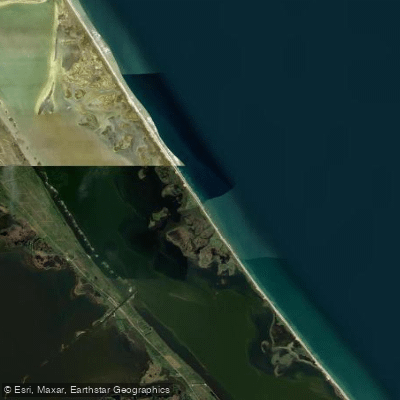
Canaveral National Seashore sits midway along Florida's Atlantic coast, protecting 24 continuous miles of undeveloped barrier island beach alongside the western-facing waters of Mosquito Lagoon.
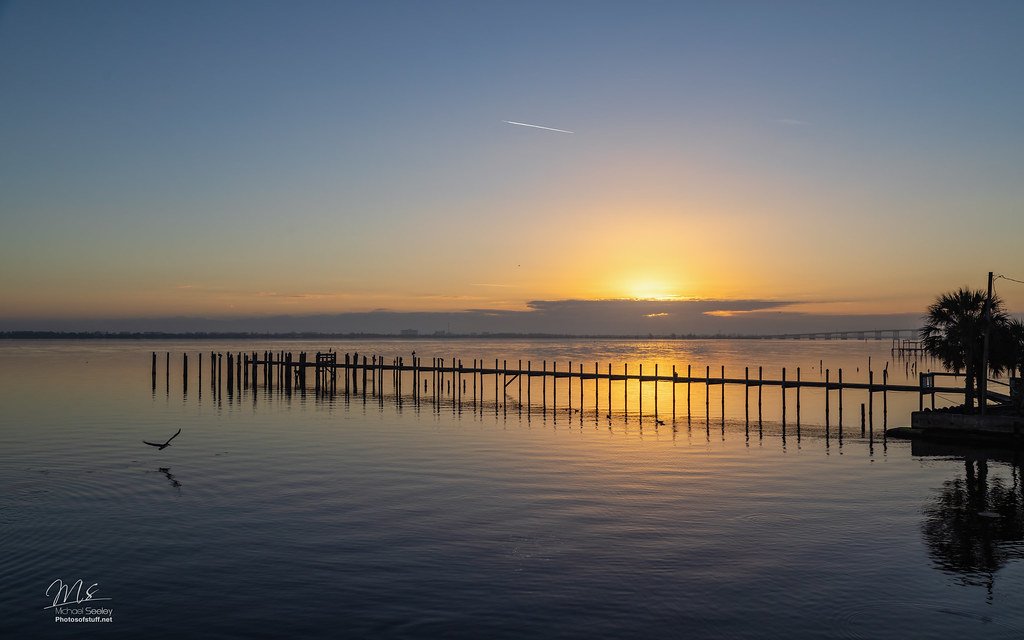
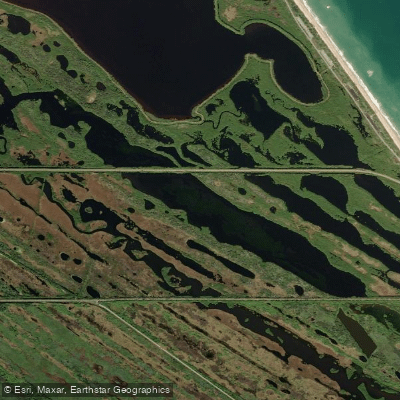
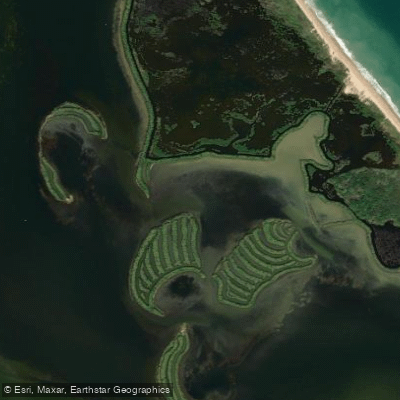
The park spans two distinct environments: open Atlantic surf to the east and a shallow, brackish estuary to the west. Those two environments fish very differently, and understanding which one you're targeting shapes everything about how you plan a trip here.
Mosquito Lagoon is the fishery that draws the most serious attention.
It is the only known estuary where red drum and weakfish complete their entire life cycles, and one of only two known locations where red drum, weakfish, spotted sea trout, black drum, and silver perch all spawn.
The lagoon's high salinity appears to benefit red drum in particular, and it has earned a national reputation among fly anglers chasing them on the flats. Snook and sheepshead round out the inshore targets.
Trout and reds tend to fish well through the winter months. The lagoon holds more than 700 fish species within the broader Indian River Lagoon system, backed by miles of mangrove forest, salt marsh, and seagrass.
The Atlantic beach is accessible from parking areas along both the Apollo Beach entrance off A1A near New Smyrna Beach and the Playalinda Beach entrance near Titusville. Surf anglers work the beach for pompano, black drum, redfish, and whiting.
Spanish and king mackerel are targeted offshore. The middle stretch of the park — Klondike Beach, roughly 10 miles of coastline between the two entrance roads — is reachable only on foot or by boat, which keeps pressure lower. A few rules matter before you go.
A valid Florida fishing license is required; children under 16 are exempt. Crabbing in Mosquito Lagoon within the Playalinda Beach unit is no longer permitted due to alligator presence.
The beaches and adjacent emergent and submerged lands are closed at night — no shore fishing after dark. Night fishing from a boat is permitted on Mosquito Lagoon.
Check current regulations with the Florida Fish and Wildlife Conservation Commission before your trip, as rules can change.
Flats boats have pushed increasingly into shallow seagrass areas of Mosquito Lagoon in recent years, and the park has noted concern about disturbance to spawning and nursery habitat.
The fishery here is genuinely productive, and keeping it that way depends on how people use it.
Species & education
Learn what type of fish are in Canaveral National Seashore and what's needed to catch them.
Find which waters have the species you want to catch

Almaco Jack
Seriola rivoliana

Atlantic Croaker
Micropogonias undulatus

Atlantic Sharpnose Shark
Rhizoprionodon terraenovae

Atlantic Spadefish
Chaetodipterus faber

Bigeye Tuna
Thunnus obesus

Black Drum
Pogonias cromis

Black Grouper
Mycteroperca bonaci

Black Sea Bass
Centropristis striata

Bluefish
Pomatomus saltatrix

Blue Runner
Caranx crysos

Bonefish
Albula vulpes

Bonnethead
Sphyrna tiburo

Bull Shark
Carcharhinus leucas

Cero
Scomberomorus regalis

Cobia
Rachycentron canadum
Water and weather conditions (10 day forecast)
See the best times to fish Canaveral National Seashore and check the forecast before you go.
No forecast data available.
Park alerts & road status
Closures and conditions Canaveral National Seashore has posted, from the National Park Service.
Checking the park's alerts…
Hours & fees
When Canaveral National Seashore is open and what it costs to get in, from the National Park Service.
Hours
Canaveral National Seashore is open 7 days a week. Visitor hours are 6:00 am to 6:00 pm. Last entry into the seashore is at 5:00 pm.
Entrance fees
- Entrance - Private Vehicle$25
- Admits the passholder and passengers of a single vehicle. Good for 7 consecutive days at all park entrances.
- Entrance - Motorcycle$20
- Valid for 7 days. Admits up to 2 private, non-commercial motorcycles with up to 4 total passengers.
- Entrance - Per Person$15
- Good for 7 consecutive days at all park entrances. Admits one individual hiker, bicyclist, or pedestrian.
- Commercial Entrance - Sedan$25
- Admits Commercial Vehicle entrance with 1–6-person capacity
- Commercial Entrance - Van$40
- Admits Commercial Vehicle entrance with 7–15-person capacity
Parking & getting around
Where to leave the car in Canaveral National Seashore. Lots fill early on busy days, so plan where you will park before you head for the water.
Apollo Beach Lot 1
Apollo Beach lot 1 is located closest to the entrance of the Apollo Beach.
Eddy Creek Parking Lot
There are 9 boat trailer parking spaces and 1 ADA boat trailer parking space. 29 other parking spaces are also present. A pavilion, restrooms, fishing dock and a police call box can be found here as well.
Playalinda Beach Parking Lot 1
A beach access boardwalk, restrooms and a police call box are present.
Playalinda Beach Parking Lot 10
Playalinda Beach Parking Lot 11
Playalinda Beach Parking Lot 12
Playalinda Beach Parking Lot 13
A beach access boardwalk, restrooms, and a police call box are present.
Playalinda Beach Parking Lot 2
Playalinda Beach Parking Lot 3
Accessibility: Restrooms and a beach access boardwalk are present.
Playalinda Beach Parking Lot 4
This is a beach access parking area. It has restrooms and a boardwalk.
Accessibility: ADA designated spaces are located closest to the entrance of the beach boardwalks.
Getting around
Canaveral National Seashore is located along Florida's East coast in both Volusia & Brevard counties. To access Apollo Beach - take I-95 to exit 249, then go east until it turns into A1A. Follow A1A south to the park entrance. To access Playalinda Beach - take I-95 to exit 220. Go east through Titusville on Garden Street, continue east and follow the signs.
Directions on nps.govFishing guides near Canaveral National Seashore
Book a trip with a local fishing guide through Guidesly.


Richard Ladrew
Zookeeper Charters
5.0 (34 reviews)
Private inshore trips at Sebastian Inlet
Book on Guidesly, opens in new tab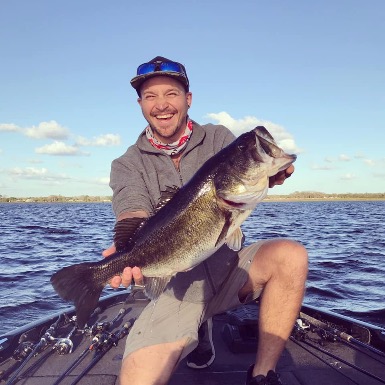
David Pechacek
David Paycheck Fishing Guide Service
5.0 (33 reviews)
FL Bass Fishing with David “Paycheck” Pechacek
Book on Guidesly, opens in new tab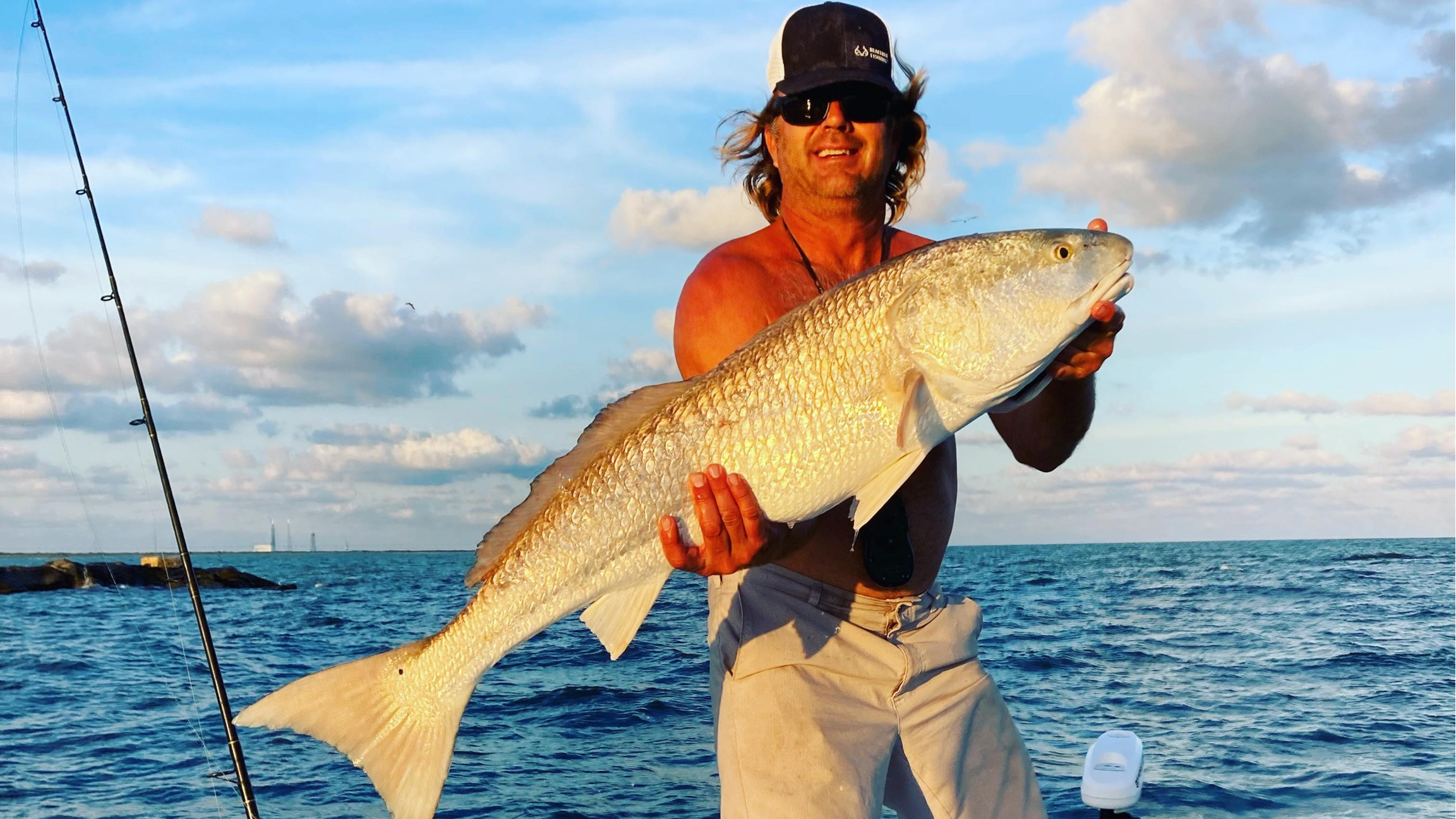
John Walters
Port Fishing Charters
4.9 (27 reviews)
Top Fishing Charters In Port Canaveral Florida
Book on Guidesly, opens in new tab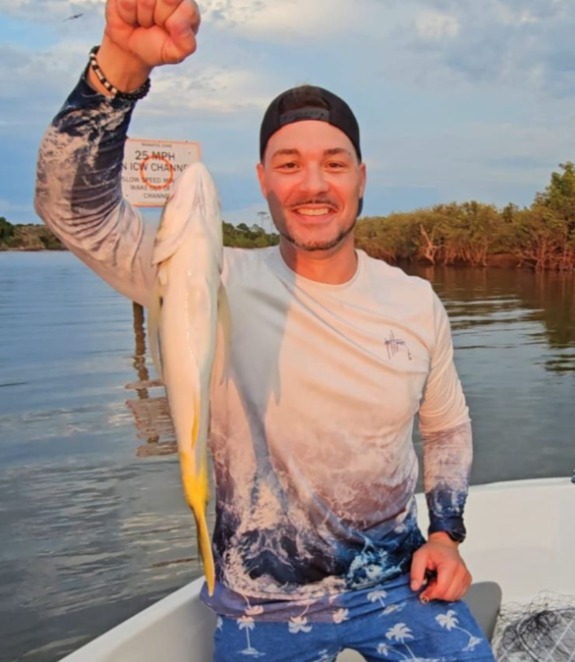
Christian Ortiz
Jus Chillin Charters
5.0 (21 reviews)
Unforgettable Fishing Adventures in Daytona Beach!
Book on Guidesly, opens in new tab
Michael Atwill
All Points Guide Service
5.0 (12 reviews)
Book Your Hooked Adventure in Cape Canaveral, FL!
Book on Guidesly, opens in new tab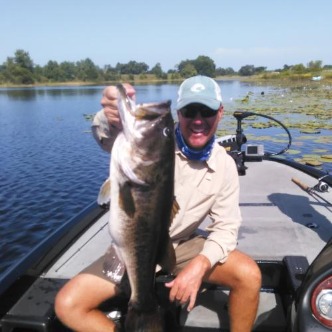
Justin Makin
Makin Big Bass Memories
4.9 (12 reviews)
Windermere, FL premier & world class bass fishing!
Book on Guidesly, opens in new tab
Fish smarter with real-time insights
Whether you're en route and conditions shift or you're looking for the best spot based on current flows, we enable you to make informed decisions on the fly.




Fishing near Canaveral National Seashore
Loading...
Gateway towns
Where to base yourself for fishing in Canaveral National Seashore.
Gateway to the north (Apollo) entrance, with lodging, dining, and beach outfitters closest to that end of the seashore.
Closest town to the south (Playalinda) entrance, with lodging and services for visitors approaching from that side.
Canaveral National Seashore fishing rules
The park's own rules, on top of Florida licenses and regulations. Limits, fees and closures change, so check the park's page before you go.
Florida Fishing License Required
You need a valid Florida fishing license to fish in the park. Children under 16 are exempt. Check current requirements and get your license at GoOutdoorsFlorida.com or by calling 888-FISH-FLORIDA.
Personal Watercraft Prohibited
PWC and JetSkis are banned on all waters under the legislative jurisdiction of Canaveral National Seashore. This is a federal prohibition, not just a park preference.
Airboats Not Allowed
Launching or operating an airboat anywhere in the park is prohibited. Leave the airboat at home and plan to access fishing spots by other means.

Commercial Harvesting Needs a Permit
Anyone commercially harvesting clams, crabs, fish, oysters, shrimp, or bait fish within park boundaries must hold a park-issued permit. This permit cannot be used for commercial guide services.
Follow Florida State Fishing Regulations
All fishing in the park follows Florida state rules for bag limits, size limits, and seasons. Check the Florida Fish and Wildlife Conservation Commission for current details before you fish.
Explore Canaveral National Seashore
Top fishing waters
Popular Cities
Loading popular cities...

Smarter Fishing Starts in the App.
onWater Fish gives you everything you need to plan smarter, fish better, and own every trip from first cast to last.