Fishing in Utah
- Lakes
- 1,637
- Rivers
- 2,846
- Access
- 465
- Boat Ramps
- 243
- Shops
- 75
Utah doesn't fit one fishing stereotype. It's a tailwater state and a big-reservoir state, a native cutthroat state and a warmwater state, all at once, and the scene bends around that range.
Most of the marquee water sits above 6,000 feet, most of it is open year-round, and the Division of Wildlife Resources manages it aggressively — limits get rewritten, slots get tightened, and anglers are often asked to help with the harvest.
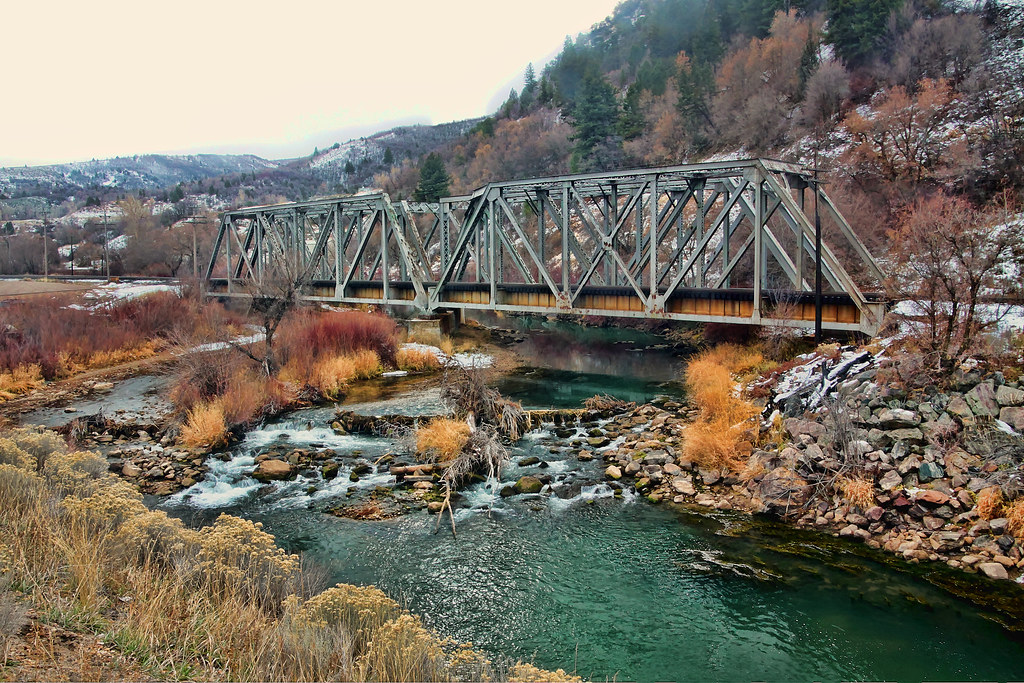
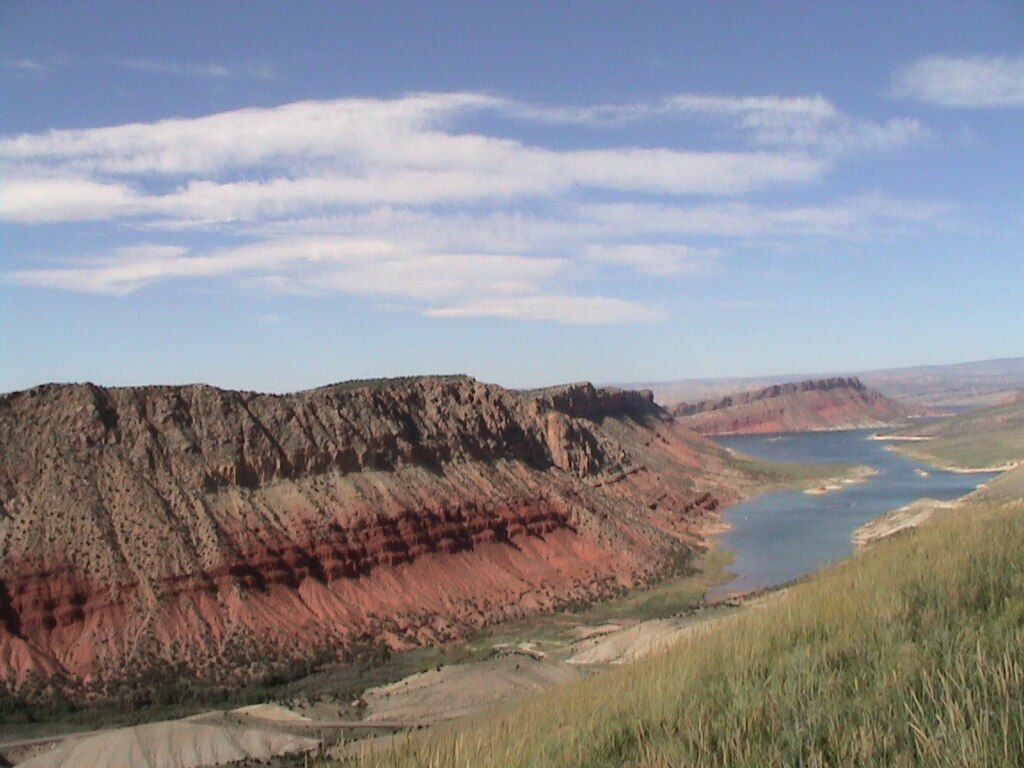
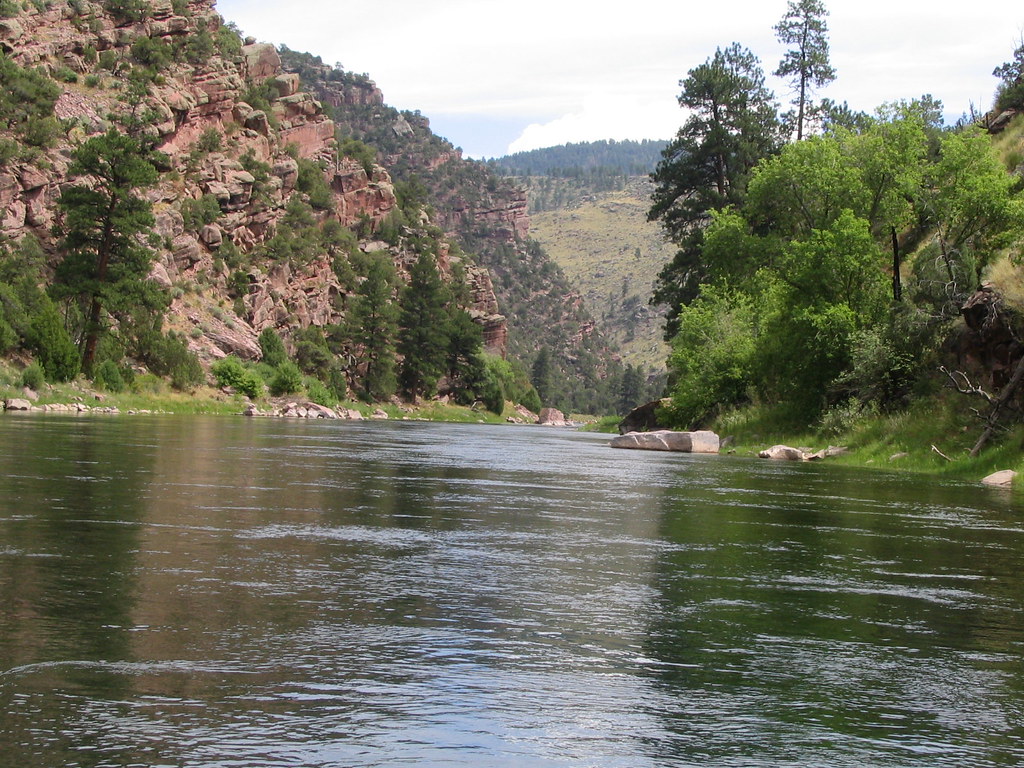
The Green River below Flaming Gorge Dam is the showpiece — a red-rock canyon tailwater restricted to flies and lures, with rainbows and cutthroat dominating near the dam and browns taking over downstream.
The reservoir itself straddles the Wyoming line and runs in the opposite direction: keep every small lake trout you want, because biologists are trying to rebuild kokanee and pull the big mackinaw back into trophy shape.
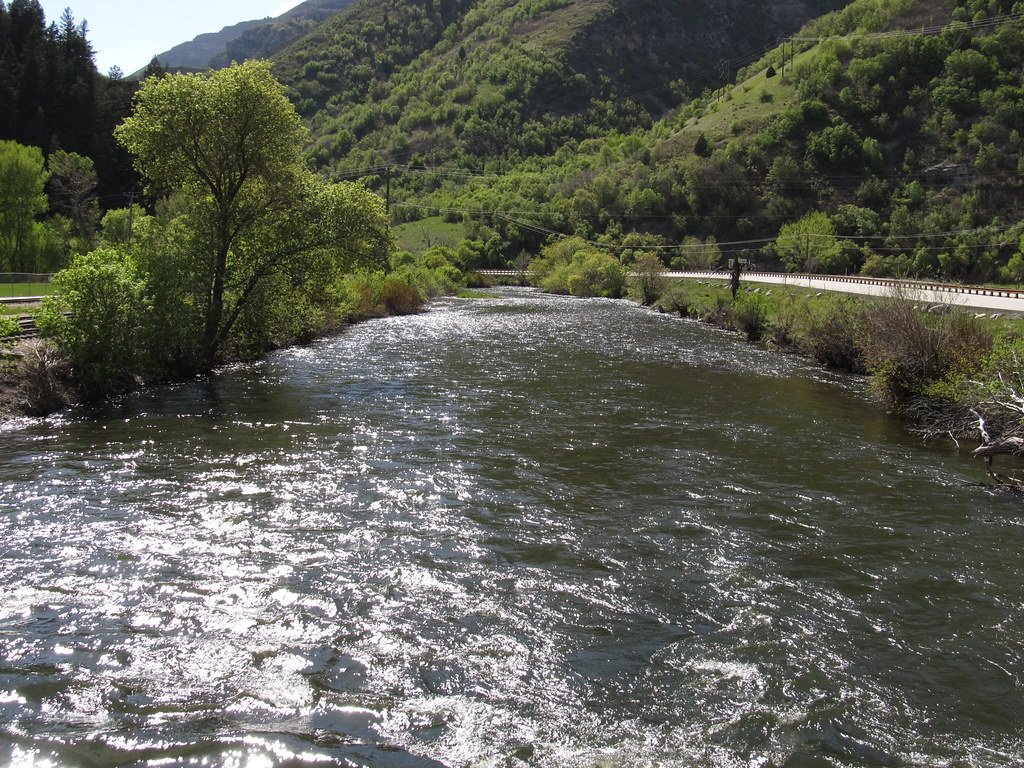
Closer to the Wasatch Front, the Provo is the everyday water — a self-sustaining brown trout fishery running through Heber Valley and Provo Canyon, with midges in March, Green Drakes from May into July, and heavy guide traffic on the sections below Jordanelle and Deer Creek.
Strawberry — "the Berry" to anyone who fishes it — is the float-tube and boat scene, best in the window between ice-off and mid-May when the cutthroat and rainbows push to the banks.
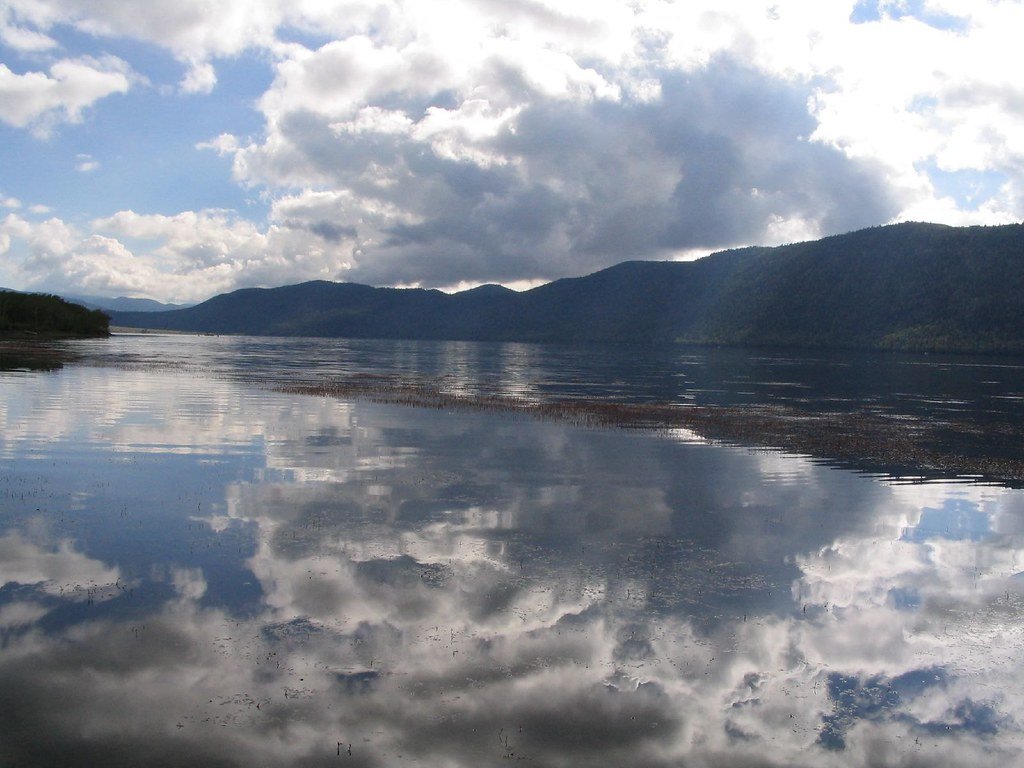
And Bear Lake on the Idaho line holds its own strangeness: four fish species found nowhere else on earth, and a Utah or Idaho license works on either shore.
The cultural thread tying it together is the Utah Cutthroat Slam, a $20 challenge run by DWR and Trout Unlimited that asks you to catch-and-release all four native subspecies in their home drainages.
It sends people into small water they'd otherwise never find, and the registration money funds habitat work on the same streams.
The other thread is January on Bear Lake, when the Bonneville Cisco spawn along the rocky east shore and people show up with dipnets — an old regional ritual that looks nothing like trout fishing and is unmistakably Utah.
Species & education
Learn what type of fish are in Utah and what's needed to catch them.

Find which waters have the species you want to catch

Largemouth Bass
Micropterus salmoides

Smallmouth Bass
Micropterus dolomieu

Rainbow Trout

Brown Trout
Salmo trutta

Brook Trout
Salvelinus fontinalis

Cutthroat Trout

Northern Pike

Walleye
Sander vitreus

Black Crappie
Pomoxis nigromaculatus
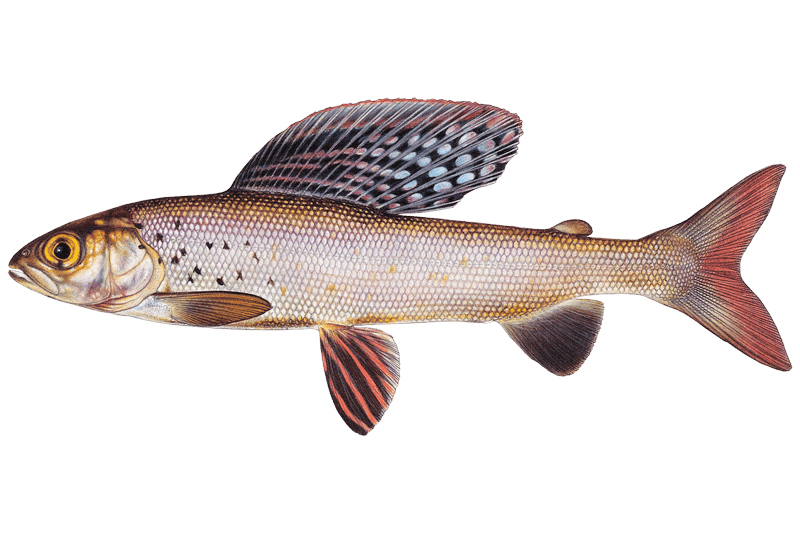
Arctic Grayling
Thymallus arcticus

Black Bullhead
Ameiurus melas

Brown Bullhead
Ameiurus nebulosus

Burbot
Lota lota

Channel Catfish
Ictalurus punctatus

Common Carp
Cyprinus carpio

Creek Chub
Semotilus atromaculatus

Gizzard Shad
Dorosoma cepedianum

Golden Trout
Oncorhynchus mykiss aguabonita

Grass Carp
Ctenopharyngodon idella

Green Sunfish
Lepomis cyanellus
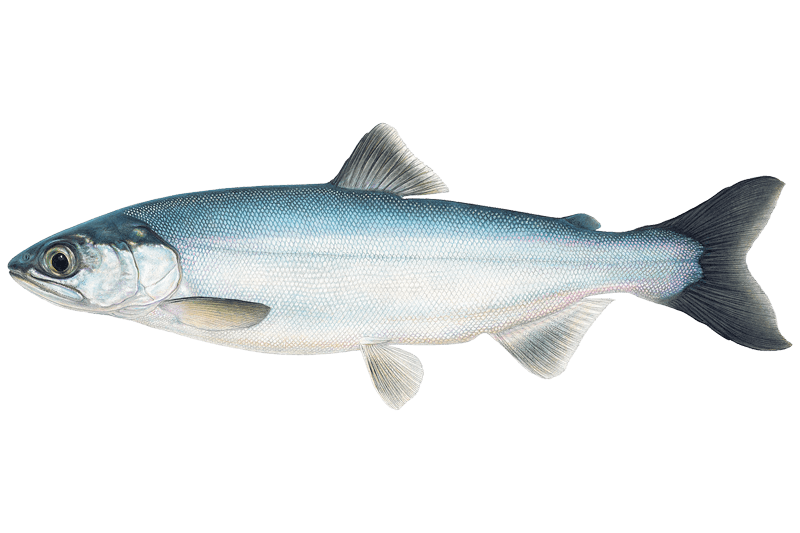
Kokanee Salmon
Oncorhynchus nerka

Lake Trout
Salvelinus namaycush

Longnose Sucker
Catostomus catostomus
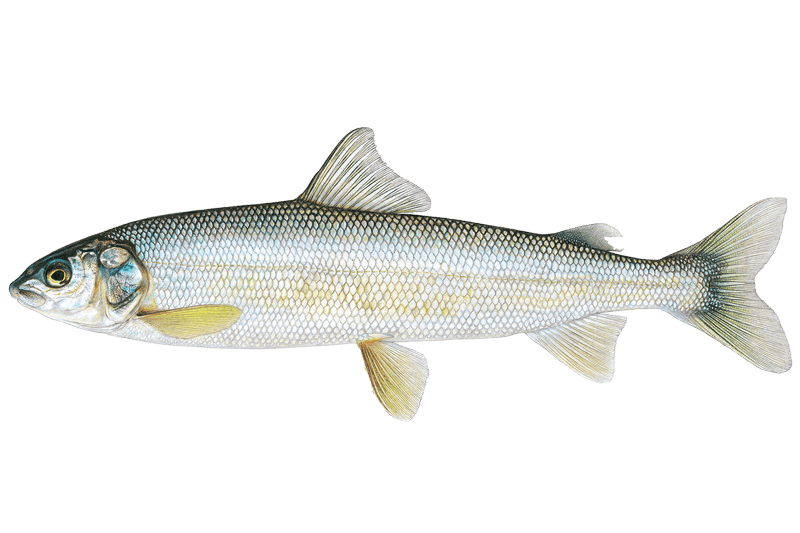
Mountain Whitefish
Prosopium williamsoni

Sockeye Salmon
Oncorhynchus nerka
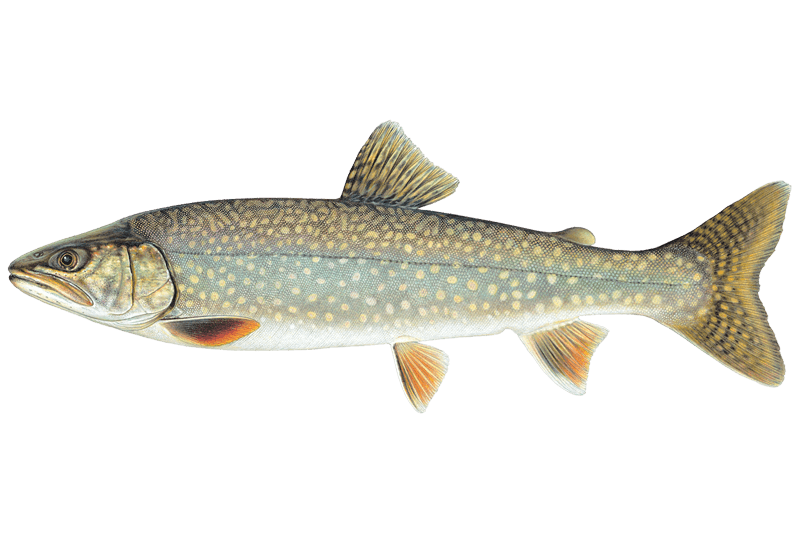
Splake
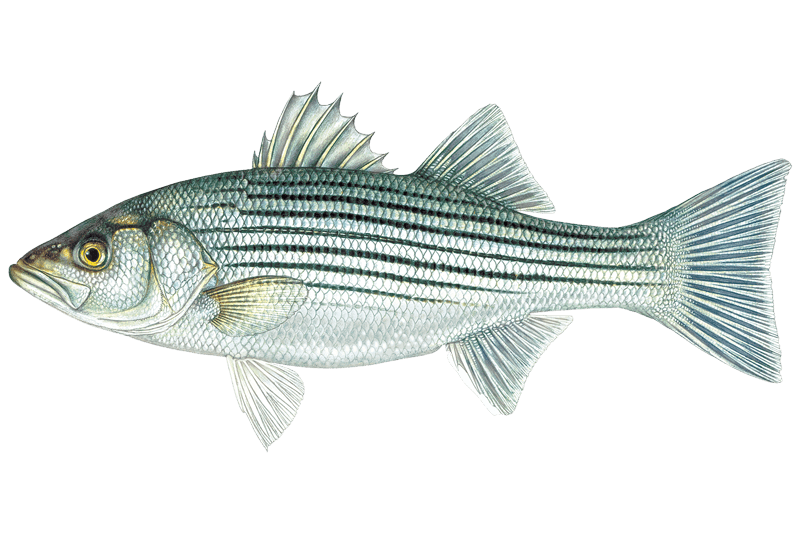
Striped Bass
Morone saxatilis
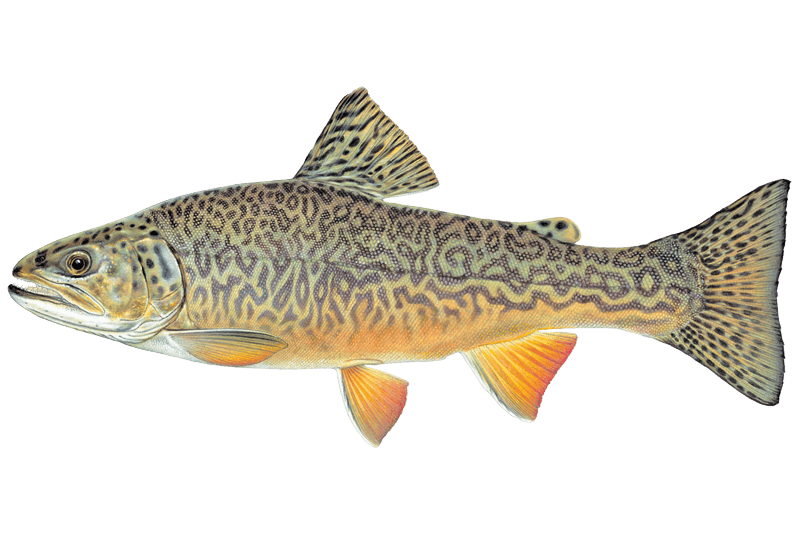
Tiger Trout
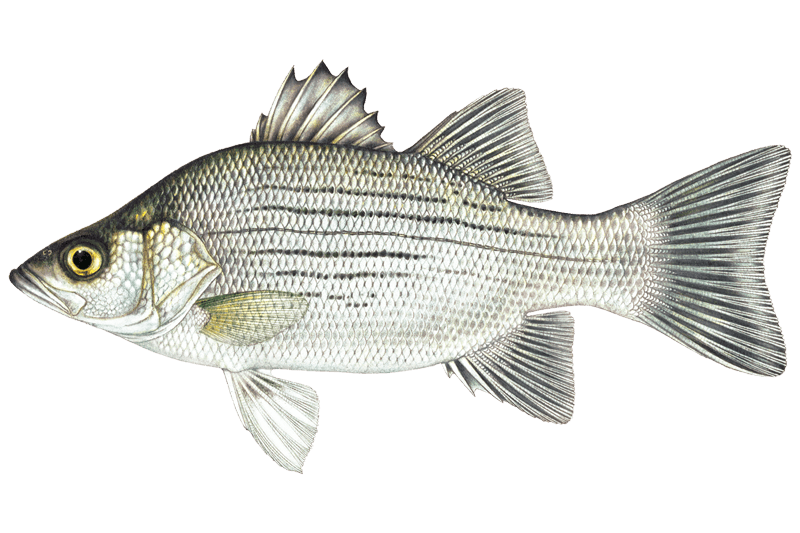
White Bass
Morone chrysops
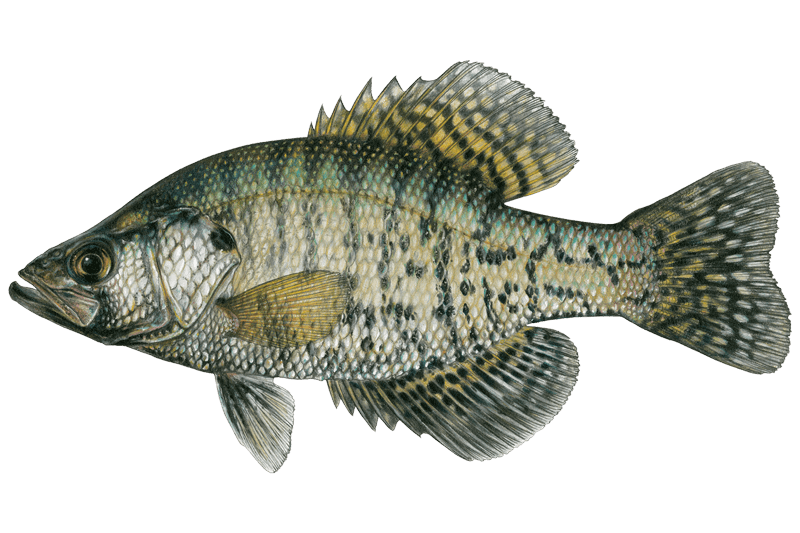
White Crappie
Pomoxis annularis
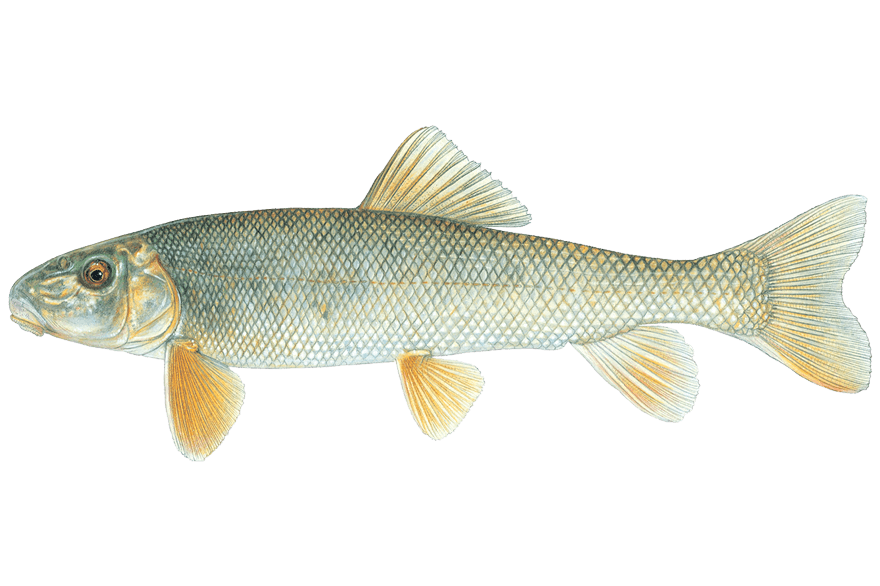
White Sucker
Catostomus commersonii
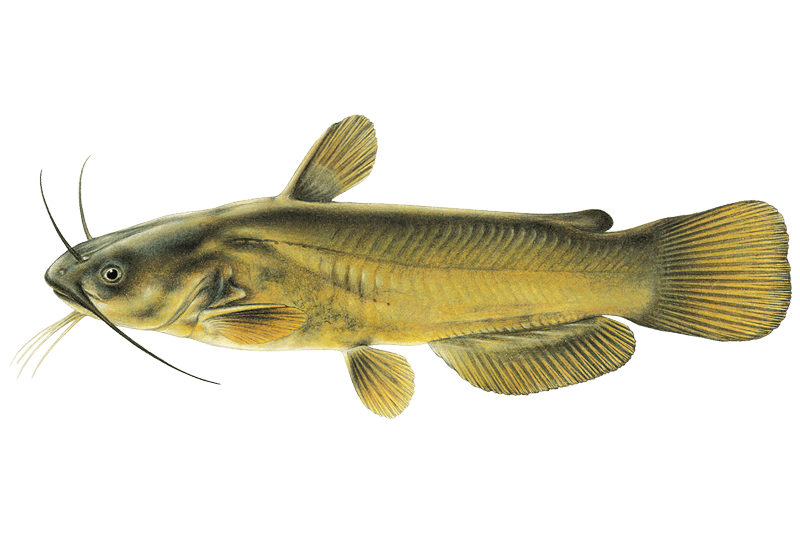
Yellow Bullhead
Ameiurus natalis
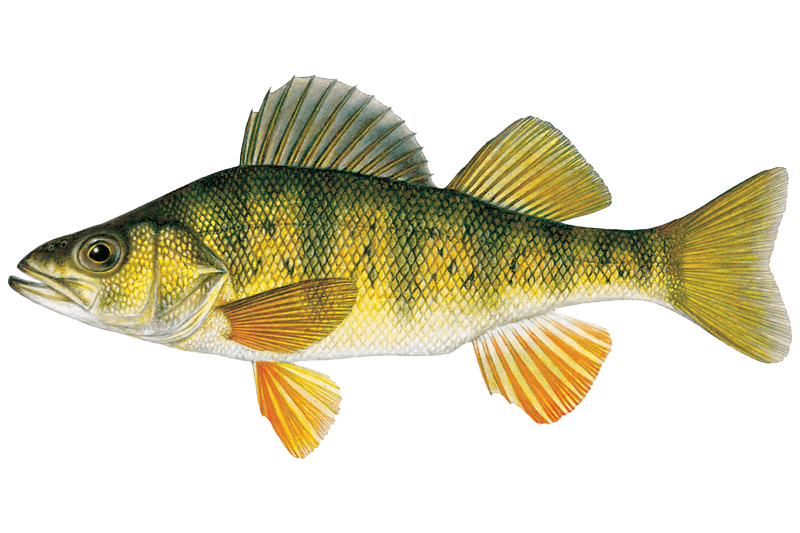
Yellow Perch
Perca flavescens
Fishing guides in Utah
Book a trip with a local fishing guide through Guidesly.

Anthony Poole
Bald Mountain Fly Guides
5.0 (3 reviews)
Kamas UT Fishing, Reel in Adventure Today!
Book on Guidesly, opens in new tab
Clay Culhane
The Fly Ty Guides
Fly Fish Utah With A Pro
Book on Guidesly, opens in new tab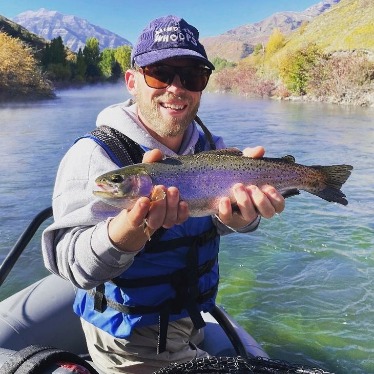
Quinn Schumacher
TailWalkers Adventure Co.
Get hooked on Trout & Bass with a skilled guide!
Book on Guidesly, opens in new tab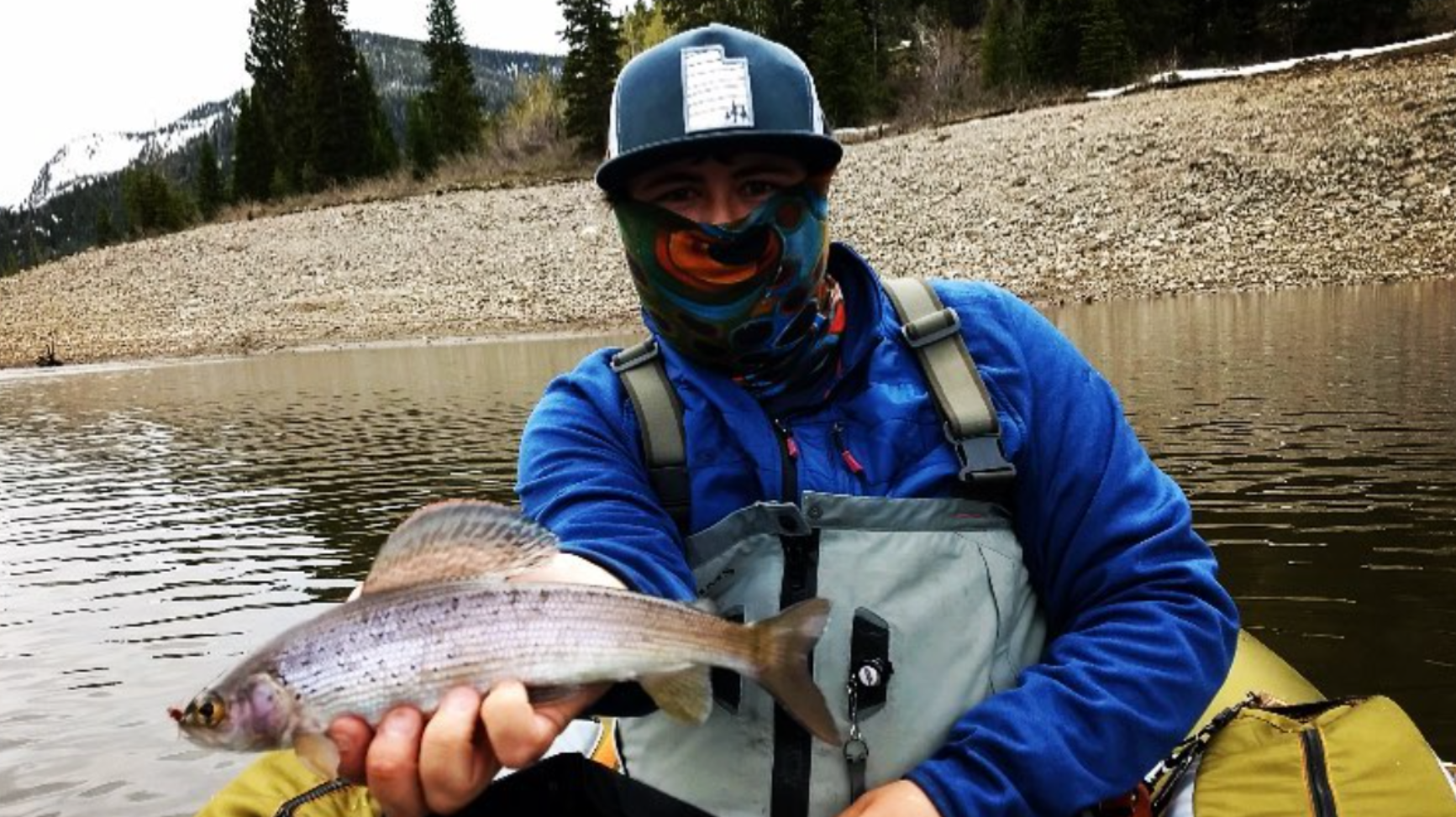
Nick Crim
The Fly Ty Guy Guide
About Guide Nick Crim
Book on Guidesly, opens in new tab
Jeff Harwin
Park City Fly Fishing Company
Expert-guided Utah fly fishing adventures
Book on Guidesly, opens in new tab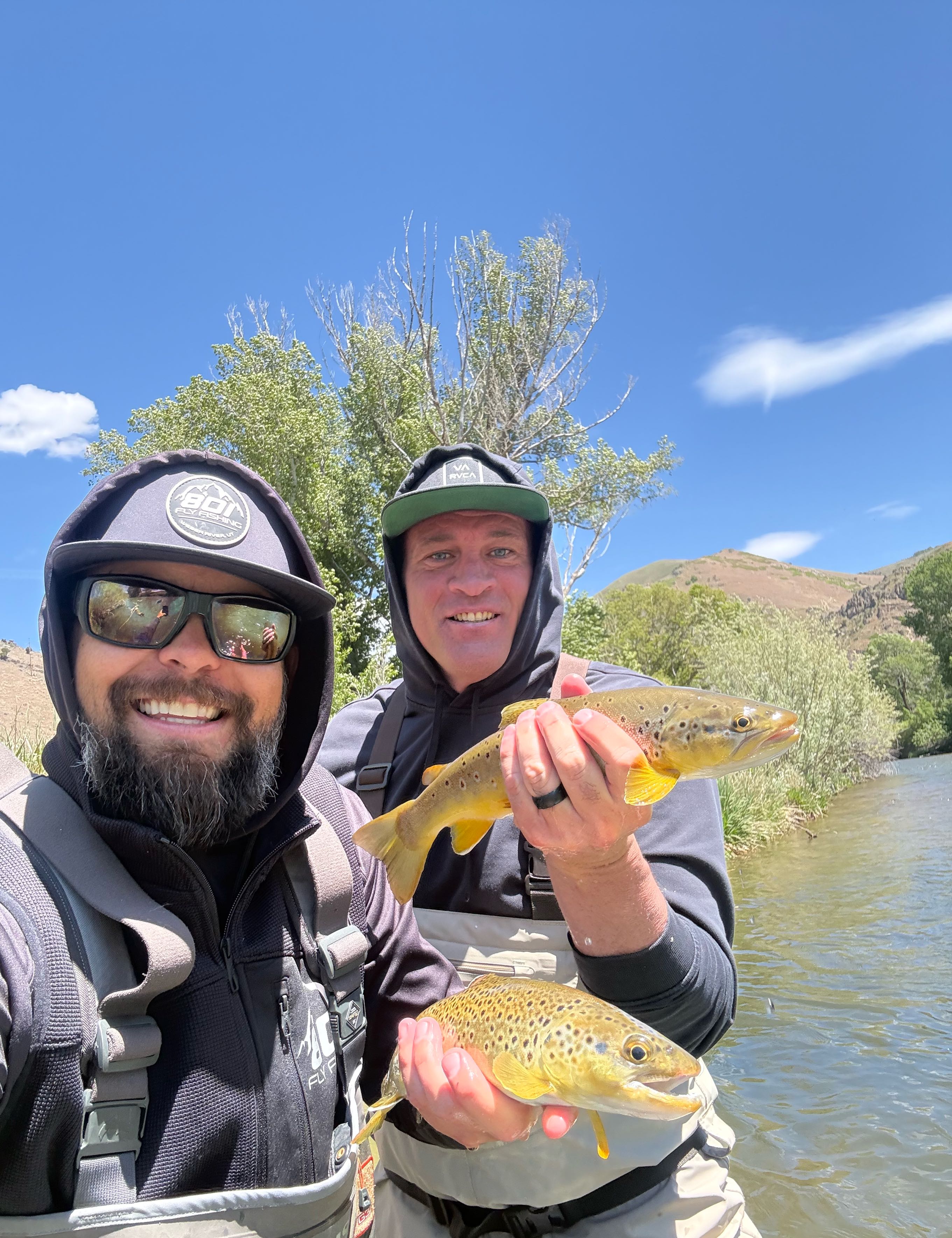
Derick Roskelley
801 Fly Fishing
Weber River Adventure Awaits with 801 Fly Fishing!
Book on Guidesly, opens in new tab
Fish smarter with real-time insights
Whether you're en route and conditions shift or you're looking for the best spot based on current flows, we enable you to make informed decisions on the fly.







Utah licenses and regulations

Utah Boating Regulations
When using any type of watercraft to access a body of water, it is important to follow all federal, state, and local rules and regulations. These rules and regulations include boat permitting and licensing, invasive species inspections and stamps, life jacket and PFD rules, motor size and horsepower restrictions, noise limitations, restrictions on personal watercraft, and many more. Visit the web link below for the most current rules and regulations for this body of water.

Utah Fishing License
If you’re 12 years of age or older, you must purchase a fishing license or a combination license to fish in Utah.

Utah Fishing Regulations
This river has a variety of species and regulations, including potential floating and/or watercraft restrictions. Because this river is specially managed for species, seasons, angling methods, and watercraft, it is strongly encouraged you check all federal, state, and local regulations before fishing. Visit any of the links below, inquire locally, or contact a local fly shop to learn current regulations and restrictions.

Utah Stream Access Laws
The law does not allow recreational water users (including anglers, kayakers, tubers, hunters and others) to walk on the private bed of a public waterbody. This means that if you are fishing or recreating in public water that flows over private property closed to trespass, you may not walk on the land beneath the water without obtaining landowner permission.
Smarter Fishing Starts in the App.
onWater Fish gives you everything you need to plan smarter, fish better, and own every trip from first cast to last.