Fishing in South Holland
- Lakes
- 254
- Rivers
- 489
- Access
- 369
- Boat Ramps
- 9
- Shops
- 17
South Holland is the most densely waterways province in the Netherlands, a low-lying delta landscape where the Rhine and Maas systems fan out into a web of rivers, canals, tidal inlets, and former sea arms before reaching the North Sea.
The province runs from the outskirts of Utrecht down to the Zeeland border, and almost everywhere you go, there's water within walking distance — though the character of that water shifts considerably as you move from the urban west toward the quieter agricultural east.
The big rivers are the backbone of the scene. The Nieuwe Maas cuts through Rotterdam and carries the full tidal pulse of the Maas system, while the Oude Maas to the south runs slower and deeper.
Both hold pike, zander, perch, and bream, and the tidal movement keeps fish active through much of the year.
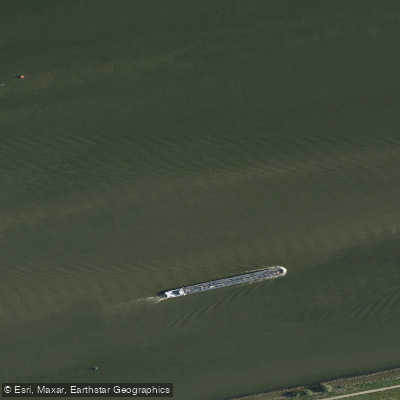
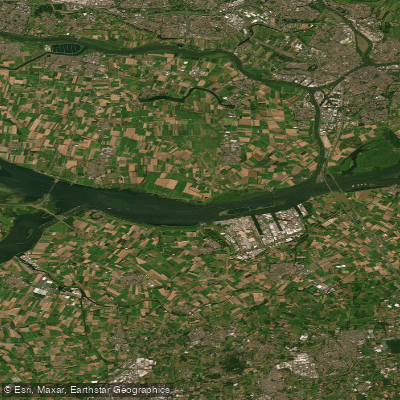
The Hollandsch Diep, where the Maas and Rhine effectively merge before the delta opens up, is one of the wider stretches in the province — a serious piece of water that fishes differently from the enclosed canals and poldersloten most Dutch anglers grew up on.
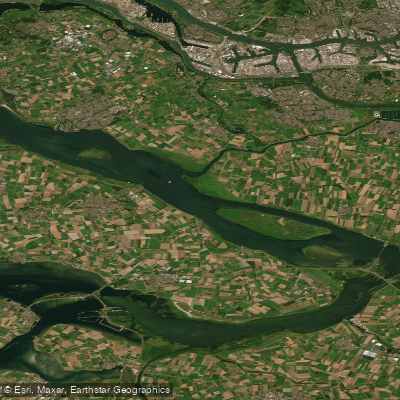
To the southwest, the Grevelingenmeer and the Haringvliet represent a different kind of fishing altogether.
The Haringvliet was closed off from the sea in 1971 by the Haringvlietdam, and the brackish transition zone it created has produced some notable pike and zander fishing over the decades.
The Grevelingenmeer, a former tidal inlet now largely cut off from the sea, is one of the cleaner and clearer bodies of water in the province — visibility that makes it unusual in this part of the Netherlands.
Further inland, the Oude Rijn and the Linge wind through the polder landscape at a pace that suits float fishing and light ledger work.
The Spui connects the tidal network in the south, and the Rijn-Schiekanaal links the Rhine corridor to the urban waterways around Schiedam and Delft.
These canals and smaller rivers tend to fish well for bream and roach through spring and into early summer, with predator fishing picking up as water temperatures drop in autumn.
Fishing in South Holland requires a VISpas, the national licence issued through Sportvisserij Nederland, which covers the vast majority of public waters in the province.
Some club waters and specific stretches require additional permits — worth checking before you set up on an unfamiliar bank.
The density of population here means access points are generally well-established, but it also means popular spots on the Nieuwe Maas or around the Hollandsch Diep can get busy on weekends. This is not wilderness fishing.
It's urban and peri-urban water, managed and fished hard, with a long tradition of club angling behind it.
But the fish are there, the infrastructure is solid, and on a quiet morning on the Linge or a tidal push on the Oude Maas, it's easy to see why anglers keep coming back.
Top waters to fish near South Holland
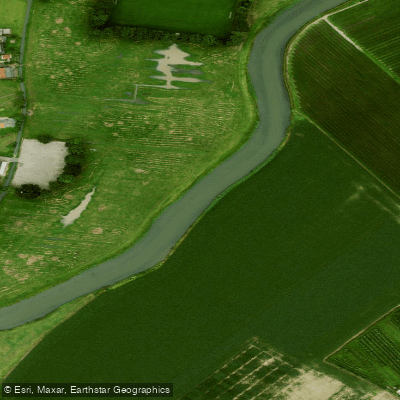
Linge
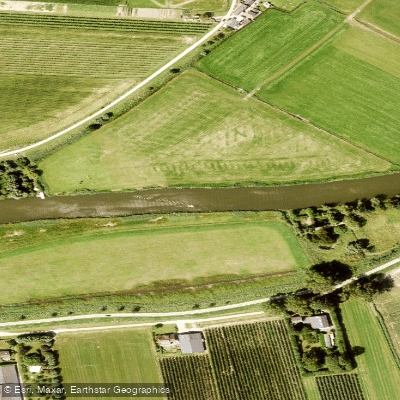
Linge
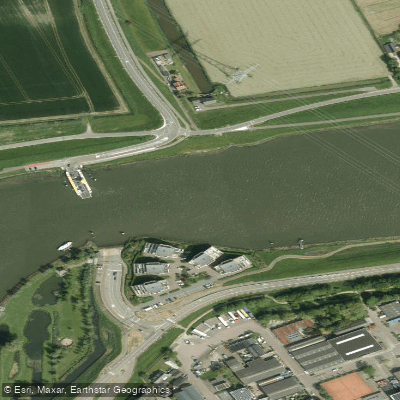
Spui
Oude Maas
Hollandsch Diep
Amstel
Hollandsch Diep
Haringvliet
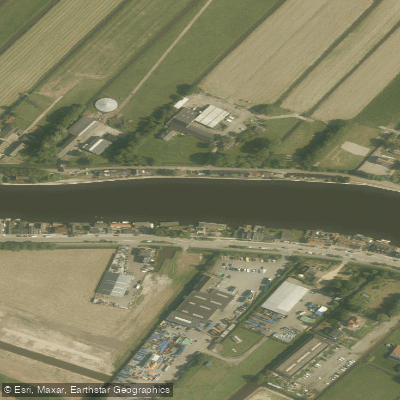
Oude Rijn
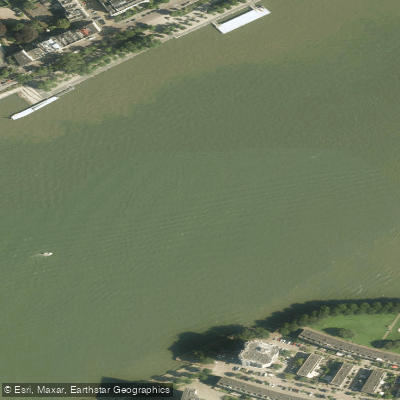
Nieuwe Maas
Species & education
Learn what type of fish are in South Holland and what's needed to catch them.
Find which waters have the species you want to catch

Rainbow Trout
Oncorhynchus mykiss

Brown Trout
Salmo trutta

Northern Pike
Esox lucius

Allis Shad
Alosa alosa

Atlantic Cod
Gadus morhua

Atlantic Herring
Clupea harengus

Atlantic Horse Mackerel
Trachurus trachurus

Atlantic Mackerel
Scomber scombrus

Atlantic Salmon
Salmo salar

Barbel
Barbus barbus

Black Bullhead
Ameiurus melas

Black Seabream
Spondyliosoma cantharus

Bleak
Alburnus alburnus

Blue Bream
Ballerus ballerus

Brill
Scophthalmus rhombus

Brown Bullhead
Ameiurus nebulosus

Burbot
Lota lota

Coalfish
Pollachius virens

Common Bream
Abramis brama

Common Carp
Cyprinus carpio

Common Dace
Leuciscus leuciscus

Common Gudgeon
Gobio gobio

Common Roach
Rutilus rutilus

Common Sole
Solea solea

Common Sturgeon
Acipenser sturio

Crucian Carp
Carassius carassius

Dab
Limanda limanda

Eurasian Asp
Leuciscus aspius

Eurasian Pikeperch
Sander lucioperca

European Anchovy
Engraulis encrasicolus

European Eel
Anguilla anguilla

European Flounder
Platichthys flesus

European Perch
Perca fluviatilis

European Plaice
Pleuronectes platessa

European Seabass
Dicentrarchus labrax

European Smelt
Osmerus eperlanus

Garfish
Belone belone

Ide
Leuciscus idus

Lemon Sole
Microstomus kitt

Lesser Spotted Dogfish
Scyliorhinus canicula
Fish smarter with real-time insights
Whether you're en route and conditions shift or you're looking for the best spot based on current flows, we enable you to make informed decisions on the fly.




South Holland licenses and regulations
Explore South Holland waters
Top fishing waters
Popular Cities
Loading popular cities...
Smarter Fishing Starts in the App.
onWater Fish gives you everything you need to plan smarter, fish better, and own every trip from first cast to last.