Fishing in Glenveagh National Park
- National Park
- Lakes
- 50
- Rivers
- 55
- Access
- 0
- Boat Ramps
- 0
- Shops
- 0
- Species
- 5
Glenveagh National Park covers more than 16,000 hectares of north Donegal, taking in the Derryveagh Mountains, the Poisoned Glen, and the long glacial valley that holds its central lake.
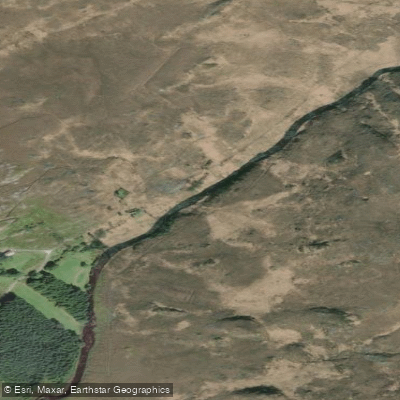
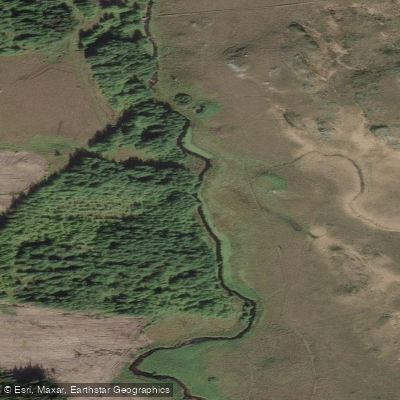
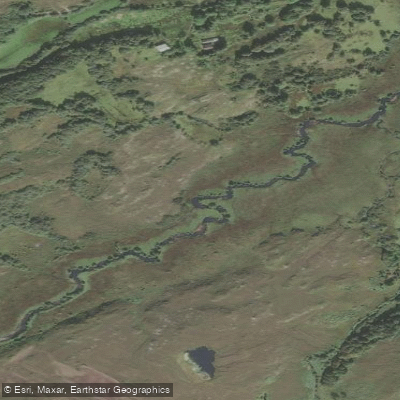
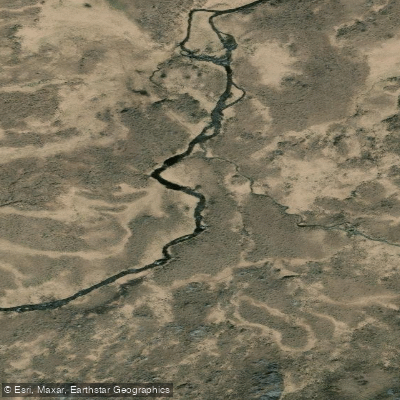
The water here is upland and peaty — spate-dependent rivers draining steep ground, and deep ribbon loughs carved by ice. The fishing sits within a wider system, the Lackagh Fishery, which extends partly inside and partly outside the park boundary.
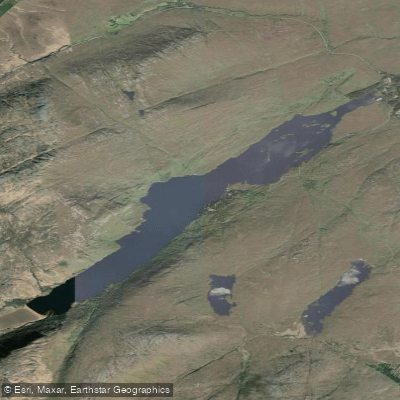
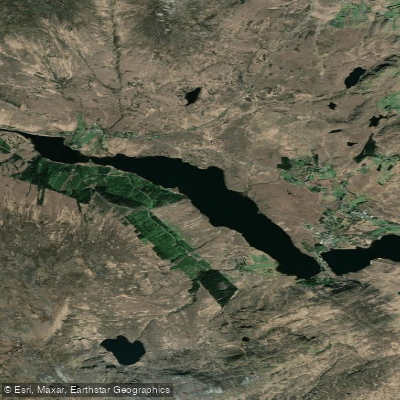
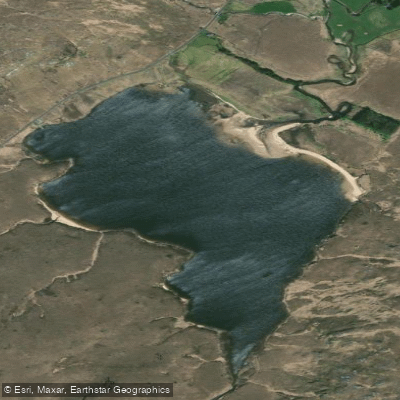
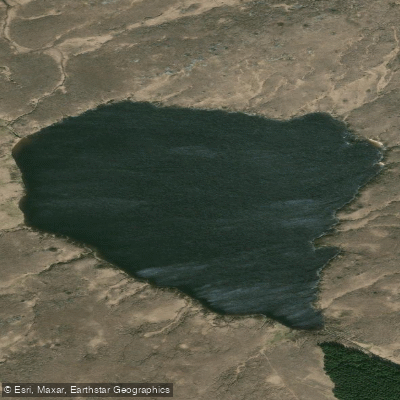
Lough Beagh — known locally as Glenveagh Lake — is the water that defines fishing inside the park. It runs roughly 6.
5 kilometres along the valley floor, reaching depths of around 46 metres, and holds sea trout, salmon, brown trout, and a resident population of Arctic char.
The brown trout run small most seasons, typically half a pound to a pound, though fish of two and three pounds show up regularly, and a nine-pounder was recorded in the late 1980s.
The char are seldom targeted but turn up occasionally on wet flies toward the end of the season. The season on Lough Beagh opens 15 July and runs to 30 September, with salmon and sea trout running throughout that window.
The rules here are specific to the park setting. Fishing is fly only, from boats — bank fishing is not permitted on Lough Beagh's shores.
Two boats with engines are available; the keys are held at the administration office and collected via a keysafe after purchasing a permit. Maximum two anglers per boat, life jackets required, and all boats must be back at the jetty by 5. 30pm.
The park gates close at 6pm. For 2026, Lough Beagh is catch-and-release for salmon; check current rules with the park before you go, as conditions are reviewed annually. Day permits are available through Inland Fisheries Ireland's online permit system.
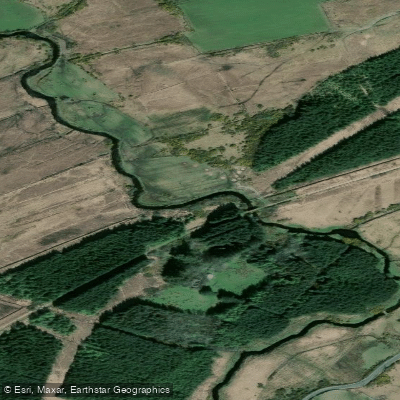
The Owencarrow connects Lough Beagh to Glen Lough in a four-mile stretch that runs largely deep and slow. It fishes best with a drawn wet fly when there's a stiff breeze moving the surface.
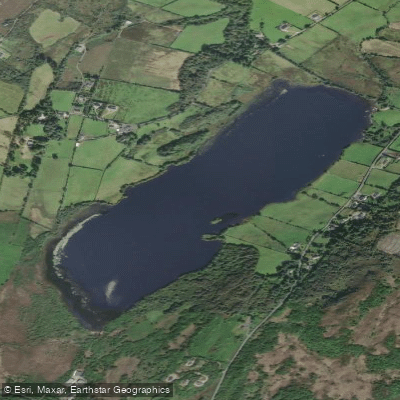
Glen Lough and the Lackagh River sit at the lower end of the system, outside or on the edge of the park boundary, and are managed separately through the Letterkenny and District Angling Association and Creeslough Post Office respectively.
Recommended flies for Lough Beagh include the Peter Ross, Teal Blue and Silver, Wickham's Fancy, Butcher, Connemara Black, Fiery Brown, and Alexandra.
The standard Irish requirement applies: a State licence for salmon and sea trout, plus the local permit, logbook, and tags before you step into the boat.
Fishing Lough Beagh means working within the rhythms of a protected landscape — park hours, boat limits, catch-and-release obligations. That structure is part of what keeps the fishery worth fishing.
Species & education
Learn what type of fish are in Glenveagh National Park and what's needed to catch them.
Find which waters have the species you want to catch

Brown Trout
Salmo trutta

European Eel
Anguilla anguilla

Atlantic Salmon
Salmo salar

Arctic Char
Salvelinus alpinus

Eurasian Minnow
Phoxinus phoxinus
Water and weather conditions (10 day forecast)
See the best times to fish Glenveagh National Park and check the forecast before you go.
No forecast data available.
Fish smarter with real-time insights
Whether you're en route and conditions shift or you're looking for the best spot based on current flows, we enable you to make informed decisions on the fly.




Fishing near Glenveagh National Park
Loading...
Gateway towns
Where to base yourself for fishing in Glenveagh National Park.
- LetterkennyCounty Donegal
Largest nearby town with hotels, restaurants, and bus connections serving as the main base for visiting the park.
- CreesloughCounty Donegal
Small village closest to the park entrance, with accommodation options just outside the park boundary.
- GweedoreCounty Donegal
Western gateway town on the R255 approach to the park, offering lodging on the Donegal Gaeltacht side.
Explore Glenveagh National Park
Top fishing waters
Popular Cities
Loading popular cities...

Smarter Fishing Starts in the App.
onWater Fish gives you everything you need to plan smarter, fish better, and own every trip from first cast to last.