Fishing in Tierra del Fuego
- Lakes
- 226
- Rivers
- 158
- Access
- 0
- Boat Ramps
- 0
- Shops
- 0
Tierra del Fuego sits at the bottom of the world — Argentina's southernmost province, a wind-scoured island split between Chile and Argentina, where the landscape shifts from open steppe and sheep estancias in the east to lenga beech forest and mountains in the west.
The fishing here is built around cold, clear rivers draining into the Beagle Channel and the Atlantic, and a handful of deep glacial lakes. It's remote, logistically demanding, and the wind is relentless.
None of that is incidental — it's the whole texture of the experience. The Río Grande is the river that defines the province for most visiting anglers.
It's the largest river on the island, and its sea-run brown trout run is what draws people from across the world. Fish averaging around 7 kilos are common; specimens over 15 kilos show up every season.
These trout grow large because they spend most of their lives feeding in the South Atlantic before pushing upriver to spawn. The thick of the run comes from early February through mid-April, though the first fish arrive in November.
Most fishing is done with streamers or nymphs — long casts across wide, open pools, often into a headwind. A Spey rod isn't a luxury here; on many days it's the practical choice.
The lodges along the Río Grande — Kau Tapen, Villa Maria, Estancia Maria Behety among them — control long stretches of private water, and access to the best pools generally runs through them.
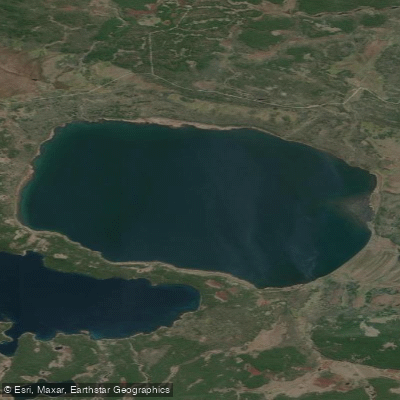
Away from the Río Grande, the interior opens up around Lago Fagnano, a large glacial lake near the town of Tolhuin.
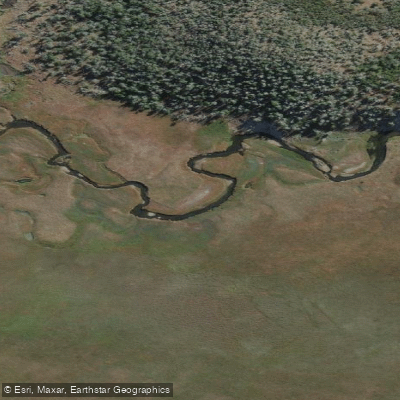
The rivers feeding and draining this system — the Río Menéndez (also called Río de las Turbas), Río Claro, and others — hold resident brown trout and brook trout in tighter, more technical water: log-jammed channels, beaver ponds, and forested runs that fish very differently from the open steppe of the lower Río Grande.
Lago Yehuin, to the east, is another lake worth knowing. Brook trout, introduced from North America, have established themselves throughout these interior waters and can reach impressive sizes.
The season runs from late November through the end of March, with the sea-run fish peaking in late summer and early autumn.
A provincial fishing licence is required for all waters in Tierra del Fuego — separate from the licence used in Neuquén, Río Negro, or Chubut.
The Pesca Deportiva TDF app lists current points of sale, authorized waters, and protected areas, and is the most reliable place to check current rules before you go.
Access to the best water is mostly private, and independent fishing is possible but requires planning. The weather demands respect regardless of how you're fishing — layers, waterproofs, and sunscreen are all necessary on the same day.
The solar radiation at this latitude is higher than most visitors expect, and the temperature can swing hard between morning and afternoon. What stays with people isn't just the size of the fish.
It's the scale of the place — guanacos on the bank, condors overhead, and the sense that you've traveled a long way to stand in a river that doesn't care whether you're there or not.
Top waters to fish near Tierra Del Fuego
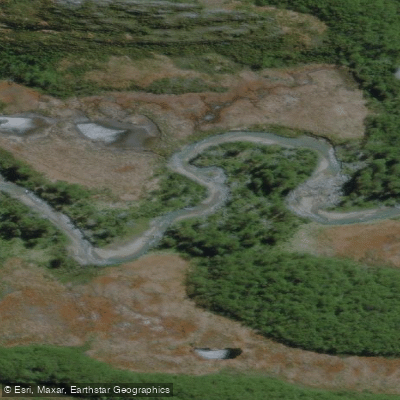
Río Olivia
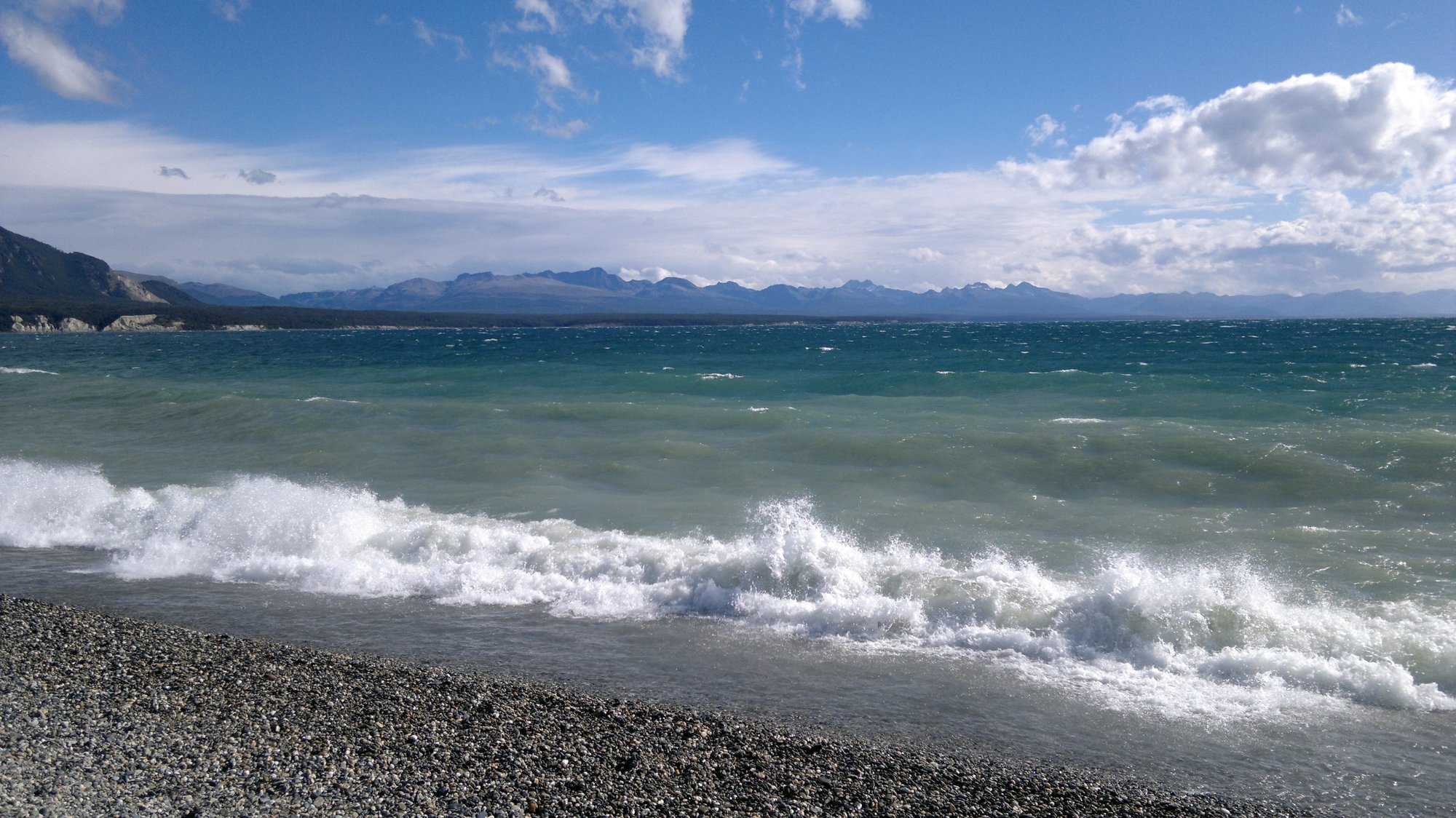
Lago Fagnano
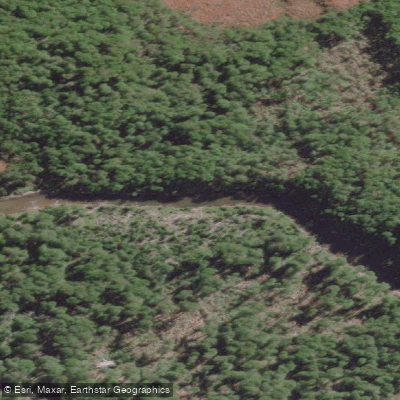
Río Lasifashaj
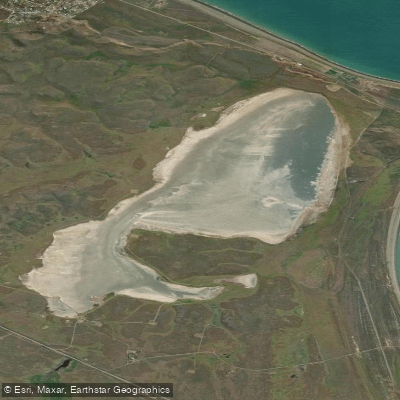
Laguna Cabo Peñas
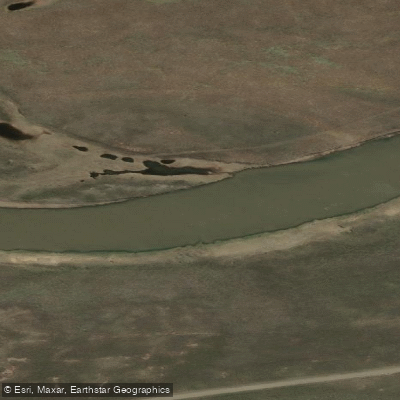
Río Grande
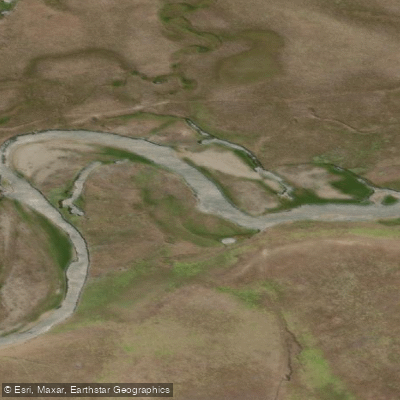
Río Chico o Carmen Sylva
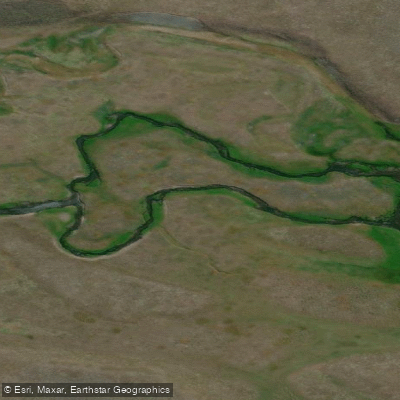
Río Fuego
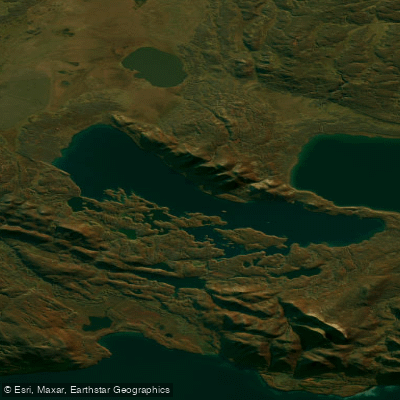
Lago Yehuin
Lago Chepelmut
Río Ewan (Brazo Norte)
Species & education
Learn what type of fish are in Tierra del Fuego and what's needed to catch them.
Find which waters have the species you want to catch

Rainbow Trout
Oncorhynchus mykiss

Brown Trout
Salmo trutta

Brook Trout
Salvelinus fontinalis

Argentine Hake
Merluccius hubbsi

Argentine Sandperch
Pseudopercis semifasciata

Argentine Seabass
Acanthistius patachonicus

Atlantic Bonito
Sarda sarda

Atlantic Chub Mackerel
Scomber colias

Black Drum
Pogonias courbina

Bluefish
Pomatomus saltatrix

Brazilian Codling
Urophycis brasiliensis

Brazilian Sandperch
Pinguipes brasilianus
Chinook Salmon
Oncorhynchus tshawytscha

Common Carp
Cyprinus carpio

Common Seabream
Pagrus pagrus

Copper Shark
Carcharhinus brachyurus

Corvina de río
Plagioscion ternetzi

Cucharón
Sorubim lima

Dama
Salminus brasiliensis

Elephant Fish
Callorhinchus callorynchus

Flathead Mullet
Mugil cephalus

King Weakfish
Macrodon ancylodon

Lebranche Mullet
Mugil liza

Lebrancho
Mugil liza

Leporinus obtusidens
Leporinus obtusidens

Mangrullo
Pseudoplatystoma corruscans

Narrownose Smooth-hound
Mustelus schmitti

Pacú
Piaractus mesopotamicus

Palometa picuda
Serrasalmus marginatus

Parona Leatherjacket
Parona signata

Patagonian Blenny
Eleginops maclovinus

Perca
Percichthys trucha

Percichthys colhuapiensis
Percichthys colhuapiensis

Puye
Galaxias maculatus

Puyen grande
Galaxias platei

Rough Scad
Trachurus lathami

Sábalo
Prochilodus lineatus

Sand Tiger Shark
Carcharias taurus

School Shark
Galeorhinus galeus

Sea Trout
Salmo trutta
Fish smarter with real-time insights
Whether you're en route and conditions shift or you're looking for the best spot based on current flows, we enable you to make informed decisions on the fly.




Tierra del Fuego licenses and regulations
Explore Tierra del Fuego waters
Top fishing waters
Popular Cities
Loading popular cities...

Smarter Fishing Starts in the App.
onWater Fish gives you everything you need to plan smarter, fish better, and own every trip from first cast to last.