Sockeye Salmon

Sockeye salmon are considered the most flavorful Pacific salmon and are unique among salmon species in requiring a lake system for rearing their fry.
Scientific Name: Oncorhynchus nerka
Also known as red salmon
- Typically weigh 5-8 pounds but can reach up to 15 pounds.
- During their marine phase, sockeye are blue-tinged with silver coloration, but when returning to spawn, their bodies turn deep red and their heads turn green.
- Landlocked sockeye populations, called kokanee, are much smaller (rarely over 14 inches).
Fishing in Washington
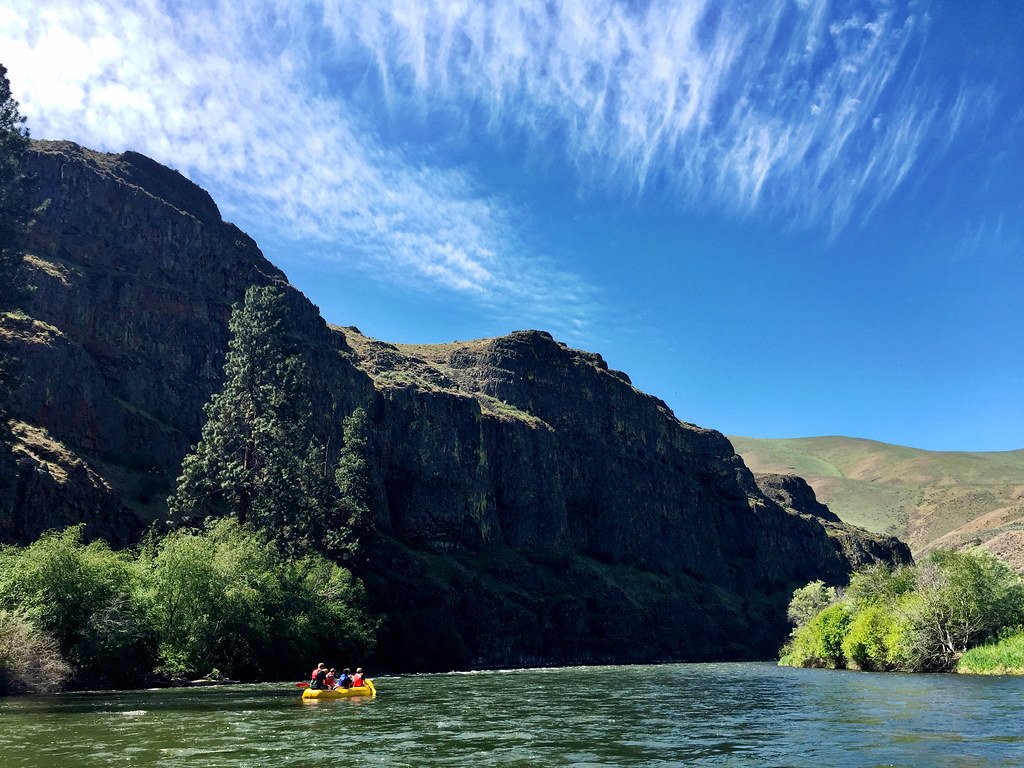
Yakima River
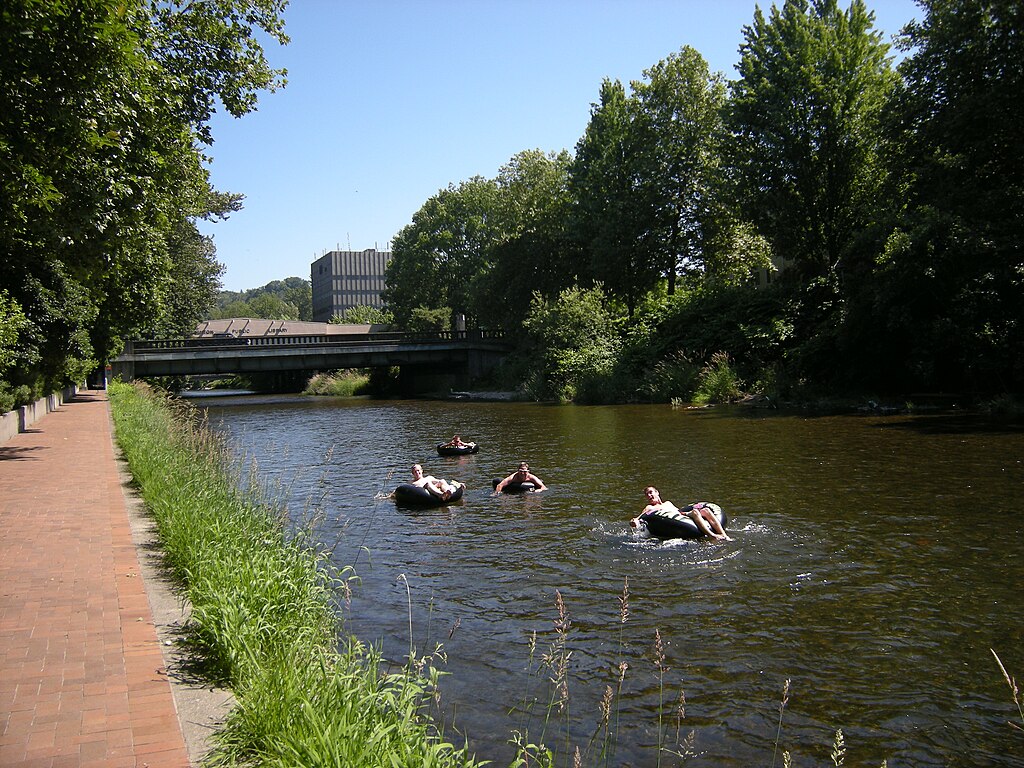
Cedar River
Puyallup River
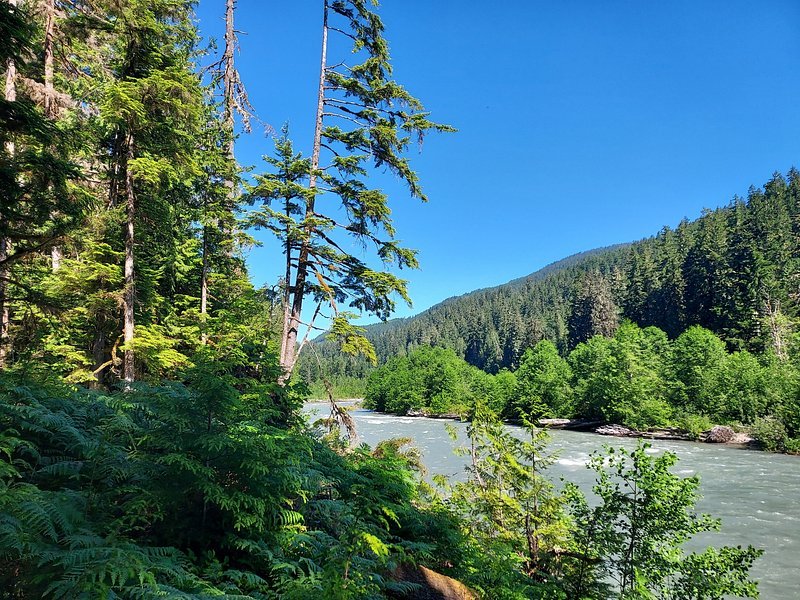
Snoqualmie River
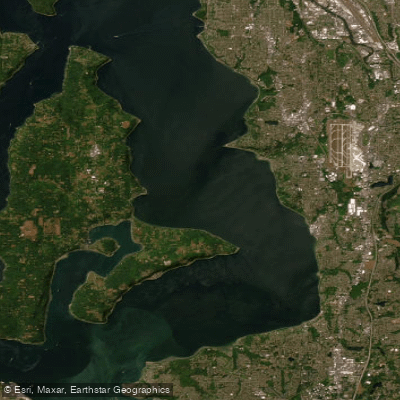
East Passage
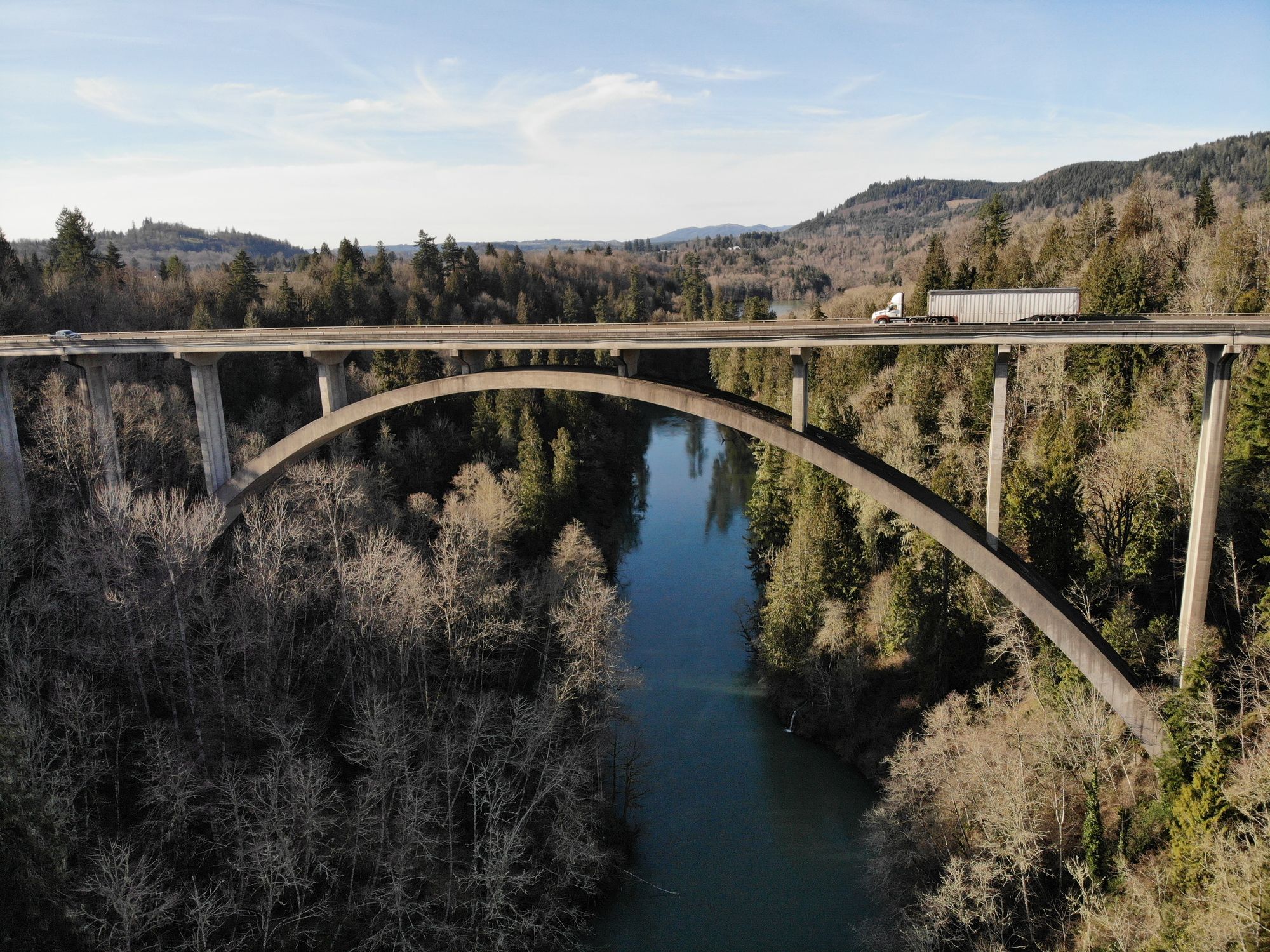
Cowlitz River
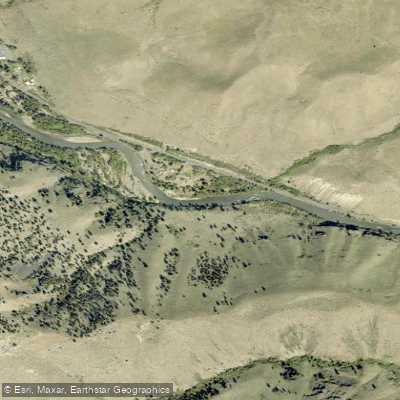
Naches River
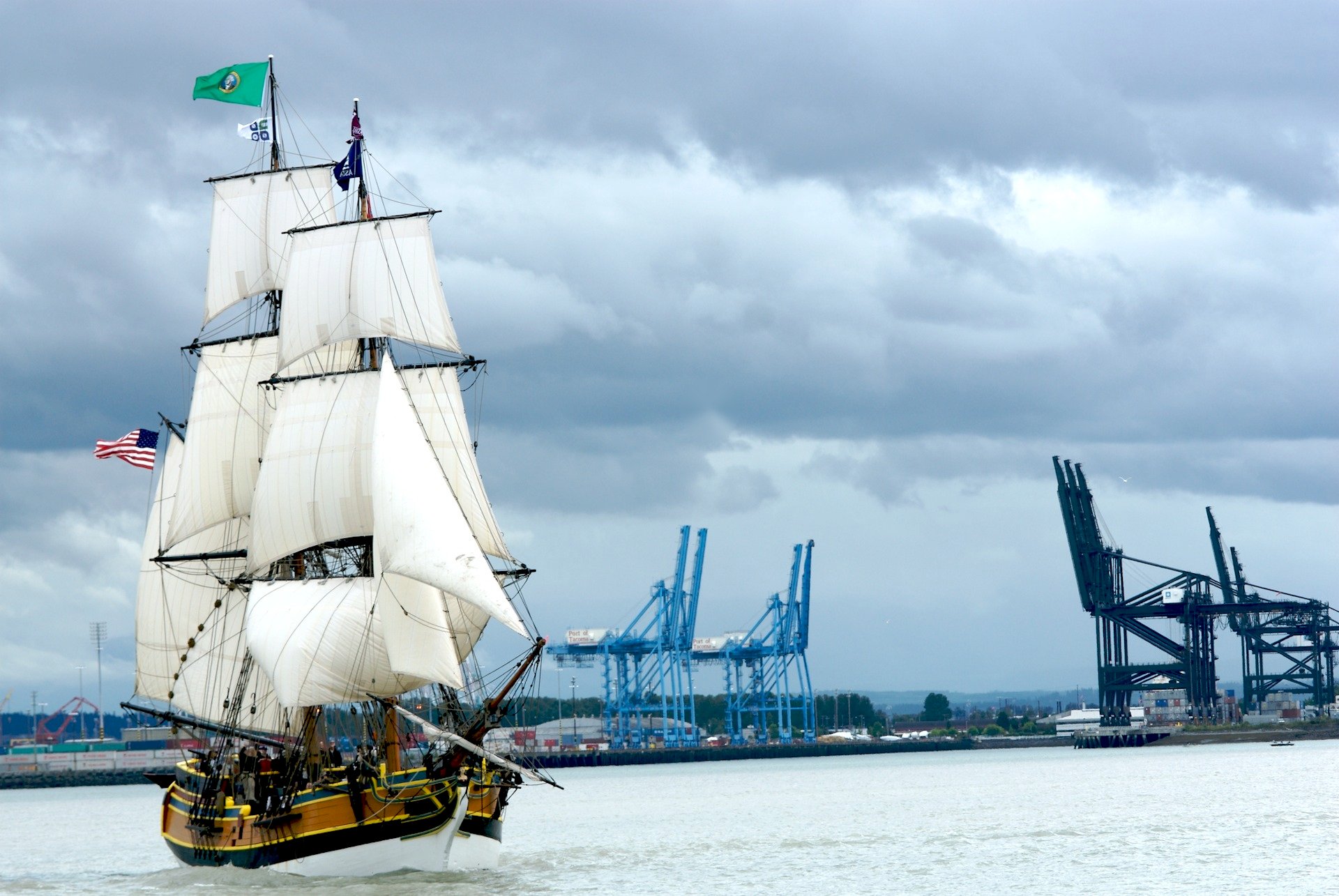
Commencement Bay
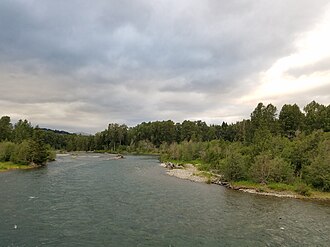
Cle Elum River
What to know
Habitat Distribution
- Found in lake systems throughout Washington.
- Require a lake system for rearing their fry.
Key Locations
- Baker Lake (accessed via Kulshan Campground and Panorama Point boat launches), the Columbia River system below Wells Dam and in the Brewster Pool, Lake Wenatchee, various Columbia River reservoirs, Skagit River, Lake Washington, Ozette Lake, Quinault Lake, Lake Sammamish, Cle Elum Lake, Lake Entiat, Lake Pateros, Lake Wallula, Lake Umatilla, and Osoyoos Lake.
Specific Spots
- Areas where sockeye stack up during migration, such as the Brewster Pool.
Sockeye Salmon FAQ
Answers from onWater's species guide.
What are the best lures and bait for Sockeye Salmon in Washington?
Small flies that mimic natural forage work best - crystal shrimp flies designed to imitate their natural diet, black and purple e.g.g sucking leeches, and small marabou jigs.
What flies work for Sockeye Salmon in Washington?
Crystal shrimp flies designed to imitate their natural diet, black and purple e.g.g sucking leeches.
When is the best time to fish for Sockeye Salmon in Washington?
Prime sockeye salmon fishing season runs from June through September, with peak fishing in July and August. Baker Lake opens July 12 and runs through August 31. The Skagit River typically opens for sockeye retention in mid-June through July 31.
How do you catch Sockeye Salmon in Washington?
Flossing with fly rigs, drift fishing setups. Two-pole fishing is allowed with proper endorsement in many sockeye waters. Easier to catch in permitted flossing areas.
What do Sockeye Salmon eat?
Distinctive diet focused heavily on zooplankton during both freshwater and saltwater life stages, along with small crustaceans like shrimp and krill. This zooplankton-heavy diet gives their flesh its characteristic red color from carotenoids. They strain krill from the water similar to whale baleen.
Fish smarter with real-time insights
Whether you're en route and conditions shift or you're looking for the best spot based on current flows, we enable you to make informed decisions on the fly.




See it in the app
Most maps show you water.
onWater shows you Sockeye Salmon.



- 01 · Species map filter
Map every Sockeye Salmon water
Pick Sockeye Salmon and the map zeroes in on the waters they call home. No more guessing which lake holds them.
- 02 · Waterbody species
Tap any water. See what lives there.
Species, behavior and seasonal patterns for every lake, river and pond, before you leave the driveway.
- 03 · Angler Intelligence
Ask how to catch Sockeye Salmon
Tactics, gear and timing from onWater's AI fishing guide, tuned to the species and the water you're on.
Stop guessing where Sockeye Salmon are.
Open the map, filter by Sockeye Salmon, and head to water that holds them. Download onWater and plan your next trip in minutes.
- Species map filter
- Angler Intelligence
- Fishing journal
Explore other species
Trout, bass, salmon, panfish and everything in between. Each guide unpacks the behavior, seasons, and tactics that put fish in the net.
No species information available.
Washington licenses and regulations
Explore nearby waters
Explore Washington waters
Top fishing waters
Popular Cities
Loading popular cities...

Smarter Fishing Starts in the App.
onWater Fish gives you everything you need to plan smarter, fish better, and own every trip from first cast to last.