Flounder

South Carolina's coastal waters host three distinct flounder species: Southern Flounder (Paralichthys lethostigma), Summer Flounder (Paralichthys dentatus), and Gulf Flounder (Paralichthys albigutta).
Southern Flounder is the most abundant and largest species caught by recreational anglers.
Scientific Name: Paralichthys lethostigma (Southern Flounder), Paralichthys dentatus (Summer Flounder), Paralichthys albigutta (Gulf Flounder)
- These flatfish are ambush predators with both eyes on the left side of their body, allowing them to lie flat against the bottom while watching for prey above.
- Southern Flounder easily distinguished by its lack of spots on the pigmented surface.
- Summer Flounder have five prominent ocellated spots forming triangles, while Gulf Flounder display three spots in a triangle pattern near the tail.
Fishing in South Carolina
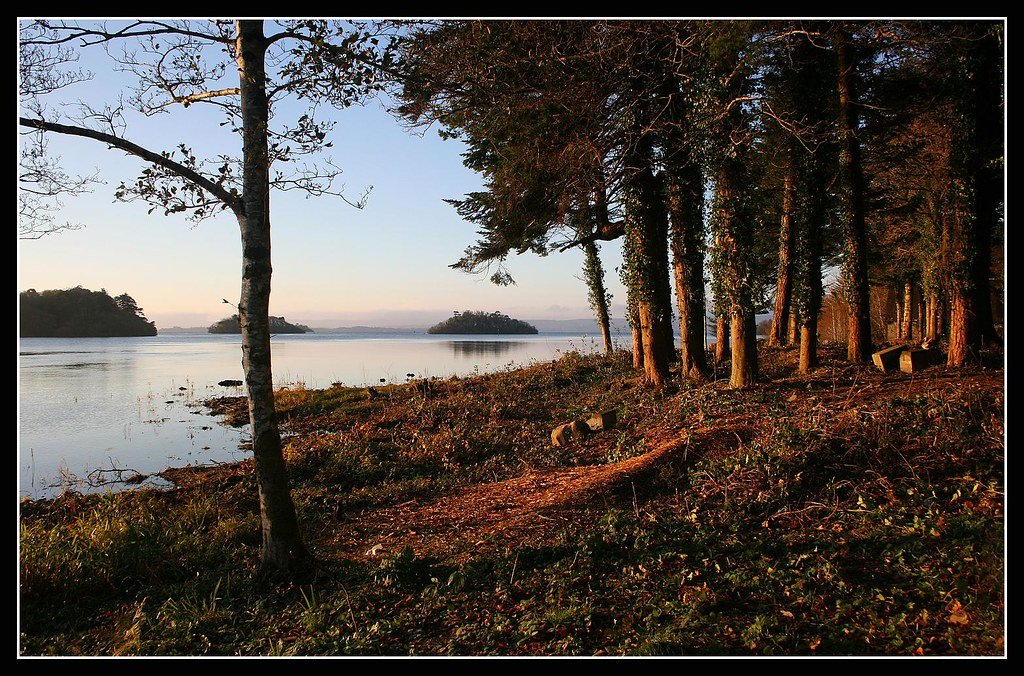
Lough Corrib

Clew Bay
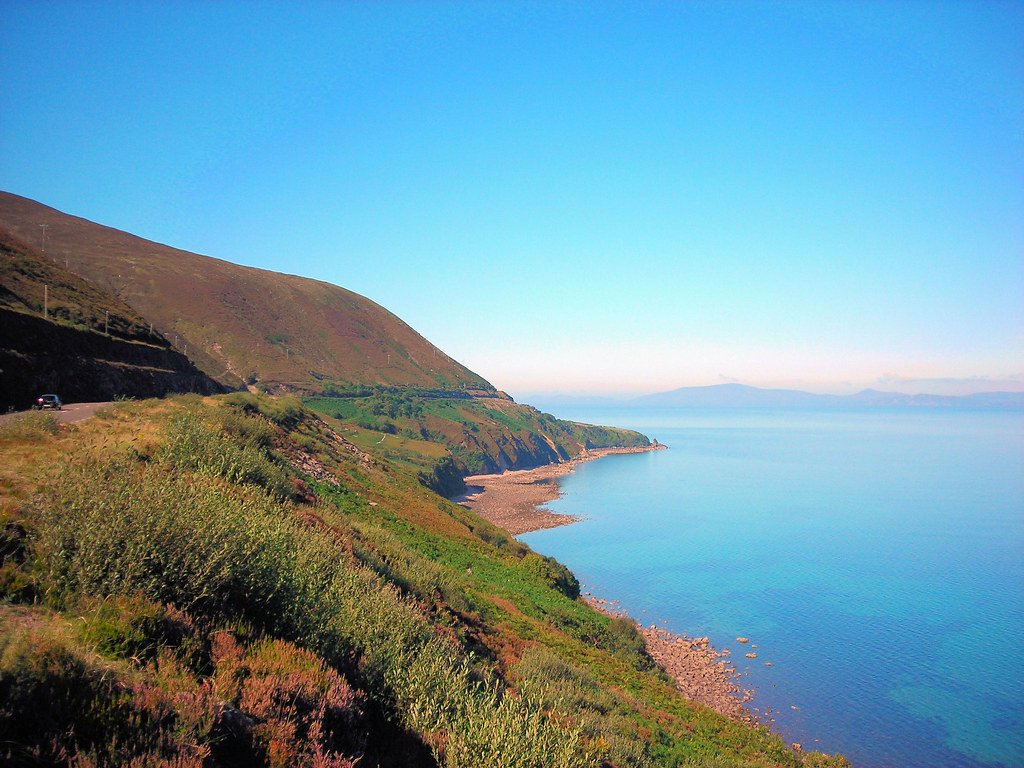
Ballinskelligs Bay
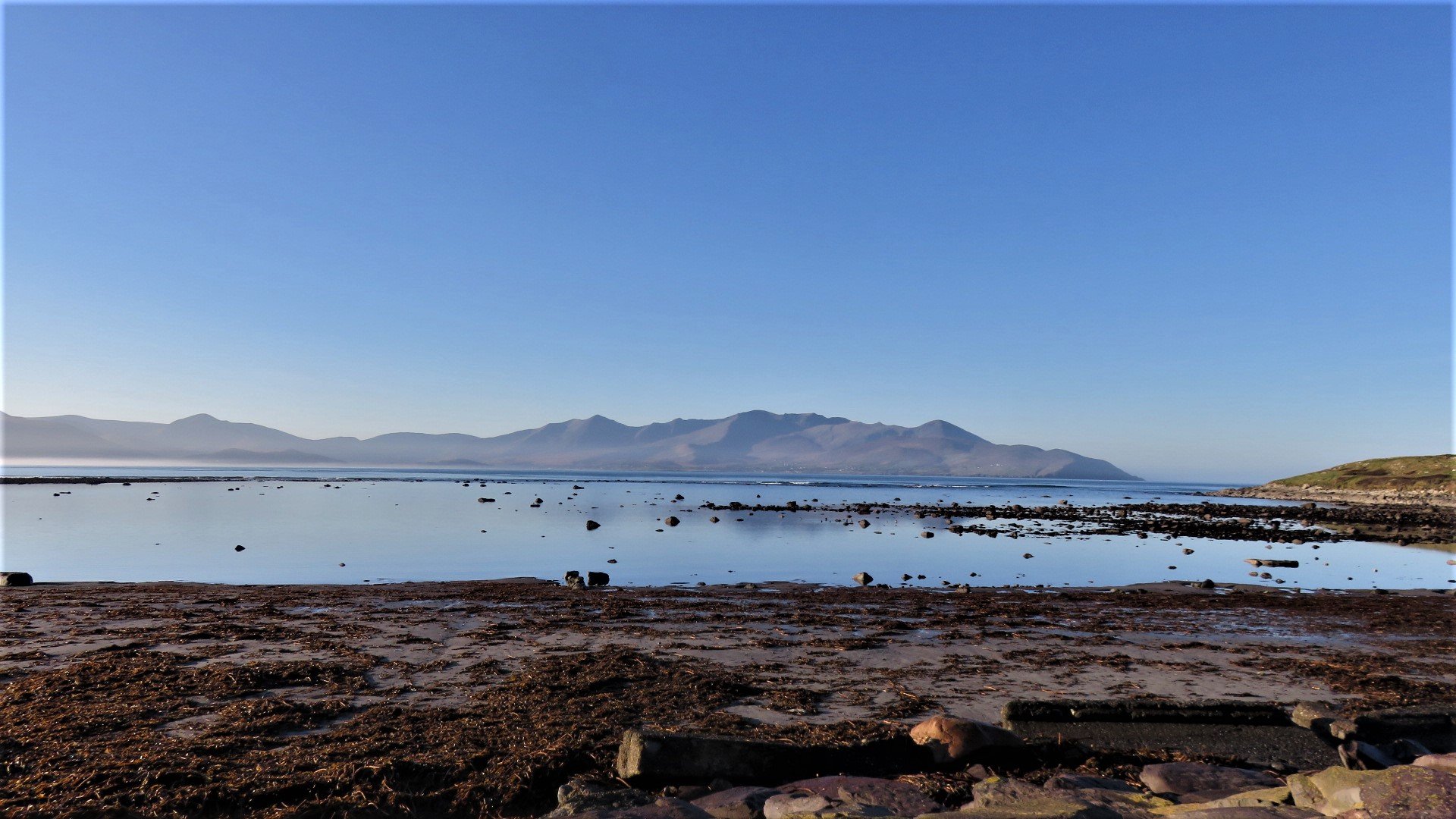
Brandon Bay
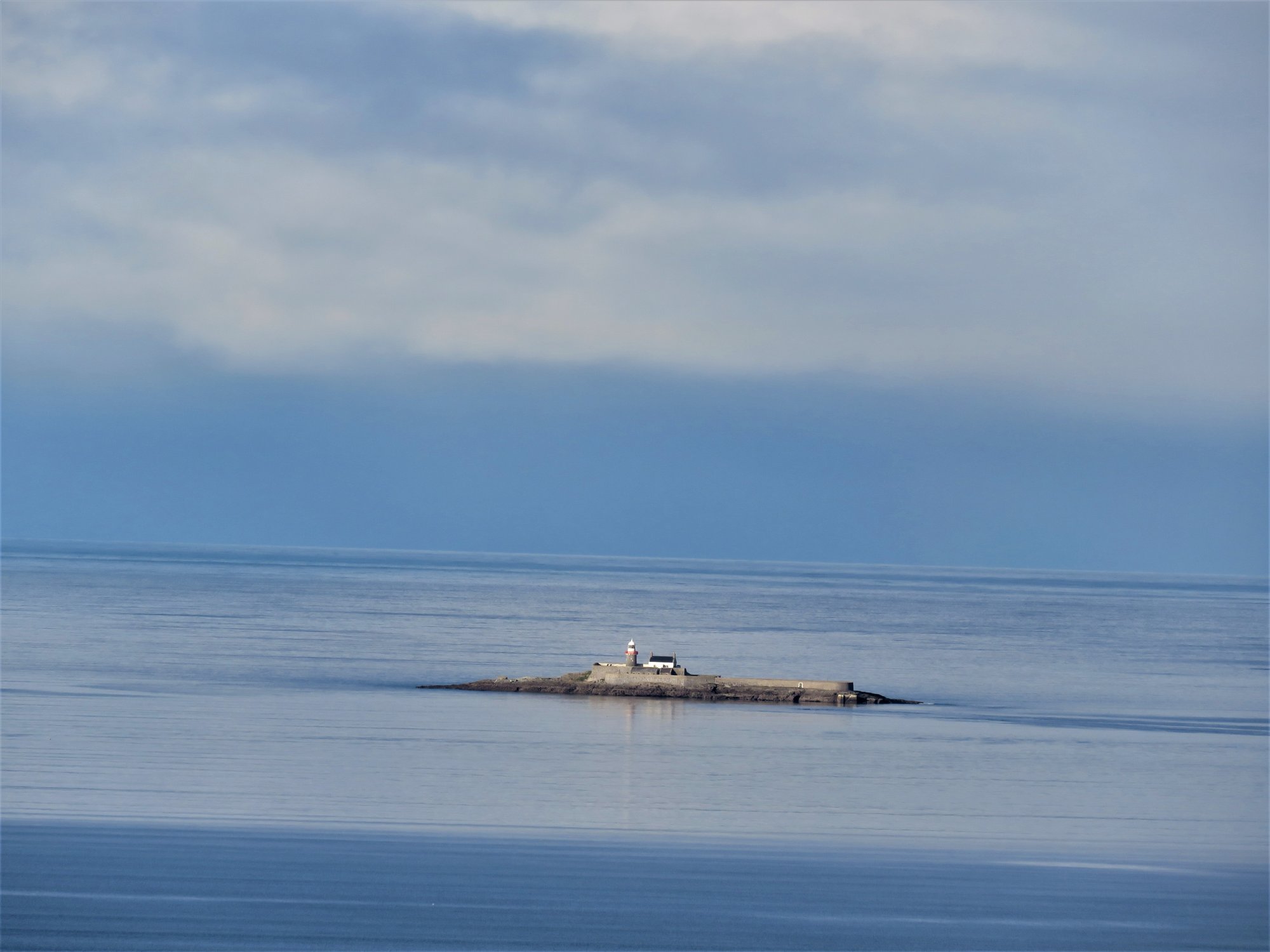
Tralee Bay
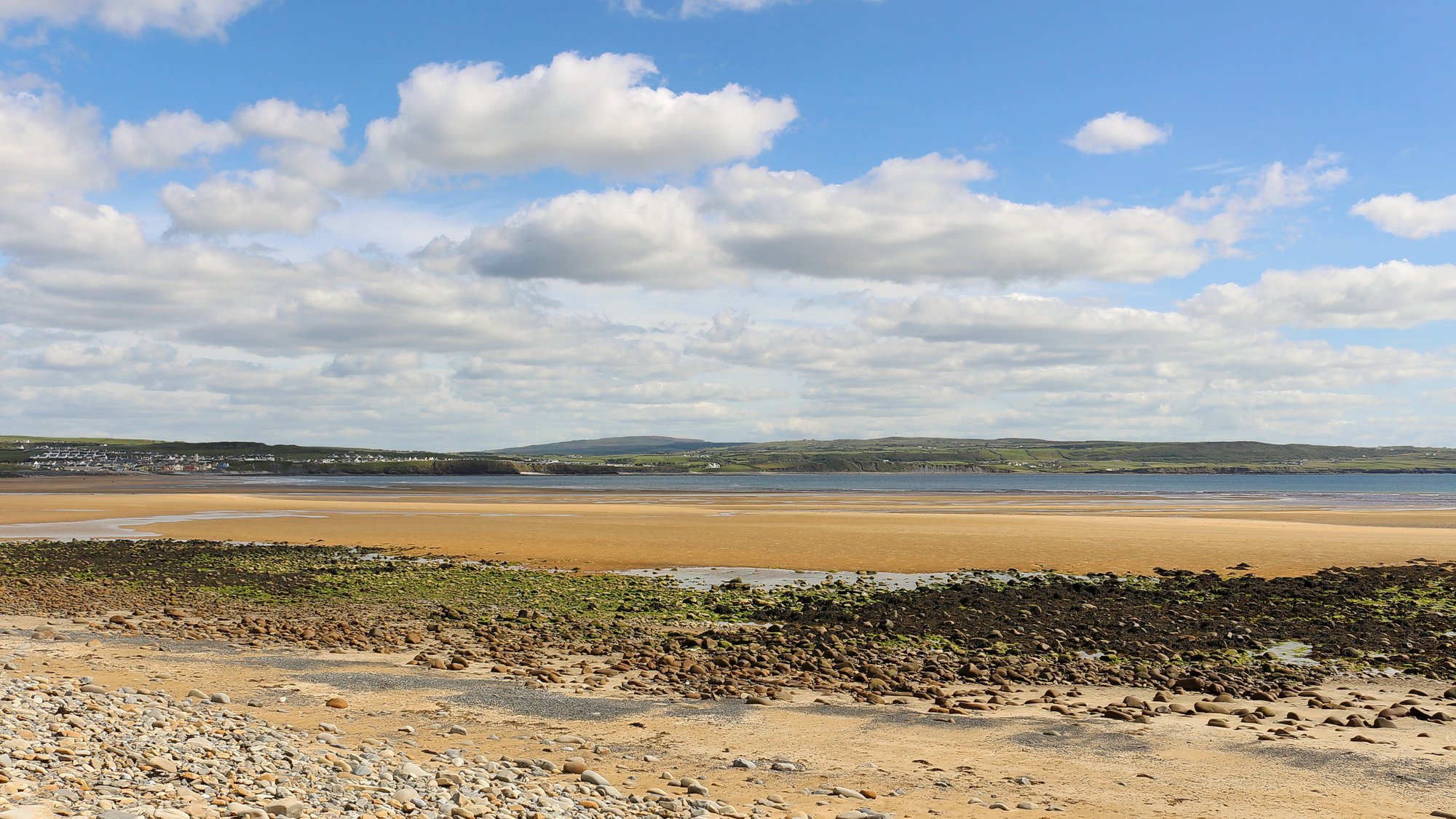
Liscannor Bay
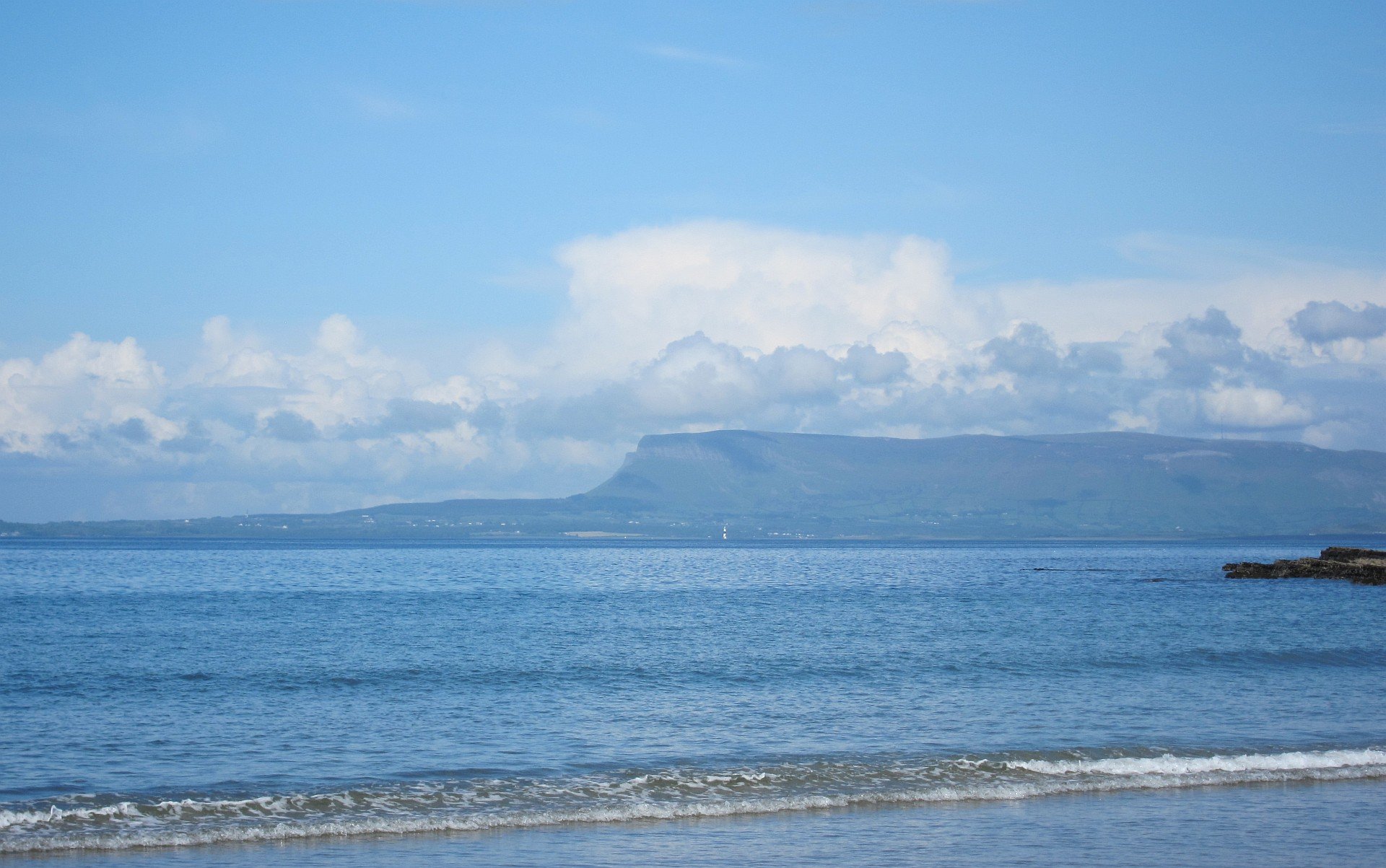
Sligo Bay

Gweebarra Bay
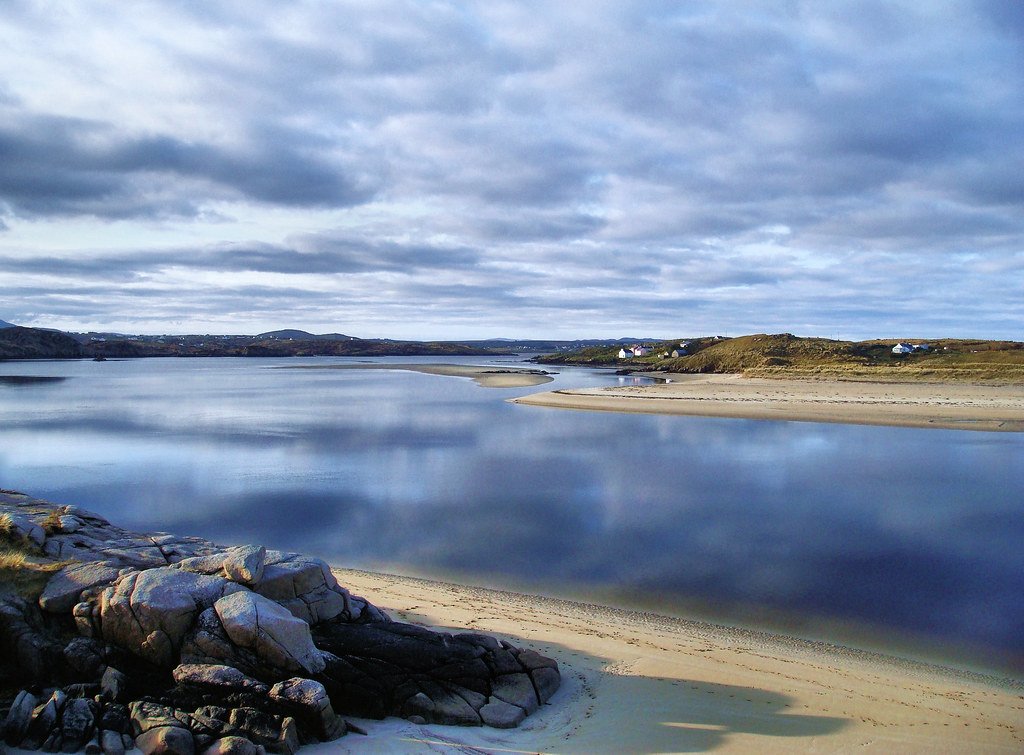
Gweedore Bay
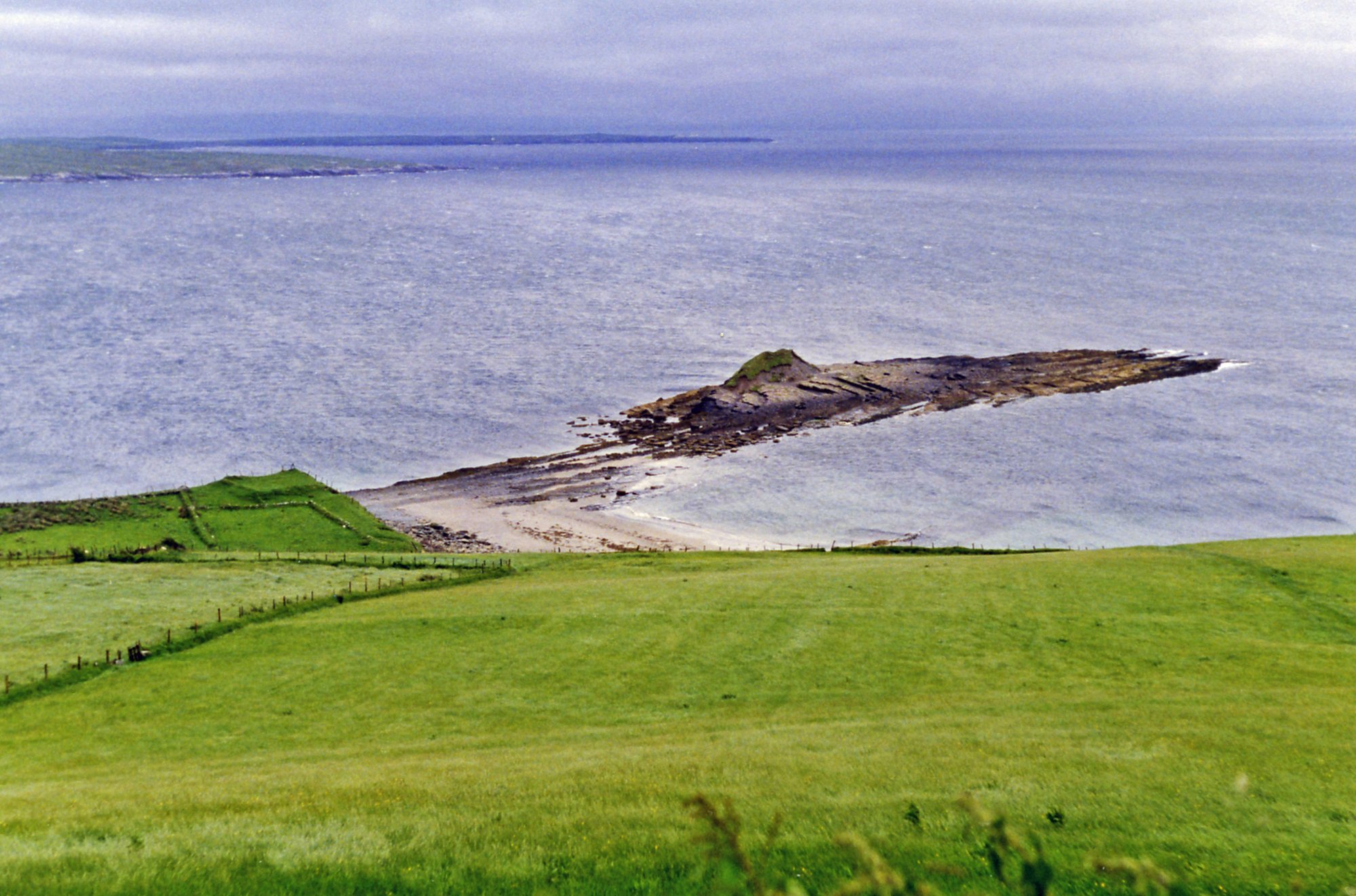
Donegal Bay
What to know
Habitat Distribution
- Southern Flounder are found from Albemarle Sound, North Carolina to Florida's lower east coast, inhabiting estuaries, rivers, shallow coastal waters, tidal creeks, and muddy bottoms.
- They can tolerate low salinity conditions and have been found in freshwater areas of the South Edisto River.
Key Locations
- Prime locations include Winyah Bay, North and South Santee Bays, Cape Romain, and Murrells Inlet.
- Spring transition begins in March around smaller creeks in North Inlet.
Specific Spots
- Flounder concentrate near structure rather than open sand.
- Target areas with slight bottom changes, oyster bed edges, marsh drains, grass flats near drop-offs, dock pilings, and current seams.
Flounder FAQ
Answers from onWater's species guide.
What are the best lures and bait for Flounder in South Carolina?
Live finger mullet and mud minnows on Carolina rigs with light e.g.g sinkers. Berkley Gulp baits (swimming mullet and shrimp patterns) on jigheads. White and natural color combinations with chartreuse jigheads.
When is the best time to fish for Flounder in South Carolina?
Peak flounder fishing occurs from spring through fall, with summer and fall providing the most consistent action. October stands out as the premier month when flounder activity peaks alongside favorable weather conditions.
How do you catch Flounder in South Carolina?
Successful presentation requires constant bottom contact. Cast up-current and slowly bounce baits back, matching current speed. Work lures slowly along the bottom with frequent pauses to trigger strikes.
What do Flounder eat?
Their diet varies by size: juveniles around 2 inches feed on mysid and grass shrimp, while 2.5-8 inch fish consume juvenile spot, young striped mullet, and mummichogs. Adults primarily eat smaller fish species (mullet, anchovies, menhaden) supplemented with invertebrates including shrimp, crabs, and other crustaceans.
Where do Flounder live in South Carolina?
Southern Flounder are found from Albemarle Sound, North Carolina to Florida's lower east coast, inhabiting estuaries, rivers, shallow coastal waters, tidal creeks, and muddy bottoms. They can tolerate low salinity conditions and have been found in freshwater areas of the South Edisto River.
Fish smarter with real-time insights
Whether you're en route and conditions shift or you're looking for the best spot based on current flows, we enable you to make informed decisions on the fly.




See it in the app
Most maps show you water.
onWater shows you Flounder.



- 01 · Species map filter
Map every Flounder water
Pick Flounder and the map zeroes in on the waters they call home. No more guessing which lake holds them.
- 02 · Waterbody species
Tap any water. See what lives there.
Species, behavior and seasonal patterns for every lake, river and pond, before you leave the driveway.
- 03 · Angler Intelligence
Ask how to catch Flounder
Tactics, gear and timing from onWater's AI fishing guide, tuned to the species and the water you're on.
Stop guessing where Flounder are.
Open the map, filter by Flounder, and head to water that holds them. Download onWater and plan your next trip in minutes.
- Species map filter
- Angler Intelligence
- Fishing journal
Explore other species
Trout, bass, salmon, panfish and everything in between. Each guide unpacks the behavior, seasons, and tactics that put fish in the net.
No species information available.
South Carolina licenses and regulations
Explore nearby waters
Explore South Carolina waters
Top fishing waters
Popular Cities
Loading popular cities...

Smarter Fishing Starts in the App.
onWater Fish gives you everything you need to plan smarter, fish better, and own every trip from first cast to last.