Fishing in Biobío
- Lakes
- 151
- Rivers
- 119
- Access
- 96
- Boat Ramps
- 3
- Shops
- 0
Biobío sits in south-central Chile, where the Andes foothills give way to the Central Valley and eventually the Pacific coast.
It's a region of big, working rivers — systems that drain significant Andean snowmelt and have been shaped, in some cases dramatically, by hydroelectric development.
The fishing here spans freshwater and salt, native species and introduced salmonids, and the character of the water shifts considerably depending on whether you're in the mountains, the valley floor, or near the coast.
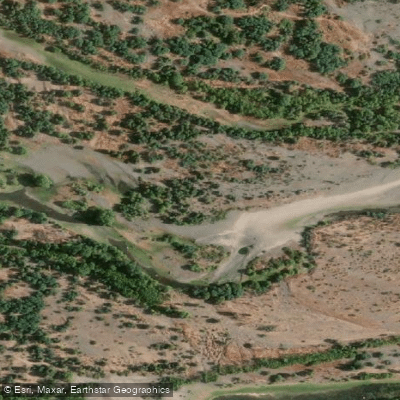
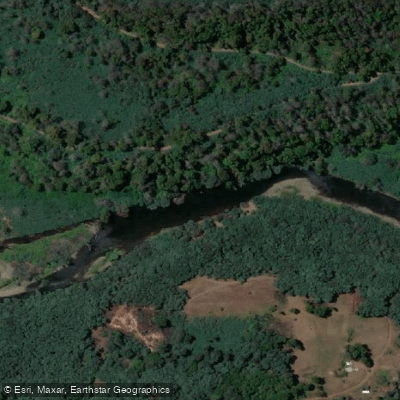
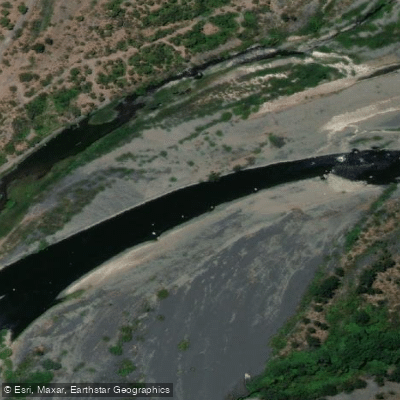
The Río Biobío is the region's defining waterway.
It's a large, powerful river that once ran freely from the Andes to the sea, and it still draws anglers interested in both native fish and trout, though the dams built in its upper reaches — including Embalse Ralco — have altered the hydrology and fish passage in ways that matter.
The Embalse Ralco itself holds fish and sees angling pressure. The Río Laja, a major tributary, and the Río Polcura, which feeds into it, offer more contained water with better access in stretches away from the main stem.
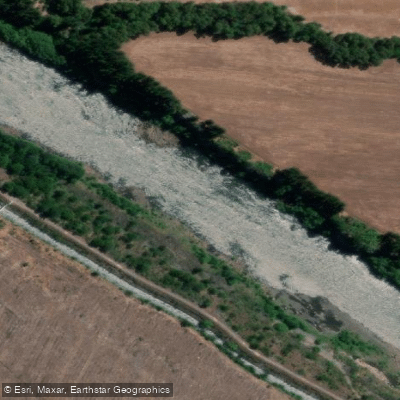
Away from the big infrastructure, the Río Renaico and Río Vergara run through more agricultural country in the valley. The Río Itata, which forms part of the region's northern boundary, is a longer system with a mix of native and introduced species.
Closer to the coast, the Río Carampangue and Río Lebu flow through wetter, forested terrain toward the Pacific, where shore fishing for species like corbina and toro is possible along the coast.
The freshwater season in Chilean continental waters runs on a calendar set by Sernapesca, the national fisheries authority, which also issues the sport fishing licence required to fish here.
Licences are personal and non-transferable; check current rules and season dates directly with Sernapesca before you go, since closures and bag limits change.
The lakes in the region — Lago Lanalhue and Lago Lleulleu among the most visited — are designated free fishing areas and draw consistent local traffic.
They're accessible and relatively uncomplicated compared to the mountain rivers, which can run high and fast through spring as snowmelt peaks.
Biobío isn't the first name that comes up in Chilean fly fishing conversations — that tends to be further south — but it's a region with real water, real fish, and enough variety that a week here can cover a lot of different kinds of fishing.
The pressure on the main rivers is real too, which is worth keeping in mind.
Species & education
Learn what type of fish are in Biobío and what's needed to catch them.
Find which waters have the species you want to catch

Rainbow Trout
Oncorhynchus mykiss

Brown Trout
Salmo trutta

Albacore
Thunnus alalunga

Bilagay
Cheilodactylus variegatus

Black Cusk-eel
Genypterus maculatus

Blanquillo
Prolatilus jugularis

Blue Shark
Prionace glauca

Broadbill Swordfish
Xiphias gladius

Cauque de maule
Odontesthes mauleanum

Chilean Jack Mackerel
Trachurus murphyi

Chilean Silverside
Odontesthes regia
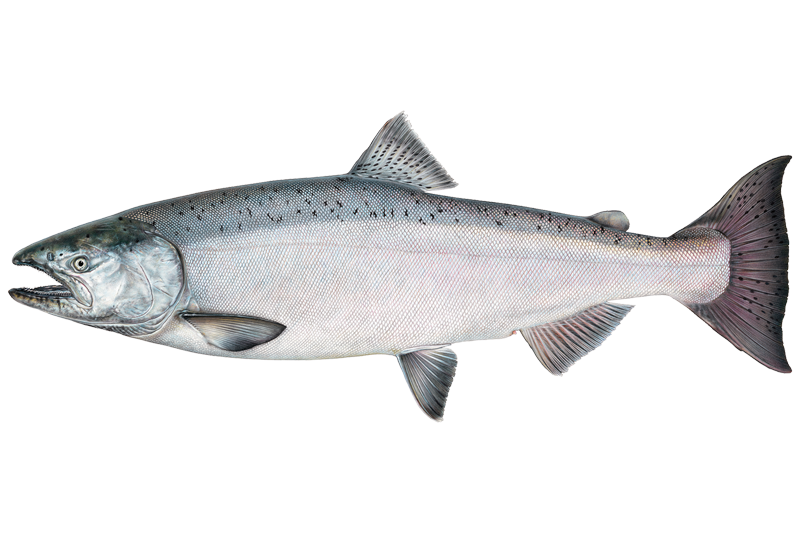
Chinook Salmon
Oncorhynchus tshawytscha

Corvina Drum
Cilus gilberti

Fine Flounder
Paralichthys adspersus

Flathead Mullet
Mugil cephalus

Marine Jerguilla
Aplodactylus punctatus

Pacific Sardine
Sardinops sagax

Palm Ruff
Seriolella violacea

Patagonian Blenny
Eleginops maclovinus

Patagonian Redfish
Sebastes oculatus

Peruvian Grunt
Anisotremus scapularis

Peruvian Rock Seabass
Paralabrax humeralis

Pink Cusk-eel
Genypterus blacodes

Puye
Galaxias maculatus

Red Cusk-eel
Genypterus chilensis

Rollizo
Pinguipes chilensis

Sea Trout
Salmo trutta

Sevengill Shark
Notorynchus cepedianus

Shortfin Mako
Isurus oxyrinchus

Snoek
Thyrsites atun

Southern Hake
Merluccius australis

Southern Rays Bream
Brama australis

South Pacific Hake
Merluccius gayi

Vieja
Graus nigra

Yellowfin Tuna
Thunnus albacares

Yellowtail Amberjack
Seriola lalandi
Fish smarter with real-time insights
Whether you're en route and conditions shift or you're looking for the best spot based on current flows, we enable you to make informed decisions on the fly.




Biobío licenses and regulations
Explore Biobío waters
Top fishing waters
Popular Cities
Loading popular cities...

Smarter Fishing Starts in the App.
onWater Fish gives you everything you need to plan smarter, fish better, and own every trip from first cast to last.