Fishing in Aysén
- Lakes
- 211
- Rivers
- 193
- Access
- 74
- Boat Ramps
- 5
- Shops
- 0
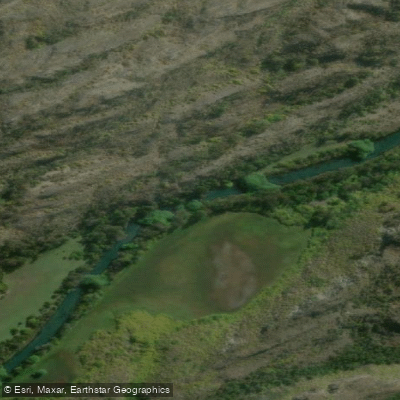
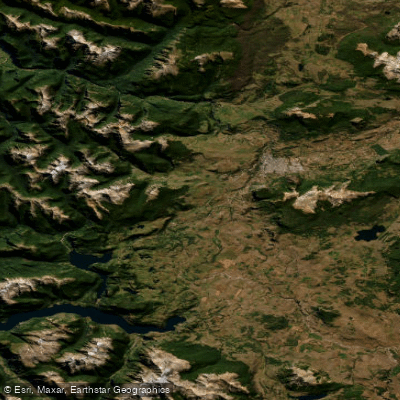
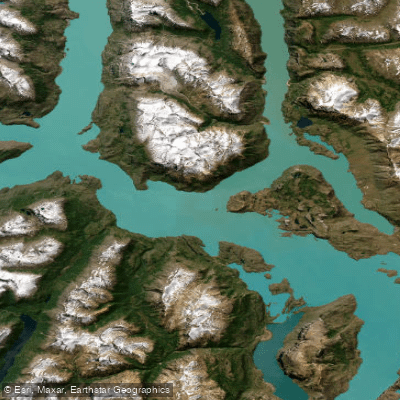
Aysén occupies the middle stretch of Chilean Patagonia, a region of glacial lakes, braided rivers, and mountain streams that drain the Andean Cordillera toward the Pacific fjords.
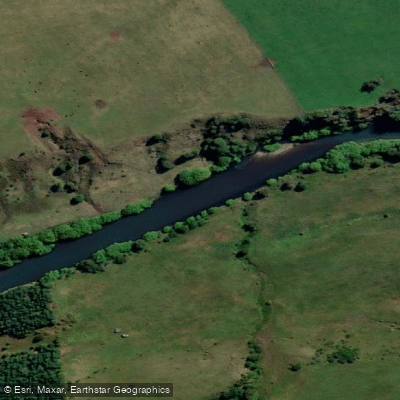
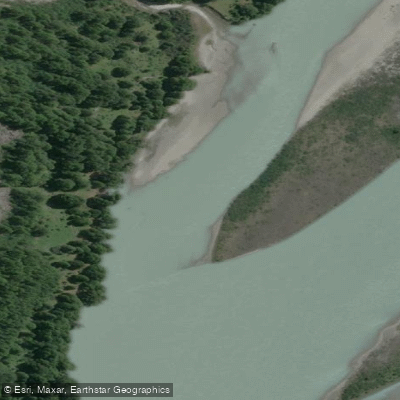
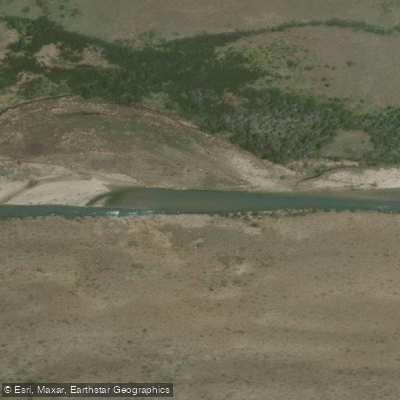
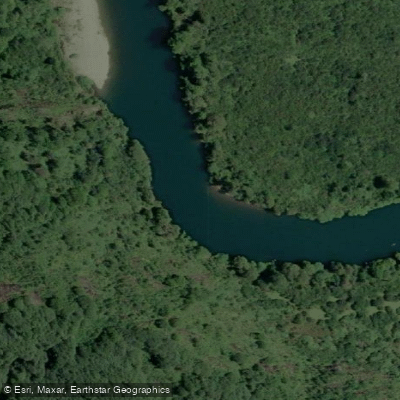
The Carretera Austral threads through it, and almost every bridge it crosses sits above fishable water. The sheer volume of water here — from spring creeks barely a metre wide to glacial rivers spanning thirty metres — takes some adjustment.
This is trout country, with Chinook salmon showing up closer to the coast as the season progresses. Brown trout and rainbow trout are the main species.
Brook trout are present too, and Chinook salmon — many of them escapees from fjord fish farms — push into the rivers as the season advances.
The Río Baker and Río Simpson are the waters most anglers hear about first, and they earn the reputation: strong currents, clear water, healthy fish.
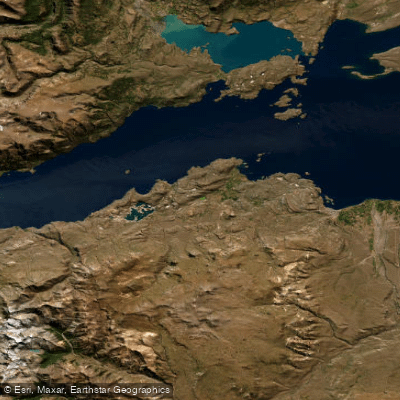
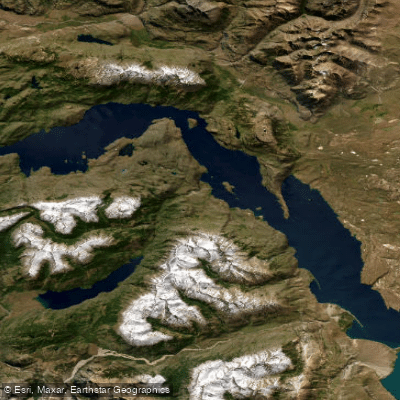
Lago General Carrera, one of the largest lakes in South America, offers a different kind of fishing — expansive, wind-dependent, with conditions that shift through the day.
The Río Cochrane and Río Palena are worth the extra effort to reach, and the Río Cisnes has a long-standing reputation as a grasshopper fishery that draws anglers specifically for terrestrial fishing in summer.
January and February are the peak months on Aysén rivers — stable weather, lower water, fish that have settled into feeding lanes.
The season opens October 12 and runs to early May, but the structure matters: rivers are catch-and-release only through November 30, then open to a limited kill through February, then back to release-only from March onward.
Lakes follow a slightly different calendar. Chinook salmon have their own window.
Sernapesca, Chile's national fisheries service, issues the required licence — available by the week, month, or year — and publishes the current regulations; check them before you go, because the rules are specific and change between seasons.
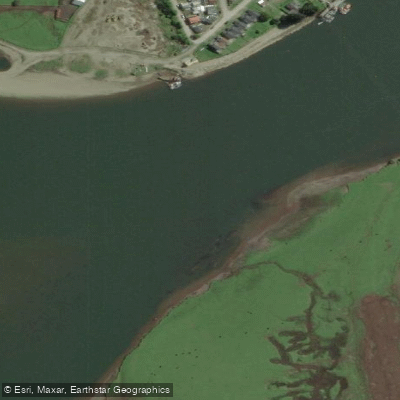
Access is the variable nobody warns you about enough. Chilean streams are legally public, but the land around them is mostly fenced for cattle and sheep. Bridge pools get pressure.
The further you walk from obvious access points, the better the fishing tends to be — that pattern holds consistently across the region. Gravel roads dominate once you leave Coyhaique, and a vehicle with decent suspension and tires is not optional.
Guides who know the private gates and the remote drainages make a real difference here, not just for the fishing but for understanding water that is still, in places, genuinely unexplored.
The region is being discovered faster than it was a decade ago, by both foreign anglers and Chileans who have taken up fly fishing in growing numbers. The wild fish are there because the habitat has been largely intact.
Keeping it that way depends on how the next generation of visitors treats it.
Species & education
Learn what type of fish are in Aysén and what's needed to catch them.
Find which waters have the species you want to catch

Rainbow Trout
Oncorhynchus mykiss

Brown Trout
Salmo trutta

Albacore
Thunnus alalunga

Bilagay
Cheilodactylus variegatus

Black Cusk-eel
Genypterus maculatus

Blanquillo
Prolatilus jugularis

Blue Shark
Prionace glauca

Broadbill Swordfish
Xiphias gladius

Cauque de maule
Odontesthes mauleanum

Chilean Jack Mackerel
Trachurus murphyi

Chilean Silverside
Odontesthes regia
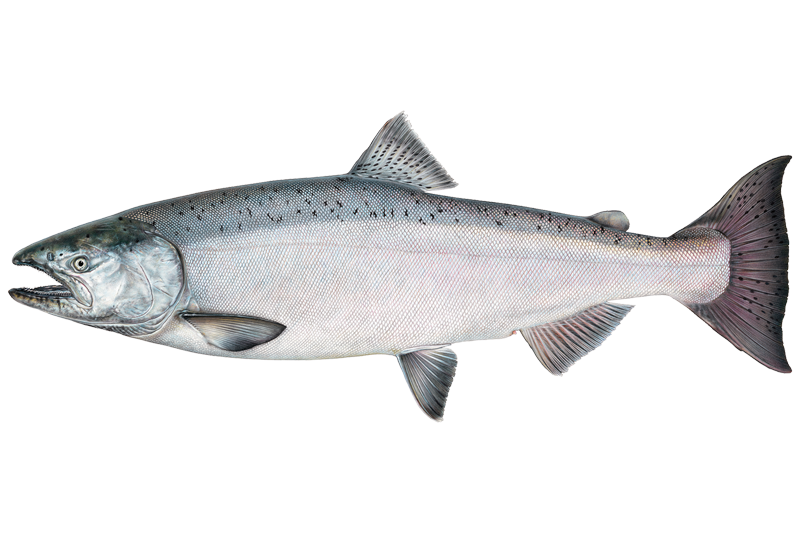
Chinook Salmon
Oncorhynchus tshawytscha

Corvina Drum
Cilus gilberti

Fine Flounder
Paralichthys adspersus

Flathead Mullet
Mugil cephalus

Marine Jerguilla
Aplodactylus punctatus

Pacific Sardine
Sardinops sagax

Palm Ruff
Seriolella violacea

Patagonian Blenny
Eleginops maclovinus

Patagonian Redfish
Sebastes oculatus

Peruvian Grunt
Anisotremus scapularis

Peruvian Rock Seabass
Paralabrax humeralis

Pink Cusk-eel
Genypterus blacodes

Puye
Galaxias maculatus

Red Cusk-eel
Genypterus chilensis

Rollizo
Pinguipes chilensis

Sea Trout
Salmo trutta

Sevengill Shark
Notorynchus cepedianus

Shortfin Mako
Isurus oxyrinchus

Snoek
Thyrsites atun

Southern Hake
Merluccius australis

Southern Rays Bream
Brama australis

South Pacific Hake
Merluccius gayi

Vieja
Graus nigra

Yellowfin Tuna
Thunnus albacares

Yellowtail Amberjack
Seriola lalandi
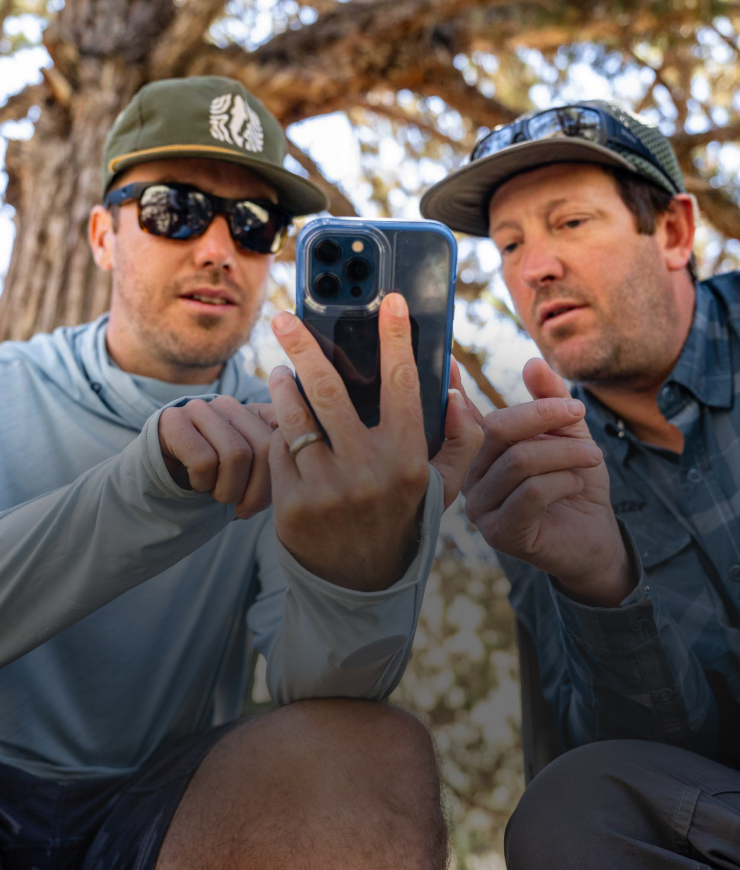
Fish smarter with real-time insights
Whether you're en route and conditions shift or you're looking for the best spot based on current flows, we enable you to make informed decisions on the fly.




Aysén licenses and regulations
Explore Aysén waters
Top fishing waters
Popular Cities
Loading popular cities...

Smarter Fishing Starts in the App.
onWater Fish gives you everything you need to plan smarter, fish better, and own every trip from first cast to last.