Fishing in Chaco
- Lakes
- 68
- Rivers
- 50
- Access
- 0
- Boat Ramps
- 1
- Shops
- 0
Chaco is a flat, subtropical province in northeastern Argentina, where the Gran Chaco plain meets a dense network of rivers and wetlands. The fishing here is almost entirely freshwater and warm-water — this is not trout country.
The dominant waters are large, slow-moving rivers that carry heavy sediment loads and flood seasonally, shaping the fishing calendar as much as any regulation does.
The Río Paraná and Río Paraguay form the province's eastern and northern boundaries respectively, and between them they define the character of Chaco fishing.
These are wide, powerful rivers with complex channel systems, backwaters, and oxbow lagoons that fill and drain with the annual flood pulse.
The Río Bermejo cuts across the province from west to east, joining the Paraguay near the town of General Obligado, and it carries its own distinct fishery — turbid, fast-moving water that suits different species and tactics than the calmer reaches of the main rivers.
The target species here are the ones that define warm-water fishing across the Argentine northeast: dorado, surubí, pacú, and sábalo are the fish anglers come for.
Dorado run hard in the faster, clearer stretches; surubí — both the spotted pintado and the striped manguruyú — hold in deep channels and are often targeted at night with live bait.
Pacú and sábalo move with the floods, and fishing for them in the lagoons and riachos that connect to the main rivers can be productive when water levels are right.
The Riacho Ancho and smaller tributaries like the Arroyo El Chancho and Arroyo Zapirán are the kinds of waters where local anglers spend a lot of time — narrower, more intimate than the main rivers, and often more predictable.
Laguna Larga and the scatter of oxbow lakes in the San Fernando department hold fish year-round and are accessible without a boat in some spots. The fishing season follows the river cycle.
As floodwaters recede in late summer and autumn — roughly March through May — fish concentrate in shrinking lagoons and the mouths of tributaries, and this is often the most productive period.
Winter brings lower, clearer water and better visibility in some reaches. The summer flood disperses fish widely and makes targeting them harder, though it also recharges the whole system. Access varies considerably.
The Resistencia area gives anglers a practical base with river access to the Paraná and connections to the riacho system. More remote stretches of the Bermejo and Bermejito require local knowledge and, in some cases, a boat.
Parque Nacional El Chaco protects a section of the Río Negro (Brazo Norte) and surrounding wetlands — fishing within the park is subject to national park rules, and it's worth checking current conditions with park administration before heading in.
Chaco's rivers are working rivers, not managed sport fisheries. The fish are wild, the water is often murky, and the experience is shaped by weather and hydrology more than anything else.
That's the appeal for anglers who come here — not a manicured experience, but a genuinely dynamic system where reading the water still matters.
Top waters to fish near Chaco
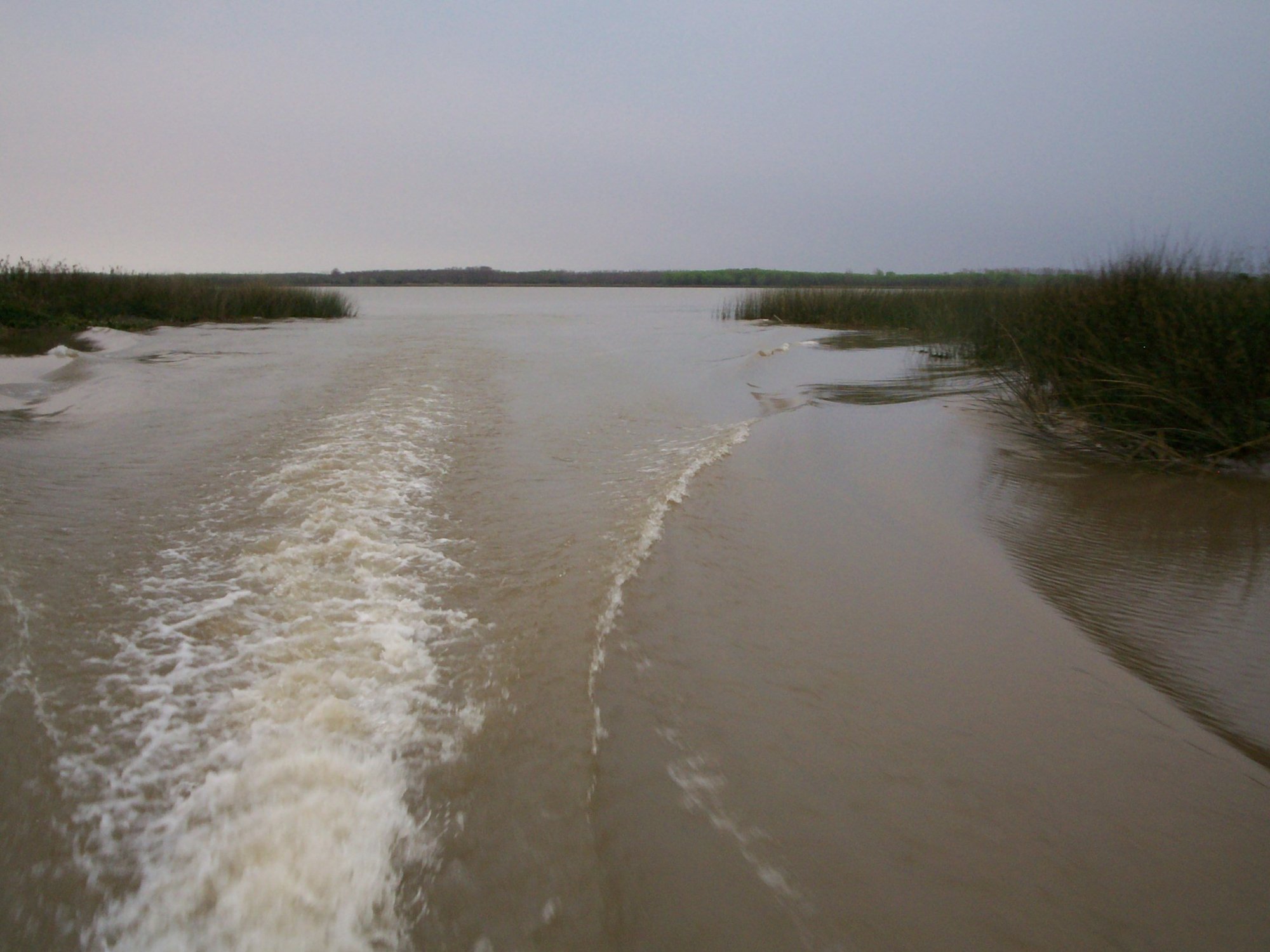
Río Paraná
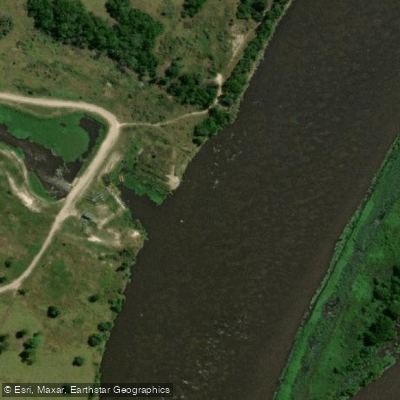
Río Paraguay
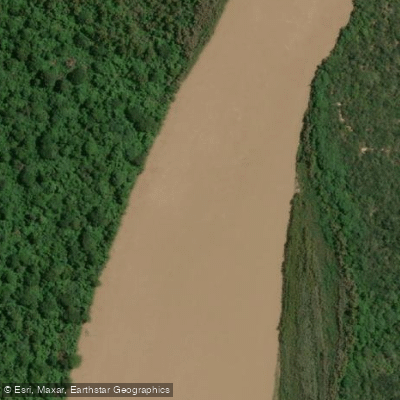
Río Bermejo
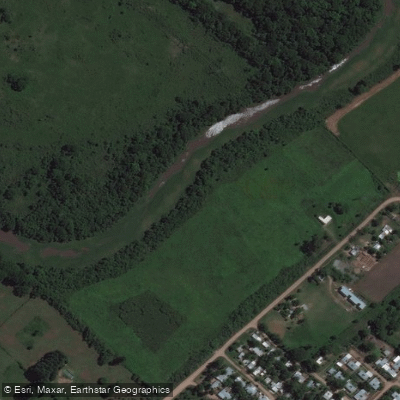
Río Negro (Brazo Norte)
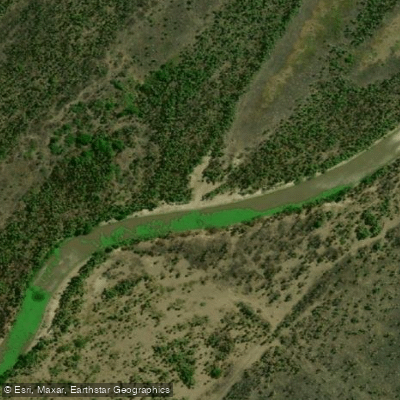
Arroyo El Chancho
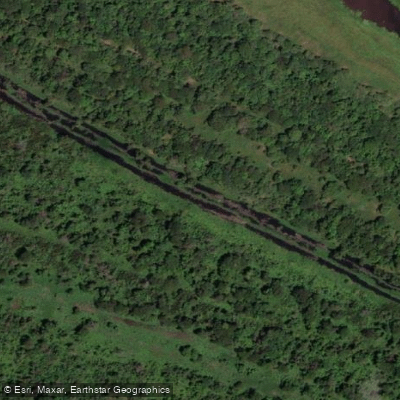
Riacho Ancho
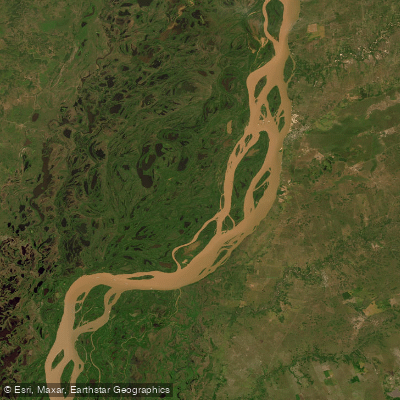
Río Paraná
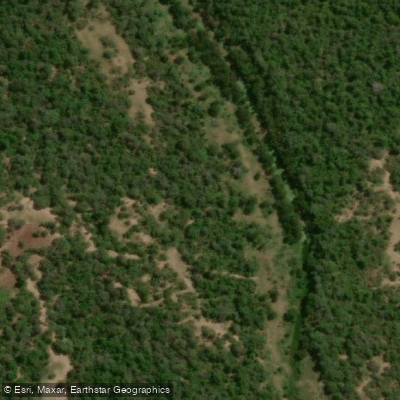
Río Bermejito
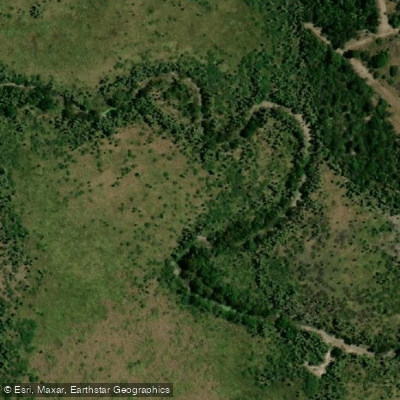
Arroyo Saladito
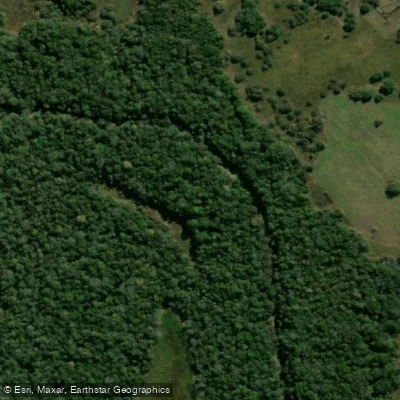
Arroyo Zapirán
Species & education
Learn what type of fish are in Chaco and what's needed to catch them.
Find which waters have the species you want to catch

Rainbow Trout
Oncorhynchus mykiss

Brown Trout
Salmo trutta

Brook Trout
Salvelinus fontinalis

Argentine Hake
Merluccius hubbsi

Argentine Sandperch
Pseudopercis semifasciata

Argentine Seabass
Acanthistius patachonicus

Atlantic Bonito
Sarda sarda

Atlantic Chub Mackerel
Scomber colias

Black Drum
Pogonias courbina

Bluefish
Pomatomus saltatrix

Brazilian Codling
Urophycis brasiliensis

Brazilian Sandperch
Pinguipes brasilianus
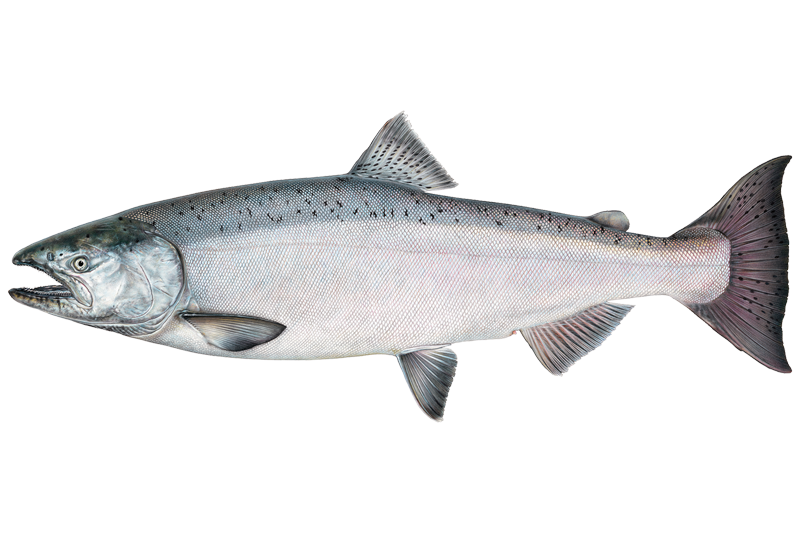
Chinook Salmon
Oncorhynchus tshawytscha

Common Carp
Cyprinus carpio

Common Seabream
Pagrus pagrus

Copper Shark
Carcharhinus brachyurus

Corvina de río
Plagioscion ternetzi

Cucharón
Sorubim lima

Dama
Salminus brasiliensis

Elephant Fish
Callorhinchus callorynchus

Flathead Mullet
Mugil cephalus

King Weakfish
Macrodon ancylodon

Lebranche Mullet
Mugil liza

Lebrancho
Mugil liza

Leporinus obtusidens
Leporinus obtusidens

Mangrullo
Pseudoplatystoma corruscans

Narrownose Smooth-hound
Mustelus schmitti

Pacú
Piaractus mesopotamicus

Palometa picuda
Serrasalmus marginatus

Parona Leatherjacket
Parona signata

Patagonian Blenny
Eleginops maclovinus

Perca
Percichthys trucha

Percichthys colhuapiensis
Percichthys colhuapiensis

Puye
Galaxias maculatus

Puyen grande
Galaxias platei

Rough Scad
Trachurus lathami

Sábalo
Prochilodus lineatus

Sand Tiger Shark
Carcharias taurus

School Shark
Galeorhinus galeus

Sea Trout
Salmo trutta
Fish smarter with real-time insights
Whether you're en route and conditions shift or you're looking for the best spot based on current flows, we enable you to make informed decisions on the fly.




Chaco licenses and regulations
Explore Chaco waters
Top fishing waters
Popular Cities
Loading popular cities...

Smarter Fishing Starts in the App.
onWater Fish gives you everything you need to plan smarter, fish better, and own every trip from first cast to last.