Longnose Sucker

The Longnose Sucker is a non-native species in Wyoming that was introduced in the 1930s and has established populations in several waters.
These bottom-feeding fish exhibit a generalized feeding strategy and play a role in the aquatic food web as both predator and prey.
Scientific Name: Catostomus catostomus
- Easily distinguished by their elongated snout (up to 1/3 of body length), large suction-disc lips, and prominent scales.
- Wyoming specimens typically range 8-25 inches and weigh 1-6 pounds.
Fishing in Wyoming
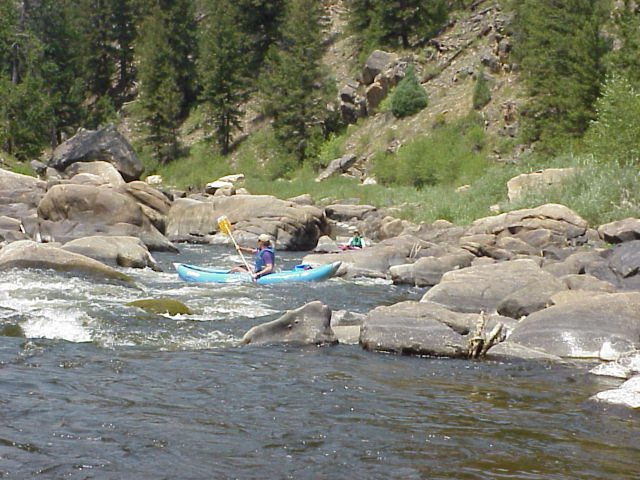
North Platte River
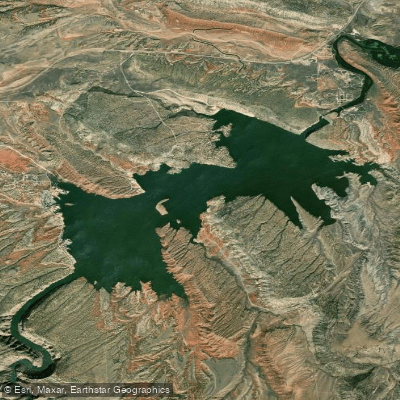
Alcova Reservoir
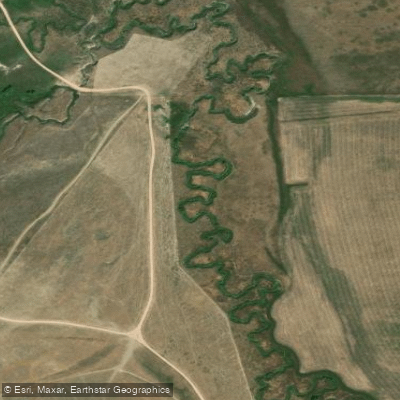
Muddy Creek
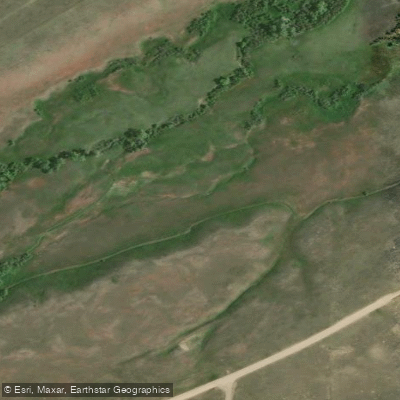
Elkhorn Creek
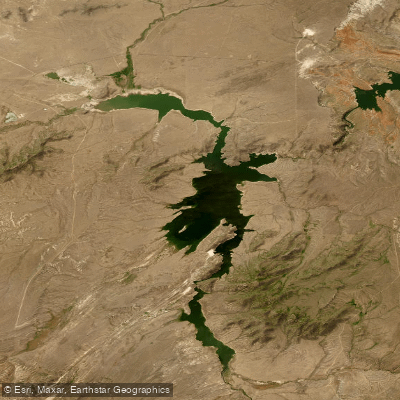
Pathfinder Reservoir
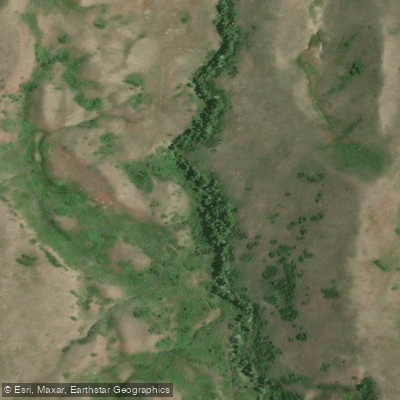
Wolf Creek
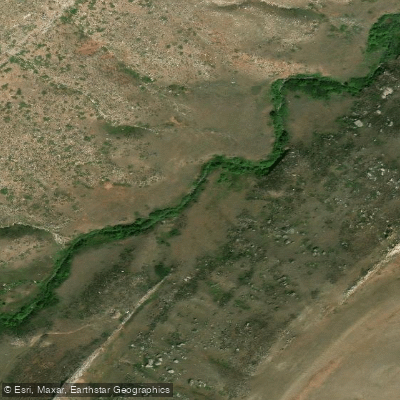
Clear Fork Muddy Creek
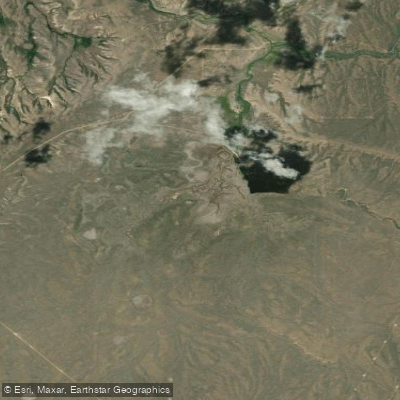
Bates Creek Reservoir
Bolton Creek
Deer Creek
What to know
Habitat Distribution
- Documented in the Big Sandy, Upper Green, and Upper Green-Slate watersheds from 1980-1994.
- Found in association with cutthroat trout and lake trout in Wyoming waters like Yellowstone Lake.
Key Locations
- Yellowstone Lake, Green River drainage, Big Sandy, Upper Green, Upper Green-Slate watersheds, North Platte River in Casper.
Specific Spots
- Target river mouths and gravel-bottomed areas.
- Focus on deeper pools and slower runs with boulder-rubble substrate or significant woody debris, typically below riffles.
- For waters like the North Platte River near Casper, focus on sections with good flow and gravel substrate.
Longnose Sucker FAQ
Answers from onWater's species guide.
What flies work for Longnose Sucker in Wyoming?
Sucker spawn e.g.g patterns in natural chartreuse colors, bead head strip leech patterns, e.g.g flies, and various nymph patterns that imitate their preferred food sources like chironomids and amphipods.
When is the best time to fish for Longnose Sucker in Wyoming?
Spring and fall offer prime opportunities. Spawning occurs from April to July during which they should not be targeted.
How do you catch Longnose Sucker in Wyoming?
Fish stationary on the bottom. Maintain tight line tension as suckers can grab bait stealthily. Fly fishing techniques work well.
What do Longnose Sucker eat?
Generalized feeding strategy, consuming detritus (30.4% of diet), dipterans/chironomids (30%), copepods (10.4%), amphipods, cladocerans, ephemeropterans, mollusks, and benthic algae. Diet shifts with size - smaller fish consume more copepods while larger specimens focus more on dipterans and amphipods.
Where do Longnose Sucker live in Wyoming?
Documented in the Big Sandy, Upper Green, and Upper Green-Slate watersheds from 1980-1994. Found in association with cutthroat trout and lake trout in Wyoming waters like Yellowstone Lake.
Fish smarter with real-time insights
Whether you're en route and conditions shift or you're looking for the best spot based on current flows, we enable you to make informed decisions on the fly.







See it in the app
Most maps show you water.
onWater shows you Longnose Sucker.



- 01 · Species map filter
Map every Longnose Sucker water
Pick Longnose Sucker and the map zeroes in on the waters they call home. No more guessing which lake holds them.
- 02 · Waterbody species
Tap any water. See what lives there.
Species, behavior and seasonal patterns for every lake, river and pond, before you leave the driveway.
- 03 · Angler Intelligence
Ask how to catch Longnose Sucker
Tactics, gear and timing from onWater's AI fishing guide, tuned to the species and the water you're on.
Stop guessing where Longnose Sucker are.
Open the map, filter by Longnose Sucker, and head to water that holds them. Download onWater and plan your next trip in minutes.
- Species map filter
- Angler Intelligence
- Fishing journal
Explore other species
Trout, bass, salmon, panfish and everything in between. Each guide unpacks the behavior, seasons, and tactics that put fish in the net.

Find which waters have the species you want to catch

Largemouth Bass
Micropterus salmoides

Smallmouth Bass

Rainbow Trout
Oncorhynchus mykiss

Brown Trout
Salmo trutta

Brook Trout
Salvelinus fontinalis

Cutthroat Trout

Northern Pike
Esox lucius

Walleye
Sander vitreus

Black Crappie
Pomoxis nigromaculatus
Arctic Grayling
Thymallus arcticus

Bigmouth Buffalo
Ictiobus cyprinellus

Black Bullhead
Ameiurus melas
Bluegill Sunfish
Lepomis macrochirus

Blue Sucker
Cycleptus elongatus

Burbot
Lota lota

Channel Catfish
Ictalurus punctatus

Coho Salmon
Oncorhynchus kisutch

Colorado River Cutthroat Trout

Common Carp
Cyprinus carpio

Creek Chub
Semotilus atromaculatus

Flathead Catfish
Pylodictis olivaris

Flathead Chub
Platygobio gracilis

Freshwater Drum
Aplodinotus grunniens

Gizzard Shad
Dorosoma cepedianum

Golden Trout

Green Sunfish
Lepomis cyanellus
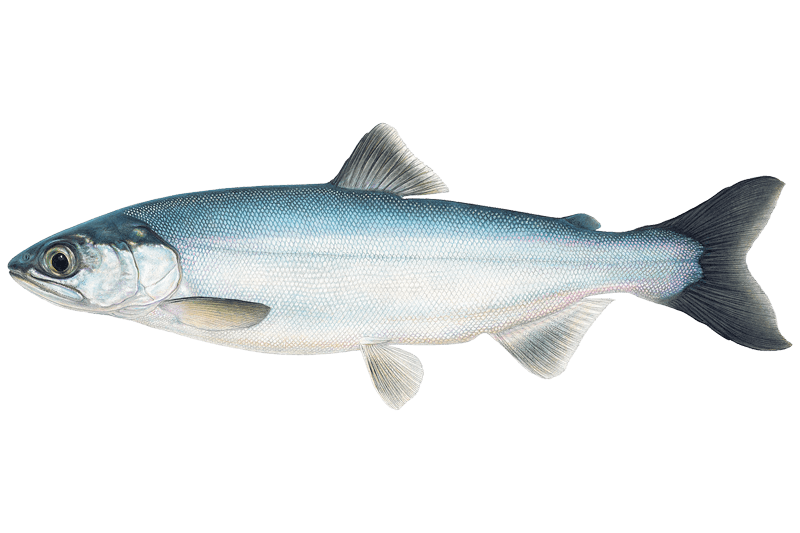
Kokanee Salmon
Oncorhynchus nerka

Lake Trout
Salvelinus namaycush
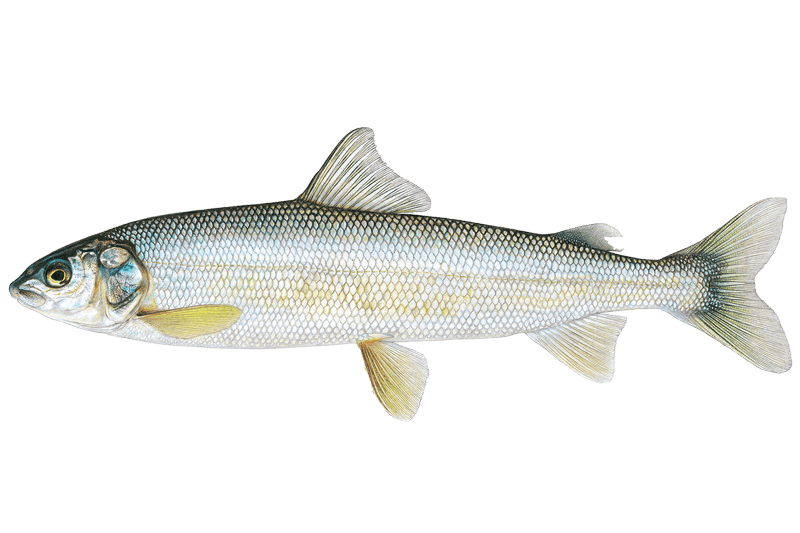
Mountain Whitefish
Prosopium williamsoni

Pumpkinseed
Lepomis gibbosus
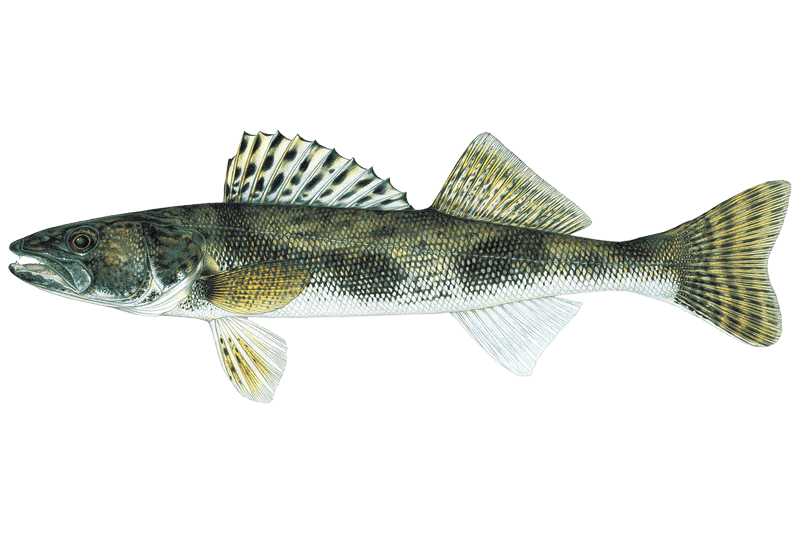
Sauger
Sander canadensis
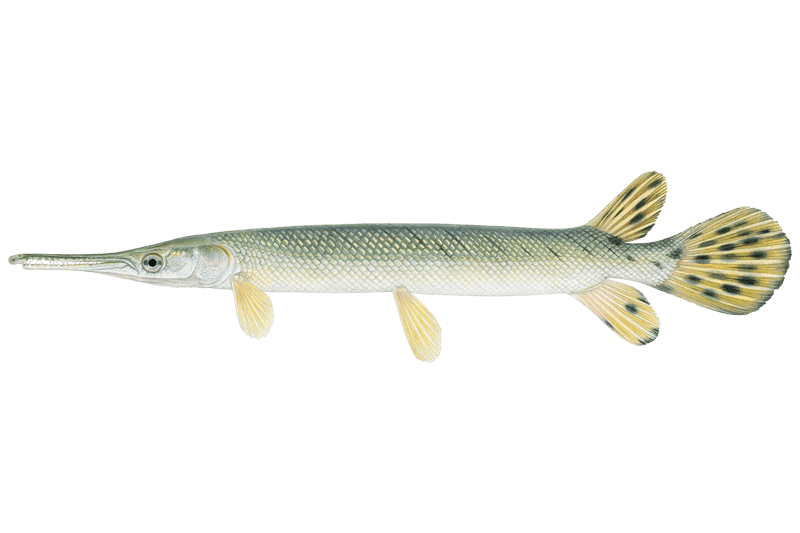
Shortnose Gar
Lepisosteus platostomus

Sockeye Salmon
Oncorhynchus nerka
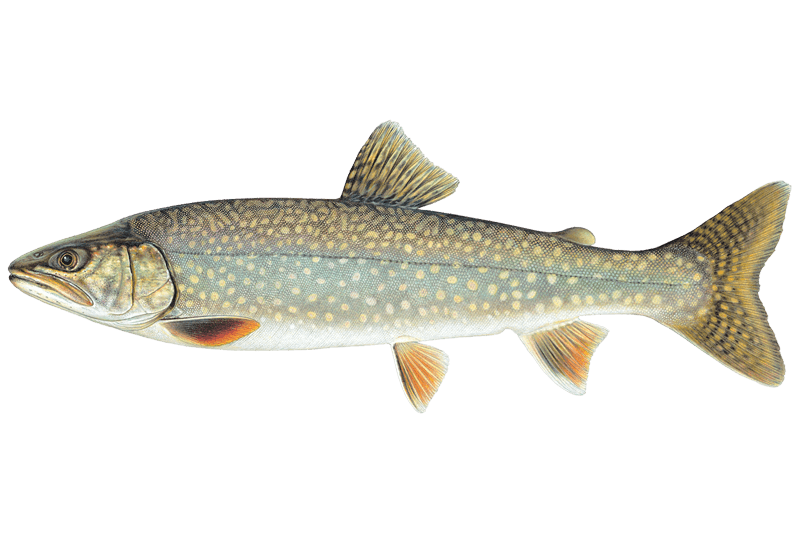
Splake
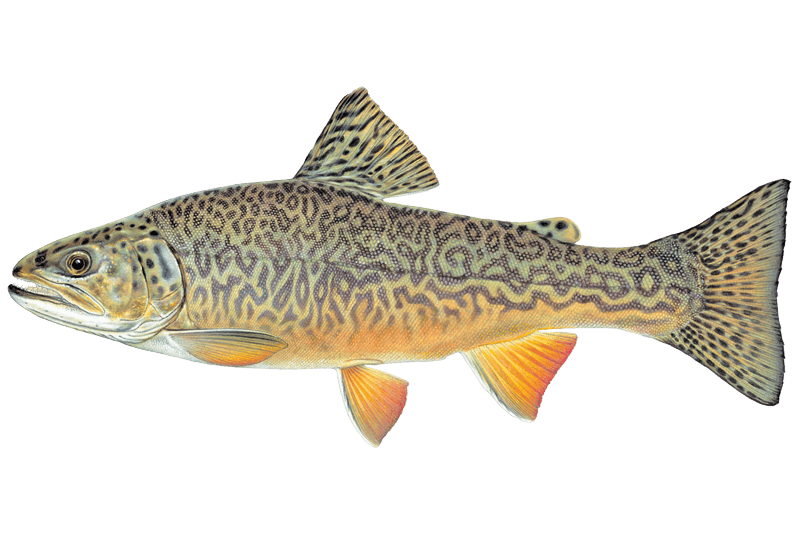
Tiger Trout
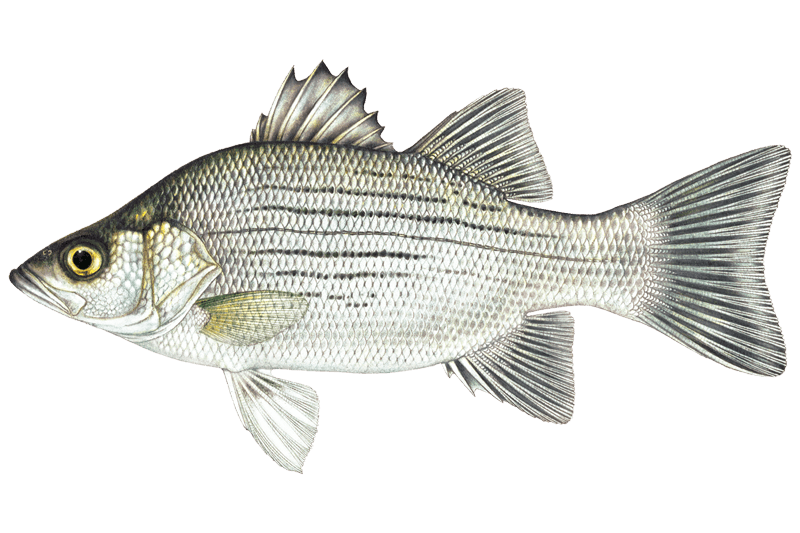
White Bass
Morone chrysops
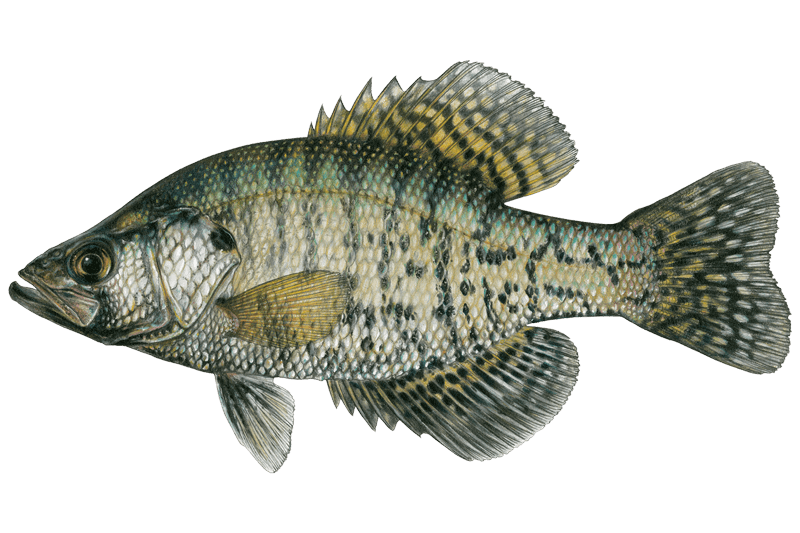
White Crappie
Pomoxis annularis
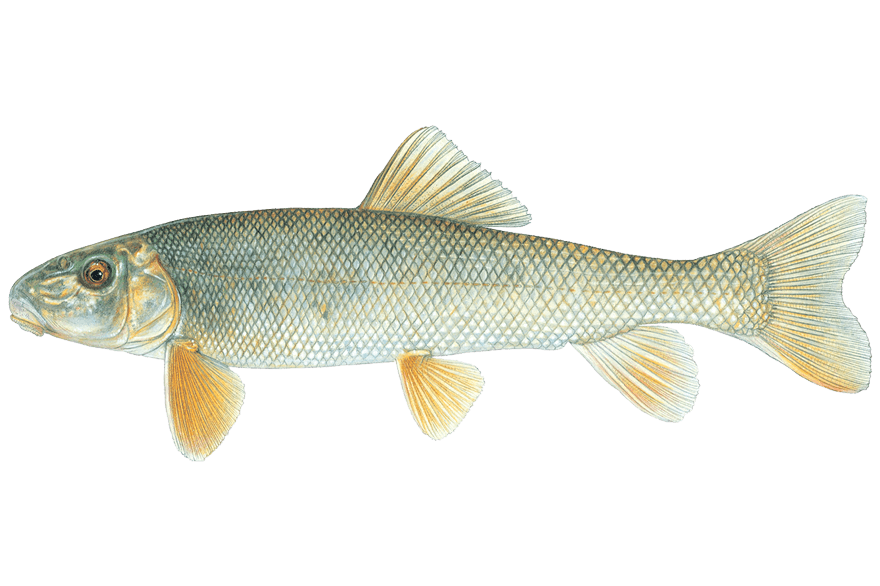
White Sucker
Catostomus commersonii
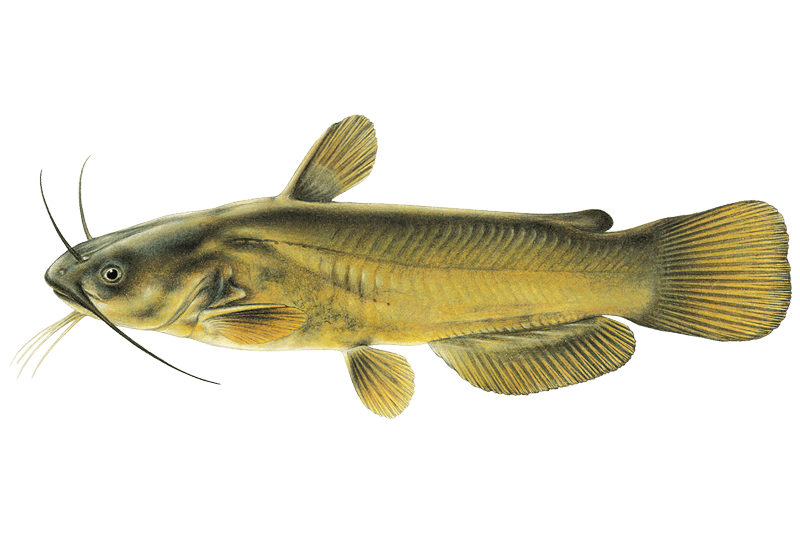
Yellow Bullhead
Ameiurus natalis
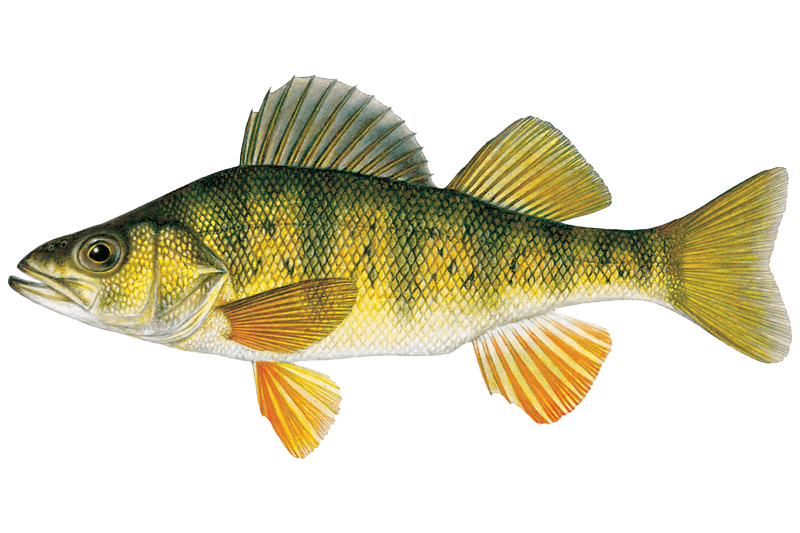
Yellow Perch
Wyoming licenses and regulations

Wyoming Boating Regulations
When using any type of watercraft to access a body of water, it is important to follow all federal, state, and local rules and regulations. These rules and regulations include boat permitting and licensing, invasive species inspections and stamps, life jacket and PFD rules, motor size and horsepower restrictions, noise limitations, restrictions on personal watercraft, and many more. Visit the web link below for the most current rules and regulations for this body of water.

Wyoming Fishing License
A fishing license is required for residents and nonresidents age 14 and over. Nonresidents under age 14 do not need a license if accompanied by an adult possessing a valid Wyoming fishing license.

Wyoming Fishing Regulations
This river has a variety of species and regulations, including potential floating and/or watercraft restrictions. Because this river is specially managed for species, seasons, angling methods, and watercraft, it is strongly encouraged you check all federal, state, and local regulations before fishing. Visit any of the links below, inquire locally, or contact a local fly shop to learn current regulations and restrictions.

Wyoming Stream Access Laws
In Wyoming, landowners own the streambed. Anyone may float across private land on navigable water, but the streambed is the property of the owner. Minor and incidental contact with the streambed is not considered trespassing. As stated by Wyoming Game and Fish Department, “Anglers are not allowed to wade fish or fish from a bank or island without permission if the stream bank, island, or streambed is privately owned. Wading, bank fishing, or anchoring without permission is trespassing.”
Explore nearby waters
Explore Wyoming waters
Top fishing waters
Popular Cities
Loading popular cities...
Smarter Fishing Starts in the App.
onWater Fish gives you everything you need to plan smarter, fish better, and own every trip from first cast to last.