Cutthroat Trout
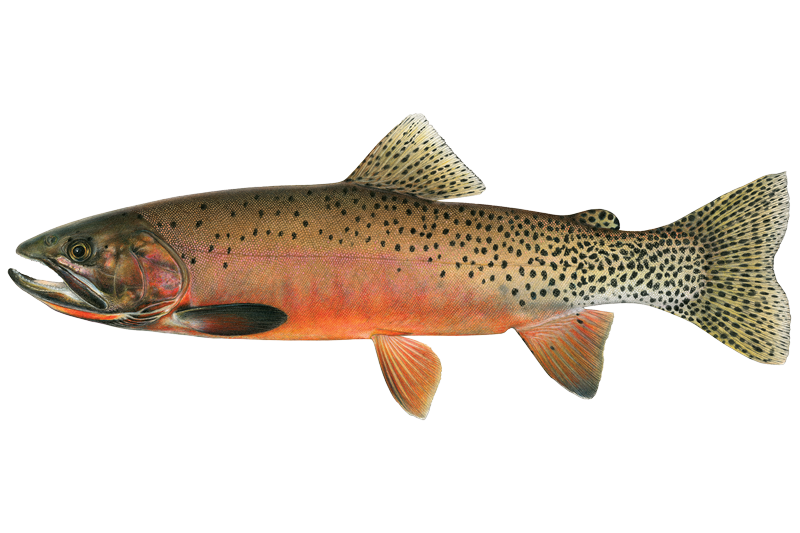
Wyoming is home to four native cutthroat trout subspecies that represent the state's only indigenous trout: Yellowstone cutthroat trout (most widespread), Colorado River cutthroat, Bonneville cutthroat, and Snake River cutthroat.
- These fish are distinguished by their characteristic red slash marks under the jaw and range from 8-22 inches depending on subspecies and habitat.
Fishing in Wyoming
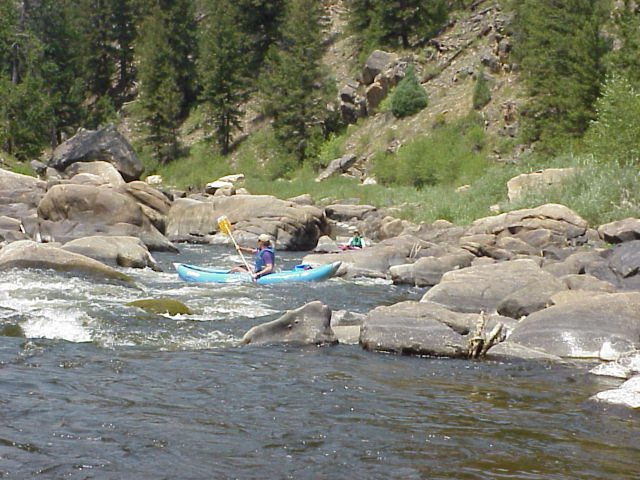
North Platte River
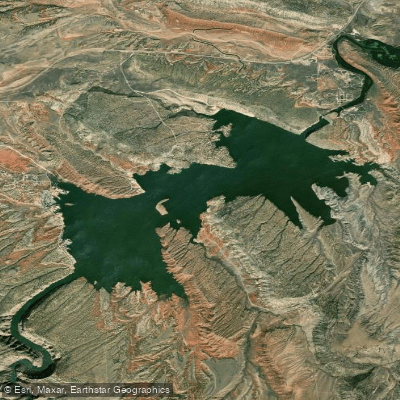
Alcova Reservoir
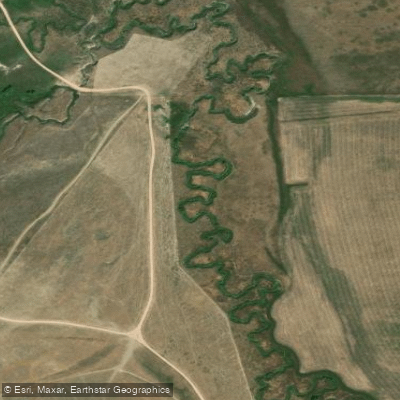
Muddy Creek
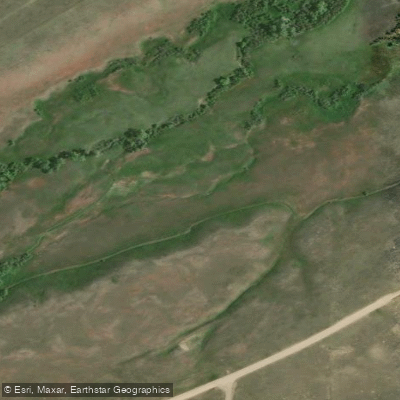
Elkhorn Creek
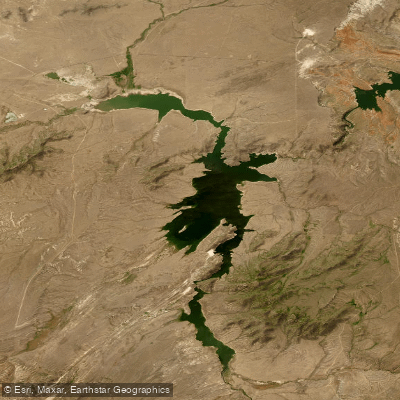
Pathfinder Reservoir
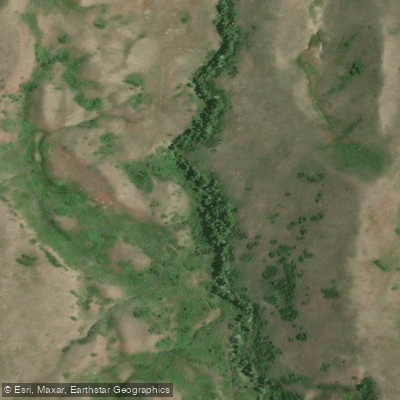
Wolf Creek
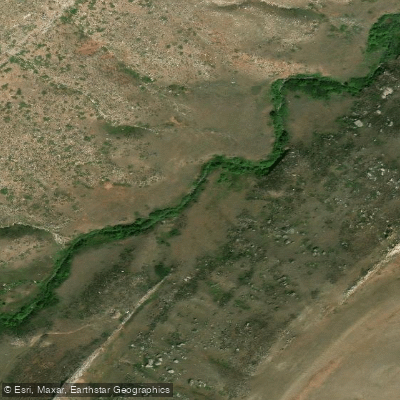
Clear Fork Muddy Creek
Bates Creek Reservoir
Bolton Creek
Deer Creek
What to know
Habitat Distribution
- Yellowstone cutthroat occupy approximately 7,500 miles of streams (43% of historic range) and over 230 lakes, primarily in high-elevation waters.
- Colorado River cutthroat occupy just 13% of their historic 4,059-mile range in Wyoming, found in Green River, Black's Fork, and Little Snake River drainages.
- Bonneville cutthroat are native to Bear River drainage including Smith Fork, Thomas Fork, and Bear River watersheds, while Snake River cutthroat inhabit the Snake River system.
- They thrive in freestone streams typical of the Rocky Mountains, Great Basin, and Pacific Basin tributaries.
Key Locations
- Key Wyoming waters include Yellowstone Lake, Jackson Lake, Snake River, Green River, North Platte River system, and countless high-mountain streams.
- Prime locations include Jackson Lake and Jenny Lake for lake trout-sized cutthroat, Snake River system for native Snake River cutthroat, Yellowstone Lake for the largest inland cutthroat population, Green River drainage for Colorado River cutthroat, and Bear River system for Bonneville cutthroat.
Specific Spots
- Fish structure like undercut banks, fallen timber, rocky outcrops, and deeper pools, especially during midday heat.
Cutthroat Trout FAQ
Answers from onWater's species guide.
What flies work for Cutthroat Trout in Wyoming?
Pale Morning Dun (size 14) and Elk Hair Caddis (size 16-18) patterns, Chubby Chernobyl hoppers, Woolly Buggers (size 6) in black or olive, Pheasant Tail Nymphs (size 18) for early season Blue-Winged Olive hatches, Prince Nymph (size 14), Royal Wulff (size 10) as attractor patterns, and Purple Haze patterns.
When is the best time to fish for Cutthroat Trout in Wyoming?
Wyoming cutthroat fishing excels year-round with seasonal variations. Spring (March-June) offers exceptional dry fly fishing during hatches. Summer brings terrestrial activity making hoppers highly productive, especially near grassy shorelines during windy conditions in July-August.
How do you catch Cutthroat Trout in Wyoming?
Successful techniques include dead drifting nymphs below indicators, dry fly fishing during hatches, and streamer fishing with retrieval patterns.
What do Cutthroat Trout eat?
These opportunistic feeders primarily consume aquatic insects (caddisflies, stoneflies, mayflies), terrestrial insects (ants, beetles, grasshoppers), and crustaceans, with larger fish becoming piscivorous.
Where do Cutthroat Trout live in Wyoming?
Yellowstone cutthroat occupy approximately 7,500 miles of streams (43% of historic range) and over 230 lakes, primarily in high-elevation waters. Colorado River cutthroat occupy just 13% of their historic 4,059-mile range in Wyoming, found in Green River, Black's Fork, and Little Snake River drainages.
Fish smarter with real-time insights
Whether you're en route and conditions shift or you're looking for the best spot based on current flows, we enable you to make informed decisions on the fly.




See it in the app
Most maps show you water.
onWater shows you Cutthroat Trout.



- 01 · Species map filter
Map every Cutthroat Trout water
Pick Cutthroat Trout and the map zeroes in on the waters they call home. No more guessing which lake holds them.
- 02 · Waterbody species
Tap any water. See what lives there.
Species, behavior and seasonal patterns for every lake, river and pond, before you leave the driveway.
- 03 · Angler Intelligence
Ask how to catch Cutthroat Trout
Tactics, gear and timing from onWater's AI fishing guide, tuned to the species and the water you're on.
Stop guessing where Cutthroat Trout are.
Open the map, filter by Cutthroat Trout, and head to water that holds them. Download onWater and plan your next trip in minutes.
- Species map filter
- Angler Intelligence
- Fishing journal
Explore other species
Trout, bass, salmon, panfish and everything in between. Each guide unpacks the behavior, seasons, and tactics that put fish in the net.
No species information available.
Wyoming licenses and regulations
Explore nearby waters
Explore Wyoming waters
Top fishing waters
Popular Cities
Loading popular cities...

Smarter Fishing Starts in the App.
onWater Fish gives you everything you need to plan smarter, fish better, and own every trip from first cast to last.