Longnose Dace

The Longnose Dace is a small, streamlined minnow reaching only 2-4 inches in Ohio waters. They are well-adapted for living on stream bottoms with their fleshy snout that projects past their subterminal mouth and small barbel near the mouth corner.
Due to their extremely limited distribution in Ohio and specialized habitat requirements, they serve as indicators of high-quality stream environments.
Scientific Name: Rhinichthys cataractae
Small, streamlined minnow reaching only 2-4 inches in Ohio waters. Fleshy snout that projects past their subterminal mouth and small barbel near the mouth corner.
Males develop bright orange-red coloration on lips, gill edges, and fin bases during breeding season.
Fishing in Ohio
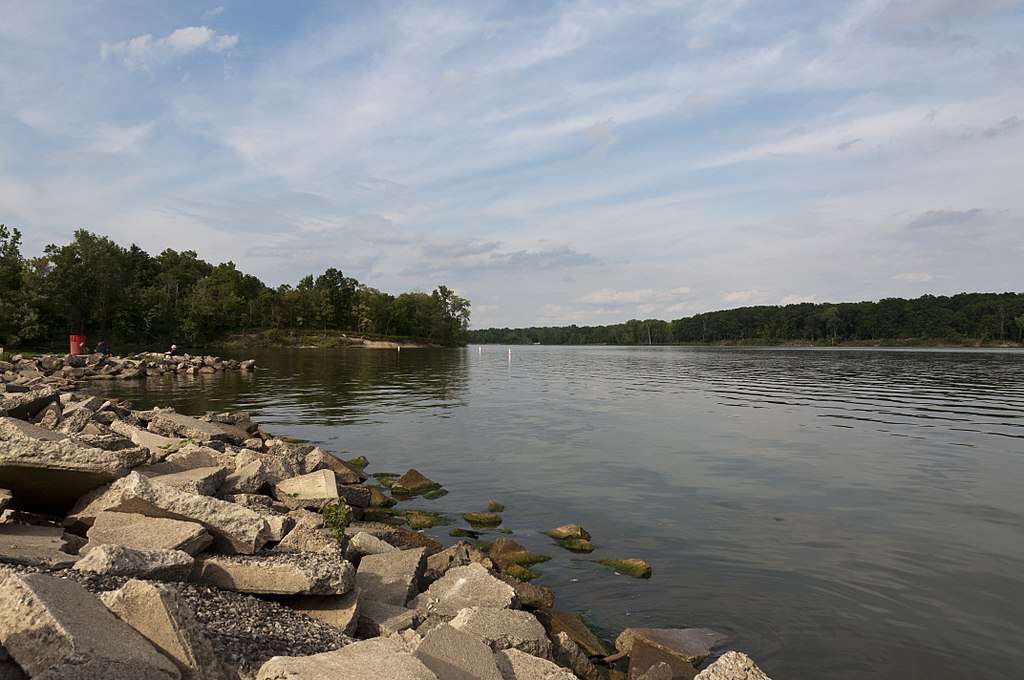
Delaware Lake
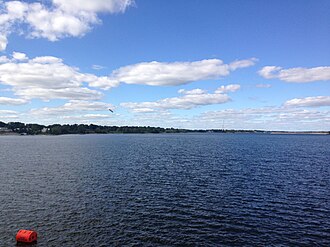
Hoover Reservoir
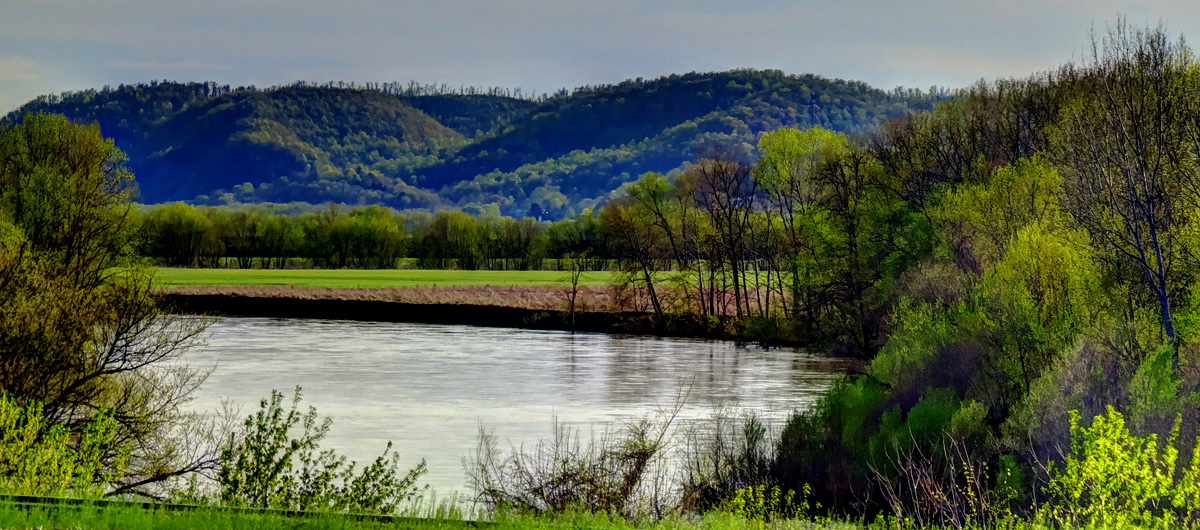
Scioto River
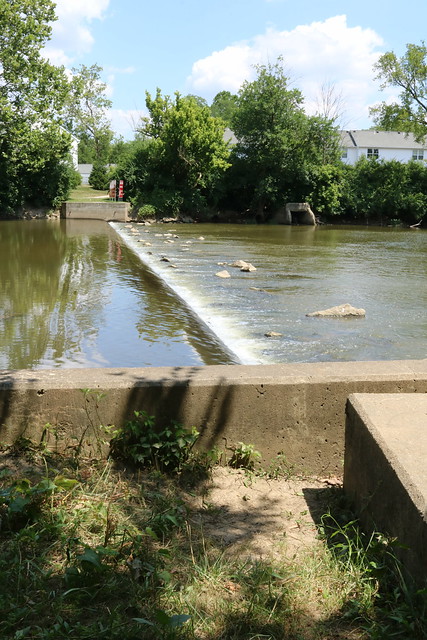
Olentangy River
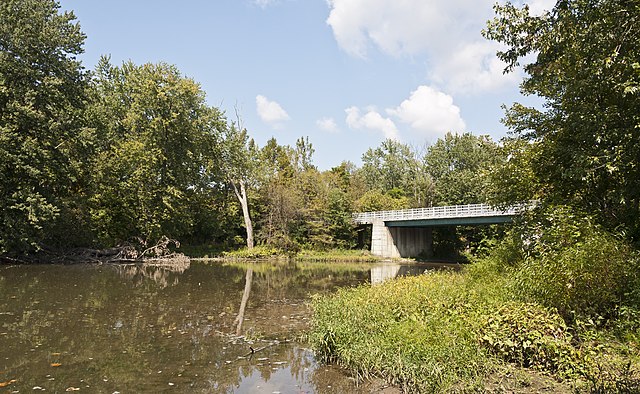
Big Darby Creek
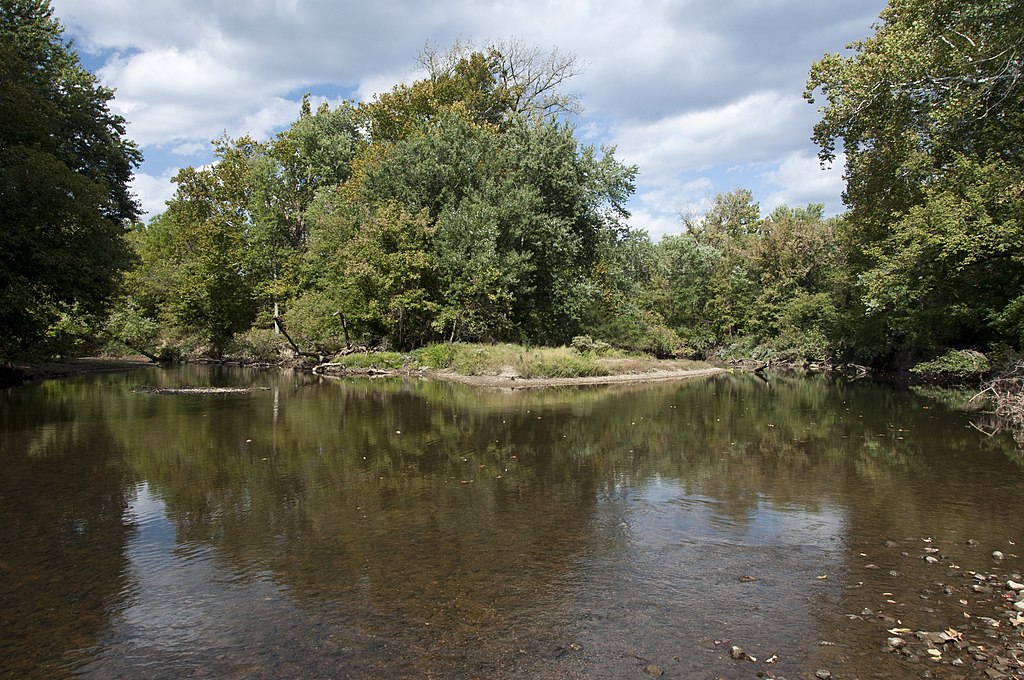
Big Walnut Creek
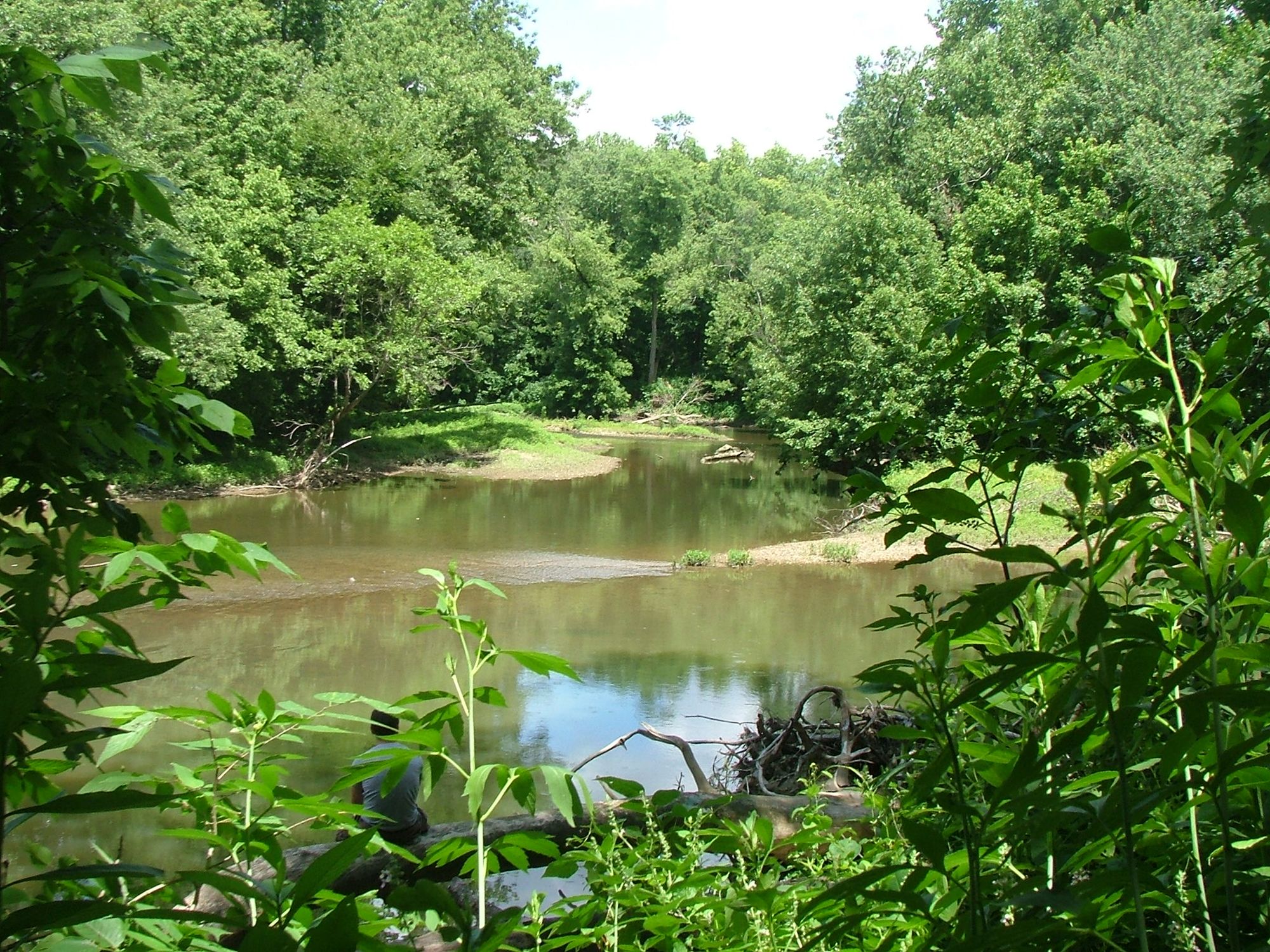
Alum Creek
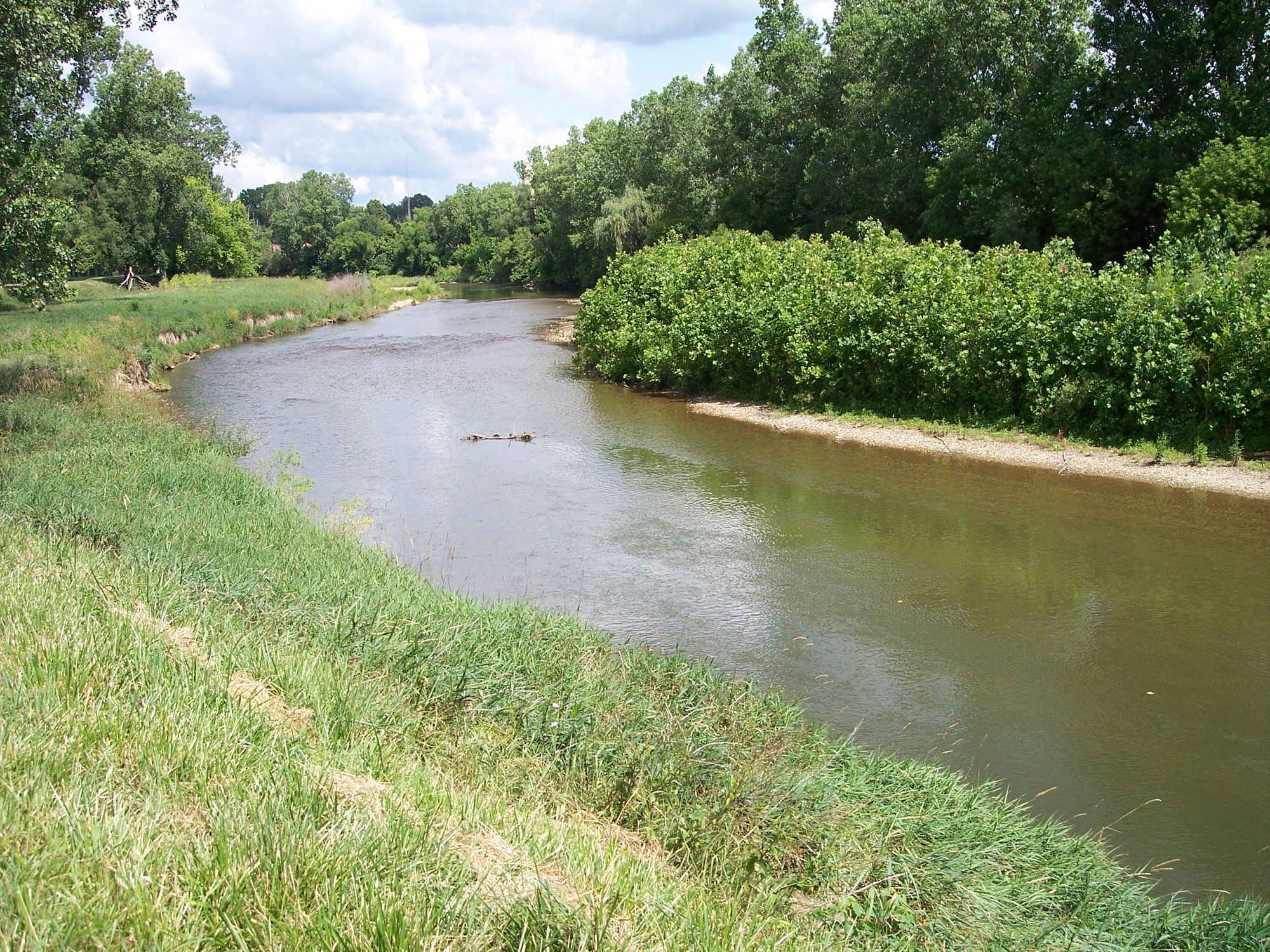
Kokosing River

Clear Fork Reservoir
Sandusky River
What to know
Habitat Distribution
Found exclusively in rocky streams with extremely swift currents. They can also be found along rocky wave-swept shorelines of eastern Lake Erie during colder months, likely migrating to deeper waters during summer.Key Locations
Chagrin River watershed, a few other small eastern Lake Erie tributaries, and several small streams draining into the upper Ohio River along the eastern edge of the state. Rocky wave-swept shorelines of eastern Lake Erie during colder months.Specific Spots
Focus on areas with gravel, cobble, and boulder bottoms where swift currents create turbulent water. In areas with wave action and rocky substrate along eastern Lake Erie shorelines.Longnose Dace FAQ
Answers from onWater's species guide.
What are the best lures and bait for Longnose Dace in Ohio?
Small pieces of red yarn work well as they mimic their natural red coloration preferences. Tiny aquatic insects like midge larvae, small mayfly nymphs, or micro pieces of worms can be effective.
What flies work for Longnose Dace in Ohio?
Small nymph patterns that imitate chironomids, simulids, and ephemerids. The classic Black Nose Dace streamer pattern can be effective when tied very small (sizes 14-20) with white, black, and brown bucktail wings, red yarn tail, and silver tinsel body.
When is the best time to fish for Longnose Dace in Ohio?
Spring and fall when water temperatures are cooler. During colder months, try fishing the rocky shorelines of eastern Lake Erie. Avoid fishing during their spawning period from May through August.
How do you catch Longnose Dace in Ohio?
Fish these patterns in the fastest water you can find, keeping the fly near the bottom where these fish feed. Always handle these fish gently and release immediately.
What do Longnose Dace eat?
Nocturnal feeders that primarily consume algae and benthic invertebrates when small (under 2 inches), shifting to fish scales, fish eggs, terrestrial insects, and aquatic macroinvertebrates as they grow larger. Their diet consists largely of midges, black flies, mayflies, leaf hoppers, aphids, and small cicadas.
Fish smarter with real-time insights
Whether you're en route and conditions shift or you're looking for the best spot based on current flows, we enable you to make informed decisions on the fly.







See it in the app
Most maps show you water.
onWater shows you Longnose Dace.



- 01 · Species map filter
Map every Longnose Dace water
Pick Longnose Dace and the map zeroes in on the waters they call home. No more guessing which lake holds them.
- 02 · Waterbody species
Tap any water. See what lives there.
Species, behavior and seasonal patterns for every lake, river and pond, before you leave the driveway.
- 03 · Angler Intelligence
Ask how to catch Longnose Dace
Tactics, gear and timing from onWater's AI fishing guide, tuned to the species and the water you're on.
Stop guessing where Longnose Dace are.
Open the map, filter by Longnose Dace, and head to water that holds them. Download onWater and plan your next trip in minutes.
- Species map filter
- Angler Intelligence
- Fishing journal
Explore other species
Trout, bass, salmon, panfish and everything in between. Each guide unpacks the behavior, seasons, and tactics that put fish in the net.

Find which waters have the species you want to catch

Largemouth Bass
Micropterus salmoides

Smallmouth Bass
Micropterus dolomieu

Rainbow Trout

Brown Trout

Brook Trout
Salvelinus fontinalis

Northern Pike
Esox lucius

Muskellunge
Esox masquinongy

Walleye
Sander vitreus

Black Crappie
Pomoxis nigromaculatus

Alewife
Alosa pseudoharengus

American Eel
Anguilla rostrata

Bighead Carp
Hypophthalmichthys nobilis

Bigmouth Buffalo
Ictiobus cyprinellus

Black Buffalo
Ictiobus niger

Black Bullhead
Ameiurus melas
Black Redhorse
Moxostoma duquesnei

Blue Catfish
Ictalurus furcatus

Blue Sucker
Cycleptus elongatus

Blue Tilapia
Oreochromis aureus

Bowfin
Amia calva

Brown Bullhead
Ameiurus nebulosus

Burbot
Lota lota

Chain Pickerel
Esox niger

Channel Catfish
Ictalurus punctatus

Chinook Salmon

Coho Salmon
Oncorhynchus kisutch

Common Carp

Creek Chub
Semotilus atromaculatus

Fallfish
Semotilus corporalis

Flathead Catfish
Pylodictis olivaris

Freshwater Drum
Aplodinotus grunniens

Golden Redhorse
Moxostoma erythrurum

Grass Carp
Ctenopharyngodon idella

Green Sunfish
Lepomis cyanellus

Lake Sturgeon

Lake Trout
Salvelinus namaycush

Longear Sunfish
Lepomis megalotis

Longnose Gar

Northern Hogsucker
Hypentelium nigricans
Orangespotted Sunfish
Lepomis humilis
Ohio licenses and regulations

Ohio Boating Regulations
When using any type of watercraft to access a body of water, it is important to follow all federal, state, and local rules and regulations. These rules and regulations include boat permitting and licensing, invasive species inspections and stamps, life jacket and PFD rules, motor size and horsepower restrictions, noise limitations, restrictions on personal watercraft, and many more. Visit the web link below for the most current rules and regulations for this body of water.

Ohio Fishing License
Persons under 16 years of age are not required to purchase a fishing license.

Ohio Fishing Regulations
This river has a variety of species and regulations, including potential floating and/or watercraft restrictions. Because this river is specially managed for species, seasons, angling methods, and watercraft, it is strongly encouraged you check all federal, state, and local regulations before fishing. Visit any of the links below, inquire locally, or contact a local fly shop to learn current regulations and restrictions.

Ohio Stream Access Laws
Ohio does not believe there is a precise definition for navigability, so it is determined on a case-by-case basis. However, the state generally accepts waterways capable of recreational boating, with a history of recreation and with public access. The public is allowed to recreate freely on all navigable waters but streambeds are not publicly owned.
Explore nearby waters
Explore Ohio waters
Top fishing waters
Popular Cities
Loading popular cities...

Smarter Fishing Starts in the App.
onWater Fish gives you everything you need to plan smarter, fish better, and own every trip from first cast to last.