Brook Trout

Brook Trout in Ohio represent one of the state's most remarkable conservation stories and are the only trout species native to Ohio's inland waters.
These fish are actually members of the char family, not true trout, and are related to Arctic char and lake trout.
Ohio's brook trout are genetically distinct from brook trout found elsewhere, making them a unique strain that has survived since the last ice age approximately 10,000 years ago.
Scientific Name: Salvelinus fontinalis
- These fish are small, typically 6-15 inches, and are distinguished by their vermiculated (worm-like) back markings, white leading edges on their fins, and lack of black spots on the head, back, or tail.
Fishing in Ohio
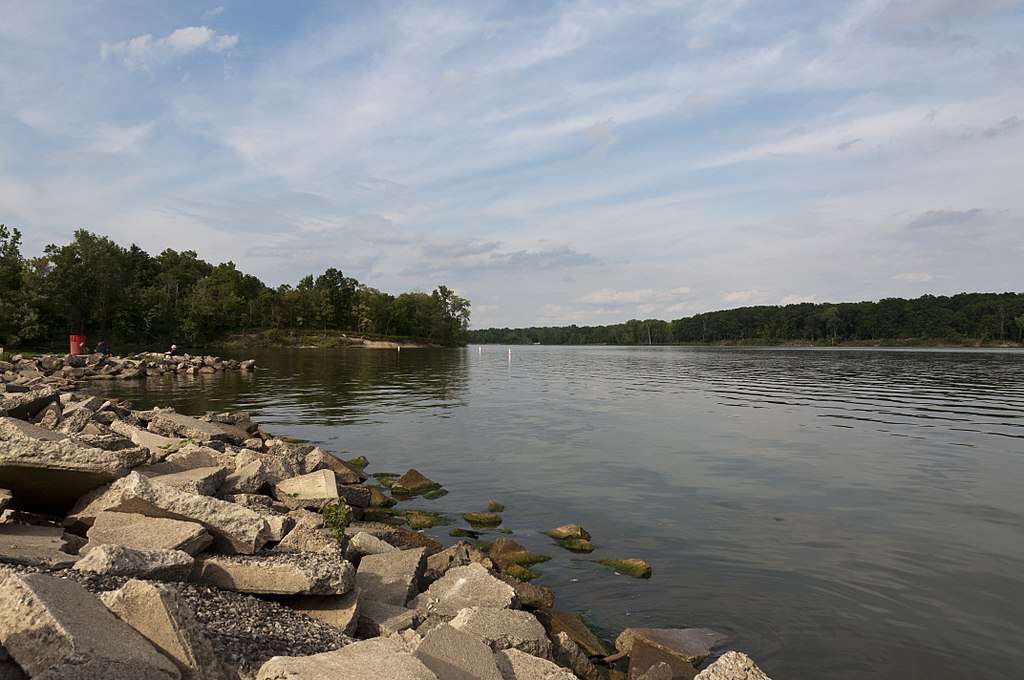
Delaware Lake
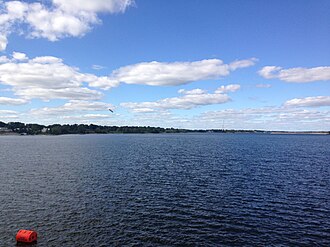
Hoover Reservoir
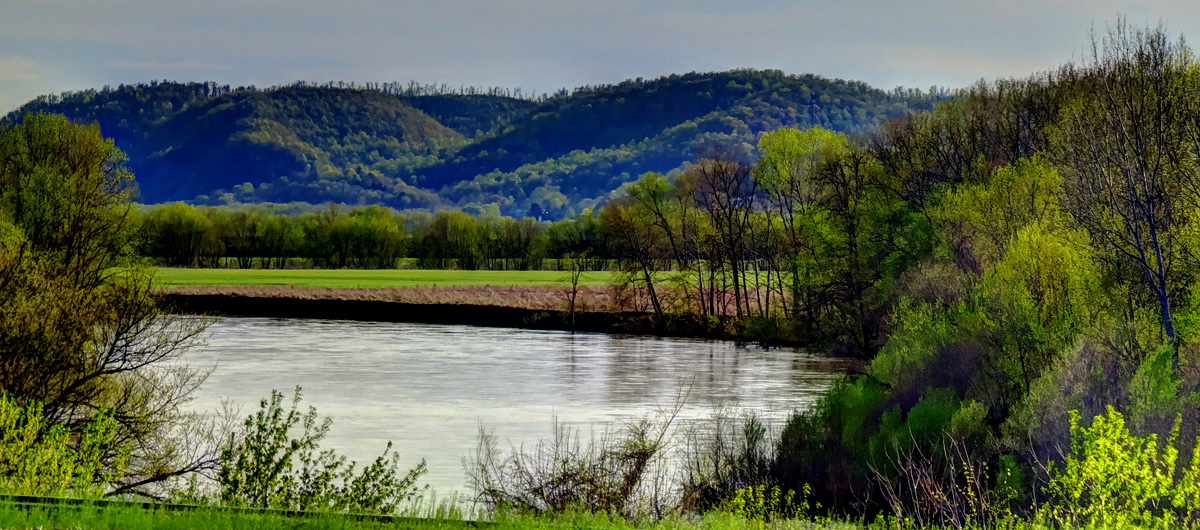
Scioto River
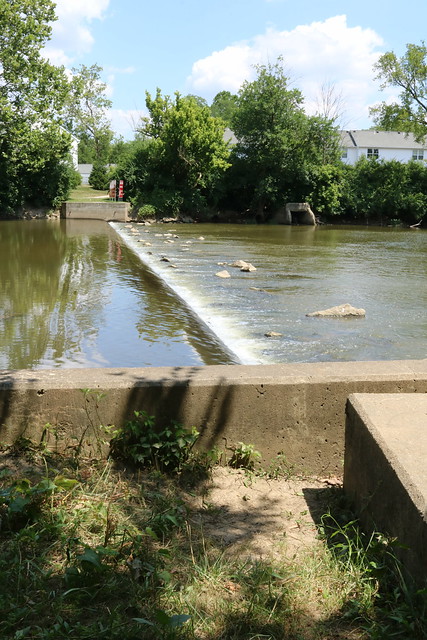
Olentangy River
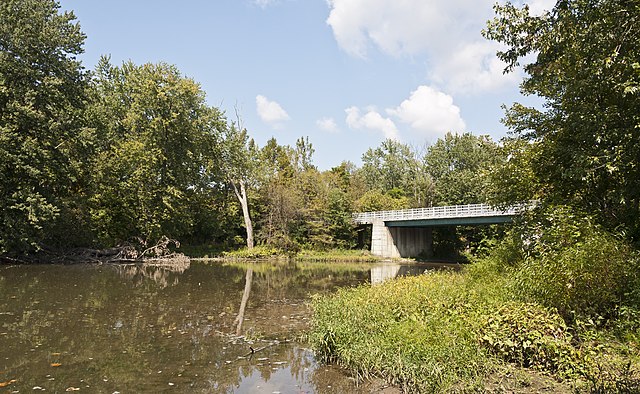
Big Darby Creek
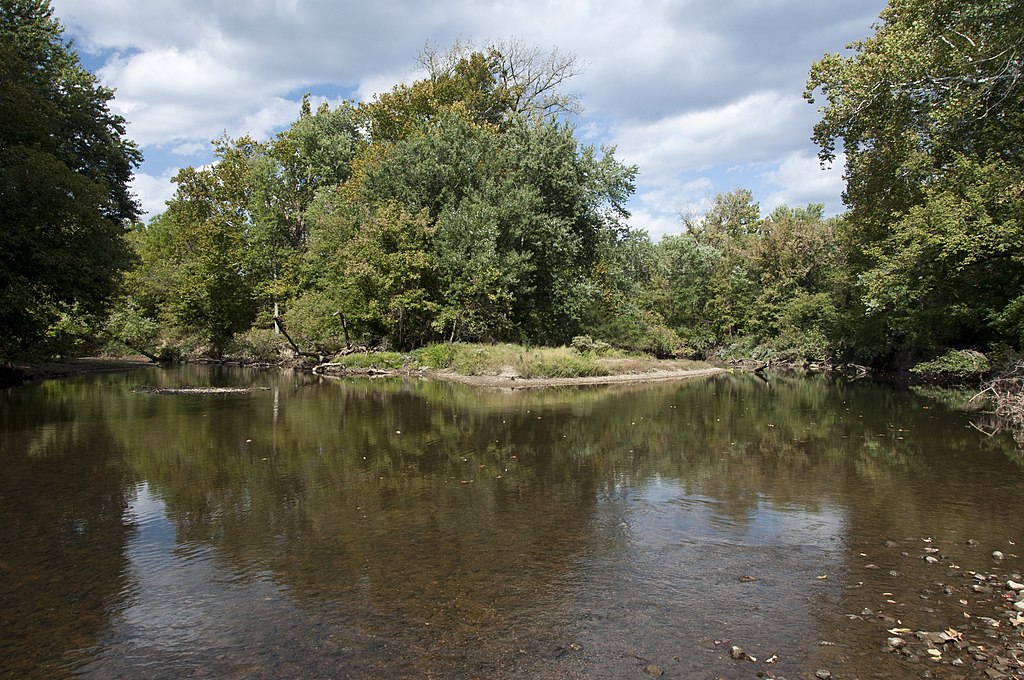
Big Walnut Creek
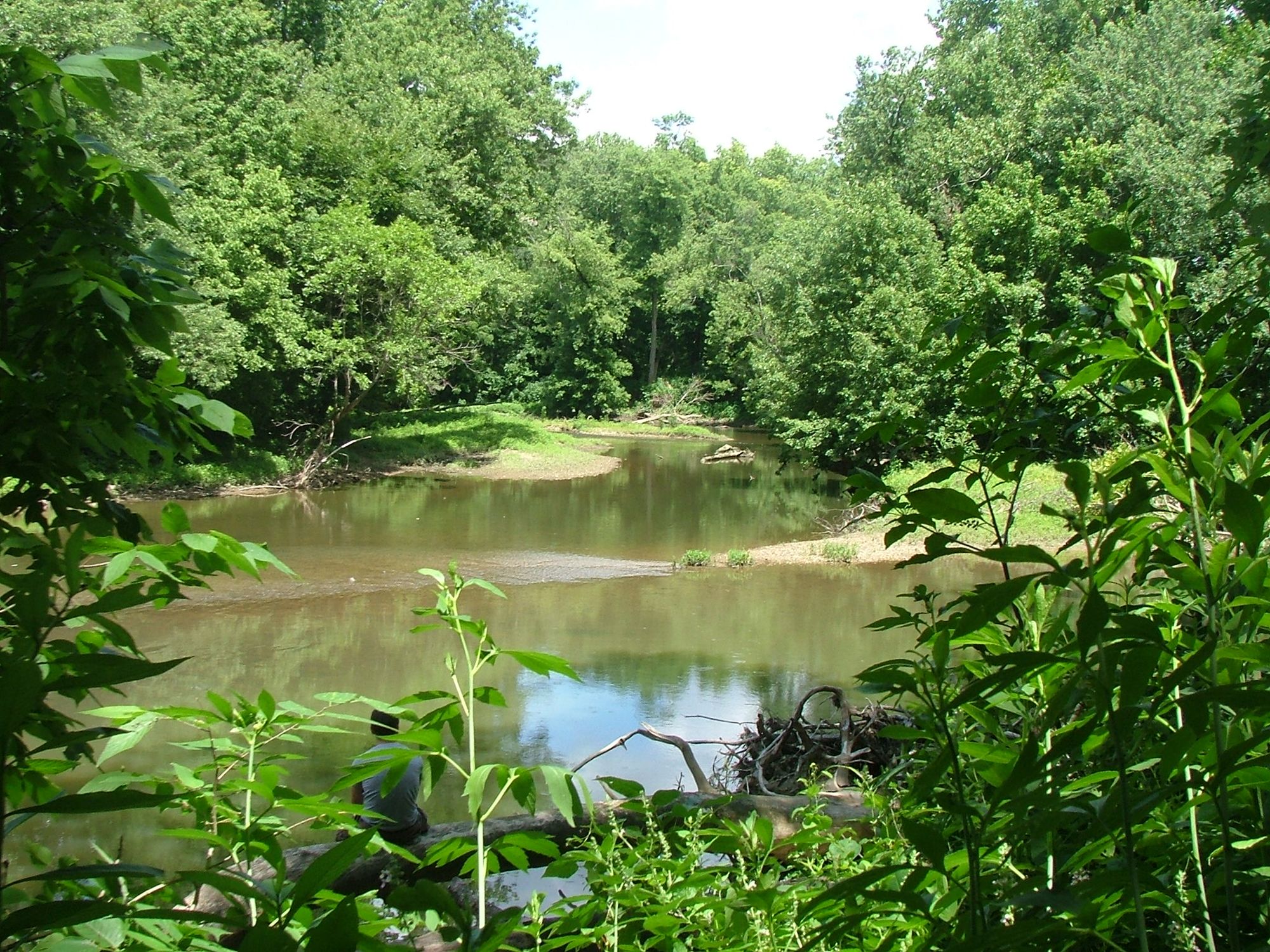
Alum Creek
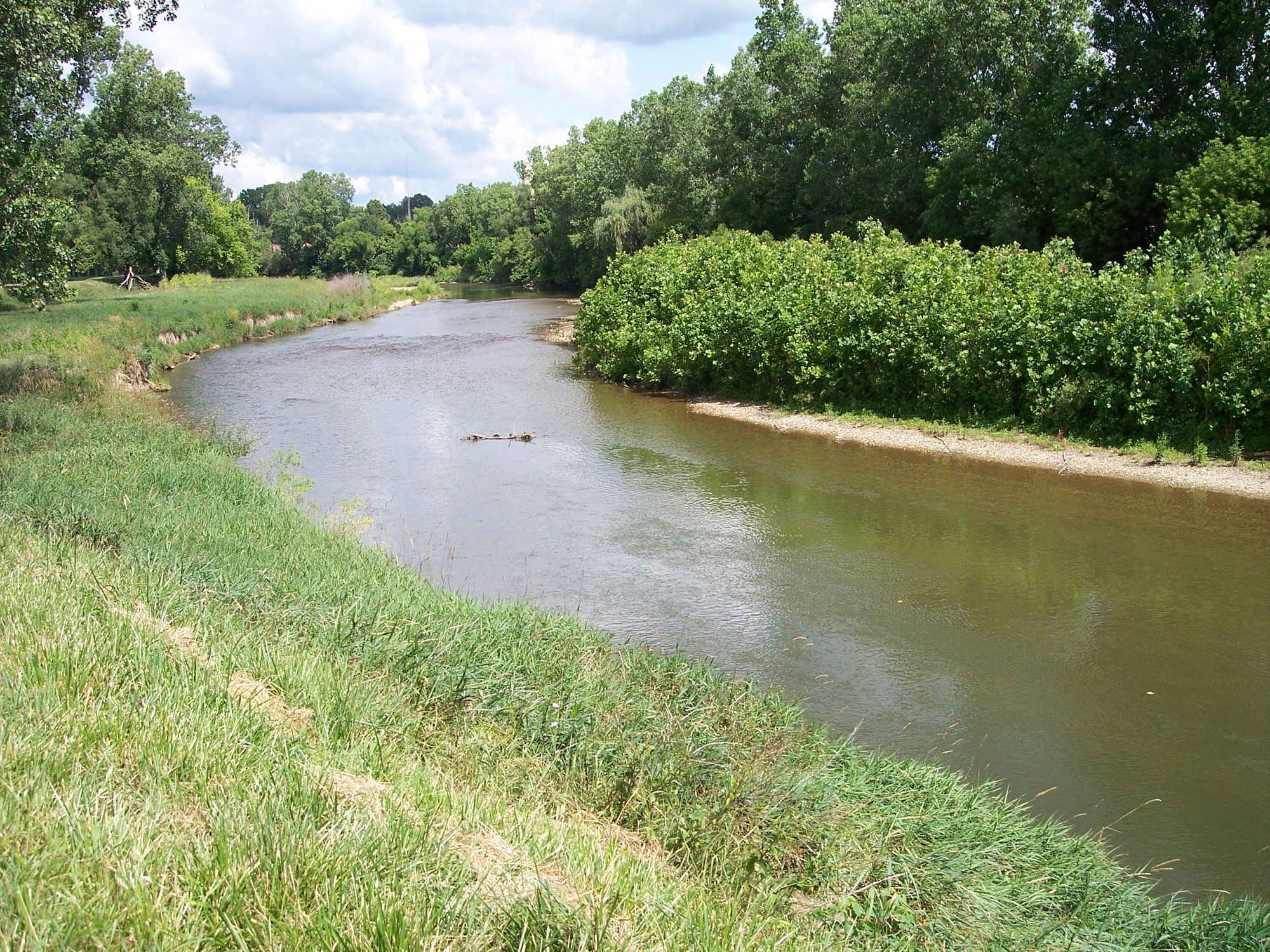
Kokosing River

Clear Fork Reservoir
Sandusky River
What to know
Habitat Distribution
- 10 streams across Northeast Ohio, though only three currently maintain stable populations.
- They require extremely cold, clear, spring-fed streams with gravel substrates and complete forest cover.
Key Locations
- The Mad River offers the best brook trout fishing, particularly in the headwaters from Zanesfield to Tremont City, with the Pimtown Road Bridge area being highly productive.
- Spring Brook and Woodie Brook in Geauga County.
- Chagrin River and Rocky River systems.
- The Clear Fork Mohican River below Pleasant Hill Dam offers stocked rainbow trout fishing as an alternative option.
Specific Spots
- Target undercut banks, log jams, pools, and any current breaks.
Brook Trout FAQ
Answers from onWater's species guide.
What are the best lures and bait for Brook Trout in Ohio?
Small Panther Martin spinners, Rooster Tail spinners, and Mepps spinners in sizes 1-2. Live bait including worms and small minnows.
What flies work for Brook Trout in Ohio?
Dr.y flies - size 16-18 Elk Hair Caddis, Stimulators, Adams, and small mayfly imitations. Nymphs like Copper Johns and Prince Nymphs.
When is the best time to fish for Brook Trout in Ohio?
Spring (March-May) provides the best fishing as water temperatures reach 40-49°F and insect hatches begin. Fall is also excellent as fish prepare for winter feeding. Winter fishing can be productive midday when water temperatures peak.
How do you catch Brook Trout in Ohio?
Fly fishing is highly effective with dry flies during hatches. Nymphs work well subsurface. For spin fishing, small spinners are productive.
What do Brook Trout eat?
Brook trout are opportunistic feeders that consume aquatic insects (mayflies, caddisflies, midges), terrestrial insects (ants, beetles, grasshoppers), small fish including their own kind, and even small mammals like mice.
Fish smarter with real-time insights
Whether you're en route and conditions shift or you're looking for the best spot based on current flows, we enable you to make informed decisions on the fly.




See it in the app
Most maps show you water.
onWater shows you Brook Trout.



- 01 · Species map filter
Map every Brook Trout water
Pick Brook Trout and the map zeroes in on the waters they call home. No more guessing which lake holds them.
- 02 · Waterbody species
Tap any water. See what lives there.
Species, behavior and seasonal patterns for every lake, river and pond, before you leave the driveway.
- 03 · Angler Intelligence
Ask how to catch Brook Trout
Tactics, gear and timing from onWater's AI fishing guide, tuned to the species and the water you're on.
Stop guessing where Brook Trout are.
Open the map, filter by Brook Trout, and head to water that holds them. Download onWater and plan your next trip in minutes.
- Species map filter
- Angler Intelligence
- Fishing journal
Explore other species
Trout, bass, salmon, panfish and everything in between. Each guide unpacks the behavior, seasons, and tactics that put fish in the net.
No species information available.
Ohio licenses and regulations
Explore nearby waters
Explore Ohio waters
Top fishing waters
Popular Cities
Loading popular cities...

Smarter Fishing Starts in the App.
onWater Fish gives you everything you need to plan smarter, fish better, and own every trip from first cast to last.