Yellow Perch

Yellow Perch are one of New York's most abundant and popular panfish, native throughout the state's major watersheds and found in virtually all freshwater bodies including the Great Lakes, Finger Lakes, Adirondack waters, and countless smaller lakes, ponds, and slow-moving rivers.
Scientific Name: Perca flavescens
- Easily identified by their golden-yellow to brassy-green coloration with 5-9 distinctive vertical black bars along their sides.
- They have two separate dorsal fins, the first spiny and second soft, with sharp spines and gill plates that require careful handling.
- Adults typically range 6-12 inches, though specimens exceeding 15 inches occur.
Fishing in New York
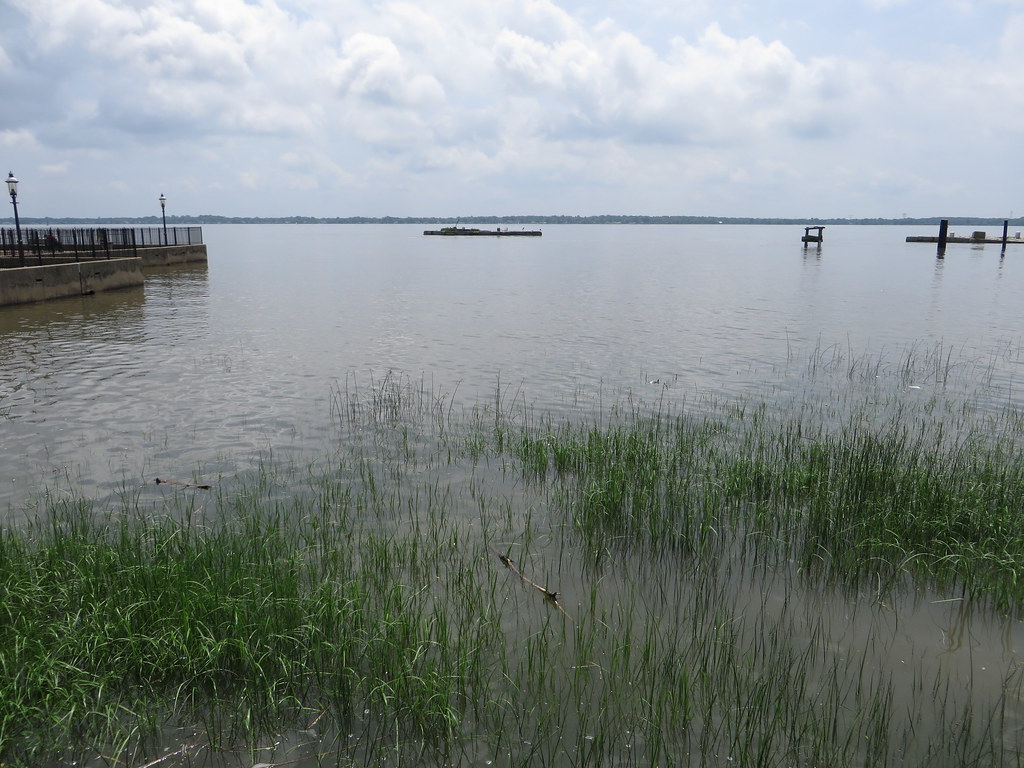
Delaware River
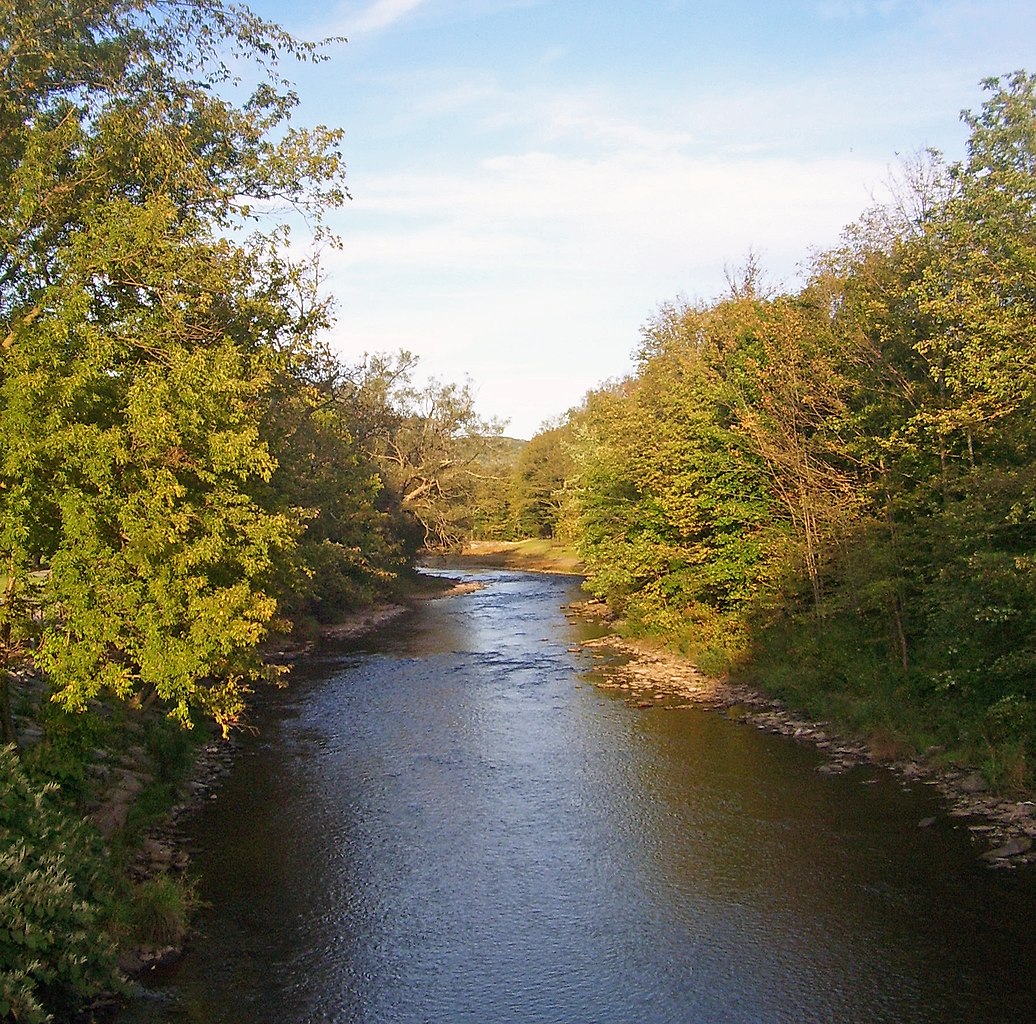
East Branch Delaware River
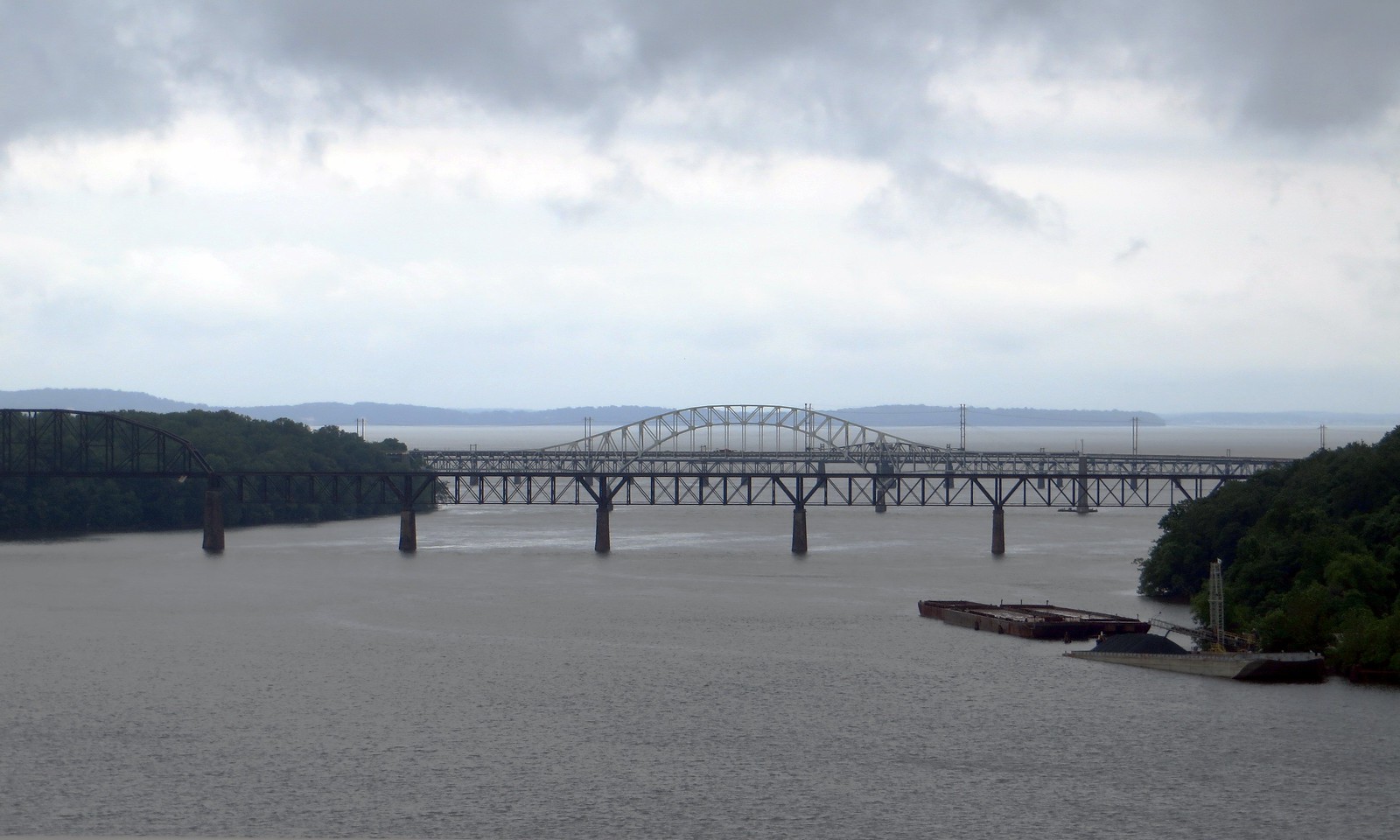
Susquehanna River
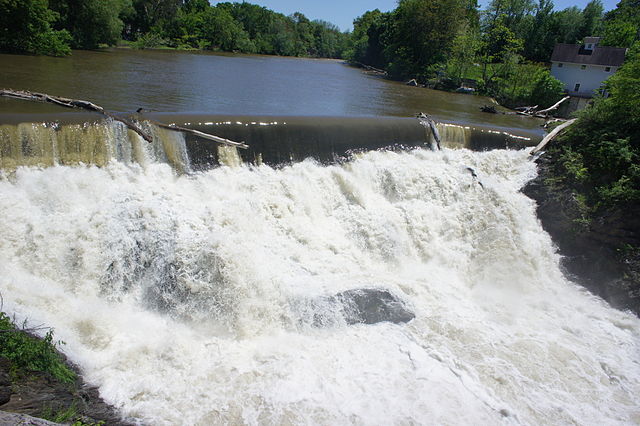
Beaver Kill
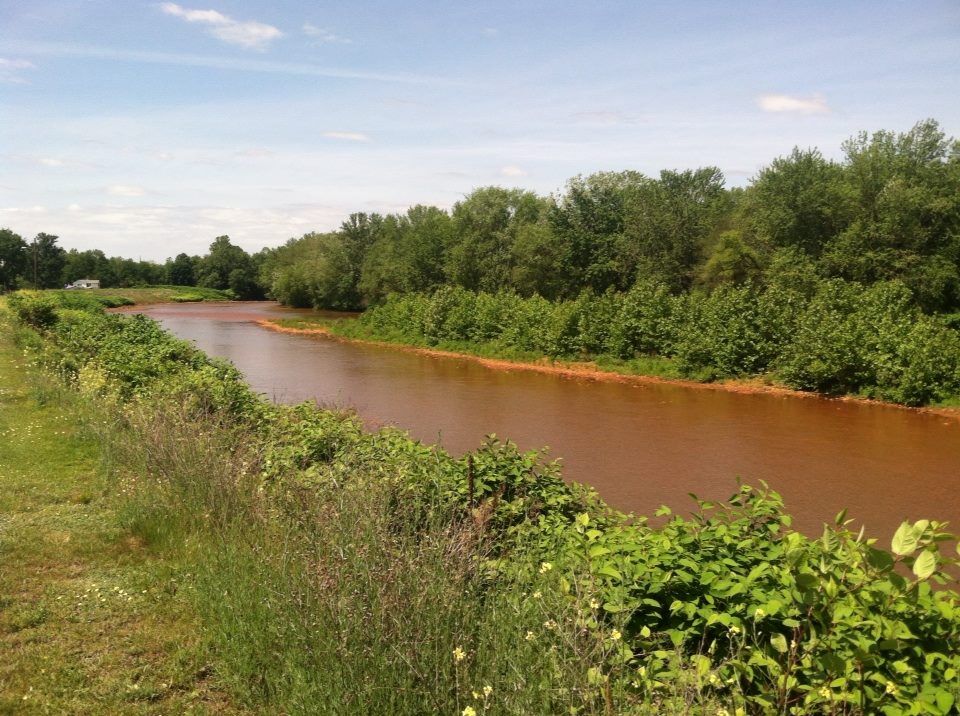
Lackawanna River

Chenango River
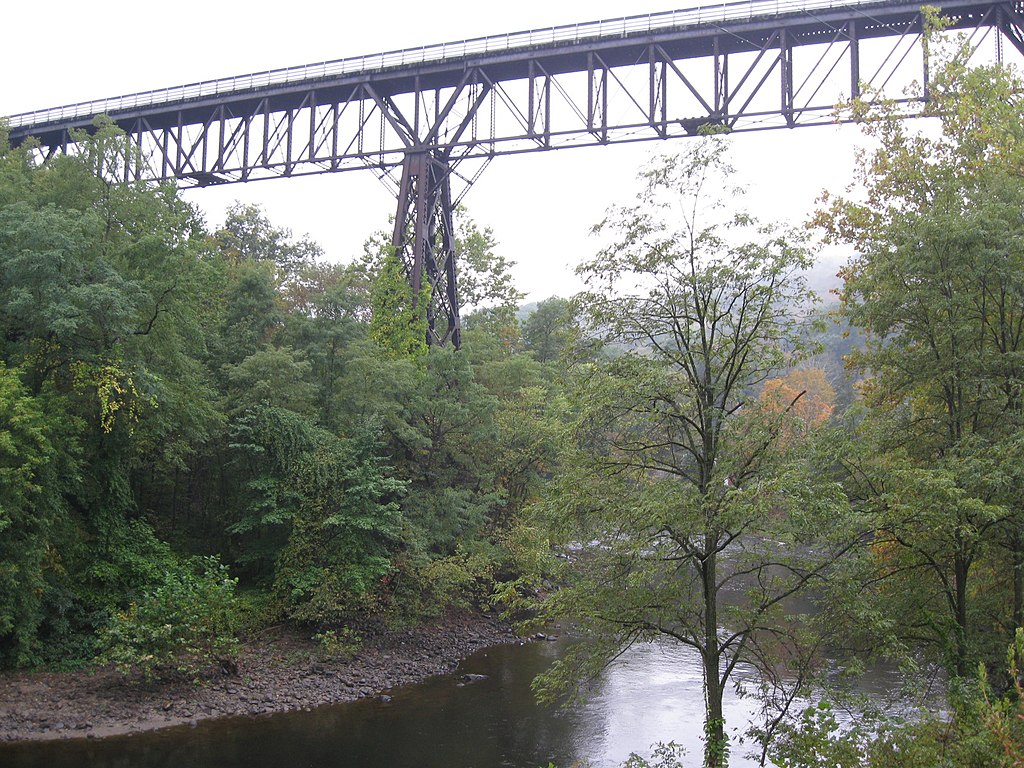
Rondout Creek
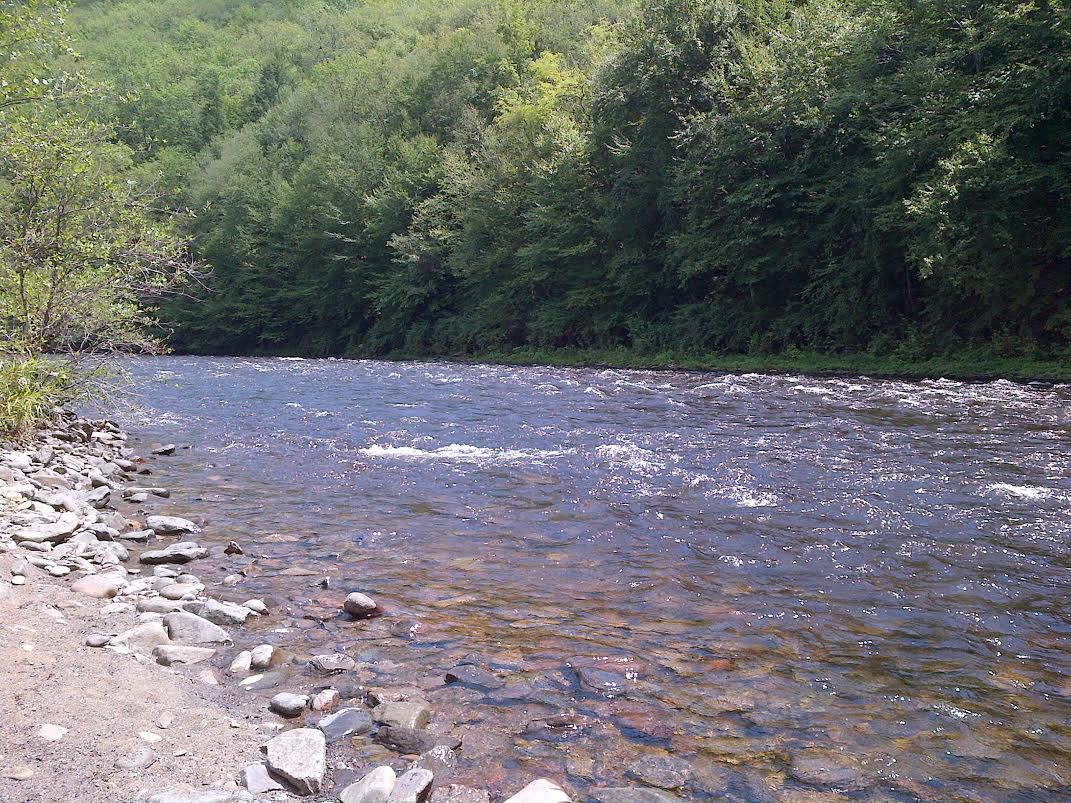
Lehigh River
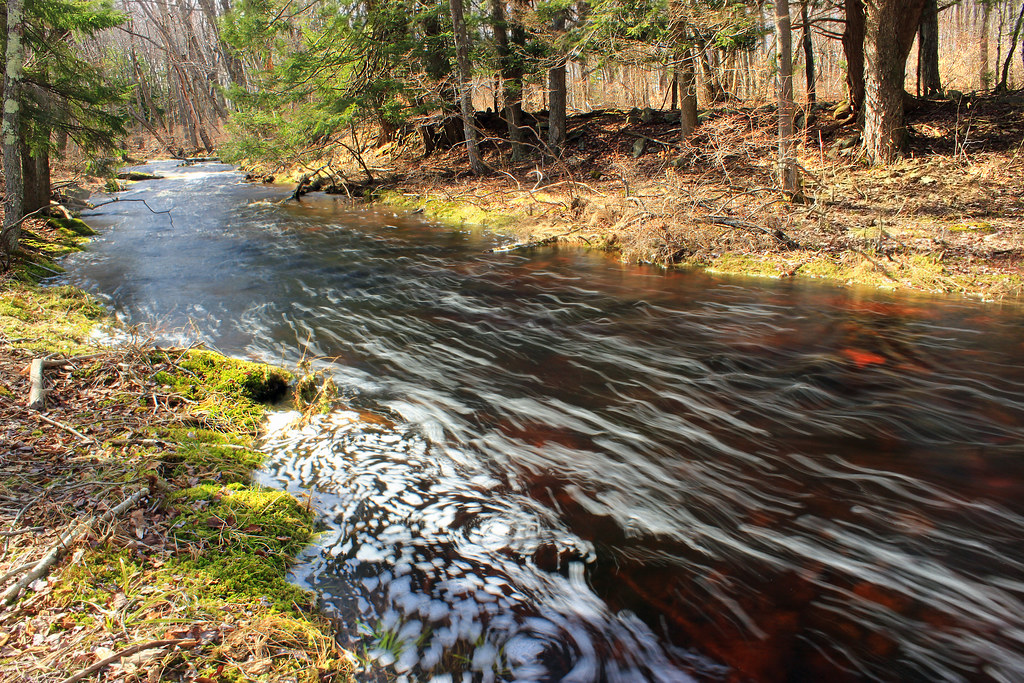
Tobyhanna Creek
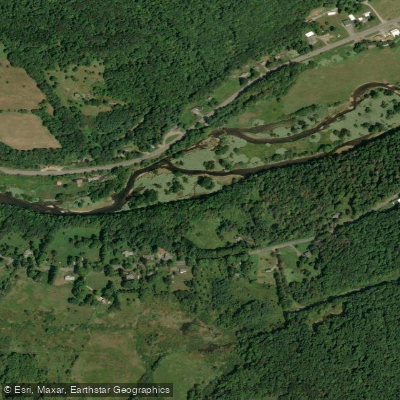
West Branch Delaware River
What to know
Habitat Distribution
- New York perch are native throughout the state's major watersheds and found in virtually all freshwater bodies including the Great Lakes, Finger Lakes, Adirondack waters, and countless smaller lakes, ponds, and slow-moving rivers.
Key Locations
- Major populations exist in Lake Ontario, Lake Erie, Oneida Lake (historically one of the country's best perch fisheries), Seneca Lake, Lake Champlain, Chautauqua Lake, and the St.
- Lawrence River system.
- Productive New York locations include Oneida Lake's bays (Big Bay, Three Mile Bay, South Bay), Lake Champlain's protected coves and bays, Seneca Lake's Glass Factory Bay and Dr.esden areas, Lake Ontario's bays (Sodus, Irondequoit, Braddock), and Lake Erie's Sturgeon Point area.
Specific Spots
- Perch prefer shallow, weedy areas near shorelines around structures like docks, piers, and vegetation beds, but move to deeper water (15+ feet) during summer heat.
- Target weed edges, drop-offs, humps, and structure in 8-25 foot depths.
Yellow Perch FAQ
Answers from onWater's species guide.
What are the best lures and bait for Yellow Perch in New York?
Effective lures include small jigs (1/32 to 1/4 oz) tipped with soft plastics like grubs, tubes, or 2-3 inch swimbaits in natural colors, small spoons, spinners, and crankbaits like Rebel Hellgrammites.
What flies work for Yellow Perch in New York?
Fly anglers should use small streamers, Clouser Minnows (especially all-yellow patterns), woolly buggers in dark olive with brown hackle, soft hackles, and nymphs in size 6-10. Orange, green, yellow, and red colors often trigger strikes.
When is the best time to fish for Yellow Perch in New York?
Prime yellow perch fishing occurs during late winter/early spring after ice-out through May, and again in fall as water temperatures cool.
How do you catch Yellow Perch in New York?
Fish near bottom using drop-shot rigs, slip bobbers, or Carolina rigs, staying within 6 inches of structure. Vertical jigging works well in deeper water, and trolling small cranks effectively locates schools. Ice fishing is extremely popular using small jigs and tip-ups with minnows in the same structural areas.
What do Yellow Perch eat?
Yellow perch are opportunistic feeders consuming aquatic insects (mayflies, caddisflies, chironomids), invertebrates (crayfish, amphipods, worms), zooplankton, and small fish including minnows and young sunfish.
Fish smarter with real-time insights
Whether you're en route and conditions shift or you're looking for the best spot based on current flows, we enable you to make informed decisions on the fly.




See it in the app
Most maps show you water.
onWater shows you Yellow Perch.



- 01 · Species map filter
Map every Yellow Perch water
Pick Yellow Perch and the map zeroes in on the waters they call home. No more guessing which lake holds them.
- 02 · Waterbody species
Tap any water. See what lives there.
Species, behavior and seasonal patterns for every lake, river and pond, before you leave the driveway.
- 03 · Angler Intelligence
Ask how to catch Yellow Perch
Tactics, gear and timing from onWater's AI fishing guide, tuned to the species and the water you're on.
Stop guessing where Yellow Perch are.
Open the map, filter by Yellow Perch, and head to water that holds them. Download onWater and plan your next trip in minutes.
- Species map filter
- Angler Intelligence
- Fishing journal
Explore other species
Trout, bass, salmon, panfish and everything in between. Each guide unpacks the behavior, seasons, and tactics that put fish in the net.
No species information available.
New York licenses and regulations
Explore nearby waters
Explore New York waters
Top fishing waters
Popular Cities
Loading popular cities...

Smarter Fishing Starts in the App.
onWater Fish gives you everything you need to plan smarter, fish better, and own every trip from first cast to last.