White Crappie
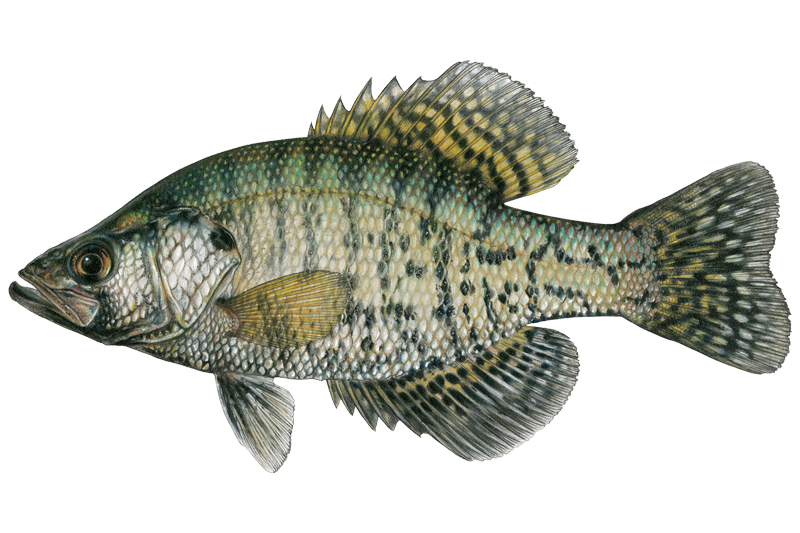
White crappie are native to New York's Great Lakes and Hudson Bay basins, with their range extending from New York and southern Ontario westward.
Scientific Name: Pomoxis annularis
- In New York waters, white crappie can be distinguished from black crappie by their 5-6 dorsal spines (versus 7-8 for black crappie) and distinctive vertical bar patterns on their silvery sides.
- They typically reach 9-10 inches in length and rarely exceed 2 pounds, with a lifespan of 2-7 years.
Fishing in New York
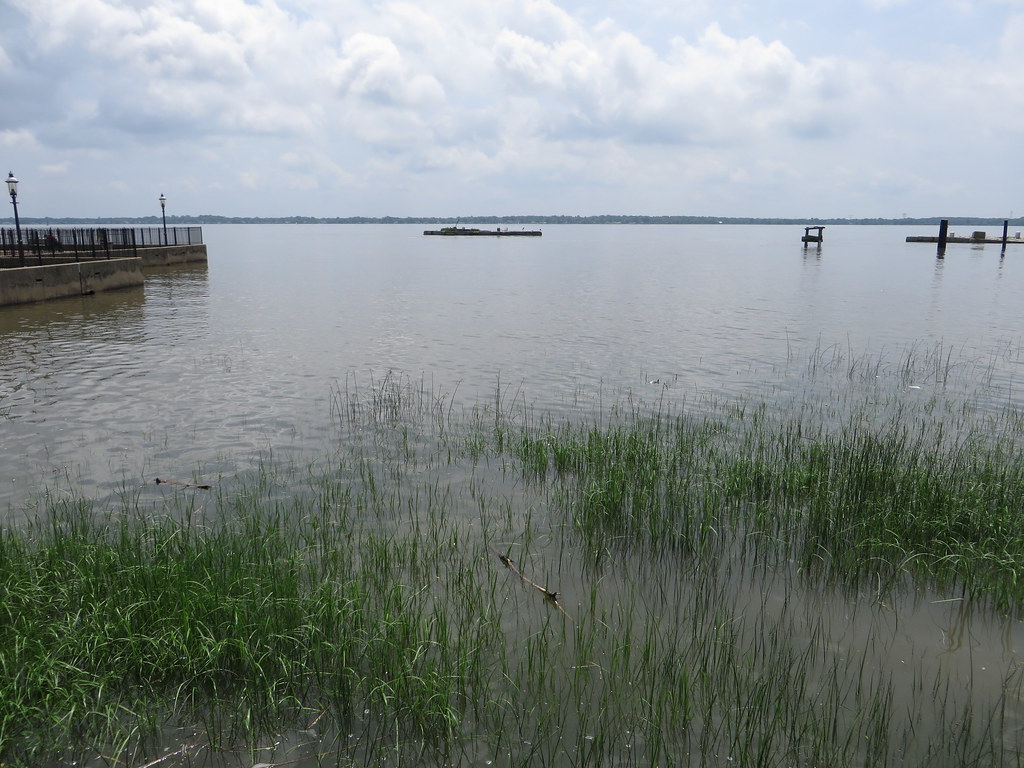
Delaware River
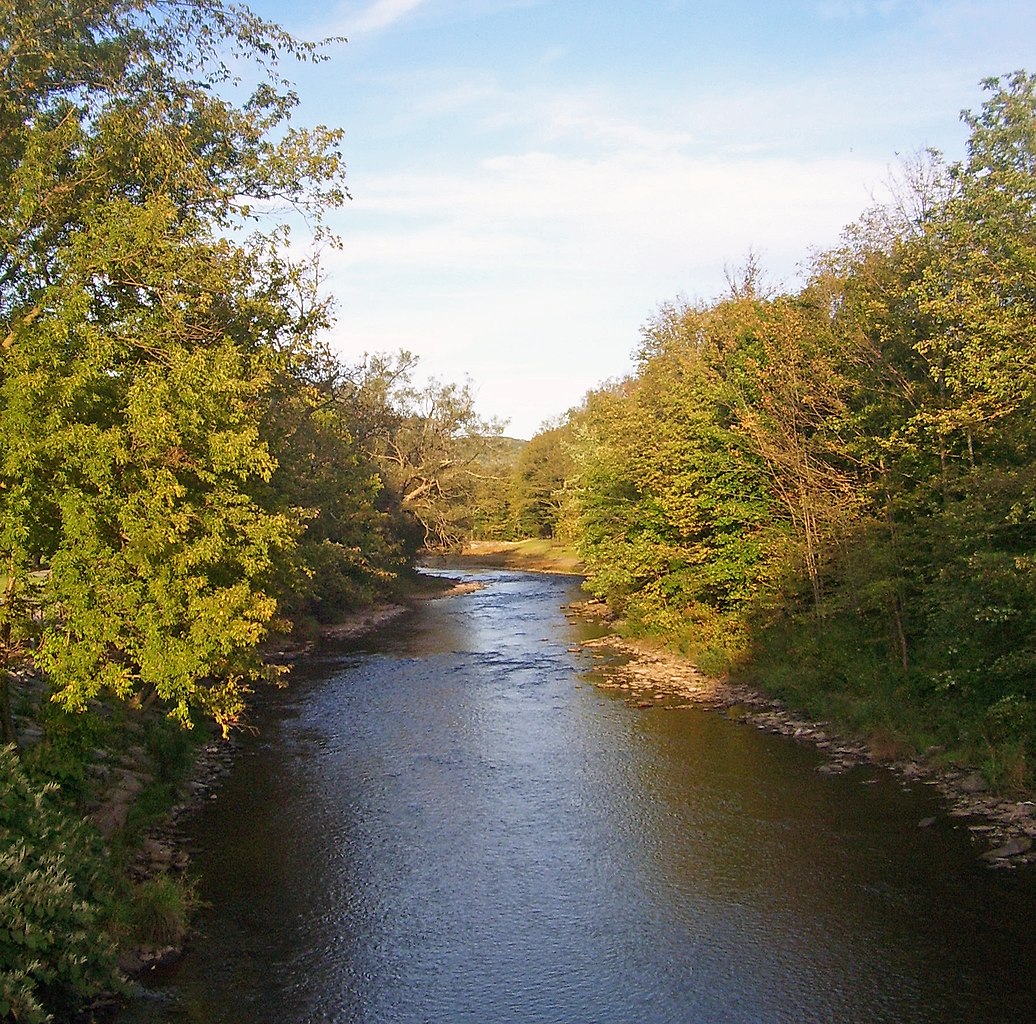
East Branch Delaware River
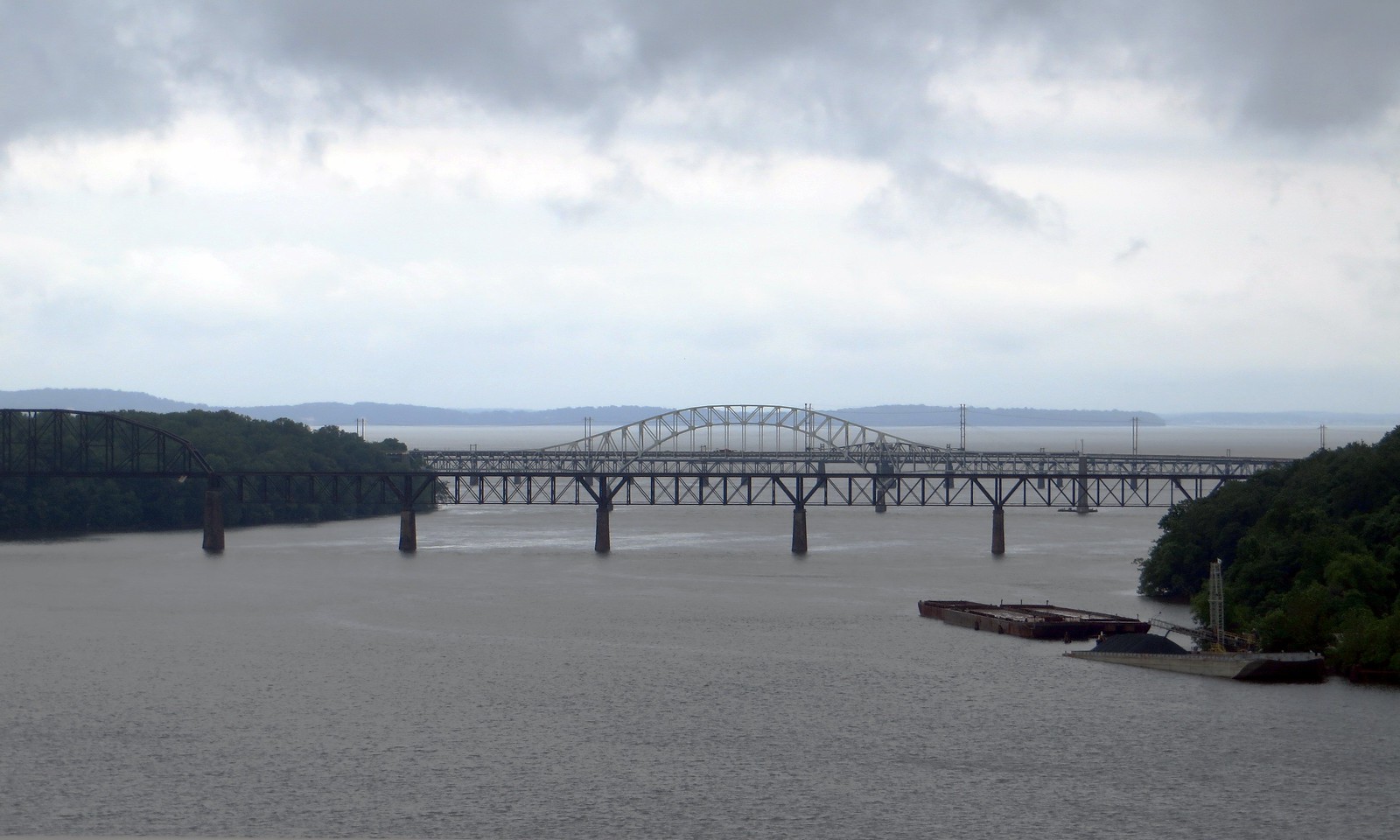
Susquehanna River
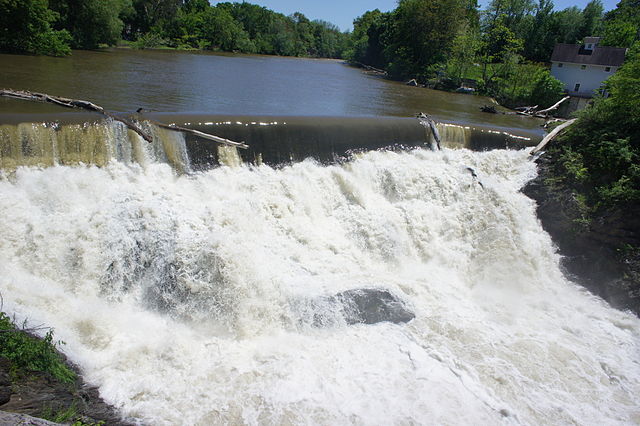
Beaver Kill
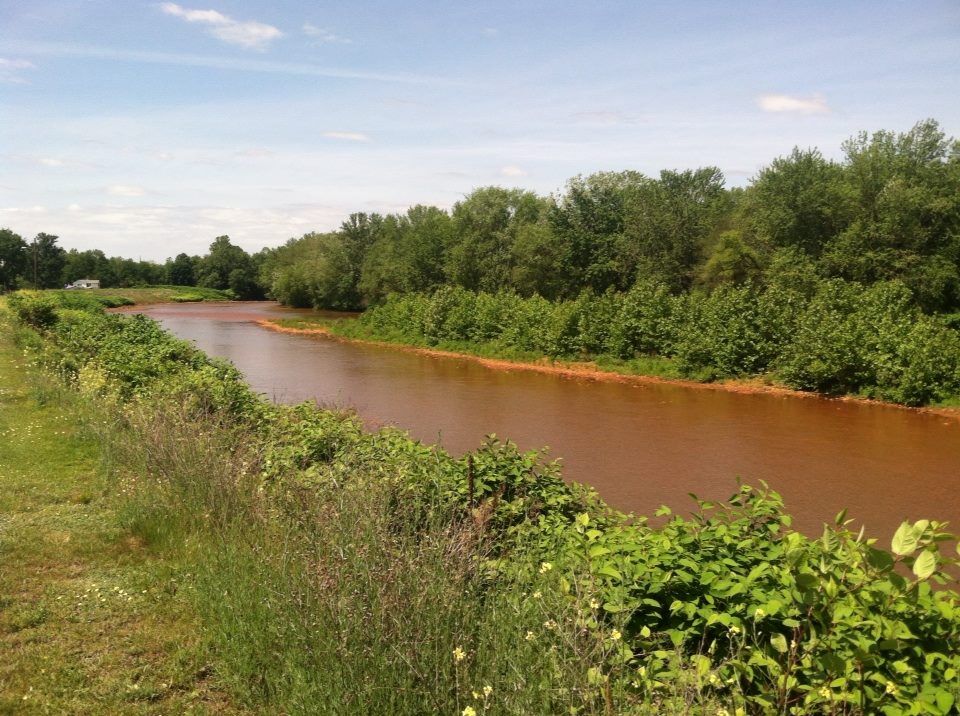
Lackawanna River
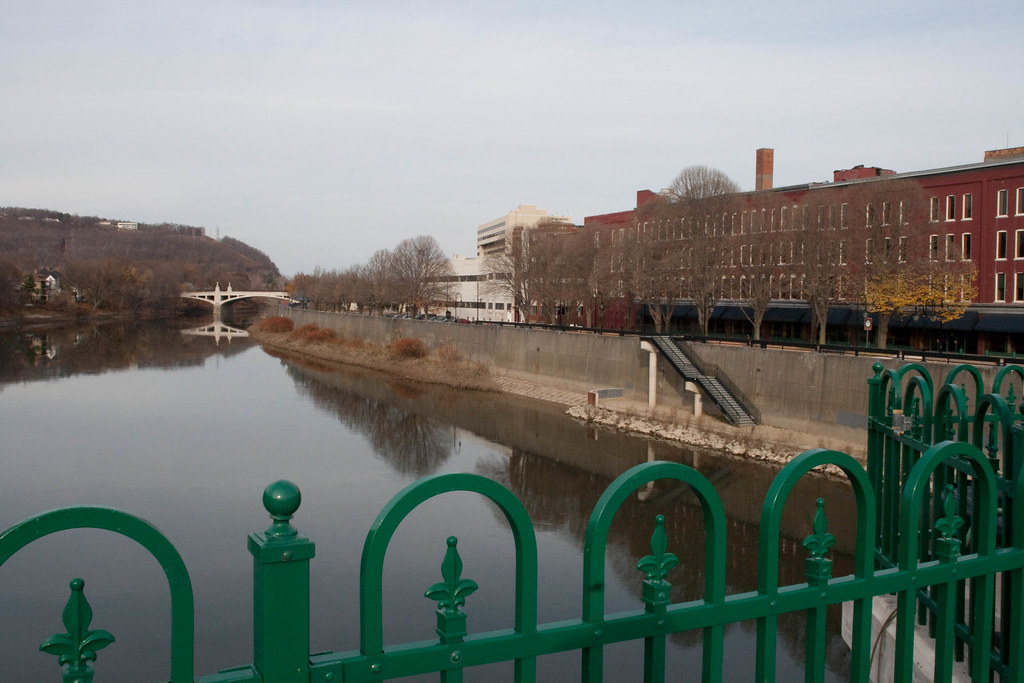
Chenango River
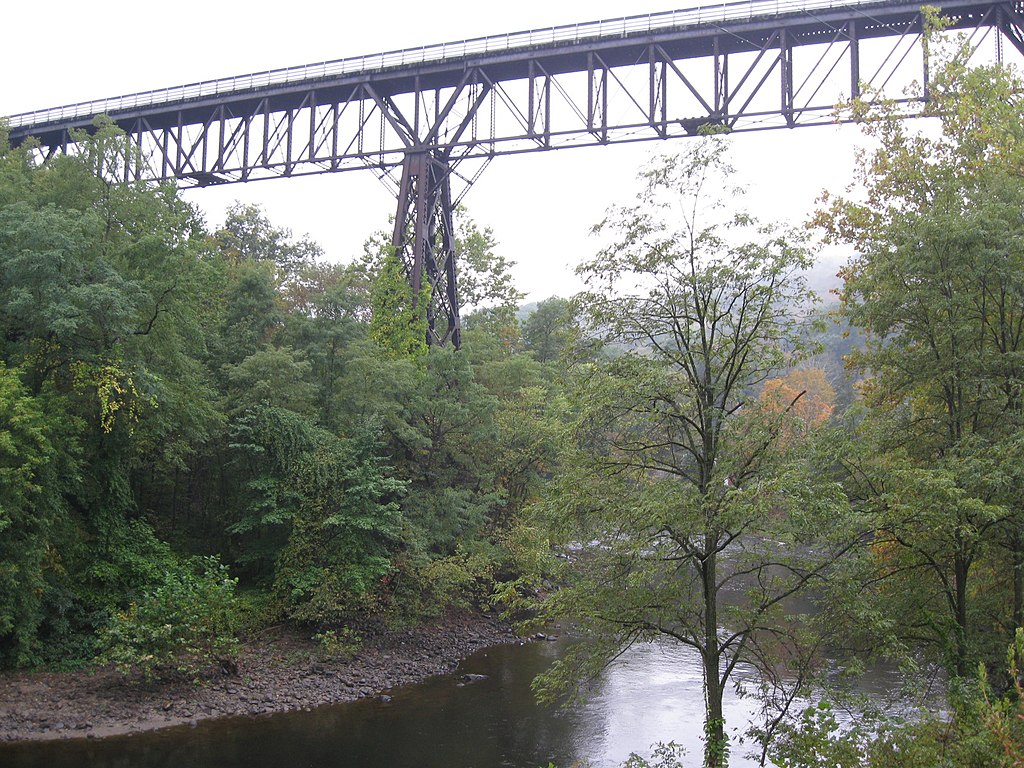
Rondout Creek
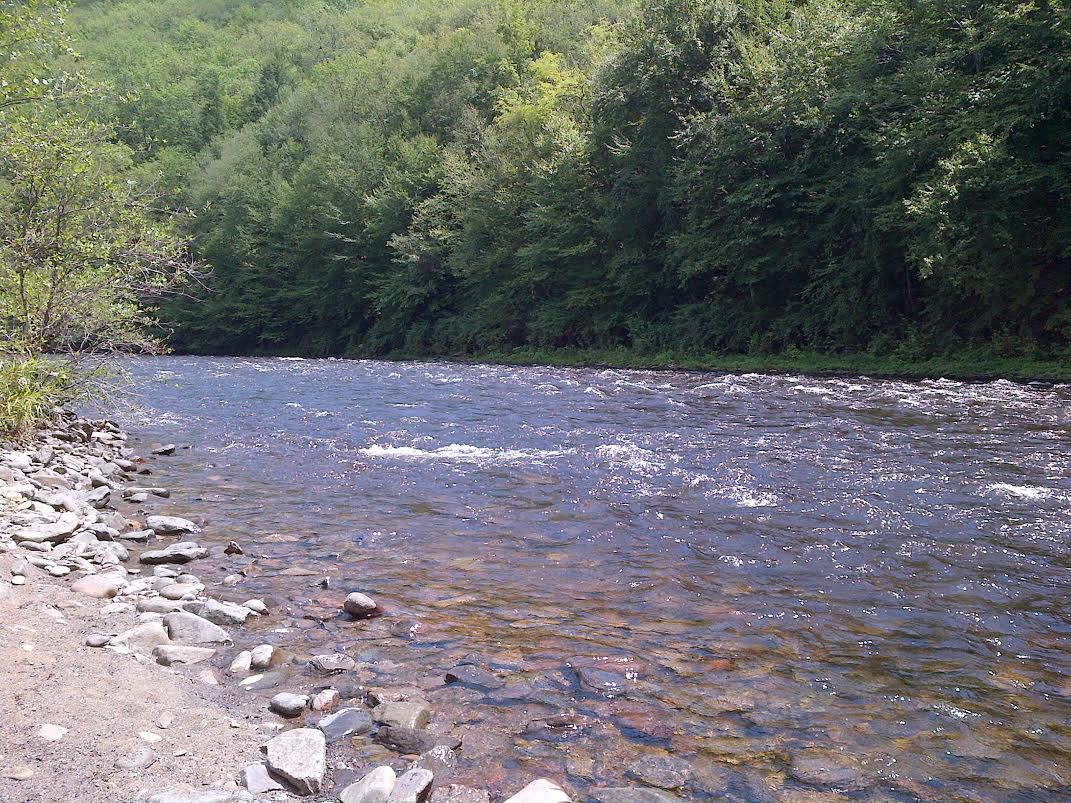
Lehigh River
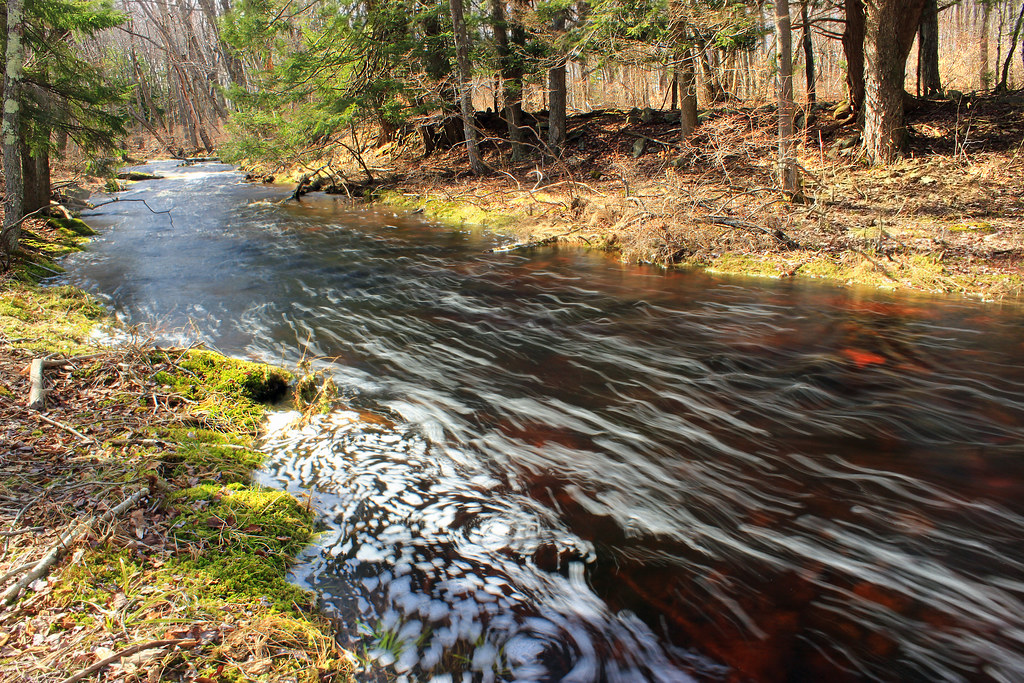
Tobyhanna Creek
West Branch Delaware River
What to know
Habitat Distribution
- White crappie prefer turbid waters and areas with minimal rooted aquatic vegetation, thriving in large rivers, reservoirs, and lakes larger than 5 acres.
- They're commonly found in low-velocity areas like pools and backwaters.
Key Locations
- Whitney Point Reservoir and other large impoundments.
Specific Spots
- Focus on areas with submerged timber, brush piles, docks, and vegetation edges.
- During daylight hours, they inhabit shallower, quiet waters 6-12 feet deep surrounded by structure, moving to open water during mornings and evenings.
- During summer, target the thermocline.
- In winter, concentrate in deeper areas.
White Crappie FAQ
Answers from onWater's species guide.
What are the best lures and bait for White Crappie in New York?
Live minnows (particularly effective in tough conditions), small crappie jigs in 1/32 to 1/8 ounce weights, and soft plastics around 2 inches long.
When is the best time to fish for White Crappie in New York?
Spring (March-May) before the spawn begins, and fall when they're feeding heavily in preparation for winter. During summer, fish deeper water during early morning and late evening. In winter, concentrate efforts during the warmest parts of the day (midday to early afternoon).
How do you catch White Crappie in New York?
Vertical jigging around structure, casting jigs with slow steady retrieves, or fishing under bobbers when casting toward shore cover. In winter, use slower presentations as fish become less active in colder water.
What do White Crappie eat?
Their diet consists primarily of zooplankton and small invertebrates during their first year, transitioning to small fish like minnows and young shad, along with crayfish and aquatic insects as adults.
Where do White Crappie live in New York?
White crappie prefer turbid waters and areas with minimal rooted aquatic vegetation, thriving in large rivers, reservoirs, and lakes larger than 5 acres. They're commonly found in low-velocity areas like pools and backwaters.
Fish smarter with real-time insights
Whether you're en route and conditions shift or you're looking for the best spot based on current flows, we enable you to make informed decisions on the fly.




See it in the app
Most maps show you water.
onWater shows you White Crappie.



- 01 · Species map filter
Map every White Crappie water
Pick White Crappie and the map zeroes in on the waters they call home. No more guessing which lake holds them.
- 02 · Waterbody species
Tap any water. See what lives there.
Species, behavior and seasonal patterns for every lake, river and pond, before you leave the driveway.
- 03 · Angler Intelligence
Ask how to catch White Crappie
Tactics, gear and timing from onWater's AI fishing guide, tuned to the species and the water you're on.
Stop guessing where White Crappie are.
Open the map, filter by White Crappie, and head to water that holds them. Download onWater and plan your next trip in minutes.
- Species map filter
- Angler Intelligence
- Fishing journal
Explore other species
Trout, bass, salmon, panfish and everything in between. Each guide unpacks the behavior, seasons, and tactics that put fish in the net.
No species information available.
New York licenses and regulations
Explore nearby waters
Explore New York waters
Top fishing waters
Popular Cities
Loading popular cities...

Smarter Fishing Starts in the App.
onWater Fish gives you everything you need to plan smarter, fish better, and own every trip from first cast to last.