Bluegill
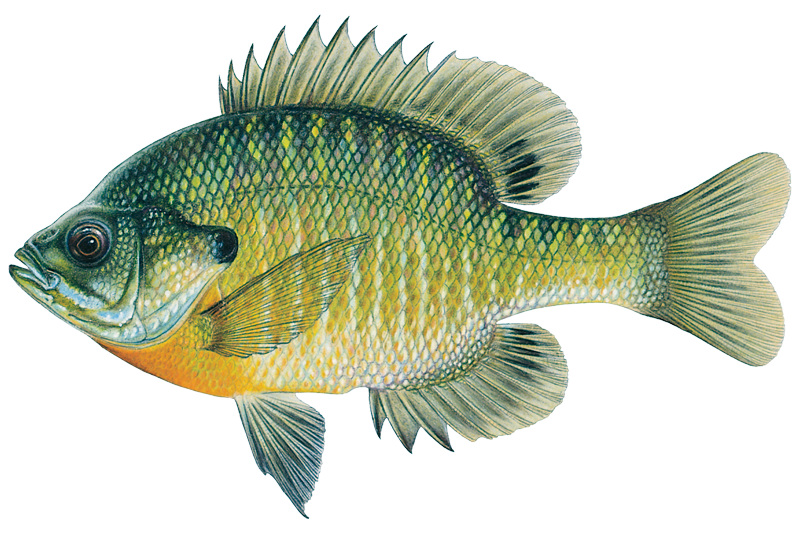
Bluegill are a popular North American freshwater fish found throughout New York's diverse water systems. These distinctive panfish are abundant across New York in lakes, ponds, reservoirs, rivers, and streams.
Scientific Name: Lepomis macrochirus
- Characterized by their olive green bodies with blue-gray gill flaps, dark olive markings, and a prominent black spot at the base of their dorsal fin.
- Male bluegill develop bright orange patches on their throat or breast during breeding.
- They typically range from 4-12 inches in length, occasionally reaching 17 inches, and weigh between 0.4-1 pound, with some specimens reaching up to 3 pounds.
Fishing in New York
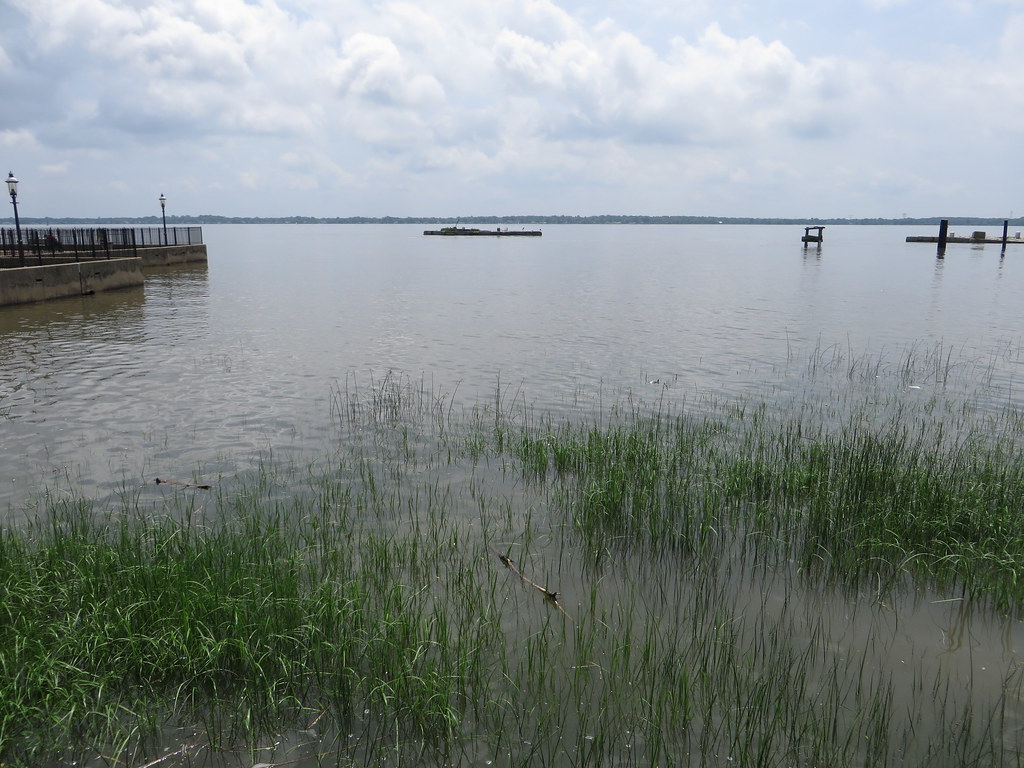
Delaware River
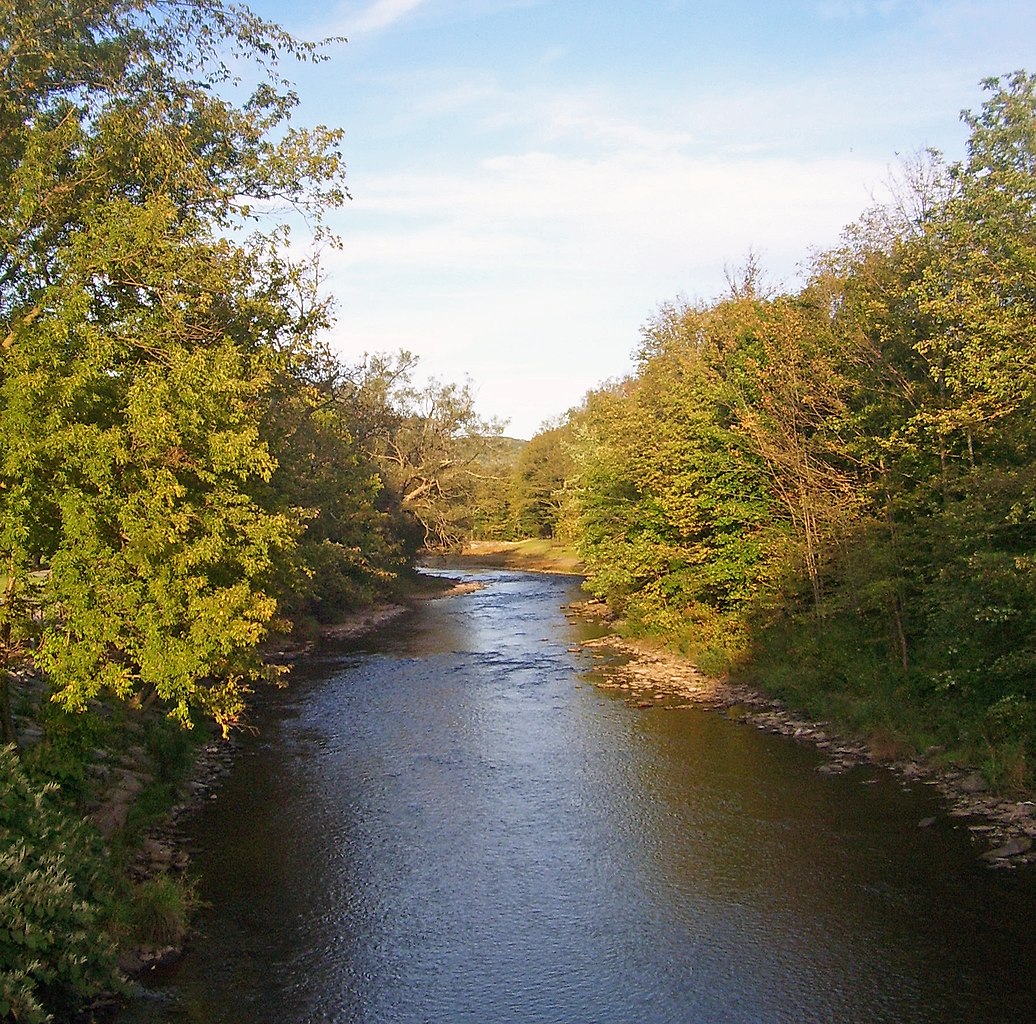
East Branch Delaware River
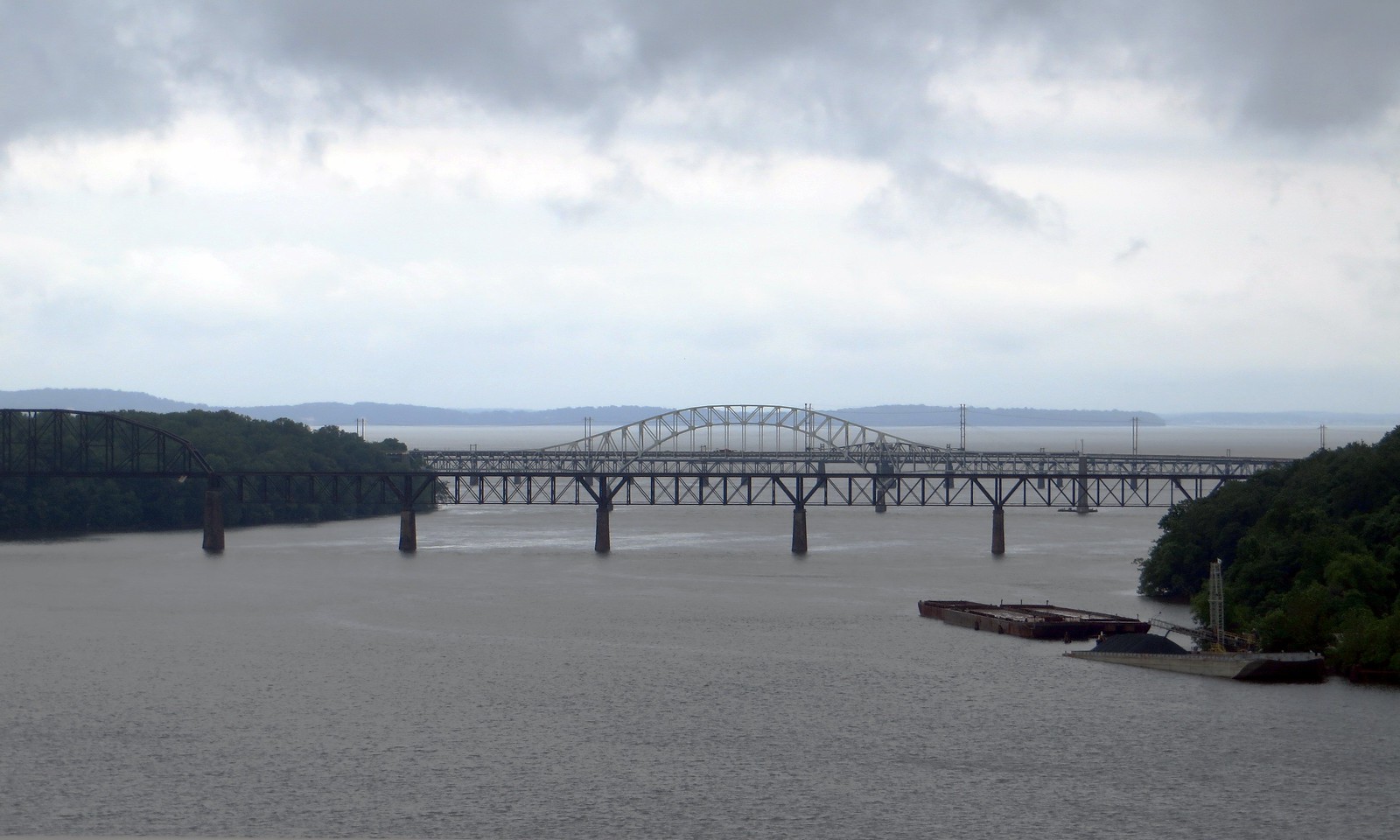
Susquehanna River
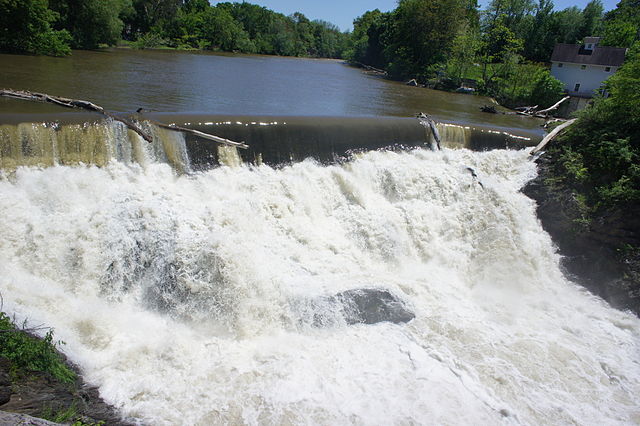
Beaver Kill
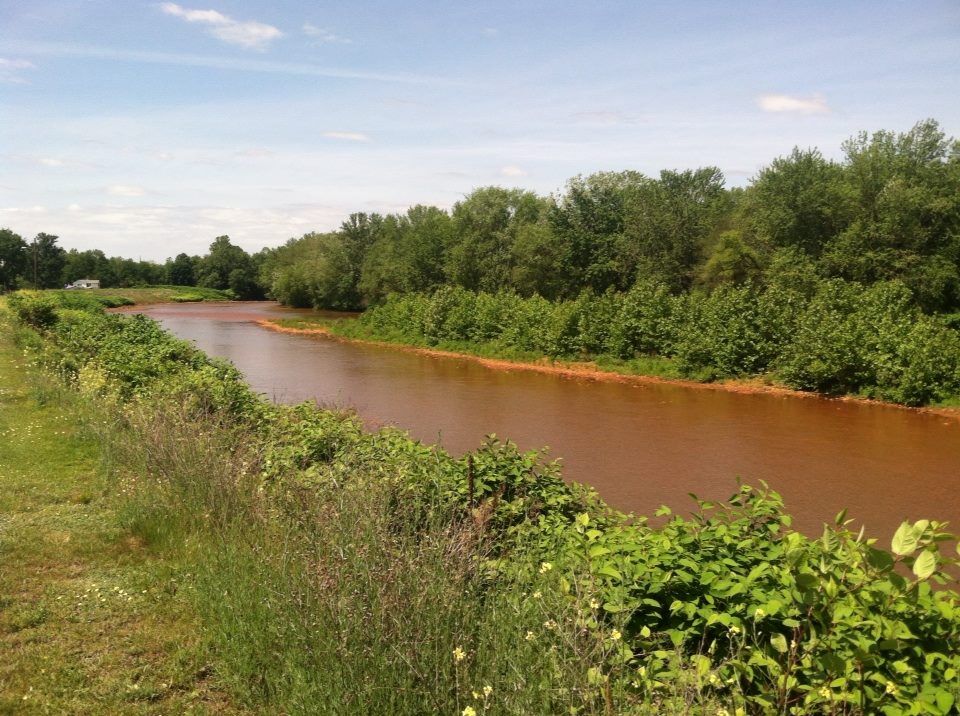
Lackawanna River
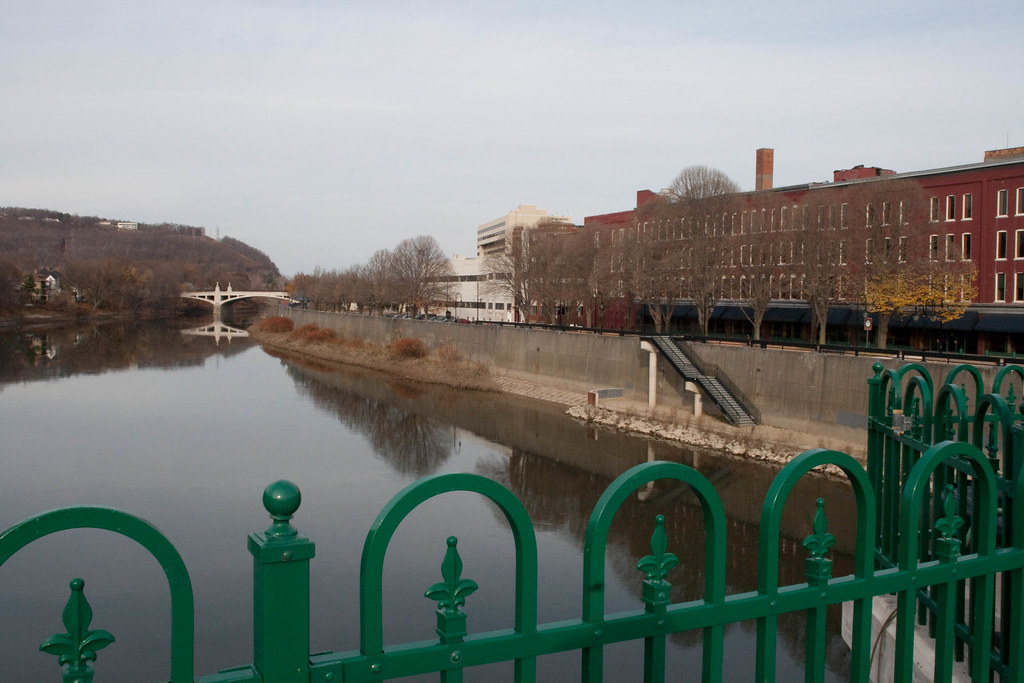
Chenango River
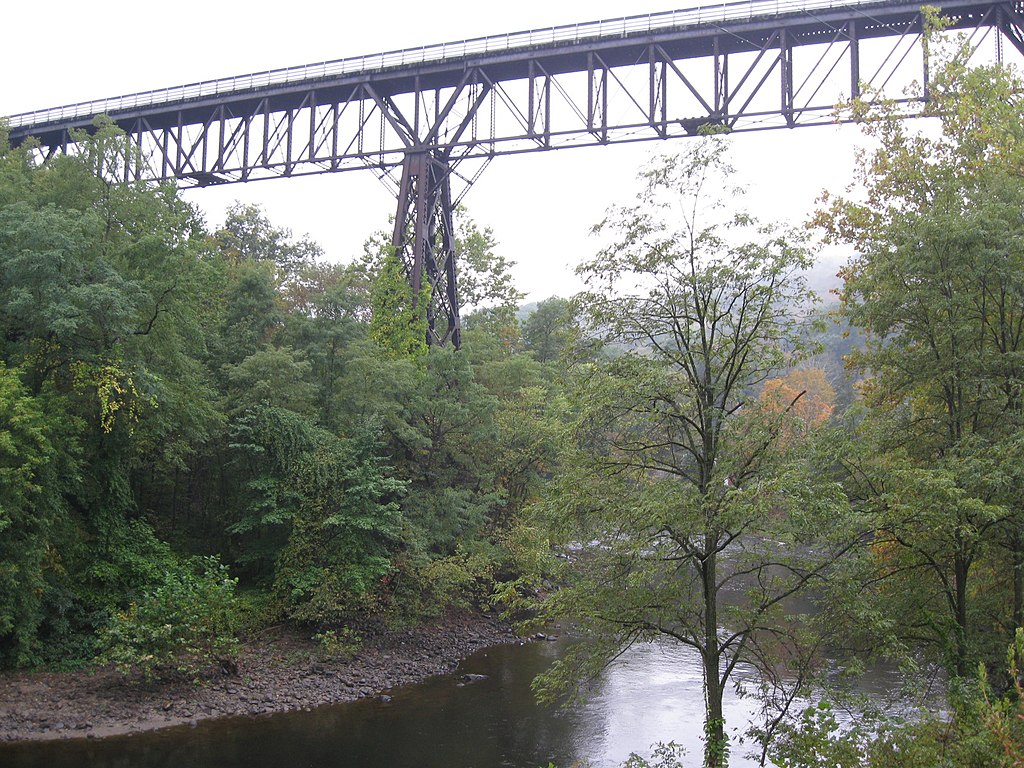
Rondout Creek
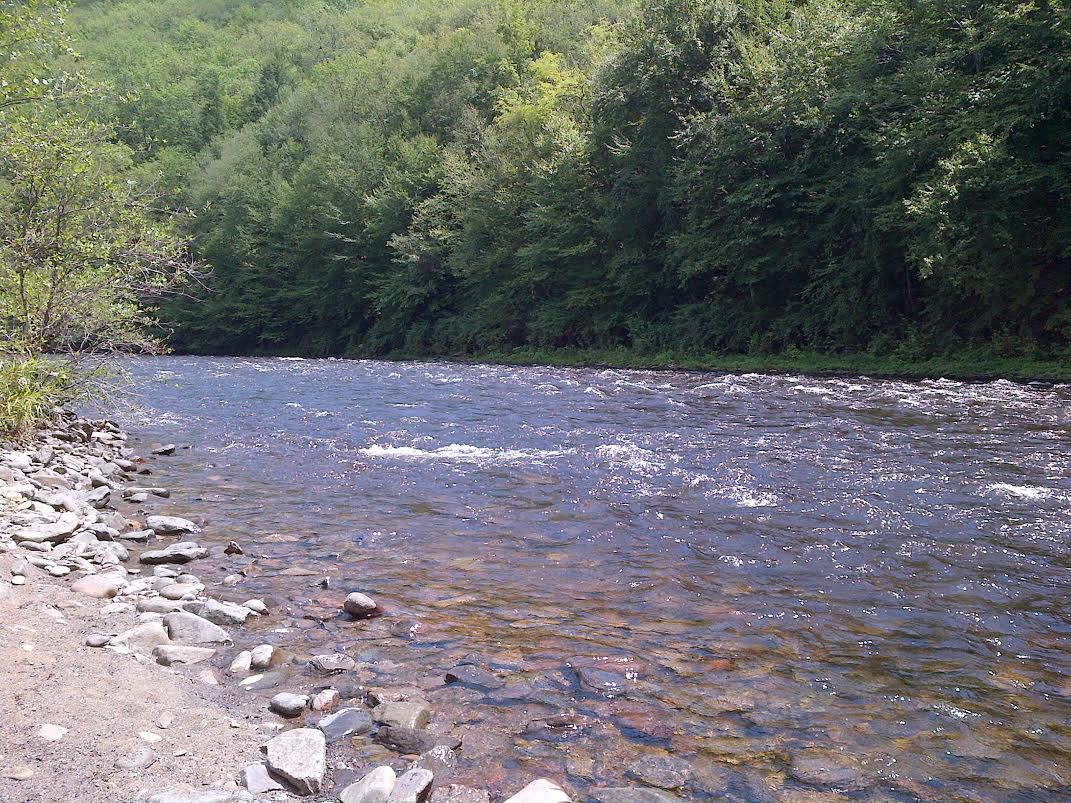
Lehigh River
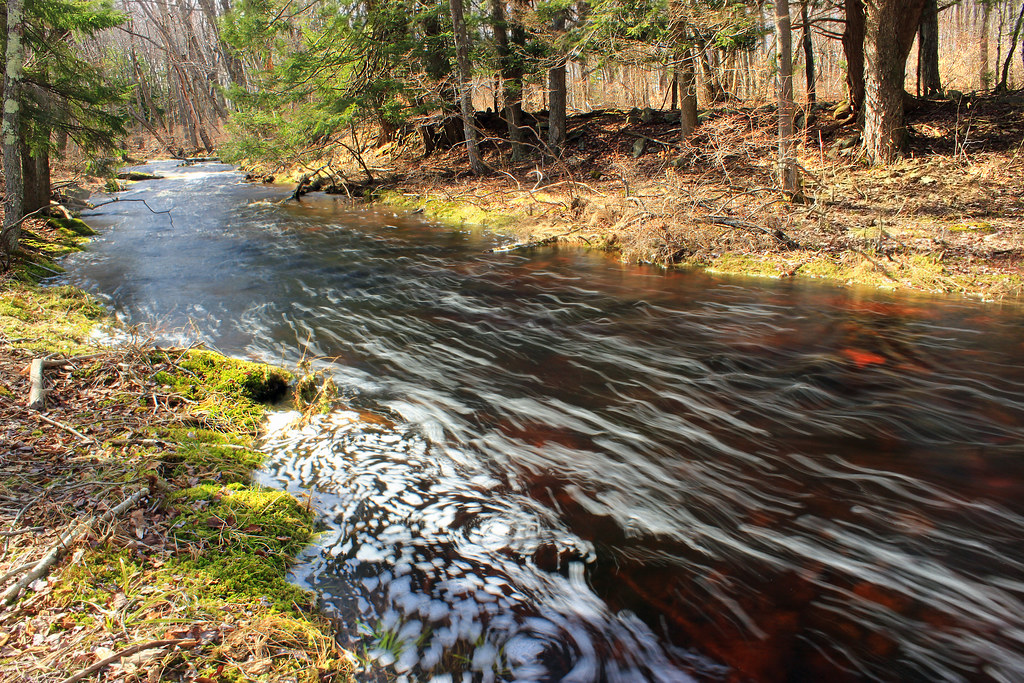
Tobyhanna Creek
West Branch Delaware River
What to know
Habitat Distribution
- Abundant across New York in lakes, ponds, reservoirs, rivers, and streams.
- They thrive in shallow, warm waters with abundant vegetation and cover.
Key Locations
- Excellent populations in Lake George, Lake Ontario, Oneida Lake, Lake Champlain, and the Finger Lakes region including Seneca Lake.
- In New York's prime waters like Lake George's vegetated shallows, Lake Ontario's shoreline structures, and Oneida Lake's expansive vegetation.
Specific Spots
- Target areas with submerged vegetation, shallow bays, structures, fallen timber, brush piles, docks, and overhanging trees.
- Focus on depths up to 6 feet.
- Target areas where bluegill school up.
Bluegill FAQ
Answers from onWater's species guide.
What are the best lures and bait for Bluegill in New York?
Live baits include crickets (for their lively movement), grasshoppers (for larger specimens), earthworms and red worms (day-in, day-out producers), and waxworms. Artificial options include small jigs (1/32 oz with plastic spiders or grubs), spinners, soft plastics, and small crankbaits (1-inch).
What flies work for Bluegill in New York?
Small floating poppers (size 10 or 8) in chartreuse, blue, and yellow, Woolly Buggers in size 10 or 8 (olive or black), foam spiders in black, gray, or brown, and Royal Coachman patterns. Egg flies work exceptionally well due to their e.g.g-raiding behavior.
When is the best time to fish for Bluegill in New York?
Spring offers prime bluegill fishing as they move to shallow waters when temperatures reach about 70°F, making it the best season for consistent action.
How do you catch Bluegill in New York?
Use bobber rigs to suspend bait at specific depths, or drop shot rigs to keep bait just off bottom.
What do Bluegill eat?
Their diet is remarkably diverse, consisting primarily of aquatic insects like caddisflies, mayflies, and stoneflies, terrestrial insects including mosquitos, beetles, ants, and grasshoppers, plus small crustaceans, crayfish, minnows, worms, leeches, snails, and freshwater mussels.
Fish smarter with real-time insights
Whether you're en route and conditions shift or you're looking for the best spot based on current flows, we enable you to make informed decisions on the fly.




See it in the app
Most maps show you water.
onWater shows you Bluegill.



- 01 · Species map filter
Map every Bluegill water
Pick Bluegill and the map zeroes in on the waters they call home. No more guessing which lake holds them.
- 02 · Waterbody species
Tap any water. See what lives there.
Species, behavior and seasonal patterns for every lake, river and pond, before you leave the driveway.
- 03 · Angler Intelligence
Ask how to catch Bluegill
Tactics, gear and timing from onWater's AI fishing guide, tuned to the species and the water you're on.
Stop guessing where Bluegill are.
Open the map, filter by Bluegill, and head to water that holds them. Download onWater and plan your next trip in minutes.
- Species map filter
- Angler Intelligence
- Fishing journal
Explore other species
Trout, bass, salmon, panfish and everything in between. Each guide unpacks the behavior, seasons, and tactics that put fish in the net.
No species information available.
New York licenses and regulations
Explore nearby waters
Explore New York waters
Top fishing waters
Popular Cities
Loading popular cities...

Smarter Fishing Starts in the App.
onWater Fish gives you everything you need to plan smarter, fish better, and own every trip from first cast to last.