Blueback Herring

Blueback Herring (Alosa aestivalis) in New York are anadromous fish that spend most of their lives in marine waters but return to freshwater to spawn.
Scientific Name: Alosa aestivalis
- Distinguished by their silvery color with deep bluish-green backs, black peritoneum (abdominal cavity lining), and series of scutes along the belly.
- These herring reach up to 40cm in length and live up to 8 years, maturing between ages 3-6.
Fishing in New York
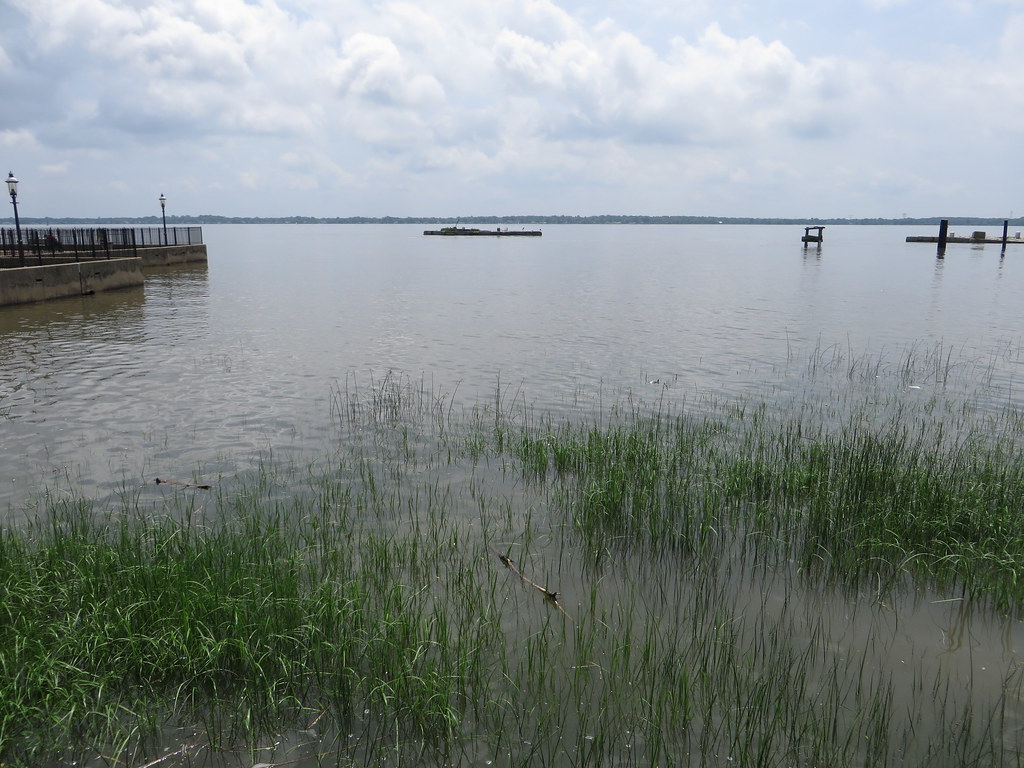
Delaware River
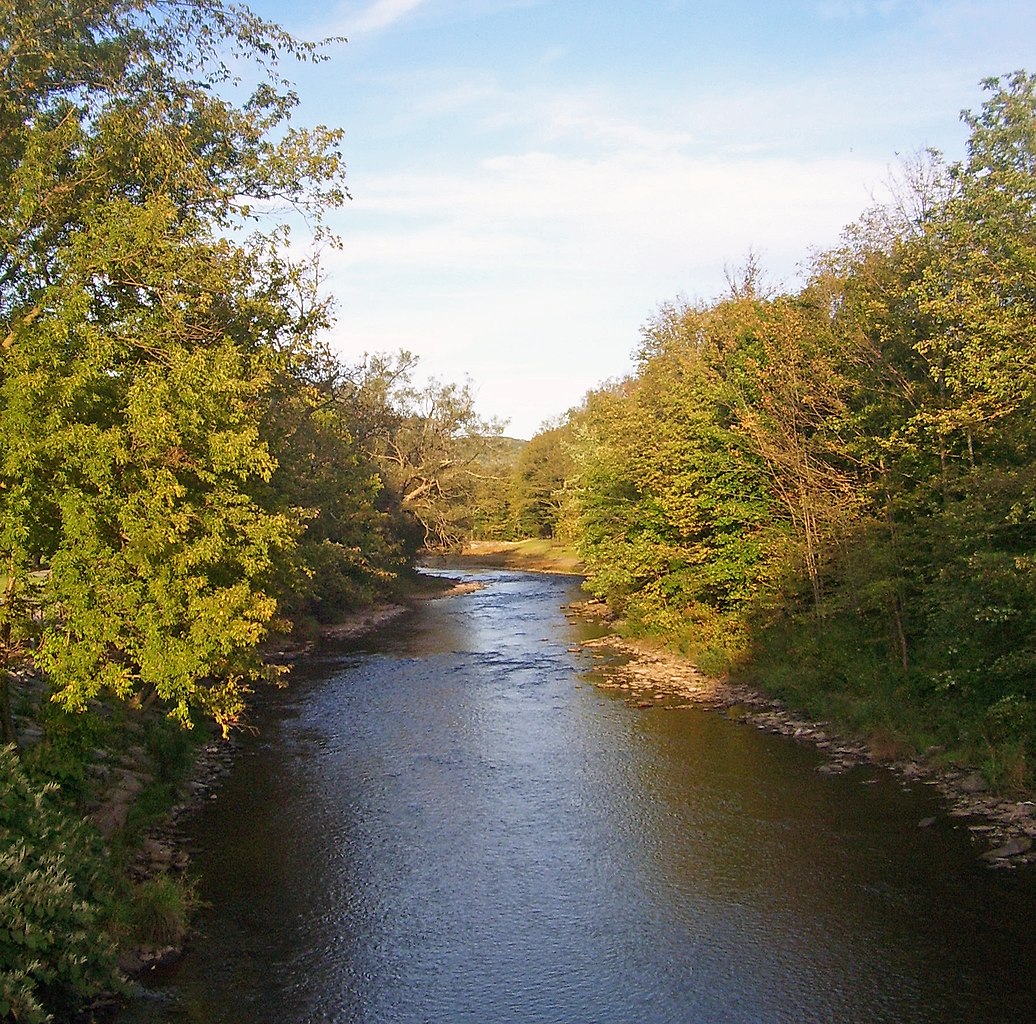
East Branch Delaware River
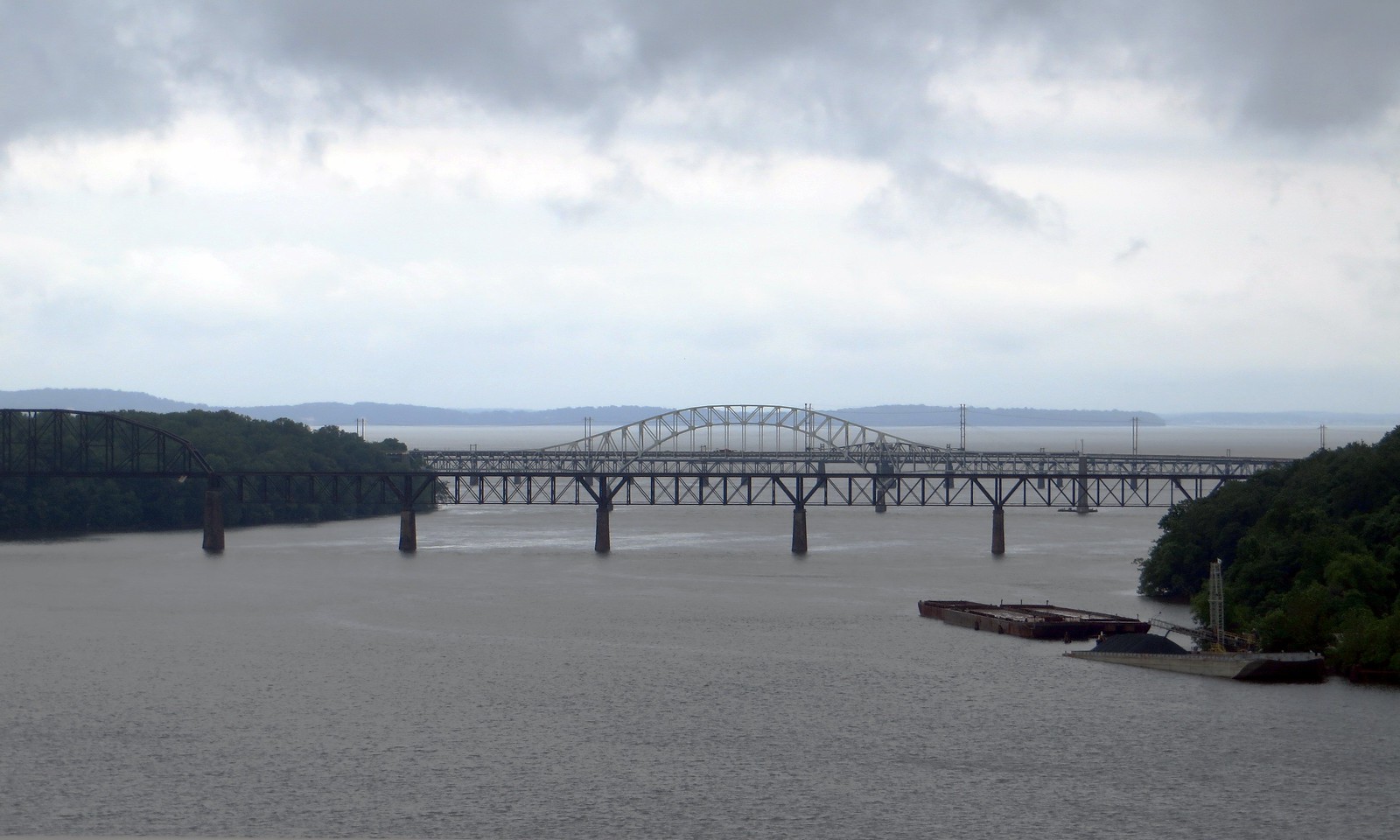
Susquehanna River
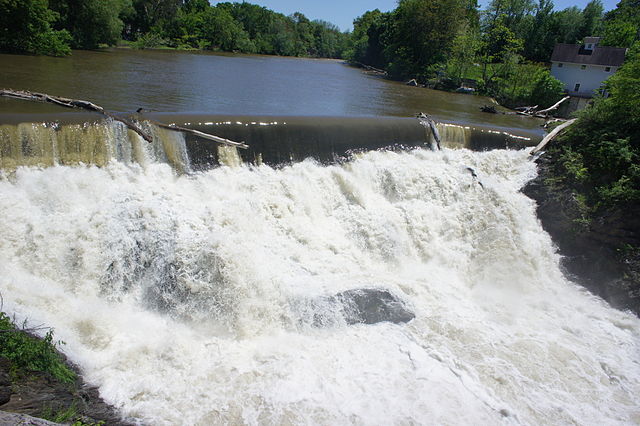
Beaver Kill
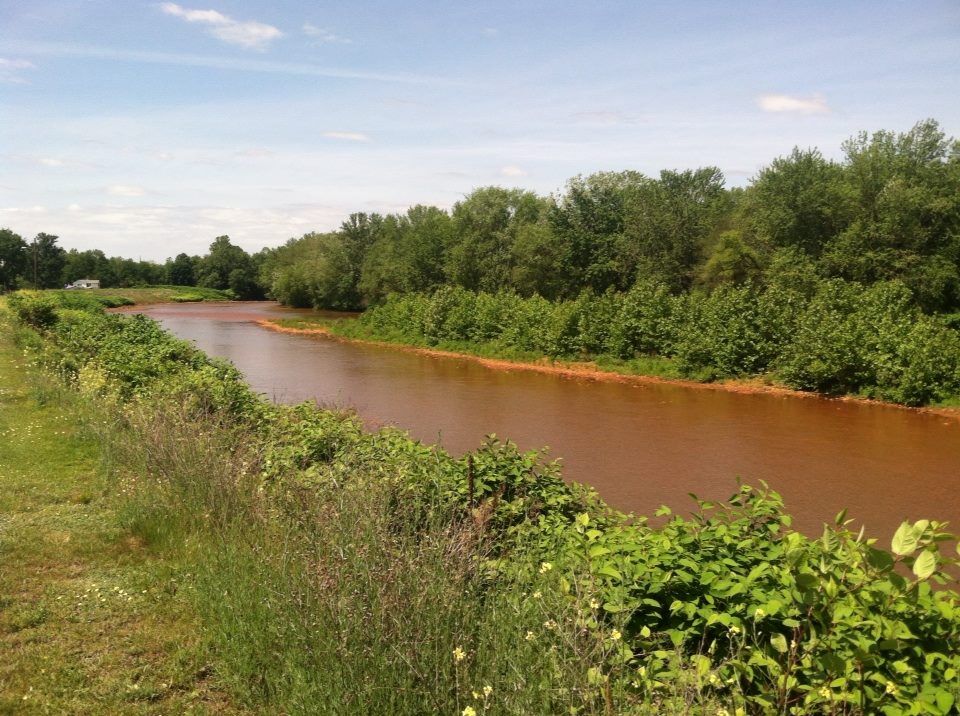
Lackawanna River
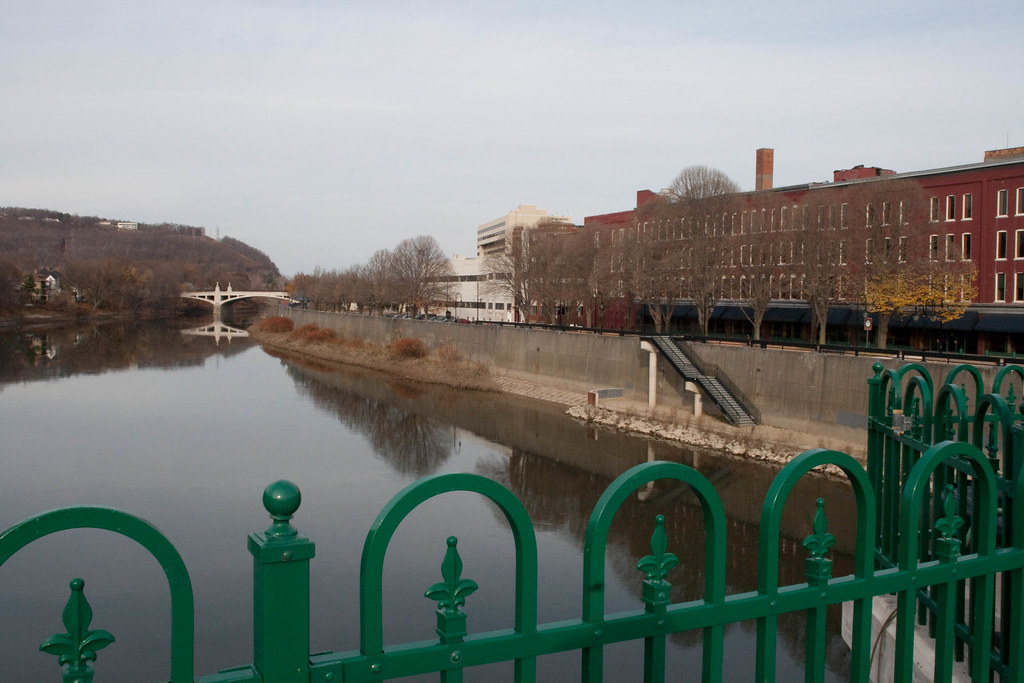
Chenango River
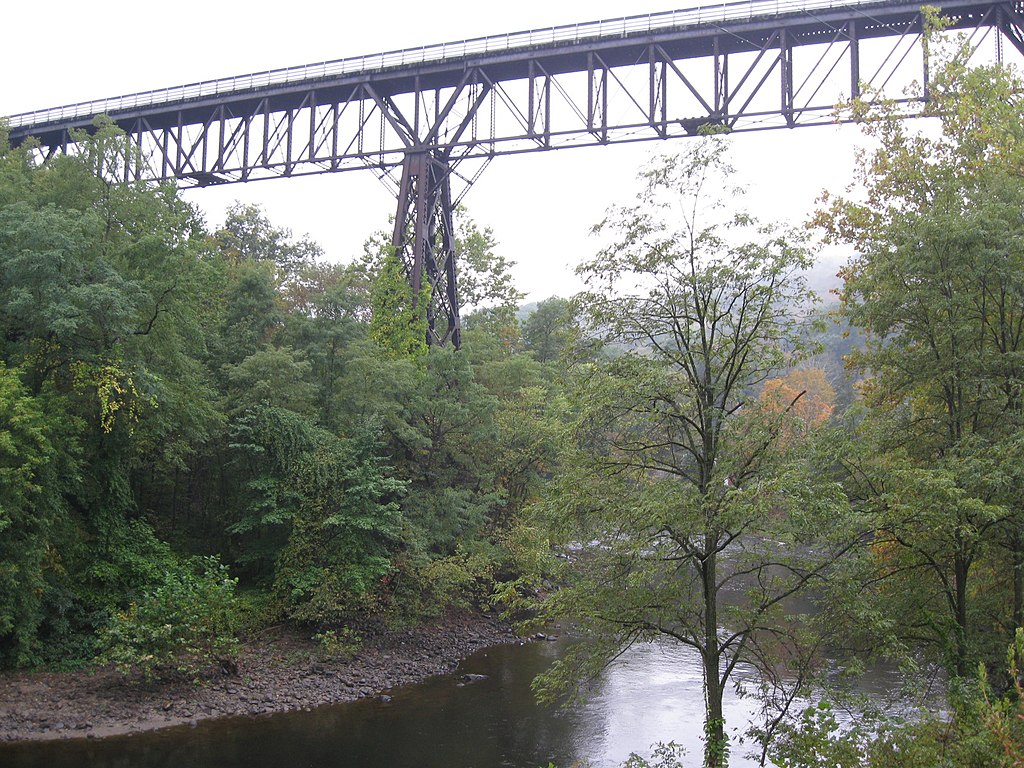
Rondout Creek
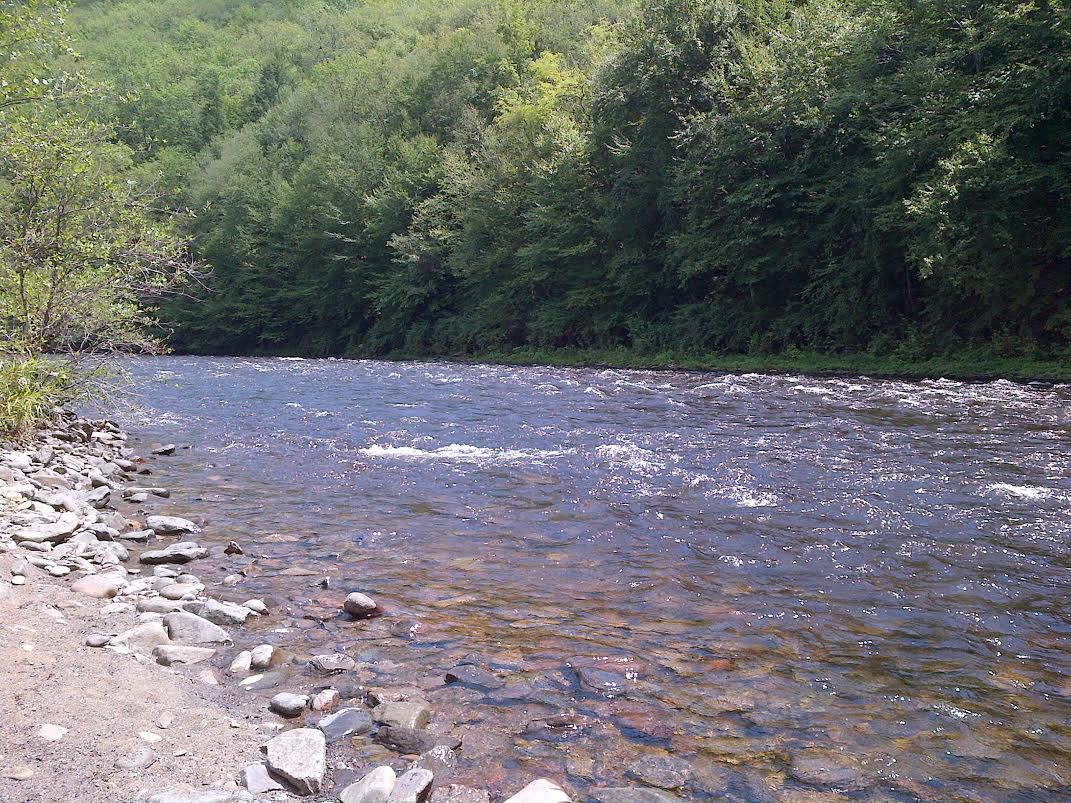
Lehigh River
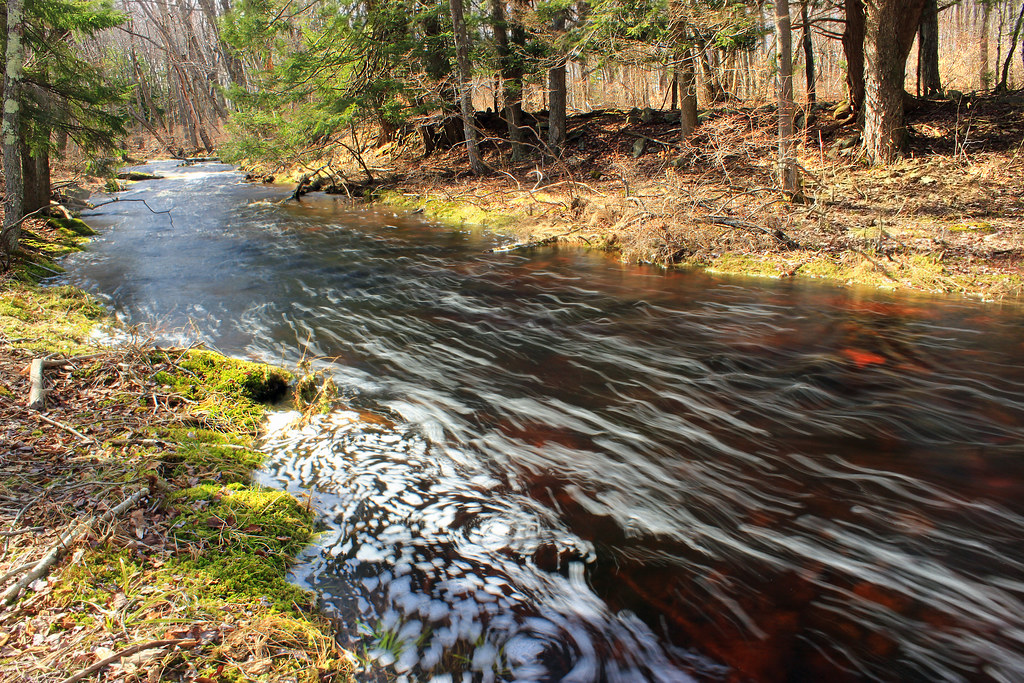
Tobyhanna Creek
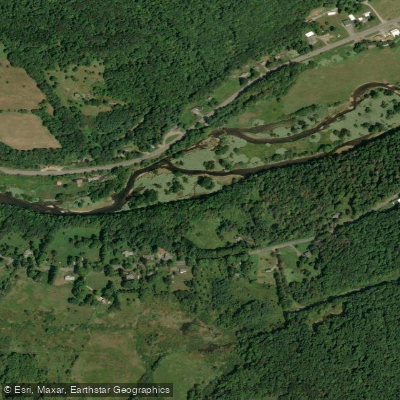
West Branch Delaware River
What to know
Habitat Distribution
- Non-indigenous populations have colonized through the canal lock system.
- Blueback Herring travel farther inland than any other river herring - some Hudson River stock migrate as far as Rome, NY (438km inland).
- In lake environments, they can be found throughout the water column but tend to school in areas with suitable forage.
Key Locations
- Hudson River and its tributaries, Mohawk River (since 1934), Lake Champlain (1970s), Oneida Lake (early 1980s), Oswego River (1994), Lake Ontario (1995), Mohawk River upstream of Cohoes Falls.
Specific Spots
- Focus on main stem flow areas with swift current over gravel and clean sand substrates where they prefer to spawn.
- Best fishing occurs in medium-sized and larger streams with clean substrates.
- In the Great Lakes system, they occupy both shallow and deep waters in schools.
Blueback Herring FAQ
Answers from onWater's species guide.
What flies work for Blueback Herring in New York?
Small flies mimicking zooplankton, copepods, or small baitfish would be effective.
When is the best time to fish for Blueback Herring in New York?
Native populations spawn during late spring and early summer (April-June). They typically arrive 3-4 weeks later than Alewife runs. Juveniles begin seaward migration in September when water temperatures decrease.
How do you catch Blueback Herring in New York?
Focus on main stem flow areas with swift current. Focus on areas with good water flow and oxygen levels, as these fish prefer well-oxygenated waters.
What do Blueback Herring eat?
Primarily planktivores feeding on copepods, pelagic shrimp larvae, larval fishes, zooplankton, and small fish. Adults also consume chironomid larvae, cladocerans (particularly Daphnidae and Bosminidae families), and small crustaceans.
Where do Blueback Herring live in New York?
Non-indigenous populations have colonized through the canal lock system. Blueback Herring travel farther inland than any other river herring - some Hudson River stock migrate as far as Rome, NY (438km inland).
Fish smarter with real-time insights
Whether you're en route and conditions shift or you're looking for the best spot based on current flows, we enable you to make informed decisions on the fly.




See it in the app
Most maps show you water.
onWater shows you Blueback Herring.



- 01 · Species map filter
Map every Blueback Herring water
Pick Blueback Herring and the map zeroes in on the waters they call home. No more guessing which lake holds them.
- 02 · Waterbody species
Tap any water. See what lives there.
Species, behavior and seasonal patterns for every lake, river and pond, before you leave the driveway.
- 03 · Angler Intelligence
Ask how to catch Blueback Herring
Tactics, gear and timing from onWater's AI fishing guide, tuned to the species and the water you're on.
Stop guessing where Blueback Herring are.
Open the map, filter by Blueback Herring, and head to water that holds them. Download onWater and plan your next trip in minutes.
- Species map filter
- Angler Intelligence
- Fishing journal
Explore other species
Trout, bass, salmon, panfish and everything in between. Each guide unpacks the behavior, seasons, and tactics that put fish in the net.
No species information available.
New York licenses and regulations
Explore nearby waters
Explore New York waters
Top fishing waters
Popular Cities
Loading popular cities...

Smarter Fishing Starts in the App.
onWater Fish gives you everything you need to plan smarter, fish better, and own every trip from first cast to last.