White Perch
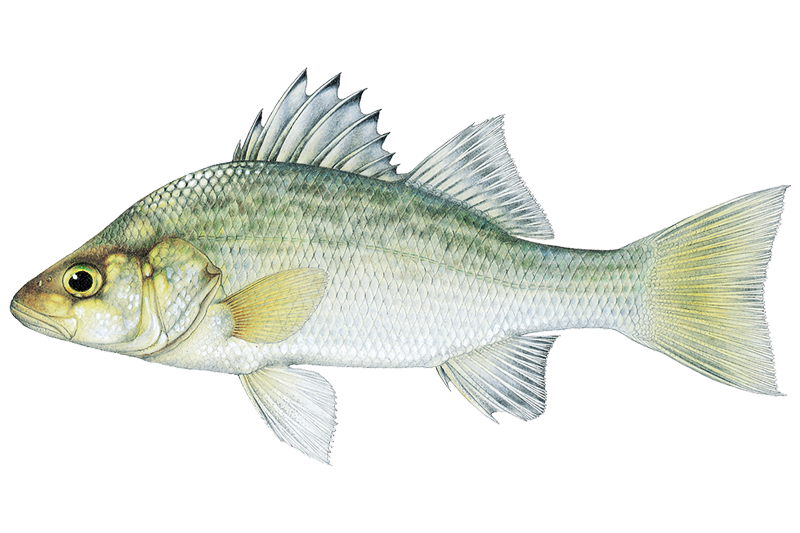
White Perch are not true perch but members of the temperate bass family, closely related to striped bass.
While not native to Mississippi, they have been documented as an invasive species that entered the Mississippi River system through canals connecting Lake Michigan with the Illinois River near Chicago.
Scientific Name: Morone americana
Also known as sometimes confused with white crappie, which locals also call "white perch"
silvery fish typically grow 8-12 inches long, averaging less than a pound, with a deep body that's greatest just ahead of the dorsal fin. They lack the horizontal stripes of white bass and have connected dorsal fins joined by a thin membrane.
Fishing in Mississippi
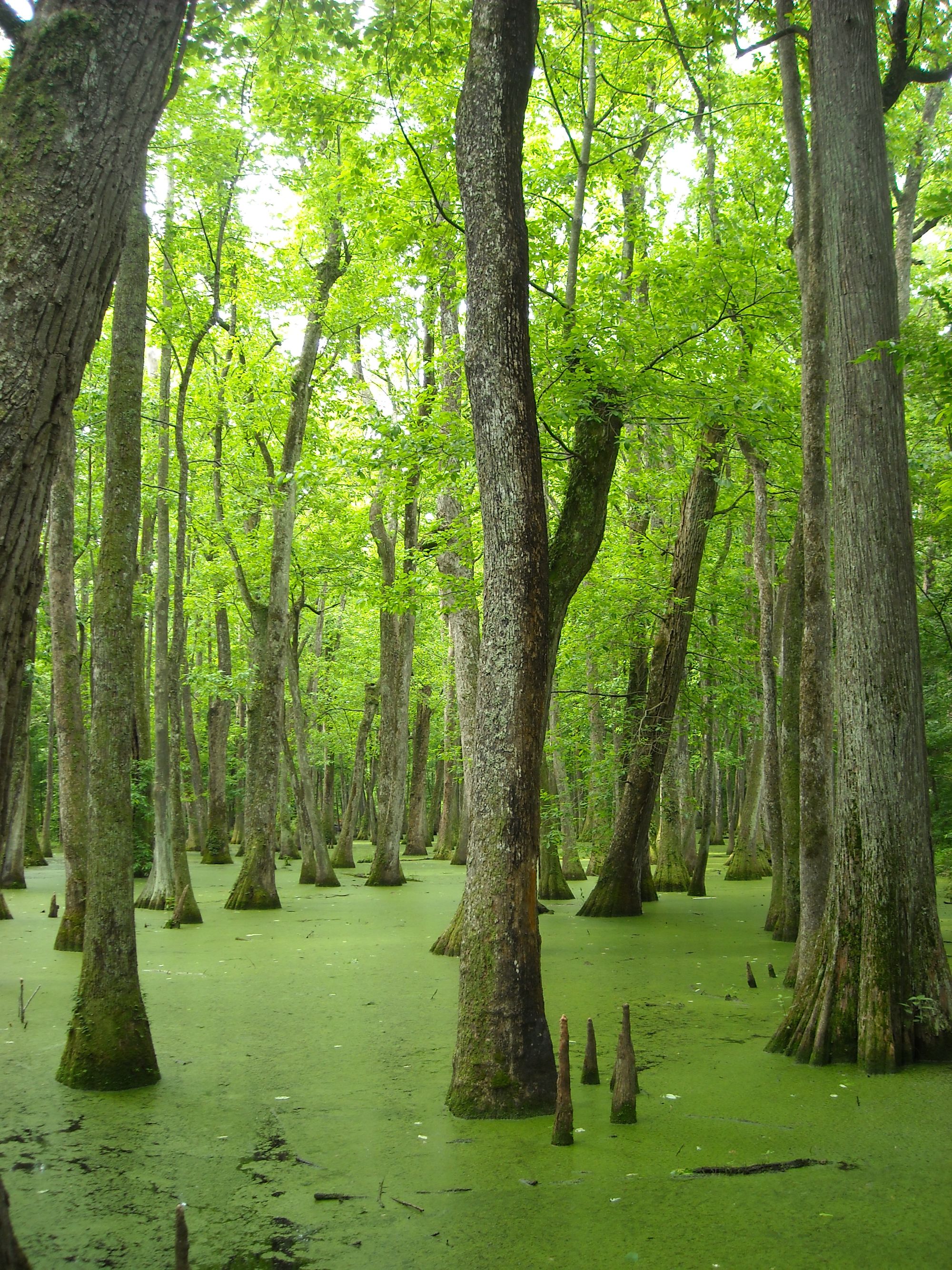
Pearl River
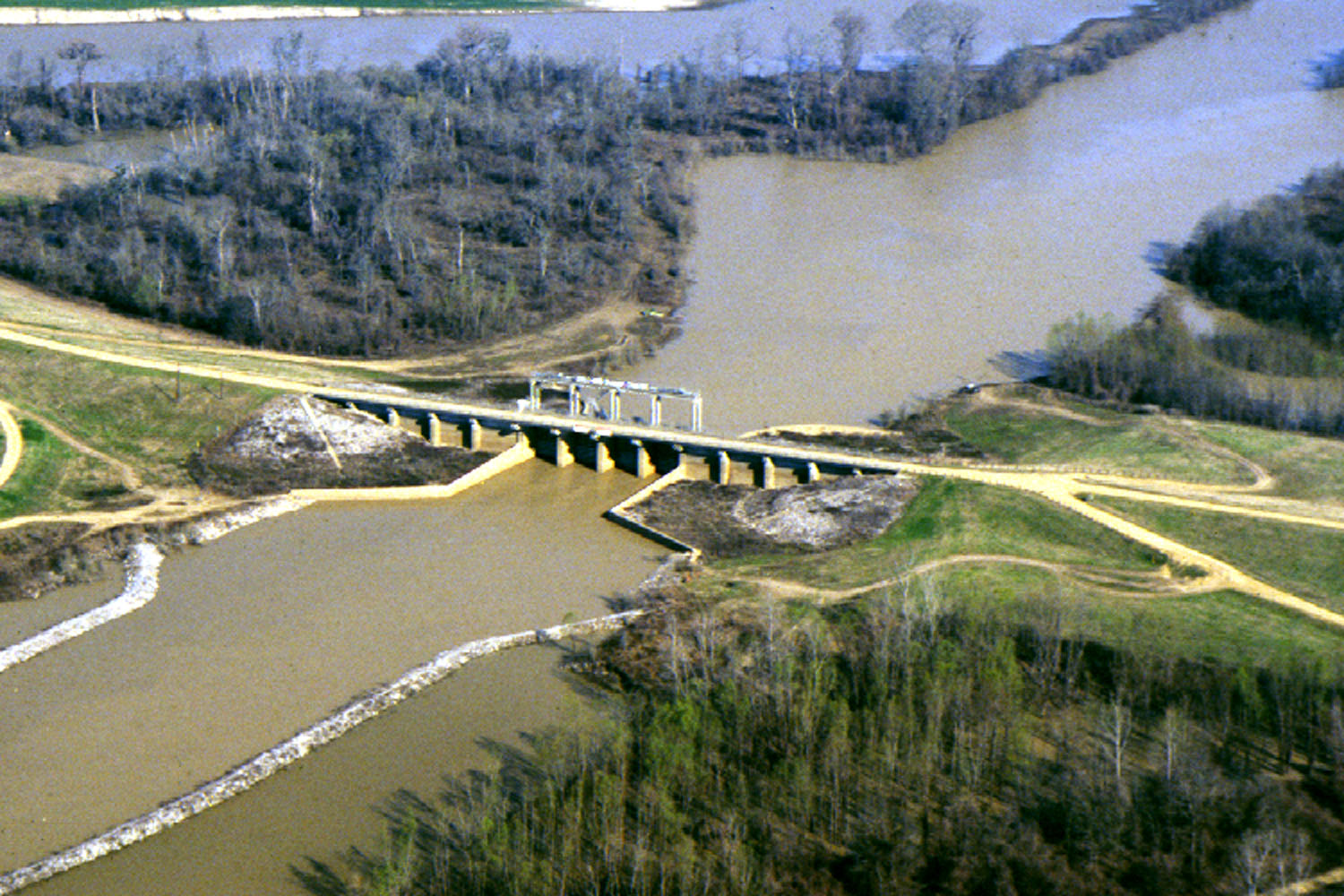
Yazoo River
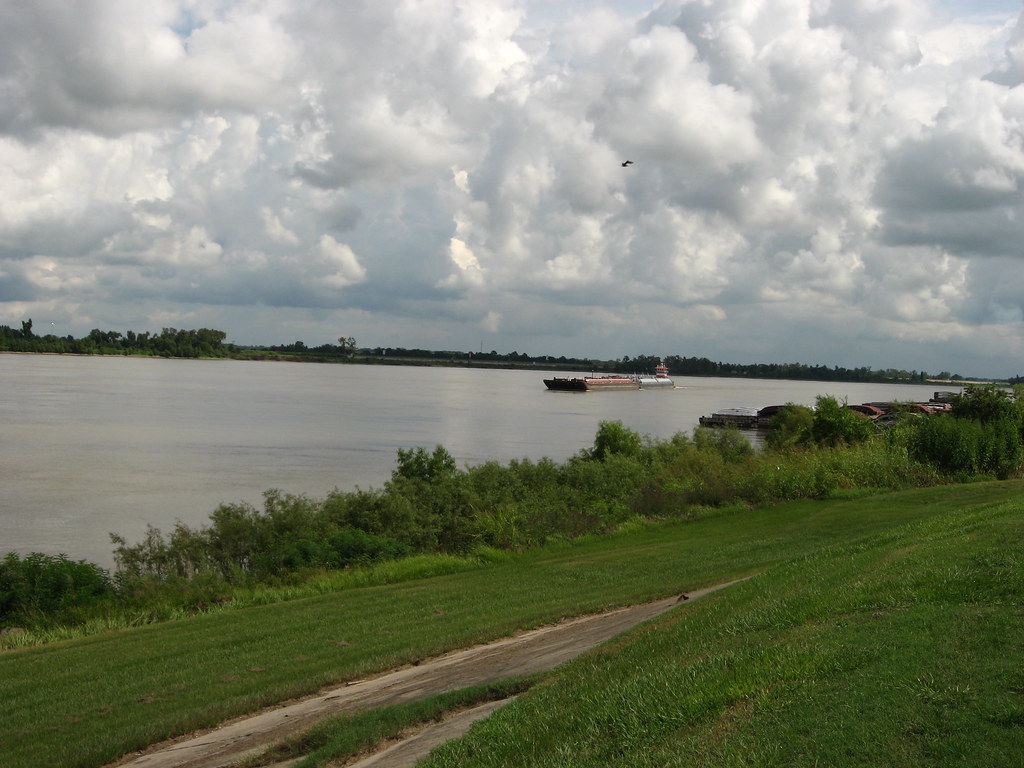
Mississippi River
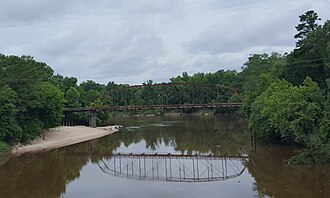
Leaf River
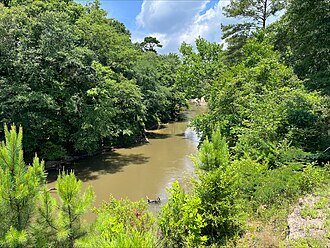
Bouie River
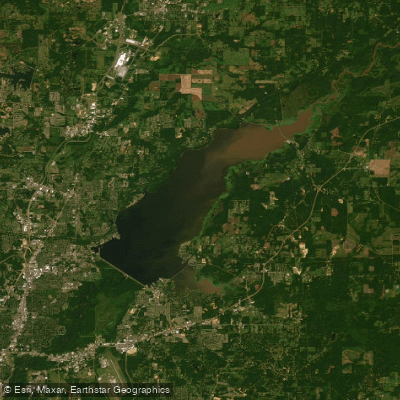
Ross R Barnett Reservoir
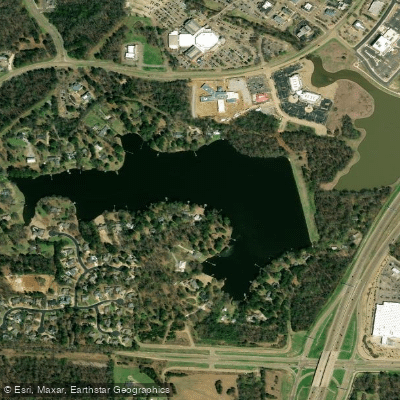
Lake Castle
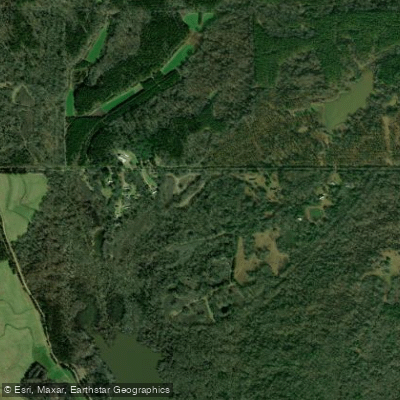
Big Black River

Pelahatchie Creek
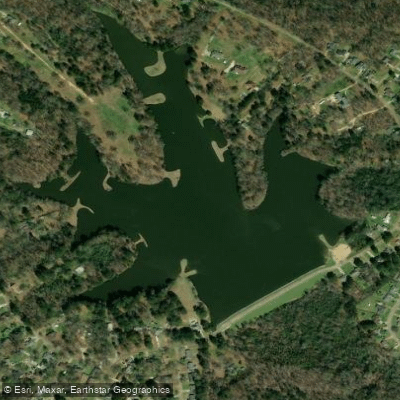
Lake Dockery
What to know
Habitat Distribution
highly adaptable, thriving in both fresh and brackish watersKey Locations
Mississippi River system and connected waters, particularly around wing dams, tailwaters below dams, side channels, and backwater areasSpecific Spots
Target them in 4-6 foot depths around structure like docks, riprap, and channel edges. They prefer areas with level bottoms of compact silt, mud, sand, or clay, showing little preference for vegetation or structure.White Perch FAQ
Answers from onWater's species guide.
What are the best lures and bait for White Perch in Mississippi?
Effective baits include small minnows, bloodworms, grass shrimp, nightcrawlers, and small crustaceans. For lures, try small spinnerbaits, 1/16-1/8 ounce jigs (white, chartreuse), small crankbaits, spoons, curly tail grubs, and 1-2 inch swimbaits - keep baits small due to their tiny mouths.
When is the best time to fish for White Perch in Mississippi?
Can be caught year-round in Mississippi, but spring offers the best fishing when they move into rivers and tributaries to spawn at water temperatures between 52-65°F (avoid targeting during actual spawning periods in May-June). In winter, focus on deeper channels and areas where streams enter main water bodies.
How do you catch White Perch in Mississippi?
Use a slow, steady retrieve or vertical jigging techniques. Sabiki rigs tipped with bait work excellently for schooling fish. Work areas systematically as schools move frequently.
What do White Perch eat?
aggressive predators feeding on small fish, crustaceans, aquatic insects, and fish eggs - including those of valuable sport fish like walleye and white bass
Fish smarter with real-time insights
Whether you're en route and conditions shift or you're looking for the best spot based on current flows, we enable you to make informed decisions on the fly.







See it in the app
Most maps show you water.
onWater shows you White Perch.



- 01 · Species map filter
Map every White Perch water
Pick White Perch and the map zeroes in on the waters they call home. No more guessing which lake holds them.
- 02 · Waterbody species
Tap any water. See what lives there.
Species, behavior and seasonal patterns for every lake, river and pond, before you leave the driveway.
- 03 · Angler Intelligence
Ask how to catch White Perch
Tactics, gear and timing from onWater's AI fishing guide, tuned to the species and the water you're on.
Stop guessing where White Perch are.
Open the map, filter by White Perch, and head to water that holds them. Download onWater and plan your next trip in minutes.
- Species map filter
- Angler Intelligence
- Fishing journal
Explore other species
Trout, bass, salmon, panfish and everything in between. Each guide unpacks the behavior, seasons, and tactics that put fish in the net.

Find which waters have the species you want to catch

Largemouth Bass
Micropterus salmoides salmoides (northern largemouth bass), Micropterus salmoides floridanus (Florida largemouth bass)

Smallmouth Bass
Micropterus dolomieu

Rainbow Trout
Oncorhynchus mykiss

Northern Pike

Walleye

Black Crappie
Pomoxis nigromaculatus
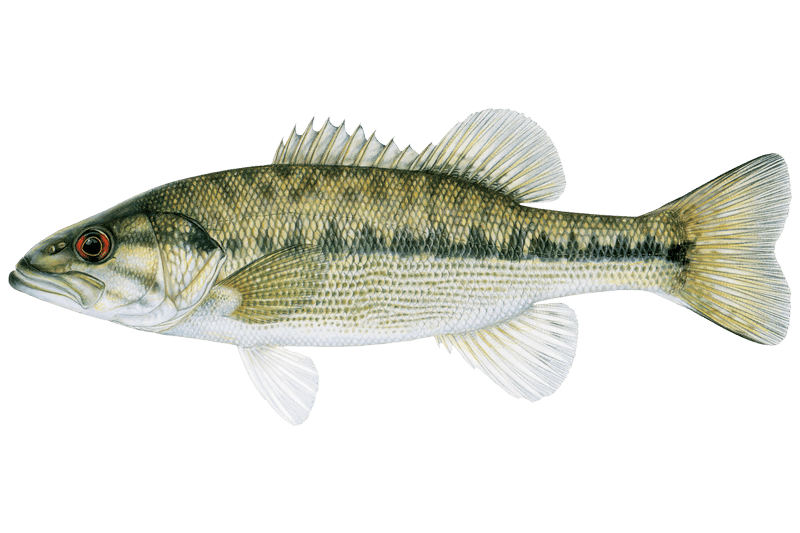
Alabama Bass
Micropterus henshalli
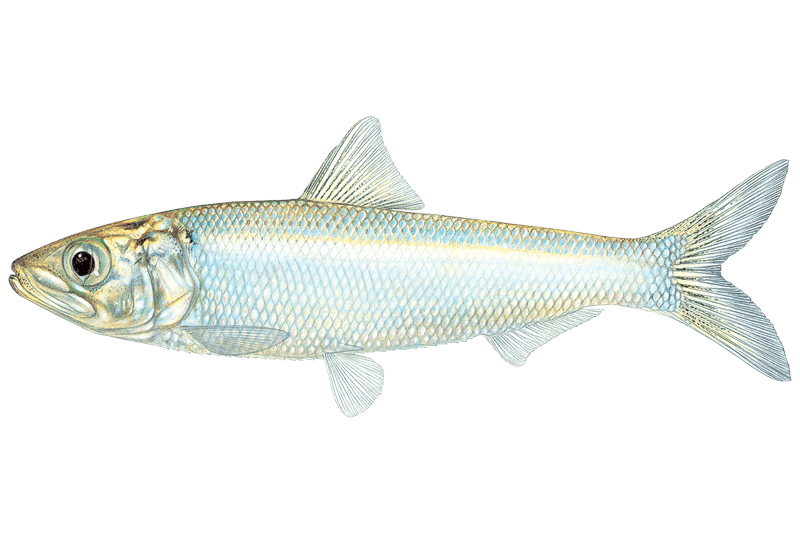
Alabama Shad
Alosa alabamae
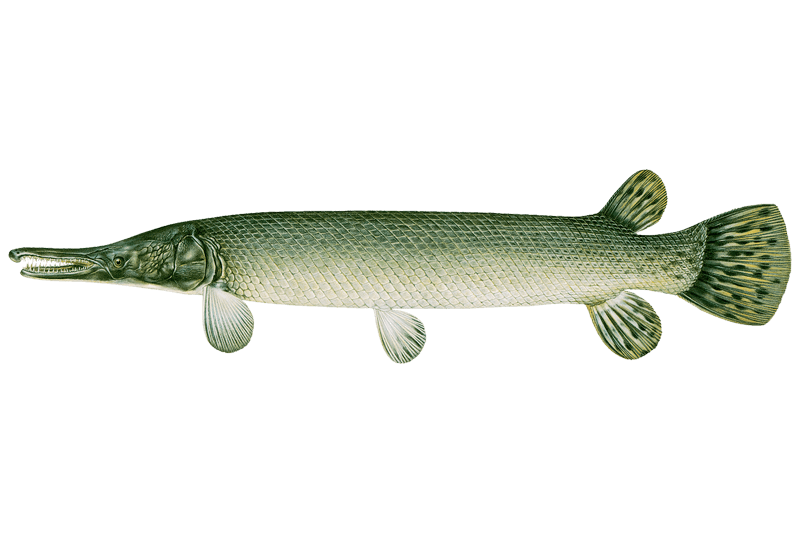
Alligator Gar
Atractosteus spatula

American Eel
Anguilla rostrata

Atlantic Croaker
Micropogonias undulatus

Bighead Carp
Hypophthalmichthys nobilis

Bigmouth Buffalo
Ictiobus cyprinellus

Black Buffalo
Ictiobus niger

Black Bullhead
Ameiurus melas

Black Drum
Pogonias cromis

Blacktip Shark
Carcharhinus limbatus

Blue Catfish
Ictalurus furcatus

Blue Sucker
Cycleptus elongatus

Bowfin
Amia calva

Brown Bullhead
Ameiurus nebulosus

Chain Pickerel
Esox niger

Channel Catfish
Ictalurus punctatus

Common Carp
Cyprinus carpio

Creek Chub
Semotilus atromaculatus

Flathead Catfish
Pylodictis olivaris

Flier
Centrarchus macropterus

Freshwater Drum
Aplodinotus grunniens

Gafftopsail Catfish
Bagre marinus

Gizzard Shad
Dorosoma cepedianum

Grass Carp
Ctenopharyngodon idella

Green Sunfish
Lepomis cyanellus

Lake Sturgeon
Acipenser fulvescens

Longear Sunfish
Lepomis megalotis

Longnose Gar
Lepisosteus osseus

Mangrove Snapper
Lutjanus griseus

Nile Tilapia
Oreochromis niloticus

Northern Hogsucker
Hypentelium nigricans
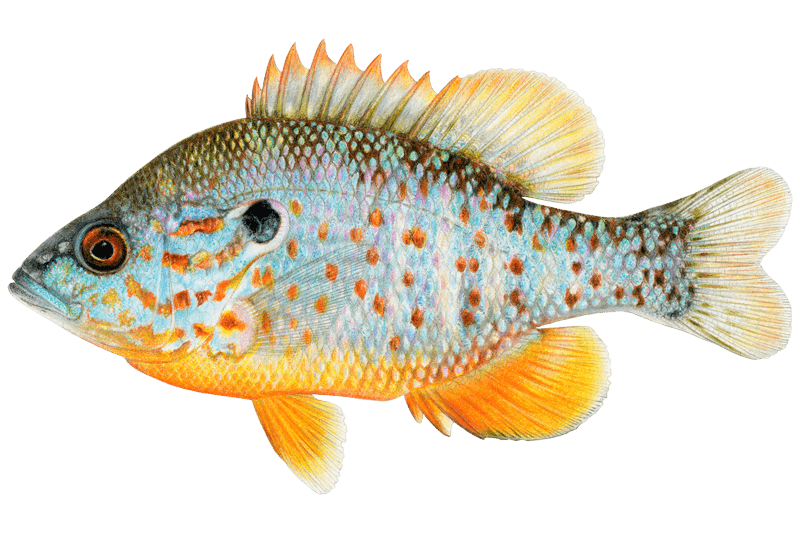
Orangespotted Sunfish
Lepomis humilis

Pumpkinseed
Lepomis gibbosus
Mississippi licenses and regulations

Mississippi Boating Regulations
When using any type of watercraft to access a body of water, it is important to follow all federal, state, and local rules and regulations. These rules and regulations include boat permitting and licensing, invasive species inspections and stamps, life jacket and PFD rules, motor size and horsepower restrictions, noise limitations, restrictions on personal watercraft, and many more. Visit the web link below for the most current rules and regulations for this body of water.

Mississippi Fishing License
Resident - Each resident of the State of Mississippi ages sixteen (16) through sixty-four (64), fishing in the fresh or marine waters of Mississippi, including lakes and reservoirs but NOT to include privately owned ponds and streams, shall be required to buy a fishing license. A saltwater license is required south of U. S. Highway 90 and a freshwater or saltwater license is valid between I-10 and U. S. Highway 90. Saltwater license is not valid north of I-10. Any person sixty-five (65) or older, or any person otherwise exempted from obtaining a freshwater fishing license, must have documentation with him/her at all times while fishing as described in Exemptions. All non-resident anglers, except minors under the age of sixteen (16), are required to obtain a fishing license while fishing in the fresh or marine waters of the State of Mississippi.

Mississippi Fishing Regulations
This river has a variety of species and regulations, including potential floating and/or watercraft restrictions. Because this river is specially managed for species, seasons, angling methods, and watercraft, it is strongly encouraged you check all federal, state, and local regulations before fishing. Visit any of the links below, inquire locally, or contact a local fly shop to learn current regulations and restrictions.

Mississippi Stream Access Laws
Mississippi waterways with a long history of public use or a mean annual flow of at least 100 cfs are considered navigable and open to public recreation. The public may use surfaces and streambeds, regardless of ownership, up to the high watermark.
Explore nearby waters
Explore Mississippi waters
Top fishing waters
Popular Cities
Loading popular cities...
Smarter Fishing Starts in the App.
onWater Fish gives you everything you need to plan smarter, fish better, and own every trip from first cast to last.