Bowfin

Bowfin are prehistoric fish dating back 150 million years, making them living fossils and sole survivors of the order Amiiformes.
Their swim bladders function as lungs, allowing them to surface and breathe air, making them extremely tolerant of poor water quality. Their ability to breathe air allows them to survive in waters unsuitable for most other fish species.
Scientific Name: Amia calva
Also known as Grinnel, Dog fish, Choupique, Cypress trout, Cypress bass, Mud fish
- These fish have flattened heads with sharp conical teeth, long stout bodies, and distinctive long dorsal fins extending along most of their backs.
- Adult males display a distinctive black spot bordered by orange or yellow just in front of the caudal fin, while females typically lack this marking.
- Bowfin usually weigh 1-3 pounds but can exceed 20 pounds and grow to 25 inches.
Fishing in Mississippi
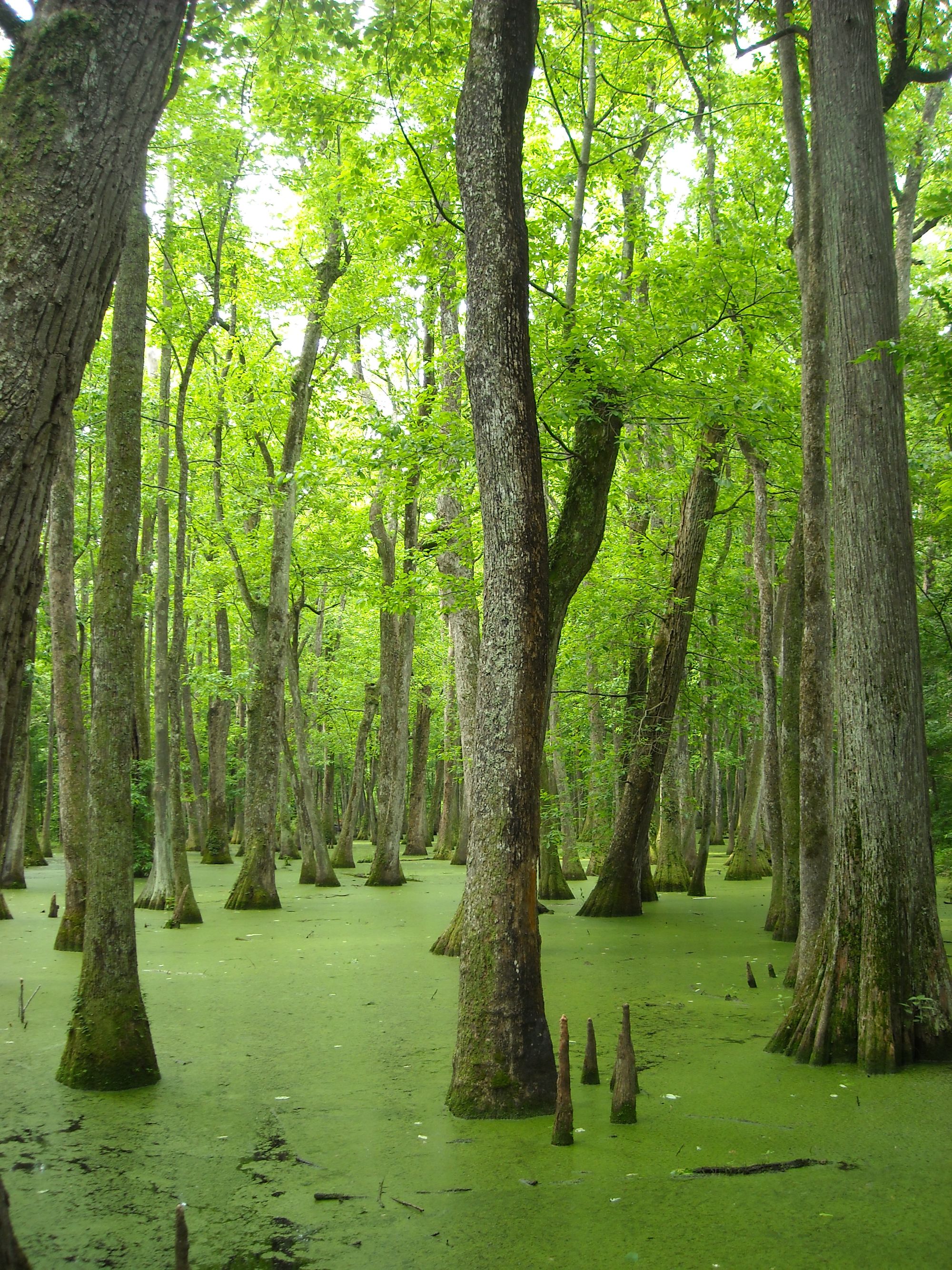
Pearl River
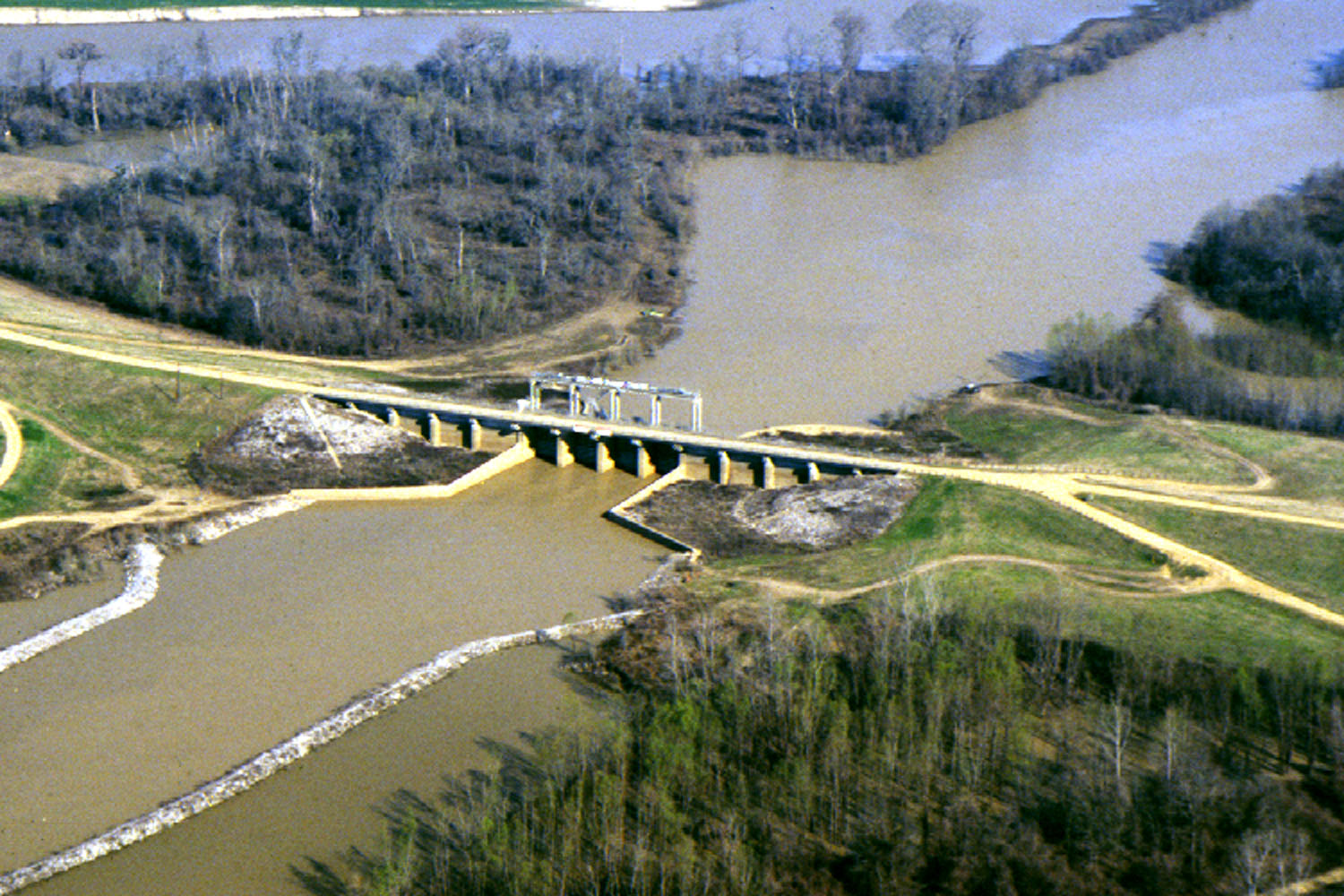
Yazoo River
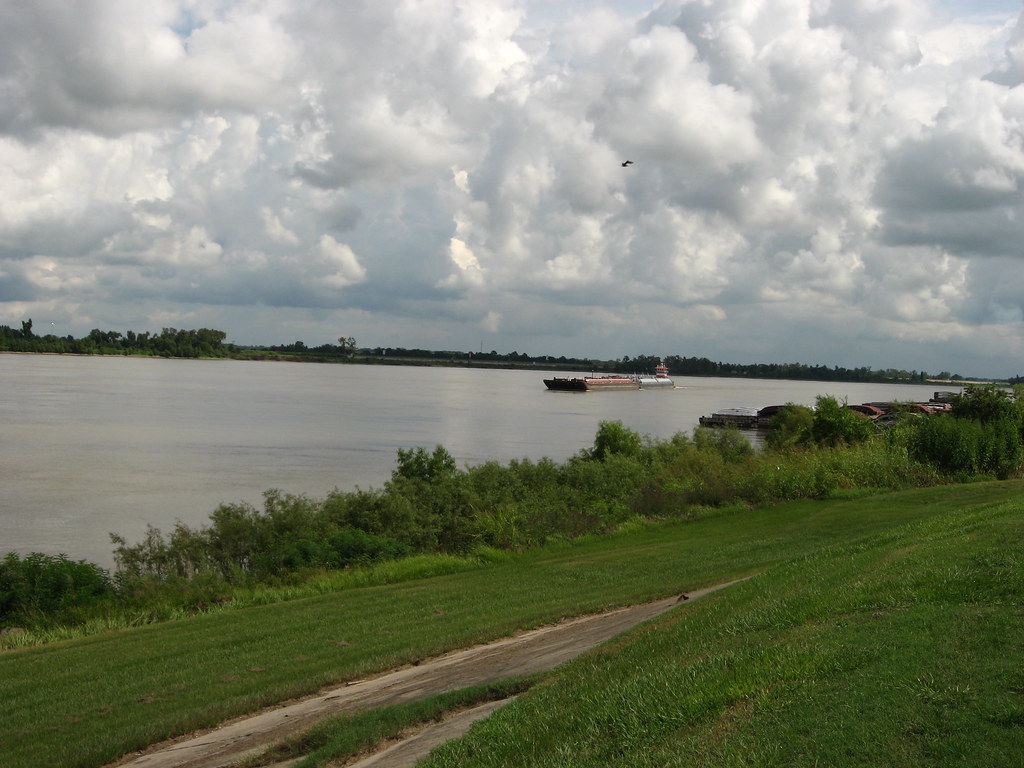
Mississippi River
Leaf River
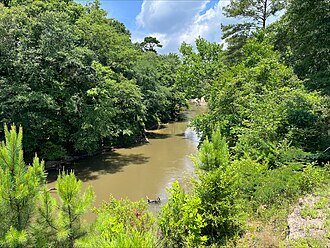
Bouie River
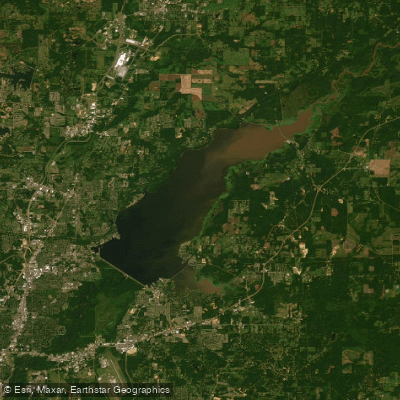
Ross R Barnett Reservoir
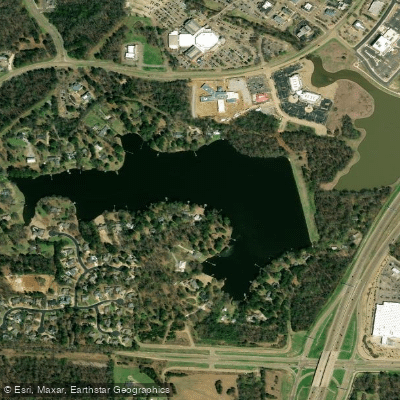
Lake Castle
Big Black River
Pelahatchie Creek
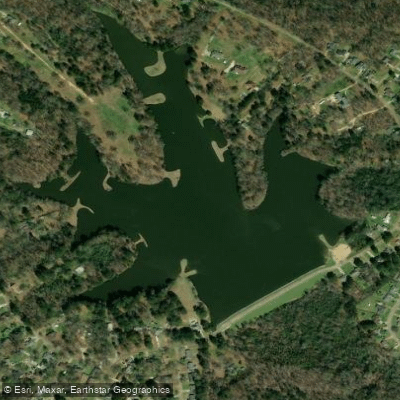
Lake Dockery
What to know
Habitat Distribution
- In Mississippi, Bowfin prefer shallow oxbow lakes, sluggish rivers, and swamps with heavy vegetation.
- They inhabit backwater areas, particularly those connected to the Mississippi River system.
Key Locations
- Ross Barnett Reservoir and other Mississippi River tributaries.
- Mississippi's state record is 18 pounds 14 ounces, caught at Ross Barnett Reservoir in 1978.
Specific Spots
- Target areas with heavy vegetation including cattails, lily pads, hydrilla beds, and grass mats in oxbow lakes and backwaters.
- During daylight hours, they stay in deeper waters but migrate to shallower areas to feed at night.
Bowfin FAQ
Answers from onWater's species guide.
What are the best lures and bait for Bowfin in Mississippi?
Cut bait, nightcrawlers, minnows, frogs, and crayfish. For artificial lures, use jigs, spinnerbaits, plugs, and spoons. Topwater frogs, chatterbaits, spinnerbaits, Texas-rigged creature baits and soft plastics.
What flies work for Bowfin in Mississippi?
Size 2 patterns including Conehead Zuddlers, Conehead Bow River Buggers, and Bass Master flies in black, crayfish colors, yellow, and white. Crawfish patterns like Meat Whistles or Crawfish Bite in black, olive, or orange. Minnow patterns like Game Changers in brown, black, or green with flash.
When is the best time to fish for Bowfin in Mississippi?
Topwater frogs are effective in spring when water temperatures are in the low-to-mid 60s. During spawning period (typically May-June), males become highly aggressive and protective, making this a time to avoid targeting them.
How do you catch Bowfin in Mississippi?
Dr.ift fishing and still fishing using cut bait. Stop-and-go retrieves with topwater frogs. Slow-rolled chatterbaits and spinnerbaits along grass edges during summer. Texas-rigged creature baits and soft plastics when punching through heavy vegetation or working deeper water.
What do Bowfin eat?
They're voracious predators feeding primarily on fish, but also consume crayfish, grass shrimp, frogs, and insects. Their diet makes them opportunistic feeders that will take various prey throughout the water column.
Fish smarter with real-time insights
Whether you're en route and conditions shift or you're looking for the best spot based on current flows, we enable you to make informed decisions on the fly.




See it in the app
Most maps show you water.
onWater shows you Bowfin.
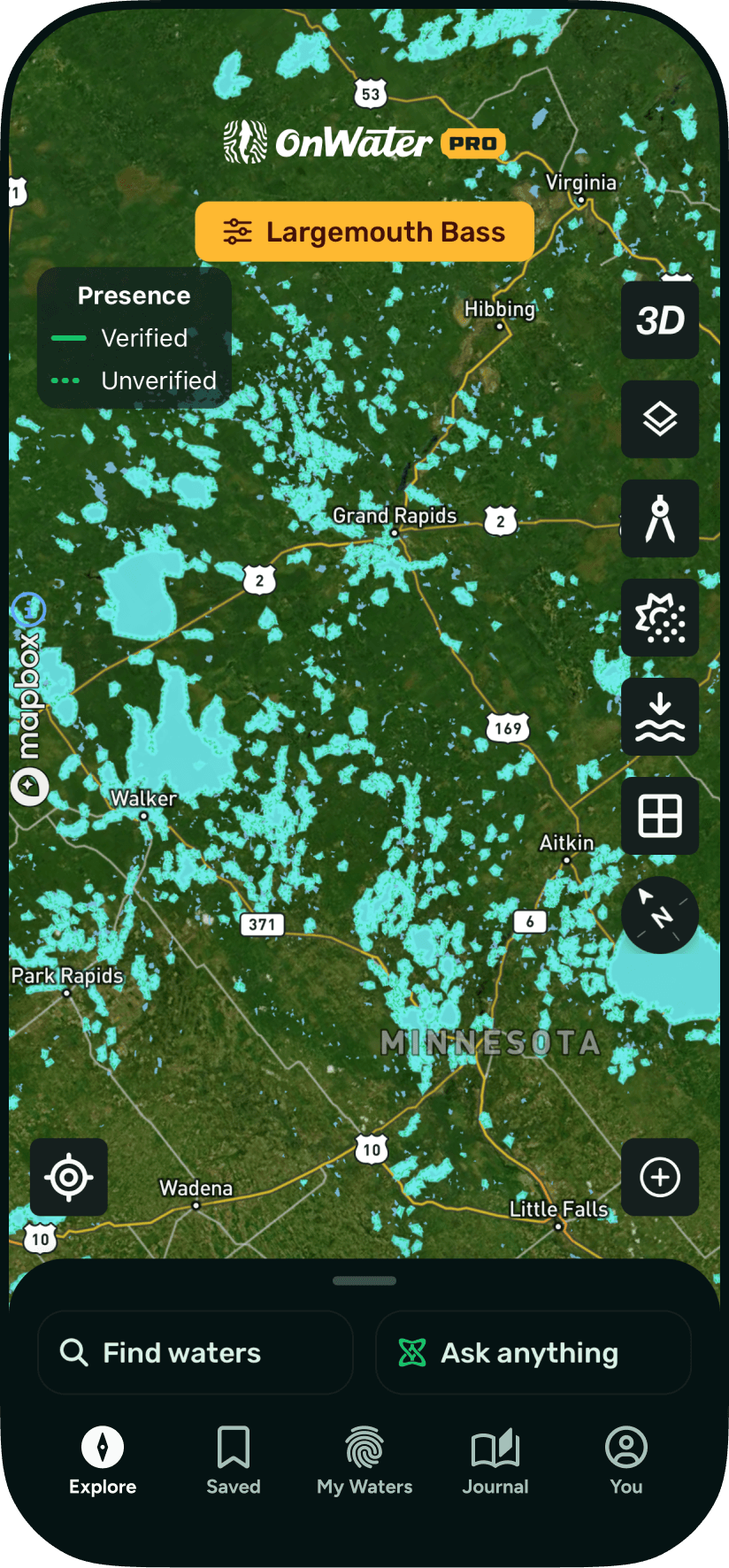
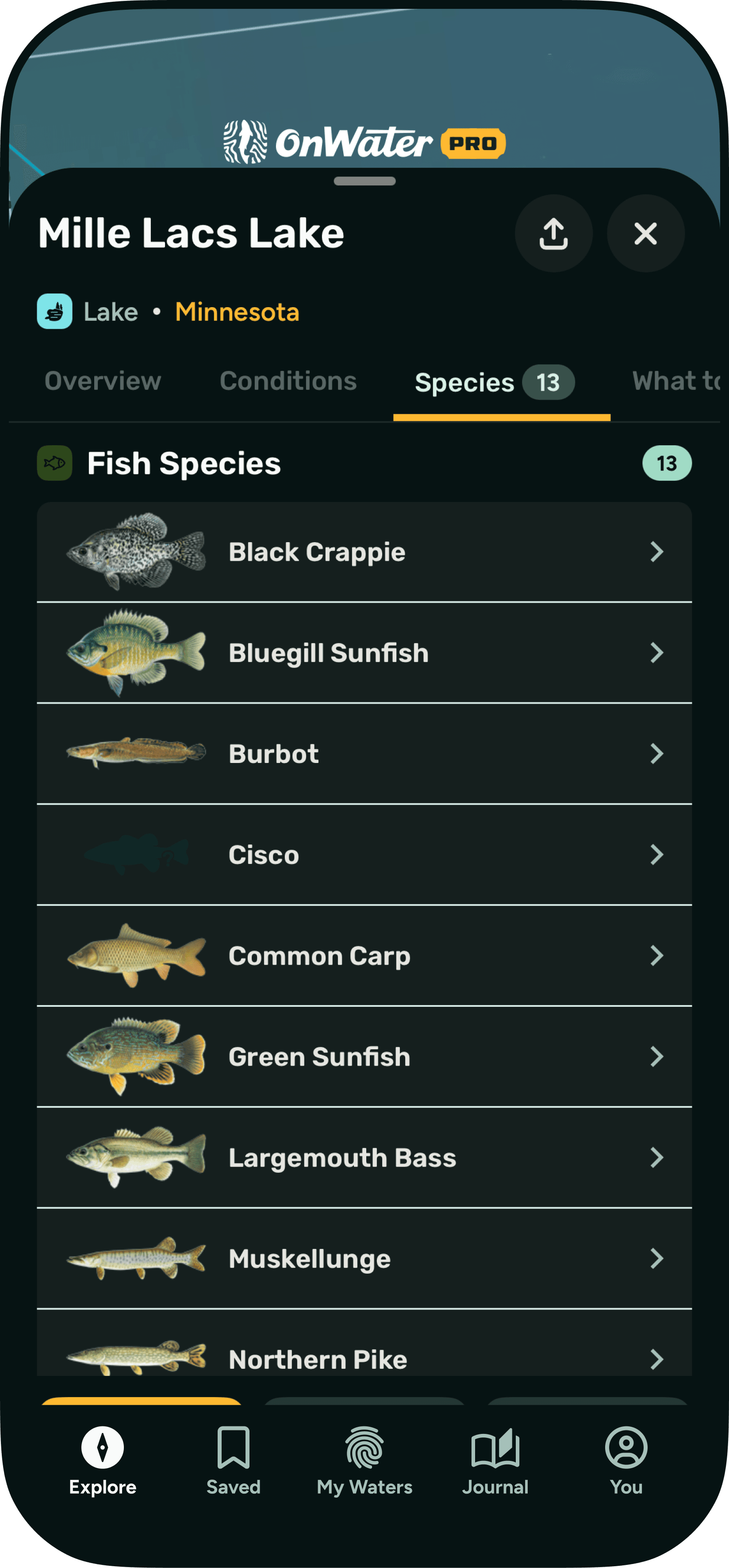
- 01 · Species map filter
Map every Bowfin water
Pick Bowfin and the map zeroes in on the waters they call home. No more guessing which lake holds them.
- 02 · Waterbody species
Tap any water. See what lives there.
Species, behavior and seasonal patterns for every lake, river and pond, before you leave the driveway.
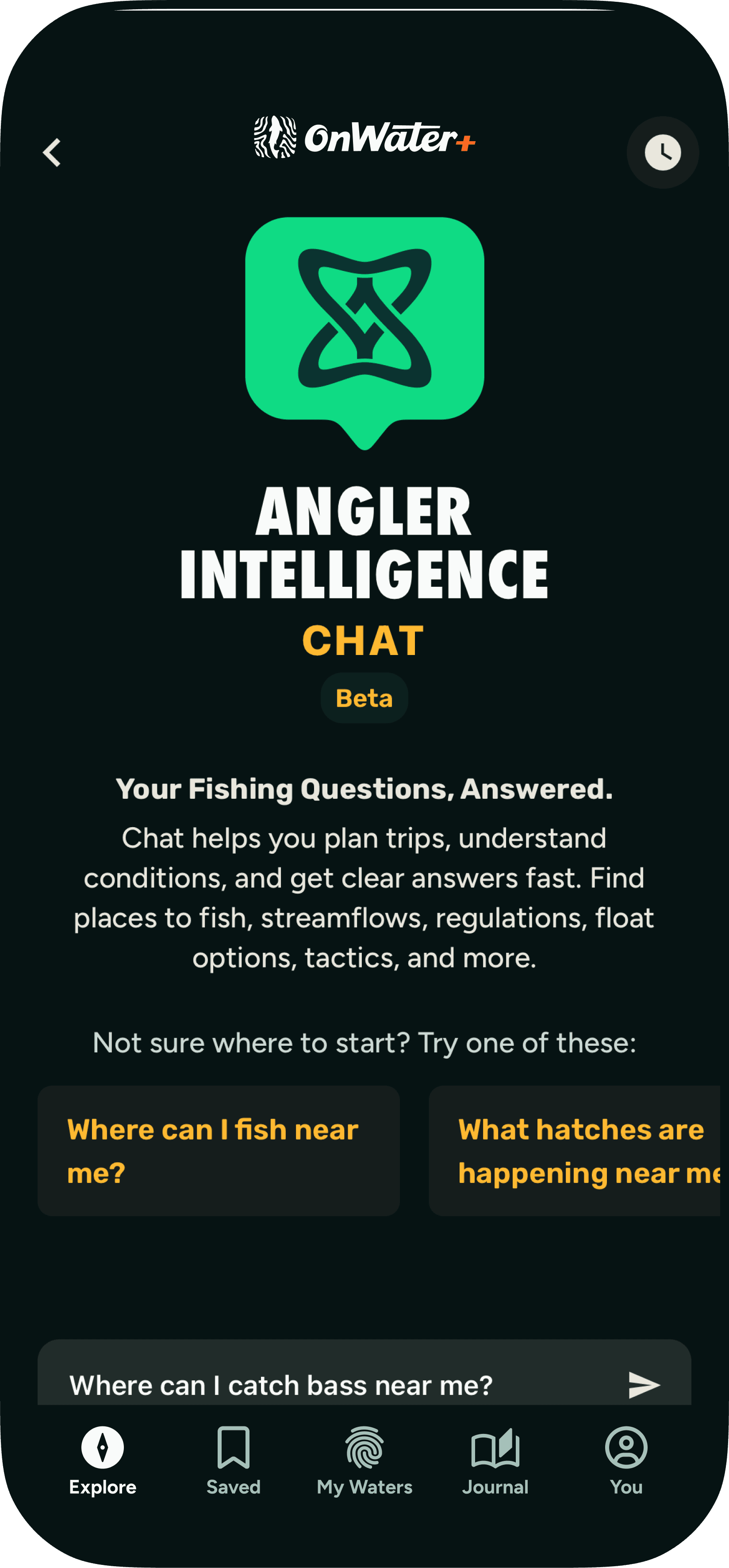
- 03 · Angler Intelligence
Ask how to catch Bowfin
Tactics, gear and timing from onWater's AI fishing guide, tuned to the species and the water you're on.
Stop guessing where Bowfin are.
Open the map, filter by Bowfin, and head to water that holds them. Download onWater and plan your next trip in minutes.
- Species map filter
- Angler Intelligence
- Fishing journal
Explore other species
Trout, bass, salmon, panfish and everything in between. Each guide unpacks the behavior, seasons, and tactics that put fish in the net.
Find which waters have the species you want to catch
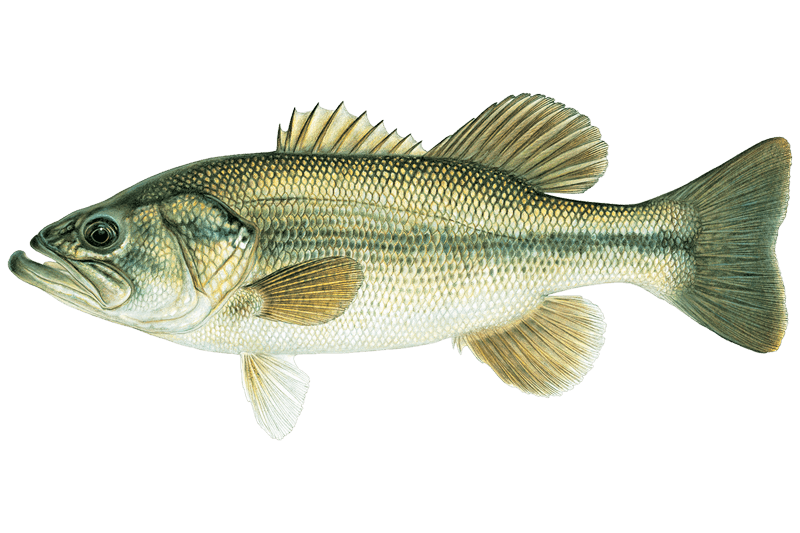
Largemouth Bass
Micropterus salmoides salmoides (northern largemouth bass), Micropterus salmoides floridanus (Florida largemouth bass)
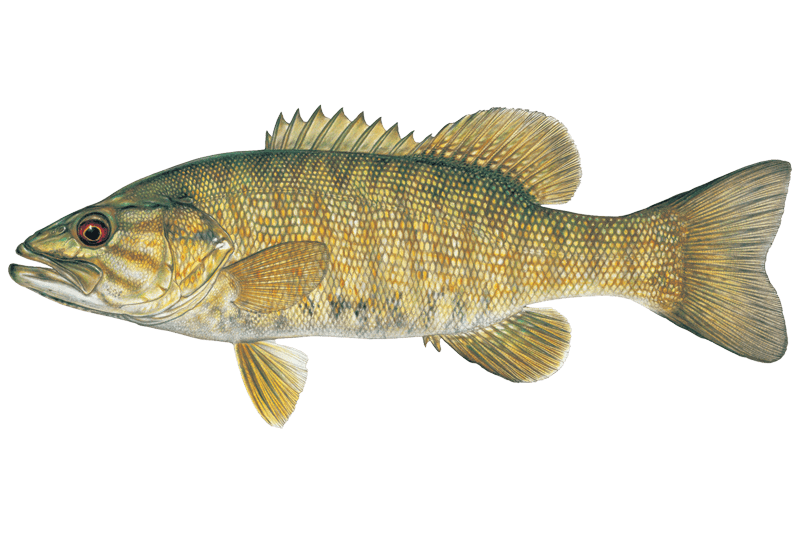
Smallmouth Bass
Micropterus dolomieu
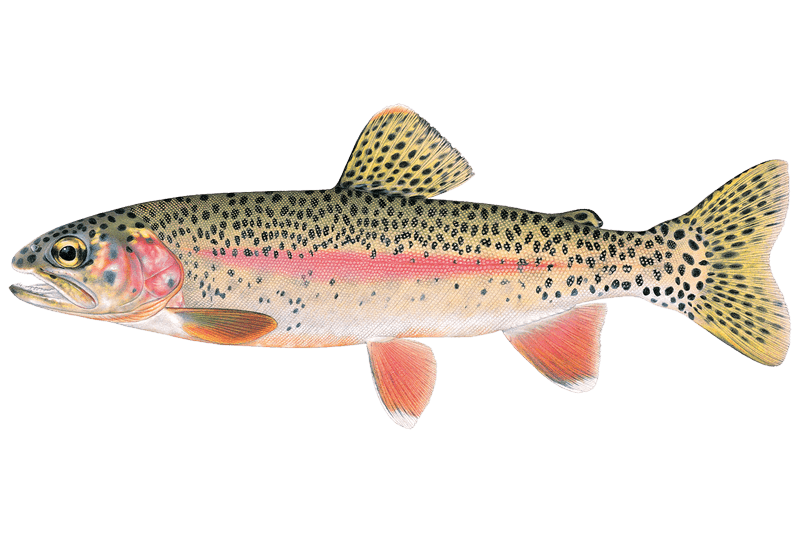
Rainbow Trout
Oncorhynchus mykiss
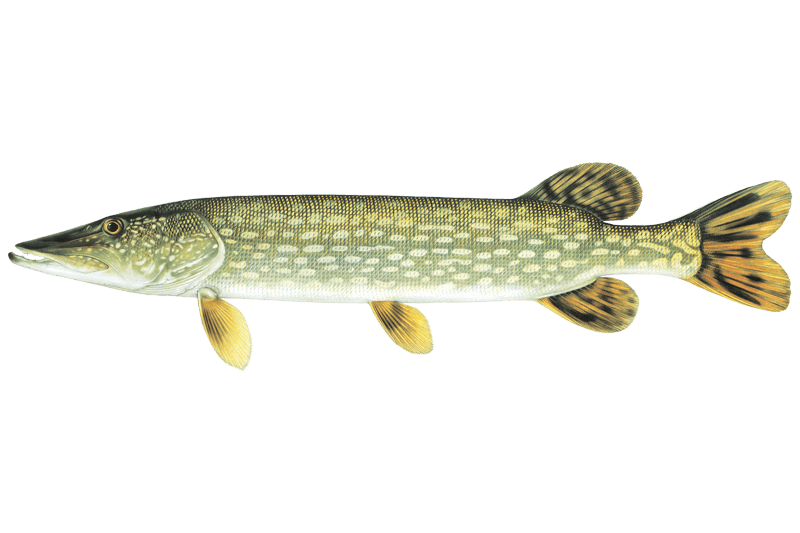
Northern Pike
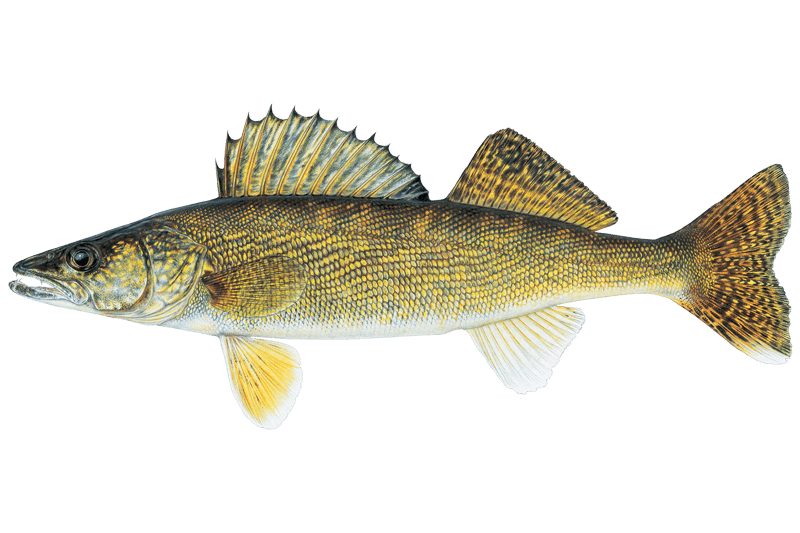
Walleye
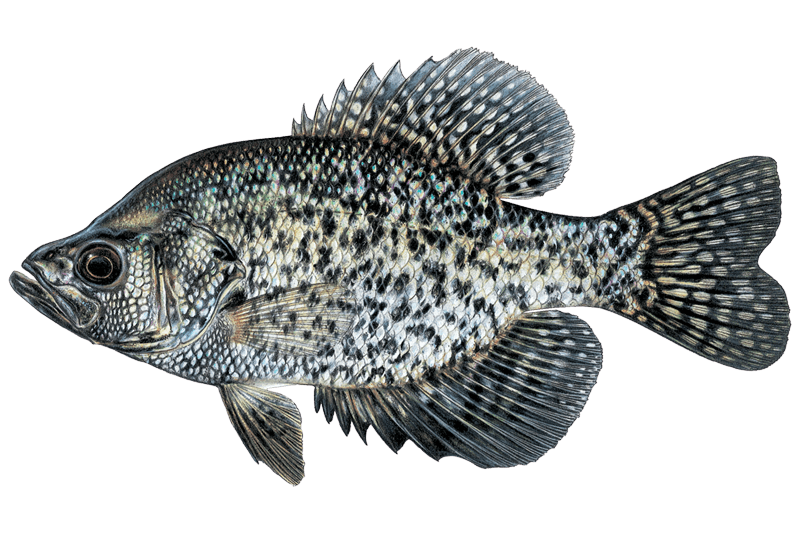
Black Crappie
Pomoxis nigromaculatus
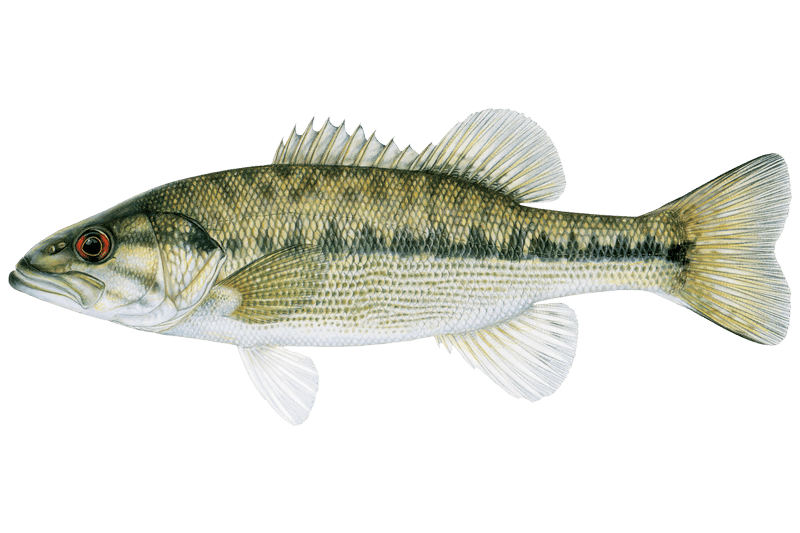
Alabama Bass
Micropterus henshalli
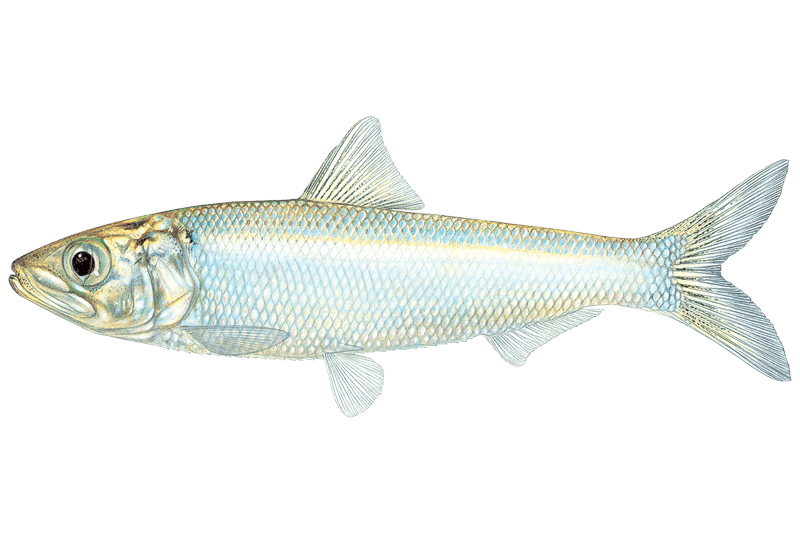
Alabama Shad
Alosa alabamae
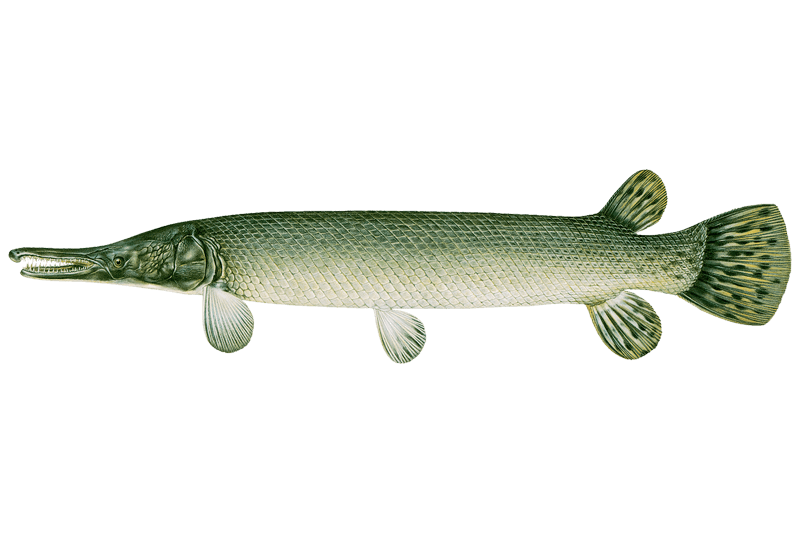
Alligator Gar
Atractosteus spatula

American Eel
Anguilla rostrata

Atlantic Croaker
Micropogonias undulatus

Bighead Carp
Hypophthalmichthys nobilis
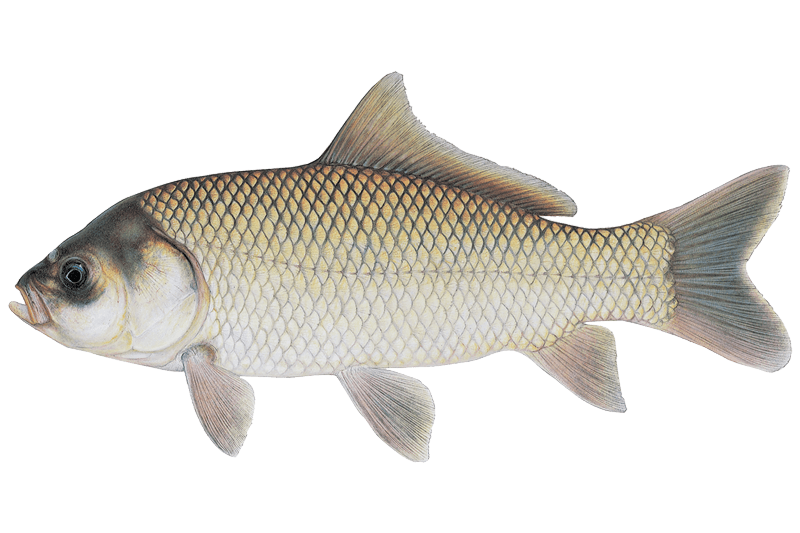
Bigmouth Buffalo
Ictiobus cyprinellus
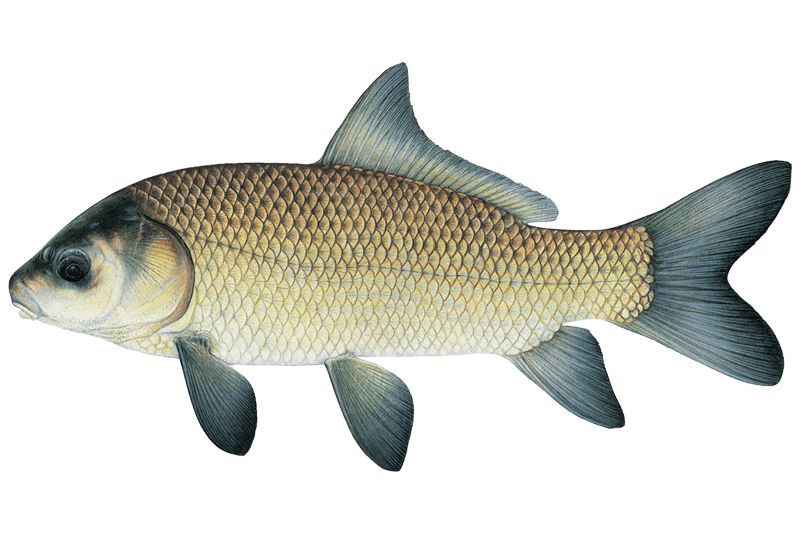
Black Buffalo
Ictiobus niger

Black Bullhead
Ameiurus melas

Black Drum
Pogonias cromis

Blacktip Shark
Carcharhinus limbatus
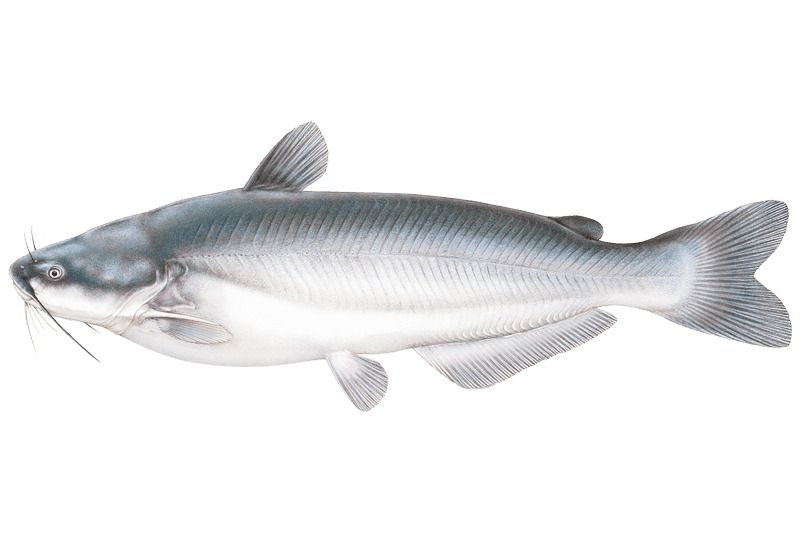
Blue Catfish
Ictalurus furcatus
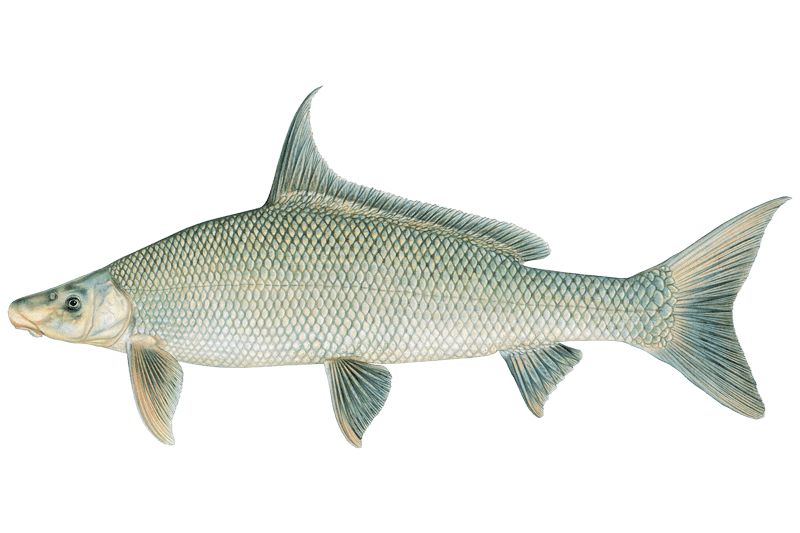
Blue Sucker
Cycleptus elongatus
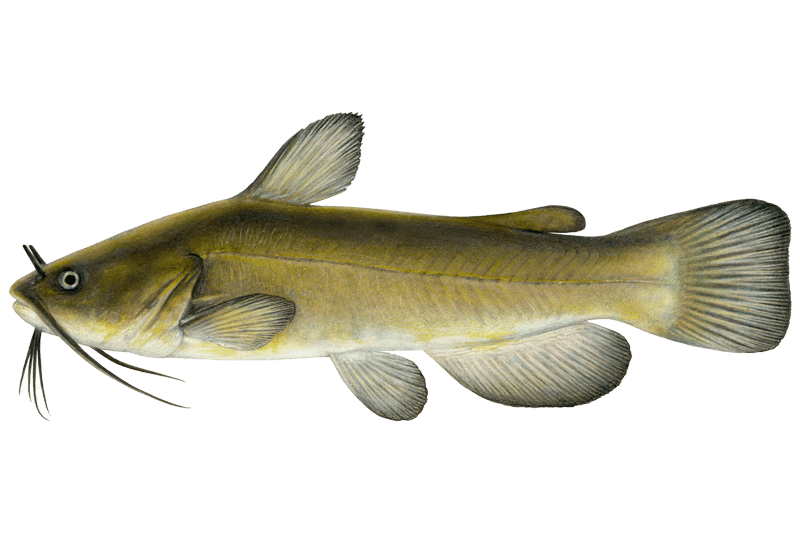
Brown Bullhead
Ameiurus nebulosus
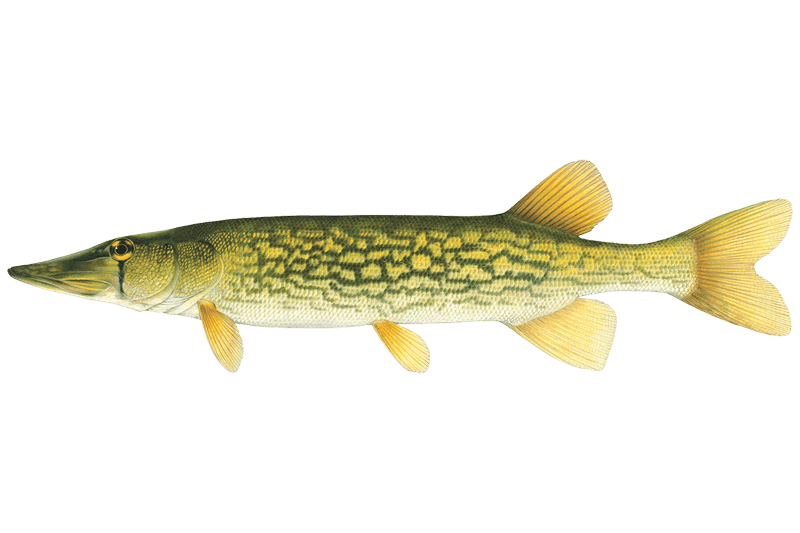
Chain Pickerel
Esox niger
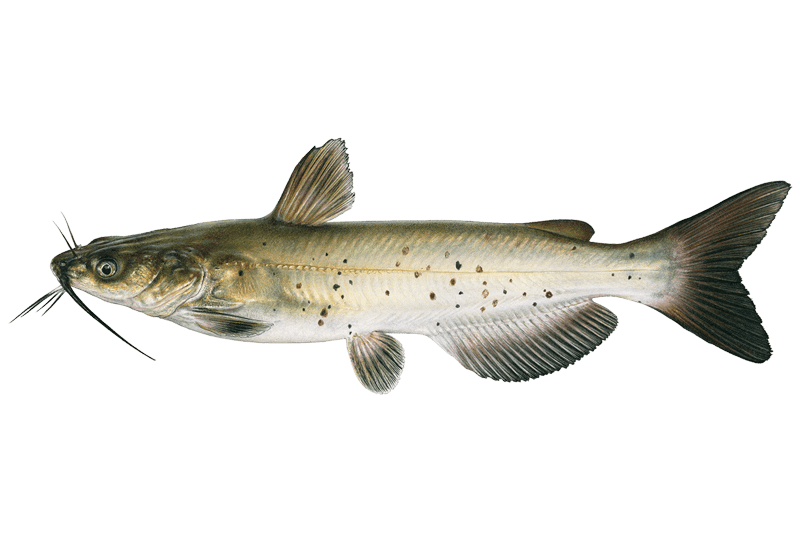
Channel Catfish
Ictalurus punctatus
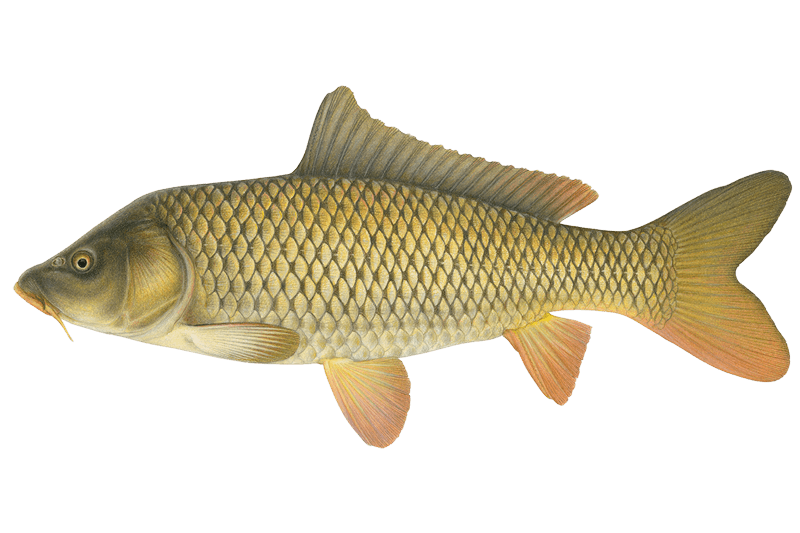
Common Carp
Cyprinus carpio

Creek Chub
Semotilus atromaculatus
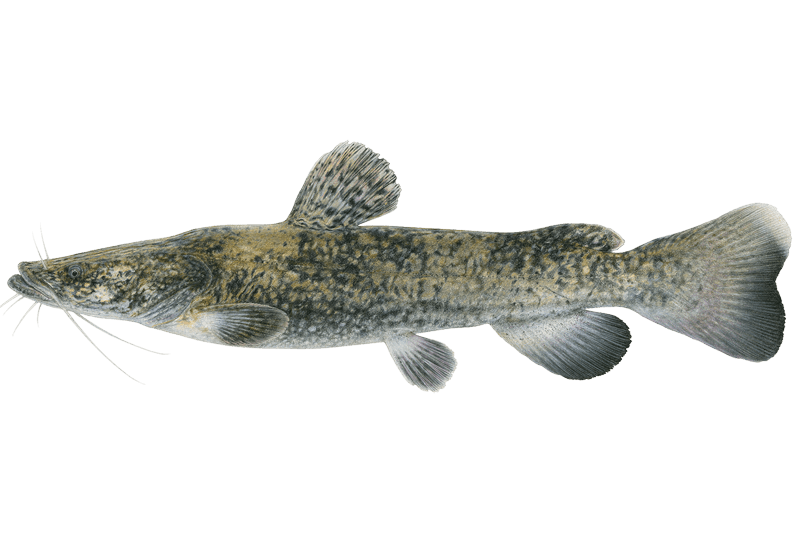
Flathead Catfish
Pylodictis olivaris
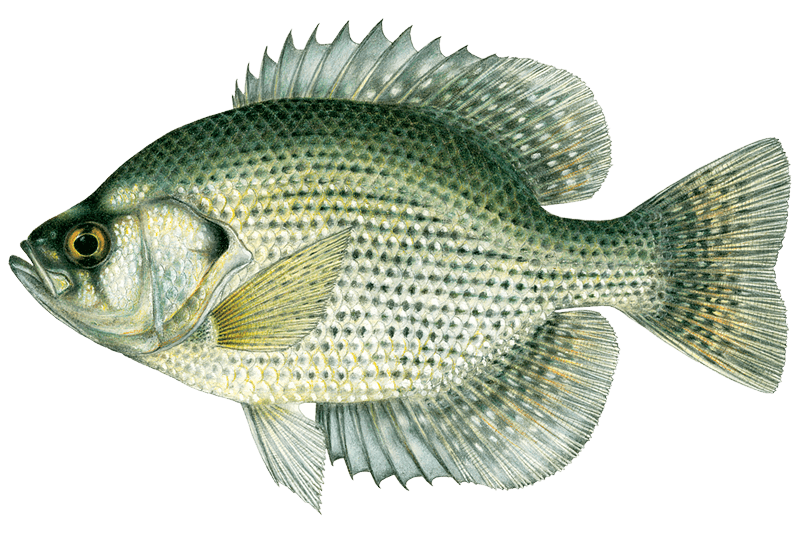
Flier
Centrarchus macropterus
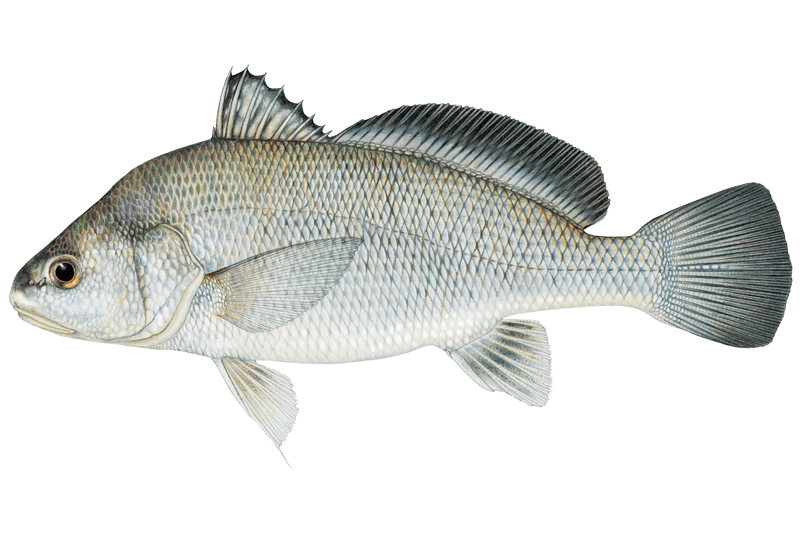
Freshwater Drum
Aplodinotus grunniens

Gafftopsail Catfish
Bagre marinus

Gizzard Shad
Dorosoma cepedianum
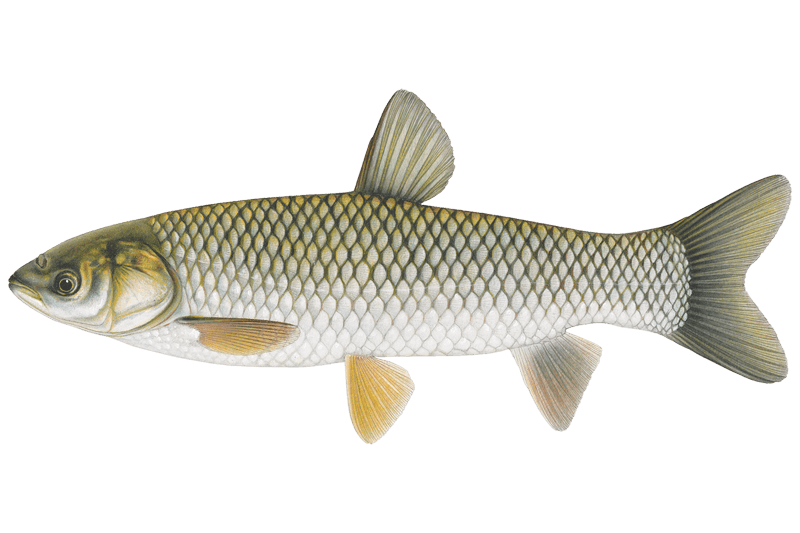
Grass Carp
Ctenopharyngodon idella
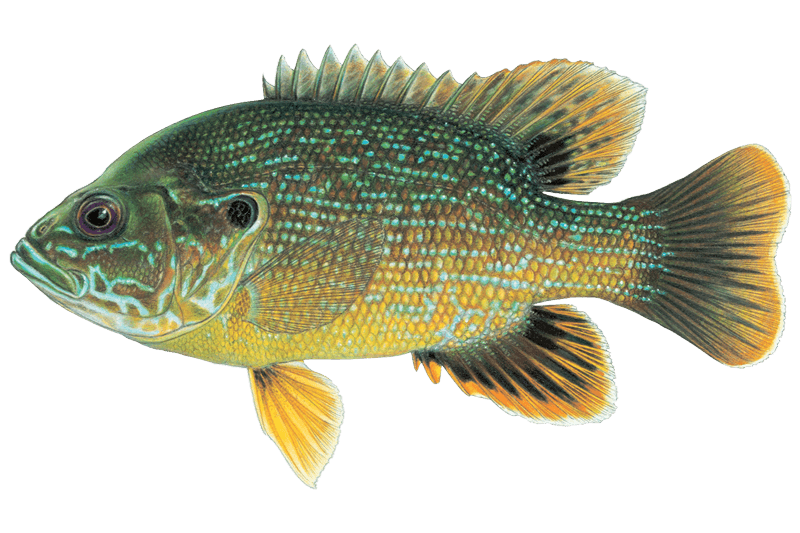
Green Sunfish
Lepomis cyanellus

Lake Sturgeon
Acipenser fulvescens
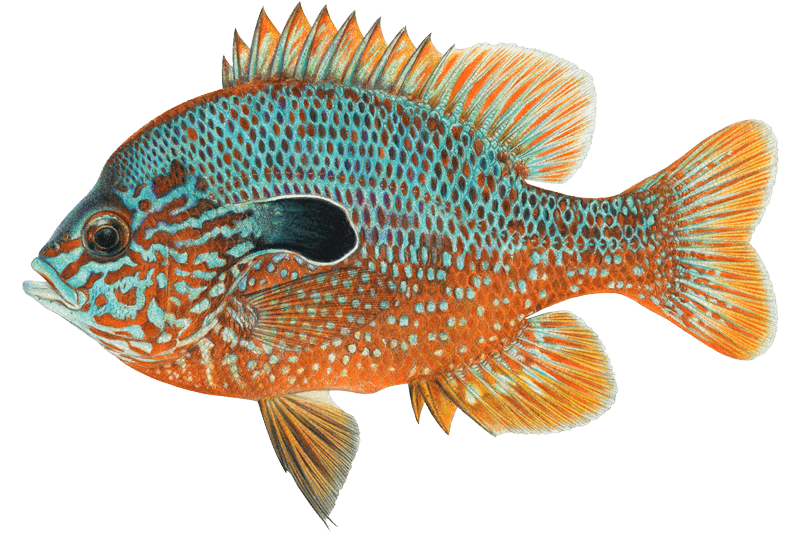
Longear Sunfish
Lepomis megalotis
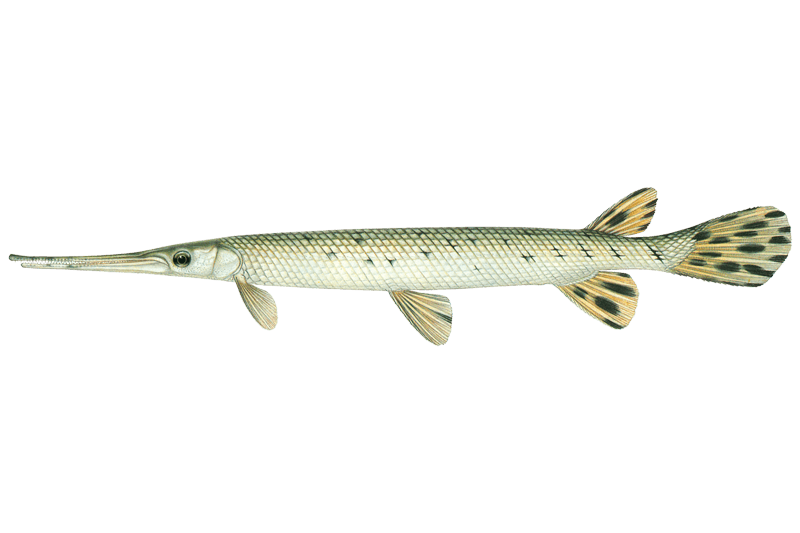
Longnose Gar
Lepisosteus osseus

Mangrove Snapper
Lutjanus griseus

Nile Tilapia
Oreochromis niloticus
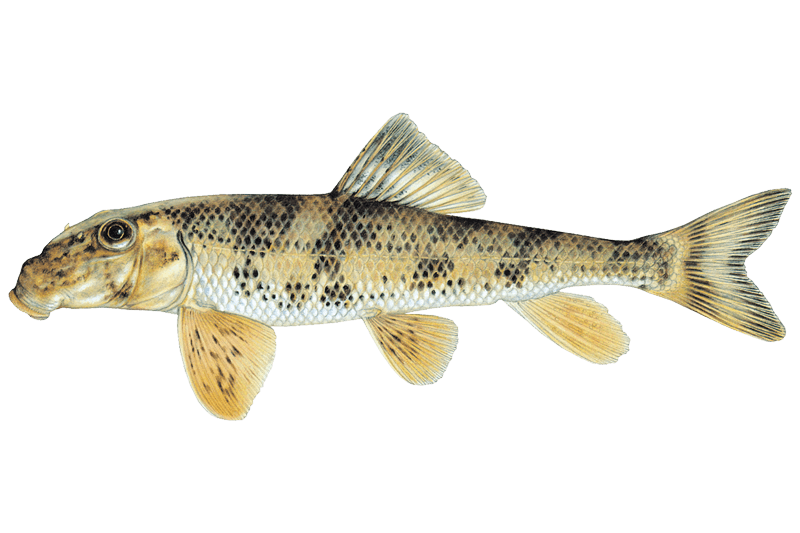
Northern Hogsucker
Hypentelium nigricans
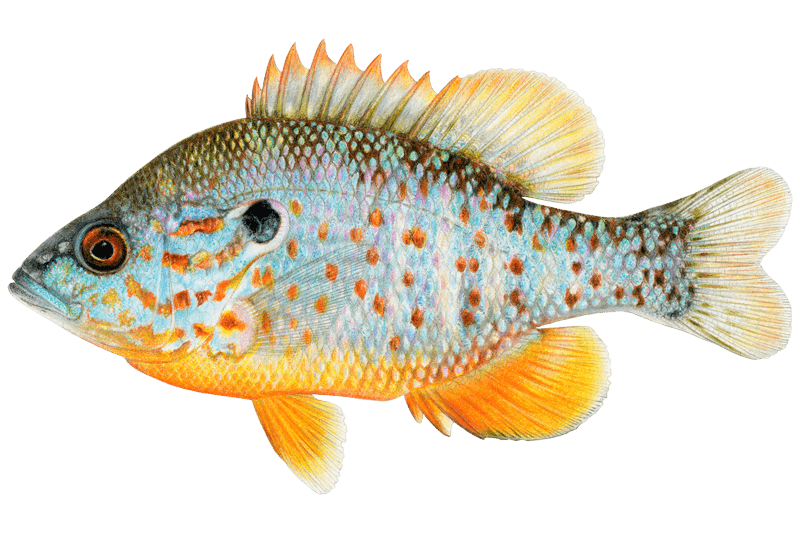
Orangespotted Sunfish
Lepomis humilis
Pumpkinseed
Lepomis gibbosus
Quillback
Carpiodes cyprinus
Mississippi licenses and regulations

Mississippi Boating Regulations
When using any type of watercraft to access a body of water, it is important to follow all federal, state, and local rules and regulations. These rules and regulations include boat permitting and licensing, invasive species inspections and stamps, life jacket and PFD rules, motor size and horsepower restrictions, noise limitations, restrictions on personal watercraft, and many more. Visit the web link below for the most current rules and regulations for this body of water.
Mississippi Fishing License
Resident - Each resident of the State of Mississippi ages sixteen (16) through sixty-four (64), fishing in the fresh or marine waters of Mississippi, including lakes and reservoirs but NOT to include privately owned ponds and streams, shall be required to buy a fishing license. A saltwater license is required south of U. S. Highway 90 and a freshwater or saltwater license is valid between I-10 and U. S. Highway 90. Saltwater license is not valid north of I-10. Any person sixty-five (65) or older, or any person otherwise exempted from obtaining a freshwater fishing license, must have documentation with him/her at all times while fishing as described in Exemptions. All non-resident anglers, except minors under the age of sixteen (16), are required to obtain a fishing license while fishing in the fresh or marine waters of the State of Mississippi.
Mississippi Fishing Regulations
This river has a variety of species and regulations, including potential floating and/or watercraft restrictions. Because this river is specially managed for species, seasons, angling methods, and watercraft, it is strongly encouraged you check all federal, state, and local regulations before fishing. Visit any of the links below, inquire locally, or contact a local fly shop to learn current regulations and restrictions.
Mississippi Stream Access Laws
Mississippi waterways with a long history of public use or a mean annual flow of at least 100 cfs are considered navigable and open to public recreation. The public may use surfaces and streambeds, regardless of ownership, up to the high watermark.
Explore nearby waters
Explore Mississippi waters
Top fishing waters
Popular Cities
Loading popular cities...
Smarter Fishing Starts in the App.
onWater Fish gives you everything you need to plan smarter, fish better, and own every trip from first cast to last.