Westslope Cutthroat Trout

Westslope Cutthroat Trout are Idaho's state fish and one of the most widely distributed native trout subspecies in the state. They're known for being eager surface feeders and highly susceptible to angling.
Scientific Name: Oncorhynchus clarkii lewisi
- These trout exhibit three distinct life history forms: resident fish that remain in tributaries (typically under 12 inches), fluvial fish that migrate between rivers and tributaries (can reach 20+ inches), and adfluvial fish that migrate between lakes and tributaries for spawning.
Fishing in Idaho
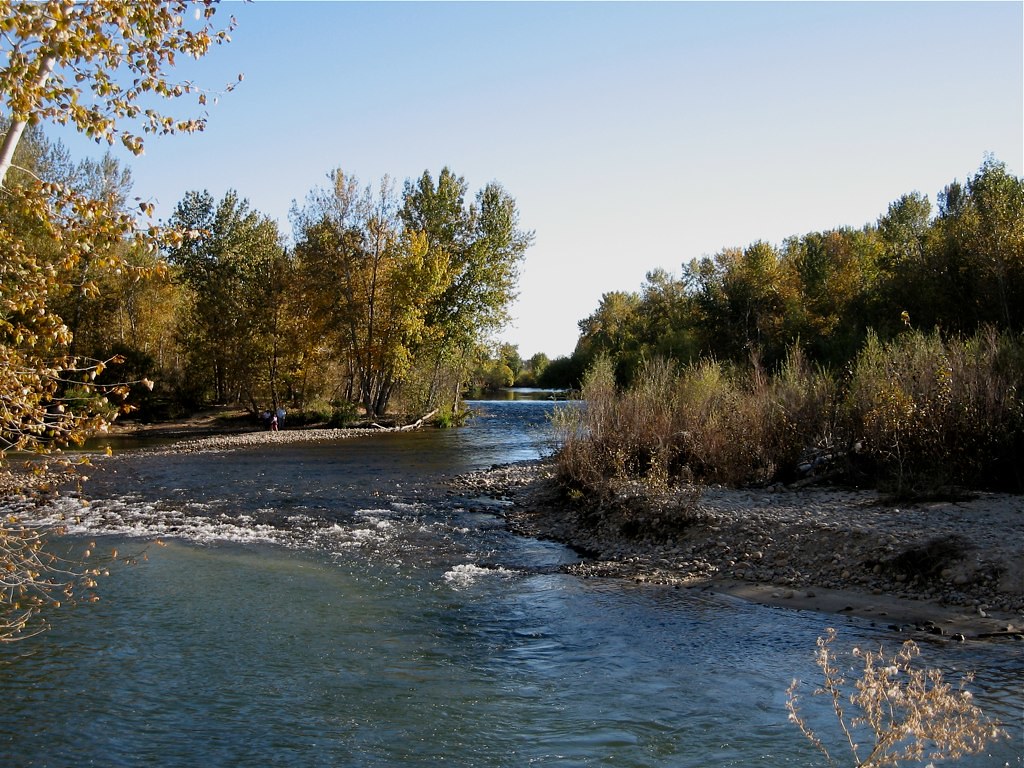
Boise River
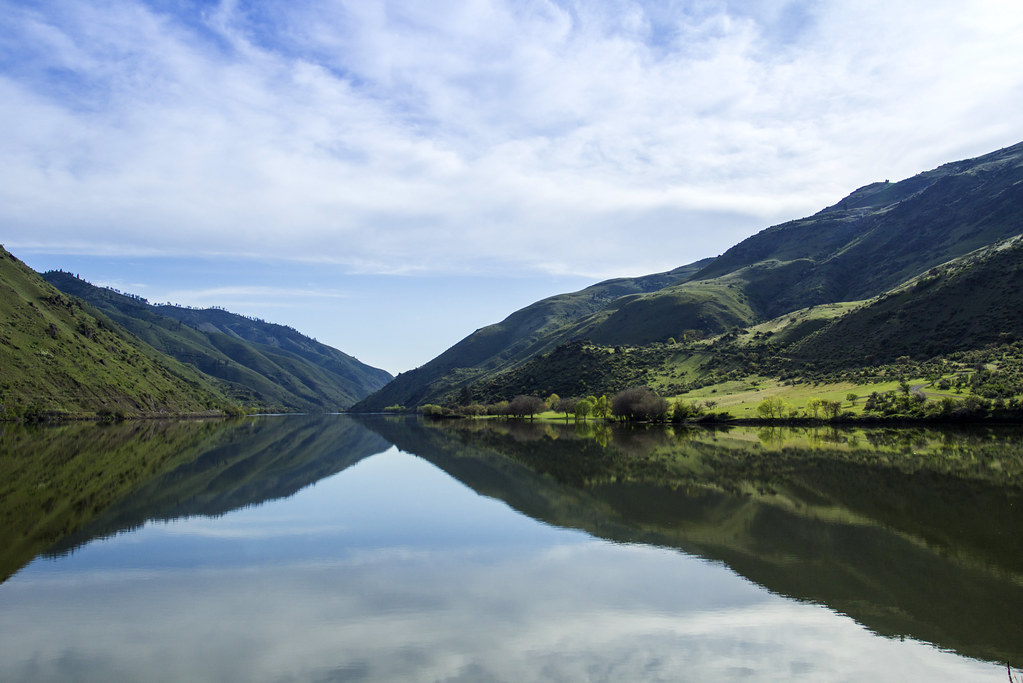
Snake River
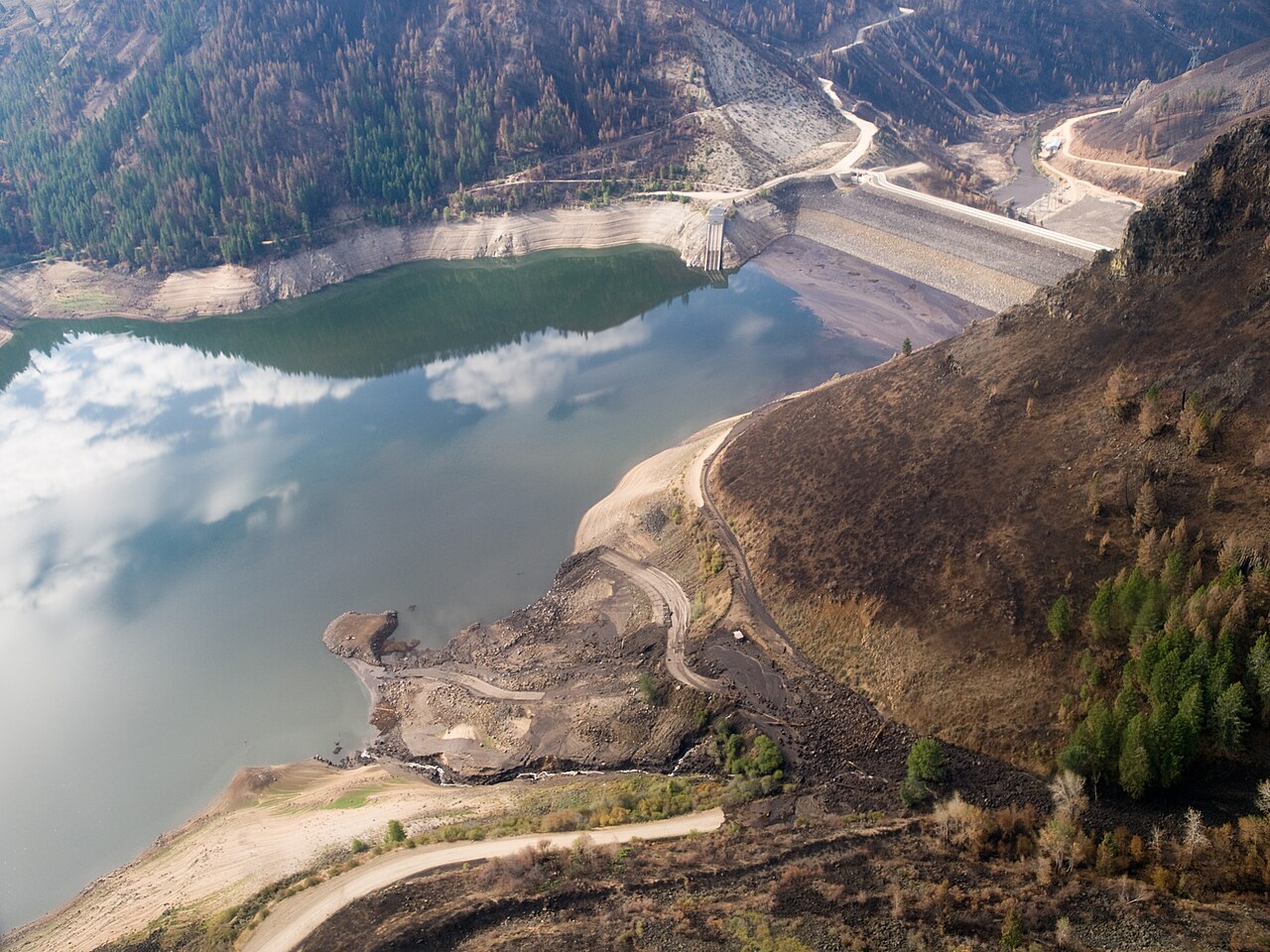
Anderson Ranch Reservoir
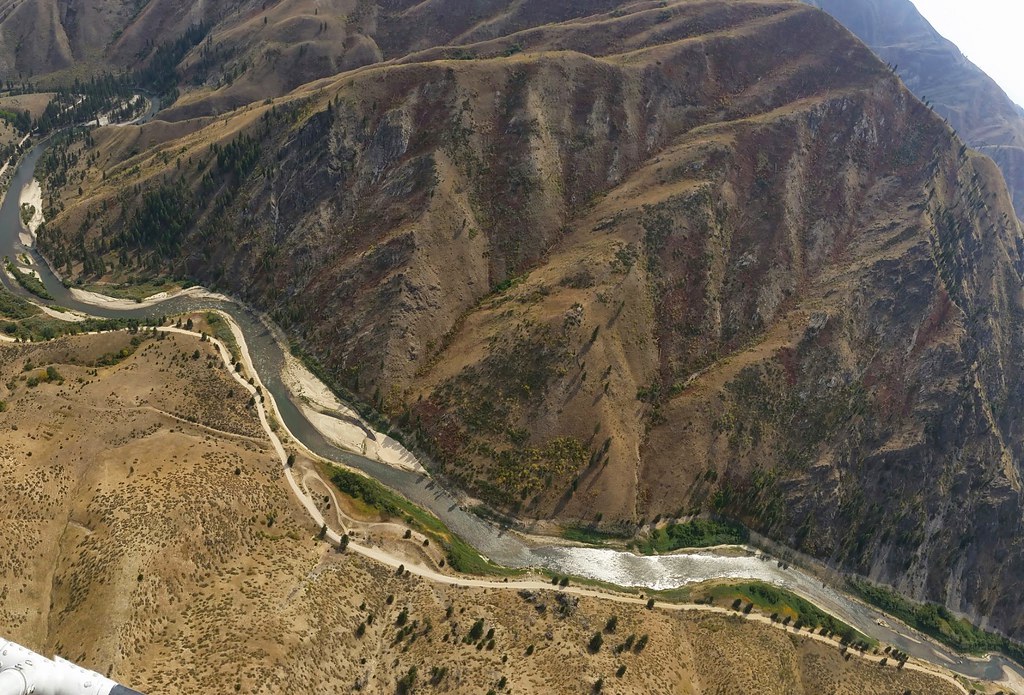
Middle Fork Boise River
Owyhee River
North Fork Payette River
South Fork Payette River
Malheur River
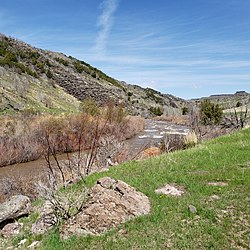
Willow Creek
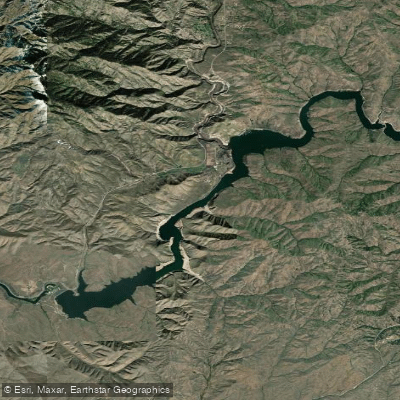
Lucky Peak Lake
What to know
Habitat Distribution
- In Idaho, they occupy streams and lakes in the upper Columbia River basin, including the Coeur d'Alene and St.
- Joe drainages, the Clearwater and Salmon river basins, the Clark Fork drainage, the Spokane River above Spokane Falls, and the upper Kootenai River system.
Key Locations
- Notable strongholds include Kelly Creek, the North Fork Clearwater River, the Middle Fork Salmon River, the St.
- Joe River, and Lake Pend Oreille.
- Kelly Creek, the St.
- Joe River system, tributaries of the North Fork Clearwater, and the Middle Fork Salmon River offer exceptional opportunities.
- Major populations exist in wilderness areas like the Frank Church River of No Return Wilderness.
Specific Spots
- Favoring pools with overhead cover, runs, and areas with complex habitat structure.
- Target slower water around logjams, massive boulders, current seams, deep pools, and undercut banks rather than fast riffles.
Westslope Cutthroat Trout FAQ
Answers from onWater's species guide.
What flies work for Westslope Cutthroat Trout in Idaho?
Essential dry fly patterns include Elk Hair Caddis (#14-18), Pale Morning Duns (#10-16), Stimulators (#8-12), Royal Wulff (#10), Chubby Chernobyls for terrestrial season, Fat Alberts, Purple Hazes, and attractor patterns like Trudes and Humpies.
When is the best time to fish for Westslope Cutthroat Trout in Idaho?
The prime fishing season runs from July through September, with August and September offering the best conditions as water levels stabilize and terrestrial insects become abundant. High-elevation waters like Kelly Creek typically become accessible in early July after spring runoff subsides.
How do you catch Westslope Cutthroat Trout in Idaho?
Dr.y fly fishing can be productive all day during summer. For nymphing, bounce weighted stonefly patterns and Girdle Bugs along the bottom. Practice catch-and-release.
What do Westslope Cutthroat Trout eat?
Westslope cutthroat are opportunistic feeders, primarily consuming aquatic invertebrates like mayflies, caddisflies, stoneflies, and zooplankton, supplemented by terrestrial insects during summer months.
Where do Westslope Cutthroat Trout live in Idaho?
In Idaho, they occupy streams and lakes in the upper Columbia River basin, including the Coeur d'Alene and St. Joe drainages, the Clearwater and Salmon river basins, the Clark Fork drainage, the Spokane River above Spokane Falls, and the upper Kootenai River system.
Fish smarter with real-time insights
Whether you're en route and conditions shift or you're looking for the best spot based on current flows, we enable you to make informed decisions on the fly.







See it in the app
Most maps show you water.
onWater shows you Westslope Cutthroat Trout.



- 01 · Species map filter
Map every Westslope Cutthroat Trout water
Pick Westslope Cutthroat Trout and the map zeroes in on the waters they call home. No more guessing which lake holds them.
- 02 · Waterbody species
Tap any water. See what lives there.
Species, behavior and seasonal patterns for every lake, river and pond, before you leave the driveway.
- 03 · Angler Intelligence
Ask how to catch Westslope Cutthroat Trout
Tactics, gear and timing from onWater's AI fishing guide, tuned to the species and the water you're on.
Stop guessing where Westslope Cutthroat Trout are.
Open the map, filter by Westslope Cutthroat Trout, and head to water that holds them. Download onWater and plan your next trip in minutes.
- Species map filter
- Angler Intelligence
- Fishing journal
Explore other species
Trout, bass, salmon, panfish and everything in between. Each guide unpacks the behavior, seasons, and tactics that put fish in the net.

Find which waters have the species you want to catch

Largemouth Bass

Smallmouth Bass

Rainbow Trout
Oncorhynchus mykiss

Brown Trout
Salmo trutta

Brook Trout
Salvelinus fontinalis

Cutthroat Trout

Northern Pike
Esox lucius

Walleye

Black Crappie
Pomoxis nigromaculatus

American Shad
Alosa sapidissima
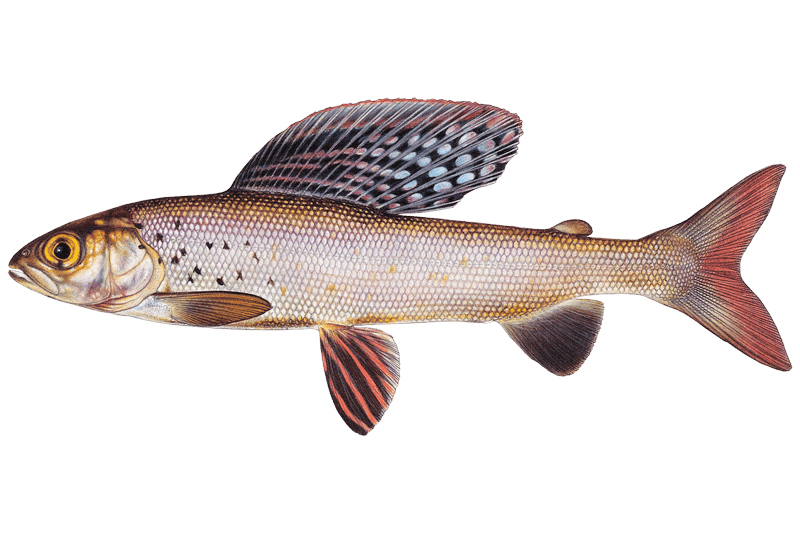
Arctic Grayling
Thymallus arcticus

Atlantic Salmon

Black Bullhead
Ameiurus melas

Blue Catfish
Ictalurus furcatus

Blue Tilapia
Oreochromis aureus

Bonneville Cutthroat Trout

Bridgelip Sucker
Catostomus columbianus

Brown Bullhead
Ameiurus nebulosus
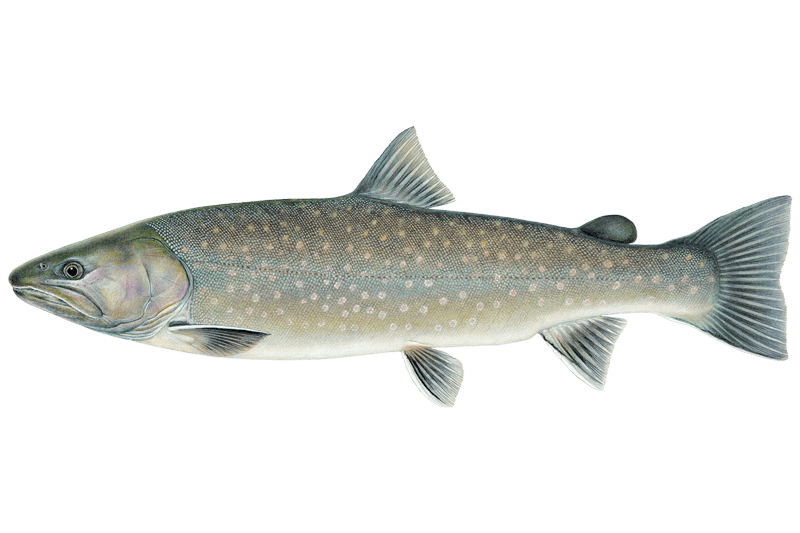
Bull Trout
Salvelinus confluentus

Burbot
Lota lota

Channel Catfish
Ictalurus punctatus

Chinook Salmon

Coho Salmon
Oncorhynchus kisutch

Common Carp
Cyprinus carpio

Creek Chub
Semotilus atromaculatus

Flathead Catfish
Pylodictis olivaris

Golden Trout

Grass Carp
Ctenopharyngodon idella

Green Sunfish
Lepomis cyanellus
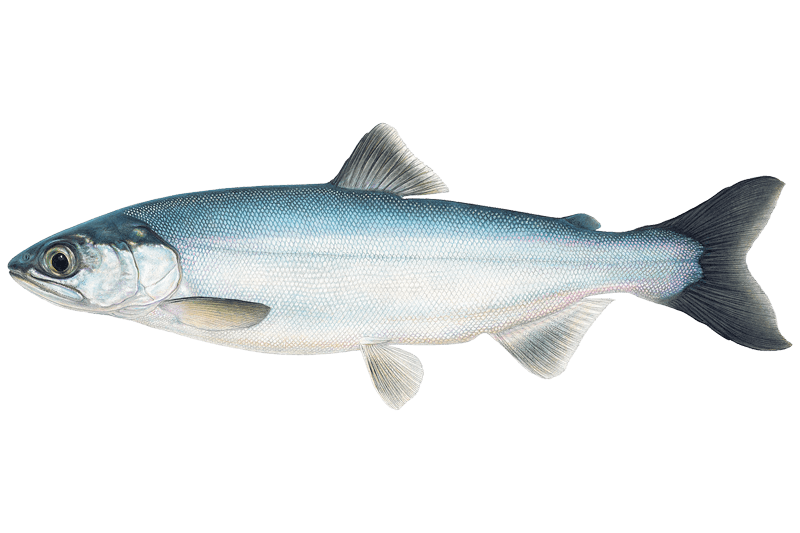
Kokanee Salmon
Oncorhynchus nerka

Lake Trout
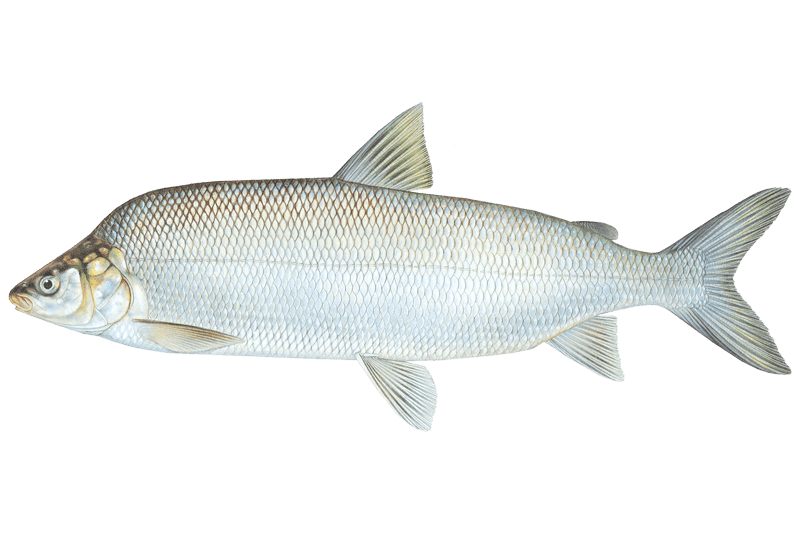
Lake Whitefish
Coregonus clupeaformis

Largescale Sucker
Catostomus macrocheilus

Longnose Sucker
Catostomus catostomus
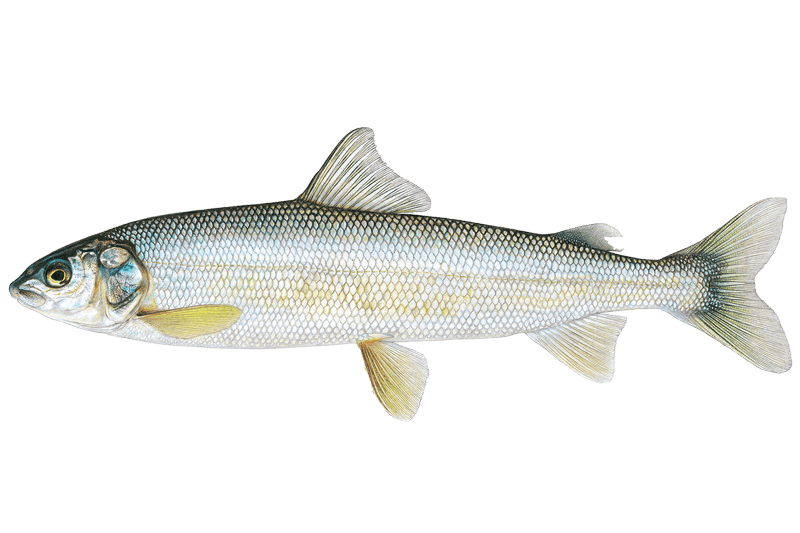
Mountain Whitefish
Prosopium williamsoni
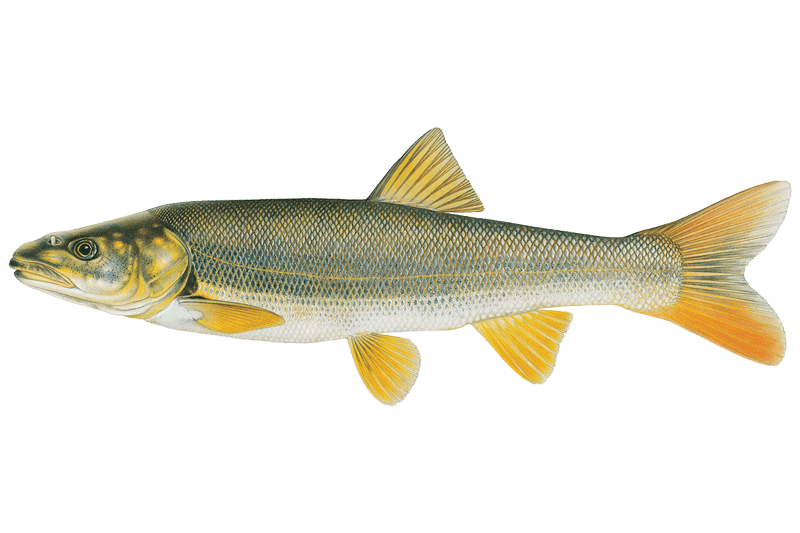
Northern Pikeminnow
Ptychocheilus oregonensis

Pumpkinseed
Lepomis gibbosus
Pygmy Whitefish
Prosopium coulterii

Sockeye Salmon
Oncorhynchus nerka
Splake
Salvelinus fontinalis × namaycush
Idaho licenses and regulations

Idaho Boating Regulations
When using any type of watercraft to access a body of water, it is important to follow all federal, state, and local rules and regulations. These rules and regulations include boat permitting and licensing, invasive species inspections and stamps, life jacket and PFD rules, motor size and horsepower restrictions, noise limitations, restrictions on personal watercraft, and many more. Visit the web link below for the most current rules and regulations for this body of water.

Idaho Fishing License
"To fish in Idaho any person 14 years of age or older must have a valid fishing license. Anglers younger than 14 do not need a license, but there is a small difference between resident and nonresident youth. -A resident child under 14 has their own separate fishing limit. -A nonresident child under 14 must be with someone who has a valid fishing license and their fish are in included in the license holders fishing limit. However, a nonresident child may purchase their own license and have their own limit. Special fishing permits are need for some activities for both residents and nonresidents: -Fishing for salmon and steelhead -Fishing with two poles."

Idaho Fishing Regulations
This river has a variety of species and regulations, including potential floating and/or watercraft restrictions. Because this river is specially managed for species, seasons, angling methods, and watercraft, it is strongly encouraged you check all federal, state, and local regulations before fishing. Visit any of the links below, inquire locally, or contact a local fly shop to learn current regulations and restrictions.

Idaho Stream Access Laws
Navigable streams are recognized as public transportation corridors, thus members of the public have the right to use the corridor, provided they enter and exit the corridor at a public right of way and remain within the corridor. Many navigable streams flow through private property, thus it is important that anglers know their rights and responsibilities when fishing in navigable waters that flow through private property.
Explore nearby waters
Explore Idaho waters
Top fishing waters
Popular Cities
Loading popular cities...
Smarter Fishing Starts in the App.
onWater Fish gives you everything you need to plan smarter, fish better, and own every trip from first cast to last.