Blue Tilapia

Blue Tilapia (Oreochromis aureus) is a non-native cichlid species that was cultured in Idaho's Hagerman Valley in Twin Falls County and likely became established after escaping into the Snake River near natural thermal outflows.
This African cichlid has been observed in the Upper Snake-Rock watershed (HUC 17040212) since 1985.
Scientific Name: Oreochromis aureus
- Blue Tilapia are silver-blue with a white belly, reaching up to 45.7cm in length and 2kg in weight.
- During spawning, males dig large circular nests in shallow sandy areas and exhibit intense metallic blue coloration on their heads with vermilion fin edges.
- The species grows rapidly, reaching 5-6 pounds by age 3-5 years.
Fishing in Idaho
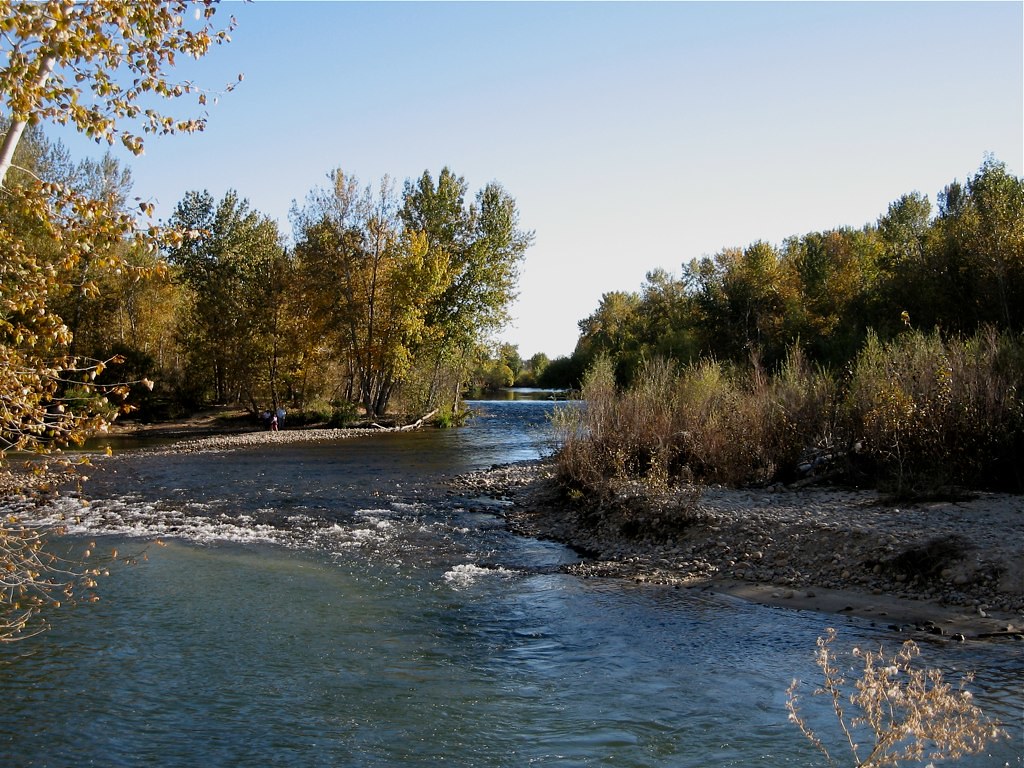
Boise River
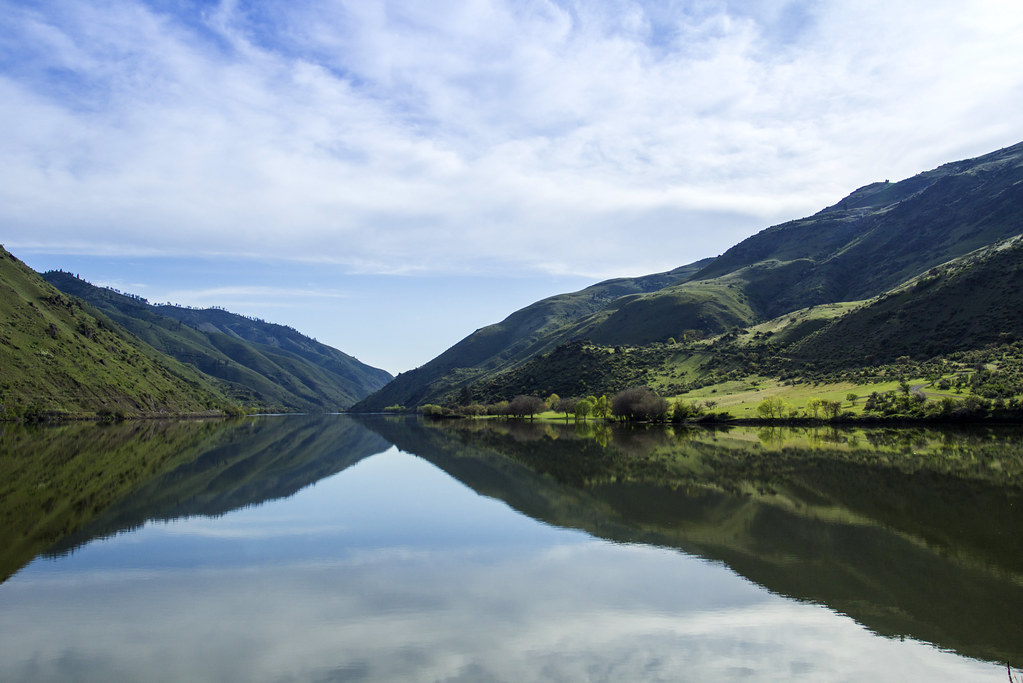
Snake River
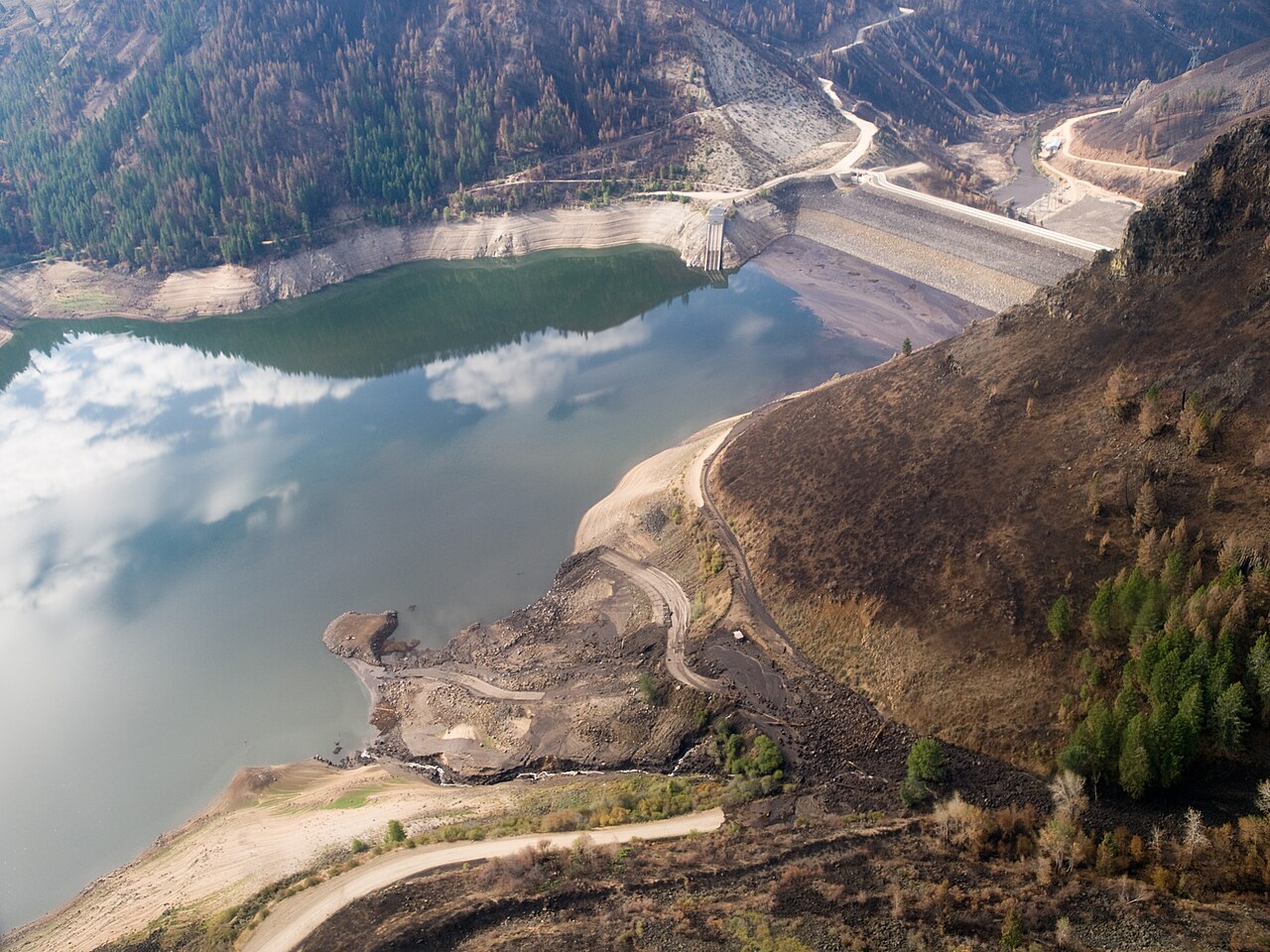
Anderson Ranch Reservoir
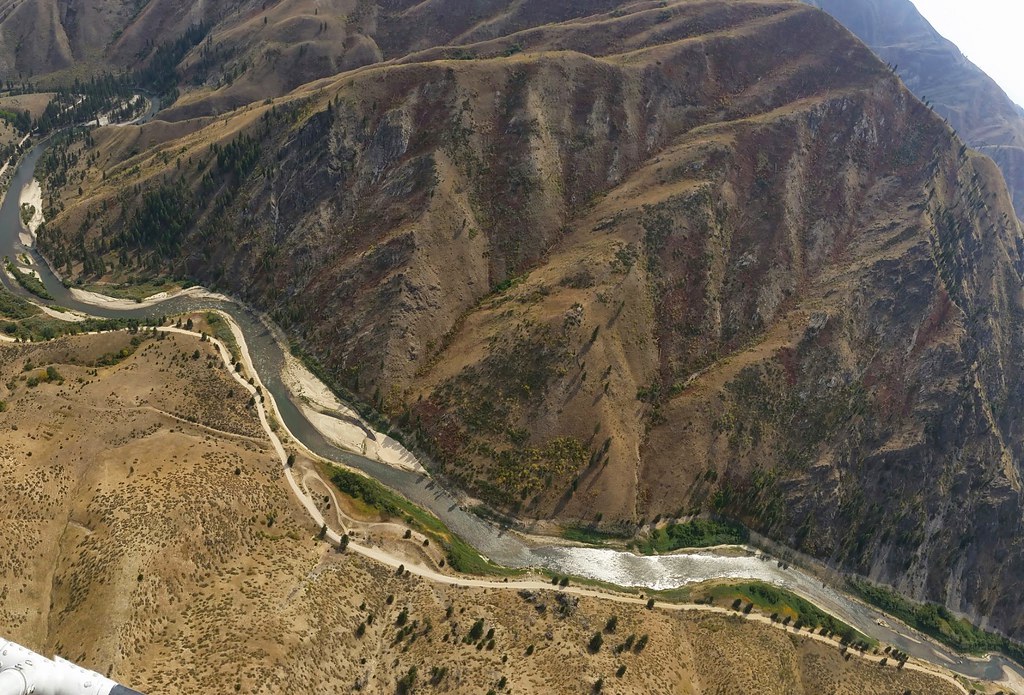
Middle Fork Boise River
Owyhee River
North Fork Payette River
South Fork Payette River
Malheur River
Willow Creek
Lucky Peak Lake
What to know
Habitat Distribution
- Making them highly adaptable.
- The key to success is finding waters with adequate thermal influence to support year-round populations, as most Idaho waters are too cold for established Blue Tilapia populations.
Key Locations
- Hagerman Valley in Twin Falls County, Snake River near natural thermal outflows, Upper Snake-Rock watershed (HUC 17040212).
Specific Spots
- Target shallow, warm waters near geothermal outflows and areas with vegetation where they hide and feed.
- Since they feed on algae and plant material, look for areas with algae growth and aquatic vegetation.
Blue Tilapia FAQ
Answers from onWater's species guide.
What are the best lures and bait for Blue Tilapia in Idaho?
Since they're herbivorous, effective baits include corn kernels, peas, bread balls, and small pieces of plant matter. Small ultralight lures can be effective when paired with very small hooks, as Blue Tilapia will attack artificial lures that mimic small fish.
What flies work for Blue Tilapia in Idaho?
Small terrestrial fly patterns can be effective for fly fishing, particularly during summer months when insects are active near thermal areas.
When is the best time to fish for Blue Tilapia in Idaho?
The best fishing occurs outside of spawning season (avoid January through May when they're breeding) as spawning fish should not be targeted.
How do you catch Blue Tilapia in Idaho?
Cast beyond visible fish and allow bait to drift naturally into feeding areas. Small ultralight lures can be effective when paired with very small hooks.
What do Blue Tilapia eat?
Adults are primarily herbivorous, feeding on filamentous algae, blue-green algae, rooted plants, twigs, and organic debris, while juveniles consume small crustaceans, copepods, cladocerans (water fleas), and small invertebrates.
Fish smarter with real-time insights
Whether you're en route and conditions shift or you're looking for the best spot based on current flows, we enable you to make informed decisions on the fly.







See it in the app
Most maps show you water.
onWater shows you Blue Tilapia.



- 01 · Species map filter
Map every Blue Tilapia water
Pick Blue Tilapia and the map zeroes in on the waters they call home. No more guessing which lake holds them.
- 02 · Waterbody species
Tap any water. See what lives there.
Species, behavior and seasonal patterns for every lake, river and pond, before you leave the driveway.
- 03 · Angler Intelligence
Ask how to catch Blue Tilapia
Tactics, gear and timing from onWater's AI fishing guide, tuned to the species and the water you're on.
Stop guessing where Blue Tilapia are.
Open the map, filter by Blue Tilapia, and head to water that holds them. Download onWater and plan your next trip in minutes.
- Species map filter
- Angler Intelligence
- Fishing journal
Explore other species
Trout, bass, salmon, panfish and everything in between. Each guide unpacks the behavior, seasons, and tactics that put fish in the net.

Find which waters have the species you want to catch

Largemouth Bass

Smallmouth Bass

Rainbow Trout
Oncorhynchus mykiss

Brown Trout
Salmo trutta

Brook Trout
Salvelinus fontinalis

Cutthroat Trout

Northern Pike
Esox lucius

Walleye

Black Crappie
Pomoxis nigromaculatus

American Shad
Alosa sapidissima
Arctic Grayling
Thymallus arcticus

Atlantic Salmon

Black Bullhead
Ameiurus melas

Blue Catfish
Ictalurus furcatus

Bonneville Cutthroat Trout

Bridgelip Sucker
Catostomus columbianus

Brown Bullhead
Ameiurus nebulosus
Bull Trout
Salvelinus confluentus

Burbot
Lota lota

Channel Catfish
Ictalurus punctatus

Chinook Salmon

Coho Salmon
Oncorhynchus kisutch

Common Carp
Cyprinus carpio

Creek Chub
Semotilus atromaculatus

Flathead Catfish
Pylodictis olivaris
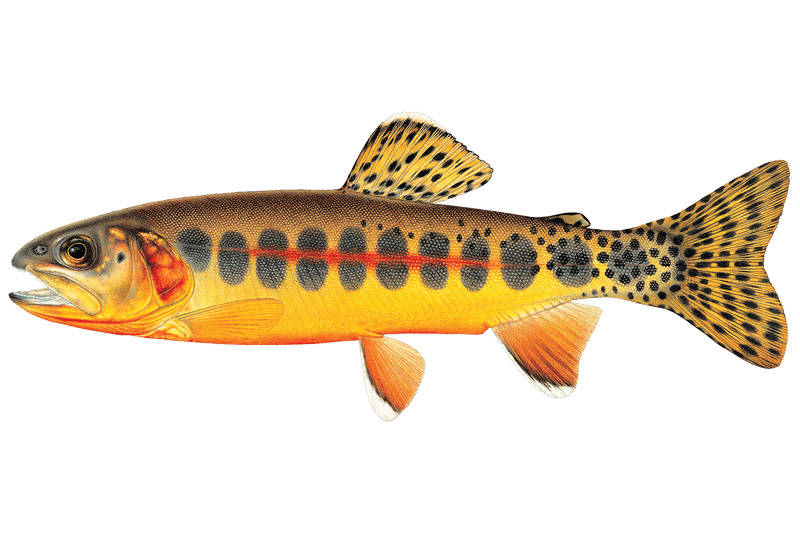
Golden Trout

Grass Carp
Ctenopharyngodon idella

Green Sunfish
Lepomis cyanellus
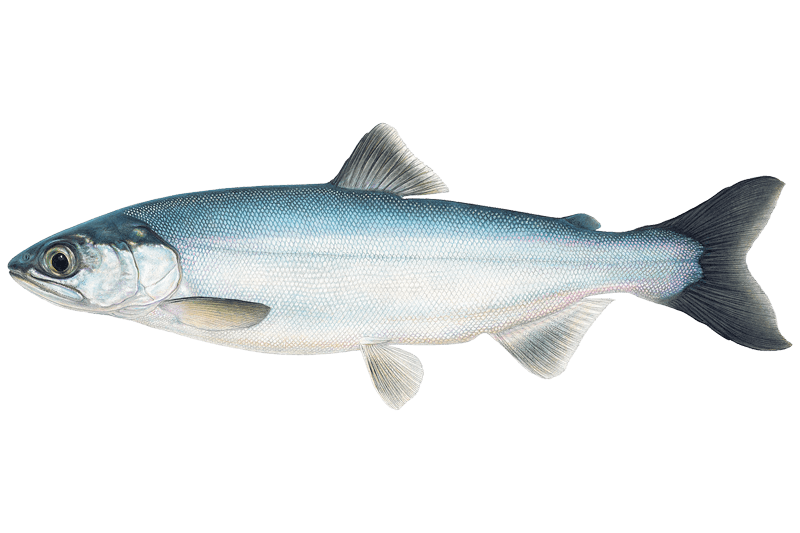
Kokanee Salmon
Oncorhynchus nerka

Lake Trout
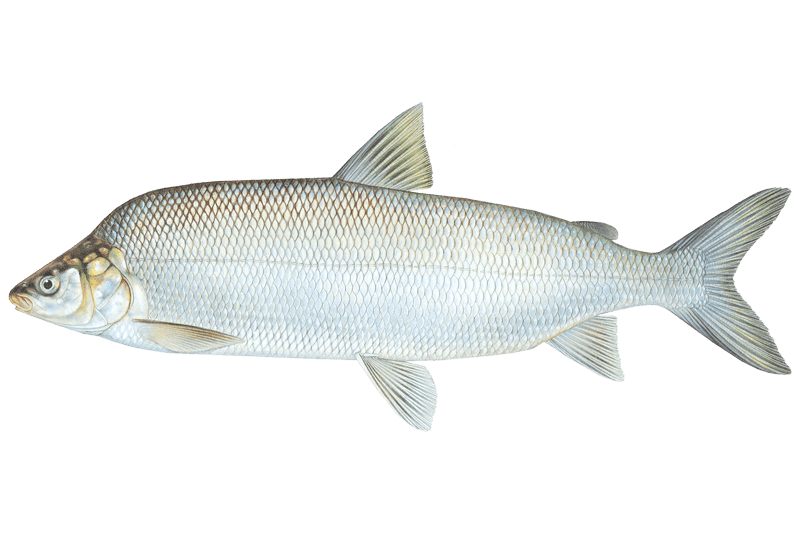
Lake Whitefish
Coregonus clupeaformis

Largescale Sucker
Catostomus macrocheilus

Longnose Sucker
Catostomus catostomus
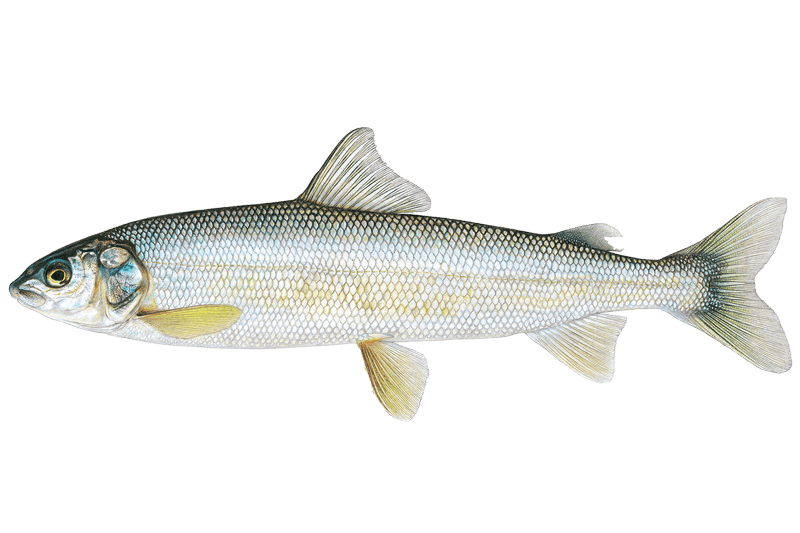
Mountain Whitefish
Prosopium williamsoni
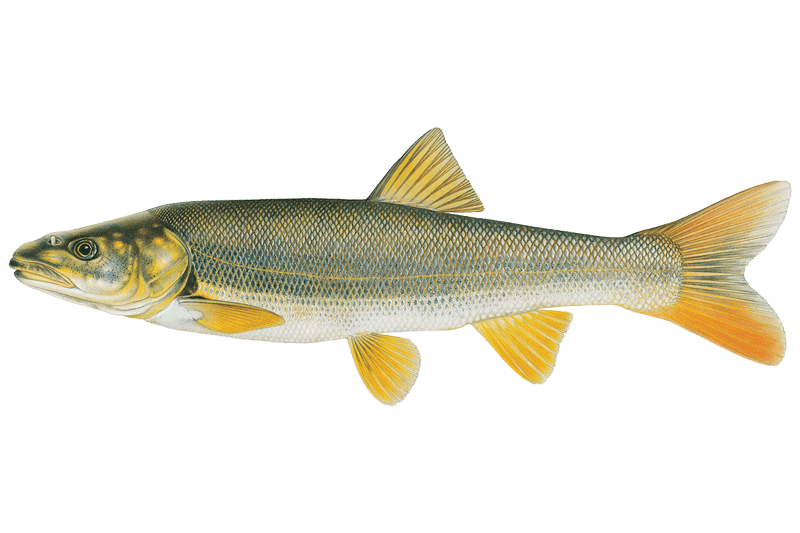
Northern Pikeminnow
Ptychocheilus oregonensis

Pumpkinseed
Lepomis gibbosus
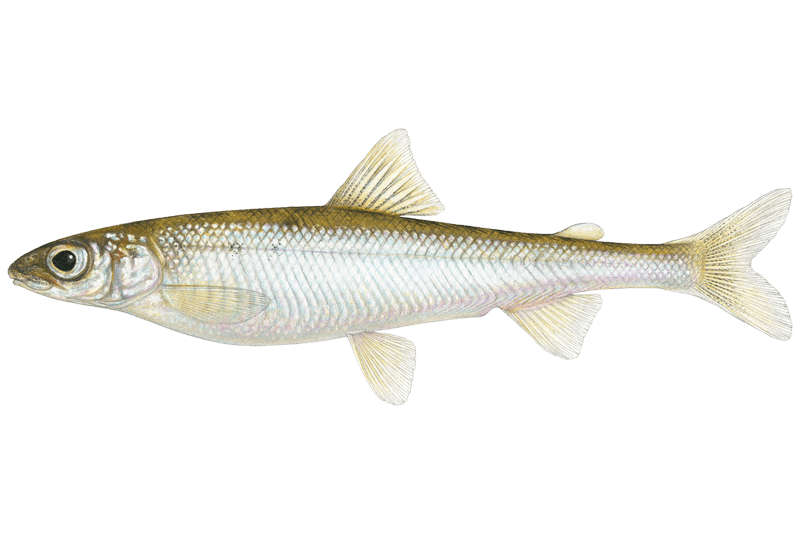
Pygmy Whitefish
Prosopium coulterii

Sockeye Salmon
Oncorhynchus nerka
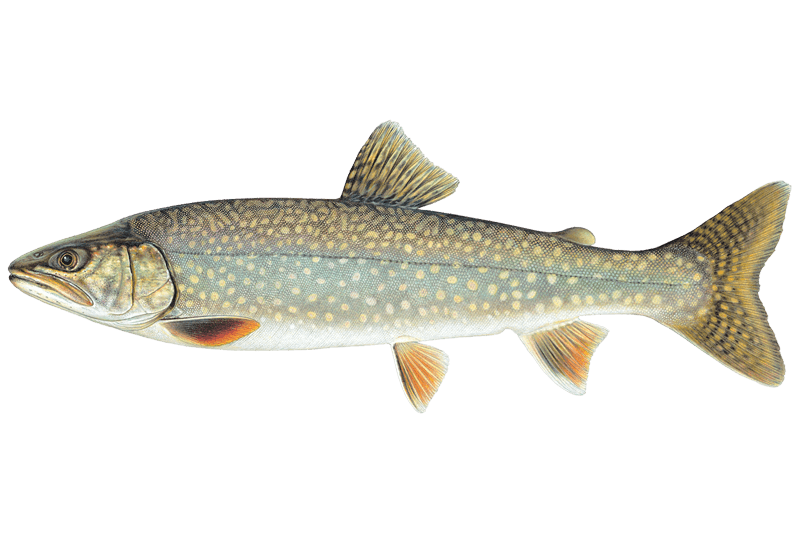
Splake
Salvelinus fontinalis × namaycush

Steelhead
Idaho licenses and regulations

Idaho Boating Regulations
When using any type of watercraft to access a body of water, it is important to follow all federal, state, and local rules and regulations. These rules and regulations include boat permitting and licensing, invasive species inspections and stamps, life jacket and PFD rules, motor size and horsepower restrictions, noise limitations, restrictions on personal watercraft, and many more. Visit the web link below for the most current rules and regulations for this body of water.

Idaho Fishing License
"To fish in Idaho any person 14 years of age or older must have a valid fishing license. Anglers younger than 14 do not need a license, but there is a small difference between resident and nonresident youth. -A resident child under 14 has their own separate fishing limit. -A nonresident child under 14 must be with someone who has a valid fishing license and their fish are in included in the license holders fishing limit. However, a nonresident child may purchase their own license and have their own limit. Special fishing permits are need for some activities for both residents and nonresidents: -Fishing for salmon and steelhead -Fishing with two poles."

Idaho Fishing Regulations
This river has a variety of species and regulations, including potential floating and/or watercraft restrictions. Because this river is specially managed for species, seasons, angling methods, and watercraft, it is strongly encouraged you check all federal, state, and local regulations before fishing. Visit any of the links below, inquire locally, or contact a local fly shop to learn current regulations and restrictions.

Idaho Stream Access Laws
Navigable streams are recognized as public transportation corridors, thus members of the public have the right to use the corridor, provided they enter and exit the corridor at a public right of way and remain within the corridor. Many navigable streams flow through private property, thus it is important that anglers know their rights and responsibilities when fishing in navigable waters that flow through private property.
Explore nearby waters
Explore Idaho waters
Top fishing waters
Popular Cities
Loading popular cities...
Smarter Fishing Starts in the App.
onWater Fish gives you everything you need to plan smarter, fish better, and own every trip from first cast to last.