Burbot

Burbot are the only freshwater cod species in North America and Idaho's most unique predatory fish. In Idaho, they are exclusively native to the Kootenai River system in the northern panhandle.
Scientific Name: Lota lota
Also known as Kootenai Leopards
- These elongated fish have flattened heads, eel-like bodies, and a distinctive single chin barbel (whisker) used for locating prey.
- Their mottled brown and yellowish-olive coloration.
- Typical catches range 18-24 inches and 2-4 pounds, though fish up to 35 inches and 13.5 pounds have been caught.
Fishing in Idaho
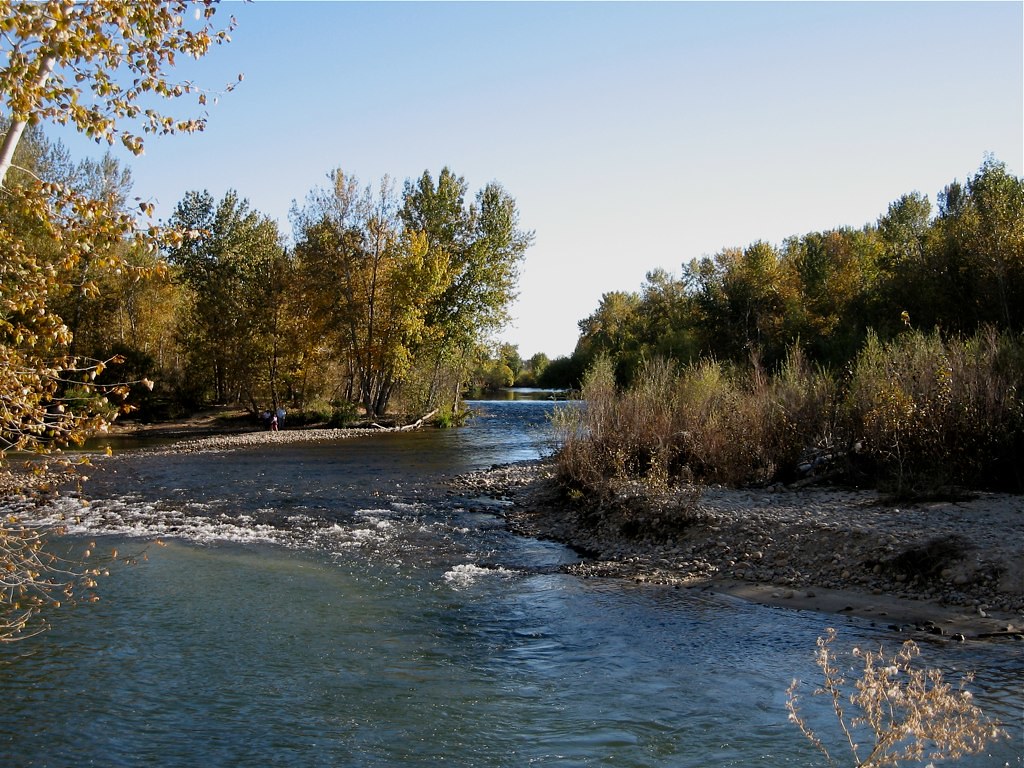
Boise River
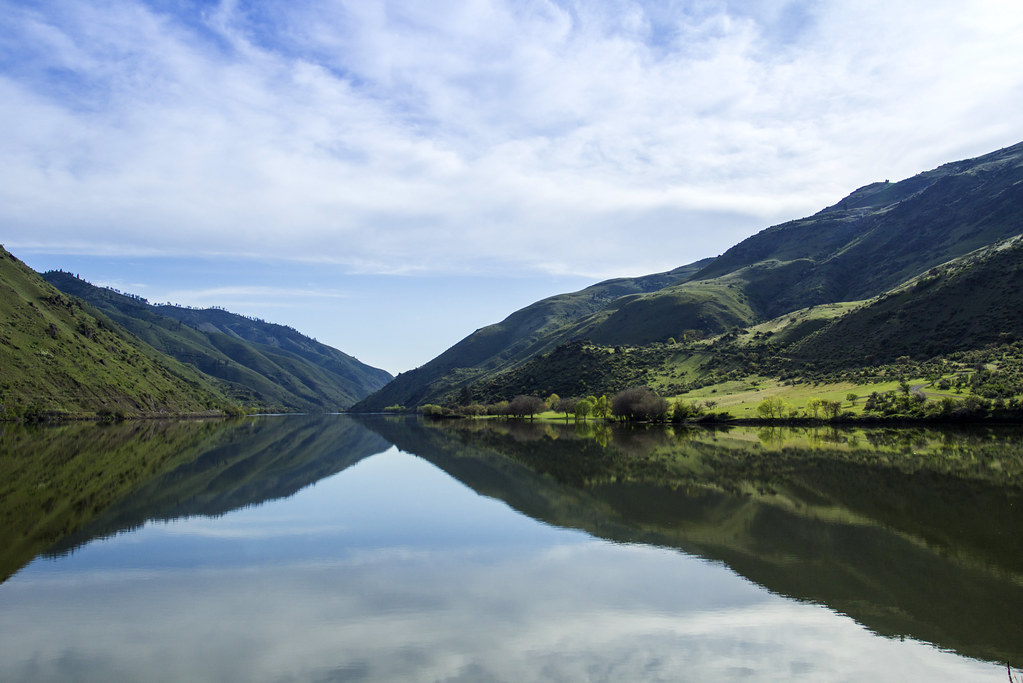
Snake River
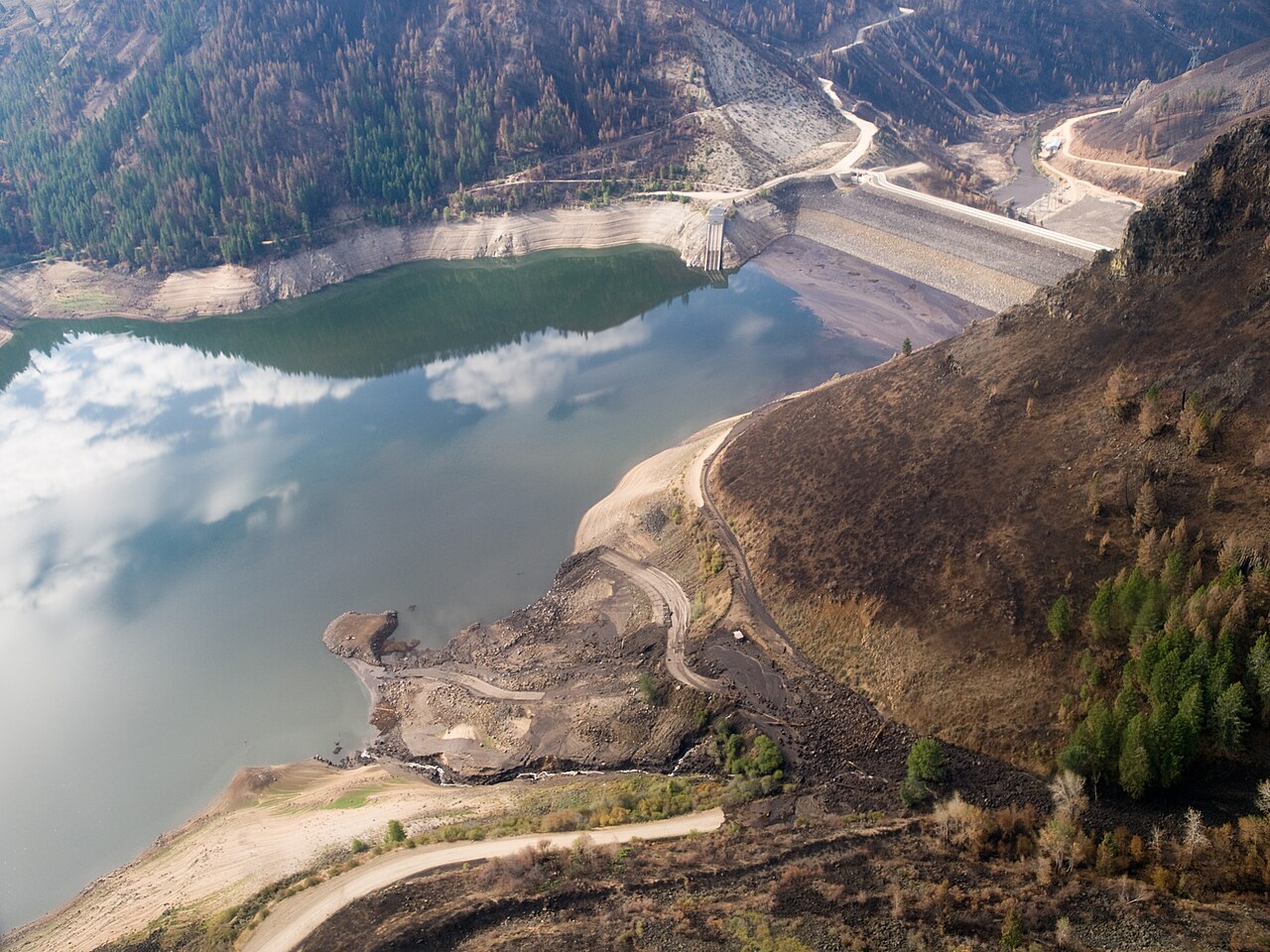
Anderson Ranch Reservoir
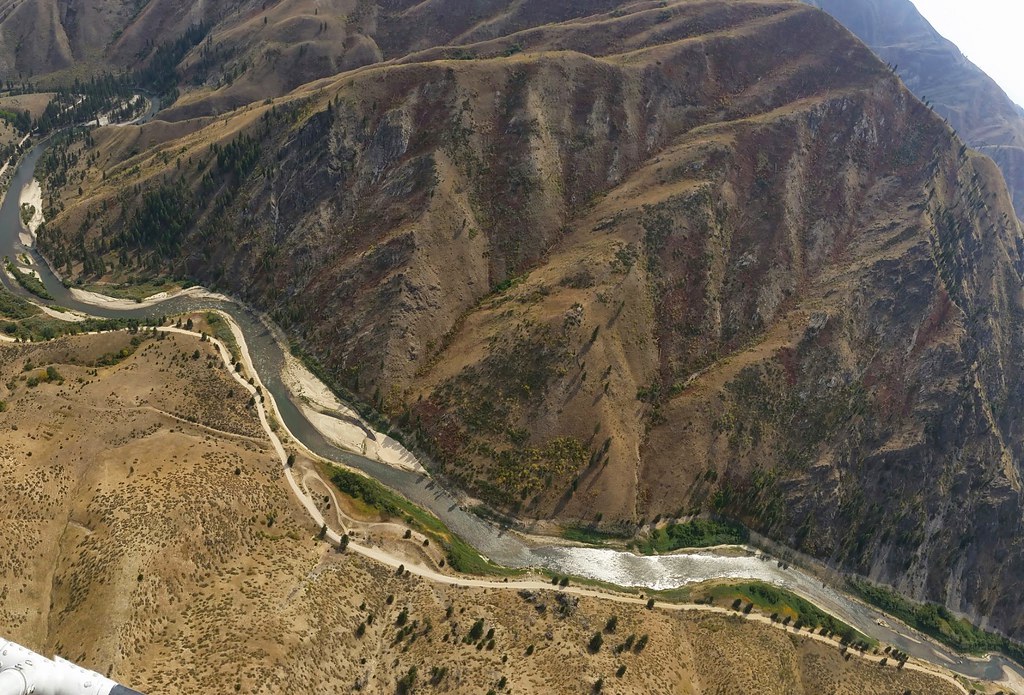
Middle Fork Boise River
Owyhee River
North Fork Payette River
South Fork Payette River
Malheur River
Willow Creek
Lucky Peak Lake
What to know
Habitat Distribution
- They inhabit large, cold rivers and deep lakes, preferring substrates of mud, sand, gravel, or rubble.
- In the Kootenai system, they often reside in Kootenay Lake in British Columbia during summer months.
Key Locations
- Kootenai River system in the northern panhandle, confluence zones where tributaries like Deep Creek, Smith Creek, and Boundary Creek meet the mainstem Kootenai River, Bonner Lake in Boundary County offers ice fishing opportunities, Kootenay Lake in British Columbia.
Specific Spots
- Target confluence zones where tributaries meet the mainstem Kootenai River, as these areas have preferred spawning substrates.
- For night fishing, focus on shallow flats 5-15 feet deep at dusk and after dark.
- During daylight hours, fish deeper holes 40+ feet deep where they rest.
Burbot FAQ
Answers from onWater's species guide.
What are the best lures and bait for Burbot in Idaho?
Use meaty baits including cut bait (especially native peamouth chub, which locals report as most effective), worms, shrimp, and crayfish.
When is the best time to fish for Burbot in Idaho?
The prime season for burbot fishing in Idaho is mid-February through mid-March during peak spawning activity, when the highest numbers of adults are accessible in the Kootenai River and its tributaries. Fish during winter months when they're most active.
How do you catch Burbot in Idaho?
Fish baits on the bottom with sufficient weight to reach the river floor, occasionally lifting and dropping the line to attract attention. Bottom-fishing techniques work best since burbot cruise along the bottom like catfish. Open-water fishing from shore or boat is the primary approach.
What do Burbot eat?
Adults primarily eat crayfish, small fish including other burbot, while juveniles consume zooplankton and aquatic insects.
Where do Burbot live in Idaho?
They inhabit large, cold rivers and deep lakes, preferring substrates of mud, sand, gravel, or rubble. In the Kootenai system, they often reside in Kootenay Lake in British Columbia during summer months.
Fish smarter with real-time insights
Whether you're en route and conditions shift or you're looking for the best spot based on current flows, we enable you to make informed decisions on the fly.




See it in the app
Most maps show you water.
onWater shows you Burbot.



- 01 · Species map filter
Map every Burbot water
Pick Burbot and the map zeroes in on the waters they call home. No more guessing which lake holds them.
- 02 · Waterbody species
Tap any water. See what lives there.
Species, behavior and seasonal patterns for every lake, river and pond, before you leave the driveway.
- 03 · Angler Intelligence
Ask how to catch Burbot
Tactics, gear and timing from onWater's AI fishing guide, tuned to the species and the water you're on.
Stop guessing where Burbot are.
Open the map, filter by Burbot, and head to water that holds them. Download onWater and plan your next trip in minutes.
- Species map filter
- Angler Intelligence
- Fishing journal
Explore other species
Trout, bass, salmon, panfish and everything in between. Each guide unpacks the behavior, seasons, and tactics that put fish in the net.
No species information available.
Idaho licenses and regulations
Explore nearby waters
Explore Idaho waters
Top fishing waters
Popular Cities
Loading popular cities...

Smarter Fishing Starts in the App.
onWater Fish gives you everything you need to plan smarter, fish better, and own every trip from first cast to last.