Sergeant Major

The Sergeant Major is a small, distinctive damselfish found in Florida's saltwater environments, abundant throughout Florida's coastal waters.
Scientific Name: Abudefduf saxatilis
Characterized by five prominent vertical black bars on a silvery-gray body with a yellow sheen along the upper sides. These reef-associated fish typically reach 5-6 inches in length, with a maximum size of about 9 inches and weight up to 0.45 pounds.
Males reach maturity at 3.9 inches while females mature at 3.1 inches. They exhibit two distinct color phases - a light phase when over sandy bottoms or swimming above reefs, and a dark gray-blue phase when hiding in caves and crevices.
Fishing in Florida
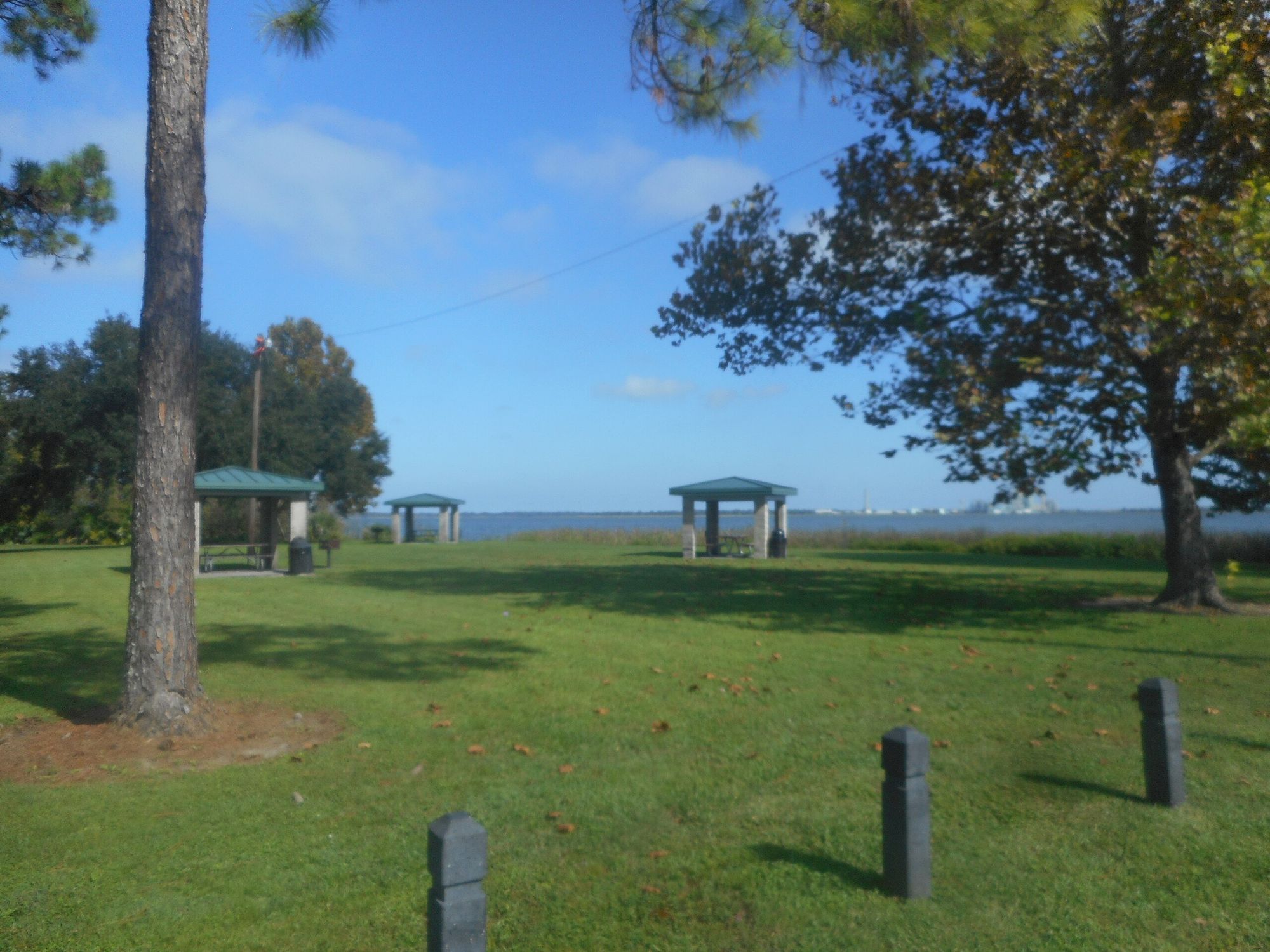
Lake Parker
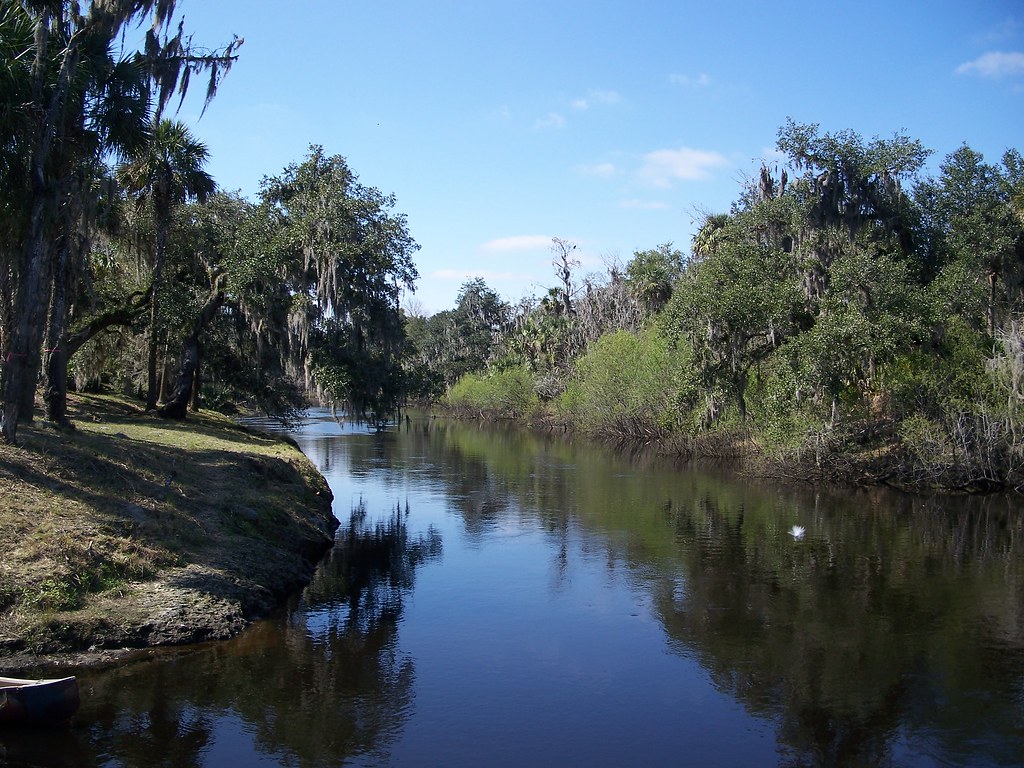
Peace River
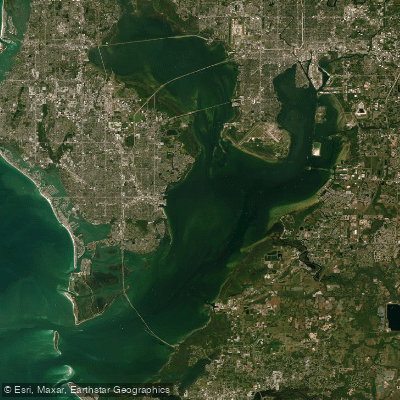
Tampa Bay
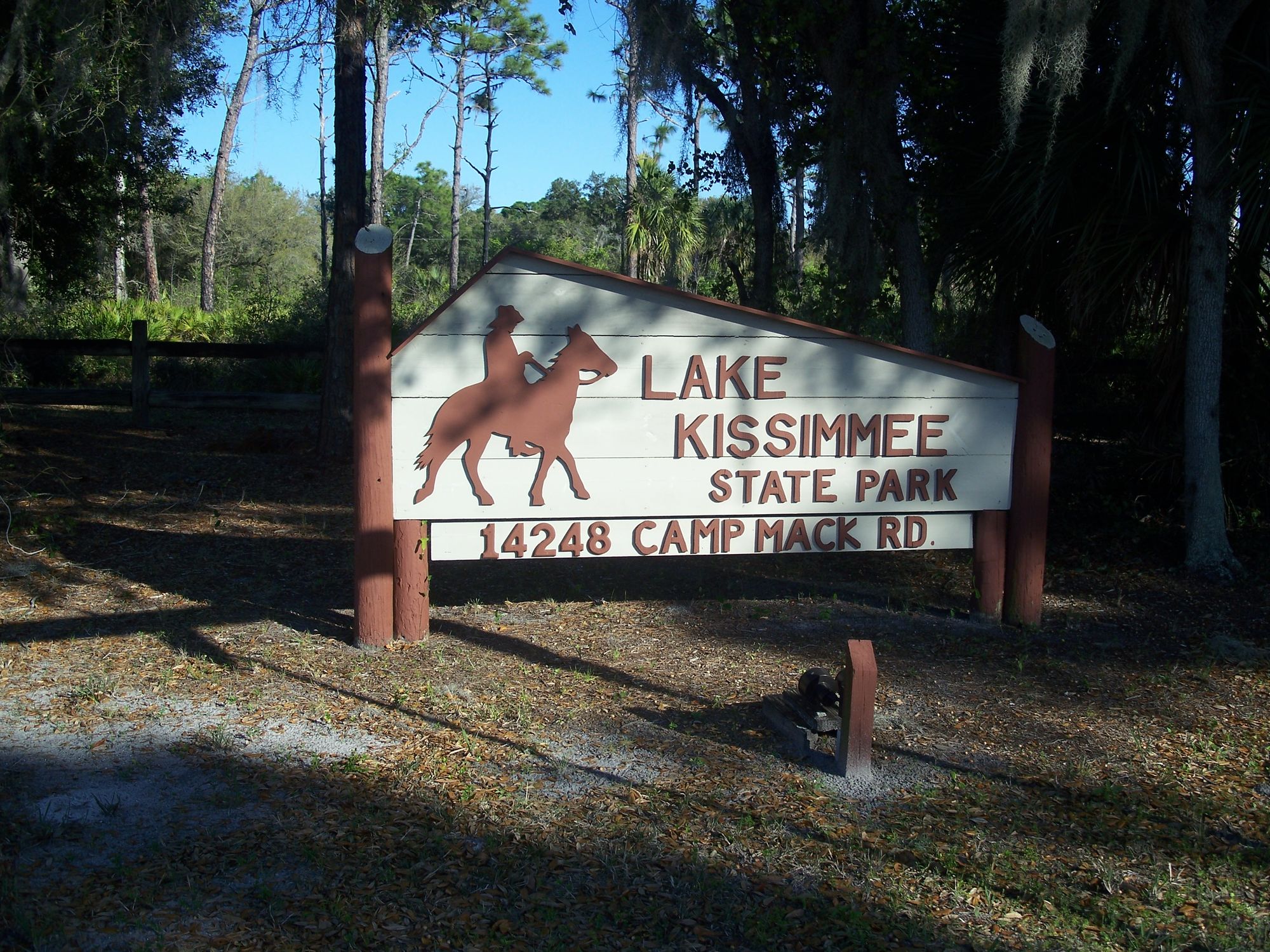
Lake Kissimmee
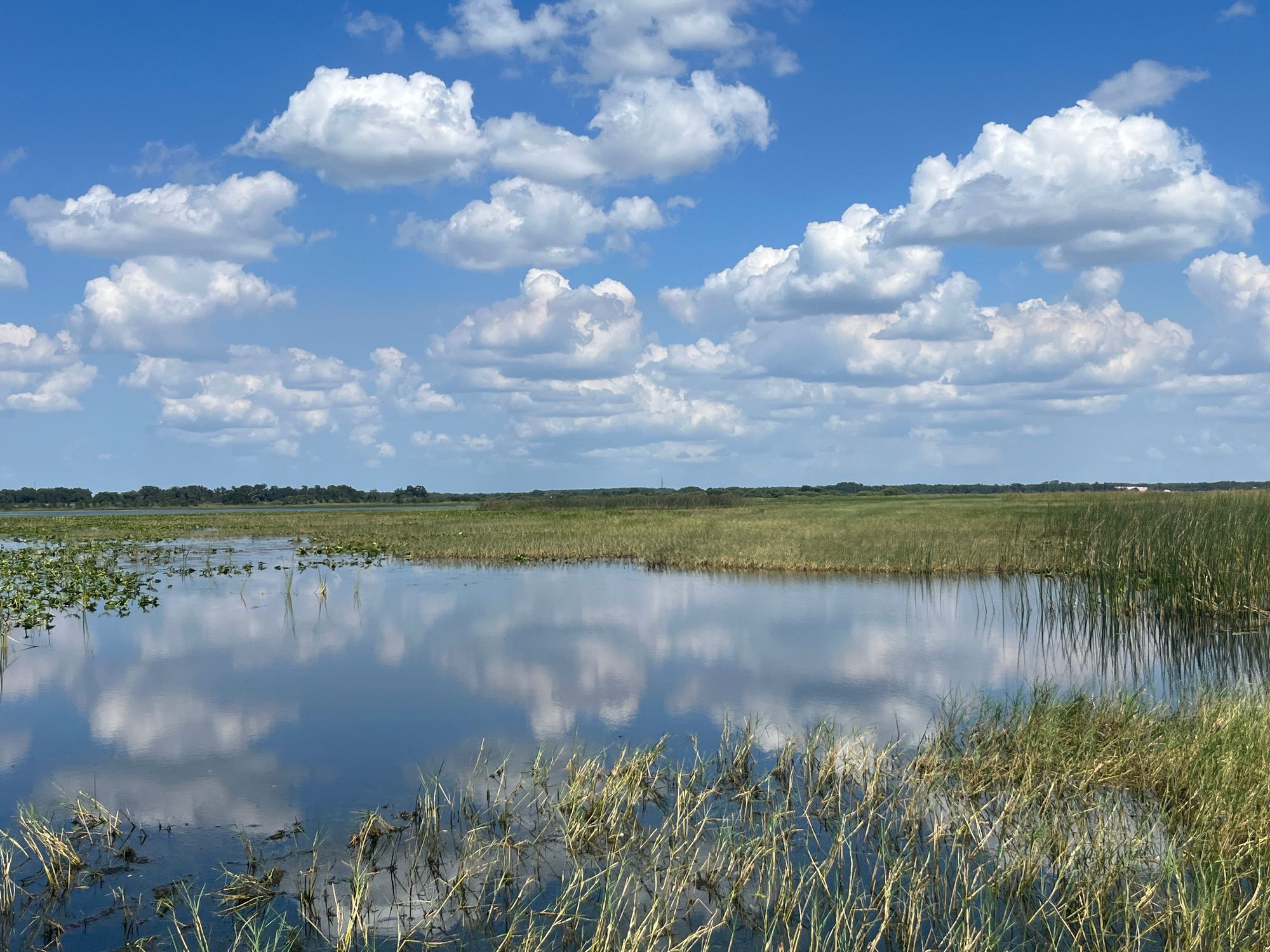
Lake Tohopekaliga
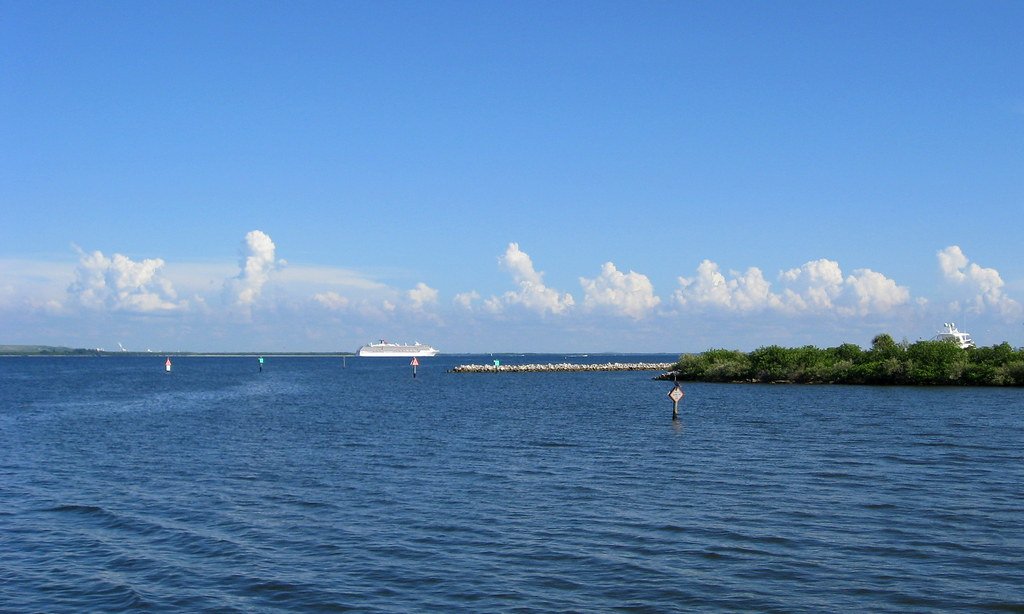
Hillsborough Bay
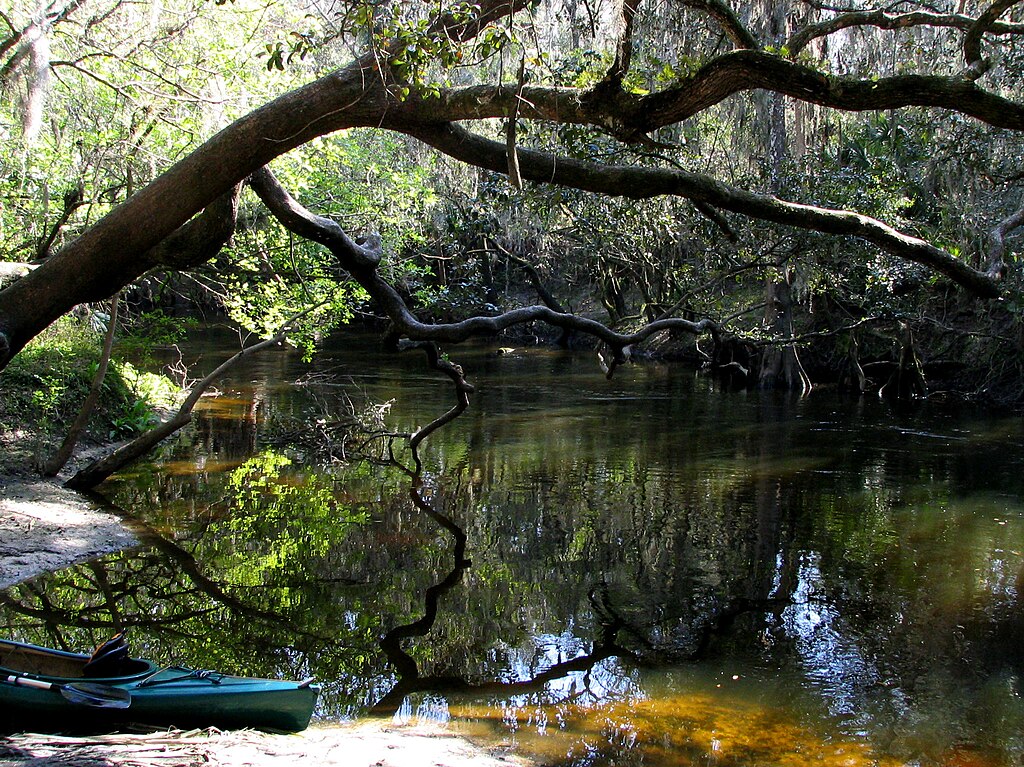
Alafia River
Little Manatee River

McKay Bay
Kissimmee River
What to know
Habitat Distribution
Particularly around coral reefs, pier pilings, mangroves, shallow reef tops at depths of 3-50 feet, and inshore rocky reefs. Juveniles are commonly found in tidal pools and around floating sargassum.Key Locations
Cape Canaveral Jetty Pier and Veterans Memorial Pier in Titusville producing consistent results.Specific Spots
Around Florida's piers, jetties, and reef structures. At piers, focus fishing around the pilings where sponges, sea fans, and other growth attract these reef species.Sergeant Major FAQ
Answers from onWater's species guide.
What are the best lures and bait for Sergeant Major in Florida?
Small pieces of fresh shrimp, both live and dead. Small jigs with 1/8 to 1/4 ounce jig heads paired with soft plastic baits like 3-inch bass assassins in silver, black, or chartreuse. Bread and small pieces of cut bait.
When is the best time to fish for Sergeant Major in Florida?
During winter months, they may be found closer to shore in slightly deeper water around structure.
How do you catch Sergeant Major in Florida?
Focus fishing around the pilings where sponges, sea fans, and other growth attract these reef species. Fish small pieces of fresh shrimp, both live and dead.
What do Sergeant Major eat?
These omnivorous fish feed on algae, small crustaceans, invertebrate larvae, zooplankton including copepods and shrimp larvae, small fish, and pelagic tunicates.
Where do Sergeant Major live in Florida?
Particularly around coral reefs, pier pilings, mangroves, shallow reef tops at depths of 3-50 feet, and inshore rocky reefs. Juveniles are commonly found in tidal pools and around floating sargassum.
Fish smarter with real-time insights
Whether you're en route and conditions shift or you're looking for the best spot based on current flows, we enable you to make informed decisions on the fly.







See it in the app
Most maps show you water.
onWater shows you Sergeant Major.



- 01 · Species map filter
Map every Sergeant Major water
Pick Sergeant Major and the map zeroes in on the waters they call home. No more guessing which lake holds them.
- 02 · Waterbody species
Tap any water. See what lives there.
Species, behavior and seasonal patterns for every lake, river and pond, before you leave the driveway.
- 03 · Angler Intelligence
Ask how to catch Sergeant Major
Tactics, gear and timing from onWater's AI fishing guide, tuned to the species and the water you're on.
Stop guessing where Sergeant Major are.
Open the map, filter by Sergeant Major, and head to water that holds them. Download onWater and plan your next trip in minutes.
- Species map filter
- Angler Intelligence
- Fishing journal
Explore other species
Trout, bass, salmon, panfish and everything in between. Each guide unpacks the behavior, seasons, and tactics that put fish in the net.

Find which waters have the species you want to catch

Largemouth Bass
Micropterus salmoides floridanus

Rainbow Trout
Oncorhynchus mykiss

Black Crappie
Pomoxis nigromaculatus
Alabama Shad
Alosa alabamae
Alligator Gar
Atractosteus spatula

American Eel
Anguilla rostrata

American Shad
Alosa sapidissima

Atlantic Croaker
Micropogonias undulatus

Atlantic Spadefish
Chaetodipterus faber

Atlantic Sturgeon
Acipenser oxyrinchus oxyrinchus

Bighead Carp
Hypophthalmichthys nobilis

Black Buffalo
Ictiobus niger

Black Bullhead
Ameiurus melas

Black Drum
Pogonias cromis

Blacktip Shark
Carcharhinus limbatus

Blue Catfish
Ictalurus furcatus

Bluefish
Pomatomus saltatrix

Blue Runner
Caranx crysos

Blue Tilapia
Oreochromis aureus

Bowfin
Amia calva

Brown Bullhead
Ameiurus nebulosus

Bull Shark
Carcharhinus leucas

Chain Pickerel
Esox niger

Channel Catfish
Ictalurus punctatus

Common Carp
Cyprinus carpio

Common Snook
Centropomus undecimalis

Crevalle Jack
Caranx hippos

Flathead Catfish
Pylodictis olivaris

Flier
Centrarchus macropterus

Gafftopsail Catfish
Bagre marinus

Gizzard Shad
Dorosoma cepedianum

Grass Carp
Ctenopharyngodon idella

Great Barracuda
Sphyraena barracuda

Green Sunfish
Lepomis cyanellus

Hickory Shad
Alosa mediocris

Ladyfish
Elops saurus

Lane Snapper
Lutjanus synagris

Longear Sunfish
Lepomis megalotis

Longnose Gar
Lepisosteus osseus

Mangrove Snapper
Lutjanus griseus
Florida licenses and regulations

Florida Boating Regulations
When using any type of watercraft to access a body of water, it is important to follow all federal, state, and local rules and regulations. These rules and regulations include boat permitting and licensing, invasive species inspections and stamps, life jacket and PFD rules, motor size and horsepower restrictions, noise limitations, restrictions on personal watercraft, and many more. Visit the web link below for the most current rules and regulations for this body of water.

Florida Fishing License
Youth under the age of 16 do not need a fishing license, although they must abide by all other fishing regulations such as gear type, bag and size limits. They may, however, be asked to provide proof of age.

Florida Fishing Regulations
This river has a variety of species and regulations, including potential floating and/or watercraft restrictions. Because this river is specially managed for species, seasons, angling methods, and watercraft, it is strongly encouraged you check all federal, state, and local regulations before fishing. Visit any of the links below, inquire locally, or contact a local fly shop to learn current regulations and restrictions.

Florida Stream Access Laws
Florida access law holds pretty close to the federal definition of navigability, but some state cases suggest that it’s a bit more lenient, and recognizes recreation as a determinant of what’s navigable. The public may use navigable waters up to the high water mark so long as they access through public lands. There are, however, some exceptions where submerged land was either granted into private control before statehood, or sold by the state into private hands.
Explore nearby waters
Explore Florida waters
Top fishing waters
Popular Cities
Loading popular cities...
Smarter Fishing Starts in the App.
onWater Fish gives you everything you need to plan smarter, fish better, and own every trip from first cast to last.