Gulf Sturgeon

Gulf Sturgeon are ancient, federally threatened fish that are completely protected in Florida.
These prehistoric giants are anadromous, spending winters feeding in the Gulf of Mexico, then migrating into Florida rivers from February-April to spend summer fasting periods.
Scientific Name: Acipenser desotoi
- Can reach 8 feet in length and weigh up to 300 pounds, with females growing larger than males.
- They have cartilaginous skeletons like sharks, bony scutes instead of scales, no teeth, and four sensitive barbels for detecting prey.
Fishing in Florida
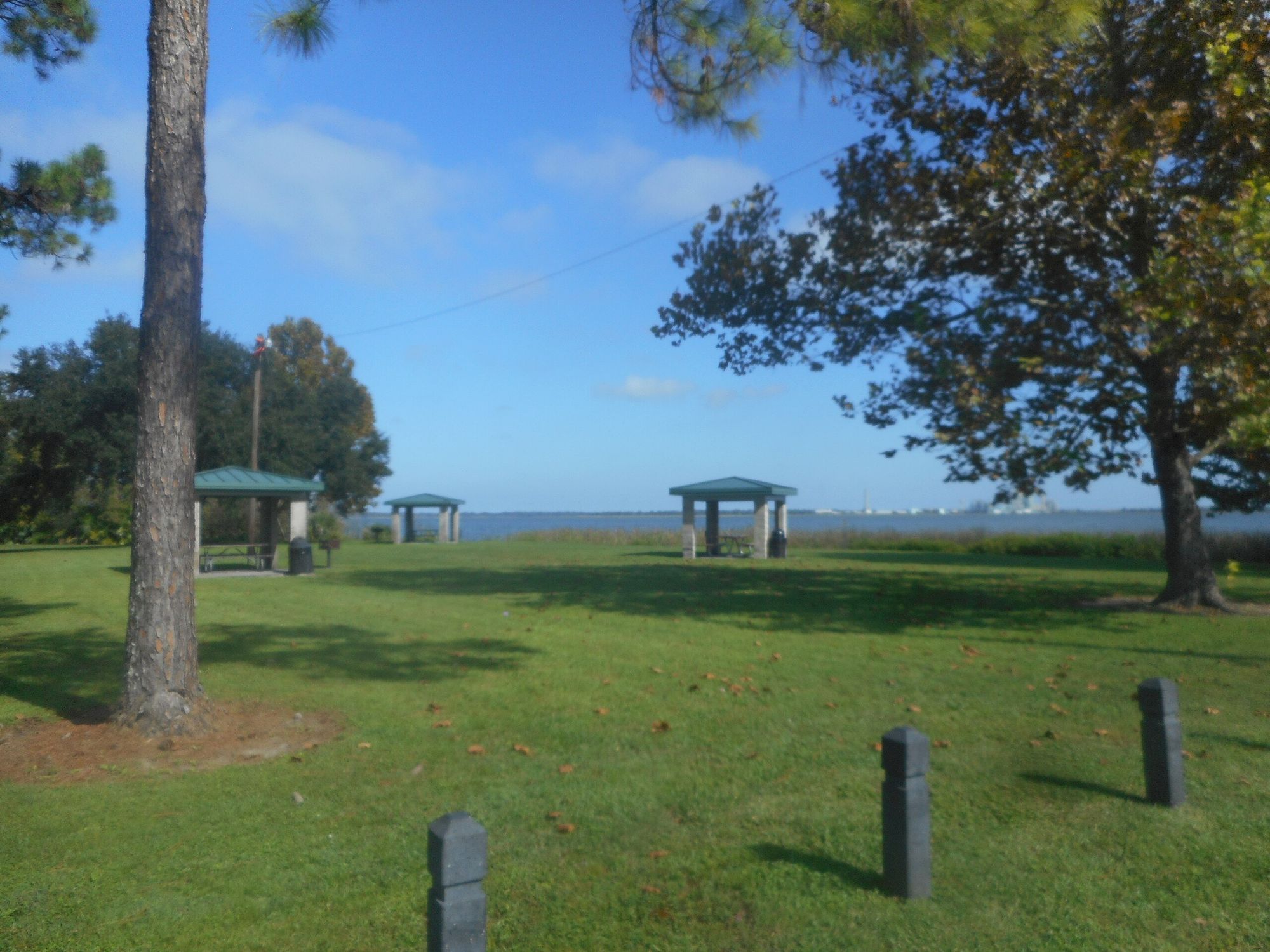
Lake Parker
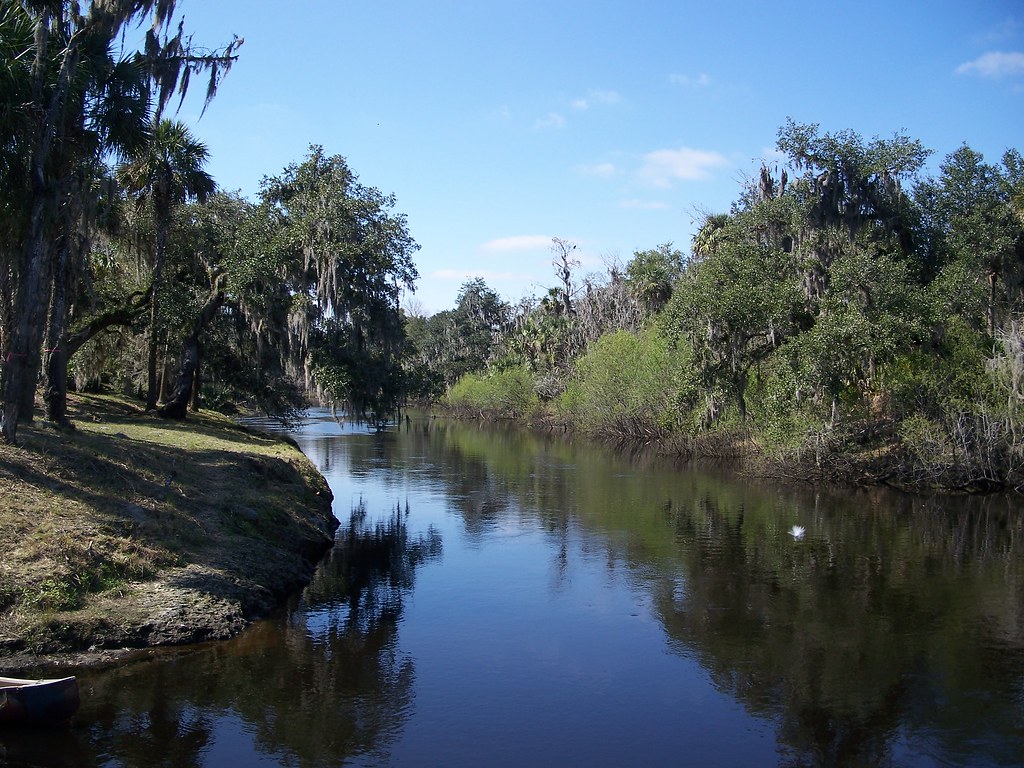
Peace River
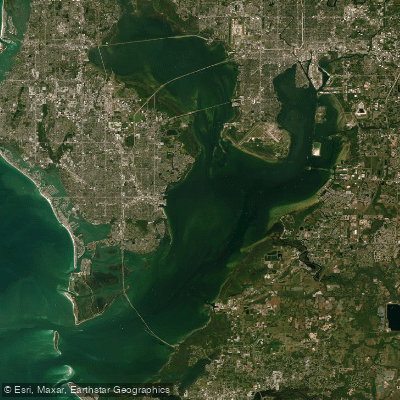
Tampa Bay
Lake Kissimmee
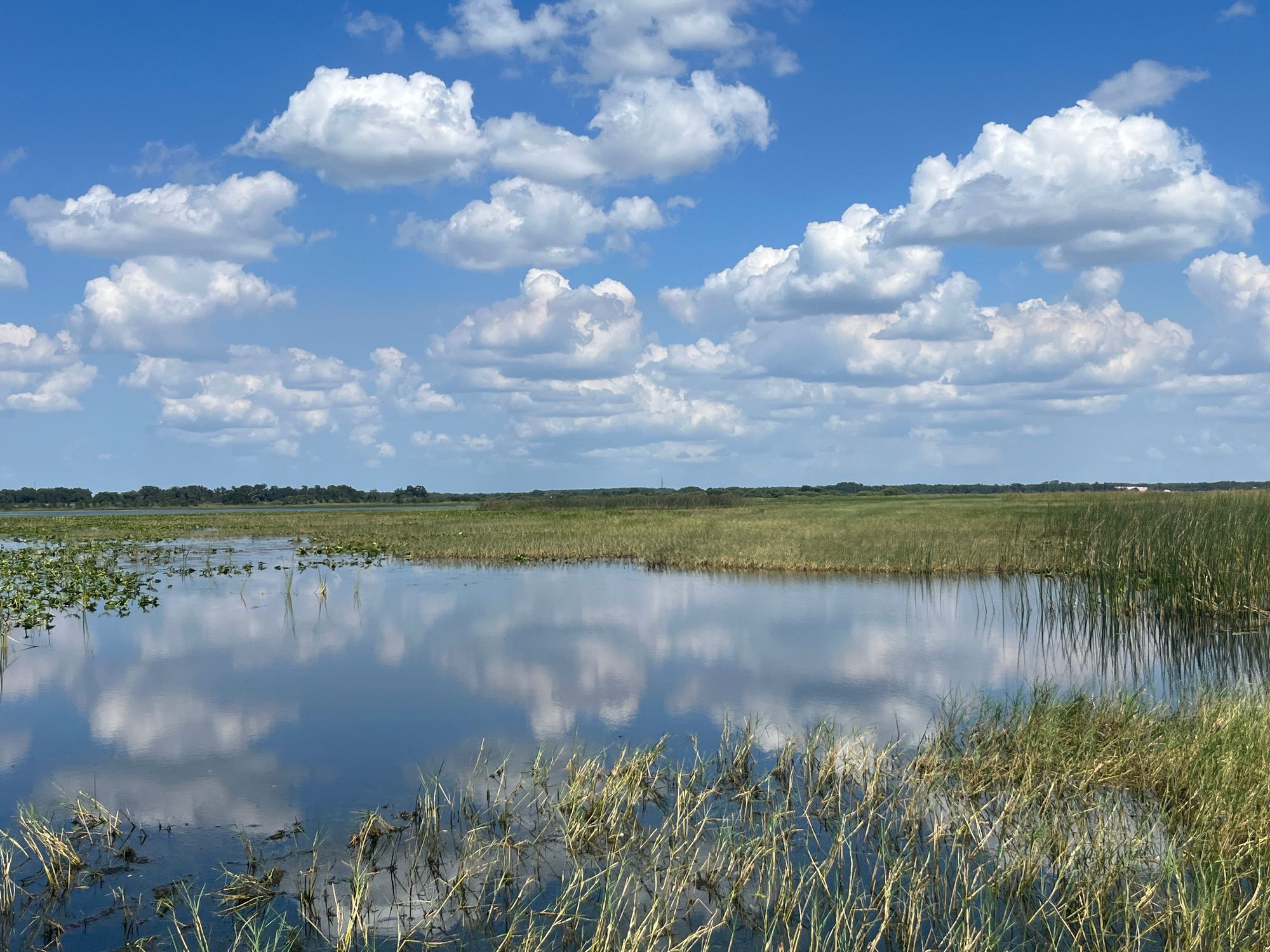
Lake Tohopekaliga
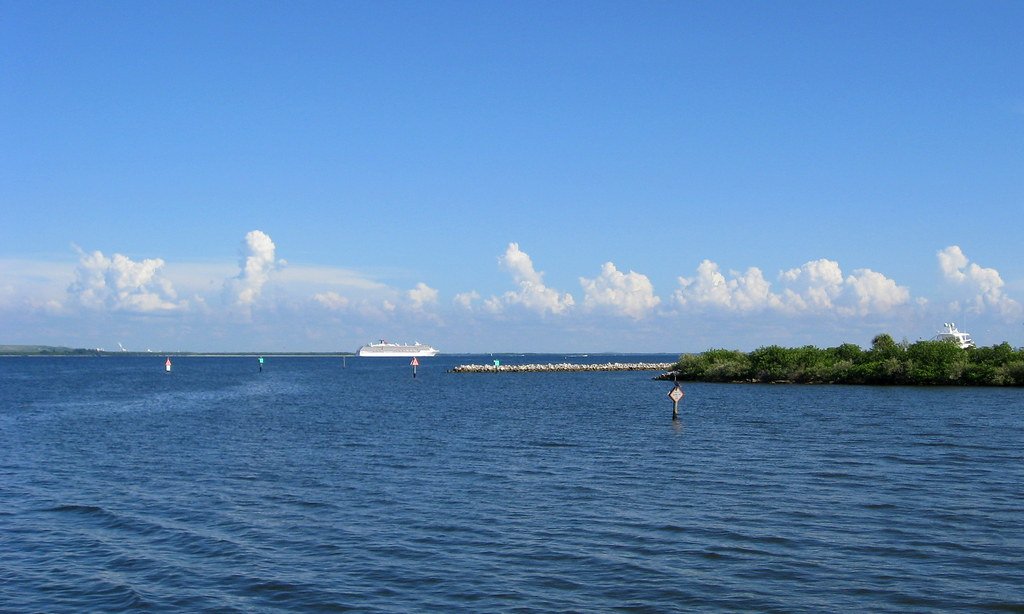
Hillsborough Bay
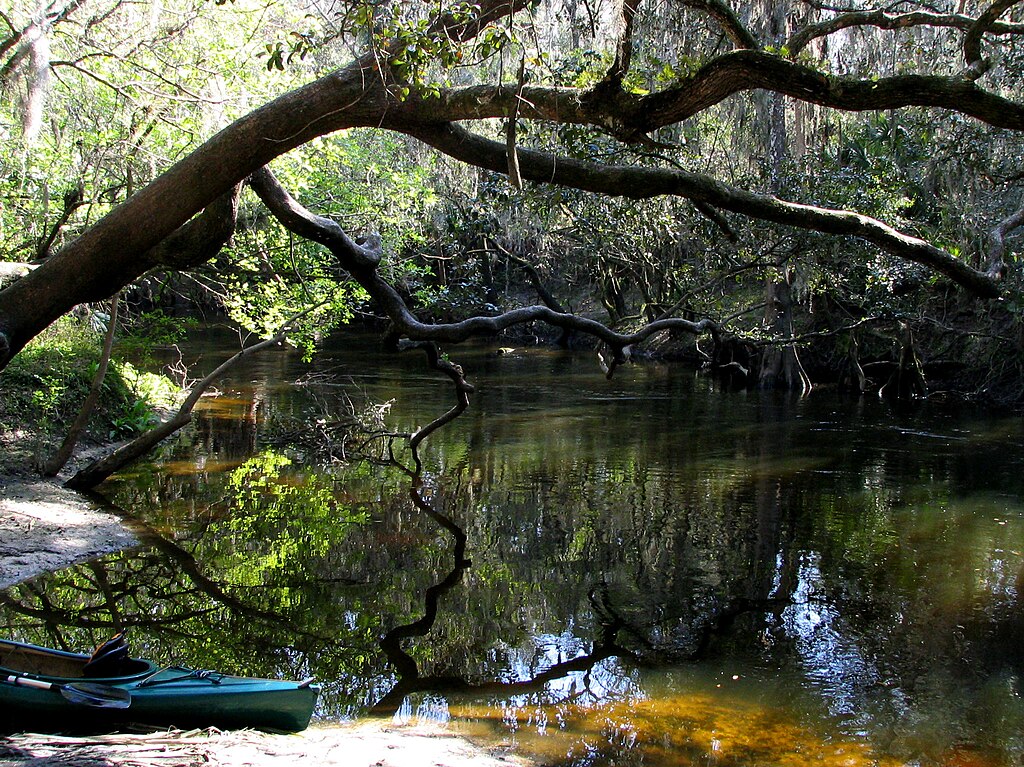
Alafia River
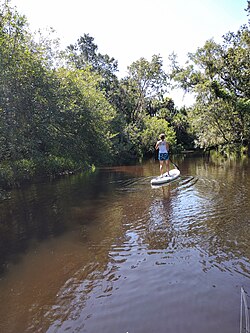
Little Manatee River
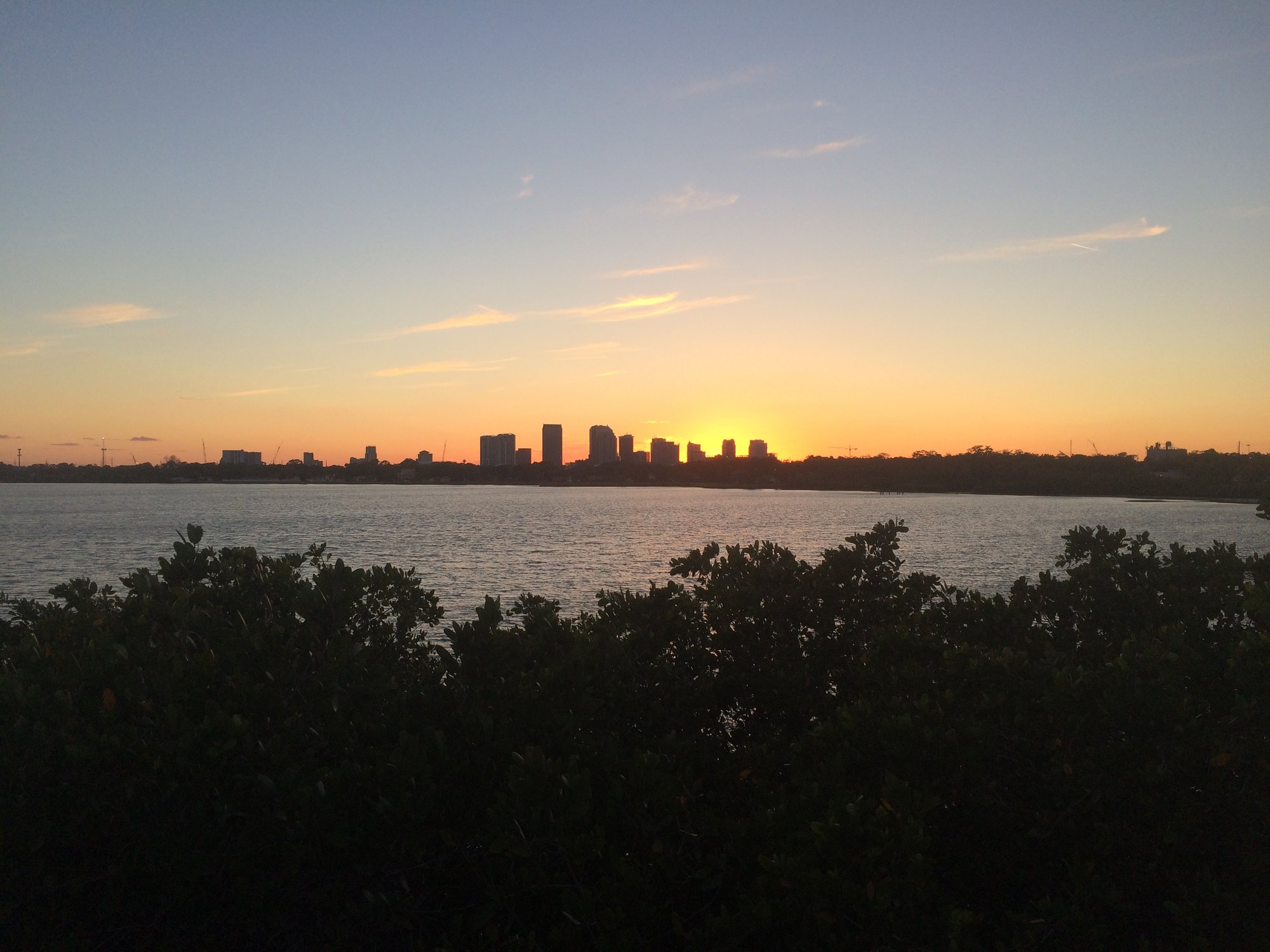
McKay Bay
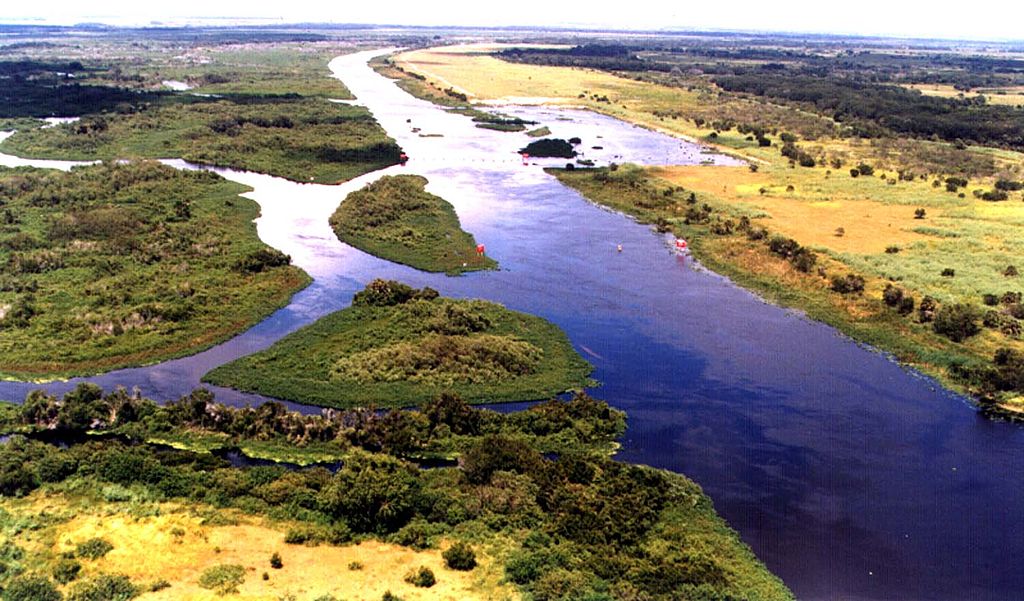
Kissimmee River
What to know
Habitat Distribution
- Anadromous, spending winters feeding in the Gulf of Mexico, then migrating into Florida rivers.
- Spawning occurs near springs in river headwaters.
Key Locations
- Florida's population centers on the Suwannee River, which hosts approximately 10,000 adults - the largest Gulf Sturgeon population.
- They're also present in Northwest Florida rivers including the Apalachicola, Choctawhatchee, Yellow, Blackwater, Escambia, Pearl, and Pascagoula.
- Major jumping areas on the Suwannee River include above Jack's Sandbar, below Manatee Springs, between Fanning Springs and Usher Landing, below Old Town Trestle, below the Santa Fe/Suwannee confluence, near Rock Bluff, and below Anderson Springs.
Specific Spots
- Known holding areas include above Jack's Sandbar, below Manatee Springs, between Fanning Springs and Usher Landing, below Old Town Trestle, near Rock Bluff, and below Anderson Springs on the Suwannee River.
Gulf Sturgeon FAQ
Answers from onWater's species guide.
What are the best lures and bait for Gulf Sturgeon in Florida?
They rarely take fishing gear because adults don't feed while in freshwater rivers, making accidental catches extremely uncommon. The few accidental catches typically occur when a sturgeon 'cannot resist sucking down a fat worm dangling just within reach.'.
When is the best time to fish for Gulf Sturgeon in Florida?
Anglers should be particularly cautious during spring spawning season (February-April) and avoid disturbing spawning areas. Summer months (May-October) present additional safety hazards as sturgeon frequently jump, especially at dawn and dusk.
How do you catch Gulf Sturgeon in Florida?
Any Gulf Sturgeon accidentally caught must be immediately released unharmed. Keep the fish in the water, don't use tail restraints which can cause injury, avoid touching the gills, and report the incident to FWC Wildlife Alert at 1-888-404-3922.
What do Gulf Sturgeon eat?
Spending winters feeding in the Gulf of Mexico on benthic invertebrates like amphipods, isopods, crabs, shrimp, marine worms, and mollusks.
Where do Gulf Sturgeon live in Florida?
Anadromous, spending winters feeding in the Gulf of Mexico, then migrating into Florida rivers. Spawning occurs near springs in river headwaters.
Fish smarter with real-time insights
Whether you're en route and conditions shift or you're looking for the best spot based on current flows, we enable you to make informed decisions on the fly.







See it in the app
Most maps show you water.
onWater shows you Gulf Sturgeon.



- 01 · Species map filter
Map every Gulf Sturgeon water
Pick Gulf Sturgeon and the map zeroes in on the waters they call home. No more guessing which lake holds them.
- 02 · Waterbody species
Tap any water. See what lives there.
Species, behavior and seasonal patterns for every lake, river and pond, before you leave the driveway.
- 03 · Angler Intelligence
Ask how to catch Gulf Sturgeon
Tactics, gear and timing from onWater's AI fishing guide, tuned to the species and the water you're on.
Stop guessing where Gulf Sturgeon are.
Open the map, filter by Gulf Sturgeon, and head to water that holds them. Download onWater and plan your next trip in minutes.
- Species map filter
- Angler Intelligence
- Fishing journal
Explore other species
Trout, bass, salmon, panfish and everything in between. Each guide unpacks the behavior, seasons, and tactics that put fish in the net.

Find which waters have the species you want to catch

Largemouth Bass
Micropterus salmoides floridanus

Rainbow Trout
Oncorhynchus mykiss

Black Crappie
Pomoxis nigromaculatus
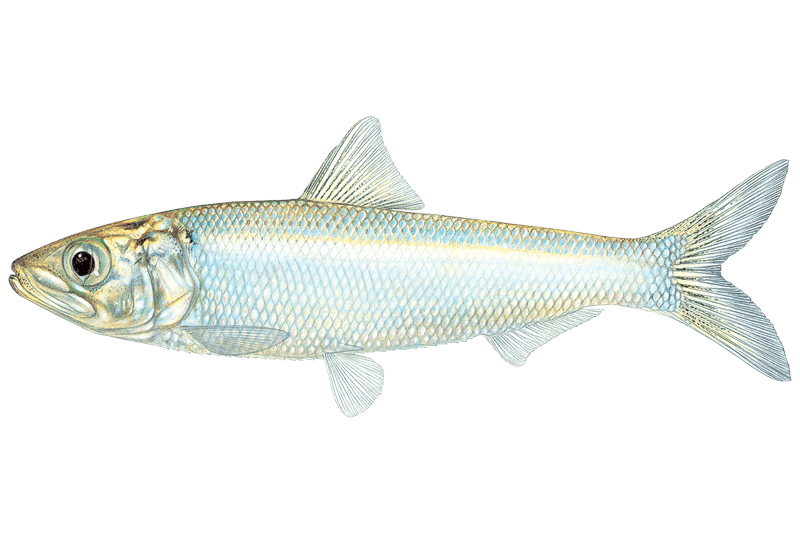
Alabama Shad
Alosa alabamae
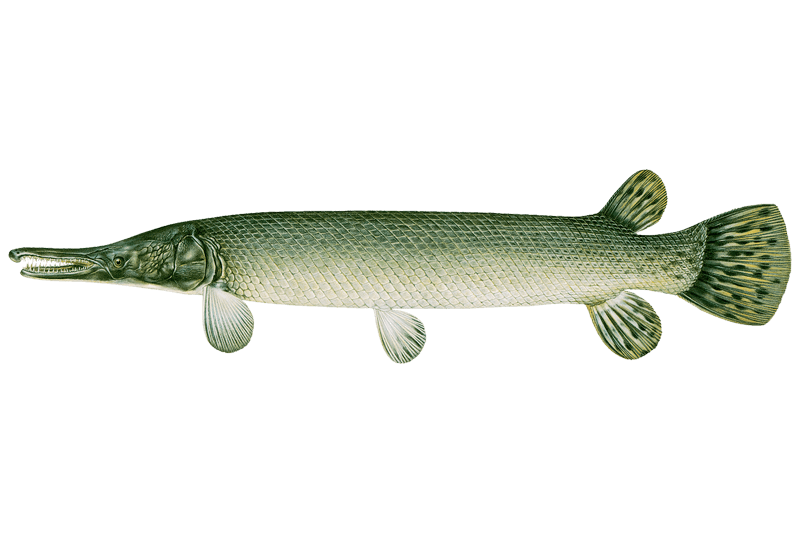
Alligator Gar
Atractosteus spatula

American Eel
Anguilla rostrata

American Shad
Alosa sapidissima

Atlantic Croaker
Micropogonias undulatus

Atlantic Spadefish
Chaetodipterus faber

Atlantic Sturgeon
Acipenser oxyrinchus oxyrinchus

Bighead Carp
Hypophthalmichthys nobilis

Black Buffalo
Ictiobus niger

Black Bullhead
Ameiurus melas

Black Drum
Pogonias cromis

Blacktip Shark
Carcharhinus limbatus

Blue Catfish
Ictalurus furcatus

Bluefish
Pomatomus saltatrix

Blue Runner
Caranx crysos

Blue Tilapia
Oreochromis aureus

Bowfin
Amia calva

Brown Bullhead
Ameiurus nebulosus

Bull Shark
Carcharhinus leucas

Chain Pickerel
Esox niger

Channel Catfish
Ictalurus punctatus

Common Carp
Cyprinus carpio

Common Snook
Centropomus undecimalis

Crevalle Jack
Caranx hippos

Flathead Catfish
Pylodictis olivaris

Flier
Centrarchus macropterus

Gafftopsail Catfish
Bagre marinus

Gizzard Shad
Dorosoma cepedianum

Grass Carp
Ctenopharyngodon idella

Great Barracuda
Sphyraena barracuda

Green Sunfish
Lepomis cyanellus

Hickory Shad
Alosa mediocris

Ladyfish
Elops saurus

Lane Snapper
Lutjanus synagris

Longear Sunfish
Lepomis megalotis

Longnose Gar
Lepisosteus osseus

Mangrove Snapper
Lutjanus griseus
Florida licenses and regulations

Florida Boating Regulations
When using any type of watercraft to access a body of water, it is important to follow all federal, state, and local rules and regulations. These rules and regulations include boat permitting and licensing, invasive species inspections and stamps, life jacket and PFD rules, motor size and horsepower restrictions, noise limitations, restrictions on personal watercraft, and many more. Visit the web link below for the most current rules and regulations for this body of water.

Florida Fishing License
Youth under the age of 16 do not need a fishing license, although they must abide by all other fishing regulations such as gear type, bag and size limits. They may, however, be asked to provide proof of age.

Florida Fishing Regulations
This river has a variety of species and regulations, including potential floating and/or watercraft restrictions. Because this river is specially managed for species, seasons, angling methods, and watercraft, it is strongly encouraged you check all federal, state, and local regulations before fishing. Visit any of the links below, inquire locally, or contact a local fly shop to learn current regulations and restrictions.

Florida Stream Access Laws
Florida access law holds pretty close to the federal definition of navigability, but some state cases suggest that it’s a bit more lenient, and recognizes recreation as a determinant of what’s navigable. The public may use navigable waters up to the high water mark so long as they access through public lands. There are, however, some exceptions where submerged land was either granted into private control before statehood, or sold by the state into private hands.
Explore nearby waters
Explore Florida waters
Top fishing waters
Popular Cities
Loading popular cities...

Smarter Fishing Starts in the App.
onWater Fish gives you everything you need to plan smarter, fish better, and own every trip from first cast to last.