Narragansett Bay
- Saltwater
- Bay
Narragansett Bay
- Saltwater
- Bay
- Sq. miles
- 121
- Boat Ramps
- 29
- Access Points
- 6
- Species
- 26
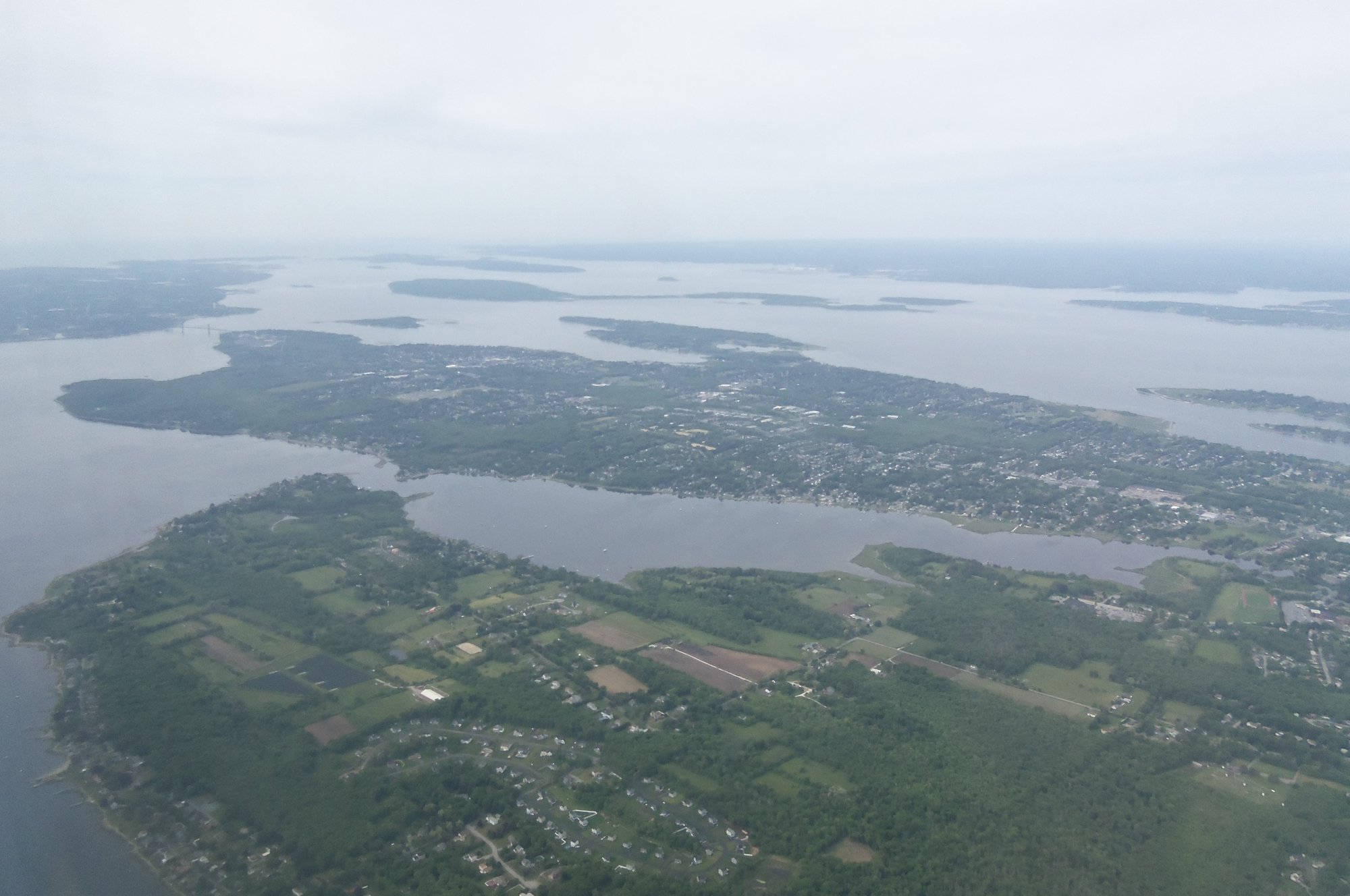
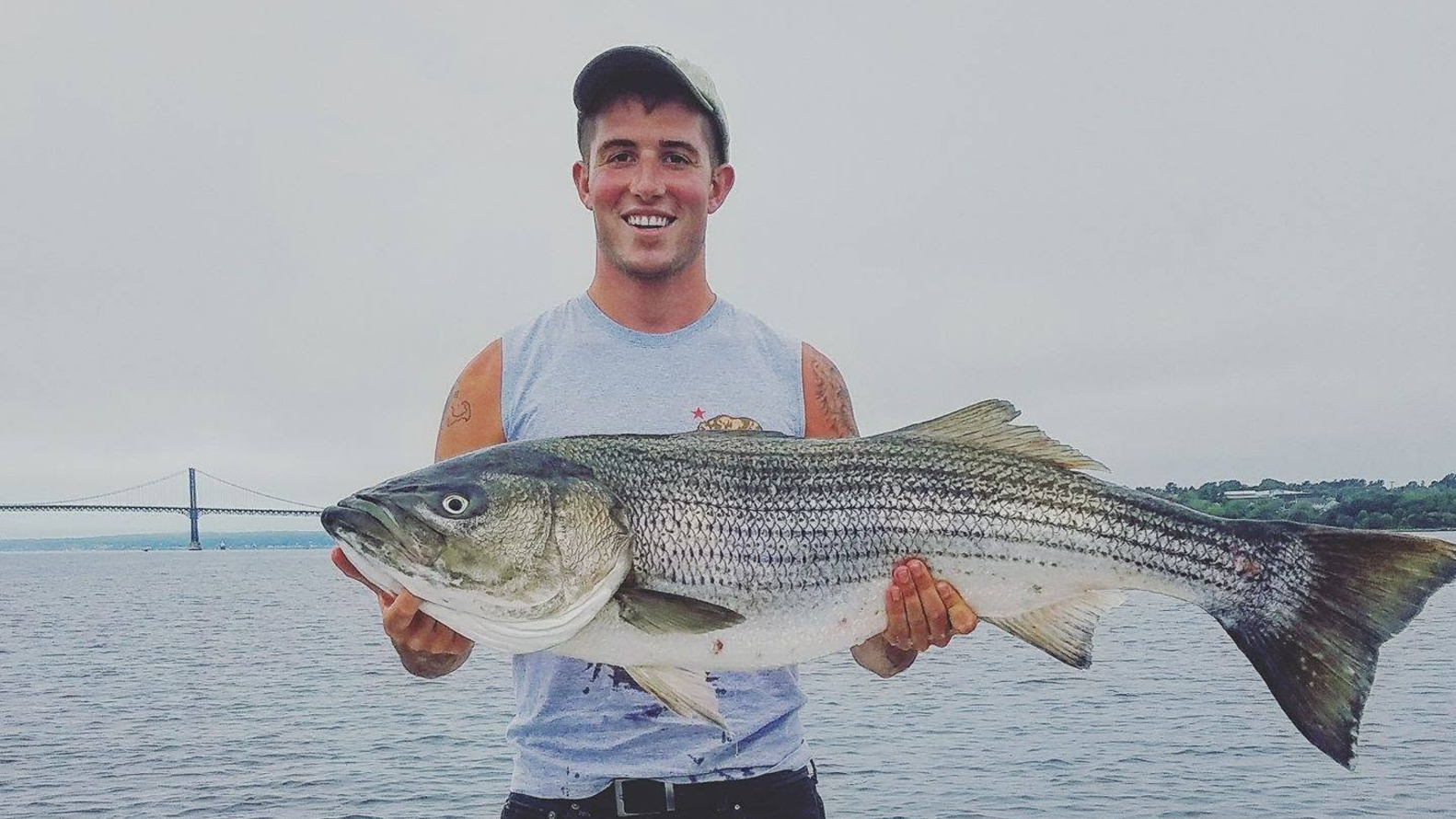
Narragansett Bay, the largest estuary in New England, is a premier saltwater fishing destination offering diverse habitats and consistent action. Fed by the Providence, Taunton, and Sakonnet rivers, its waters range from shallow, muddy flats and brackish backwaters in the upper bay to deep rock ledges and open ocean swell where it meets Rhode Island Sound. This mix of environments creates a structure-rich fishery with reefs, rock piles, tidal currents, and drop-offs that attract a wide variety of baitfish and predatory species. The bay supports a dominant recreational fishing presence and is a versatile destination for anglers targeting striped bass, bluefish, flounder, tautog, and more from shore, kayak, or boat.
Species & education
Learn what type of fish are at Narragansett Bay and what's needed to catch them.
Find which waters have the species you want to catch

African Pompano
Alectis ciliaris

Atlantic Cod
Gadus morhua

Atlantic Mackerel
Scomber scombrus

Bigeye Tuna
Thunnus obesus

Black Sea Bass
Centropristis striata

Bluefin Tuna
Thunnus thynnus

Bluefish
Pomatomus saltatrix

Bonefish
Albula vulpes

Crevalle Jack
Caranx hippos

Cunner
Tautogolabrus adspersus

Gray Triggerfish
Balistes capriscus

Mahi-Mahi
Coryphaena hippurus

Mangrove Snapper
Lutjanus griseus

Northern Kingfish
Menticirrhus saxatilis

Northern Puffer
Sphoeroides maculatus

Permit
Trachinotus falcatus

Scup
Stenotomus chrysops

Shortfin Mako
Isurus oxyrinchus

Snowy Grouper
Hyporthodus niveatus

Spot
Leiostomus xanthurus
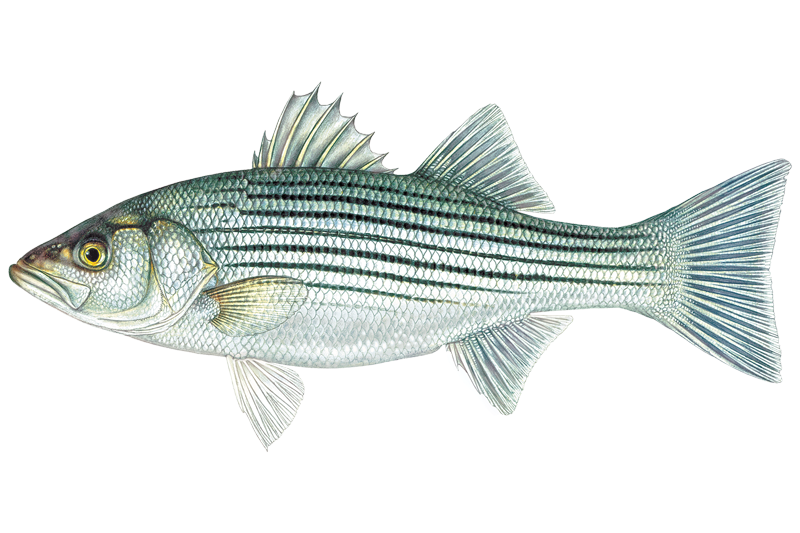
Striped Bass
Morone saxatilis

Summer Flounder
Paralichthys dentatus

Tautog
Tautoga onitis

Tripletail
Lobotes surinamensis

Weakfish
Cynoscion regalis

Winter Flounder
Pseudopleuronectes americanus
Fishing spots, boat ramps & amenities
Learn how to get on Narragansett Bay. Uncover great fishing access points, boat ramps, and all the facilities you need for an unforgettable day on the water. Some locations shown may border or include private property. Always check property boundaries and applicable regulations before visiting. onWater's Public & Private Land layer can help you plan your access with confidence.
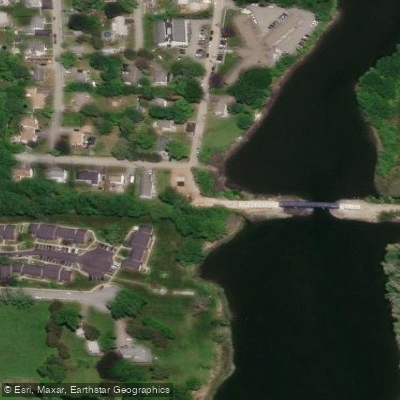
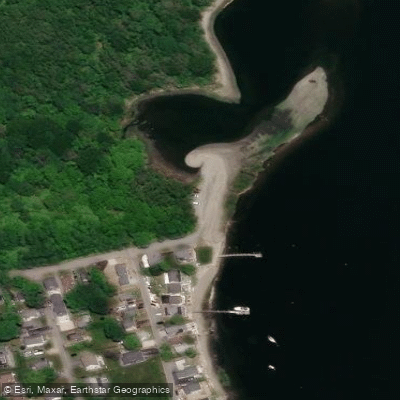
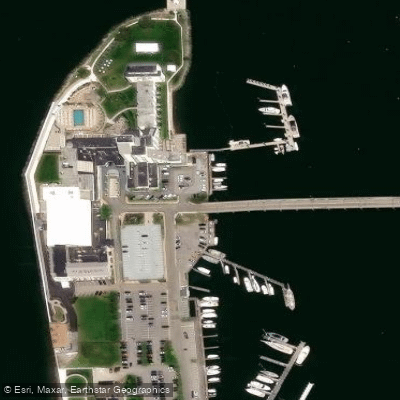
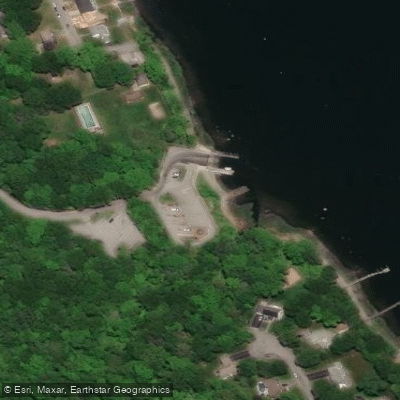
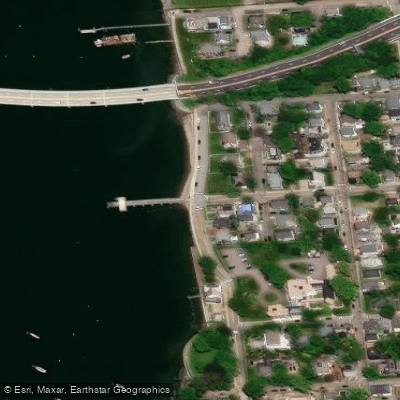
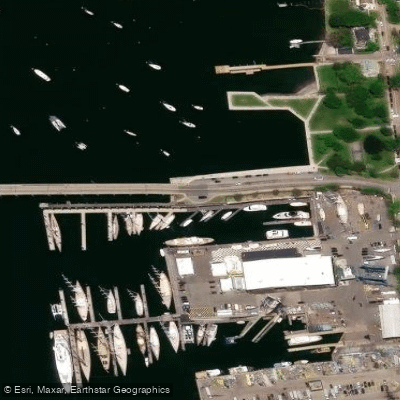
Know where you can legally fish on Narragansett Bay
See public and private land boundaries along the water, turn on private parcels with owner details to know where permission is required, and find land-trust parcels that offer permitted fishing access.
Rhode Island licenses and regulations
Rhode Island Boating Regulations
When using any type of watercraft to access a body of water, it is important to follow all federal, state, and local rules and regulations. These rules and regulations include boat permitting and licensing, invasive species inspections and stamps, life jacket and PFD rules, motor size and horsepower restrictions, noise limitations, restrictions on personal watercraft, and many more. Visit the web link below for the most current rules and regulations for this body of water.
Rhode Island Coastal & Inland Waters
A RI Recreational Saltwater Fishing License covers all Rhode Island marine waters as well as offshore federal waters and neighboring state waters for finfish and squid. Rhode Island honors licenses from New York, Connecticut, Massachusetts, and Maine for anglers fishing in RI marine waters. Freshwater fishing requires a separate freshwater license issued by the Division of Fish and Wildlife.
Rhode Island Federal Waters & Offshore Rules
Beyond 3 nautical miles, NOAA Fisheries and the New England and Mid-Atlantic Fishery Management Councils set the rules, and your RI license still satisfies the angler registration requirement in those waters. Vessels fishing for or retaining Atlantic highly migratory species such as tuna, billfish, or swordfish must carry a separate federal Atlantic HMS permit issued by NOAA Fisheries. Tilefish anglers fishing north of the Virginia-North Carolina border also need a federal recreational tilefish permit.
Rhode Island Saltwater Fishing License
Anyone 16 or older fishing recreationally for finfish in Rhode Island marine waters needs a RI Recreational Saltwater Fishing License, issued by the Division of Marine Fisheries, or a National Saltwater Angler Registration, or a valid license from a reciprocal state including New York, Connecticut, Massachusetts, and Maine. Anglers aboard party and charter boats are exempt, as are Rhode Island residents over 65 and active military stationed in the state. Children under 16 do not need a license.
Rhode Island Saltwater Size & Bag Limits
Size limits, seasons, and possession limits apply per species and are subject to change throughout the year; the Division of Marine Fisheries maintains the current table. Striped bass, summer flounder, black sea bass, tautog, and bluefish are among the species with specific rules. Check the official limits page before every trip.

Rhode Island Shellfish Closures & Advisories
Rhode Island residents may harvest quahogs, soft-shell clams, mussels, surf clams, oysters, and bay scallops recreationally without a license; non-residents must obtain a non-resident shellfishing license from the Division of Marine Fisheries. Harvest areas are classified by the DEM Shellfish Program and can be closed due to bacterial contamination, harmful algal blooms, or rainfall, so you must check current area status before harvesting. Closure maps and classifications for all named growing areas are posted by DEM.
Take Narragansett Bay with you
The onWater Fish app keeps this water's access points, species and conditions in your pocket, with the tools you use once you're there.
Use the map without signal
Download the map around Narragansett Bay to use it offline when coverage drops.
Log your catches here
Keep a private fishing journal for Narragansett Bay to find where and when fish are biting for you.
Get the onWater Fish app
Free on iOS and Android
Tides, wind & water conditions (10 day forecast)
On open water, wind and tide matter as much as the weather. See the best times to fish Narragansett Bay and check the marine forecast before you launch.
Loading tide predictions…
Narragansett Bay fishing guides
Book a trip with a local fishing guide through Guidesly.

Fishing near Narragansett Bay
Taunton River
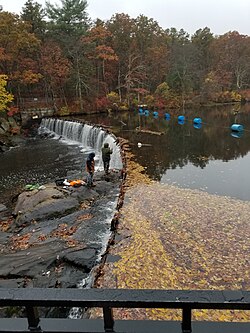
Blackstone River
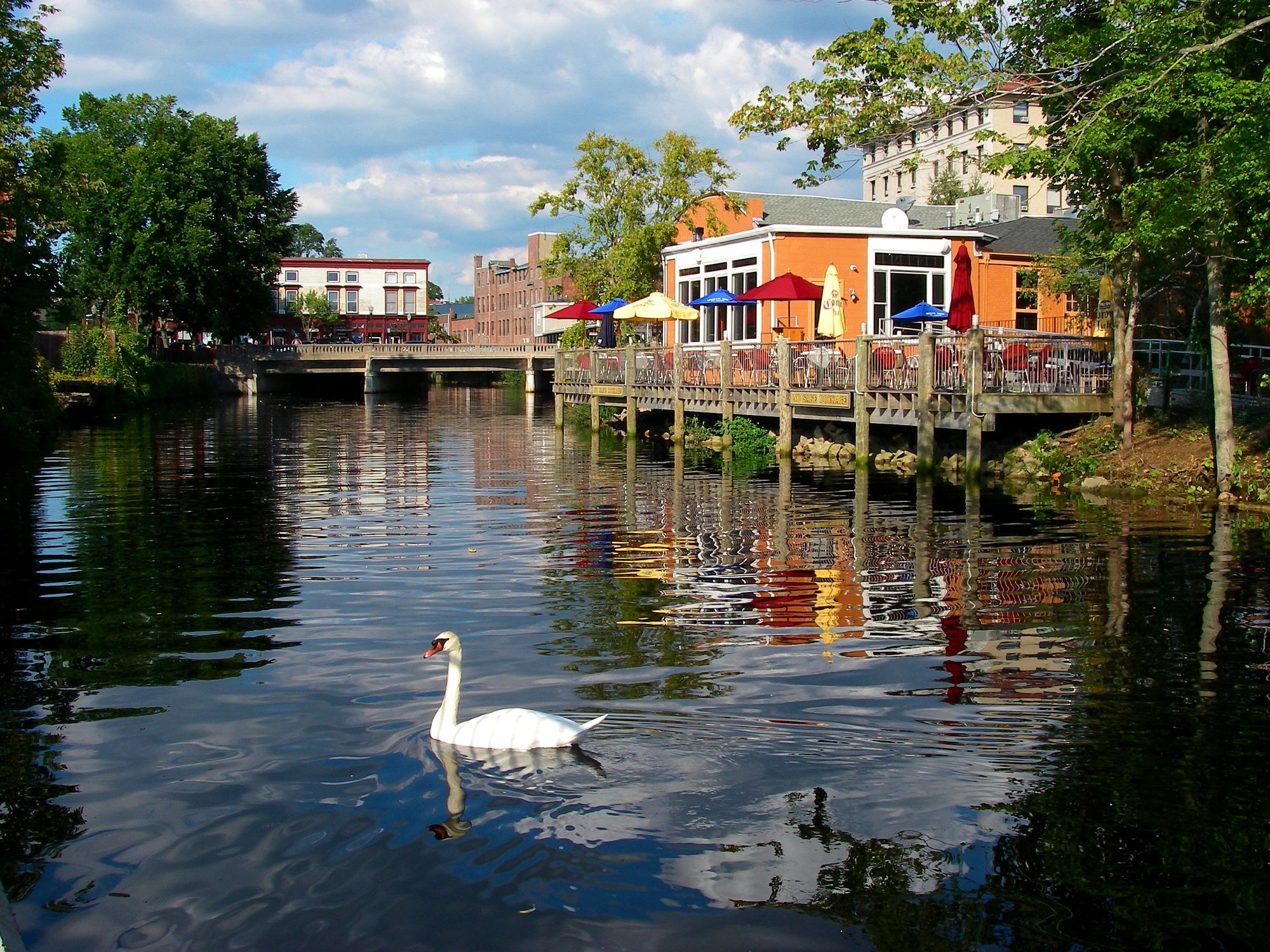
Pawcatuck River
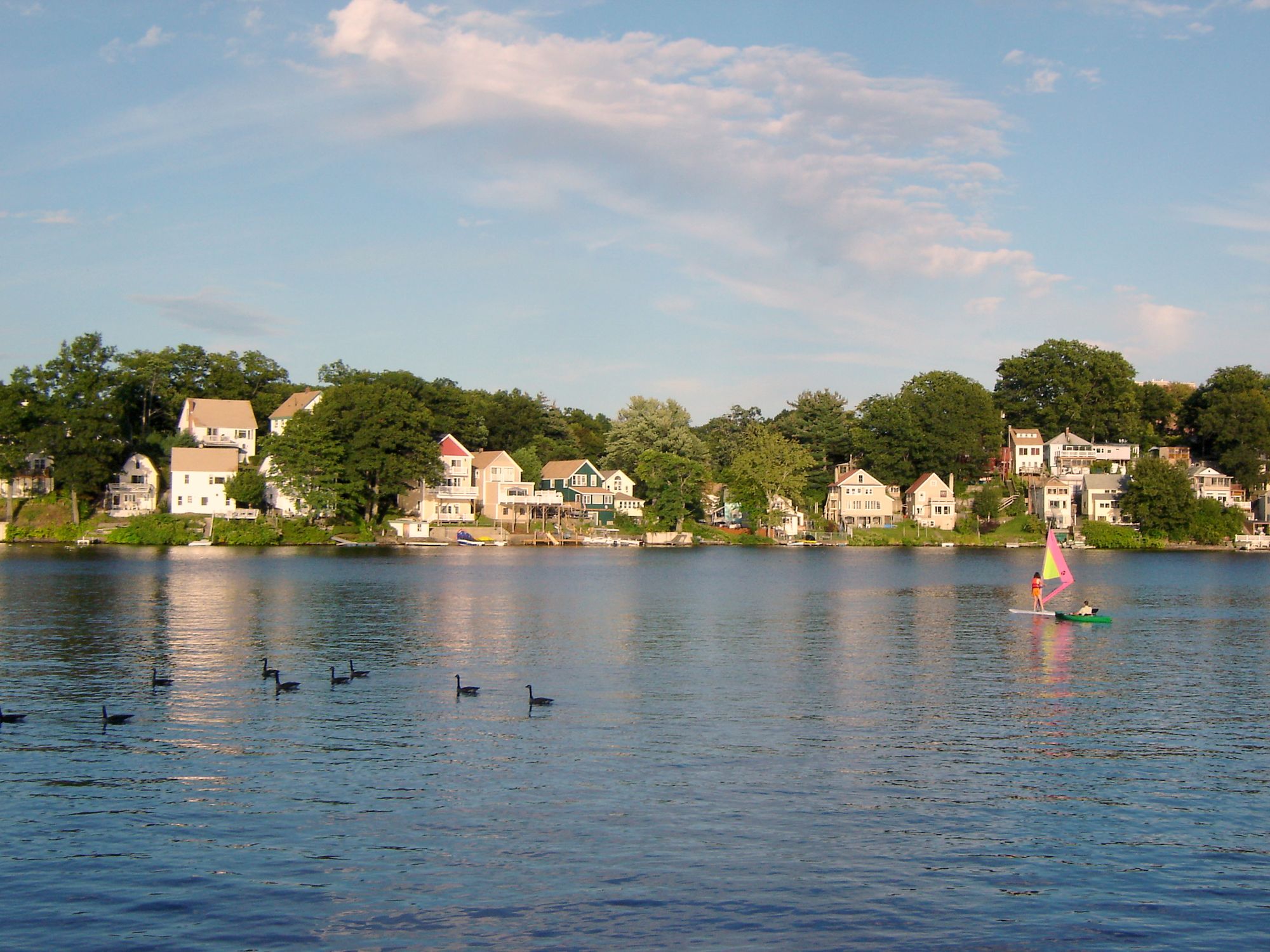
Lake Quinsigamond
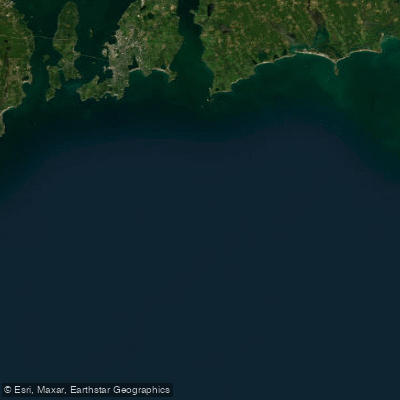
Rhode Island Sound
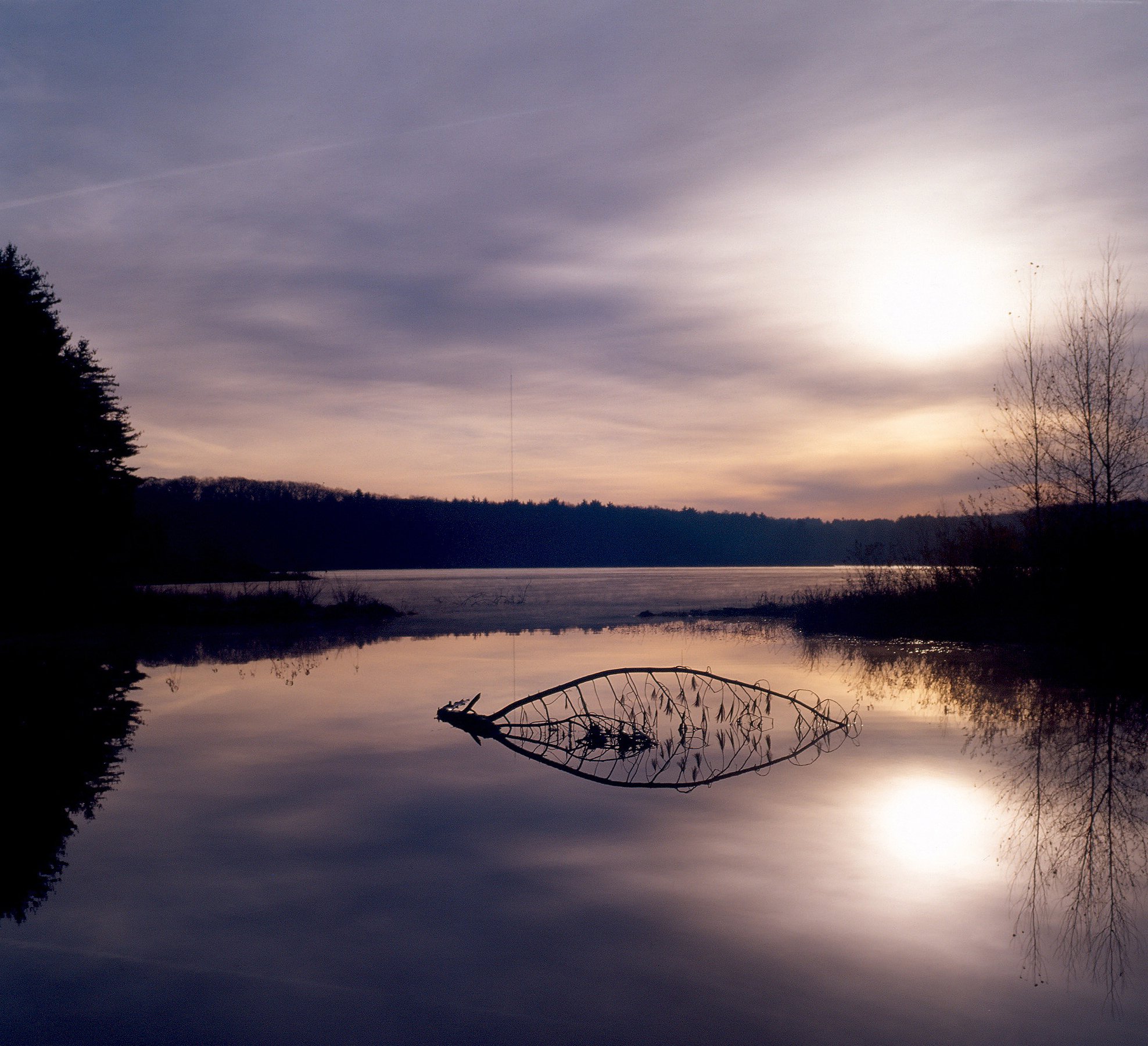
Wachusett Reservoir
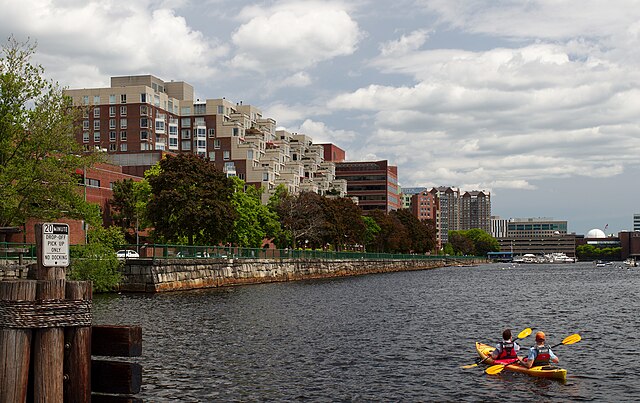
Charles River
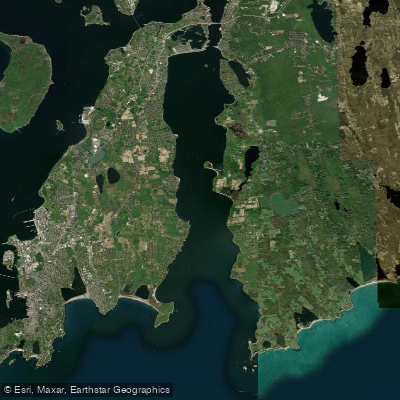
Sakonnet River
Clear River
Explore Rhode Island waters
Top fishing waters
Popular Cities
Loading popular cities...
Explore near Narragansett Bay
Fish species
Fishing spots
Nearby waters
More in Rhode Island

Smarter Fishing Starts in the App.
onWater Fish gives you everything you need to plan smarter, fish better, and own every trip from first cast to last.