Fishing in Grand Teton National Park
- National Park
- Open 24 hours
- Lakes
- 49
- Rivers
- 35
- Access
- 13
- Boat Ramps
- 12
- Shops
- 1
- Species
- 15
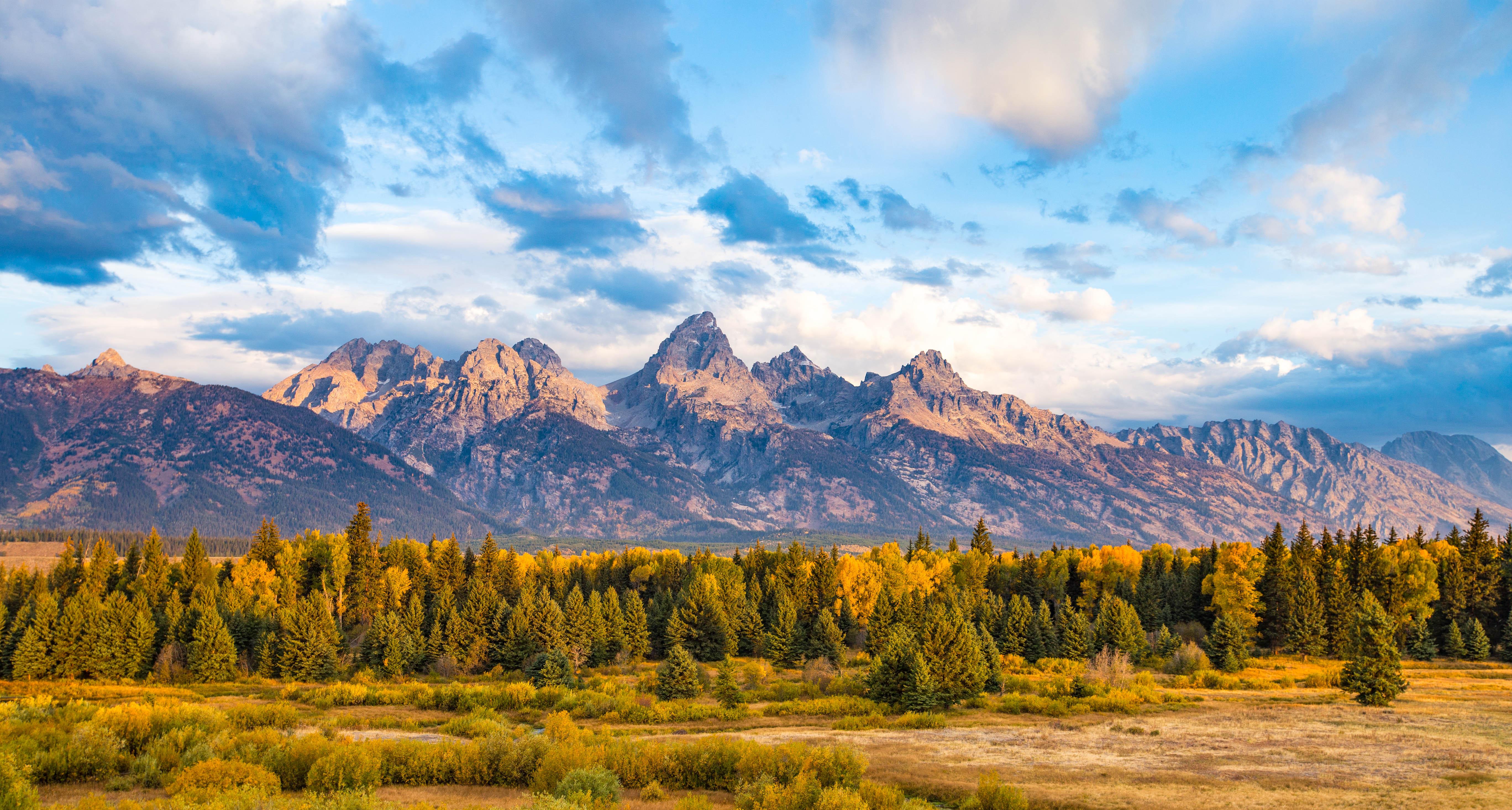
Grand Teton sits at the base of the Teton Range in northwestern Wyoming, where glacially carved lakes, a major western river, and high alpine waters all fall within the same park boundary.
The fishing here spans valley-floor rivers and lakes accessible by road, and backcountry ponds reachable only on foot.
The dominant species throughout is trout, with the Snake River finespotted cutthroat — native to this drainage and found nowhere else — at the center of it all. The Snake River is the park's main fishery.
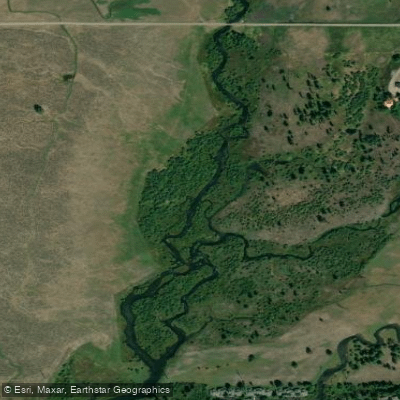
It runs through the valley and holds finespotted cutthroat along with brown, rainbow, and brook trout. The stretch below Jackson Lake Dam is particularly productive and draws both wading anglers and drift boats.
From the gauging station roughly 1,000 feet below the dam downstream to the Wyoming Highway 22 Bridge at Wilson, only artificial flies and lures are permitted.
A section of the river from the Buffalo Fork confluence at Moran down to Menors Ferry at Moose closes to access December 15 through March 31, and all cutthroat caught in the Snake must be released immediately from November 1 through March 31.
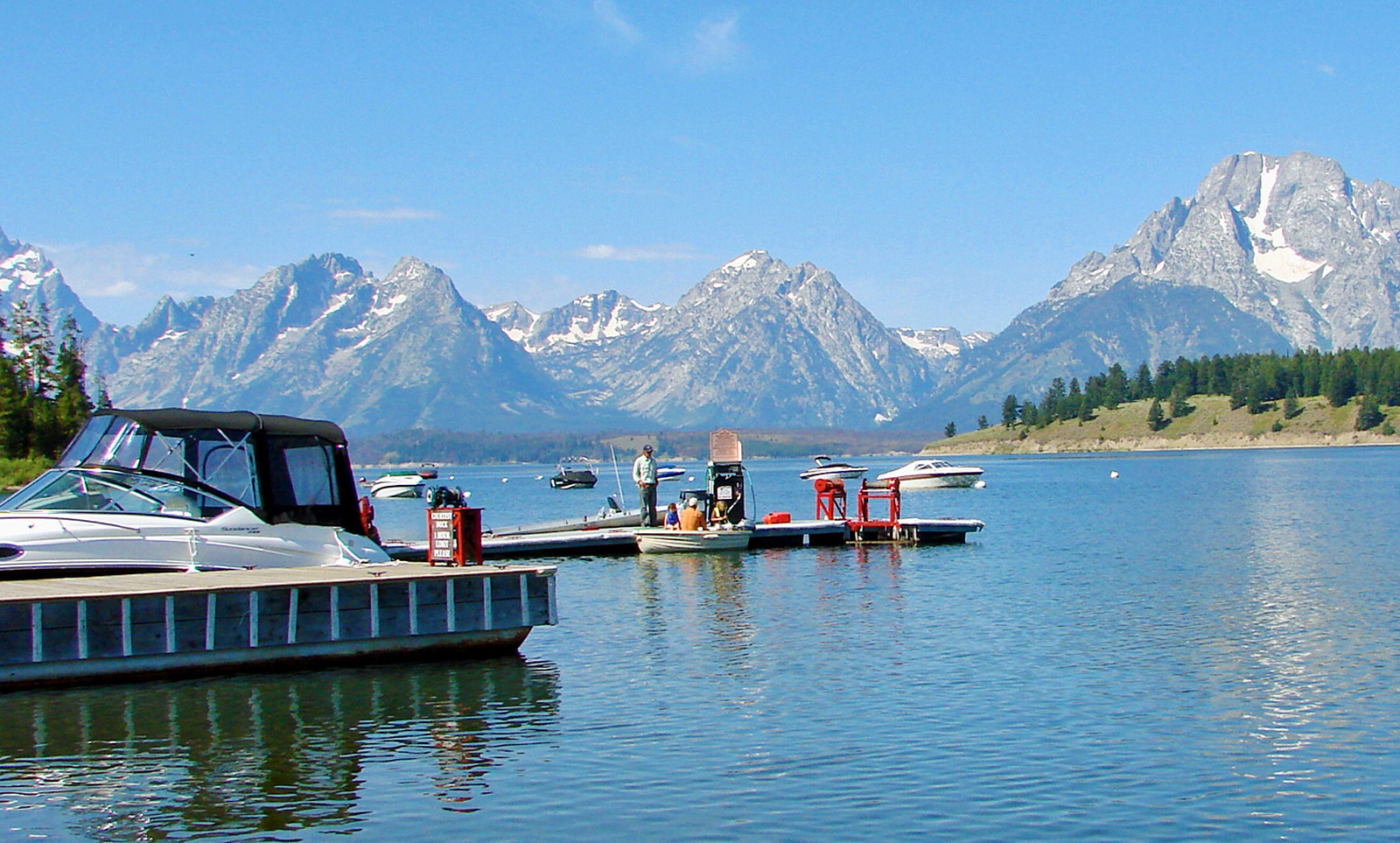
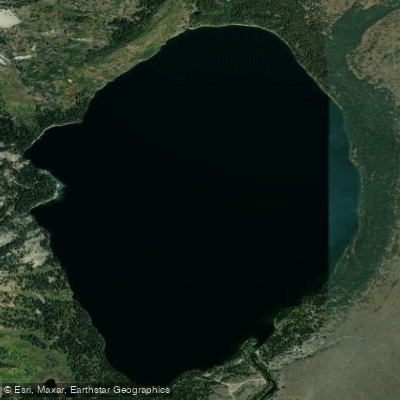
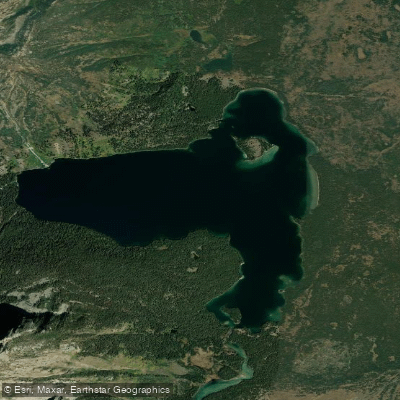
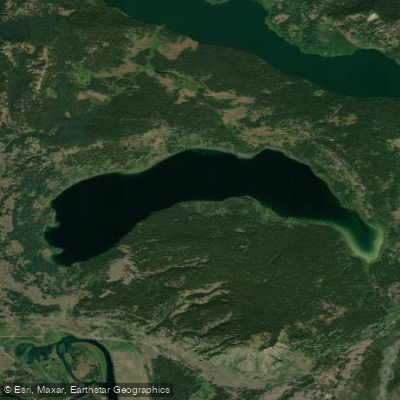
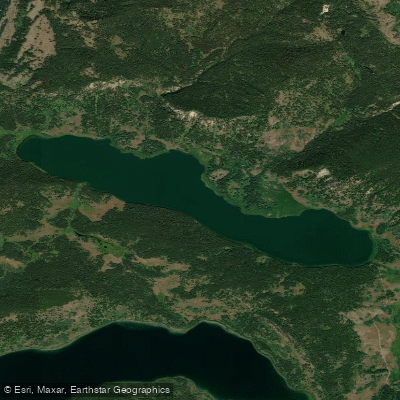
Jackson Lake, the largest body of water in the park, sits directly against the mountains and fishes year-round. Lakes within the park have no seasonal closure. Lake Solitude, reached by trail, also holds trout once the ice clears in spring.
The Buffalo Fork River, Gros Ventre River, and Pacific Creek are among the tributaries and drainages that remain open when most other park streams are closed.
Most streams and Blacktail Spring Ponds shut down December 1 through July 31 — a long closure worth noting when planning a spring trip.
The Buffalo Fork itself closes from the east park boundary to its confluence with the Snake at Moran during that same December 15 to March 31 window. Anglers 14 and older need a Wyoming fishing license to fish in Grand Teton — not a separate park permit.
Any watercraft, including drift boats and kayaks, requires a Grand Teton Boat Permit, and all vessels must display a Wyoming Aquatic Invasive Species decal before launching. The regulations here reward careful reading before you go.
Closures, tackle restrictions, and open waters shift depending on which drainage you're standing in. The finespotted cutthroat is worth the homework.
Species & education
Learn what type of fish are in Grand Teton National Park and what's needed to catch them.
Find which waters have the species you want to catch

American Shad
Alosa sapidissima

Arctic Grayling
Thymallus arcticus

Black Crappie
Pomoxis nigromaculatus

Brook Trout
Salvelinus fontinalis

Brown Trout
Salmo trutta

Bull Trout
Salvelinus confluentus

Channel Catfish
Ictalurus punctatus
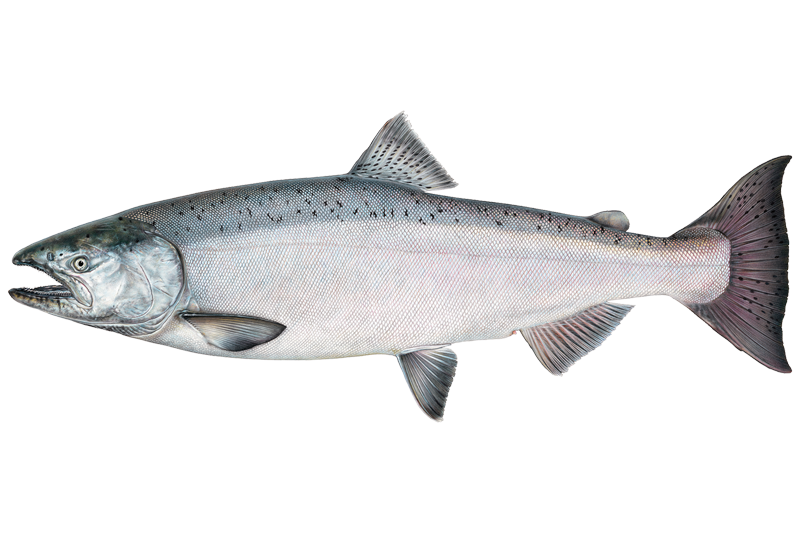
Chinook Salmon
Oncorhynchus tshawytscha

Common Carp
Cyprinus carpio
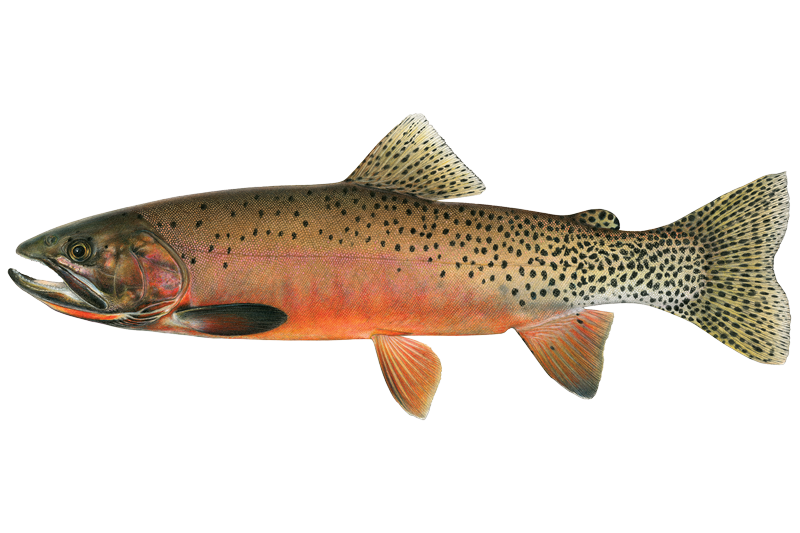
Cutthroat Trout

Lake Trout
Salvelinus namaycush

Largemouth Bass
Micropterus salmoides

Mountain Whitefish
Prosopium williamsoni

Rainbow Trout
Oncorhynchus mykiss

Smallmouth Bass
Water and weather conditions (10 day forecast)
See the best times to fish Grand Teton National Park and check the forecast before you go.
No forecast data available.
Park alerts & road status
Closures and conditions Grand Teton National Park has posted, from the National Park Service.
Checking the park's alerts…
Hours & fees
When Grand Teton National Park is open and what it costs to get in, from the National Park Service.
Hours
Open 24 hoursVisitors may enter the park at any time, but visitor services and motor vehicle access vary throughout the year.
Entrance fees
- Entrance - Private Vehicle$35
- Park entrance fee for 7 days for a private, non-commercial vehicle.
- Entrance - Motorcycle$30
- Valid for 7 days. Admits up to 2 private, non-commercial motorcycles with up to 4 total passengers.
- Entrance - Per Person$20
- Park entrance fee for 7 days for each visitor 16 years and older entering by foot, bicycle, ski, etc.
- Commercial Entrance - Sedan$25
- A commercial tour is defined as consisting of one or more persons traveling on an itinerary that has been packaged, priced, or sold for leisure or recreational purposes by an organization that realizes financial gain through the provision of the service. The cost is $25 + $20 per person. Pass is good for seven days as long as it's the same passenger group.
- Commercial Entrance - Van$125
- Based upon the total capacity of a vehicle that can carry 7-15 passengers, regardless of the actual number of passengers. A commercial tour is defined as consisting of one or more persons traveling on an itinerary that has been packaged, priced, or sold for leisure or recreational purposes by an organization that realizes financial gain through the provision of the service. Pass is good for seven days as long as it's the same passenger group.
Parking & getting around
Where to leave the car in Grand Teton National Park. Lots fill early on busy days, so plan where you will park before you head for the water.
Colter Bay Main Parking Lot
ClosedColter Bay Village parking lot is a paved 464-car lot with 18 designated handicapped parking spaces. The lot has 68 oversized spaces for RVs, boats, and buses. Restrooms are located at the visitor center, general store, and marina. The parking area provides access to the general store, visitor center, marina, amphitheater, and several trailheads. Wait time for spaces is minimal. No overnight parking allowed.
Craig Thomas Discovery and Visitor Center Parking Lot
Craig Thomas Discovery and Visitor Center parking lot is a paved 180-car lot with designated handicapped parking spaces. The lot has 20 oversize spaces for RVs, boats, and buses. Restrooms are available inside the visitor center. Wait times for spaces are minimal. No overnight parking allowed.
Jenny Lake Parking Lot
Jenny Lake parking lot is a paved 414-car lot with 17 designated handicapped parking spaces and nine RV only spaces. Restrooms are available in the parking lot and by the visitor center. Wait times for spaces are high at peak. Overnight parking is only allowed for those with a backcountry permit.
Laurance S. Rockefeller Preserve Center Parking Lot
ClosedLaurance S. Rockefeller Preserve Center parking lot is a gravel 50-car lot with two designated handicapped parking spaces. A restroom is available at the parking lot. Rangers and volunteers are generally available from June-September to provide information and queue vehicles for the next available space. Wait times for spaces can be up to two hours at peak. No overnight parking allowed.
Lupine Meadows Parking Lot
Lupine Meadows Trailhead parking lot is a gravel 106-car lot. Restrooms are available in the parking lot. Wait times for spaces are high at peak. Overnight parking is only allowed for those with a backcountry permit.
Mormon Row Parking Lot
North parking lot closed through mid-summer. Mormon Row parking area has two gravel lots with designated handicapped parking spaces. A bus turnaround is located near the gravel lots. Restrooms are located at the south parking lot. The parking areas provide access to Mormon Row and the Moulton Barns. No overnight parking allowed.
Accessibility: Gravel parking lot and road.
Signal Mountain Boat Launch Parking
The Signal Mountain Boat Launch is a paved 24-car lot with a designated handicapped parking space. Restrooms are available in the parking lot. Oversized and additional parking can be found up the road in the boat trailer lot. Wait times for spaces are low at peak.
String Lake Parking Lot
String Lake parking lot is a paved 226-car lot with designated handicapped parking spaces. Restrooms are available in the parking lot. Buses are not allowed in the String Lake parking lot. Rangers and volunteers are generally available from June-September to provide information. Wait times for spaces are high at peak. Roadside parking is not allowed when parking lot is full. Overnight parking is only permitted for those with a backcountry permit.
Taggart Lake Trailhead Parking Lot
Taggart Lake Trailhead parking lot is a paved 59-car lot with designated handicapped parking spaces. Parking is also allowed on the west side of the Teton Park Road, where marked. Restrooms are available in the parking lot. Wait times for spaces are high at peak.
Getting around
Grand Teton National Park is located in northwestern Wyoming; north of the town of Jackson, Wyoming and south of Yellowstone National Park. By car from Salt Lake City, Utah is approximately 300 miles and about 5-6 hours from the park and from Denver, Colorado is approximately 550 miles and about 8-10 hours from the park. Grand Teton National Park is unique in that it is the only national park that has a commercial airport within its border, Jackson Hole Airport (JAC). For current road info:
Directions on nps.govFishing guides near Grand Teton National Park
Book a trip with a local fishing guide through Guidesly.

Matt Lloyd
Western River Angler
5.0 (10 reviews)
Discover World-Class Trout Fishing
Book on Guidesly, opens in new tab
Seth Berteaux
West Wyoming Fly Fishing
Fly fishing and more in the beautiful Wyoming
Book on Guidesly, opens in new tab
Zack TenBrink
ZT's Angling Co.
Experience Premier Fly Fishing in Dubois, Wyoming
Book on Guidesly, opens in new tab
Fish smarter with real-time insights
Whether you're en route and conditions shift or you're looking for the best spot based on current flows, we enable you to make informed decisions on the fly.




Fishing near Grand Teton National Park
Loading...
Other parks in Wyoming
Gateway towns
Where to base yourself for fishing in Grand Teton National Park.
- JacksonWY
The main gateway town, just south of the park, with hotels, outfitters, guides, restaurants, and Jackson Hole Airport inside park boundaries.
Sits just outside the park's western edge and serves as a resort base with lodging and quick access to park trailheads.
- MoranWY
Small community near the park's Moran entrance on the east side, with ranch lodging and outfitter services close to Jackson Lake.
- DriggsID
Idaho-side base accessed via Teton Pass, offering more affordable lodging for visitors approaching the park from the west.
- VictorID
Small Idaho town on the west slope of the Tetons, providing budget-friendly lodging with highway access over Teton Pass into the park.
Grand Teton National Park fishing rules
The park's own rules, on top of Wyoming licenses and regulations. Limits, fees and closures change, so check the park's page before you go.
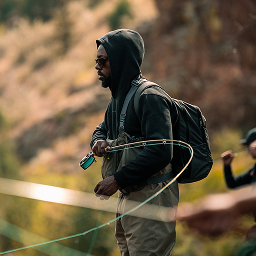
Wyoming Fishing License Required
Anglers 14 and older must have a valid Wyoming fishing license to fish in Grand Teton. Check Wyoming Game and Fish for current license options and fees.
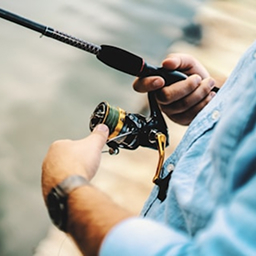
Artificial Lures Only on Most Streams
Only artificial flies and lures are allowed on the Snake River from below Jackson Lake Dam to the Wilson Bridge and on most park streams. A few waterways like the Buffalo Fork and Gros Ventre River are excluded from this rule.
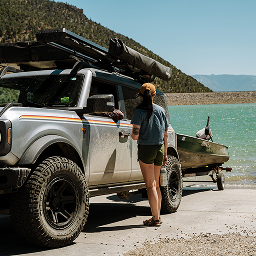
Seasonal Closures on Rivers and Streams
Sections of the Snake River and Buffalo Fork close to access in winter. Most park streams and Blacktail Spring Ponds are also closed for part of the year. Check the park site for current closure boundaries and dates.

Boat Permit and AIS Decal Needed
Every watercraft on park waters, motorized or not, needs a Grand Teton Boat Permit. You also must display a Wyoming Aquatic Invasive Species decal. Get both before you launch.
Explore Grand Teton National Park
Top fishing waters
Popular Cities
Loading popular cities...

Smarter Fishing Starts in the App.
onWater Fish gives you everything you need to plan smarter, fish better, and own every trip from first cast to last.