Fishing in Acadia National Park
- National Park
- Open 24 hours
- Lakes
- 27
- Rivers
- 35
- Access
- 0
- Boat Ramps
- 0
- Shops
- 0
- Species
- 15
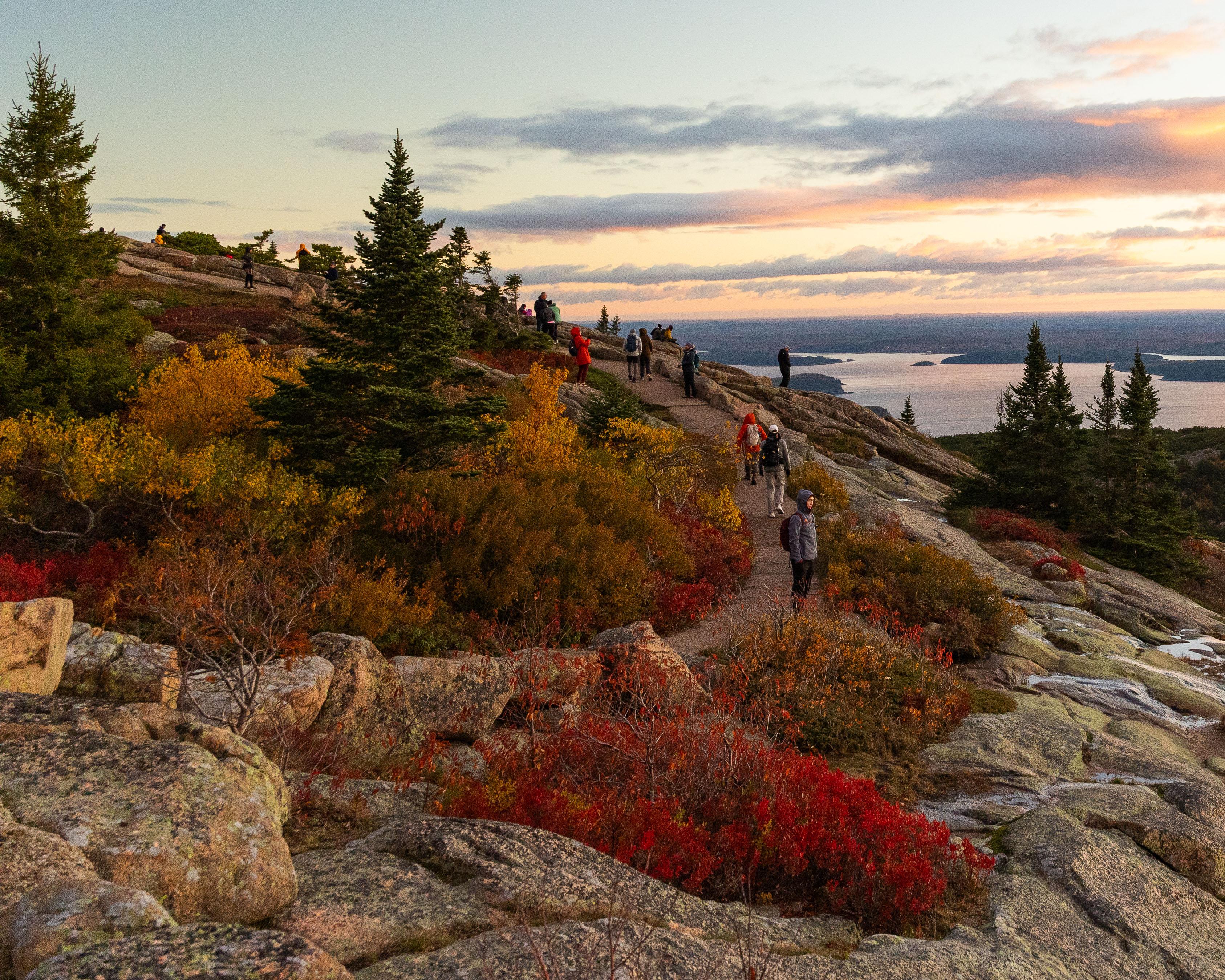
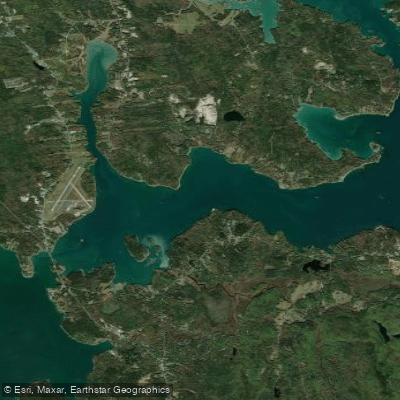
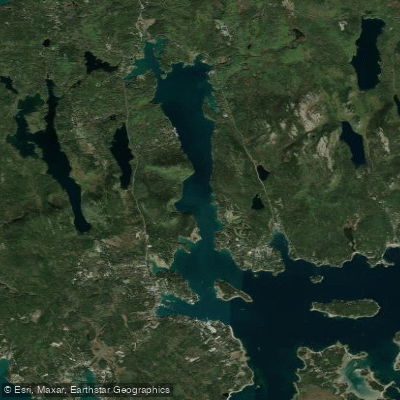
Acadia sits on Mount Desert Island off the Maine coast, where glacially carved lakes and ponds drain through short streams to a saltwater shoreline.
That geography puts two entirely different kinds of fishing within a few miles of each other — cold, clear freshwater in the interior and open Atlantic access along the edges. The freshwater fishing centers on a handful of lakes and ponds.
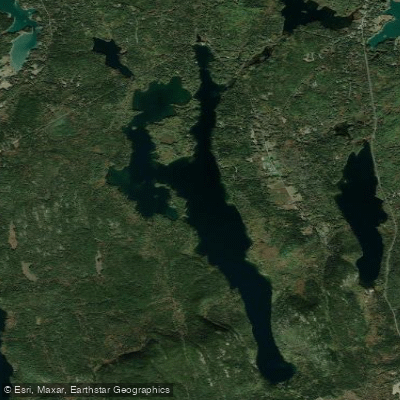
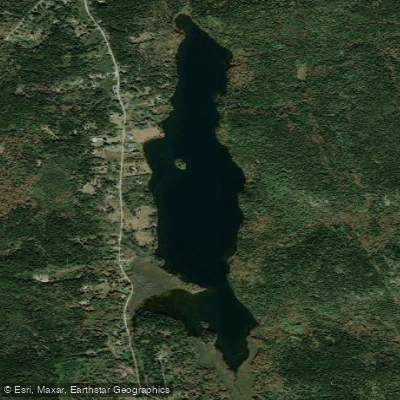
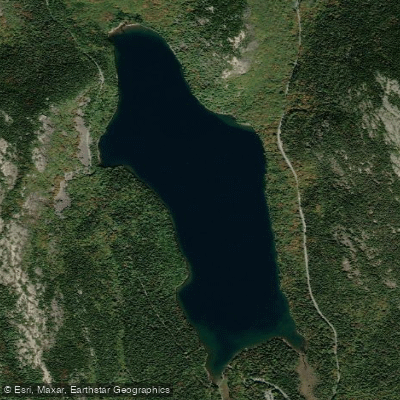
Eagle Lake and Long Pond are among the larger waters, holding landlocked salmon, brook trout, and lake trout. Jordan Pond is another well-known park water. Lake Wood holds salmon, brook trout, pickerel, and pumpkinseed.
As summer pushes water temperatures up, trout and salmon drop into the deeper, cooler layers — lead-core line or a downrigger becomes useful gear from July through August.
Spring and fall are more forgiving; fish are shallower and more accessible by conventional methods. Smallmouth bass and warm-water species like perch, pickerel, and pumpkinseed stay catchable through the warmer months when the salmonids go deep.
The park holds 29 species of freshwater fish across its lakes, ponds, and streams. Brook trout are the native cold-water species most consistently present. Smallmouth bass are an introduced species found in waters warm enough to support them.
Freshwater streams close October 31 through March 31. Live bait is prohibited in freshwater. A valid Maine fishing license is required for all freshwater fishing in the park; anglers under 16 are exempt.
To cross park land with traps or nets to reach the Great Ponds, a free special use permit signed by the park superintendent is required — check with the park directly on current requirements before you go.
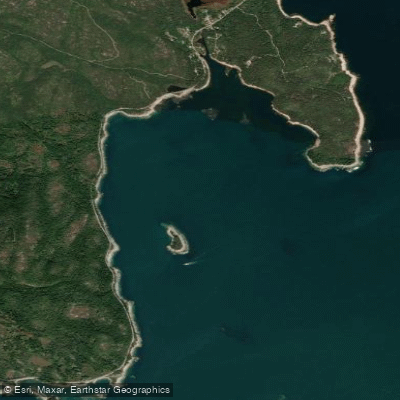
On the salt side, shore fishing along Sargent Drive, Somes Sound, Frazer Point, and the Schoodic Peninsula puts anglers in range of mackerel, bluefish, and striped bass. The Manset Town Landing is a known shore spot for mackerel.
No Maine license is required for saltwater fishing, but registration with the National Saltwater Angler Registry is required. Coastal rocks here are genuinely slippery and exposed to unexpected wave surge — worth taking seriously.
Alewives — river herring — are an ongoing restoration focus in the park's watersheds. They're not a target species, but their return matters to the broader ecosystem and to the commercial fishing operations, including lobster fishing, that depend on baitfish.
Fishing here sits inside a place actively managed for that kind of long-term health, which shapes how the rules are written and why they're worth following.
Species & education
Learn what type of fish are in Acadia National Park and what's needed to catch them.
Find which waters have the species you want to catch

Atlantic Cod
Gadus morhua

Atlantic Halibut
Hippoglossus hippoglossus

Atlantic Mackerel
Scomber scombrus

Cunner
Tautogolabrus adspersus

Haddock
Melanogrammus aeglefinus

Pollock
Pollachius virens

Redfish
Sciaenops ocellatus

Spiny Dogfish
Squalus acanthias
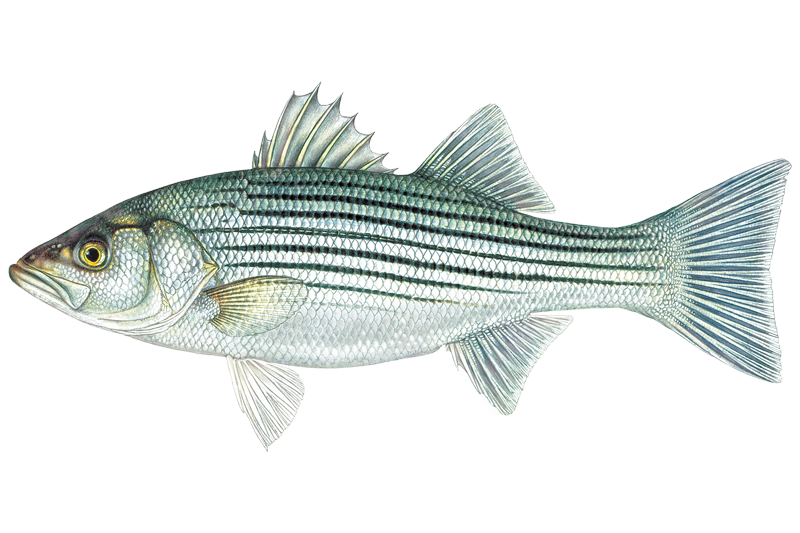
Striped Bass
Morone saxatilis

Winter Flounder
Pseudopleuronectes americanus

Alewife
Alosa pseudoharengus

American Eel
Anguilla rostrata

Atlantic Salmon

Brook Trout
Salvelinus fontinalis

Brown Trout
Salmo trutta
Water and weather conditions (10 day forecast)
See the best times to fish Acadia National Park and check the forecast before you go.
No forecast data available.
Park alerts & road status
Closures and conditions Acadia National Park has posted, from the National Park Service.
Checking the park's alerts…
Hours & fees
When Acadia National Park is open and what it costs to get in, from the National Park Service.
Hours
Open 24 hoursAcadia National Park is open year-round. Check our website for park facilities operating hours, such as Hulls Cove Visitor Center.
Entrance fees
- Timed Entry Reservation - Location$6
- Vehicle reservations are not required for any other areas of the park, or for visitors who enter the area by foot, bike, or taxi. Vehicle reservations provide a timed entry, but do not require a departure time until 9 pm, when the road closes to vehicles. Reservations do not permit re-entry. Reservations are per vehicle, not per person. Reservations do not assign a specific parking space. Parking is prohibited outside of designated spaces. Cadillac is not served by the Island Explorer bus system.
- Entrance - Private Vehicle$35
- Valid for seven days. Admits private, non-commercial vehicle (15 passenger capacity or less) and all occupants. This includes rental cars, RVs, and vans with fewer than 16 passengers. If the vehicle pass is purchased, no other pass is necessary.
- Entrance - Motorcycle$30
- Valid for 7 days. Admits up to 2 private, non-commercial motorcycles with up to 4 total passengers.
- Entrance - Per Person$20
- Valid for seven days. Admits one individual with no car (bicyclist, hiker, pedestrian). Youth 15 and under are admitted free of charge.
- Entrance - Education/Academic GroupsFree
- School groups and other academic institutions may qualify for an Educational Fee Waiver. If not qualified, please check fees for large or commercial groups.
Parking & getting around
Where to leave the car in Acadia National Park. Lots fill early on busy days, so plan where you will park before you head for the water.
Cadillac Mountain
Cadillac Mountain summit and Blue Hill Overlook
Echo Lake
Parking lot for Echo Lake Swim Beach, Beech Cliff Trail and Canada Cliffs Climbing. Lot closed to recreational vehicles (RVs) and trailer. Only buses with permits are allowed.
Accessibility: a long ramp leads down to the restrooms and swim beach from the East side of the parking lot.
Jordan Pond
Jordan Pond North lot and boat launch area
Sand Beach Park Lot
Sand Beach Parking Lot serves Sand Beach, Ocean Path, and Great Head Trail. It is closed to buses, RVs, and trailers. The parking lot regularly fills during summer and you may see rangers directing vehicles at the intersection or parking lot. Follow their instructions and if parking is full or temporarily closed, be prepared to visit the site at a different time. Use the right-hand lane parking along the Park Loop Road as an alternative.
Accessibility: While the comfort stations are accessible, to reach Sand Beach visitors must use a set of granite stairs.
Getting around
From Boston take I-95 north to Augusta, Maine, then Route 3 east to Ellsworth, and on to Mount Desert Island. For an alternate route, continue on I-95 north to Bangor, Maine, then take I-395 to U.S. Route 1A east to Ellsworth. In Ellsworth, take Route 3 to Mount Desert Island.
Directions on nps.govFishing guides near Acadia National Park
Book a trip with a local fishing guide through Guidesly.

Alex Obregon
Confluence Fishing
5.0 (3 reviews)
Embark On This Fine Fishing Adventure!
Book on Guidesly, opens in new tab
Kenny Livingwater
Livingwater Guide Services
5.0 (1 review)
Thrilling Maine Fishing: Book Now!
Book on Guidesly, opens in new tab
James Neville
Jim Neville Outdoors
Top guided fishing trips in Orono, ME
Book on Guidesly, opens in new tab
Jared Hughes
Black Stream Outfitters
Maine Hunting and Fishing With Pro Guide
Book on Guidesly, opens in new tab
Jordan Caron
Reel Addiction Sportfishing
Top Inshore & Offshore trips- Boothbay Harbor, ME
Book on Guidesly, opens in new tab
Jonathan Higgins
Prey drive guide service
Striper Trips in Blue Hill and Belfast, Maine!
Book on Guidesly, opens in new tab
Fish smarter with real-time insights
Whether you're en route and conditions shift or you're looking for the best spot based on current flows, we enable you to make informed decisions on the fly.




Fishing near Acadia National Park
Loading...
Gateway towns
Where to base yourself for fishing in Acadia National Park.
The main base for Acadia, with lodging, restaurants, outfitters, guided tours, and trails leading directly from downtown.
Quieter village on the west side of Mount Desert Island, with lodging and access to the park's less-crowded western trails.
Small harbor village on Mount Desert Island offering lodging and a calmer alternative base for exploring the park.
Acadia National Park fishing rules
The park's own rules, on top of Maine licenses and regulations. Limits, fees and closures change, so check the park's page before you go.
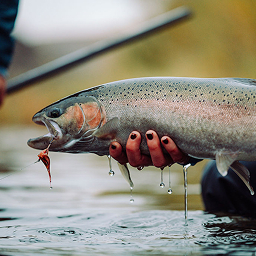
Maine Fishing License Required
You need a valid Maine fishing license to fish anywhere in the park. Children under 16 are exempt. Check current requirements with the Maine Department of Inland Fisheries and Wildlife.
Special Permit for Great Ponds Access
To cross park land to reach the Great Ponds, you need a free special use permit signed by the park superintendent. You must also hold the applicable valid Maine state license as a condition of that permit.
State Rules Govern Your Fishing
Maine state regulations set the fishing rules inside park boundaries for both freshwater and saltwater. Follow the Maine Department of Inland Fisheries and Wildlife and Maine Department of Marine Resources regulations while you fish here.
Explore Acadia National Park
Top fishing waters
Popular Cities
Loading popular cities...
Smarter Fishing Starts in the App.
onWater Fish gives you everything you need to plan smarter, fish better, and own every trip from first cast to last.