Clam Shoal
- Saltwater
- Sea area
Clam Shoal
- Saltwater
- Sea area
- Sq. miles
- 0.5
- Boat Ramps
- 0
- Access Points
- 0
- Species
- 2
Clam Shoal is a significant artificial reef and oyster sanctuary located in the Pamlico Sound, approximately 1.4 nautical miles from Frisco on Hatteras Island. Established in 1996, this sanctuary is a substantial man-made structure composed of 38,359 tons of rip rap limestone marl, creating a complex underwater habitat. It functions as both a protected oyster sanctuary and a designated artificial reef, attracting a variety of fish species and offering anglers a productive nearshore destination. The site is also known colloquially as Bird Island.
Species & education
Learn what type of fish are at Clam Shoal and what's needed to catch them.
Find which waters have the species you want to catch

Black Sea Bass
Centropristis striata

King Mackerel
Scomberomorus cavalla
Fishing spots, boat ramps & amenities
Learn how to get on Clam Shoal. Uncover great fishing access points, boat ramps, and all the facilities you need for an unforgettable day on the water. Some locations shown may border or include private property. Always check property boundaries and applicable regulations before visiting. onWater's Public & Private Land layer can help you plan your access with confidence.
NC Artificial Reef
NC Artificial Reef
NC Artificial Reef
NC Artificial Reef
NC Artificial Reef
NC Artificial Reef
NC Artificial Reef
NC Artificial Reef
NC Artificial Reef
NC Artificial Reef
Know where you can legally fish on Clam Shoal
See public and private land boundaries along the water, turn on private parcels with owner details to know where permission is required, and find land-trust parcels that offer permitted fishing access.
North Carolina licenses and regulations
North Carolina Boating Regulations
When using any type of watercraft to access a body of water, it is important to follow all federal, state, and local rules and regulations. These rules and regulations include boat permitting and licensing, invasive species inspections and stamps, life jacket and PFD rules, motor size and horsepower restrictions, noise limitations, restrictions on personal watercraft, and many more. Visit the web link below for the most current rules and regulations for this body of water.
North Carolina Coastal & Inland Waters
North Carolina divides its waters into three designations: coastal waters, inland waters, and joint waters. A Coastal Recreational Fishing License covers coastal and joint waters, while a Wildlife Resources Commission inland fishing license covers inland and joint waters. Either license satisfies the requirement in joint waters, and the Division of Marine Fisheries provides an interactive map to help you identify which designation applies to where you plan to fish.
North Carolina Federal Waters & Offshore Rules
Federal waters begin where state waters end and extend to the 200-mile limit, where NOAA Fisheries and the South Atlantic Fishery Management Council set the rules. No additional federal permit is required for general recreational fishing in federal waters, but vessels targeting or retaining Atlantic highly migratory species such as tuna, billfish, sharks, or swordfish must carry a federal Atlantic HMS vessel permit issued by NOAA Fisheries. Anglers remain responsible for following both state and federal regulations on every trip.

North Carolina Saltwater Fishing License
Anyone age 16 or older must have a Coastal Recreational Fishing License to recreationally take finfish in North Carolina coastal waters. The Division of Marine Fisheries administers the license, which is available on a 10-day, annual, or lifetime basis. Passengers on for-hire trips and anglers fishing joint waters with a Wildlife Resources Commission inland fishing license are also covered.
North Carolina Saltwater Size & Bag Limits
Size and bag limits apply per species in North Carolina coastal and joint waters and can change throughout the year. The Division of Marine Fisheries maintains the current table, which covers species including red drum, flounder, spotted seatrout, king mackerel, and cobia. Check the official limits page before every trip since rules are updated by proclamation.
North Carolina Shellfish Closures & Advisories
The Division of Marine Fisheries classifies coastal waters for shellfish harvesting and issues temporary closures when rainfall, stormwater runoff, or other contamination makes harvesting unsafe. Closures apply to oysters, clams, and other molluscan shellfish and can change quickly, so you should check current status before harvesting. The Division maintains a Shellfish Sanitation Temporary Closure Public Viewer showing both permanent and temporary closed areas along the coast.
Take Clam Shoal with you
The onWater Fish app keeps this water's access points, species and conditions in your pocket, with the tools you use once you're there.
Use the map without signal
Download the map around Clam Shoal to use it offline when coverage drops.
Log your catches here
Keep a private fishing journal for Clam Shoal to find where and when fish are biting for you.
Get the onWater Fish app
Free on iOS and Android
Tides, wind & water conditions (10 day forecast)
On open water, wind and tide matter as much as the weather. See the best times to fish Clam Shoal and check the marine forecast before you launch.
Loading tide predictions…
Fishing near Clam Shoal
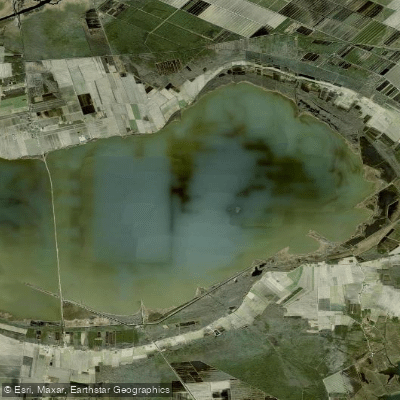
Lake Mattamuskeet
Pamlico River
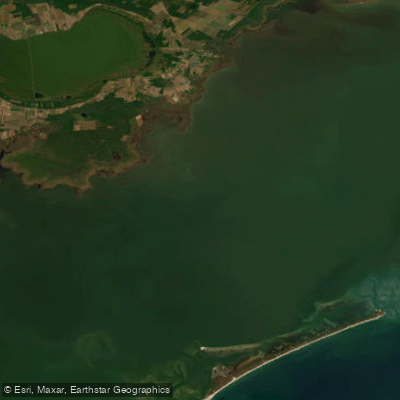
Pamlico Sound
Long Stretch
Gum Neck Creek
Raleigh Bay
Hatteras Bight
Shark Shoal
Hatteras Inlet
Old Rollinson Channel
Explore North Carolina waters
Top fishing waters
Popular Cities
Loading popular cities...
Explore near Clam Shoal

Smarter Fishing Starts in the App.
onWater Fish gives you everything you need to plan smarter, fish better, and own every trip from first cast to last.